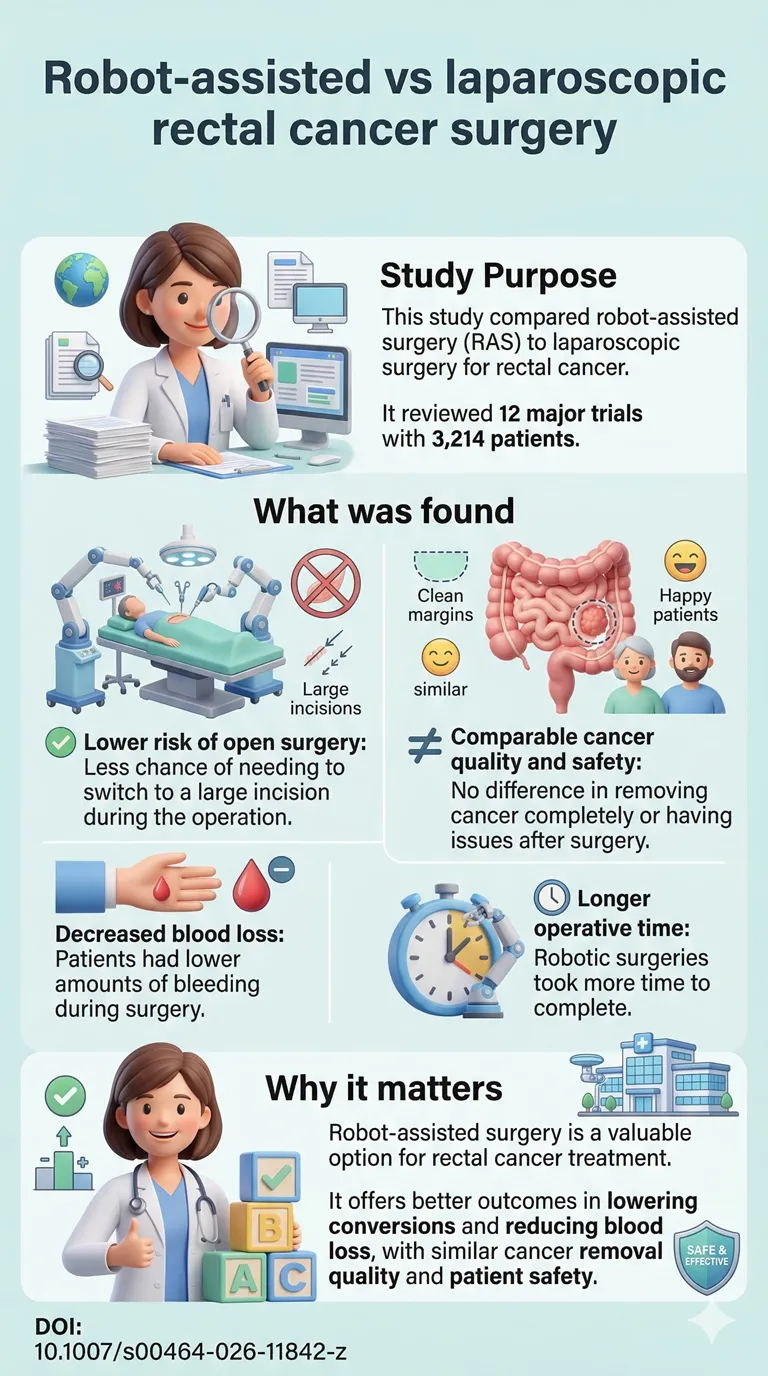
Robotic Surgery May Reduce the Need for Open Surgery in Rectal Cancer
Robotic Surgery May Reduce the Need for…
SF-203 (Second Floor), Olive Greens, Sarkhej - Gandhinagar
Hwy, Gota, Ahmedabad, Gujarat, India 382481
Plot No. 1 A, Apollo Hospital International Limited, GIDC Bhat, Industrial Estate, Gandhinagar, Gujarat 382428

Patient

Patient
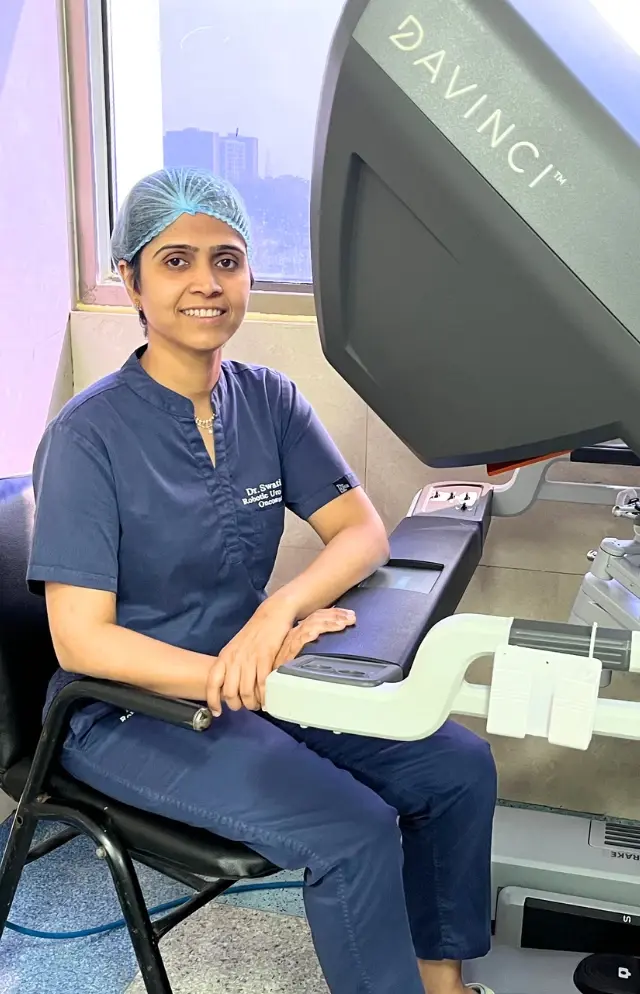
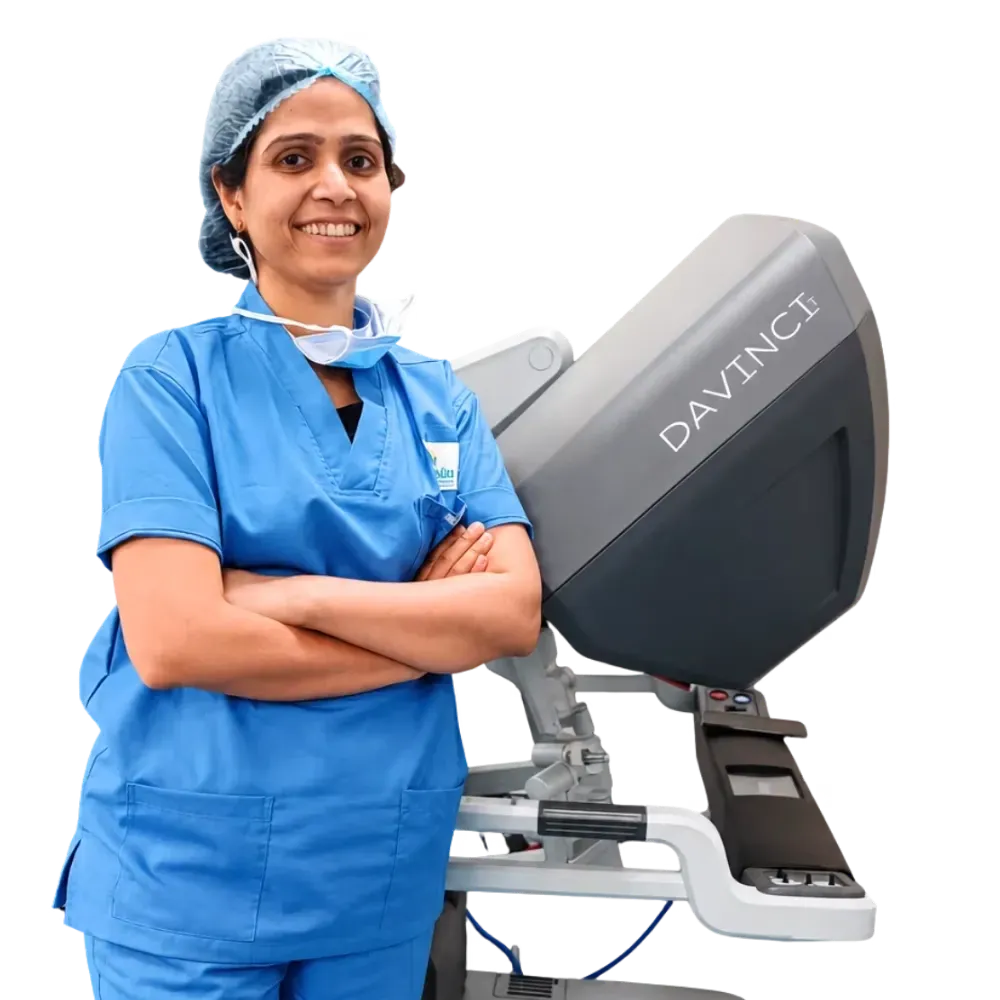
hello my name is abhay jain n m very much thanks for dr swati shah for such a great work . I had robotic surgery done by dr swati shah.she is one of the best robotic surgeon in the world .

Patient
| The Myth | The Fact |
|---|---|
| "The robot performs the surgery automatically on its own." | Fact: The robotic system is 100% controlled by Dr. Swati Shah at all times. It is a highly advanced tool that perfectly translates her exact finger movements into micro-precise actions inside the body; it makes zero decisions on its own. |
| "Robotic surgery is too risky for older, weaker patients." | Fact: Because robotic surgery involves significantly less blood loss, less pain, and tiny incisions, it is actually much safer for elderly patients (even those in their 70s and 80s) compared to the heavy trauma of traditional open surgery. |
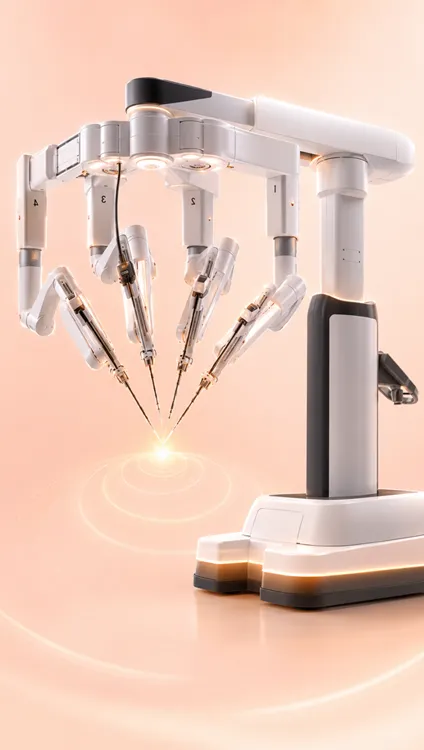
| "Laparoscopic surgery is the exact same thing as Robotic surgery." | Fact: Laparoscopy uses rigid, straight sticks and a flat 2D screen. Robotic surgery offers a 10x magnified 3D view and "wristed" instruments that bend in all directions, which is critical for operating safely in tight spaces like the deep pelvis. |
| "If the machine fails, the surgery cannot be completed." | Fact: Robotic systems have multiple built-in, fail-safe backups. In the incredibly rare event of a technical issue, an expert surgeon like Dr. Shah is fully trained to seamlessly transition and complete the surgery safely. |
| "Robotic surgery is a new, experimental treatment." | Fact: Robotic surgery is not experimental; it is the globally recognized "Gold Standard" for treating prostate and kidney cancers. It is proven to significantly improve cancer clearance and protect vital organs better than traditional methods. |


| Feature | Robotic Surgery | Laparoscopic Surgery | Traditional Open Surgery |
|---|---|---|---|
| Surgeon's Vision | 3D High-Definition (10x Magnification) | 2D Flat Screen (Standard Vision) | Naked Eye (Limited by lighting & angles) |
| Instrument Flexibility | 360-Degree Wristed Movement (Moves exactly like a human hand) | Rigid, straight sticks (No wrist movement) | Human hands (Limited by space inside the body) |
| Incision Size | 4–5 Tiny Keyholes (8mm each) | 4–5 Small Keyholes | One massive cut (6–12 inches) |
| Blood Loss | Minimal (Transfusions are extremely rare) | Low to Moderate | High (Transfusions frequently needed) |
| Hospital Stay | 2 to 4 Days | 3 to 5 Days | 7 to 10+ Days |
| Nerve & Function Sparing | Excellent (Highest rate of preserving continence, sexual function, and healthy kidney tissue) | Good (But difficult in tight pelvic spaces) | Moderate to Low (Higher risk of nerve damage) |


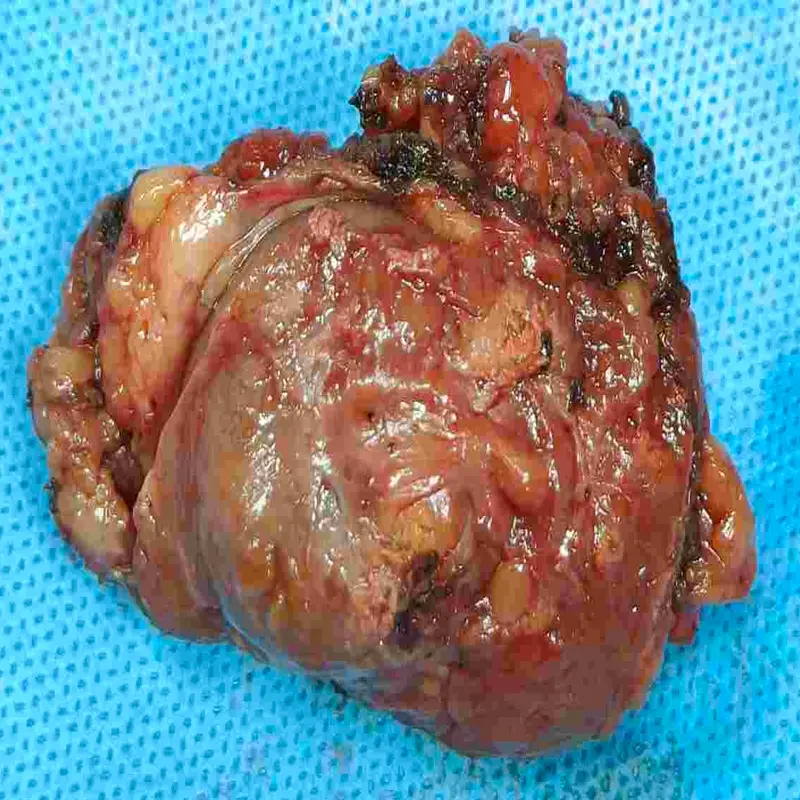
A 66-year-old male presented with a symptomatic 3.5 cm renal mass and bilateral inguinal hernias. Imaging suggested potential renal cell carcinoma, necessitating precise surgical intervention to preserve renal function while ensuring complete tumor eradication. The combined presentation required a sophisticated, multi-disciplinary approach to address both the oncological and abdominal concerns.
⦿ Robotic Right Partial Nephrectomy and Open Bilateral Inguinal Hernioplasty
• Procedure: A robotic trans-peritoneal approach was utilized for the partial nephrectomy and hernia repair.
• Anatomical Complexity: The surgery successfully addressed a lower-pole renal mass alongside bilateral indirect inguinal hernias.
• Patient Safety: The procedure was executed with exceptional safety, resulting in minimal blood loss of 200 ml.
• Cancer Clearance: Postoperative histopathology confirmed an oncocytoma with all surgical margins negative for invasive tumor cells.
⦿ Seamless Recovery and Excellent Pathological Success
The patient demonstrated an uneventful postoperative recovery and remained hemodynamically stable throughout his hospital stay. Final pathology confirmed a complete excision of the oncocytoma with clear margins, negating the need for further oncological intervention. He was discharged in a stable, ambulatory condition, having successfully resolved both the renal neoplasm and bilateral hernias.
By utilizing the Da Vinci robotic system, we were able to perform a highly precise partial nephrectomy that prioritized renal preservation. This approach provided the best possible oncological outcome for the patient, ensuring a swift recovery and long-term functional stability.
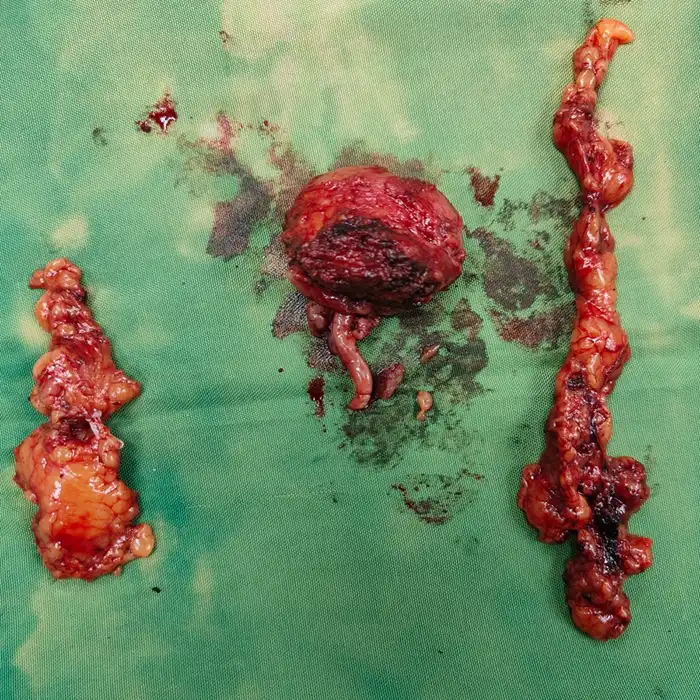
⦿ VIU and Robotic Radical Prostatectomy
• Procedure: Dr. Shah executed a combined cystoscopic urethrotomy and a minimally invasive robotic prostatectomy.
• Lymph Nodes: A systematic pelvic lymphadenectomy was performed, with fifteen total nodes retrieved for accurate staging.
• Safety: The robotic approach allowed for extreme precision, resulting in minimal blood loss and stable vitals.
• Cancer Clearance: The surgical team achieved completely negative margins, successfully removing a tumor involving 50% of the gland.
⦿ Organ-Confined Clearance and Rapid Mobilization
The patient demonstrated a smooth postoperative recovery, achieving early ambulation and maintaining hemodynamic stability throughout his hospital stay. Final pathology confirmed a pT2N0 stage, indicating the high-grade cancer was entirely organ-confined with zero lymph node involvement. He was discharged in stable condition with a clear follow-up protocol and an excellent functional prognosis.
Even with an aggressive Gleason 8 score, robotic surgery allows us to achieve curative results when the disease is organ-confined. By combining urethral repair with precise robotic excision, we effectively cleared the cancer while prioritizing the patient’s rapid return to normal urinary function.
A 52-year-old female presented with high-grade muscle-invasive urothelial carcinoma of the urinary bladder after completing neoadjuvant chemotherapy. Positron emission tomography revealed an aggressive, avid lesion penetrating the bladder wall and abutting the pelvic bowel. This highly complex malignancy demanded an immediate, extensive, and precise surgical intervention.
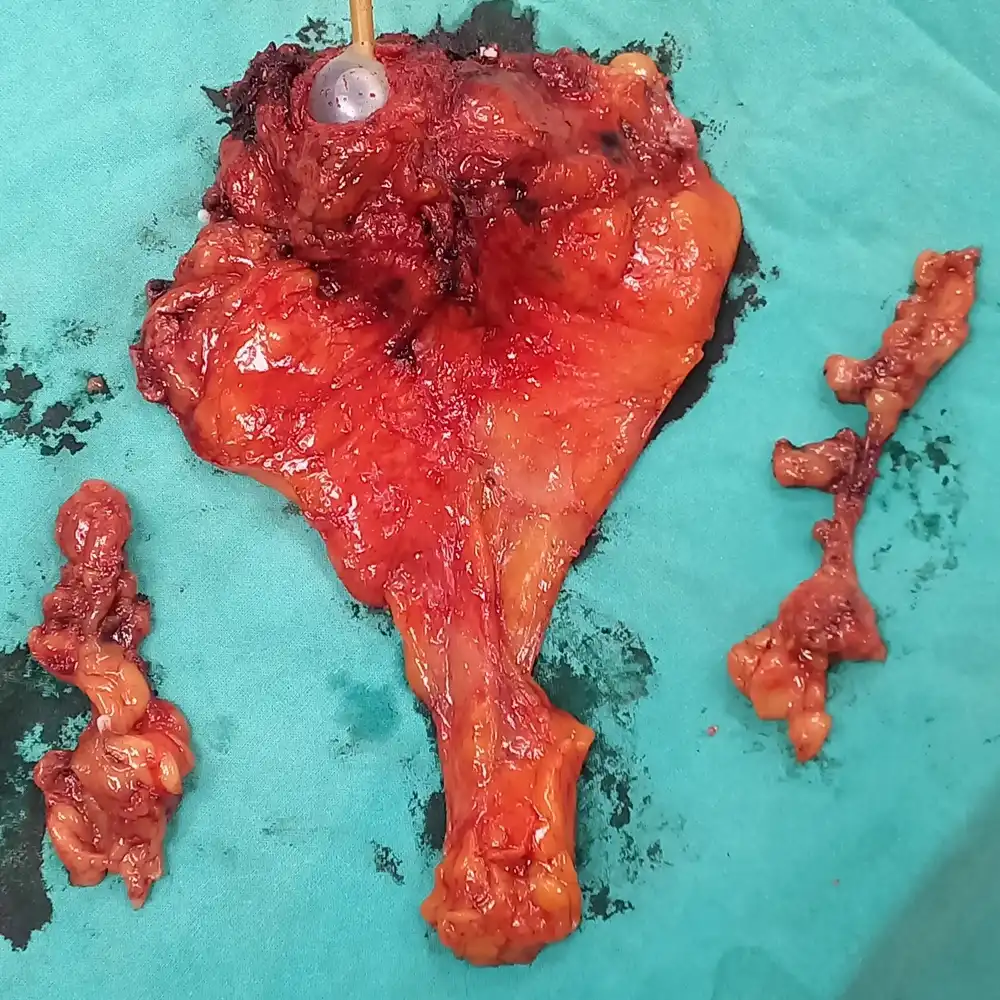
⦿ Robotic Radical Cystectomy with Hysterectomy and Neobladder
• Procedure: We utilized a highly advanced transperitoneal robotic approach for complete bladder and uterine excision.
• Extensive Lymph Node Dissection: Meticulous bilateral pelvic lymph node dissection was performed to ensure a comprehensive oncological staging.
• Minimal Blood Loss: Operative precision resulted in an exceptionally low total blood loss of just 100 milliliters.
• Complete Cancer Clearance: Real-time intraoperative frozen section analysis successfully confirmed tumor-free ureteral and urethral surgical margins.
⦿ Excellent Recovery and Restored Function
The patient experienced an exceptionally smooth and uneventful postoperative recovery, becoming completely ambulatory shortly after the extensive surgery. Comprehensive pathological evaluations successfully confirmed entirely clear surgical margins alongside the meticulous creation of a functional orthotopic neobladder. She was safely discharged home with highly stable hemodynamics and an excellent functional prognosis.
Utilizing advanced robotic techniques allowed me to achieve precise oncological clearance while meticulously reconstructing a functional neobladder. This highly complex, minimally invasive approach provides our patients with excellent survival outcomes and greatly preserves their overall quality of life.
Robotic Surgery May Reduce the Need for…
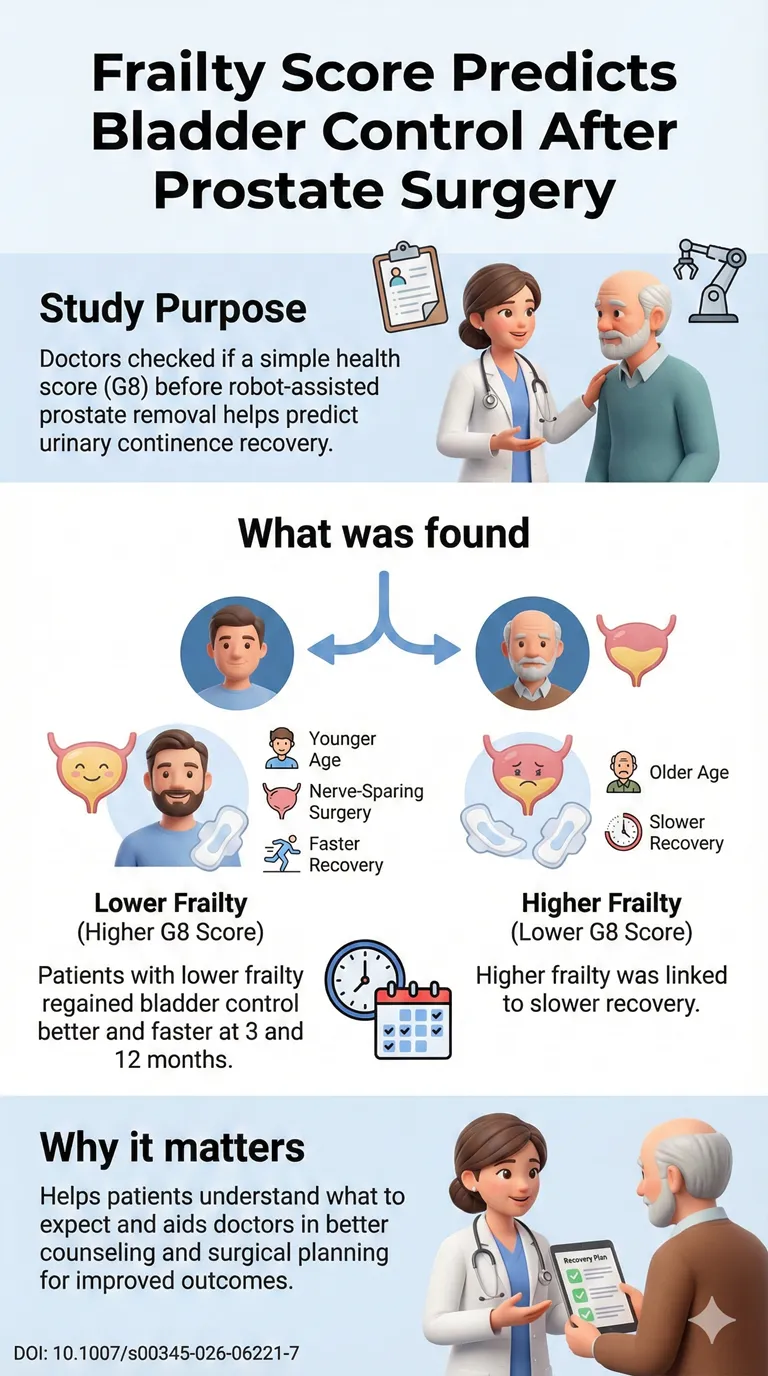
Frailty Score Can Predict Bladder Control After…
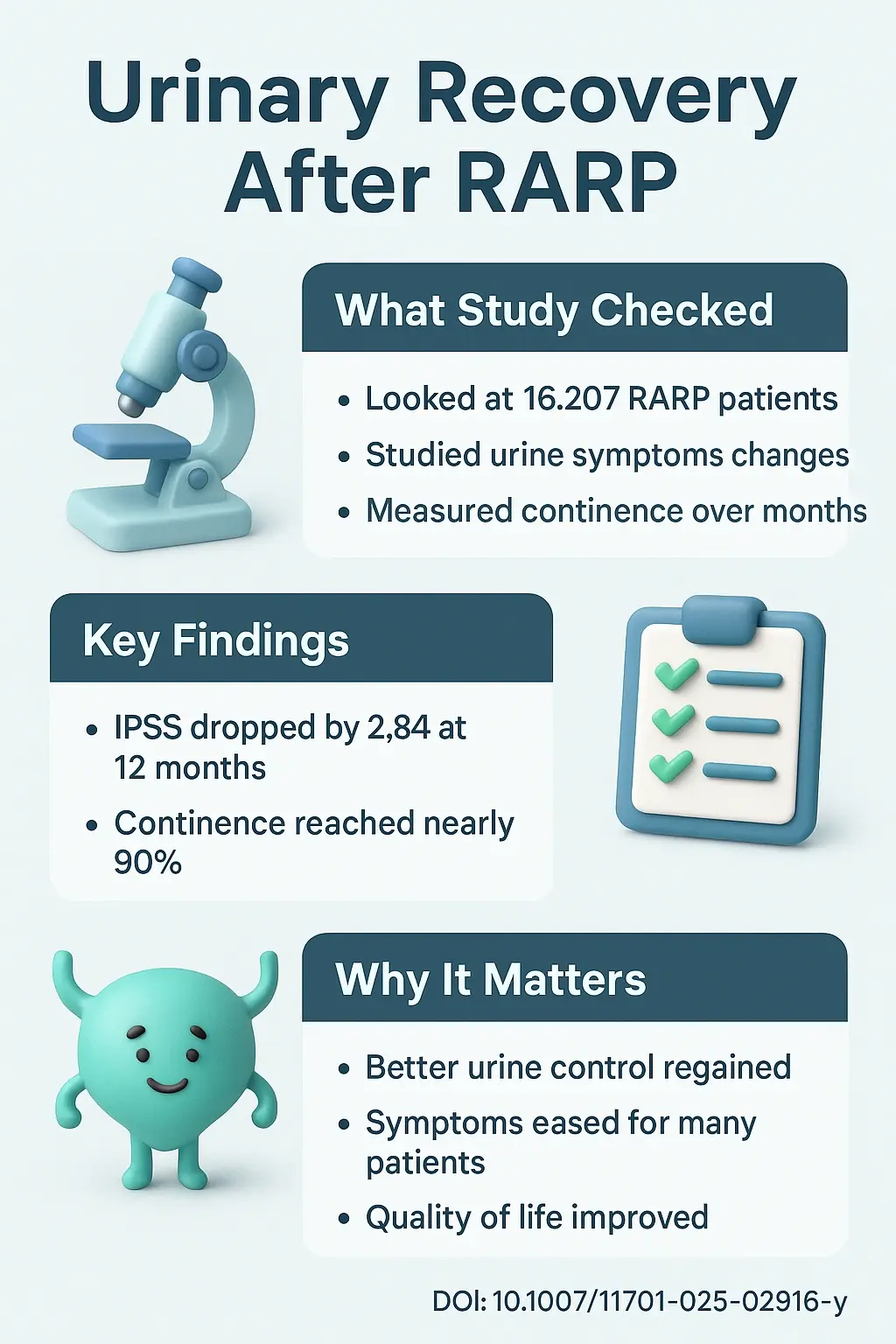
Most Men See Improved Urinary Symptoms After…
| Surgery Type | Typical Cost Range | Primary Benefit |
|---|---|---|
| Traditional | Lower | Basic access |
| Robotic | Higher | Precision & Speed |
If you have any kind Uro Cancer related medial emergency, visit Apollo Hospital. An expert doctor is always available & treatment will be provided at once.