

Urinalysis
Uses, Types, Procedure & Results
Home > Blog > Cancer > Cancer Diagnosis > Diagnosis English > Urinalysis
- ON THIS PAGE
- Overview
- Test Types
- Purpose
- Screening
- Symptoms
- Procedure
- Result Ranges
- Causes
- Follow-Up
- FAQs
- ON THIS PAGE
- Overview
- Test Types
- Purpose
- Screening
- Symptoms
- Procedure
- Result Ranges
- Causes
- Follow-Up
- FAQs
Summary
- What Urinalysis Checks For
- Why It’s Commonly Used
- Easy and Painless Process
What Is Urinalysis?
- History
- Urine test meaning and purpose
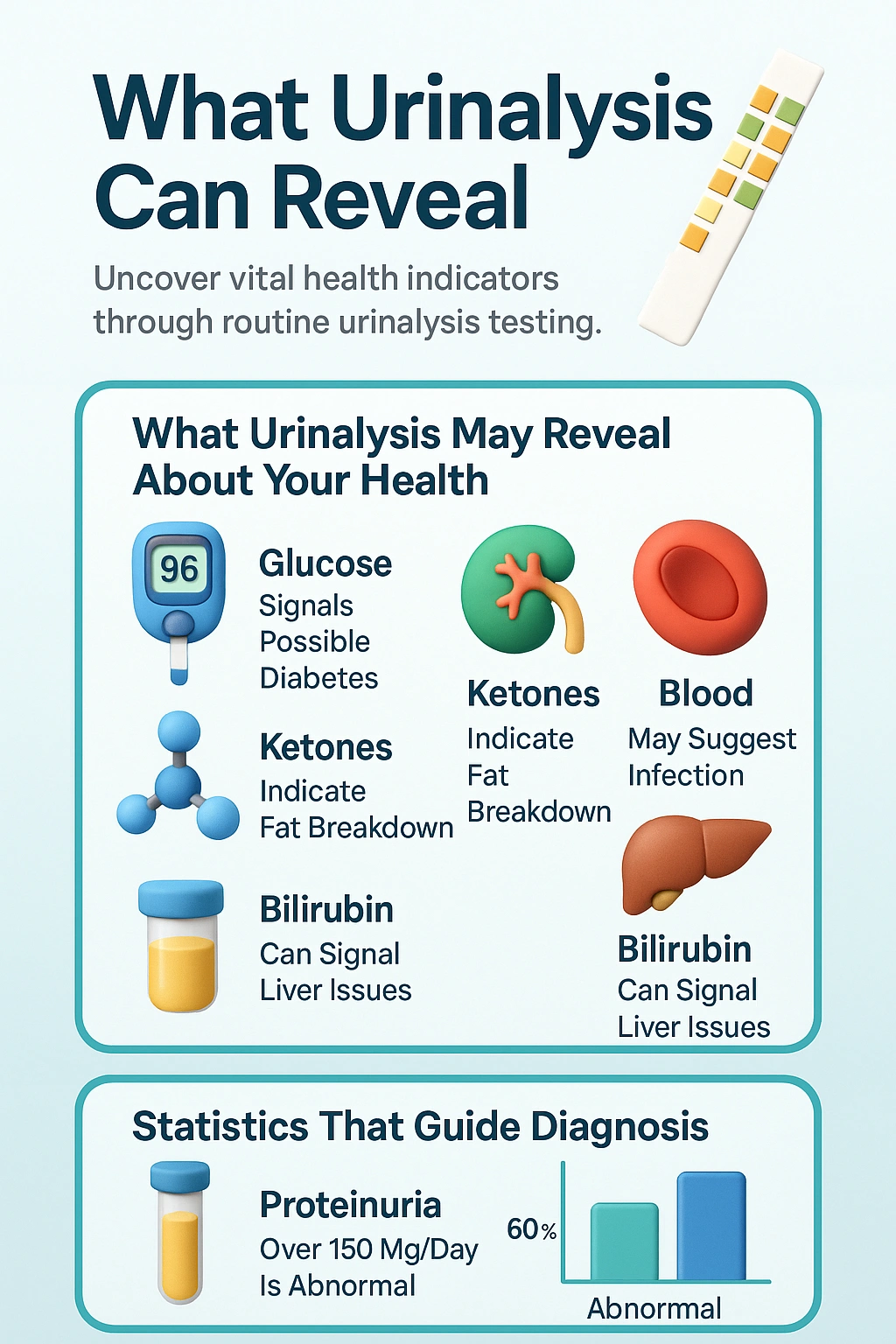
- What can be detected through urinalysis
⦿ Kidney problems like stones or infections.
⦿ Liver diseases.
⦿ Diabetes (by checking for sugar in the urine).
⦿ Urinary Tract Infections (UTIs).
⦿ Dehydration.
⦿ Signs of certain types of cancers.
⦿ Issues during pregnancy, like preeclampsia.
- Urinalysis vs urine culture – key difference
Types of Urinalysis Tests
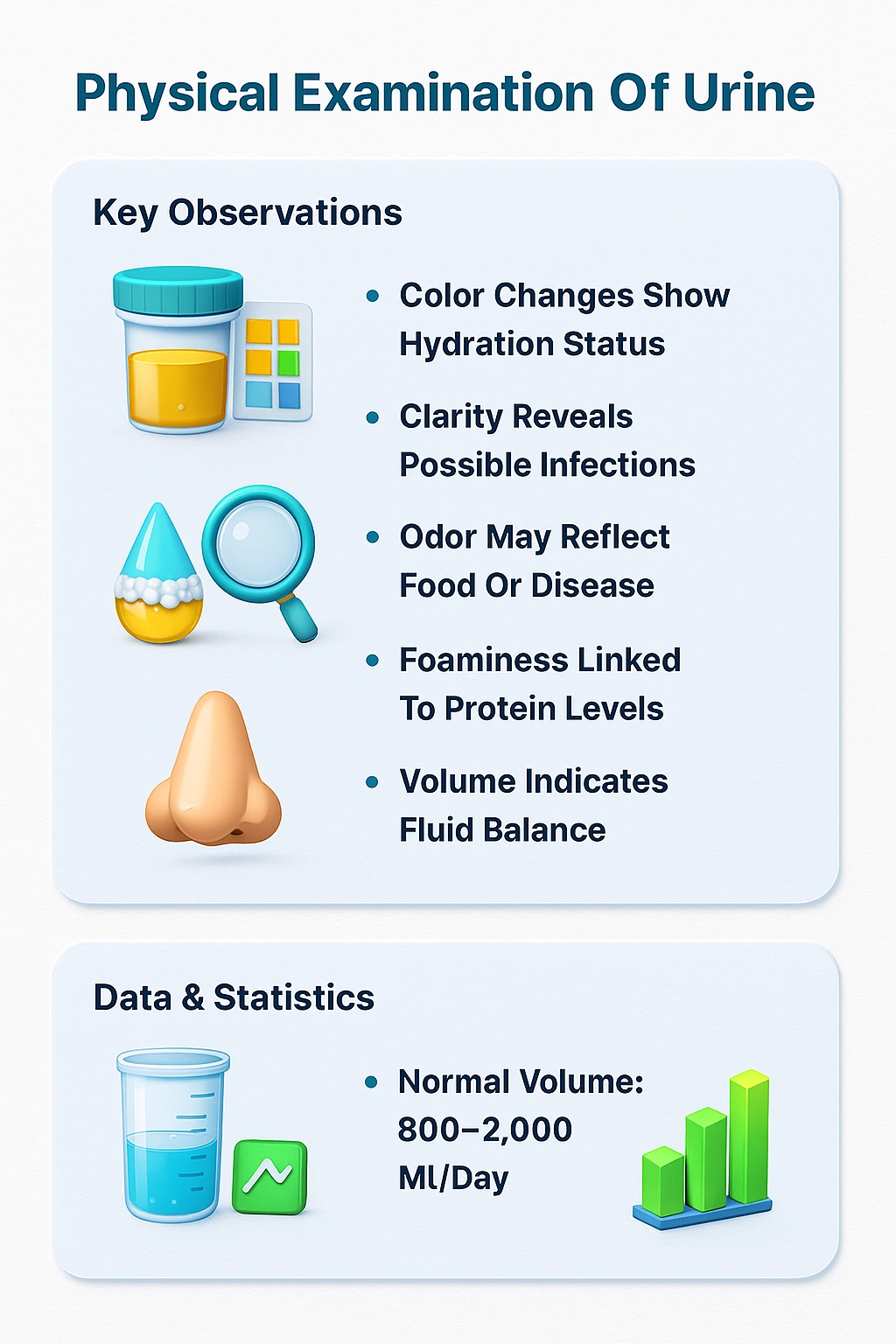
- Physical examination (color, clarity, odor)
- Chemical analysis (glucose, protein, pH, ketones)
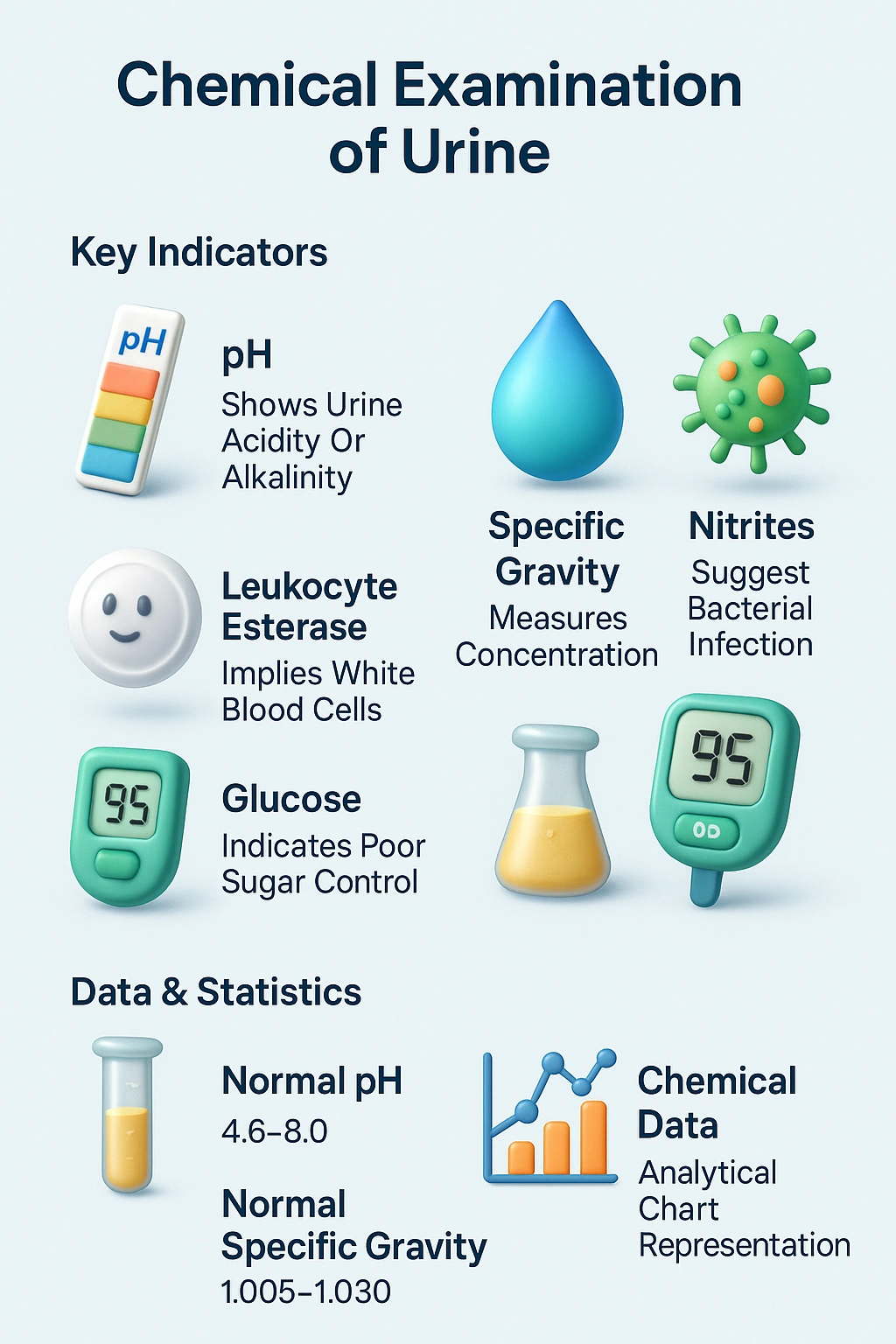
Next, a chemical analysis is performed, often using a urinalysis strip test. This is a plastic strip with chemical pads that change color when dipped into urine. This quick test measures various substances, including:
⦿ pH: How acidic or alkaline your urine is.
⦿ Protein: High levels could indicate kidney problems.
⦿ Glucose (Sugar): A sign of diabetes.
⦿ Ketones: Substances made when the body breaks down fat for energy.
⦿ Bilirubin: A sign of liver issues.
⦿ Specific Gravity: This checks the concentration of your urine. The urinalysis specific gravity tells the doctor how well your kidneys are balancing water in your body.
- Microscopic exam (RBCs, WBCs, crystals, bacteria)
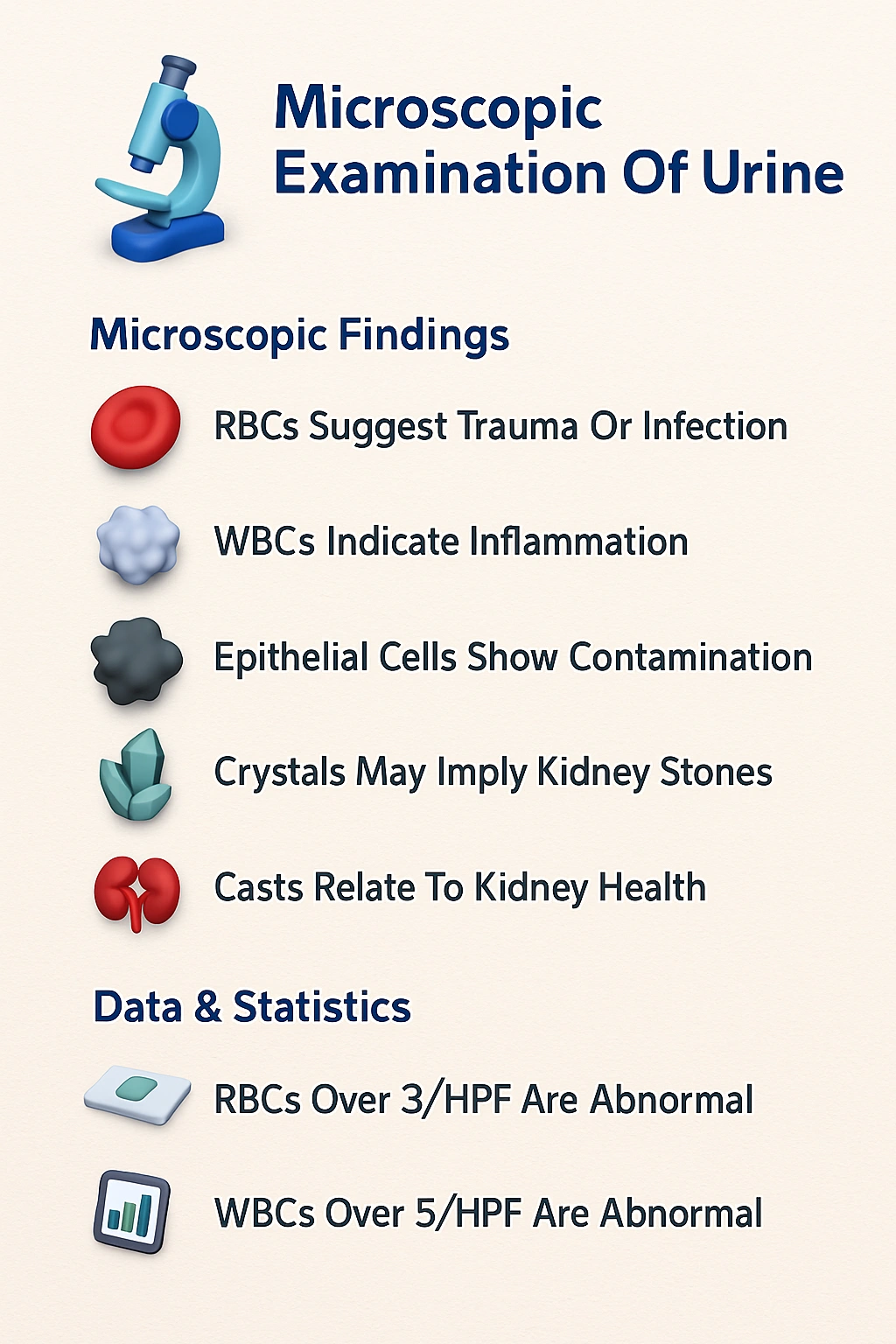
In this part, a small drop of urine is examined urinalysis under microscope. The technician looks for things that shouldn’t be there in large numbers, such as:
⦿ Red Blood Cells (RBCs): Can be a sign of kidney disease, bladder infection, or stones.
⦿ White Blood Cells (WBCs) or Pus Cells: Usually indicate an infection. The urinalysis pus cells normal range is typically very low (0-5 per HPF).
⦿ Bacteria: The presence of urinalysis bacteria is a strong indicator of a UTI.
⦿ Epithelial Cells: These are cells from the lining of your urinary tract. The urinalysis epithelial cells normal range is also low; high numbers can suggest inflammation.
⦿ Crystals: Can be a sign of kidney stones.
- Dipstick test – quick screening method
- Understanding Your Urine Color
| Urine Color | What It Might Mean | What to Do |
|---|---|---|
| Pale Straw / Transparent Yellow | You are well-hydrated and healthy. | Keep up your healthy water intake. |
| Dark Yellow / Amber | You are likely dehydrated. | Drink more water throughout the day. |
| Orange | Could be dehydration or a sign of liver/bile duct issues. Can also be caused by certain medications. | Increase water intake. If it persists, see a doctor. |
| Pink or Red | Could be caused by certain foods (like beetroot) or medications. It can also indicate urinalysis blood (hematuria) due to infection, kidney stones, or other serious issues. | If you haven't eaten red-colored foods, consult a doctor immediately. |
| Cloudy or Murky | Often a sign of a urinary tract infection (UTI) or kidney stones. | See a doctor for a proper diagnosis and treatment. |
Why Is Urinalysis Done?
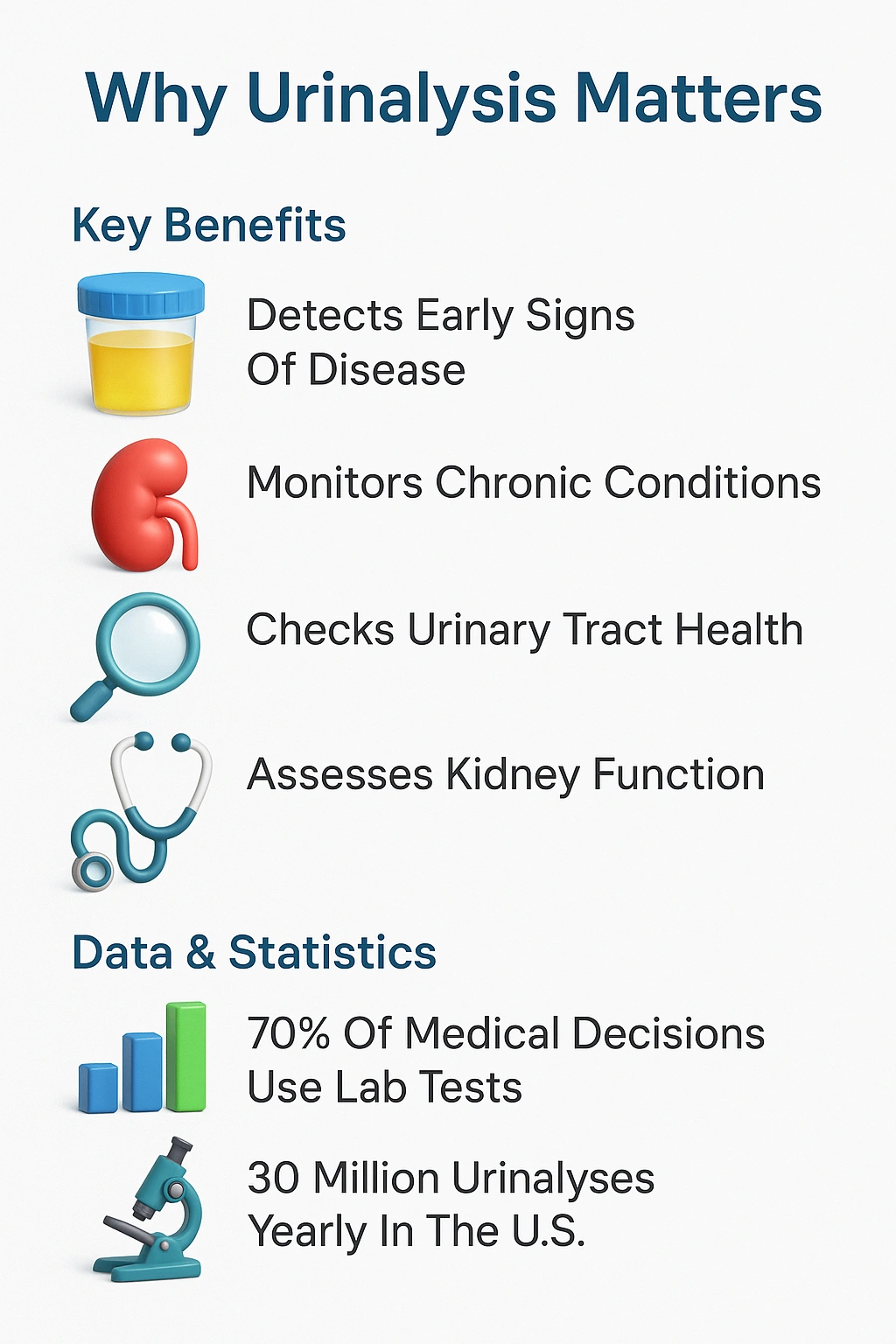
- Detect urinary tract infections (UTI)
- Diagnose kidney and liver diseases
- Monitor diabetes and blood pressure-related damage
- Part of pregnancy and routine health checkups
Role of Urinalysis in Cancer Screening (Bladder, Kidney, Prostate)
- Urine cytology and tumor marker tests
- Detecting blood or abnormal cells in urine
- When further tests like cystoscopy or imaging are recommended
Symptoms That May Require a Urinalysis
- Burning or pain during urination
- Blood in urine (hematuria)
- Unusual urine color or smell
- Frequent or painful urination
- Interpreting Key Components of a Urinalysis Report
| Component | Normal Range | What an Abnormal Result May Indicate |
|---|---|---|
| Specific Gravity | 1.005 to 1.030 | urinalysis high specific gravity may mean dehydration; urinalysis specific gravity low could indicate over-hydration or kidney issues. |
| pH | 4.5 to 8.0 | High pH (alkaline) might suggest a UTI or kidney stones. Low pH (acidic) can be linked to conditions like ketoacidosis. |
| Protein | None or Trace | The presence of protein (proteinuria) is a key marker for kidney disease. |
| Glucose (Sugar) | None | Glucose in urine is a classic sign of uncontrolled diabetes. |
| Ketones | None | Ketones may be present in uncontrolled diabetes, during fasting, or on a very low-carb diet. |
| White Blood Cells (Pus Cells) | 0–5 per HPF | Higher numbers indicate inflammation or a urinary tract infection (UTI). |
| Red Blood Cells | 0–4 per HPF | The presence of blood (hematuria) can be due to infection, stones, or kidney disease. |
Urinalysis Procedure: What to Expect
- How to collect a clean urine sample
To get an accurate result, it’s important to provide a “clean-catch” sample. This prevents bacteria from your skin from contaminating the sample.
⦿ Wash your hands thoroughly.
⦿ Clean your genital area with a sterile wipe provided by the lab. Men should wipe the tip of the penis; women should wipe from front to back.
⦿ Start urinating into the toilet for a few seconds.
⦿ Then, place the collection cup under the urine stream and collect a sample (about 30-60 ml).
⦿ Finish urinating in the toilet.
⦿ Secure the lid on the cup and give it to the lab technician.
- Time needed for test and results
- Instructions before the test (fasting, medications)
Normal Range of Urine Test Results
- Normal urine color, pH, and protein levels
⦿ pH: The normal range is slightly acidic, around 4.5 to 8.0.
⦿ Protein: Normally, there should be no protein in your urine. A trace amount might be okay, but anything more needs to be checked.
⦿ Gravity: The normal urinalysis gravity range is 1.005 to 1.030.
- Interpreting glucose, ketones, and bilirubin
⦿ Ketones: Like glucose, ketones should not be present in urine. They can appear during severe diabetes, fasting, or starvation.
⦿ Bilirubin: This should be absent. Bilirubin in the urine can be a sign that your liver is not working correctly.
⦿ Hemoglobin: It’s also important to check for urinalysis hemoglobin, which is a protein in red blood cells. Its presence indicates that red blood cells have broken down, which can happen with certain medical conditions.
- When results indicate a problem
Causes of Abnormal Urinalysis Results
- Urinary tract infections
- Kidney disorders (nephritis, stones)
- Diabetes and liver disease
- Dehydration or medications
Follow-Up After Abnormal Results
- Repeat tests or urine culture
- Imaging (ultrasound or CT)
- Referral to urologist or nephrologist
- Common Follow-Up Steps for Abnormal Urinalysis
| Abnormal Finding in Urinalysis | Possible Cause | Likely Next Step(s) |
|---|---|---|
| High White Blood Cells & Bacteria | Urinary Tract Infection (UTI) | Urine culture to identify the bacteria and determine the best antibiotic. |
| High Protein (Proteinuria) | Kidney disease, high blood pressure, diabetes | Repeat urinalysis, blood tests to check kidney function (creatinine), 24-hour urine collection for protein, blood pressure check. |
| Blood (Hematuria) | Kidney stones, infection, bladder/kidney disease | Microscopic exam to confirm, imaging (ultrasound or CT scan), referral to a urologist; possibly a cystoscopy. |
| High Glucose (Glucosuria) | Diabetes mellitus | Blood tests (fasting blood sugar, HbA1c) to confirm diabetes diagnosis and manage blood sugar levels. |
| Crystals | Risk of kidney stones | Increase water intake, dietary changes, imaging tests to check for existing stones. |
Frequently asked questions

Dr. Swati Shah
MS, DrNB (Surgical Oncology)
Dr. Swati Shah is a renowned Robotic Uro and Gynecological Cancer Surgeon from Ahmedabad. He has 15+ years of extensive experience in pelvic oncosurgery and 10+ years of experience in robotic surgery. She treats cancers of kidney, bladder, prostate, uterus, ovaries and other pelvic organs.