

BMI Calculator
Your BMI is:
Health Advice
BMI Weight Ranges
BMI Calculator | Body Mass Index
- What is BMI?
- BMI Chart
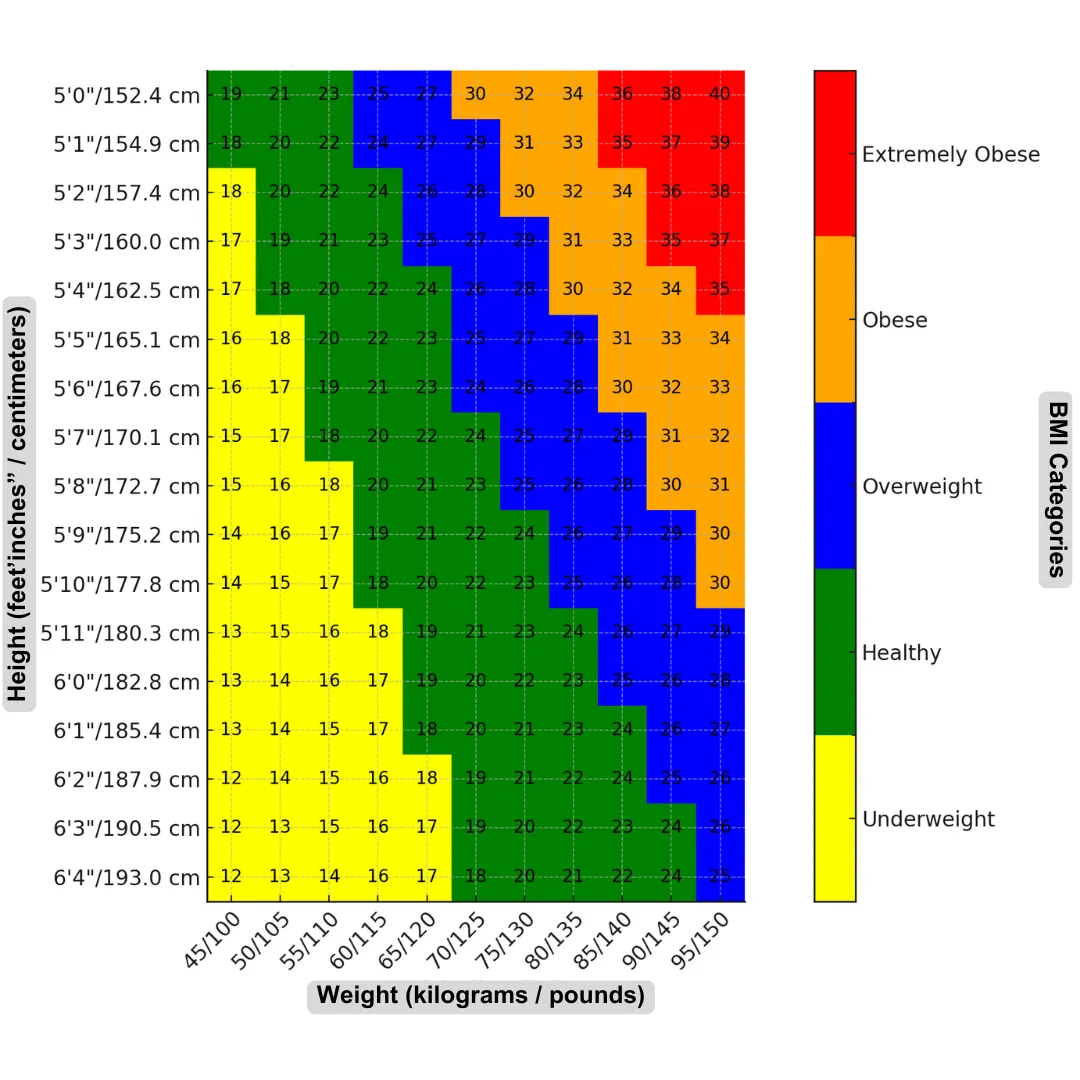
What is a BMI Calculator?
Why Use a BMI Calculator?
How to Calculate BMI?
- Gather your measurements
- Use the BMI formula
- Example calculation
• BMI = 70 / (1.75 × 1.75)
• Result: BMI = 22.86
How to Use the BMI Calculator?
BMI Ranges
- Underweight
- Normal weight
- Overweight
- Obesity
- Severe obesity
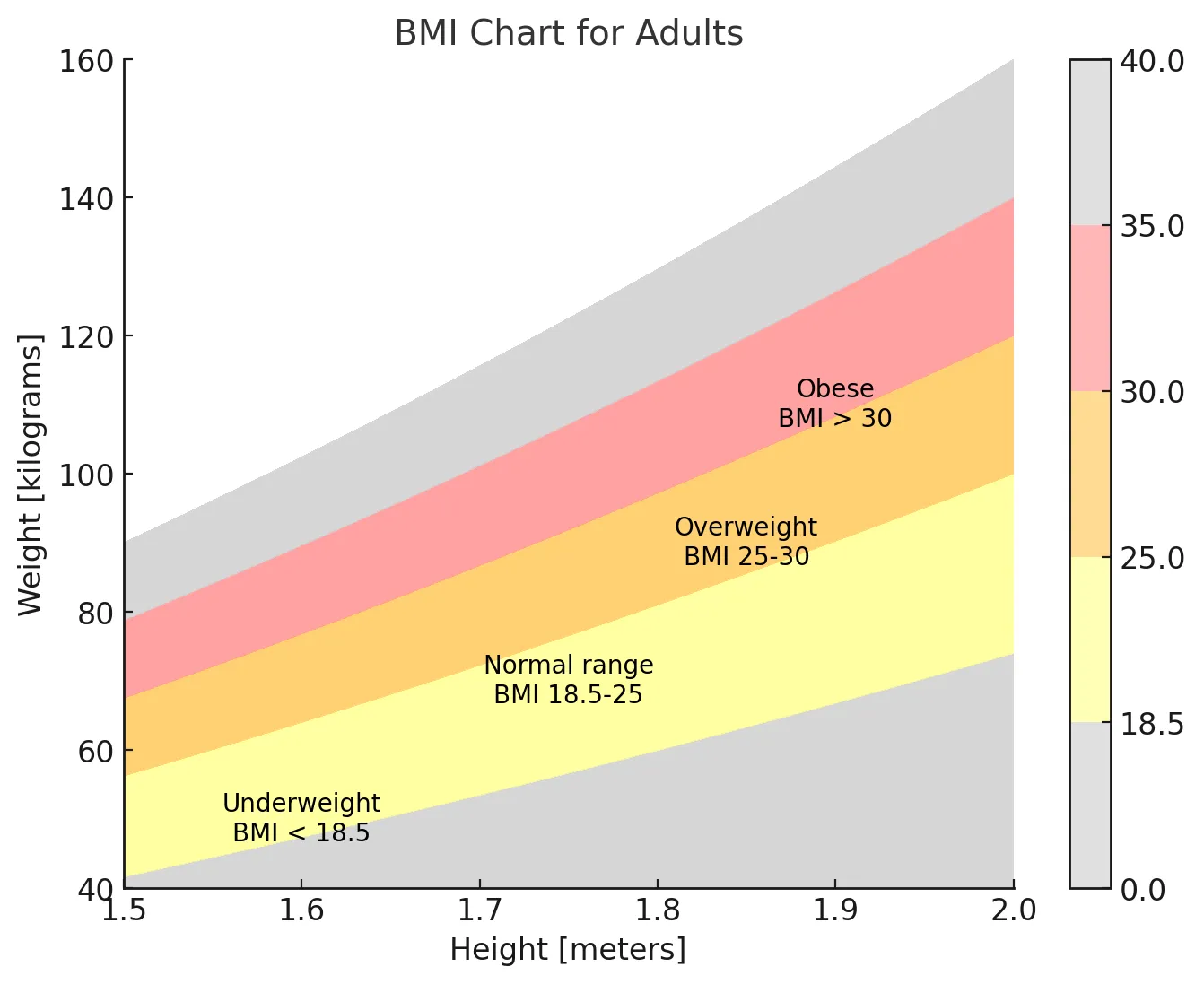
BMI Table & Chart For Adults
| Classification | BMI Range (kg/m²) |
|---|---|
| Severe Thinness | < 16 |
| Moderate Thinness | 16 - 17 |
| Mild Thinness | 17 - 18.5 |
| Normal | 18.5 - 25 |
| Overweight | 25 - 30 |
| Obese Class I | 30 - 35 |
| Obese Class II | 35 - 40 |
| Obese Class III | > 40 |
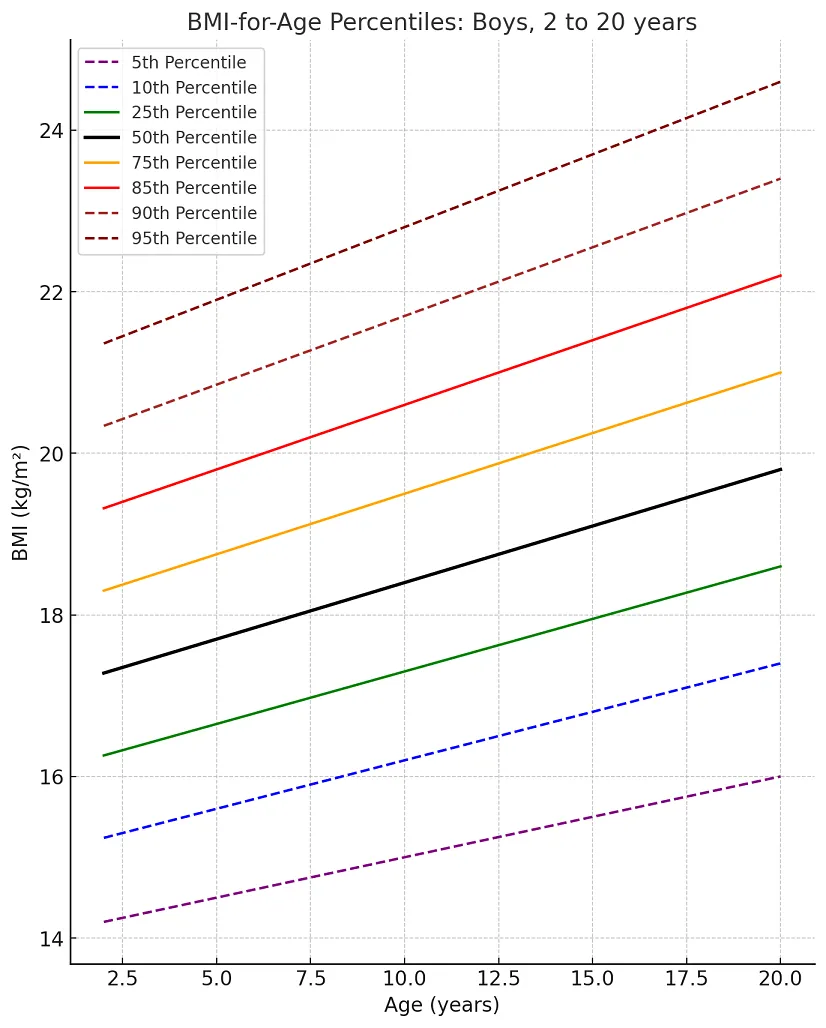
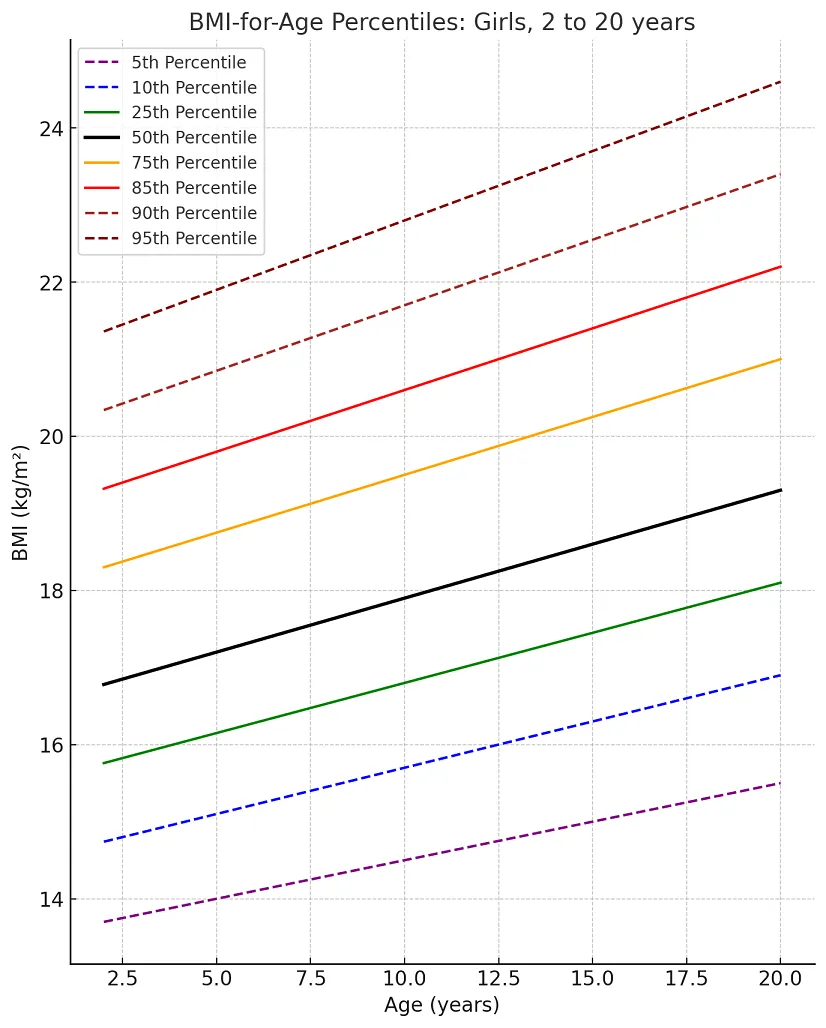
BMI Table & Chart For Children and Teens
| Category | Percentile Range |
|---|---|
| Underweight | < 5% |
| Healthy weight | 5% - 85% |
| At risk of overweight | 85% - 95% |
| Overweight | > 95% |
Health Risks Related to Being Overweight
- Heart disease
- High blood pressure
- Stroke
- Type 2 diabetes
- Sleep apnea and breathing difficulties
- Joint pressure leading to osteoarthritis
- Cancers like breast, colon, and endometrial
- Fatty liver disease
- Gallbladder disease
- Hormonal imbalances impacting fertility and periods
- Kidney disease
- GERD (Gastroesophageal reflux disease)
- Breathing issues and reduced lung function
- Mental health problems such as anxiety and depression
- Skin issues like infections and rashes
Health Risks Related to Being Underweight
- Risk of malnutrition
- Weak immune system and frequent infections
- Osteoporosis and bone fractures due to low bone density
- Anemia and iron deficiency
- Fertility problems and irregular periods
- Fatigue and low energy levels
- Hair loss and brittle nails
- Muscle weakness and reduced muscle mass
- Vitamin deficiencies such as vitamin D and calcium
- Delayed wound healing
- Heart problems like low blood pressure and irregular heartbeat
- Risk of hypothermia due to low body fat
- Digestive issues like bloating and constipation
- Mental health problems such as anxiety and depression
- Complications during surgery or recovery
Tips for Maintaining Optimum Health
- Eat a balanced diet filled with whole foods like fruits, vegetables, lean proteins, and healthy fats.
- Keep yourself hydrated to support overall bodily functions.
- Include at least 150 minutes of moderate exercise each week in your routine.
- Choose activities you enjoy, such as walking or cycling, to make it easier to stay active.
- Practice stress management techniques like meditation or yoga for emotional well-being.
- Prioritize getting enough sleep to maintain energy and improve brain function.
Limitations of BMI (Body Mass Index)
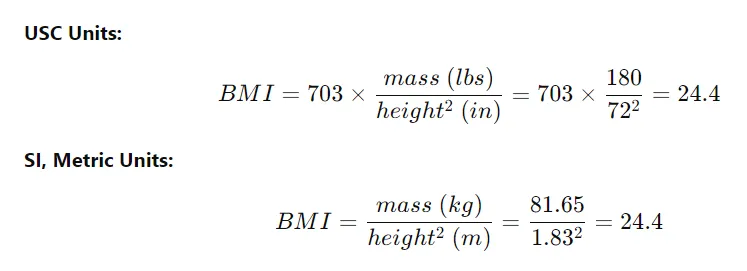
What is the BMI formula?
This gives a quick estimate of whether you’re underweight, normal weight, overweight, or obese based on BMI categories.
What is the BMI Prime Formula?
| Classification | BMI | BMI Prime |
|---|---|---|
| Severe Thinness | < 16 | < 0.64 |
| Moderate Thinness | 16 - 17 | 0.64 - 0.68 |
| Mild Thinness | 17 - 18.5 | 0.68 - 0.74 |
| Normal | 18.5 - 25 | 0.74 - 1 |
| Overweight | 25 - 30 | 1 - 1.2 |
| Obese Class I | 30 - 35 | 1.2 - 1.4 |
| Obese Class II | 35 - 40 | 1.4 - 1.6 |
| Obese Class III | > 40 | > 1.6 |
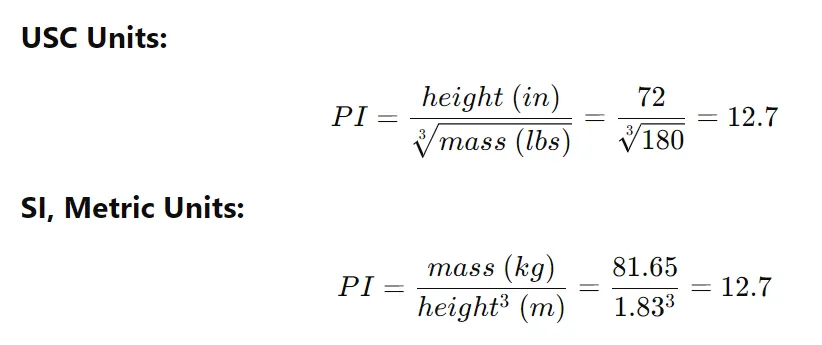
What is Ponderal Index?
Frequently Asked Questions
A BMI Calculator is a tool that helps calculate your Body Mass Index based on your height and weight. It’s used to determine if your weight is in a healthy range.
BMI is a useful screening tool, but it doesn’t account for body composition factors such as muscle mass and fat distribution. It’s best used alongside other health assessments.
A BMI of 25 indicates that you are overweight, which may suggest an increased risk of health conditions such as heart disease and diabetes.
A healthy BMI falls between 18.5 and 24.9, indicating that your weight is within a range that promotes good health and reduces the risk of diseases.
Yes, BMI can be used for children, but it is adjusted for age and gender. It uses percentiles to help determine if a child is underweight, healthy, overweight, or obese.
BMI helps determine if you're in a healthy weight range, which is important for preventing many health issues such as heart disease, diabetes, and joint problems.
No, BMI only estimates weight based on height and doesn’t measure the actual body fat percentage. It doesn’t differentiate between fat and muscle mass.
If you have a lot of muscle mass, your BMI might be higher, suggesting overweight or obesity. However, BMI does not distinguish between muscle and fat.
BMI is used for older adults but may not be fully accurate due to changes in body composition with age. It’s helpful to consider other health measurements as well.

Dr. Swati Shah
MS, DrNB (Surgical Oncology)
Dr. Swati Shah is a renowned Robotic Uro and Gynecological Cancer Surgeon from Ahmedabad. He has 15+ years of extensive experience in pelvic oncosurgery and 10+ years of experience in robotic surgery. She treats cancers of kidney, bladder, prostate, uterus, ovaries and other pelvic organs.