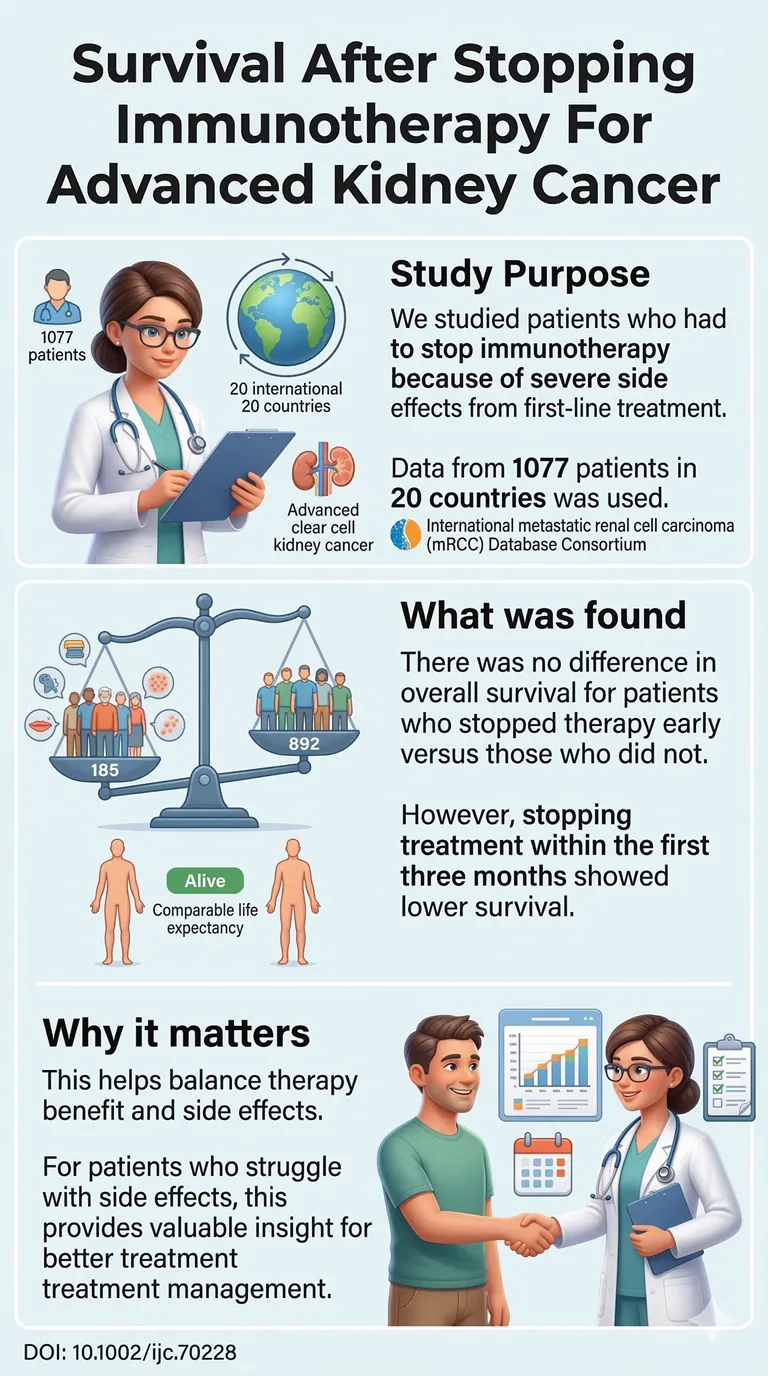
Stopping Immunotherapy Due to Side Effects May Not Harm Survival in Kidney Cancer
Stopping Immunotherapy Due to Side Effects May…
SF-203 (Second Floor), Olive Greens, Sarkhej - Gandhinagar
Hwy, Gota, Ahmedabad, Gujarat, India 382481
Plot No. 1 A, Apollo Hospital International Limited, GIDC Bhat, Industrial Estate, Gandhinagar, Gujarat 382428

Patient

Patient

Patient
| The Myth | The Fact |
|---|---|
| "I have no back pain or blood in my urine, so my kidneys are fine." | Early-stage kidney cancer is usually "silent" and shows no signs. By the time pain or visible blood appears, the tumor may have already grown. Routine ultrasound check-ups are the best way to catch it early. |
| "Kidney cancer only happens to very old people." | While risk increases with age, it is increasingly common in adults in their 40s and 50s, especially those with high blood pressure, obesity, or a family history. Younger patients often benefit the most from early intervention. |
| "My ultrasound showed a kidney cyst, so it must be cancer." | Simple water-filled cysts are very common and usually harmless. A cyst is a "finding," not a cancer diagnosis. Dr. Shah uses advanced imaging (CT scan or MRI) to confirm if a mass is actually a solid tumor needing treatment. |
| "If I have a tumor, the doctor must remove my entire kidney." | With modern Robotic-Assisted Surgery, Dr. Shah can perform a "Partial Nephrectomy." This means she precisely removes only the tumor while saving the rest of your healthy kidney, protecting your long-term health. |
| "Kidney surgery means a massive cut and months of bed rest." | Robotic technology allows for "Keyhole" surgery. By using tiny cuts instead of a large open wound, patients experience much less pain, less bleeding, and can usually return to their normal lives within a few weeks. |
| "Kidney cancer is always a death sentence." | If caught early and treated with precision robotic surgery before it spreads, the long-term survival rate is extremely high. It is a highly curable disease when managed by an expert uro-oncologist. |


| Feature | Robotic-Assisted Surgery | Laparoscopic Surgery |
|---|---|---|
| Incision Size | 4–5 Tiny Keyholes (8mm each) | Small keyhole incisions (similar size) |
| Surgical Vision | 3D High-Definition (15x Magnification) | Standard 2D Camera View |
| Instrument Dexterity | Fully articulated wrists (360-degree rotation) | Rigid, straight instruments with limited motion |
| Surgeon Control | Seated console with tremor filtration for maximum precision | Standing at the operating table (more physically demanding) |
| Kidney Saving (Precision) | Highly Precise (Ideal for complex tumors while saving healthy kidney tissue) | Good, but may be limited for highly complex or hard-to-reach tumors |
| Recovery Time | Fastest (Usually walking within 24 hours) | Fast (Comparable, but slightly longer depending on the case) |
| Cost | May involve higher upfront costs due to advanced technology | Generally lower cost |
For advanced robotic kidney surgery and complex repairs, expert care is available at Shah’s Cancer & Robotic Surgery Centre and Apollo Hospital. Contact us to book your appointment.


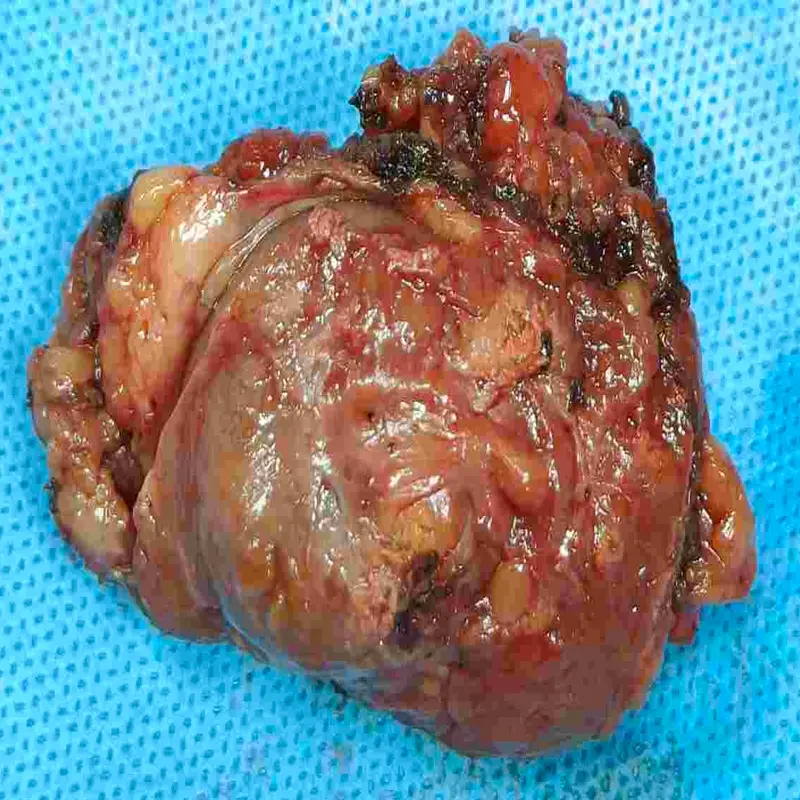
A 66-year-old male presented with a symptomatic 3.5 cm renal mass and bilateral inguinal hernias. Imaging suggested potential renal cell carcinoma, necessitating precise surgical intervention to preserve renal function while ensuring complete tumor eradication. The combined presentation required a sophisticated, multi-disciplinary approach to address both the oncological and abdominal concerns.
⦿ Robotic Right Partial Nephrectomy and Open Bilateral Inguinal Hernioplasty
• Procedure: A robotic trans-peritoneal approach was utilized for the partial nephrectomy and hernia repair.
• Anatomical Complexity: The surgery successfully addressed a lower-pole renal mass alongside bilateral indirect inguinal hernias.
• Patient Safety: The procedure was executed with exceptional safety, resulting in minimal blood loss of 200 ml.
• Cancer Clearance: Postoperative histopathology confirmed an oncocytoma with all surgical margins negative for invasive tumor cells.
⦿ Seamless Recovery and Excellent Pathological Success
The patient demonstrated an uneventful postoperative recovery and remained hemodynamically stable throughout his hospital stay. Final pathology confirmed a complete excision of the oncocytoma with clear margins, negating the need for further oncological intervention. He was discharged in a stable, ambulatory condition, having successfully resolved both the renal neoplasm and bilateral hernias.
By utilizing the Da Vinci robotic system, we were able to perform a highly precise partial nephrectomy that prioritized renal preservation. This approach provided the best possible oncological outcome for the patient, ensuring a swift recovery and long-term functional stability.
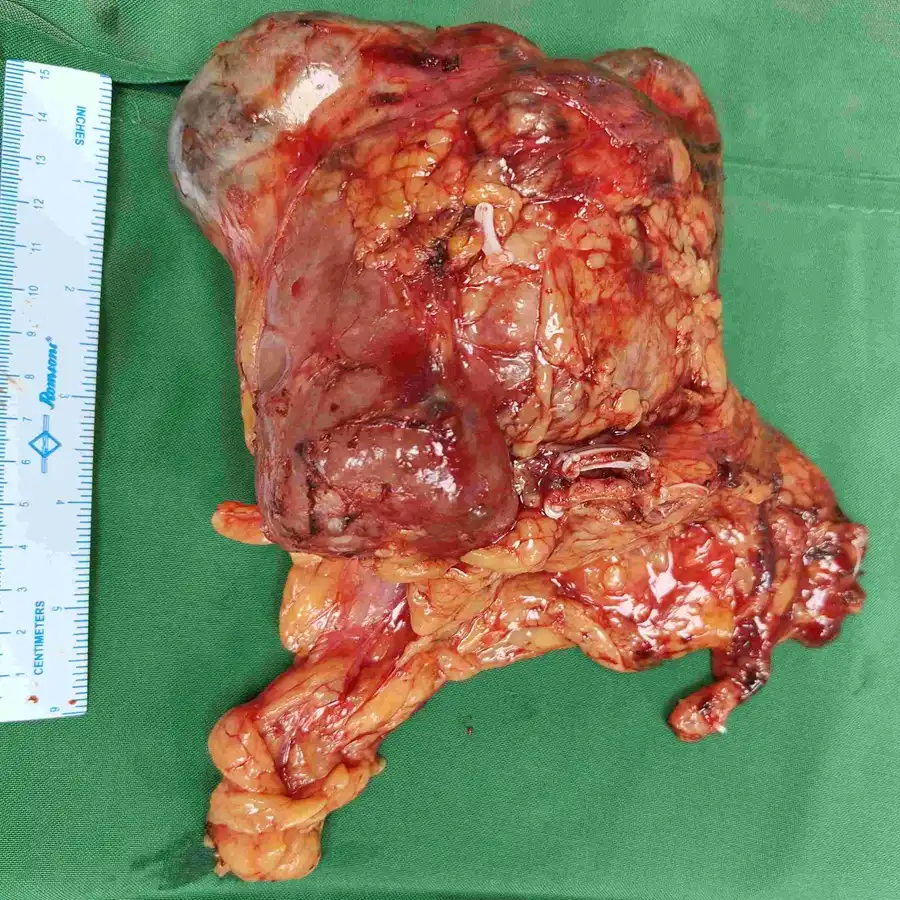
A 64-year-old male presented with persistent pain and weight loss, leading to the diagnosis of a high-complexity left renal solid cystic mass. The lesion was identified as a potentially aggressive renal cell carcinoma, showing heterogeneous enhancement and requiring urgent surgical intervention to prevent further disease progression.
⦿ Laparoscopic Radical Nephrectomy and Retroperitoneal Lymph Node Dissection
• Procedure: The surgery utilized a comprehensive laparoscopic radical nephrectomy and retroperitoneal lymph node dissection.
• Complex Anatomy: The surgical team navigated high-complexity tumor geography near the collecting system with remarkable anatomical accuracy.
• Patient Safety: The procedure was executed with exceptional precision, resulting in minimal blood loss of 150 ml.
• Cancer Clearance: Histopathological analysis confirmed the complete removal of the tumor with all surgical margins negative.
⦿ Successful Recovery and Oncological Clearance
Postoperatively, the patient exhibited an uneventful recovery with stable hemodynamics and regained mobility shortly after the procedure. Pathology confirmed Clear Cell Renal Cell Carcinoma with tumor extent limited to the kidney and negative surgical margins. The patient was discharged in a stable condition, marking a highly successful oncological outcome for this complex case.
By utilizing advanced laparoscopic techniques, we were able to safely remove this high-complexity renal mass while ensuring oncological integrity. This precise approach provided the patient with the best possible chance for a complete cure and a favorable long-term survival outlook.
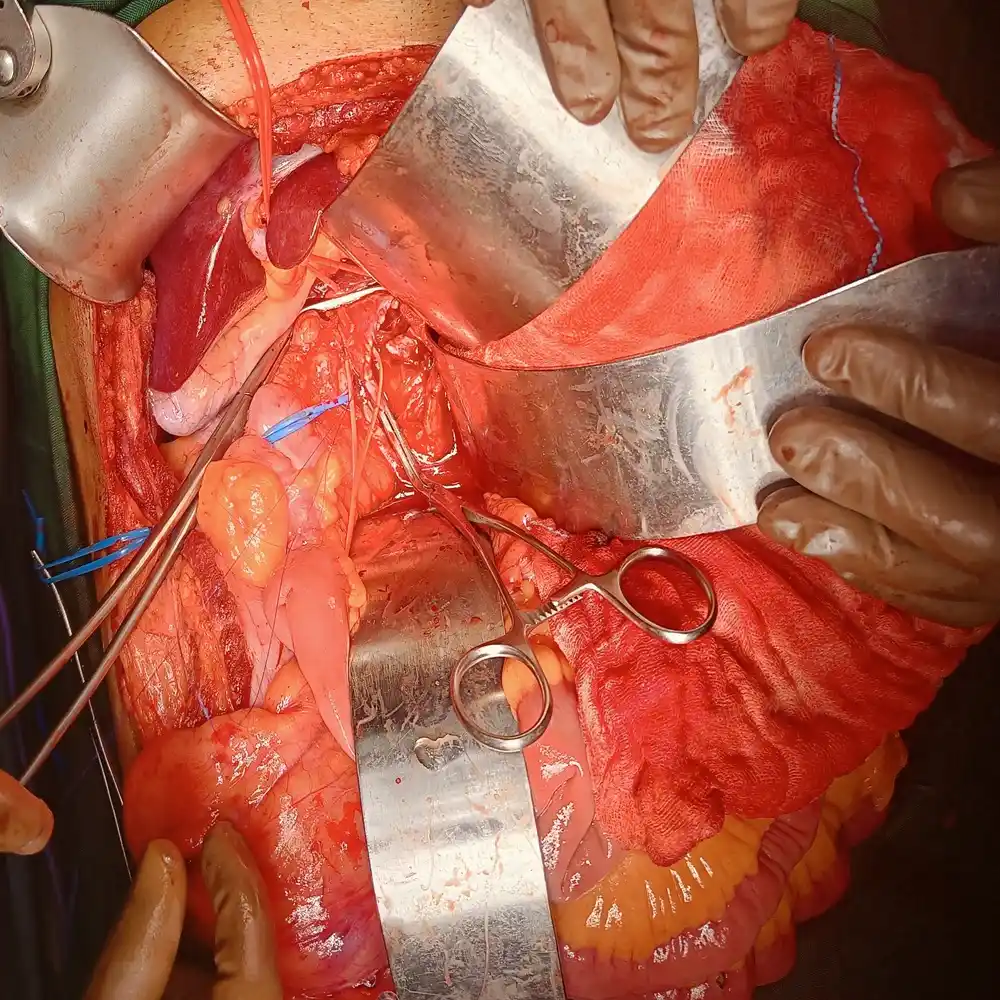
A 49-year-old male presented with a massive, non-functioning left renal mass measuring over fourteen centimeters. The cancer had aggressively invaded the left renal vein, forming a perilous thrombus extending directly into the inferior vena cava. This highly complex anatomy required immediate, meticulous surgical intervention.
⦿ Left Radical Nephrectomy with IVC Thrombus Resection
• Procedure: A left radical nephrectomy with IVC thrombus resection was flawlessly executed.
• Complex Anatomy: Eight para-aortic lymph nodes were carefully dissected to ensure comprehensive disease evaluation.
• Patient Safety: Meticulous vascular control maintained excellent patient safety with efficiently managed intraoperative blood loss.
• Cancer Clearance: Complete tumor removal was achieved, yielding definitively negative margins across all critical surgical boundaries.
⦿ Cancer-Free Margins and Excellent Clinical Recovery
Following the complex operation, the patient experienced a remarkably smooth and uneventful recovery. He was ambulatory shortly after surgery and discharged with completely stable hemodynamics. Final pathology confirmed clear cell renal cell carcinoma with zero lymph node spread and completely negative surgical margins. This comprehensive resection effectively eliminated the cancer while preserving critical vascular function.
Tackling a massive renal tumor with severe IVC involvement requires extreme surgical precision and careful vascular management. By meticulously isolating and removing the thrombus, we safely secured completely negative margins, giving this patient the absolute best chance at long-term survival.
Stopping Immunotherapy Due to Side Effects May…
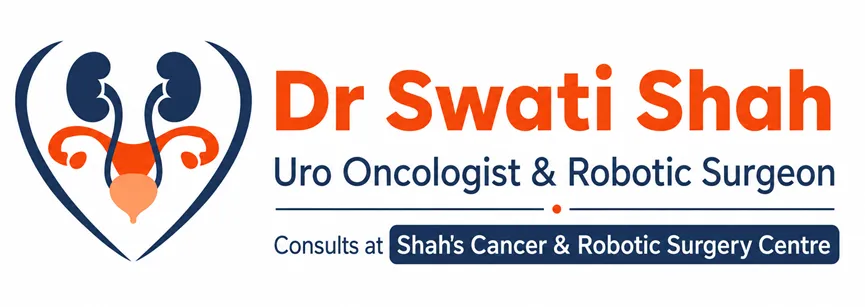
Kidney Cancer and Offshore Oil Work: What…
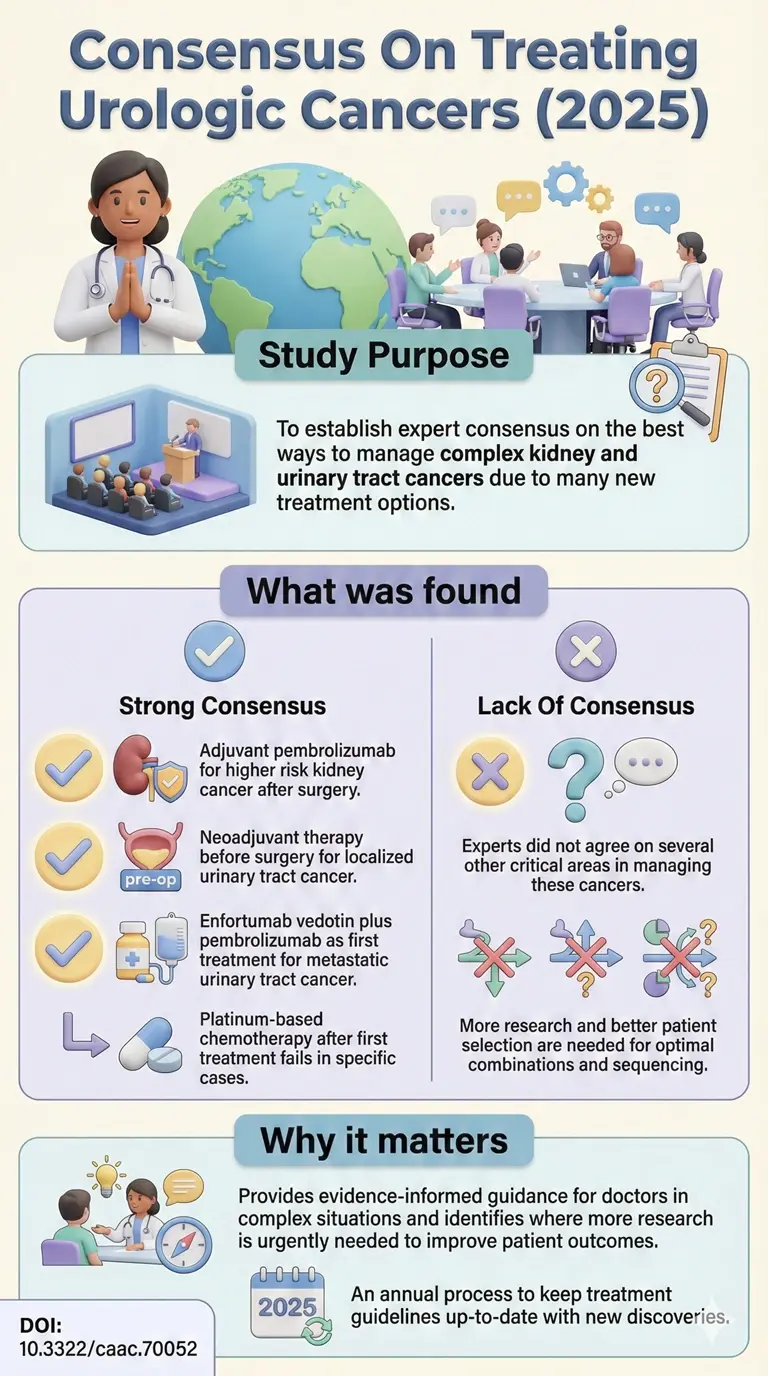
Doctors Agree on Key Treatments for Kidney…
| The Myth | The Fact |
|---|---|
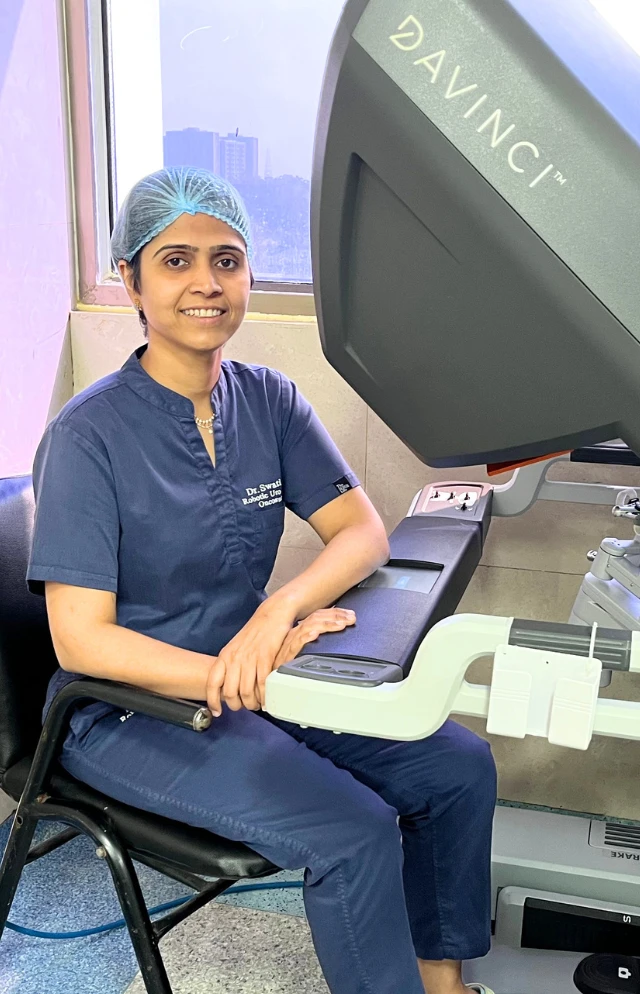
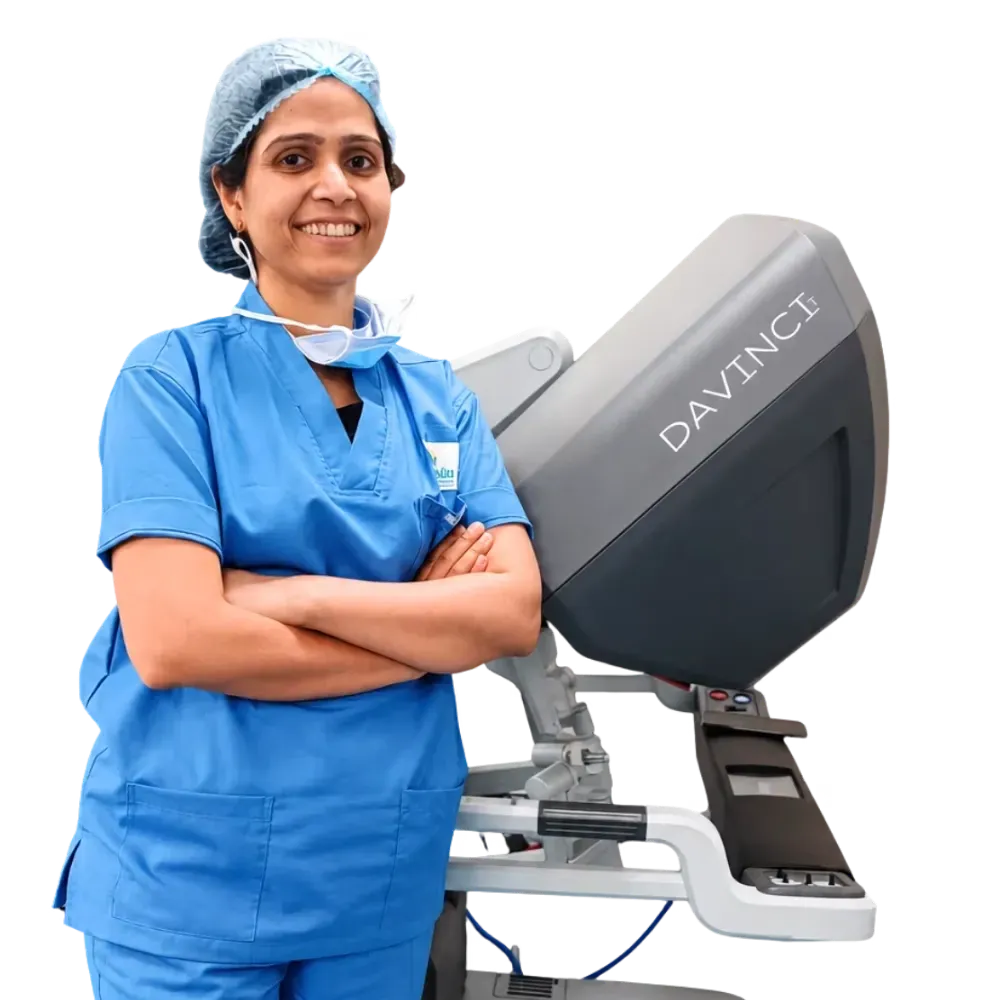
| "The robot performs the surgery on its own." | The robotic system is 100% controlled by Dr. Swati Shah at all times. It is a high-tech tool that translates her exact hand movements into micro-precise actions inside the body; it cannot move or make decisions without her. |
| "Robotic surgery is only for young people." | Age is not a barrier. Because robotic surgery involves much less blood loss and smaller incisions, it is actually safer for elderly patients (even those in their 70s and 80s) compared to traditional open kidney surgery. |
| "If I have surgery, I will lose my whole kidney and need dialysis." | Modern robotic techniques allow for "Kidney-Sparing Surgery" (Partial Nephrectomy). In most cases, Dr. Shah can precisely remove just the tumor while saving your remaining healthy kidney, keeping your body functioning normally. |
| "I don't have back pain or blood in my urine, so I am cancer-free." | Early-stage kidney cancer is completely "silent" and rarely shows any physical symptoms. Routine ultrasound check-ups or CT scans are the only way to catch it early when it is highly curable. |
| "Robotic surgery is experimental and risky." | Robotic surgery is the global "Gold Standard" for kidney cancer. It is a proven, highly advanced technology that significantly reduces the risk of infection, bleeding, and complications compared to open surgery. |
| Aspect | Pros (Benefits) | Cons (Drawbacks) |
|---|---|---|
| Recovery Time | Walking in 24 hours | May involve higher upfront costs |
| Precision | Margin-negative tumor removal | Requires a highly specialized surgeon |
| Surgical Trauma | Tiny cuts, minimal bleeding | Not suited for all advanced tumor stages |
| Surgery Type | Technique Used | Expected Recovery |
|---|---|---|
| Robotic Surgery | Advanced robotic arms | Fast (Walking in 24 hours) |
| Laparoscopic | Standard camera tools | Moderate recovery time |
| Open Surgery | Traditional large cut | Slower, longer hospital stay |
Patients with a uro-cancer related medical emergency should visit Apollo Hospital for urgent evaluation. Expert doctors are available for timely assessment and emergency treatment support.