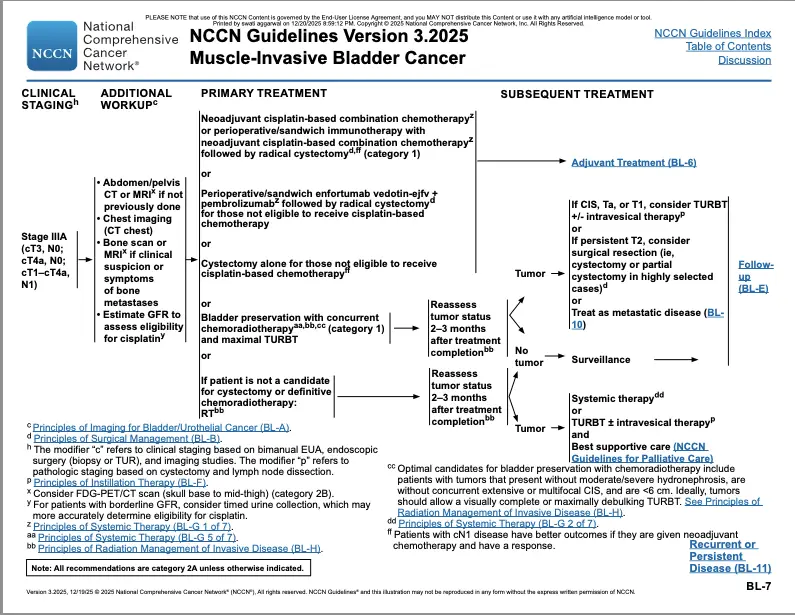
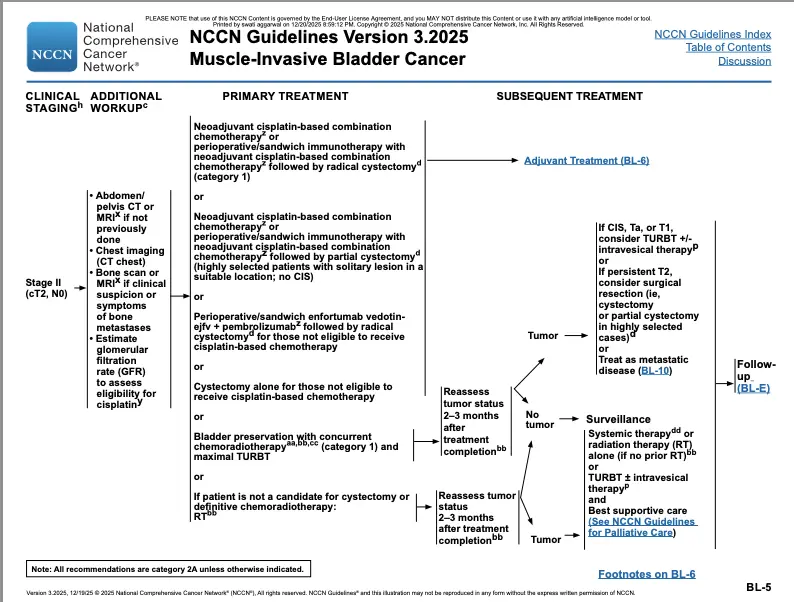
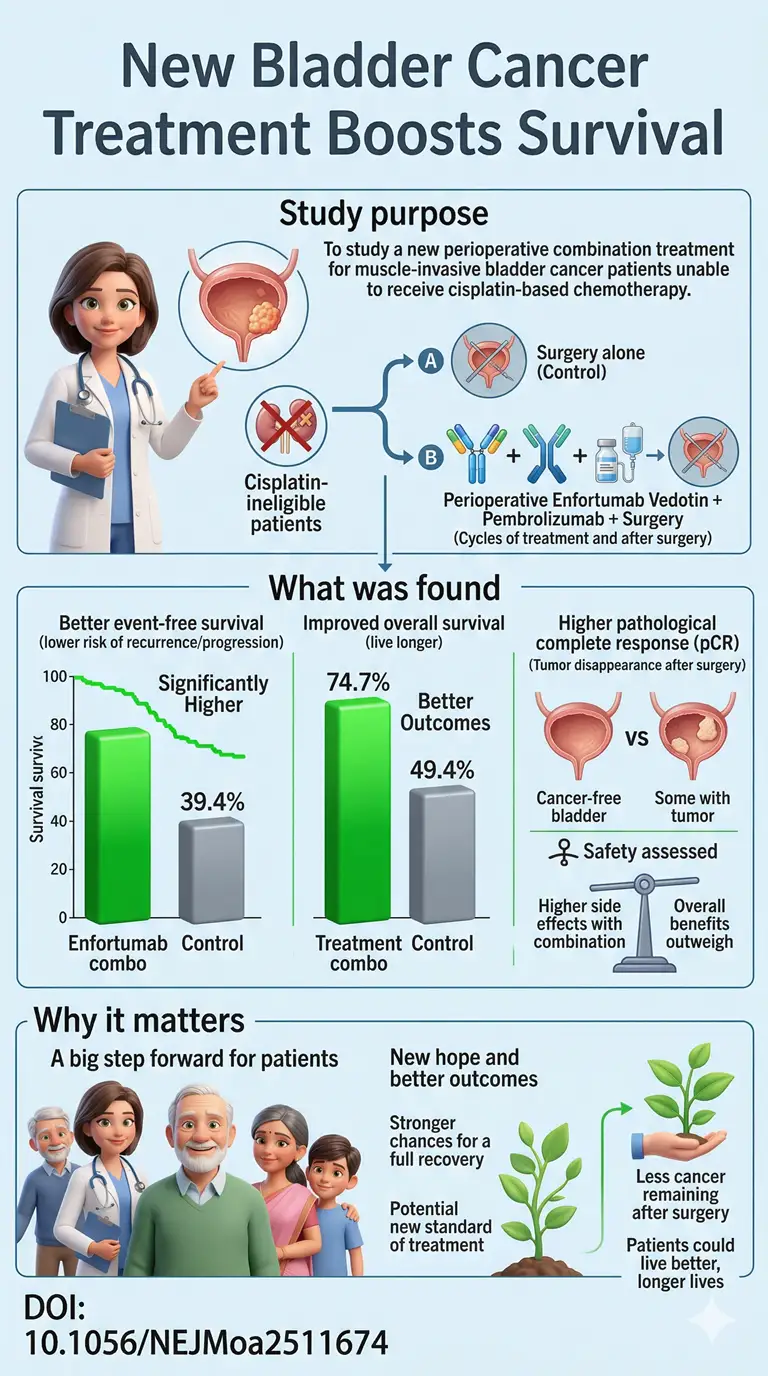
New Treatment Before and After Surgery Improves Bladder Cancer Survival
New Treatment Before and After Surgery Improves…
SF-203 (Second Floor), Olive Greens, Sarkhej - Gandhinagar
Hwy, Gota, Ahmedabad, Gujarat, India 382481
Plot No. 1 A, Apollo Hospital International Limited, GIDC Bhat, Industrial Estate, Gandhinagar, Gujarat 382428
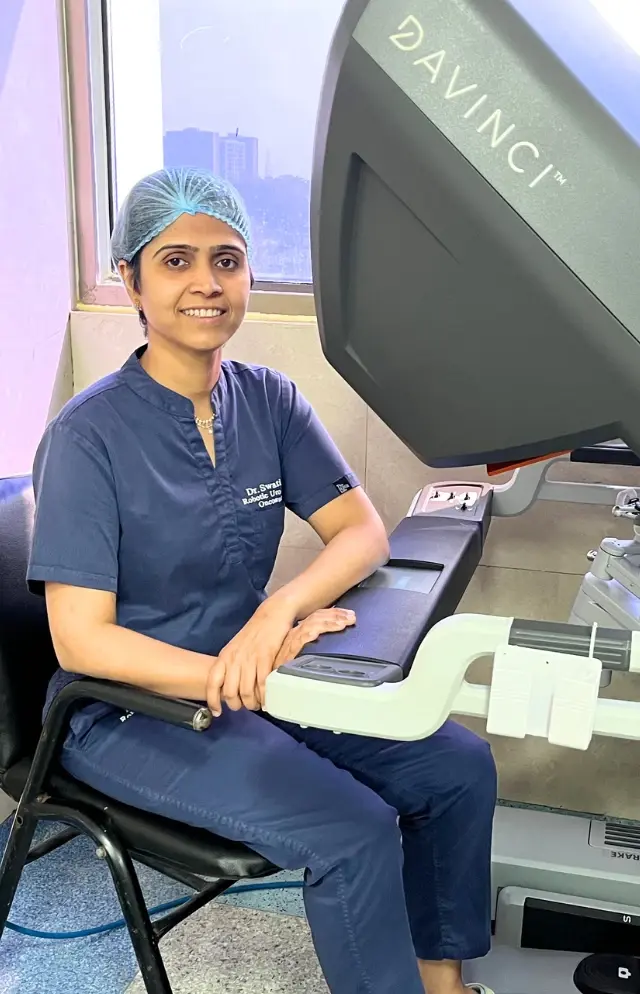
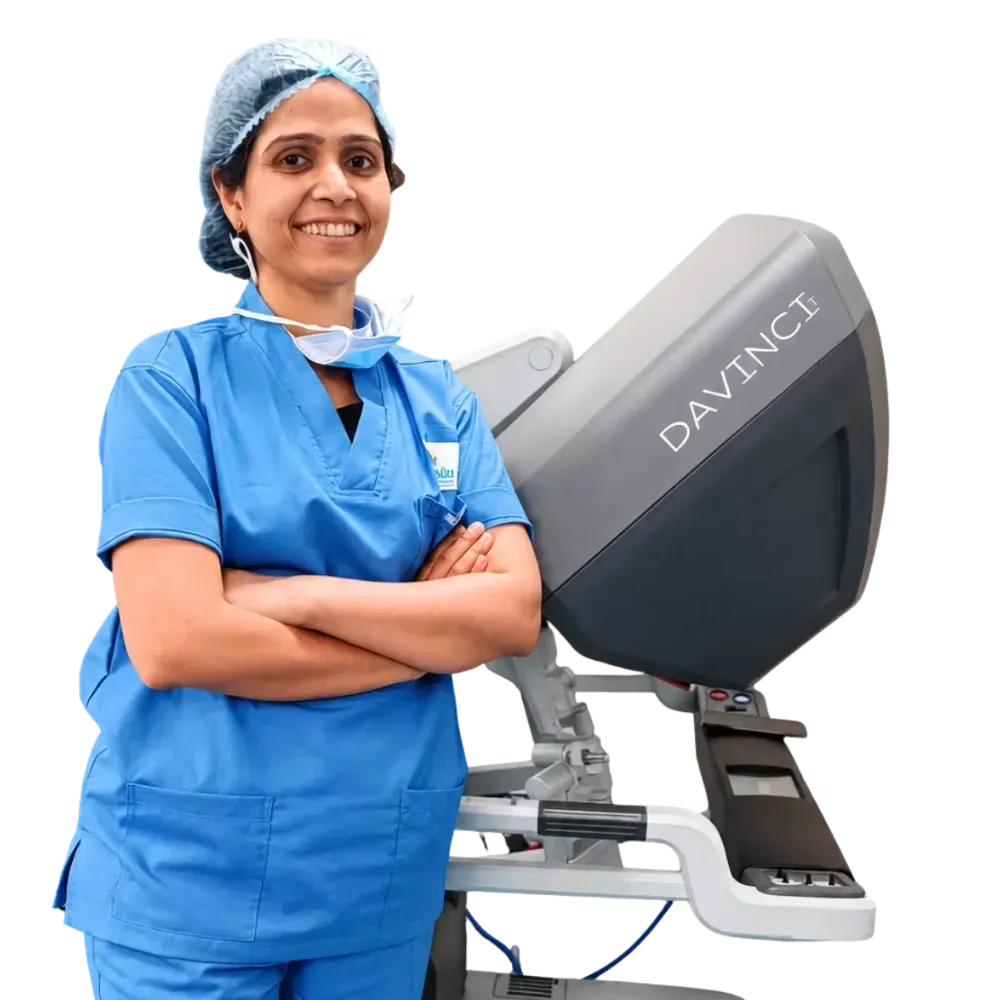
Urinary bladder cancer surgery in Ahmedabad is provided by Dr. Swati H. Shah, a Uro Oncologist with over 18 years of experience in bladder cancer surgery and more than 12 years of experience in robotic cancer surgery. She specializes in robotic radical cystectomy and complex pelvic oncologic procedures.
As a leading Uro-Oncologist, she has achieved a 5/5 patient review rate on google through 3K+ successful surgeries and care for 11K+ happy patients. Dr. Shah specializes in three surgical types – Open, Laparoscopic, and Robotic – committed to providing good oncological outcomes, i.e., margin-free surgery, as well as functional outcomes with the best continence rates.

Patient

Patient
Dr. Swati is an excellent uro-oncologist. Her approach to urinary bladder cancer treatment is thorough, evidence-based, and very patient-centric. She explains every step clearly, offers the best possible treatment options, and provides exceptional post-treatment care. Highly recommended. She did bladder removal and my father is fine now.

Patient
| The Myth | The Fact |
|---|---|
| "I saw blood in my urine once, but it stopped and didn't hurt, so I am fine." | Fact: Painless blood in the urine that comes and goes is the most common early sign of bladder cancer. It should never be ignored. Routine tests are the best way to catch it early. |
| "Bladder cancer only happens to very old men who smoke." | Fact: While smoking is a major risk, it also affects non-smokers, women, and adults in their 40s and 50s. Anyone experiencing unexplained urinary changes should consult a specialist. |
| "Any growth in my bladder means I will definitely lose my whole bladder." | Fact: Not always. Early-stage, surface-level tumors can often be safely scraped away (TURBT) without removing the bladder. Dr. Shah uses advanced imaging to choose the best targeted treatment. |
| "If my bladder is removed, I will have to wear a bag outside my body forever." | Fact: With modern Robotic-Assisted Surgery, Dr. Shah can often create a "Neobladder" using a small piece of your intestine. This allows many patients to pass urine naturally without an external bag. |
| "Bladder surgery means a massive cut and months of bed rest." | Fact: Robotic technology allows for "Keyhole" surgery. By using tiny cuts instead of a large open wound, patients experience much less pain, less bleeding, and can usually return to their normal lives within a few weeks. |
| "Bladder cancer is always a death sentence." | Fact: If caught early and treated with precision robotic surgery before it spreads deep into the muscle, the long-term survival rate is extremely high. It is a highly curable disease when managed by an expert uro-oncologist. |


| Feature | Robotic-Assisted Surgery (Dr. Swati Shah) | Traditional Open Surgery |
|---|---|---|
| Incision Size | 4–5 Tiny Keyholes (8mm each) | One Large Cut (6–10 inches on the lower belly) |
| Surgical Vision | 3D High-Definition (15x Zoom) | Naked Eye (2D View) |
| Blood Loss | Minimal (Rarely needs a blood transfusion) | Moderate to High |
| Hospital Stay | 3–5 Days | 7–10 Days |
| Pain & Scarring | Very Low; Minimal Scars | High; Large Permanent Scar |
| Recovery Time | 3–4 Weeks | 6–8 Weeks |
| Nerve Saving (Precision) | Highly Precise (Better protection for natural urine control and sexual function) | Less Precise (Higher risk to nerves and normal functions) |


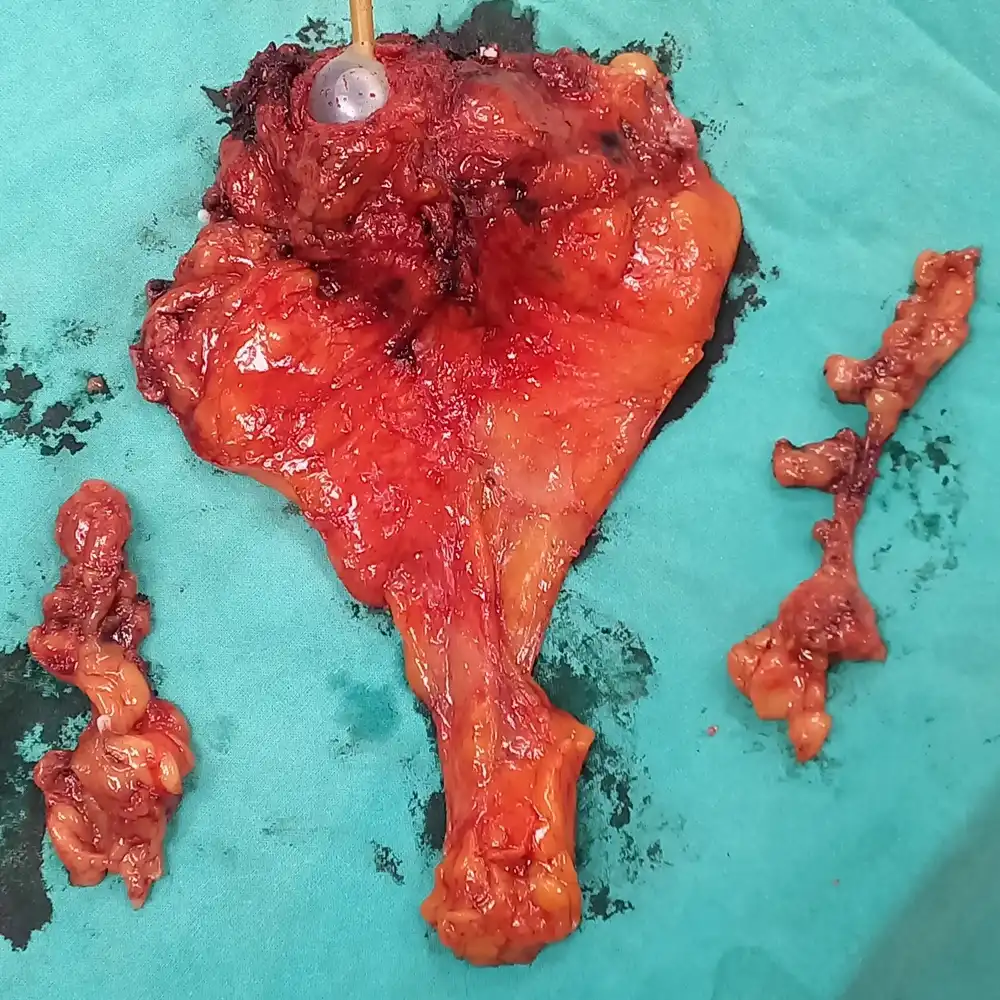
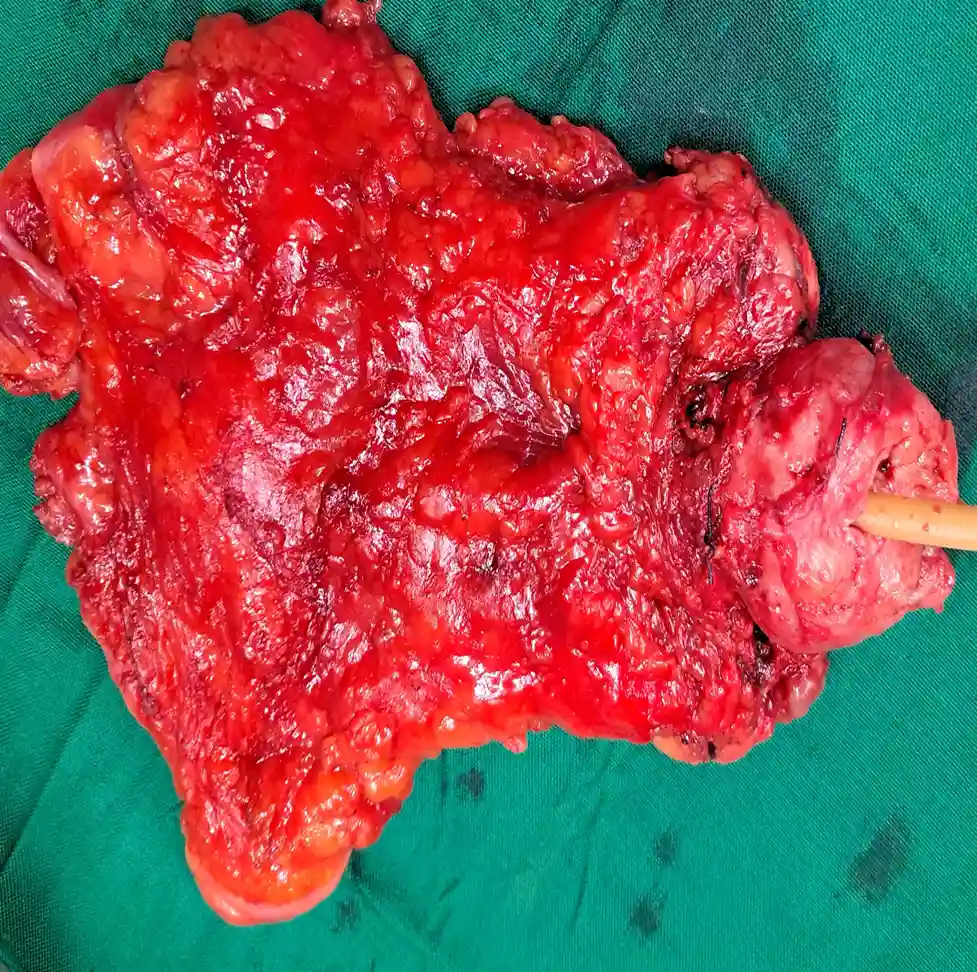
A 52-year-old female presented with high-grade muscle-invasive urothelial carcinoma of the urinary bladder after completing neoadjuvant chemotherapy. Positron emission tomography revealed an aggressive, avid lesion penetrating the bladder wall and abutting the pelvic bowel. This highly complex malignancy demanded an immediate, extensive, and precise surgical intervention.
⦿ Robotic Radical Cystectomy with Hysterectomy and Neobladder
• Procedure: We utilized a highly advanced transperitoneal robotic approach for complete bladder and uterine excision.
• Extensive Lymph Node Dissection: Meticulous bilateral pelvic lymph node dissection was performed to ensure a comprehensive oncological staging.
• Minimal Blood Loss: Operative precision resulted in an exceptionally low total blood loss of just 100 milliliters.
• Complete Cancer Clearance: Real-time intraoperative frozen section analysis successfully confirmed tumor-free ureteral and urethral surgical margins.
⦿ Excellent Recovery and Restored Function
The patient experienced an exceptionally smooth and uneventful postoperative recovery, becoming completely ambulatory shortly after the extensive surgery. Comprehensive pathological evaluations successfully confirmed entirely clear surgical margins alongside the meticulous creation of a functional orthotopic neobladder. She was safely discharged home with highly stable hemodynamics and an excellent functional prognosis.
Utilizing advanced robotic techniques allowed me to achieve precise oncological clearance while meticulously reconstructing a functional neobladder. This highly complex, minimally invasive approach provides our patients with excellent survival outcomes and greatly preserves their overall quality of life.
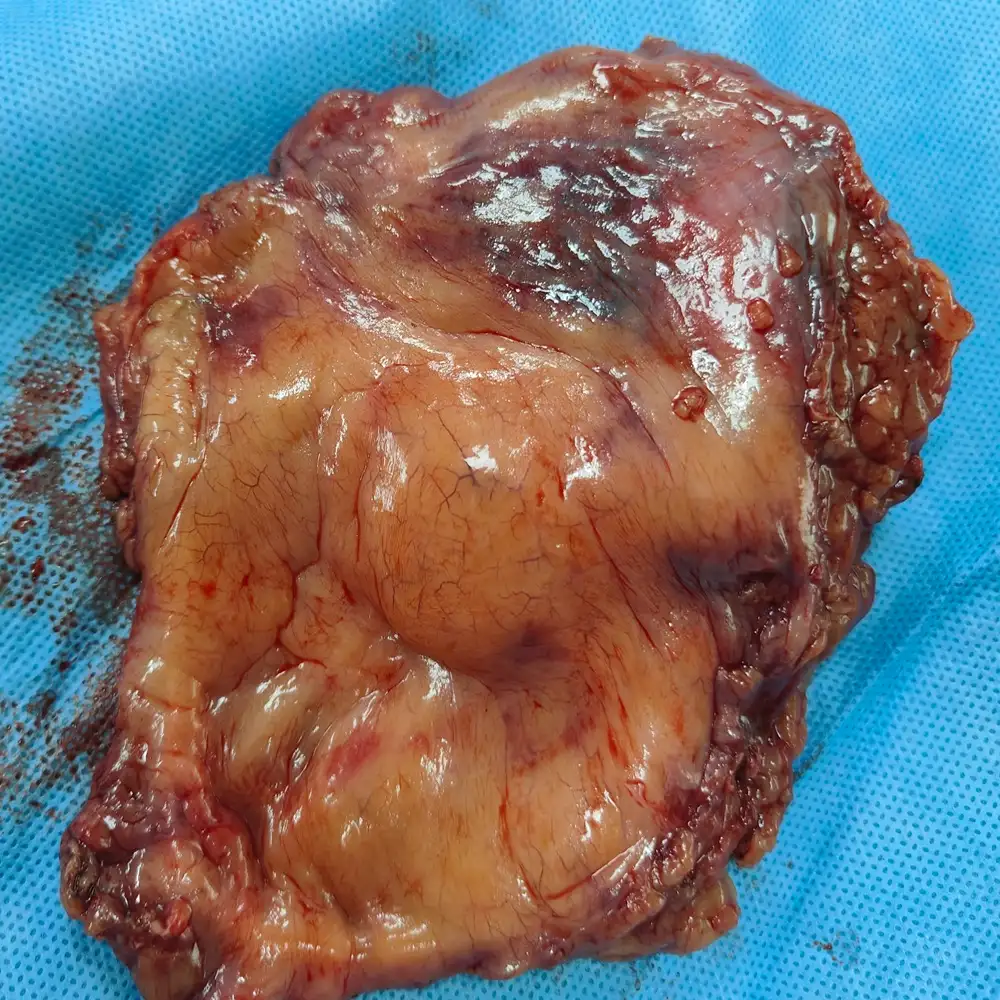
A 60-year-old male presented with a one-year history of hematuria, ultimately diagnosed with high-grade invasive urothelial carcinoma of the urinary bladder. The aggressive tumor invaded the superficial muscularis propria, demanding immediate and precise surgical intervention to prevent further spread.
⦿ Robotic Radical Cysto-Prostatectomy
• Procedure: A precise robotic transperitoneal approach was utilized to skillfully reconstruct a highly functional neobladder.
• Lymph Nodes: The bilateral pelvic dissection successfully retrieved exactly twenty regional lymph nodes for careful evaluation.
• Surgical Safety: The intricate robotic operation maintained excellent hemostasis, requiring absolutely zero blood transfusions to succeed.
• Cancer Clearance: Final pathology confirmed that all surgical margins were completely free of invasive tumors.
⦿ Cancer-Free Margins and Stable Recovery
The patient experienced a smooth, ambulatory recovery and was discharged in a hemodynamically stable condition. Histopathology results confirmed a complete oncological clearance, revealing negative surgical margins and absolutely zero metastasis across all twenty examined lymph nodes. This highly successful functional reconstruction provides an excellent foundation for long-term health and restored urinary function.
By utilizing advanced robotics for this radical cysto-prostatectomy, we successfully secured complete oncological clearance with negative margins. This meticulous approach provided our patient with the absolute best opportunity for a lasting cure and preserved quality of life.
A 57-year-old male presented with a history of hematuria and a diagnosis of high-grade muscle-invasive urothelial carcinoma featuring glandular and squamoid differentiation. This aggressive cancer required urgent intervention following a previous transurethral resection to prevent further progression and ensure complete oncological clearance.
⦿ Laparoscopic Radical Cystoprostatectomy with Neobladder
• Procedure: A complex laparoscopic radical cystoprostatectomy with neobladder reconstruction was successfully executed.
• Lymph Nodes: Thirteen bilateral pelvic lymph nodes were meticulously dissected and evaluated.
• Blood Loss: The advanced minimally invasive surgical approach resulted in minimal intraoperative blood loss.
• Cancer Clearance: Final pathology confirmed no residual invasive tumor and entirely tumor-free surgical margins.
⦿ Cancer-Free Survival And Restored Functionality
The patient experienced an excellent recovery, remaining hemodynamically stable and completely ambulatory shortly after the surgical intervention. Histopathology reports officially confirmed that the lymph nodes and all surgical margins were completely free of any cancerous cells. Ultimately, the successful neobladder reconstruction allowed him to regain functionality and return home safely.
By utilizing a meticulous laparoscopic approach for this aggressive urothelial carcinoma, we achieved total oncological clearance without compromising the patient's quality of life. Constructing the neobladder successfully provided this patient with the absolute best chance for long-term survival and renewed functional independence.
New Treatment Before and After Surgery Improves…
Nursing Support Programs Can Help Bladder Cancer…
Predicting Survival After Bladder-Preserving Treatment You are…
| The Myth | The Fact |
|---|---|
| "The robot performs the surgery on its own." | Fact: The robotic system is 100% controlled by Dr. Swati Shah at all times. It is a high-tech tool that translates her exact hand movements into micro-precise actions inside the body; it cannot move or make decisions without her. |
| "Robotic surgery is only for young people." | Fact: Age is not a barrier. Because robotic surgery involves much less blood loss and smaller incisions, it is actually safer for elderly patients (even those in their 70s and 80s) compared to traditional open bladder surgery. |
| "If I have bladder surgery, I will permanently need to wear a urine bag." | Fact: Modern robotic techniques allow for advanced urinary reconstruction. In many cases, Dr. Shah can precisely create a "Neobladder" (a new bladder), allowing you to pass urine naturally and keeping your body functioning normally. |
| "The blood in my urine stopped, so I don't need surgery right now." | Fact: Early-stage bladder cancer often bleeds on and off without causing any pain. Delaying surgery just because the bleeding temporarily stopped is dangerous, as it allows the tumor to grow deeper into the bladder muscle. |
| "Robotic surgery is experimental and risky." | Fact: Robotic surgery is a globally recognized, highly advanced method for bladder cancer. It is a proven technology that significantly reduces the risk of infection, major bleeding, and complications compared to traditional open surgery. |
| Expense Category | Details | Estimated Cost (INR) |
|---|---|---|
| Surgical Procedure | Surgeon fees, OT charges | ₹1,50,000 to ₹4,00,000 |
| Hospital Stay | Ward, nursing, ICU monitoring | ₹50,000 to ₹1,50,000 |
| Diagnostics & Meds | Scans, pharmacy, lab tests | ₹30,000 to ₹80,000 |
| Diagnostic Test | What it is | Patient Benefit |
|---|---|---|
| Cystoscopy | Camera check inside the bladder | Pinpoints tumor location |
| Biopsy | Testing tiny tissue samples | Confirms cancer presence |
| CT / MRI Scans | Detailed 3D pelvic imaging | Checks if cancer has spread |
| Treatment Plan | Procedure Type | Estimated Cost (INR) |
|---|---|---|
| TURBT | Minor tumor scraping via camera | ₹60,000 to ₹1,50,000 |
| Radical Cystectomy | Full bladder removal (Robotic/Open) | ₹3,00,000 to ₹6,50,000 |
| Chemo / Immunotherapy | Medical drug cycles | ₹50,000 to ₹2,50,000+ |
If you have any kind Uro Cancer related medial emergency, visit Apollo Hospital. An expert doctor is always available & treatment will be provided at once.