અંડકોષના cancer નું ઓપરેશન: groin માંથી કેમ, અને કયું ઓપરેશન ક્યારે | Dr Swati Shah
અંડકોષના cancer નું ઓપરેશન groin માંથી કેમ…

SF-203 (Second Floor), Olive Greens, Sarkhej - Gandhinagar
Hwy, Gota, Ahmedabad, Gujarat, India 382481
Plot No. 1 A, Apollo Hospital International Limited, GIDC Bhat, Industrial Estate, Gandhinagar, Gujarat 382428

Where to get help
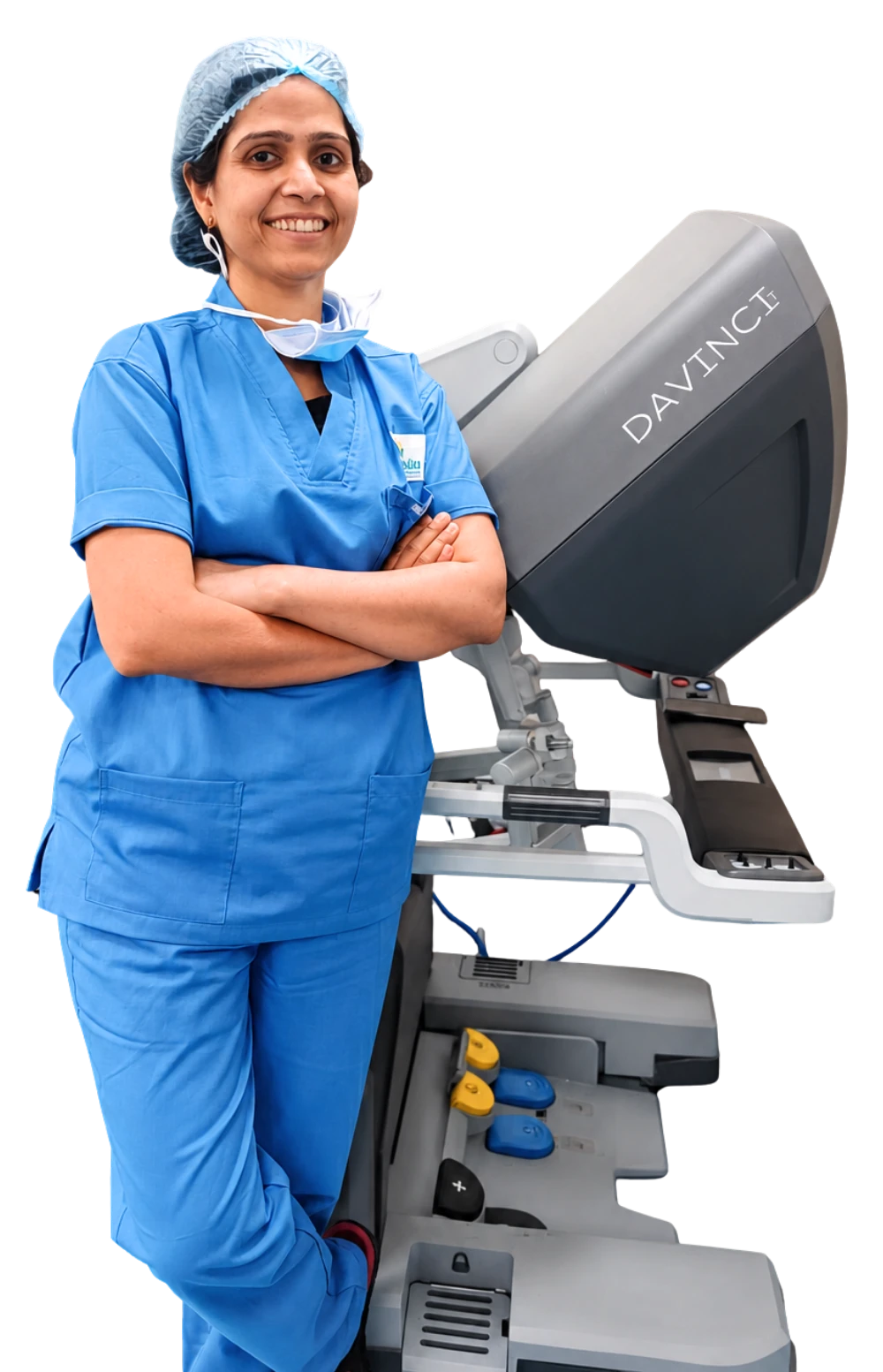
Dr Swati Shah, MS, DrNB (Surgical Oncology), performs kidney and bladder cancer surgery at Apollo Hospital, Bhat, Gandhinagar.
Patients come here from other states too. If you are travelling in, the details are on their own page. You can read about kidney cancer surgery for patients travelling in on that page. Bring your reports. Second opinions are welcome.
Call +91 63590 11009
Ask on WhatsApp
Last updated: 27 September 2026
Maulana Azad Medical College, Delhi, Rajiv Gandhi Cancer Institute, Delhi
Holds the highest degrees in Uro Oncology – DrNB, Surgical Oncology
Having 18+ years of experience in treating Uro cancers
| The Myth | The Fact |
|---|---|
| "A general urologist and a uro-oncologist do the exact same job." | Fact: While a urologist treats general urinary problems, a uro-oncologist specifically focuses on complex cancer diagnosis, staging, robotic cancer surgery, lymph node management, and long-term cancer surveillance. |
| "Uro-oncology is only for treating prostate cancer." | Fact: This specialty comprehensively treats cancers of the entire urinary and male reproductive system, including kidney, urinary bladder, testicular, penile, ureter, and adrenal cancers. |
| "I should wait for a fully confirmed cancer diagnosis before seeing a uro-oncologist." | Fact: You should consult a uro-oncologist immediately if preliminary reports show a kidney mass, blood in urine, testis swelling, penile growth, or an abnormal biopsy. |
| "Seeing a uro-oncologist means I will definitely need traditional open surgery." | Fact: Expert uro-oncologists like Dr. Swati Shah have extensive experience in advanced, minimally invasive approaches, prioritizing laparoscopic and robotic cancer surgery for faster, safer recovery. |
| "A uro-oncologist handles all of my cancer treatments completely alone." | Fact: Comprehensive uro-oncology relies on a multidisciplinary approach. Dr. Shah actively coordinates with medical and radiation oncology teams to ensure complete, well-rounded cancer care. |
A urologist treats problems of the kidneys, bladder, prostate and male organs, such as stones, an enlarged prostate, urine infections and bladder control. A uro-oncologist is a cancer surgeon for the same organs. Dr Swati Shah is a uro-oncologist: she treats cancers of the kidney, bladder, prostate, testis and penis, and does not treat stones or other non-cancer urology.
Dr Swati Shah, MS, DrNB (Surgical Oncology), operates at Apollo Hospital, Bhat, Gandhinagar and sees patients at the Gota OPD, Ahmedabad.
| Urologist | Uro-oncologist (Dr Swati Shah) | |
|---|---|---|
| Main work | Non-cancer urinary and male health problems | Cancers of the kidney, bladder, prostate, testis and penis |
| Usually seen for | Kidney stones, enlarged prostate, urine infection, leaking urine | A tumour on a scan, a biopsy showing cancer, a lump in the testis |
| Operations | Stone removal, prostate reduction, other non-cancer surgery | Cancer operations, including robotic surgery where it suits the cancer |
If tests show the problem is not cancer, a urologist is the right doctor, and you will be told so.
Read this in Hindi or Gujarati: अहमदाबाद में यूरो-ऑन्कोलॉजिस्ट (हिंदी) · અમદાવાદમાં યુરો-ઓન્કોલોજિસ્ટ (ગુજરાતી)
Gota OPD: SF-203, 2nd Floor, Olive Greens, Gota, S G Highway, Ahmedabad, Gujarat 382481. Surgery at Apollo Hospital, Plot No. 1A, GIDC Bhat, Industrial Estate, Gandhinagar, Gujarat 382428. Call to book a time. Bring all scan, biopsy and PSA reports to the visit.
Last updated: 3 October 2026






Patient
Patient
Patient
A happy patient praises Dr. Swati Shah after a successful Robotic Prostate Cancer Surgery. They explain how her expert treatment ensured minimal discomfort and a very rapid recovery. The grateful family highly recommends this skilled Robotic Uro-Oncologist for her exceptional care.
A happy family thanks Dr. Swati Shah after their father’s successful Kidney Tumor Surgery. They share how her kind support and great skills helped him heal safely and quickly. The thankful family highly recommends this wonderful Uro-Oncologist for her excellent care.
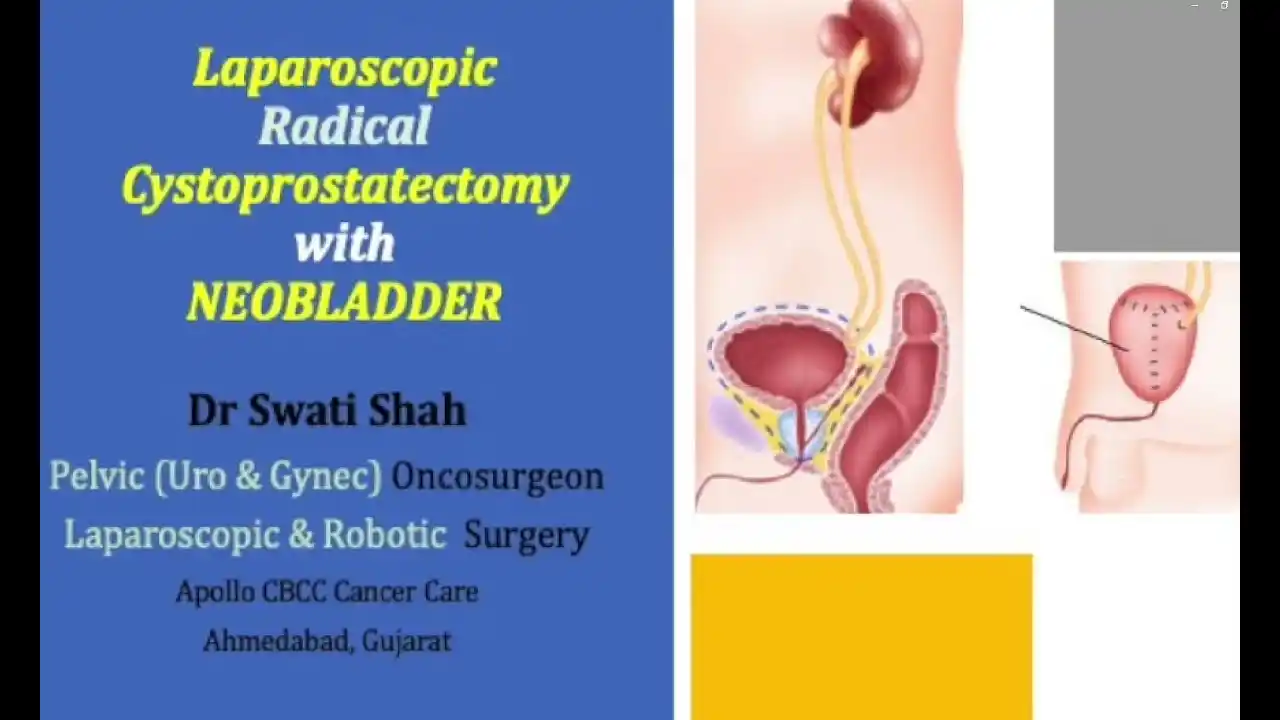
A grateful family praises Dr. Swati Shah after a life-changing Radical Cystectomy with Neobladder. This expert procedure allowed the patient to comfortably return to a normal, bag-free lifestyle. They highly recommend this skilled Uro-Oncologist for her outstanding surgical care.
Maulana Azad Medical College, New Delhi
Rajiv Gandhi Cancer Institute, New Delhi
Training in Uro Oncology robotic cancer surgery from a pioneer institute for robotic cancer surgeries in New Delhi.
Certified as robotic uro oncologist from Intuitive Surgicals.
Specialization in urological and pelvic cancer surgery, with focused treatment for urological cancers including prostate, kidney, urinary bladder, testis, other locally advanced pelvic cancers and retroperitoneal cancers.
A minimally invasive robotic approach for removing cancer-affected groin lymph nodes while aiming to reduce wound-related complications in vulvar and penile cancers. Dr Swati Shah was 1st in Gujarat to perform that for vulvar cancer.
A complex robotic pelvic cancer surgery used in carefully selected recurrent cervical cancer cases involving nearby pelvic organs. It includes Radical cystectomy (removal of urinary bladder), Radical hysterectomy (removal of uterus and surrounding structures) and parametria.
A robotic procedure that helps assess the spread of ovarian cancer and plan the right stage-based treatment.
A precision robotic surgery for selected uterine cancer cases where tissue around the uterus needs cancer-safe removal.
“Robotic Retroperitoneal Lymph Node Dissection” at NATCON, the National Surgical Oncology Conference, 2021, New Delhi. Retroperitoneal Lymph Node dissection was done for large residual retroperitoneal lymph nodes , post chemotherapy in a yung male with testis cancer.
Robotic Uro cancer surgery presentations at ASICON ( Association of Surgeons of India) , RUFCON (Robotic Urology Forum), IASOCON (Indian Association of Surgical Oncology), and AGOICON, including expert talks relevant to uro oncology, robotic pelvic cancer surgery, and complex lymph node dissection.
Recognized for paper presentations at SELSICON 2011, RGCON 2016, IASG 2015, IMSCON 2015, and NATCON 2019.
Author of multiple national and international journal papers related to cancer surgery, robotic surgery, pelvic oncology, and minimally invasive surgical oncology.
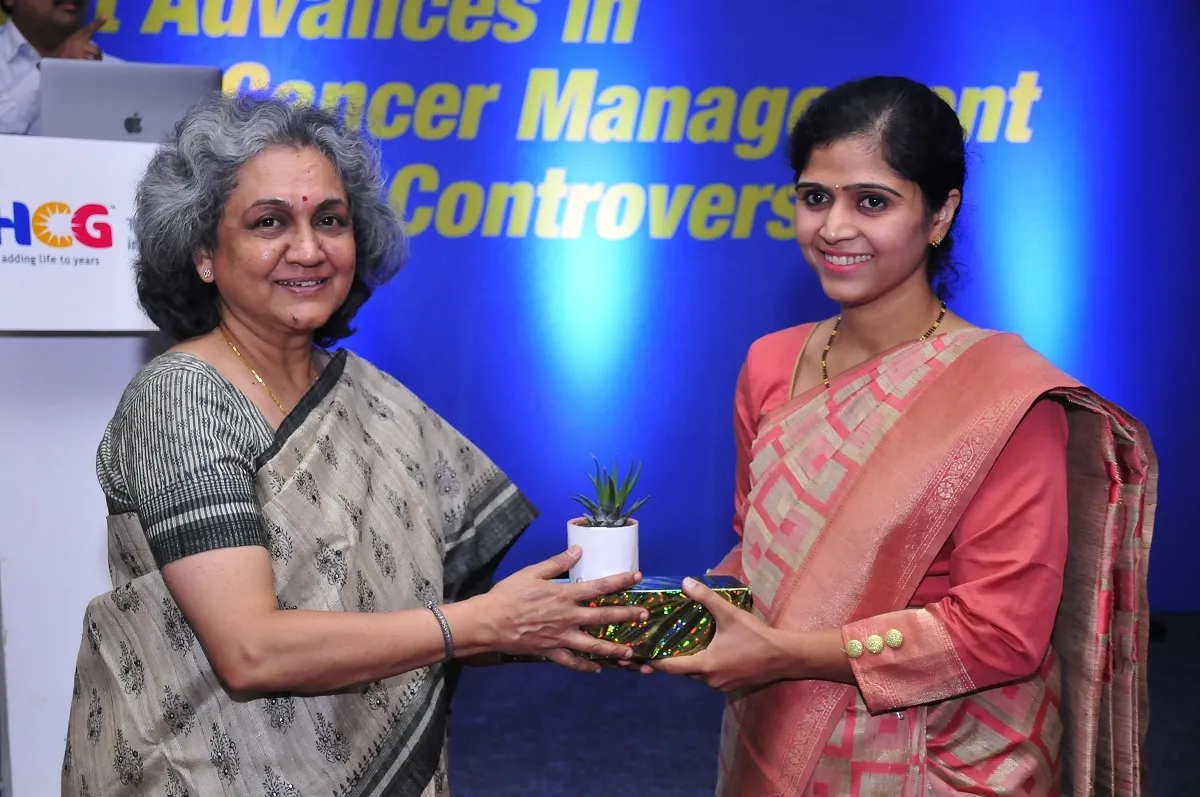
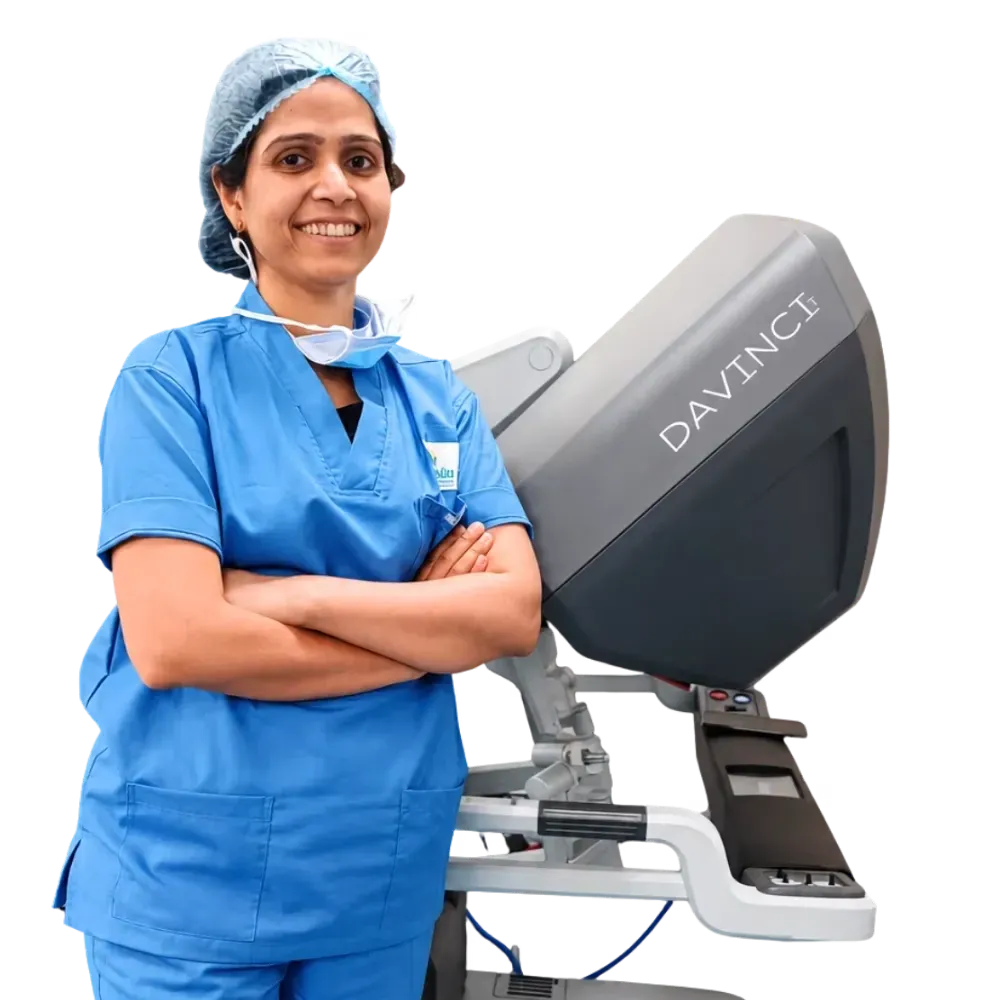

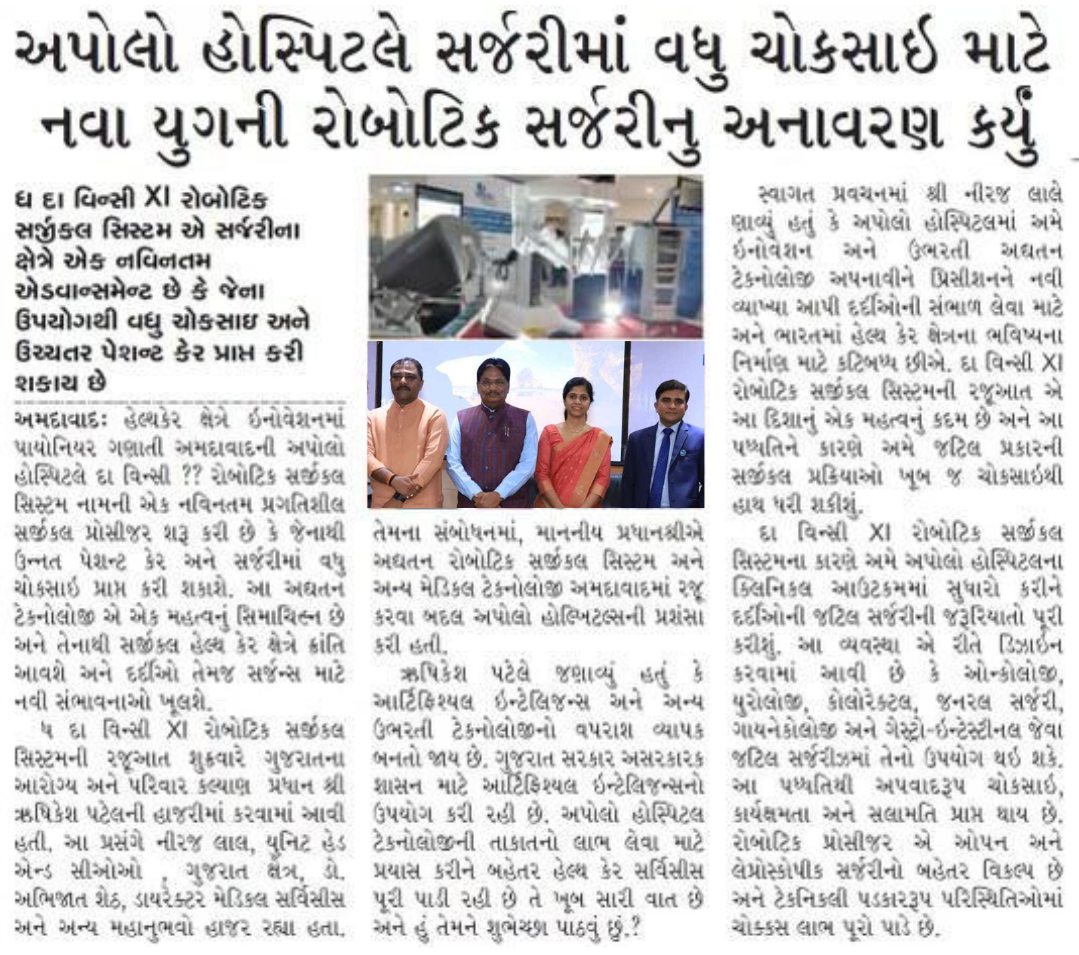
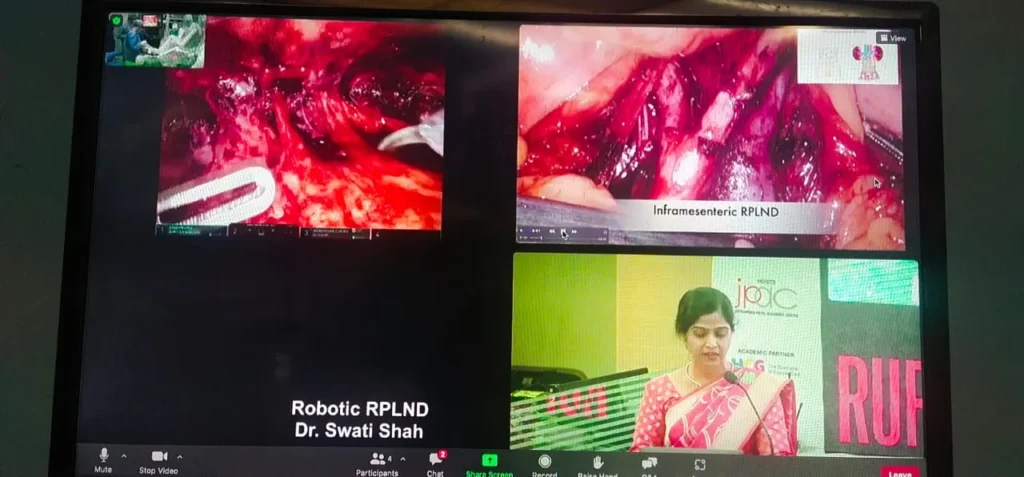
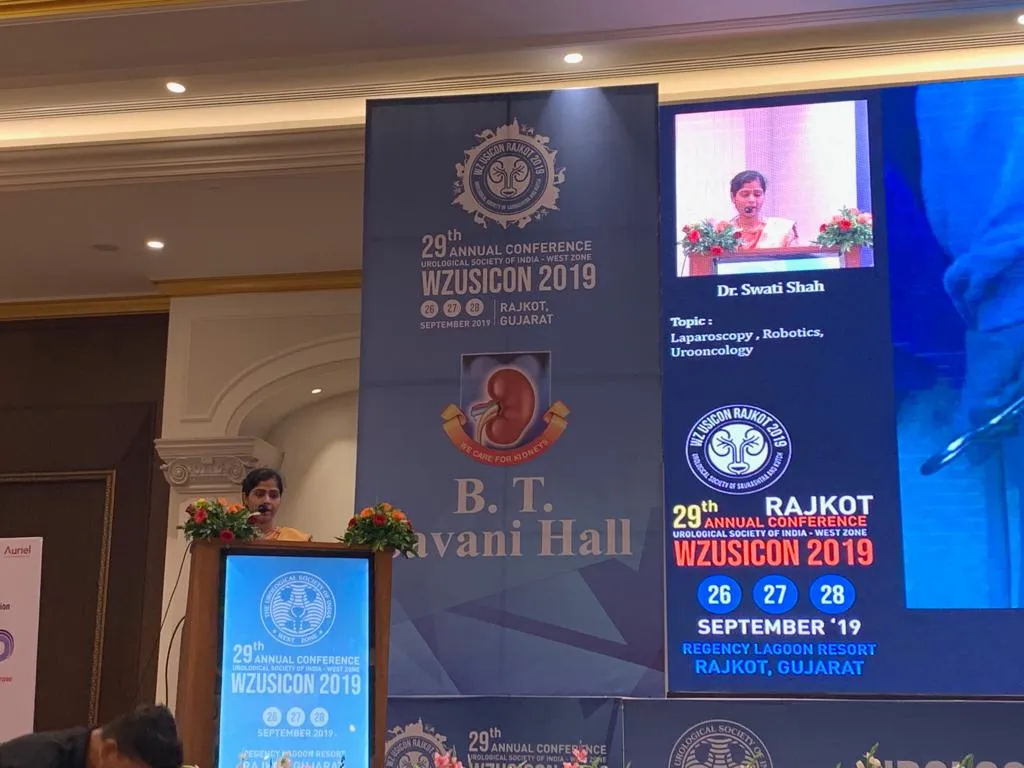
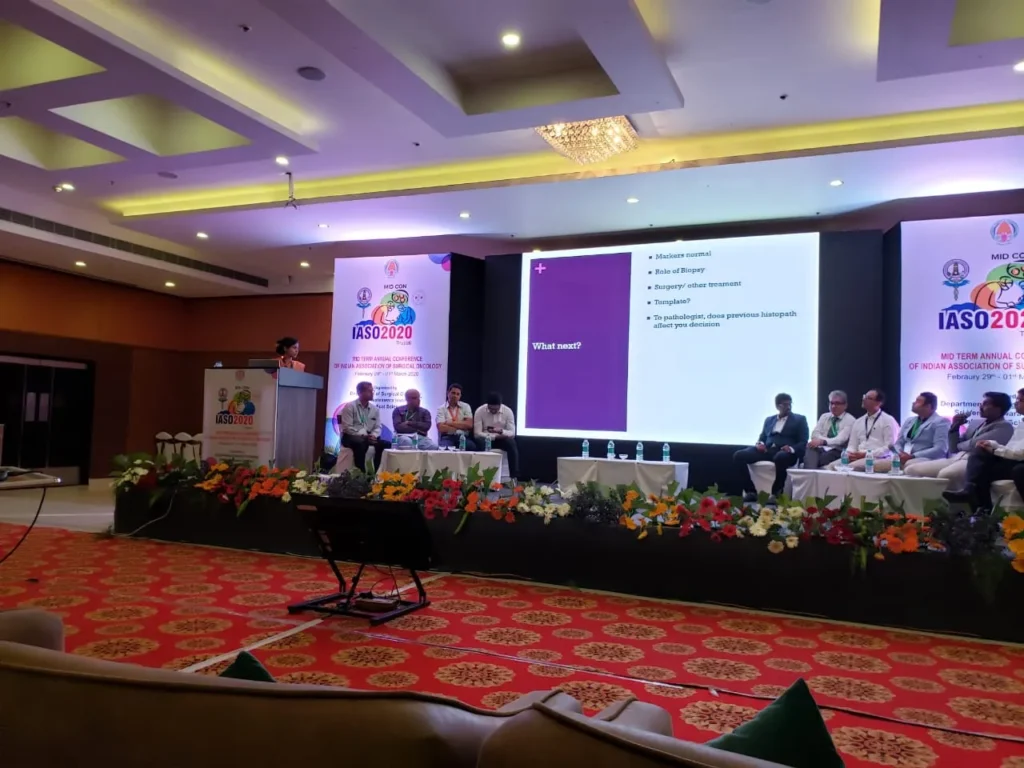
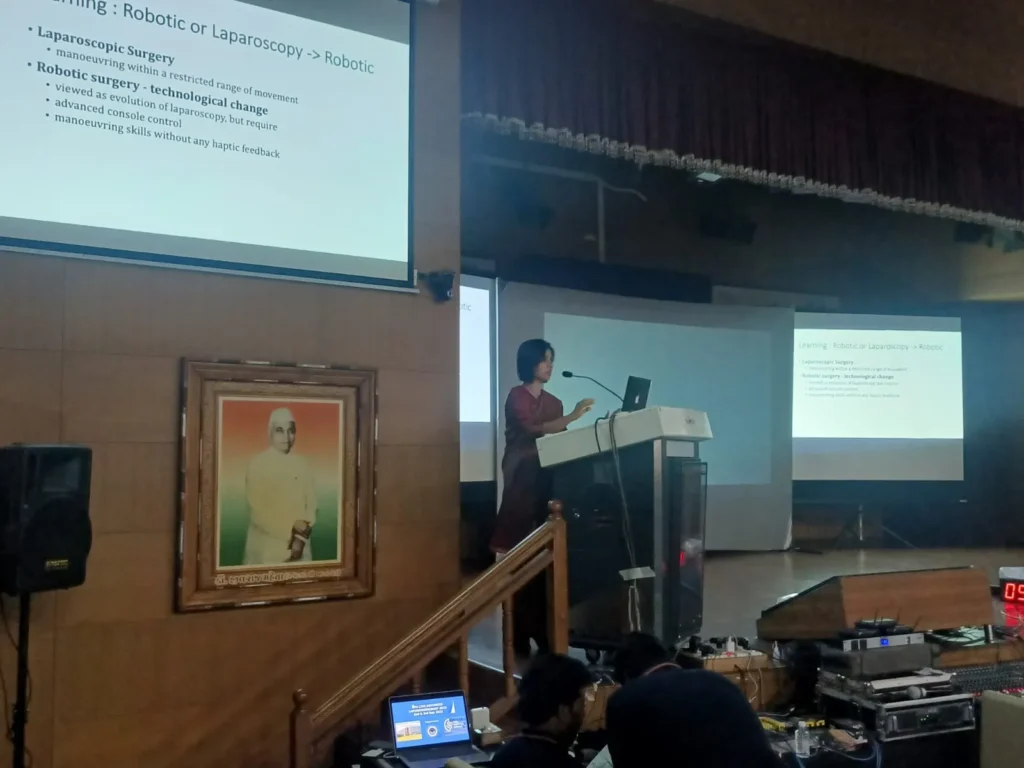
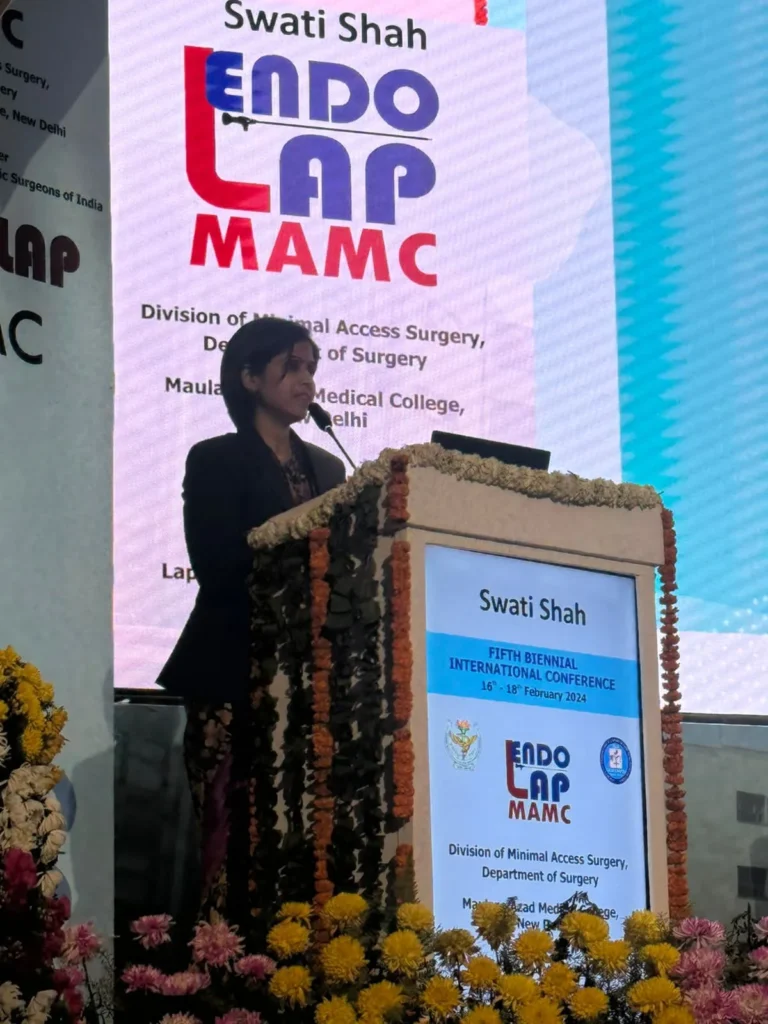
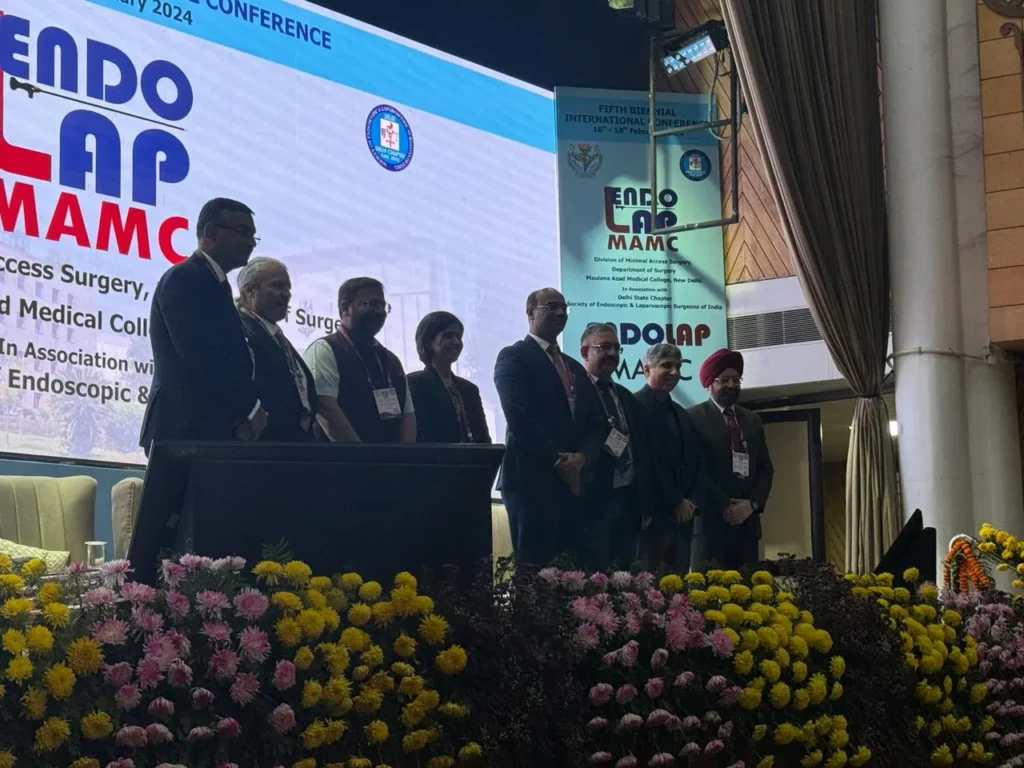

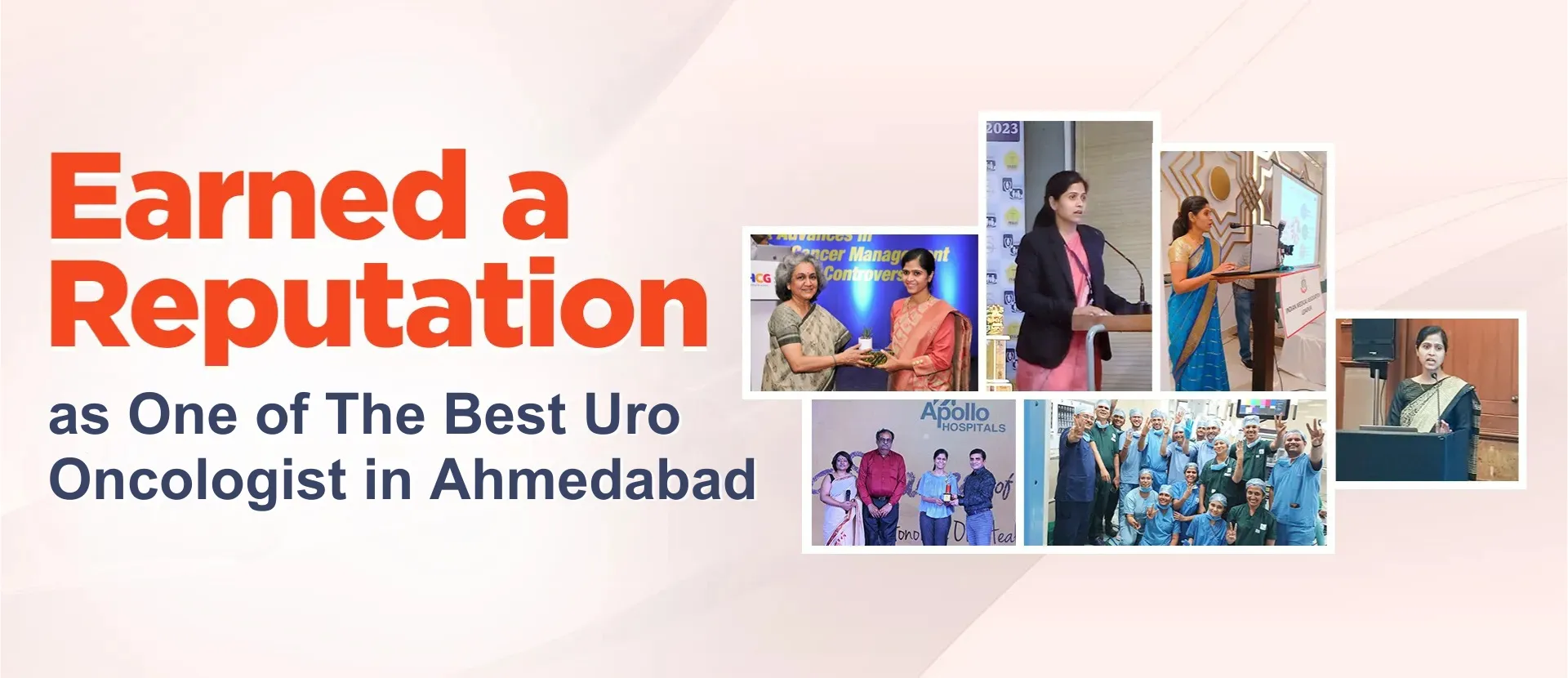

Dr. Swati Shah is one of Ahmedabad’s trusted uro oncologists because she combines cancer-specific surgical training, robotic expertise, and focused pelvic cancer experience.
Patients choose her for kidney, prostate, bladder, testis, penile, and retroperitoneal cancer surgery because her care is planned around cancer clearance, safety, recovery, and long-term follow-up.
Dr. Shah treats urological cancers including kidney cancer, prostate cancer, urinary bladder cancer, testicular cancer, penile cancer, and pelvic or retroperitoneal cancers.
With 12+ years of robotic surgery experience, she offers minimally invasive robotic approaches where suitable for selected uro oncology and pelvic cancer cases.
She is one of the few cancer surgeons practicing focused pelvic oncosurgery, which means patients receive treatment from a surgeon deeply familiar with pelvic anatomy and cancer behaviour.
Her qualifications include MS General Surgery, DrNB Surgical Oncology, and robotic surgery certification from Intuitive Surgicals.
Treatment is planned with input from medical oncology, radiation oncology, radiology, pathology, and critical care teams when required.
Dr. Shah has experience in advanced pelvic cancer surgery, lymph node dissection, robotic procedures, CRS and HIPEC, and recurrent cancer surgery in selected cases.
Patients and families receive clear explanations about cancer stage, surgery options, robotic versus open surgery, recovery time, possible risks, and follow-up.
Dr. Shah treats urological cancers including kidney cancer, prostate cancer, urinary bladder cancer, testicular cancer, penile cancer, and pelvic or retroperitoneal cancers.
With 12+ years of robotic surgery experience, she offers minimally invasive robotic approaches where suitable for selected uro oncology and pelvic cancer cases.
She is one of the few cancer surgeons practicing focused pelvic oncosurgery, which means patients receive treatment from a surgeon deeply familiar with pelvic anatomy and cancer behaviour.
Her qualifications include MS General Surgery, DrNB Surgical Oncology, and robotic surgery certification from Intuitive Surgicals.
Treatment is planned with input from medical oncology, radiation oncology, radiology, pathology, and critical care teams when required.
Dr. Shah has experience in advanced pelvic cancer surgery, lymph node dissection, robotic procedures, CRS and HIPEC, and recurrent cancer surgery in selected cases.
Patients and families receive clear explanations about cancer stage, surgery options, robotic versus open surgery, recovery time, possible risks, and follow-up.
| Step | Treatment Phase | Key Actions & Details |
|---|---|---|
| Step 1 | Consultation & Report Review | Comprehensive review of symptoms, biopsy reports, scans, blood/urine tests, previous treatment papers, and patient health history. |
| Step 2 | Cancer Staging | Advanced testing (CT scan, MRI, PET-CT, cystoscopy, PSA, or tumor markers) is advised depending on the specific cancer type. |
| Step 3 | Multidisciplinary Team Review | Collaborative case discussion with medical oncology, radiation oncology, radiology, pathology, anesthesia, and critical care teams. |
| Step 4 | Surgery Planning | Selection of the safest surgical approach (robotic, laparoscopic, or open) based on cancer stage, tumor location, patient fitness, and expected benefit. |
| Step 5 | Treatment & Recovery | Execution of surgery focusing on complete cancer clearance. Patients receive detailed guidance on hospital stay, diet, pain control, catheter, and wound care. |
| Step 6 | Follow-Up & Surveillance | Ongoing visits to monitor recovery, review the final biopsy, assess recurrence risk, determine further treatment needs, and conduct long-term cancer surveillance. |
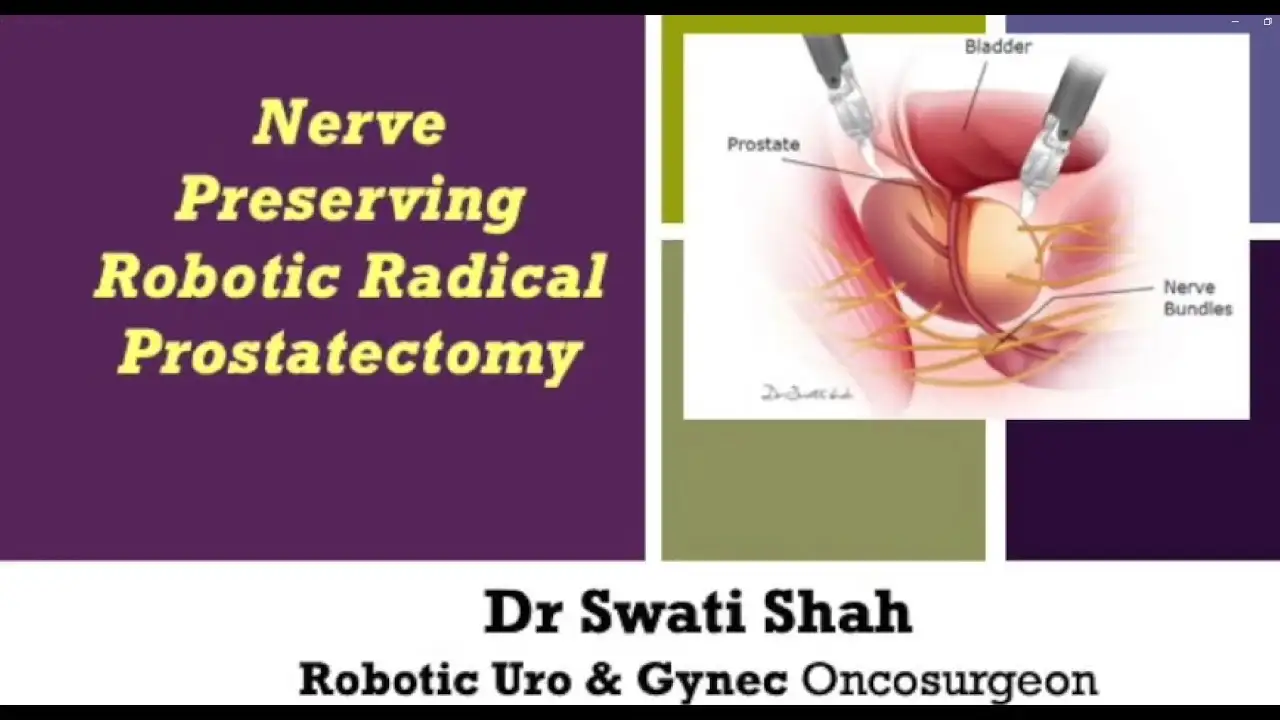
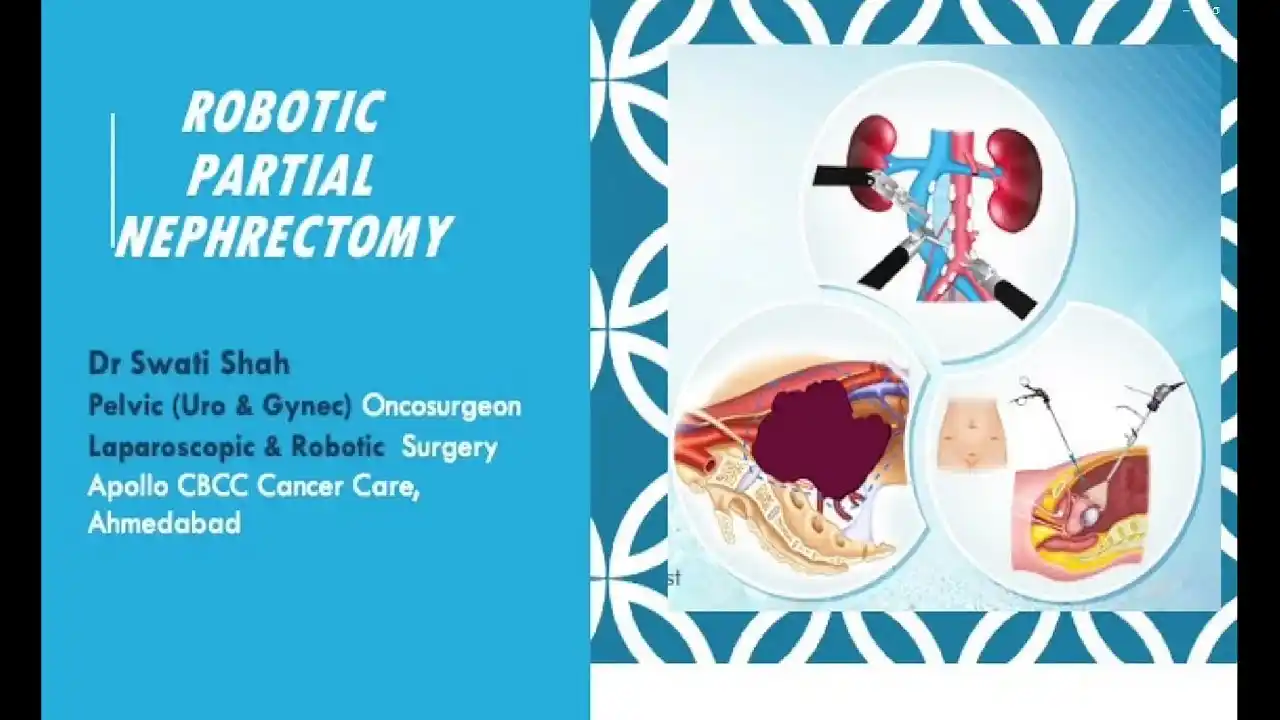
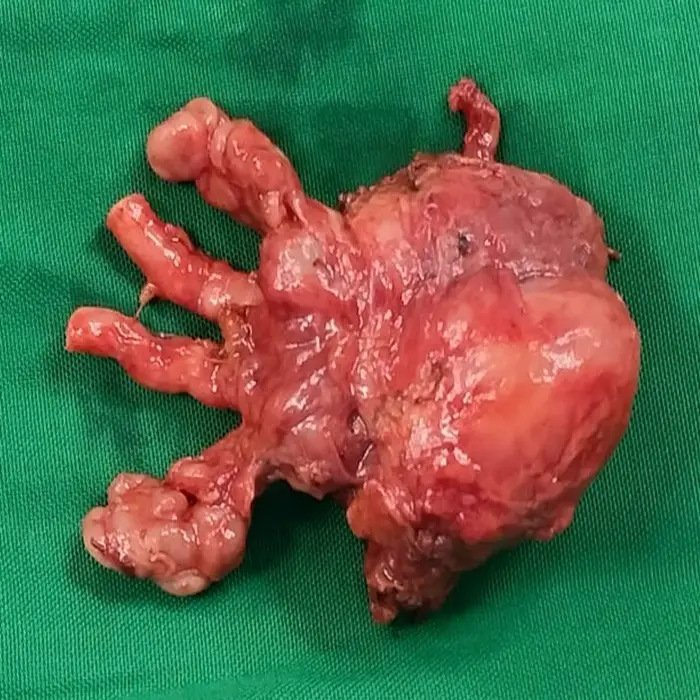
A 71-year-old male presented with persistent burning micturition and rising PSA levels, eventually diagnosed with prostatic acinar adenocarcinoma. The case was complicated by a previous bladder neck incision and the presence of nodules in both prostatic lobes.
⦿ Robotic-Assisted Radical Prostatectomy
Dr. Swati Shah performed a robotic radical prostatectomy using the advanced Da Vinci Xi system to ensure maximum surgical precision. This transperitoneal approach included a meticulous bilateral pelvic lymph node dissection and a complex posterior reconstruction for optimal functional recovery.
• Procedure: A standard six-port robotic-assisted transperitoneal approach was utilized for the entire prostate removal.
• Anatomical Precision: A modified Rocco stitch was used for posterior reconstruction to enhance postoperative recovery.
• Safety & Blood Loss: The surgery was completed with minimal blood loss of only 100 mL.
• Cancer Clearance: All surgical margins at the apex and base remained entirely free of tumor.
⦿ Complete Oncological Cure and Stable Recovery
The patient was ambulatory and hemodynamically stable shortly after the robotic procedure, allowing for a timely discharge. Final histopathology confirmed a successful pT2N0 stage, with eighteen lymph nodes testing negative for any cancer spread. The patient successfully resumed normal activity with controlled pain and stable urinary function.
By utilizing the Da Vinci Xi robotic system, we achieved superior visualization and precision in a patient with prior prostatic surgery. This meticulous approach allowed for negative surgical margins and zero nodal involvement, providing the best possible oncological outcome and a rapid return to daily life.
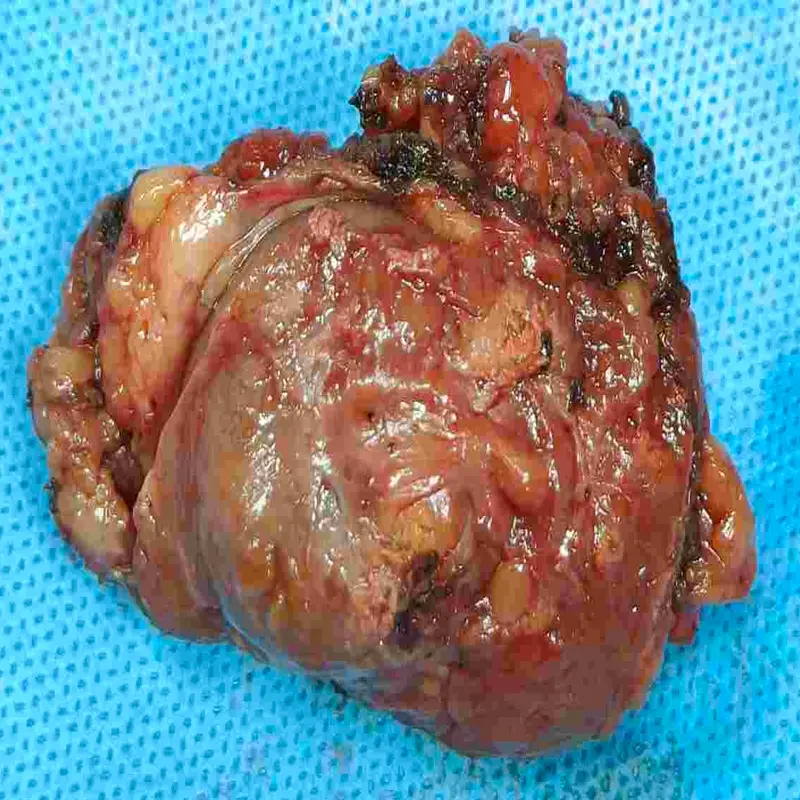
A 66-year-old male presented with a symptomatic 3.5 cm renal mass and bilateral inguinal hernias. Imaging suggested potential renal cell carcinoma, necessitating precise surgical intervention to preserve renal function while ensuring complete tumor eradication. The combined presentation required a sophisticated, multi-disciplinary approach to address both the oncological and abdominal concerns.
⦿ Robotic Right Partial Nephrectomy and Open Bilateral Inguinal Hernioplasty
• Procedure: A robotic trans-peritoneal approach was utilized for the partial nephrectomy and hernia repair.
• Anatomical Complexity: The surgery successfully addressed a lower-pole renal mass alongside bilateral indirect inguinal hernias.
• Patient Safety: The procedure was executed with exceptional safety, resulting in minimal blood loss of 200 ml.
• Cancer Clearance: Postoperative histopathology confirmed an oncocytoma with all surgical margins negative for invasive tumor cells.
⦿ Seamless Recovery and Excellent Pathological Success
The patient demonstrated an uneventful postoperative recovery and remained hemodynamically stable throughout his hospital stay. Final pathology confirmed a complete excision of the oncocytoma with clear margins, negating the need for further oncological intervention. He was discharged in a stable, ambulatory condition, having successfully resolved both the renal neoplasm and bilateral hernias.
By utilizing the Da Vinci robotic system, we were able to perform a highly precise partial nephrectomy that prioritized renal preservation. This approach provided the best possible oncological outcome for the patient, ensuring a swift recovery and long-term functional stability.
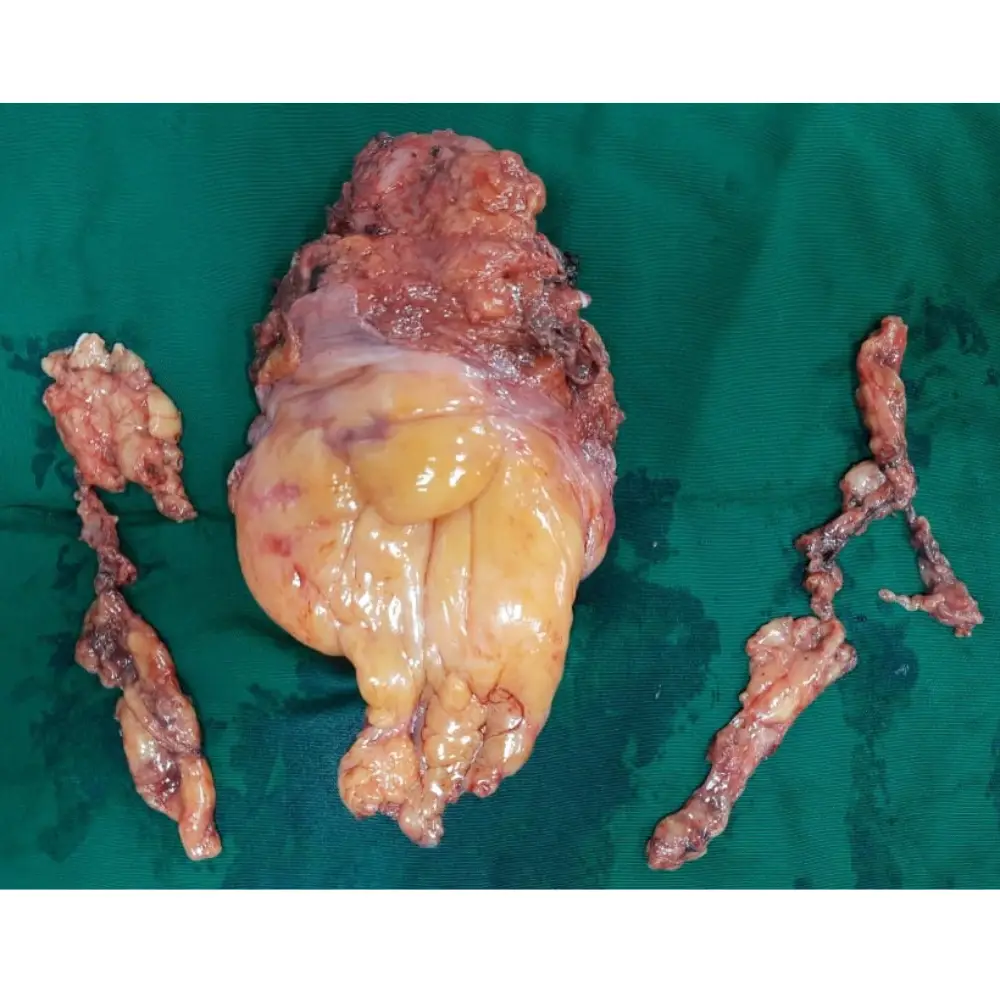
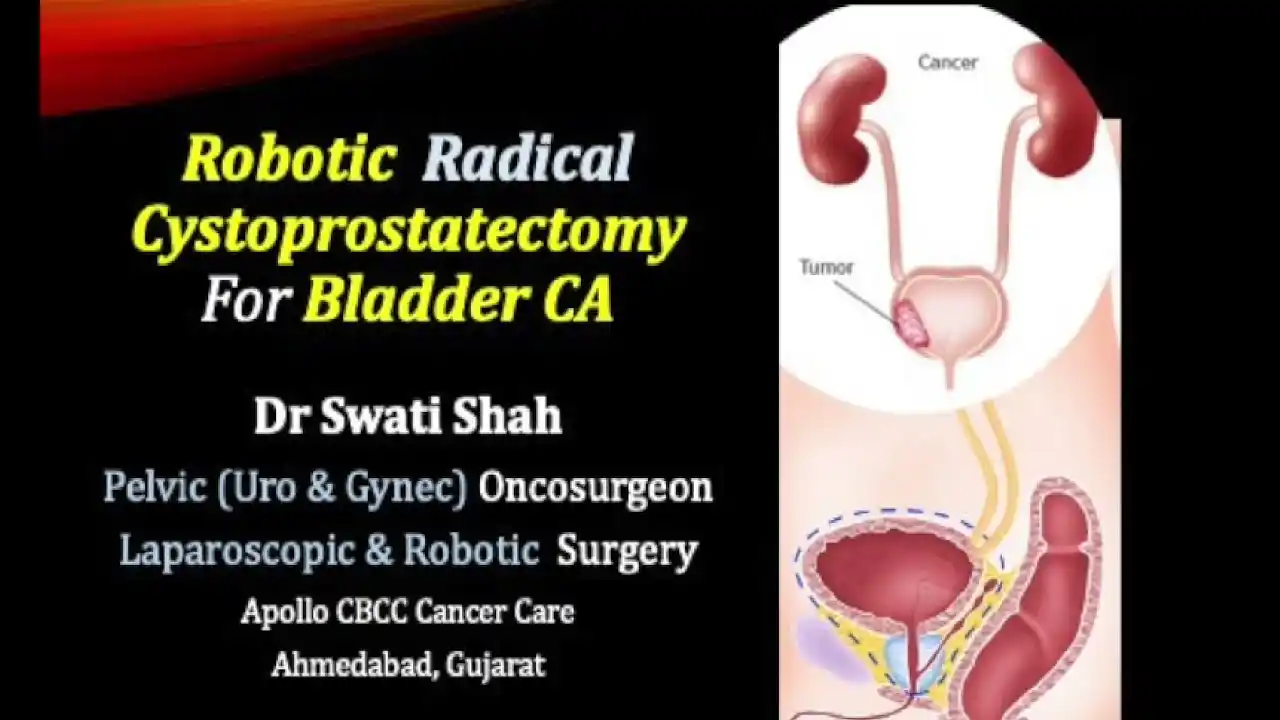
A fifty-eight-year-old male initially presented with a challenging one-year history of hematuria and acute urinary retention. Following a transurethral resection, histopathology confirmed a diagnosis of muscle-invasive adenocarcinoma of the urinary bladder. Because the tumor actively encased the left vesicoureteric junction, the patient urgently required a complex and highly precise surgical intervention.
⦿ Robotic Radical Cystoprostatectomy and Reconstructive Diversion
• Procedure: Dr. Swati Shah expertly completed a robotic cystoprostatectomy combined with an ileal conduit urostomy.
• Lymph Nodes Clearance: The surgical team meticulously dissected and removed bilateral pelvic lymph nodes for comprehensive oncological staging.
• Blood Loss Optimization: The minimally invasive robotic approach resulted in a remarkably low blood loss of 100 ML.
• Cancer Clearance: The final pathology reports confirmed that all surgical margins were completely free of invasive tumor.
⦿ Successful Oncological Clearance and Stable Recovery
The patient experienced a highly stable postoperative recovery and was successfully discharged in an entirely ambulatory condition. Final pathology confirmed a complete surgical excision, with all vital margins remaining definitively free of the invasive micropapillary urothelial carcinoma. He demonstrated excellent pain control and safely returned home with a fully functional urinary stoma.
By utilizing advanced robotic techniques for this invasive adenocarcinoma, I was able to achieve exceptional surgical precision and total margin clearance. This minimally invasive approach ultimately provided the patient with a swift recovery and the absolute best chance for long-term survival.
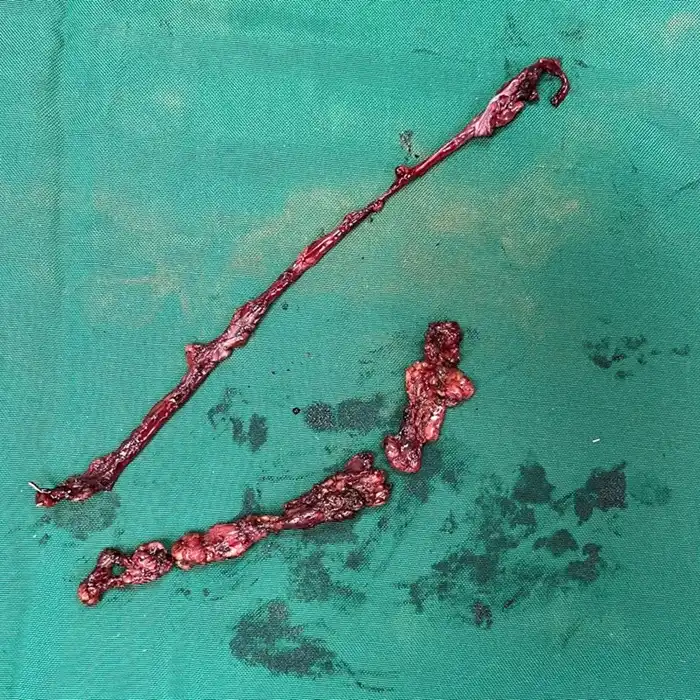
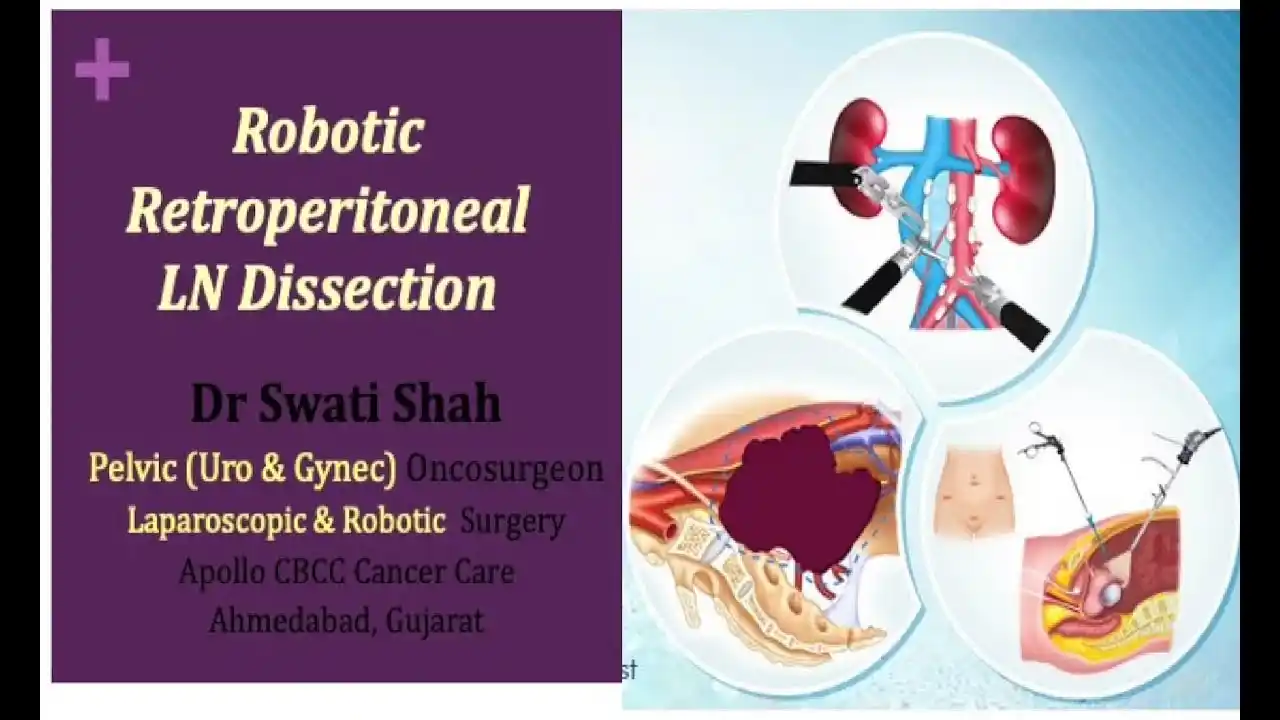
A 15-year-old male presented with a 5 cm left paratesticular mass, later confirmed as embryonal rhabdomyosarcoma. Following an initial inguinal orchidectomy, the primary clinical challenge involved performing an exhaustive retroperitoneal nodal staging to detect microscopic spread, which is essential for determining the intensity of subsequent pediatric chemotherapy protocols.
⦿ Robotic Nerve-Sparing RPLND and Chemoport Insertion
• Procedure: Dr. Shah executed a robotic nerve-sparing RPLND and left iliac lymph node dissection.
• Anatomy: The surgeon meticulously preserved the sympathetic nerve chains to maintain the teenager's future quality of life.
• Safety: The minimally invasive robotic approach allowed for a safe, bloodless dissection of the retroperitoneal space.
• Cancer Clearance: Fifteen total lymph nodes were harvested from the target zones to ensure accurate oncologic staging.
⦿ Pathological Node-Negative Status and Rapid Recovery
The patient experienced a smooth postoperative recovery, achieving early mobilization and stable vitals before a prompt discharge. Final histopathology confirmed that all fifteen harvested nodes were reactive and free of cancer, establishing a highly favorable prognosis for this Stage I, Group I malignancy. He transitioned to his planned chemotherapy regimen with a functional chemoport and excellent surgical healing of his minimally invasive port sites.
In pediatric oncology, achieving a cure must go hand-in-hand with preserving future function. By utilizing robotic nerve-sparing techniques for this RPLND, we provided the precise staging necessary to guide his chemotherapy while successfully protecting his long-term physical well-being.
અંડકોષના cancer નું ઓપરેશન groin માંથી કેમ…
Whole Testis, Part of It, or Chemotherapy…
अंडकोष cancer का stage और जोखिम समूह:…
Robotic surgery is a minimally invasive surgical method in which Dr. Swati Shah controls advanced robotic instruments from a specialised console. Instead of a large traditional cut, the operation is performed through tiny keyhole openings.
This allows highly controlled movements and improved precision during selected uro cancer surgeries, including prostate, kidney, bladder, and testis cancer procedures.
| The Myth | The Fact |
|---|---|
| "The robot performs the surgery on its own." | Fact: The robotic system is 100% controlled by Dr. Swati Shah at all times. It is a high-tech tool that translates her exact hand movements into micro-precise actions inside the body; it cannot move or make decisions without her. |
| "Robotic surgery is only for young people." | Fact: Age is not a barrier. Because robotic surgery involves much less blood loss and smaller incisions, it is actually safer for elderly patients (even those in their 70s and 80s) compared to traditional open bladder surgery. |
| "If I have bladder surgery, I will permanently need to wear a urine bag." | Fact: Modern robotic techniques allow for advanced urinary reconstruction. In many cases, Dr. Shah can precisely create a "Neobladder" (a new bladder), allowing you to pass urine naturally and keeping your body functioning normally. |
| "The blood in my urine stopped, so I don't need surgery right now." | Fact: Early-stage bladder cancer often bleeds on and off without causing any pain. Delaying surgery just because the bleeding temporarily stopped is dangerous, as it allows the tumor to grow deeper into the bladder muscle. |
| "Robotic surgery is experimental and risky." | Fact: Robotic surgery is a globally recognized, highly advanced method for bladder cancer. It is a proven technology that significantly reduces the risk of infection, major bleeding, and complications compared to traditional open surgery. |
| Specialist | Primary Focus | Key Treatments & Procedures |
|---|---|---|
| Urologist | General urinary problems | Treats kidney stones, prostate enlargement, urine infections, and general kidney disorders. |
| Uro-Oncologist | Urological cancers | Focuses on cancer diagnosis, staging, robotic cancer surgery, lymph node dissection, and long-term cancer follow-up. |
| Key Benefit | How It Helps the Patient |
|---|---|
| Precise Dissection | Allows for exact, margin-negative removal of complex urological tumors while protecting delicate nerves. |
| Better 3D Vision | Provides the surgeon with a magnified, high-definition view to operate safely in tight pelvic spaces. |
| Smaller Cuts | Utilizes tiny "keyhole" incisions, which significantly reduces physical trauma, blood loss, and scarring. |
| Faster Recovery | Enables a smoother healing process and a much quicker return to normal daily activities. |
Wondering how treatment is paid for? See CGHS, cashless insurance and corporate-panel cover for cancer surgery at Apollo Hospitals, Bhat.
Apollo Hospital International Limited: Plot No. 1A, GIDC Bhat, Industrial Estate, Gandhinagar – 382428
| Planning Strategy | Key Elements |
|---|---|
| Multidisciplinary Team (MDT) | Involves expert coordination between surgical oncology, medical oncology, radiation oncology, radiology, pathology, and supportive care teams. |
| Personalized Health Factors | Every surgery is uniquely planned according to your specific cancer type, tumor stage, overall physical fitness, organ function, and recovery goals. |
1. Shah’s Gastro, Cancer & Robotic Surgery Centre: SF-203, 2nd Floor, Olive Greens, Gota, S G Highway, Ahmedabad, Gujarat – 382481
If you have any kind Uro Cancer related medical emergency, visit Apollo Hospital. An expert doctor is always available & treatment will be provided at once.
Swasth Parivar: twice a month, practical advice on recovery, diet and warning signs. No advertising. Stop any time.
Your number is used for these updates and for the clinic to reach you. It is never sold or passed on. To stop, reply STOP on WhatsApp.