
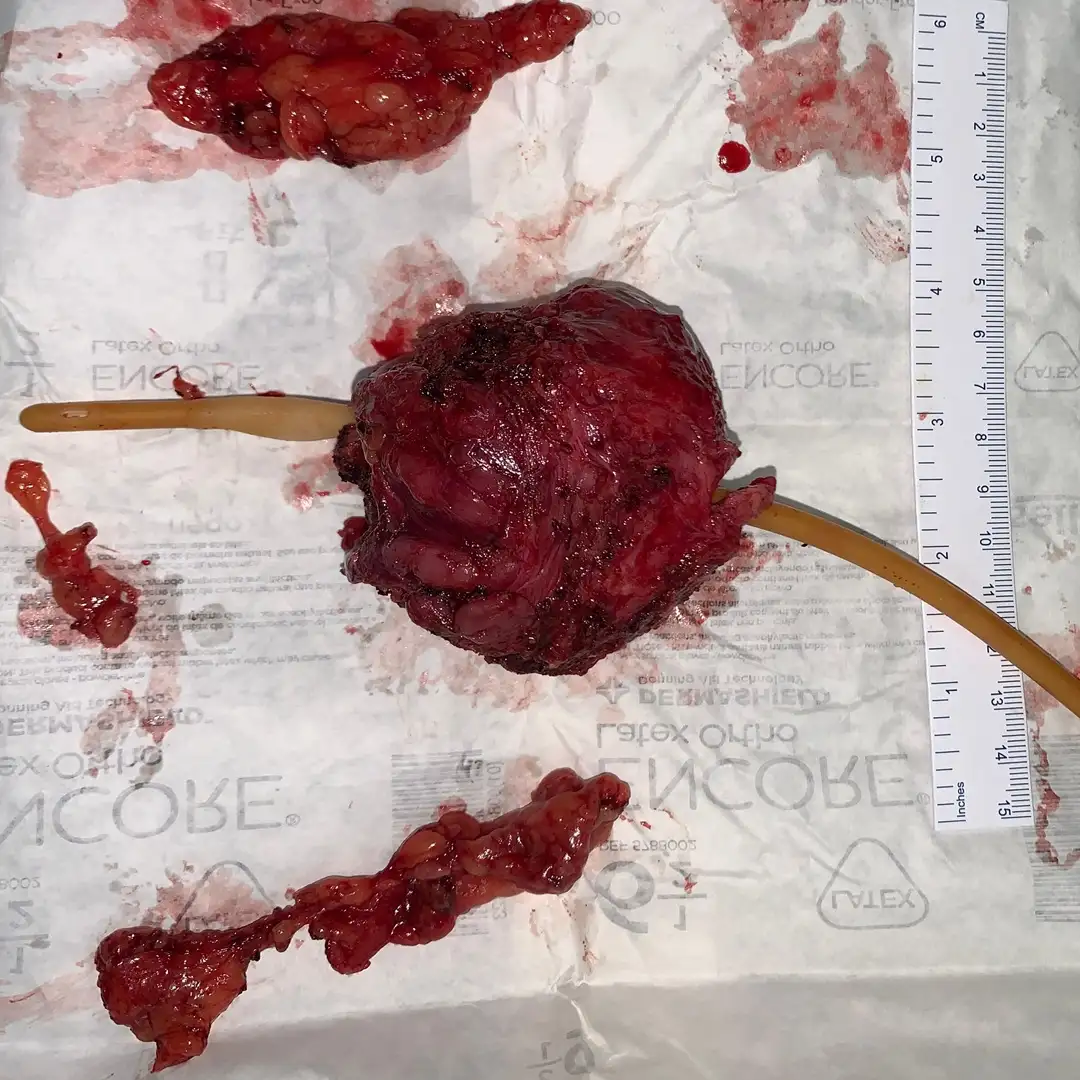
A 67-year-old male presented with urinary urgency and a significantly elevated PSA level of 144.92 ng/ml. Diagnostic imaging and biopsy confirmed an acinar adenocarcinoma, demanding an urgent and highly precise surgical intervention to prevent potential systemic spread while managing the high biochemical risk.
⦿ Robotic-Assisted Radical Prostatectomy and Lymphadenectomy
• Procedure: A minimally invasive radical prostatectomy was executed with unilateral neurovascular bundle preservation.
• Lymph Nodes: A total of 20 pelvic lymph nodes were successfully removed and staged.
• Safety: The surgery was completed with a very low blood loss of 150 ml.
• Cancer Clearance: Pathological examination confirmed negative surgical margins, indicating the complete removal of the tumor.
⦿ Full Oncological Clearance and Early Mobilization
The patient’s postoperative recovery was excellent, characterized by early mobilization and a stable discharge within a few days. Final histopathology confirmed a pT2N0 stage with zero lymph node involvement and no extraprostatic extension. Crucially, the patient achieved early urinary continence, returning to his routine daily activities without significant functional impairment or complications.
By utilizing robotic precision, we achieved complete cancer clearance despite the patient's high pre-operative PSA levels. This approach allowed for meticulous nerve preservation and reconstruction, which are vital for maintaining the patient's quality of life and ensuring a rapid return to normalcy.
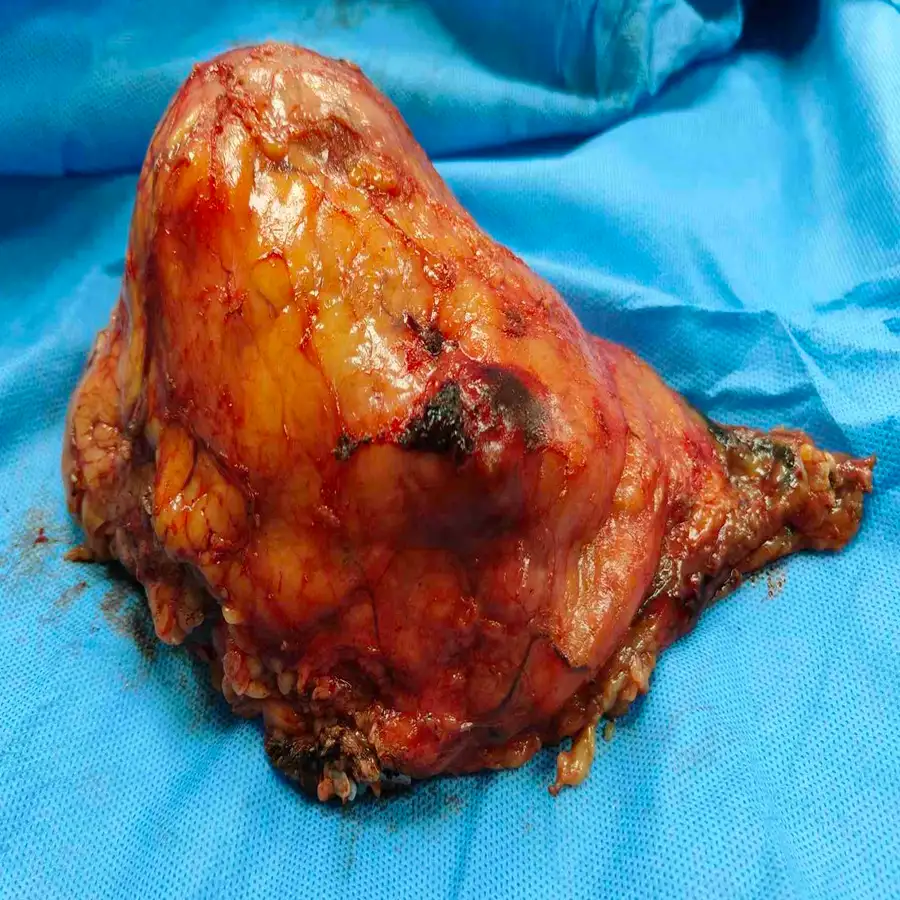
A 59-year-old male presented with abdominal pain caused by a necrotic left renal mass invading the renal sinus. Imaging also confirmed a distinct metastasis in the right adrenal gland. This aggressive bilateral presentation required immediate, highly precise surgical intervention to halt further oncological progression.
⦿ Robotic Left Radical Nephrectomy With Right Adrenalectomy
• Procedure: Advanced robotic-assisted techniques were expertly utilized for a radical nephroureterectomy and right adrenalectomy.
• Lymph Node Dissection: Seventeen retroperitoneal lymph nodes were meticulously excised and confirmed entirely free of metastasis.
• Patient Safety: Exceptional hemodynamic stability was maintained throughout, achieving a remarkably minimal blood loss of 200ml.
• Cancer Clearance: Final pathology confirmed clear margins across all tissues, ensuring complete surgical tumor eradication.
⦿ Margin-Free Clearance And Swift Recovery
The patient experienced a swift recovery, with the surgical drain and catheter successfully removed by postoperative day two. Final histopathology confirmed clear cell renal cell carcinoma with completely negative surgical margins and zero lymph node spread. He was discharged in a fully stable condition, equipped with a comprehensive follow-up endocrinology and oncology care plan.
Managing a complex renal mass alongside a contralateral adrenal metastasis demands absolute surgical precision. By utilizing an advanced robotic approach, we successfully achieved clear oncological margins while simultaneously ensuring a remarkably safe, rapid postoperative recovery.

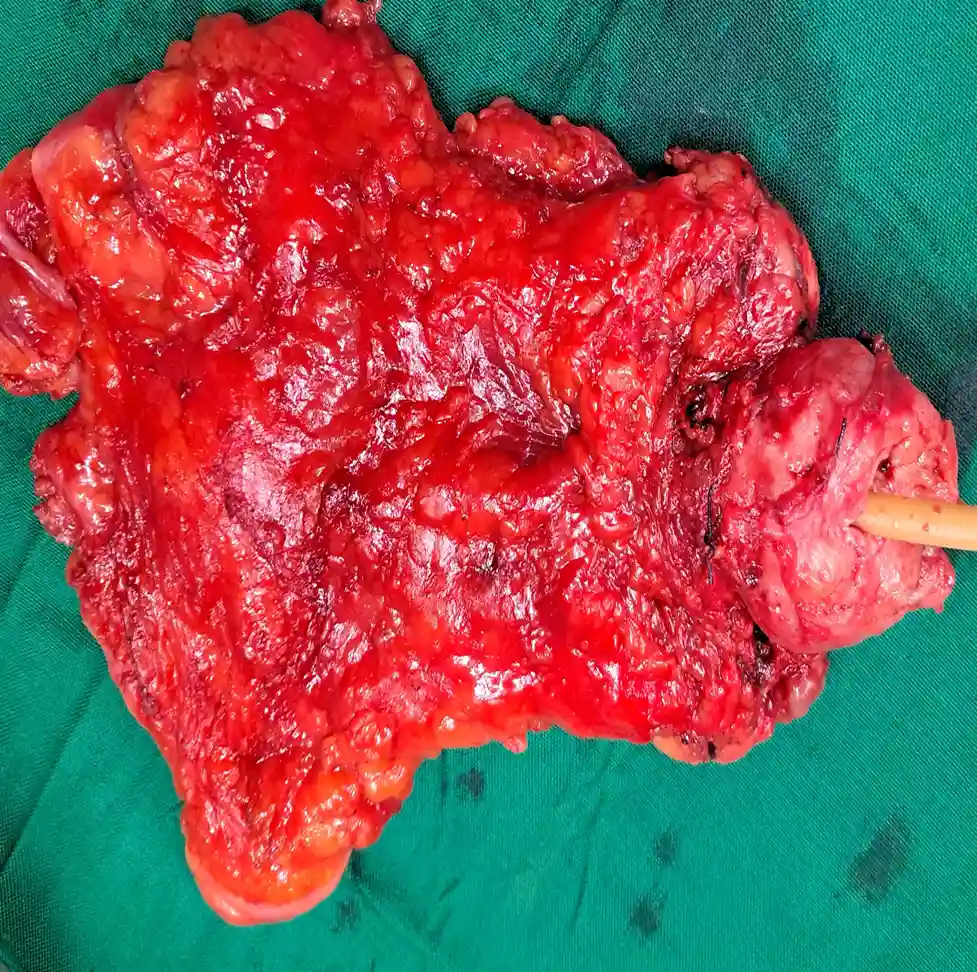
A 57-year-old male presented with a history of hematuria and a diagnosis of high-grade muscle-invasive urothelial carcinoma featuring glandular and squamoid differentiation. This aggressive cancer required urgent intervention following a previous transurethral resection to prevent further progression and ensure complete oncological clearance.
⦿ Laparoscopic Radical Cystoprostatectomy with Neobladder
• Procedure: A complex laparoscopic radical cystoprostatectomy with neobladder reconstruction was successfully executed.
• Lymph Nodes: Thirteen bilateral pelvic lymph nodes were meticulously dissected and evaluated.
• Blood Loss: The advanced minimally invasive surgical approach resulted in minimal intraoperative blood loss.
• Cancer Clearance: Final pathology confirmed no residual invasive tumor and entirely tumor-free surgical margins.
⦿ Cancer-Free Survival And Restored Functionality
The patient experienced an excellent recovery, remaining hemodynamically stable and completely ambulatory shortly after the surgical intervention. Histopathology reports officially confirmed that the lymph nodes and all surgical margins were completely free of any cancerous cells. Ultimately, the successful neobladder reconstruction allowed him to regain functionality and return home safely.
By utilizing a meticulous laparoscopic approach for this aggressive urothelial carcinoma, we achieved total oncological clearance without compromising the patient's quality of life. Constructing the neobladder successfully provided this patient with the absolute best chance for long-term survival and renewed functional independence.

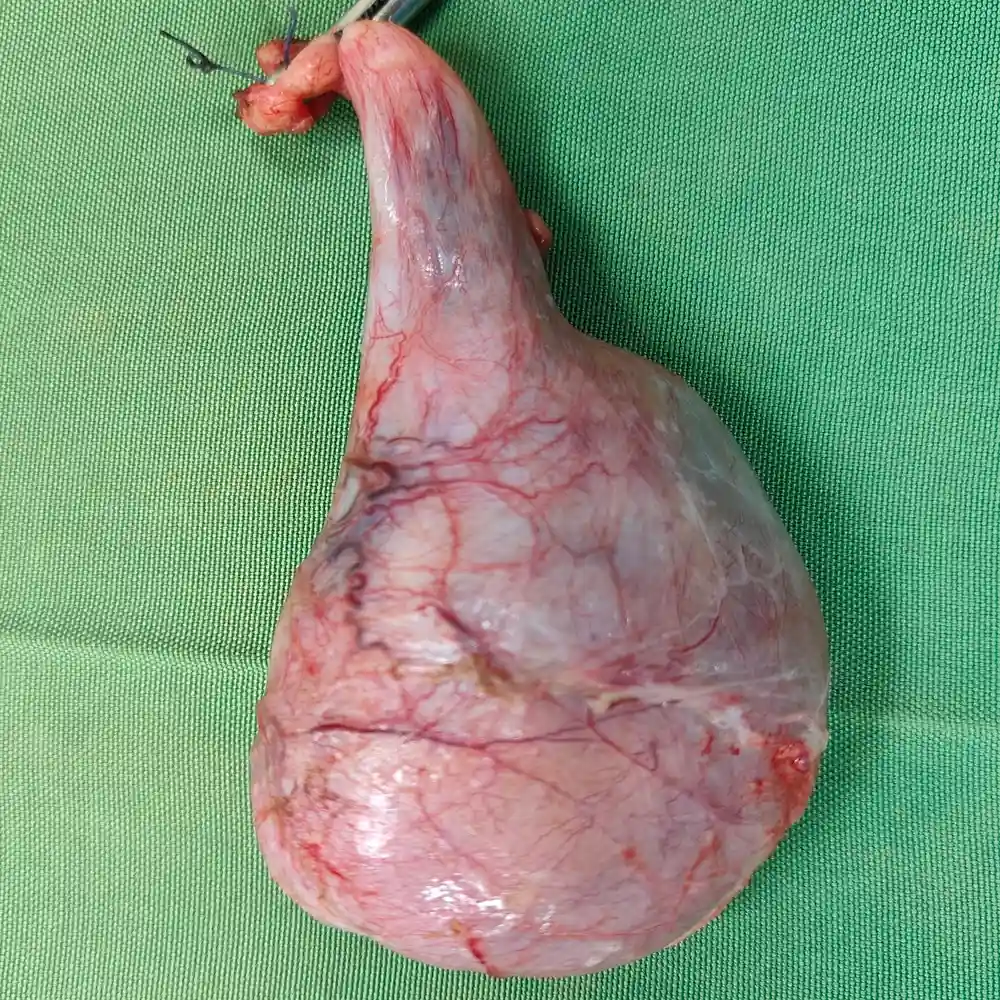
A 19-year-old male presented with rapid testicular swelling and abdominal discomfort persisting for nearly two weeks. Clinical evaluation revealed a 3.5 cm lesion and significantly elevated tumor markers, including AFP levels exceeding 1000, signaling an aggressive non-seminomatous germ cell tumor. The primary challenge was performing a swift intervention to halt the progression of this high-risk malignancy in a young patient.
⦿ High Inguinal Orchidectomy
• Procedure: A left high inguinal orchidectomy was performed to remove the primary germ cell tumor.
• Tumor Localization: The 3.5 cm firm mass was successfully resected while remaining strictly confined within the testis.
• Safety: The surgery was completed with minimal tissue trauma and zero intraoperative complications for the patient.
• Cancer Clearance: Radical excision was achieved with histologically confirmed negative margins along the vital spermatic cord.
⦿ Successful Resection and Rapid Recovery
The patient’s recovery was exceptionally smooth, allowing for independent ambulation and a successful discharge within only 24 hours of the procedure. Final pathology confirmed a pT2 stage with negative margins, providing a clear foundation for his multidisciplinary follow-up care. This timely surgical intervention successfully removed the primary source of the cancer, significantly optimizing his long-term curative potential.
For young patients with aggressive germ cell tumors, rapid surgical intervention via a high inguinal approach is the most critical step. We prioritized oncological safety to ensure complete primary tumor removal, which is essential for guiding effective long-term survival strategies.
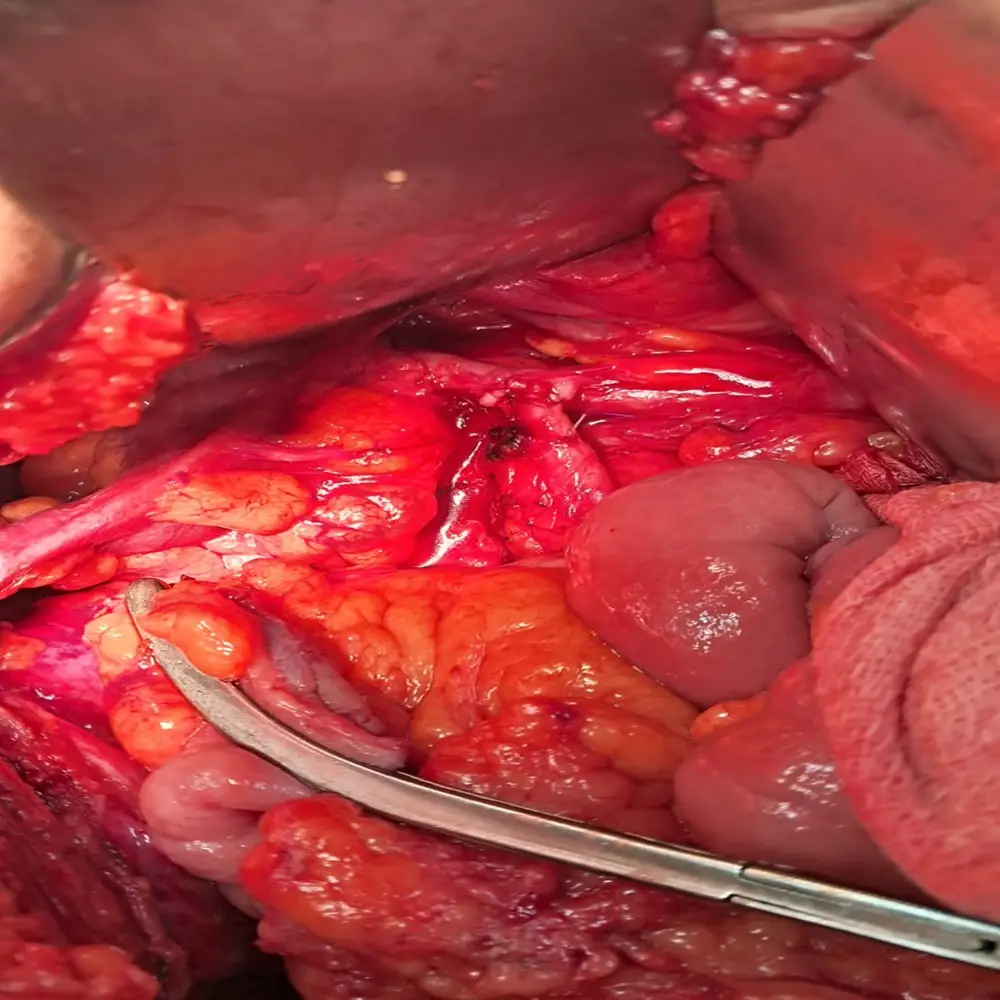
A 56-year-old female presented with abdominal pain, occasional vomiting, and a diagnosis of sigmoid colon carcinoma. Her condition was exceptionally complex due to a past ureterosigmoidostomy for ectopia vesicae, creating severe anatomical challenges and strictures.
⦿ Left Internal Hemipelvectomy
• Procedure: Left internal hemipelvectomy with en bloc resection and specialized meshplasty reconstruction was successfully executed.
• Complex Anatomy: The precise surgical margins navigating the superior iliac and posterior ischial bones were meticulously managed.
• Patient Safety: Hemodynamic stability was maintained throughout the procedure with careful preservation of essential pelvic structures.
• Complete Clearance: Histopathology confirmed entirely negative surgical margins, establishing an absolutely complete removal of the chondrosarcoma.
⦿ Margin-Free Clearance and Recovery
The patient experienced a smooth and stable immediate postoperative recovery, successfully discharging from the hospital within a week. Final histopathology results decisively confirmed a Grade 1 chondrosarcoma with completely free bony and soft tissue surgical margins. He successfully regained vital functional independence shortly after the procedure, demonstrating excellent pain control and a highly favorable prognosis.
By utilizing advanced surgical planning and customized jigs for this hemipelvectomy, we achieved precise margin-free resection of a challenging pelvic tumor. This meticulous approach successfully preserved function and offers the patient an excellent chance at a complete, long-term cure.
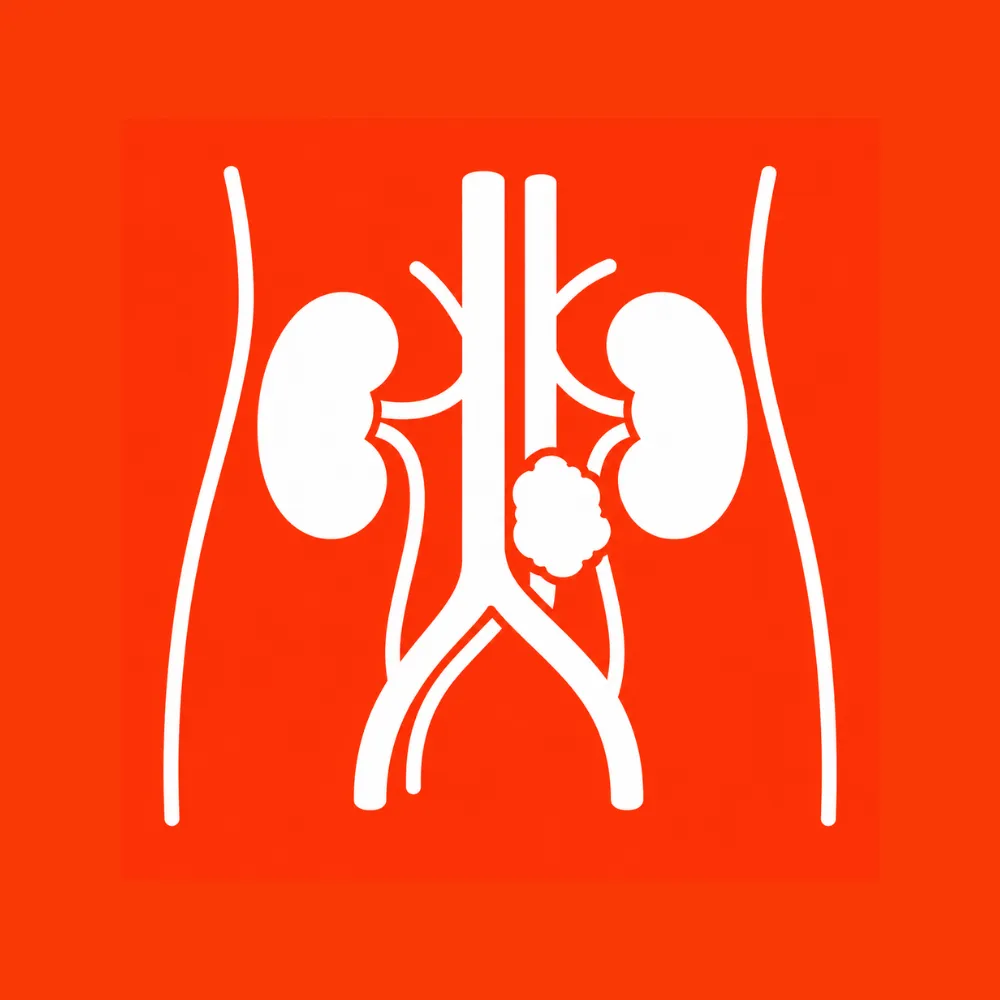
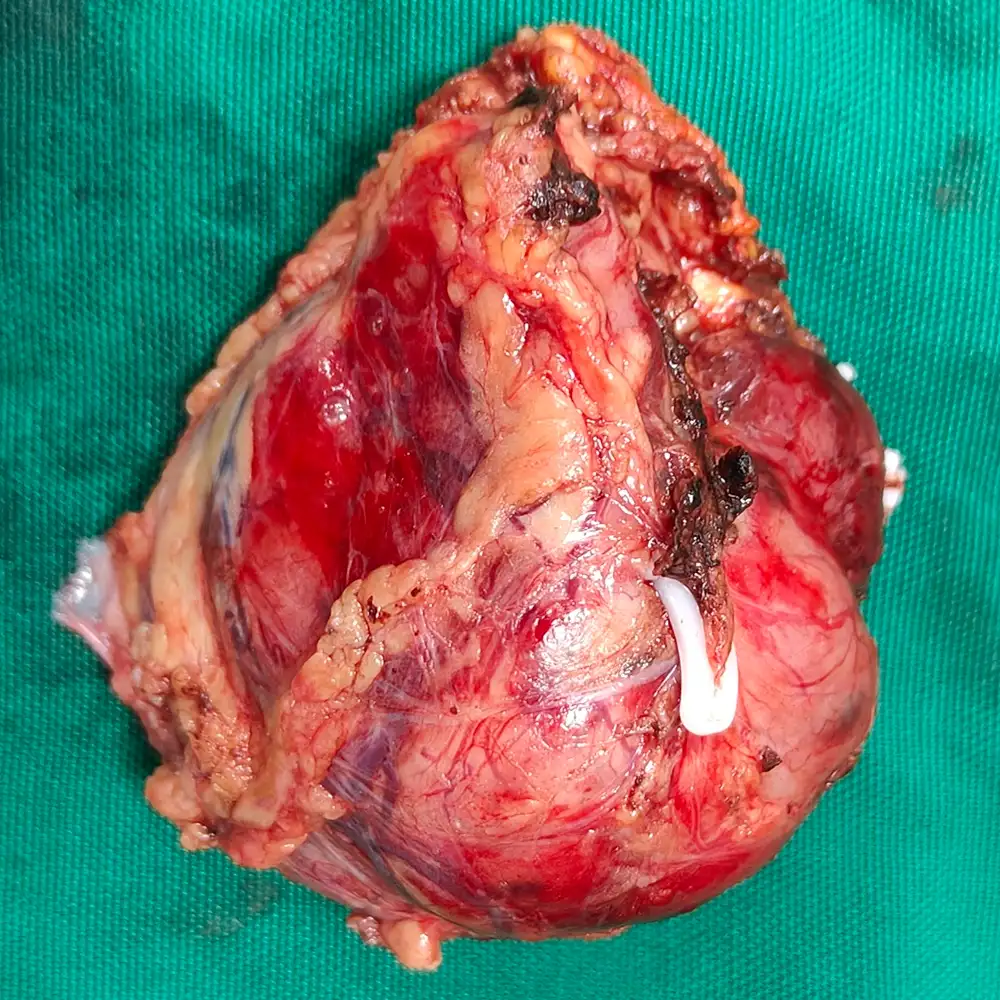
A 38-year-old female presented with a three-month history of irregular menses and elevated tumor markers, including CA 125 and CA 19-9. Advanced imaging revealed extensive, deep pelvic endometriosis causing severe tissue adherence across both ovaries, the fallopian tubes, and the uterine wall. Compounding this complexity was a highly vascular, 5 cm left suprarenal retroperitoneal mass closely abutting the upper pole of the left kidney and major renal vessels.
⦿ Multi-Compartment Laparoscopic Oncological Resection
• Procedure: Laparoscopic retroperitoneal tumor excision, left adrenalectomy, total abdominal hysterectomy, and selective adnexal resection.
• Complex Anatomy: Meticulous dissection of the renal hilum preserved critical left renal blood vessels.
• Safety & Blood Loss: Optimal surgical technique ensured an exceptionally low blood loss of only 50 ml.
• Completeness: Intraoperative frozen section biopsy confirmed negative findings for invasive malignancy during the procedure.
⦿ Complete Disease Resection and Rapid Recovery
Postoperatively, the patient experienced an uneventful recovery, remaining hemodynamically stable and fully ambulatory. Final histopathology confirmed benign endometriosis of the right adnexa, left hydrosalpinx, adenomyosis, and a benign solitary fibrous tumor-type lesion in the adrenal mass. The patient was successfully discharged home on a soft diet with excellent pain control and fully restored functional independence.
Navigating a dual-compartment challenge requires balancing aggressive oncological clearance with the preservation of critical organs. By utilizing minimally invasive techniques, we safely isolated the hypervascular retroperitoneal tumor from the renal vessels while simultaneously managing the extensive pelvic endometriosis to deliver an optimal outcome.
Swasth Parivar: twice a month, practical advice on recovery, diet and warning signs. No advertising. Stop any time.
Your number is used for these updates and for the clinic to reach you. It is never sold or passed on. To stop, reply STOP on WhatsApp.