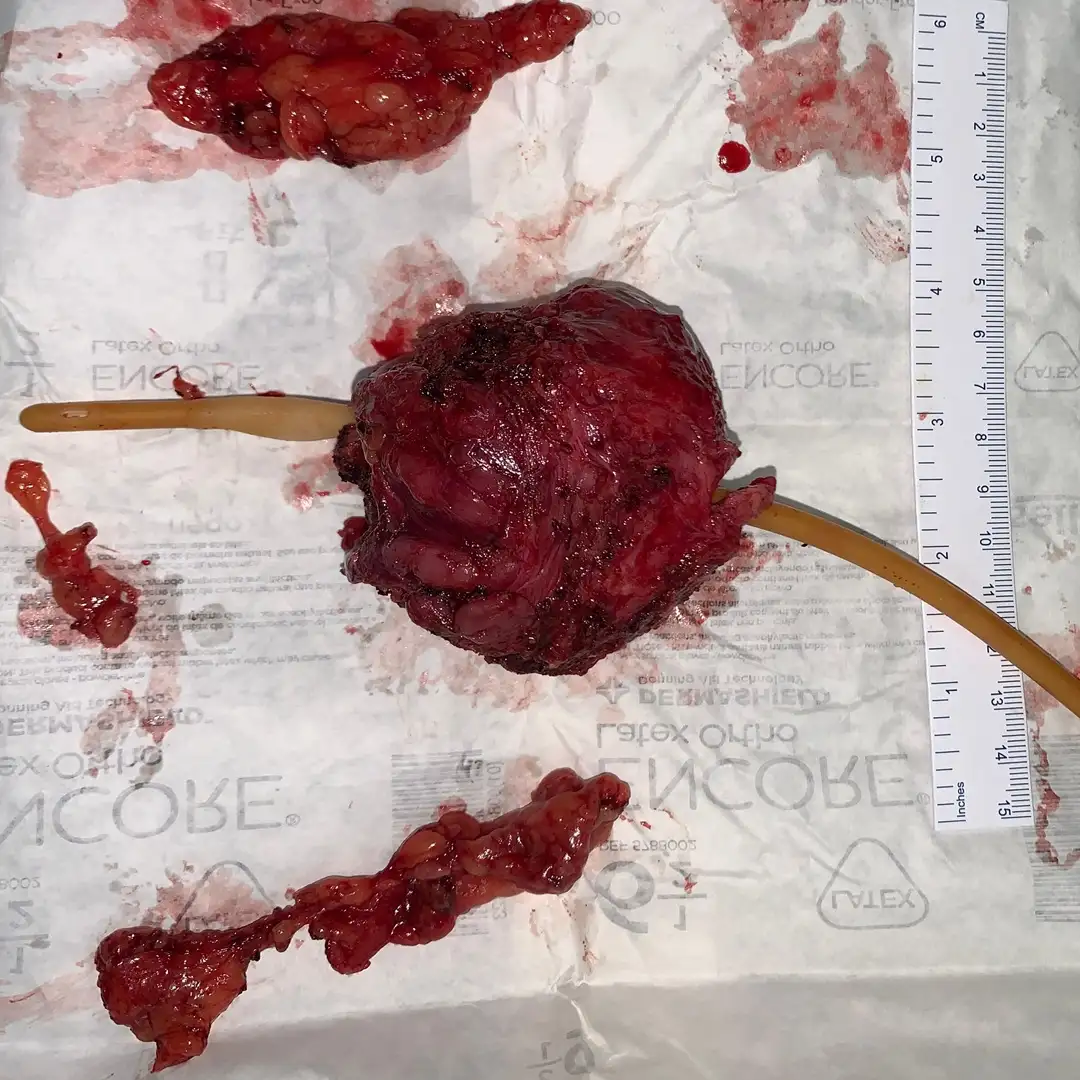
A 67-year-old male presented with urinary urgency and a significantly elevated PSA level of 144.92 ng/ml. Diagnostic imaging and biopsy confirmed an acinar adenocarcinoma, demanding an urgent and highly precise surgical intervention to prevent potential systemic spread while managing the high biochemical risk.
⦿ Robotic-Assisted Radical Prostatectomy and Lymphadenectomy
• Procedure: A minimally invasive radical prostatectomy was executed with unilateral neurovascular bundle preservation.
• Lymph Nodes: A total of 20 pelvic lymph nodes were successfully removed and staged.
• Safety: The surgery was completed with a very low blood loss of 150 ml.
• Cancer Clearance: Pathological examination confirmed negative surgical margins, indicating the complete removal of the tumor.
⦿ Full Oncological Clearance and Early Mobilization
The patient’s postoperative recovery was excellent, characterized by early mobilization and a stable discharge within a few days. Final histopathology confirmed a pT2N0 stage with zero lymph node involvement and no extraprostatic extension. Crucially, the patient achieved early urinary continence, returning to his routine daily activities without significant functional impairment or complications.
By utilizing robotic precision, we achieved complete cancer clearance despite the patient's high pre-operative PSA levels. This approach allowed for meticulous nerve preservation and reconstruction, which are vital for maintaining the patient's quality of life and ensuring a rapid return to normalcy.
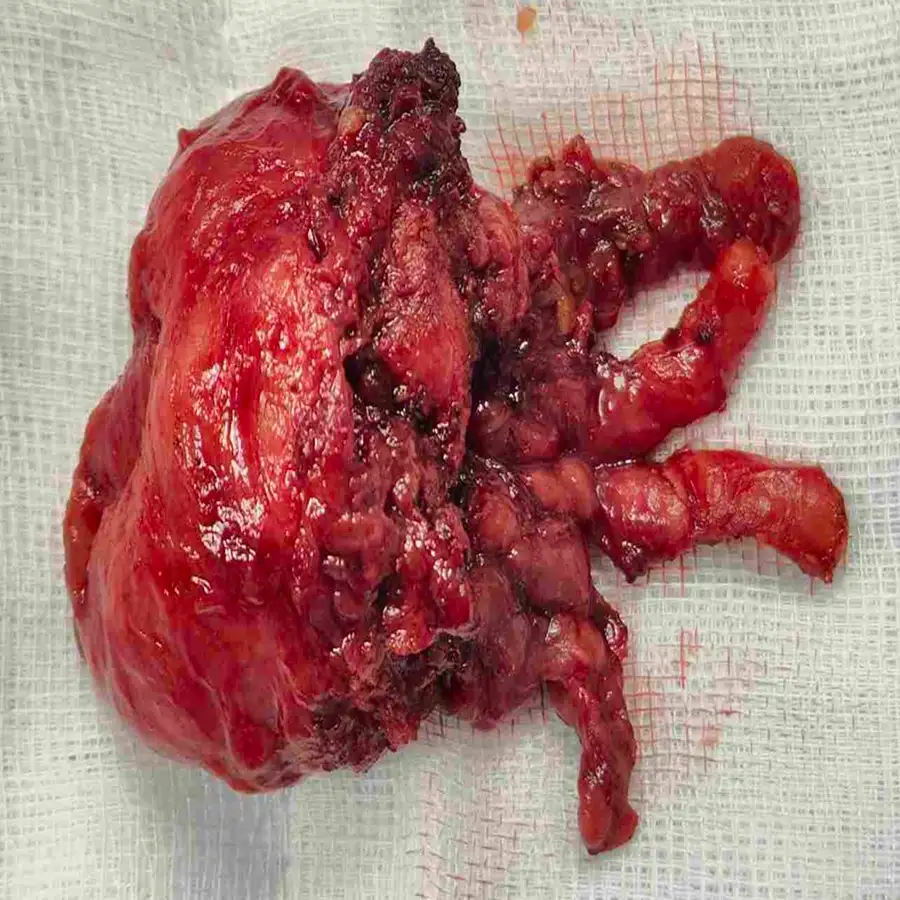
A 64-year-old male presented with hematuria and elevated PSA levels reaching 18 ng/ml. Imaging confirmed a PI-RADS 4 localized tumor, necessitating urgent intervention to prevent progression. The presence of mixed ductal features added complexity, requiring a highly precise surgical approach to ensure complete oncological clearance.
⦿ Robotic-Assisted Radical Prostatectomy
Dr. Swati Shah performed a robotic-assisted radical prostatectomy with bilateral pelvic lymph node dissection using the Da Vinci Xi system. This advanced procedure involved meticulous nerve preservation and bladder neck reconstruction. The robotic platform allowed for superior visualization and dexterity, ensuring the delicate removal of the cancerous gland.
• Procedure: A minimally invasive robotic approach was utilized via six small precision ports.
• Lymph Nodes: A comprehensive dissection was performed, successfully removing twenty-seven nodes for accurate staging.
• Safety: The procedure was executed with exceptional safety, resulting in minimal blood loss.
• Cancer Clearance: Precise dissection achieved total tumor removal with confirmed negative surgical margins.
⦿ Full Cancer Clearance and Rapid Mobilization
The patient experienced an excellent postoperative course, achieving early mobilization and remaining hemodynamically stable throughout his stay. Final pathology confirmed a pT2N0 stage with zero lymph node involvement and clear margins. Most importantly, the patient regained full urinary continence and returned to his routine activities within just a few days.
By utilizing the Da Vinci robotic system, we achieved the 'trifecta' of prostate cancer care: complete cancer removal, nerve preservation, and early continence. This precise intervention provided the patient with an excellent oncological cure while maintaining a high quality of life.
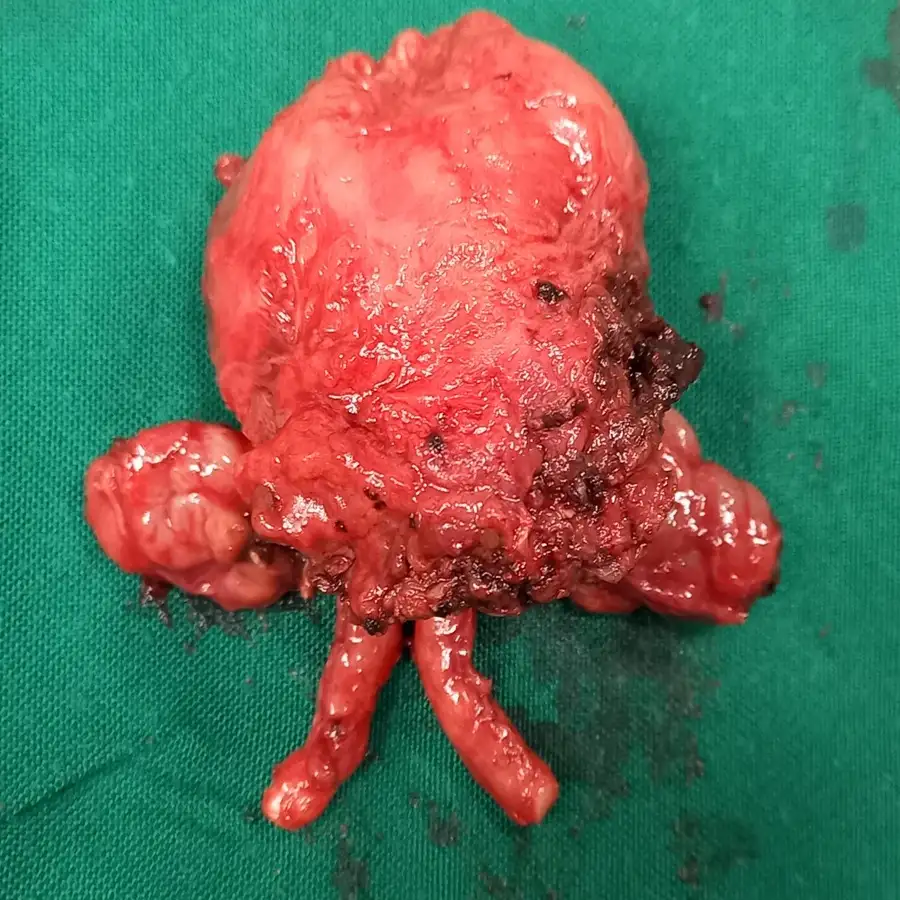
A 69-year-old male presented with lower urinary tract symptoms and a histologically proven acinar adenocarcinoma of the prostate. The case was complicated by a history of recent transurethral surgery, which often leads to inflammatory adhesions and increased surgical complexity. Immediate intervention was required to address the tumor involving 31-40% of the gland.
⦿ Robotic-Assisted Radical Prostatectomy with Pelvic Lymphadenectomy
Dr. Swati Shah performed a high-precision robotic-assisted radical prostatectomy using the Da Vinci Xi system to ensure anatomical accuracy. The procedure included bilateral pelvic lymph node sampling and meticulous bladder neck reconstruction. Utilizing the transperitoneal approach, the team successfully navigated inflamed tissues while preserving the neurovascular bundles.
• Procedure: A robotic-assisted radical prostatectomy was performed with posterior reconstruction using the Rocco stitch.
• Lymph Nodes: Twenty-three reactive pelvic lymph nodes were dissected and confirmed negative for metastatic spread.
• Safety / Blood Loss: The surgery was completed with minimal blood loss of only 100 ml.
• Cancer Clearance: Pathological examination confirmed that all surgical margins were negative for invasive carcinoma.
⦿ Complete Oncological Clearance and Stable Recovery
Postoperative recovery was uneventful, with the patient achieving hemodynamic stability and ambulation shortly after the procedure. Final pathology confirmed a pT3a stage with clear margins and zero nodal involvement. The patient was discharged on postoperative day four with stable vitals, controlled pain levels, and a clean surgical wound.
By utilizing advanced robotic technology, we successfully achieved complete oncological clearance despite the inflammatory adhesions from the patient's prior surgery. This precise approach allowed for negative margins and preserved functional integrity, providing the patient with an excellent long-term prognosis.
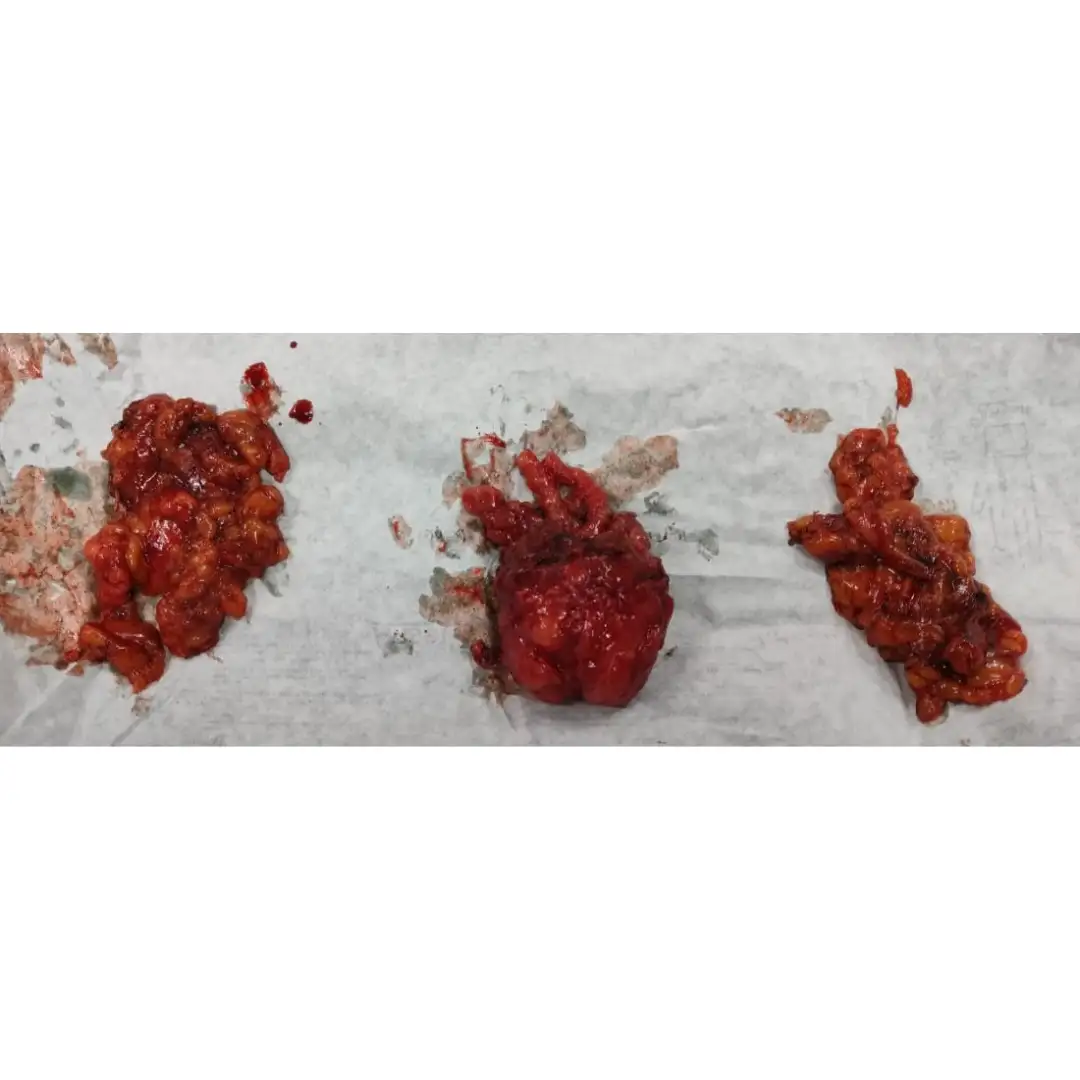
A 64-year-old male presented with significant dysuria and an elevated PSA level reaching 33.2 ng/ml, indicating a localized yet aggressive malignancy. Imaging confirmed a substantial 4.5 cm tumor involving 65% of the prostate, requiring an urgent, definitive surgical intervention to prevent further oncological spread.
⦿ Robotic Nerve-Sparing Robotic Radical Prostatectomy
Dr. Swati Shah performed a meticulous robotic-assisted radical prostatectomy, incorporating a comprehensive bilateral pelvic lymph node dissection to ensure accurate staging. The procedure involved precise bladder neck reconstruction and urethral reconnection, utilizing the robotic system’s superior visualization to preserve critical surrounding anatomical structures.
• Procedure: Complete excision of the prostate and seminal vesicles using minimally invasive robotic principles.
• Lymph Node Clearance: A systematic dissection was performed, successfully removing and examining 35 individual lymph nodes.
• Safety & Blood Loss: Precision mapping and vessel sealing resulted in a remarkably low blood loss of 100ml.
• Cancer Clearance: The surgical team achieved R0 resection status, ensuring entirely negative margins and complete removal.
⦿ Complete Oncological Clearance and Rapid Recovery
Following the procedure, the patient achieved early mobilization and was discharged in stable condition within just a few days. Final histopathology confirmed a pT2N0 stage with zero lymph node involvement and clear surgical margins. Most significantly, the patient regained full urinary continence, returning to his routine daily activities with an excellent quality of life.
By utilizing advanced robotic platforms, we achieved total cancer clearance for this patient despite the high tumor volume. This case demonstrates that meticulous dissection and nodal sampling not only ensure a cure but also allow for the rapid restoration of functional urinary control.
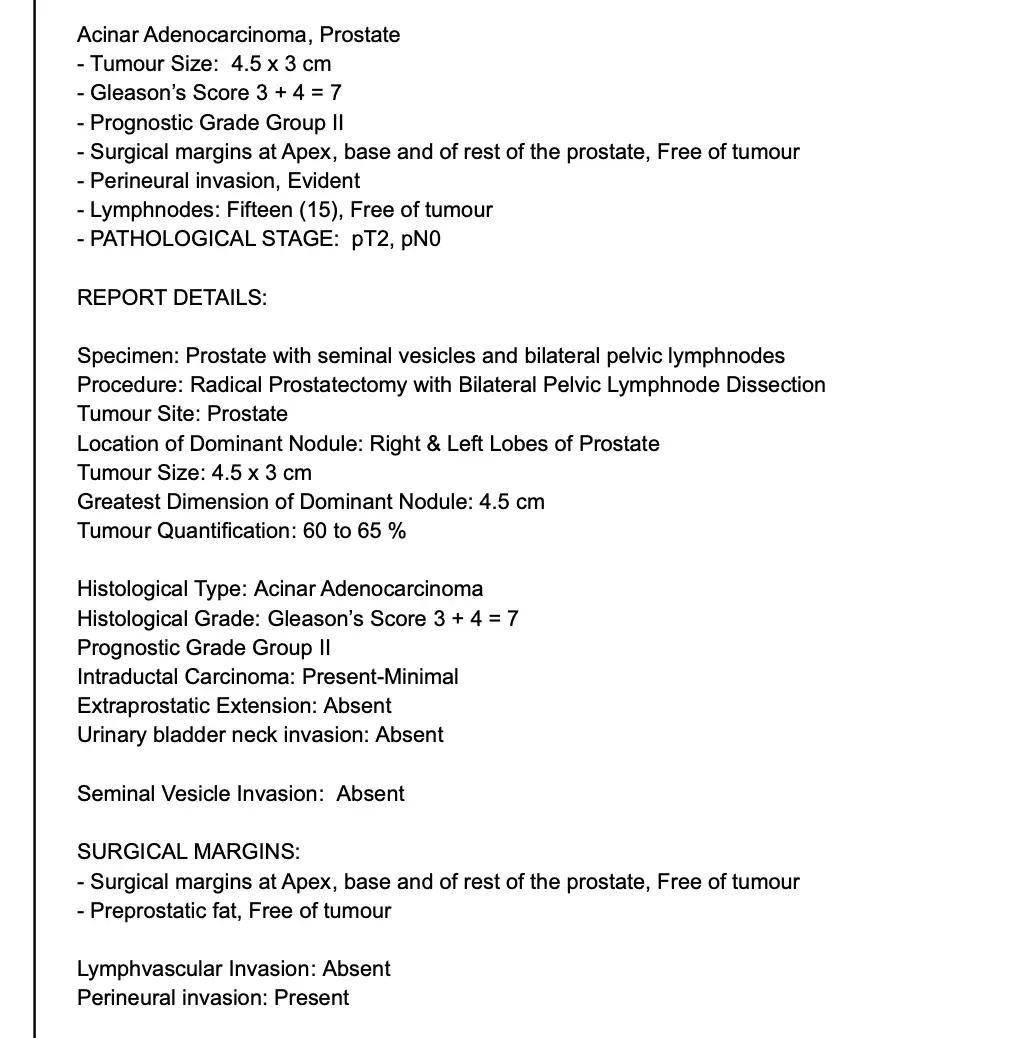
A 78-year-old functionally independent male presented with a significant 4.5 cm localized prostate cancer diagnosis. The primary clinical challenge involved achieving a definitive oncological cure while preserving the patient’s quality of life and active lifestyle. Given the tumor’s size, an urgent, high-precision intervention was required to prevent further local progression.
⦿ Robotic-Assisted Radical Prostatectomy and Node Dissection
Dr. Swati Shah performed a complex Robotic Radical Prostatectomy utilizing the advanced Da Vinci Xi system for superior anatomical visualization. The procedure included a comprehensive bilateral pelvic lymph node dissection and meticulous bladder neck reconstruction. This minimally invasive robotic approach ensured maximum surgical accuracy during the delicate urethral reconnection phase.
• Procedure: A 6-port minimally invasive robotic-assisted radical prostatectomy was executed with high-definition 3D visualization.
• Complex Anatomy: A systematic bilateral pelvic lymph node dissection was performed, successfully evaluating 15 individual nodes.
• Safety / Blood Loss: The robotic precision resulted in minimal blood loss and preserved critical surrounding nerve structures.
• Cancer Clearance: Pathological analysis confirmed complete tumor removal with 100% negative margins and no nodal spread.
⦿ Complete Oncological Cure and Rapid Functional Recovery
The patient experienced an exceptionally smooth recovery, achieving early mobilization and returning to routine activities within just a few days. Final histopathology confirmed a pT2N0 stage with no extraprostatic extension or seminal vesicle invasion. Most importantly, the patient maintained full urinary continence, reflecting the success of the nerve-sparing robotic technique. He was discharged in stable condition with an excellent long-term prognosis.
This case highlights that age is not a barrier to achieving a surgical cure when utilizing robotic precision. By combining advanced technology with meticulous dissection, we ensured complete cancer clearance while prioritizing the patient’s immediate return to an independent, active life.
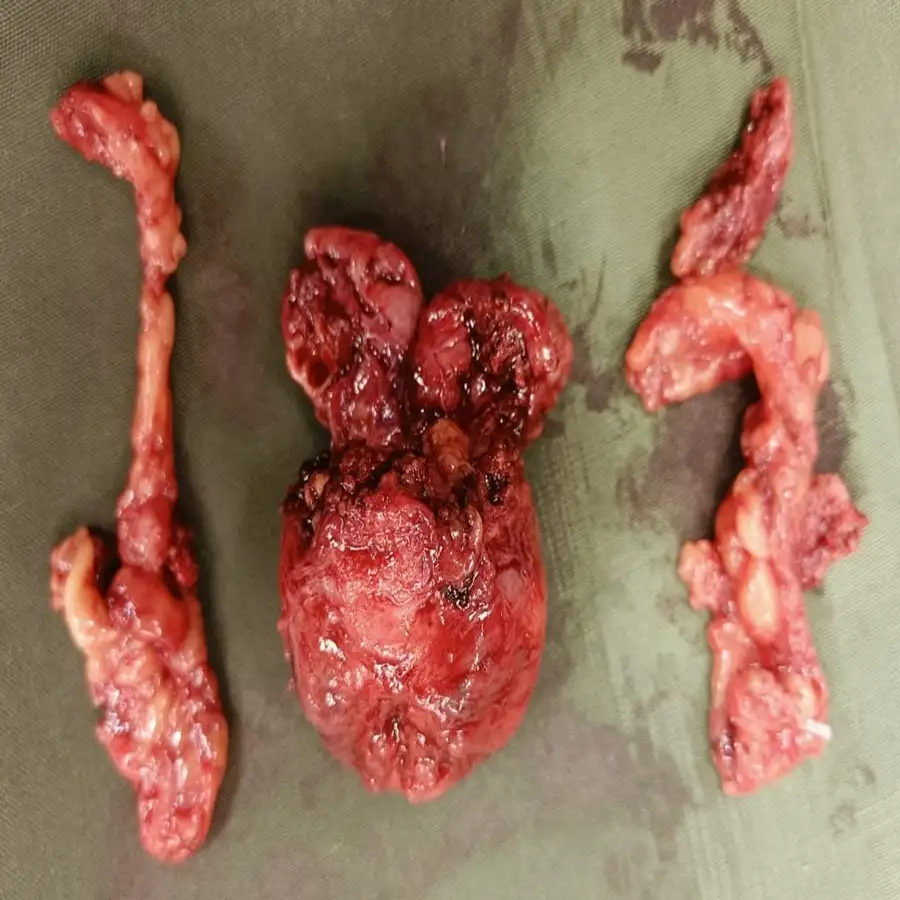
A 55-year-old male presented with urinary hesitancy and an elevated PSA level of 20.98 ng/ml. Biopsy confirmed Grade Group III adenocarcinoma involving 70% of the prostate, indicating an aggressive, locally advanced malignancy. The clinical urgency required a definitive surgical intervention to prevent further spread while preserving functional quality of life.
⦿ Robotic Radical Prostatectomy and Bilateral Pelvic Lymphadenectomy
Dr. Swati Shah performed a high-precision robotic radical prostatectomy using a minimally invasive transperitoneal approach. The procedure included a meticulous bilateral pelvic lymph node dissection and a posterior Rocco stitch reconstruction. This advanced robotic technique ensured complete tumor excision despite the involvement of the seminal vesicles.
• Procedure: A sophisticated six-port robotic technique was utilized for maximum surgical maneuverability and precision.
• Complex Anatomy: An extensive bilateral pelvic lymph node dissection was performed, successfully removing 18 nodes.
• Safety / Blood Loss: Exceptional surgical control resulted in a minimal blood loss of only 100 ml.
• Cancer Clearance: The surgical team achieved R0 status with completely negative margins and zero nodal spread.
⦿ Rapid Recovery and Full Functional Continence
Postoperative recovery was uneventful, with the patient achieving early mobilization and stable discharge within days. Final histopathology confirmed a pT3bN0 stage with no lymphovascular invasion or positive margins. Most significantly, the patient regained full urinary continence and returned to routine daily activities shortly after the complex robotic intervention.
This case demonstrates that locally advanced pT3b prostate cancer remains highly treatable through robotic precision. By combining radical clearance with advanced reconstructive suturing, we achieved a total oncological cure while successfully protecting the patient’s long-term urinary function and quality of life.
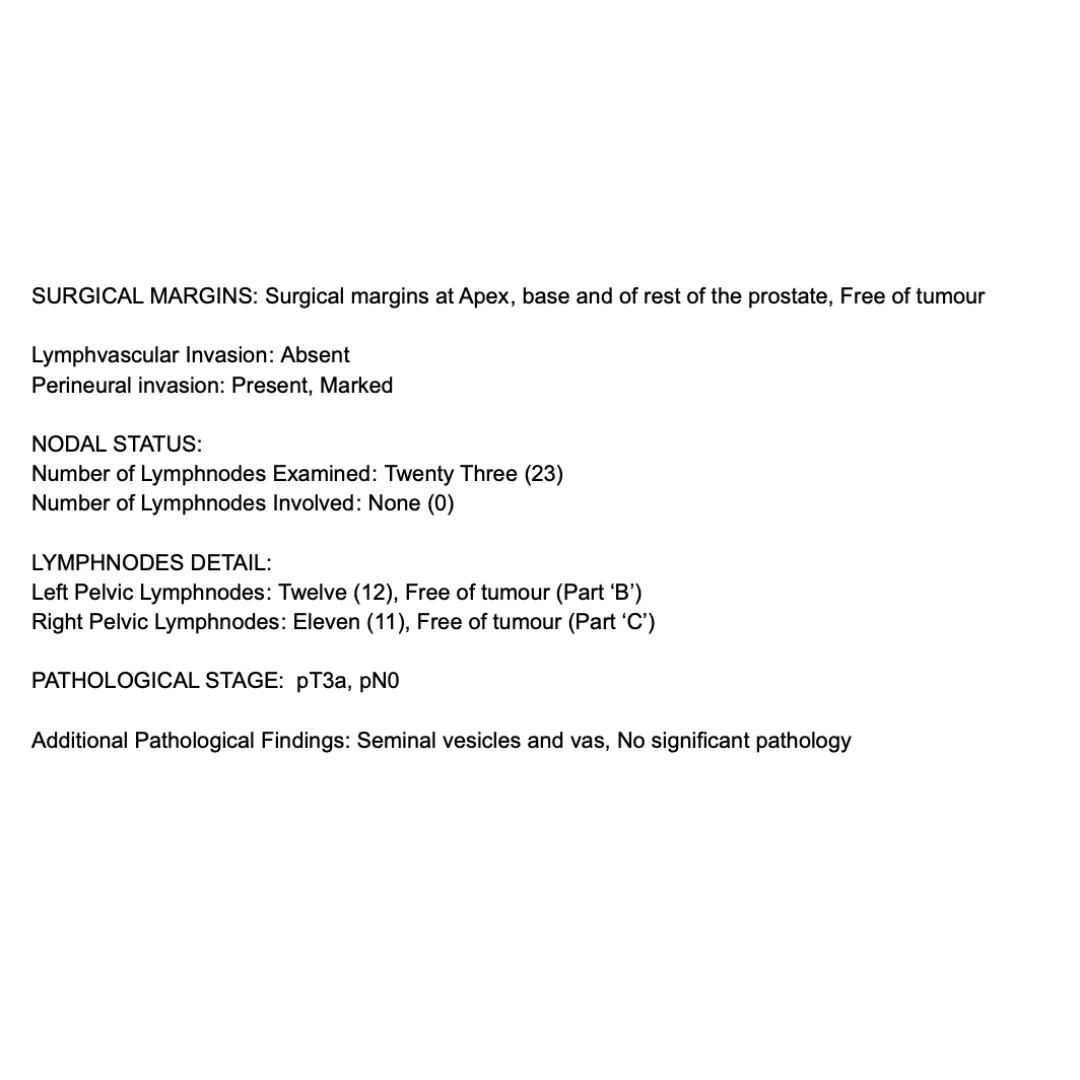
A medically fit elderly male presented with a diagnosis of locally advanced prostate cancer requiring urgent intervention. The primary clinical concern involved the aggressive nature of the tumor, which showed signs of early extension beyond the prostatic capsule, necessitating a highly meticulous surgical approach.
⦿ Advanced Robotic-Assisted Radical Prostatectomy
Dr. Swati Shah performed a robotic-assisted radical prostatectomy combined with an extensive pelvic lymph node dissection. Utilizing the precision of the robotic system, she navigated the complex pelvic anatomy to ensure the complete removal of the diseased tissue while carefully preserving the surrounding delicate nerve structures.
• Procedure: Robotic-assisted radical prostatectomy was executed with high-definition 3D visualization and tremor filtration.
• Lymph Nodes: A comprehensive pelvic dissection was performed, successfully retrieving twenty-three negative lymph nodes.
• Safety / Blood Loss: The minimally invasive robotic approach ensured negligible blood loss and maintained hemodynamic stability.
• Cancer Clearance: Complete oncological clearance was achieved with pathologically confirmed negative margins (pT3aN0 status).
⦿ Superior Oncological Results and Functional Recovery
The patient experienced a remarkably smooth postoperative course, achieving early ambulation and requiring minimal pain management. Final pathology confirmed pT3aN0 stage with zero nodal involvement and no cancerous cells at the margins. He was discharged in stable condition, maintaining full urinary continence and returning to routine activities within days.
This case demonstrates that robotic intervention allows us to achieve excellent oncological clearance even in locally advanced stages for elderly patients. By prioritizing precise surgical techniques, we ensured negative margins and preserved vital functional quality of life, offering the best chance for long-term survival.
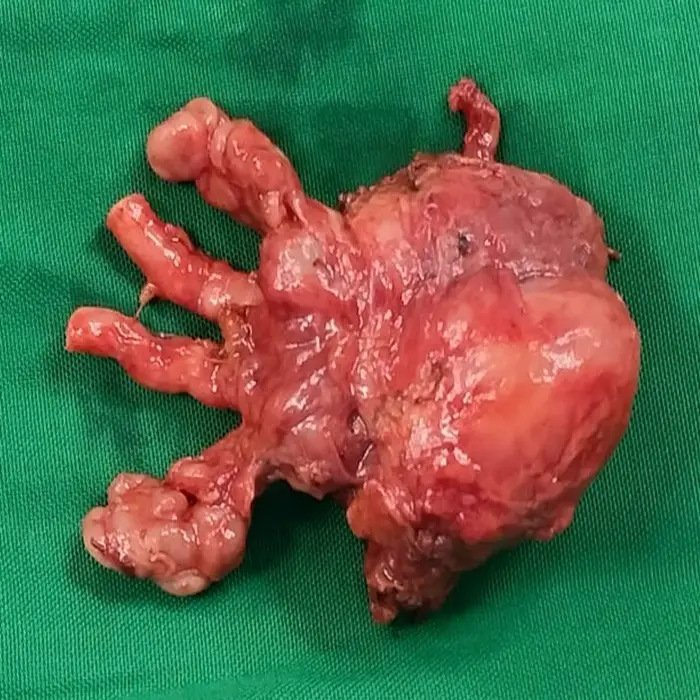
A 71-year-old male presented with persistent burning micturition and rising PSA levels, eventually diagnosed with prostatic acinar adenocarcinoma. The case was complicated by a previous bladder neck incision and the presence of nodules in both prostatic lobes.
⦿ Robotic-Assisted Radical Prostatectomy
Dr. Swati Shah performed a robotic radical prostatectomy using the advanced Da Vinci Xi system to ensure maximum surgical precision. This transperitoneal approach included a meticulous bilateral pelvic lymph node dissection and a complex posterior reconstruction for optimal functional recovery.
• Procedure: A standard six-port robotic-assisted transperitoneal approach was utilized for the entire prostate removal.
• Anatomical Precision: A modified Rocco stitch was used for posterior reconstruction to enhance postoperative recovery.
• Safety & Blood Loss: The surgery was completed with minimal blood loss of only 100 mL.
• Cancer Clearance: All surgical margins at the apex and base remained entirely free of tumor.
⦿ Complete Oncological Cure and Stable Recovery
The patient was ambulatory and hemodynamically stable shortly after the robotic procedure, allowing for a timely discharge. Final histopathology confirmed a successful pT2N0 stage, with eighteen lymph nodes testing negative for any cancer spread. The patient successfully resumed normal activity with controlled pain and stable urinary function.
By utilizing the Da Vinci Xi robotic system, we achieved superior visualization and precision in a patient with prior prostatic surgery. This meticulous approach allowed for negative surgical margins and zero nodal involvement, providing the best possible oncological outcome and a rapid return to daily life.
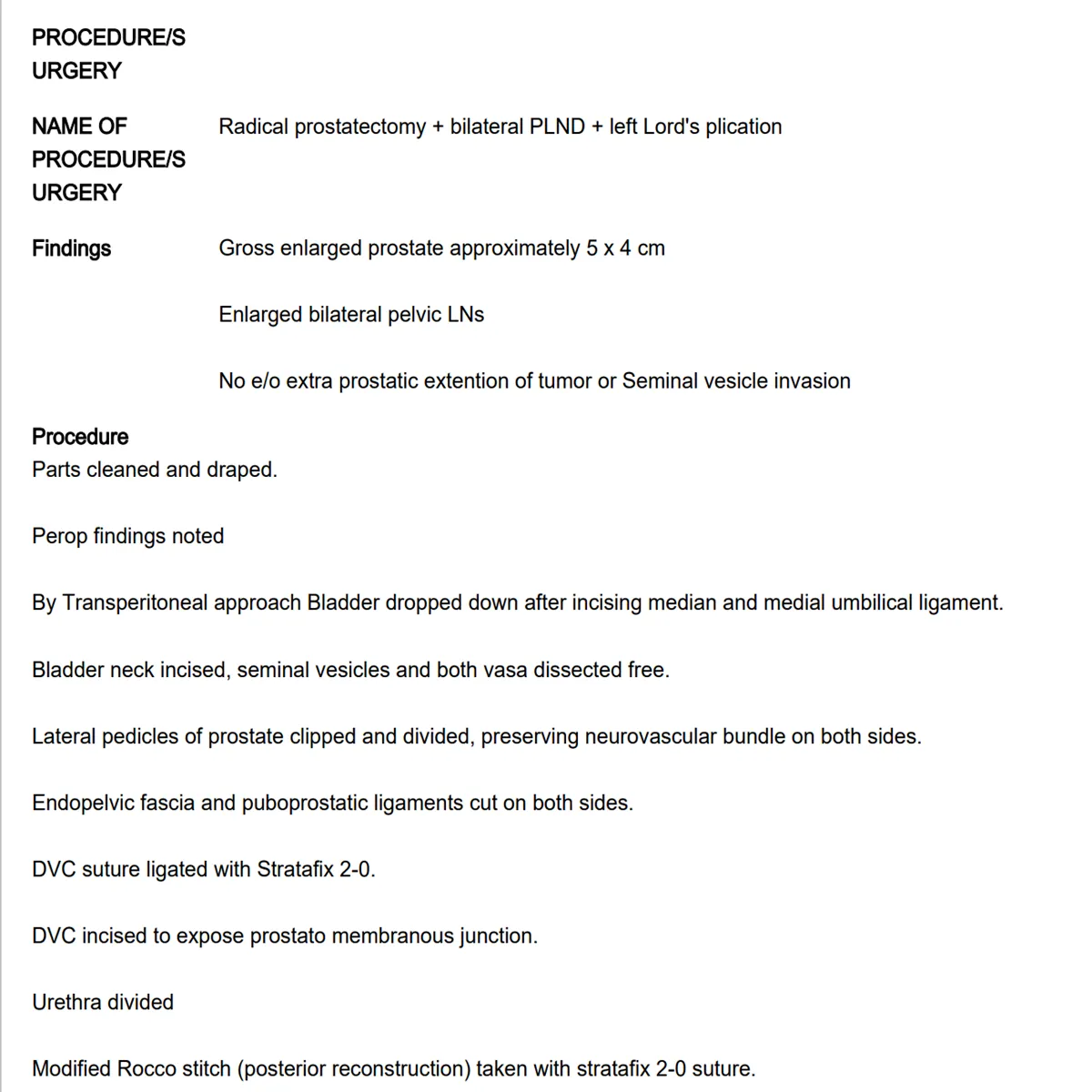
A 67-year-old male presented with a rapidly rising PSA reaching 13.02 ng/ml, raising immediate clinical concern. Biopsy confirmed high-risk acinar adenocarcinoma with an aggressive Gleason score of 9, necessitating urgent surgical intervention to prevent further spread of this large, 5cm tumor.
⦿ Robotic-Assisted Radical Prostatectomy
Dr. Swati Shah performed a complex robotic radical prostatectomy combined with bilateral pelvic lymph node dissection and a simultaneous Lord’s plication. Utilizing the robotic system's precision, she executed a meticulous dissection and posterior Rocco reconstruction to ensure both oncological clearance and functional restoration.
• Procedure: Advanced robotic transperitoneal prostatectomy with meticulous neurovascular bundle preservation and posterior reconstruction.
• Lymph Node Clearance: Performed a comprehensive bilateral pelvic lymph node dissection to ensure complete staging.
• Safety & Hemostasis: Achieved exceptional surgical control with minimal blood loss totaling only 50 ml.
• Cancer Clearance: Secured complete removal of the malignancy with no intraoperative evidence of extraprostatic extension.
⦿ Rapid Recovery and Functional Preservation
The patient experienced an uneventful postoperative course, achieving early ambulation and discharge within just a few days. Final assessments confirmed the patient maintained full urinary continence, reflecting the success of the nerve-sparing robotic technique. He successfully returned to his routine daily activities shortly after the procedure with stable clinical markers.
This case highlights how robotic precision allows us to treat high-risk Gleason 9 cancers while prioritizing the patient's quality of life. By combining aggressive cancer clearance with advanced reconstructive techniques, we offer patients the best opportunity for long-term survival and immediate functional recovery.
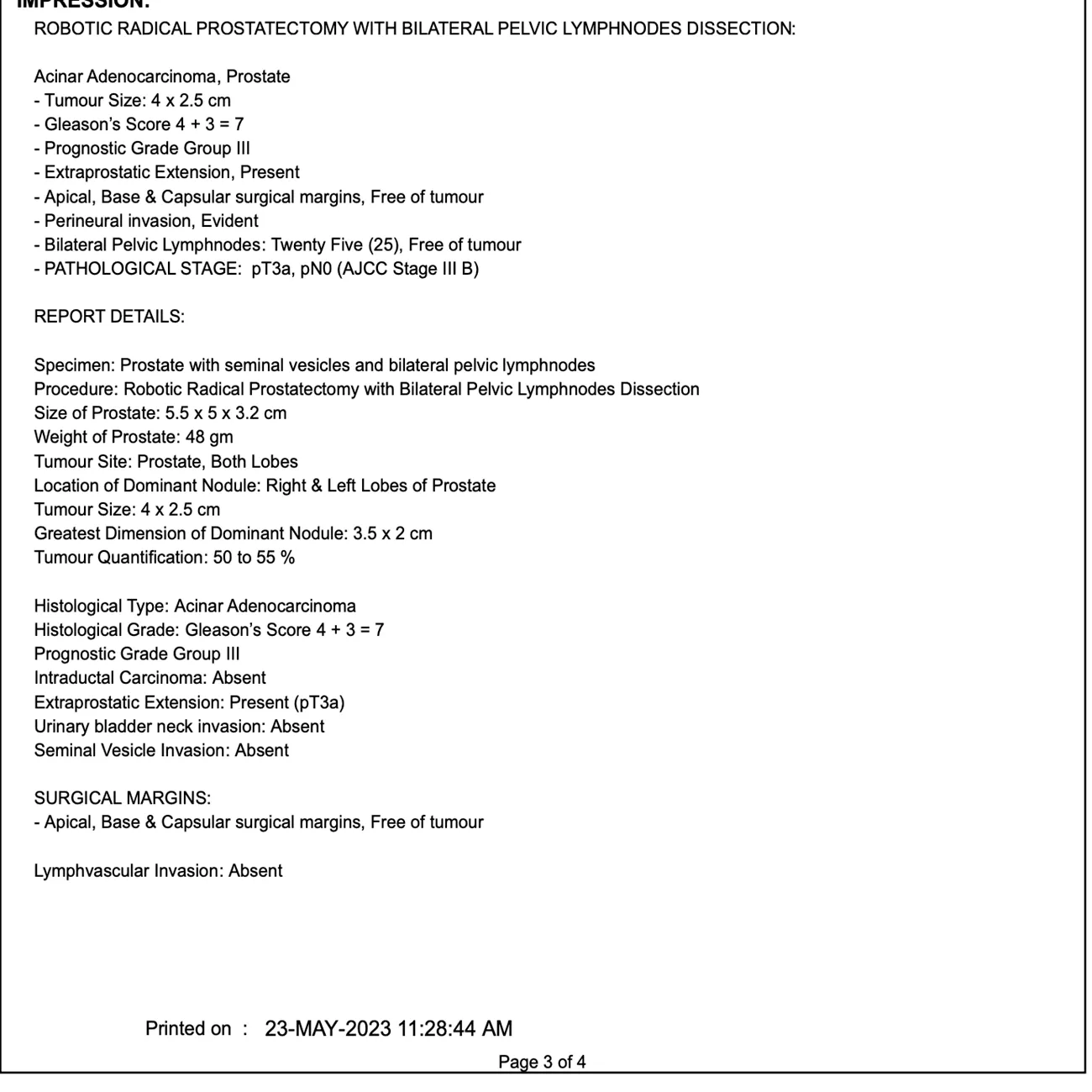
A 63-year-old male presented with elevated PSA levels and was diagnosed with Grade Group III Acinar Adenocarcinoma. The tumor involved over 50% of the prostate, showing aggressive extraprostatic extension. This locally advanced pT3a stage required urgent, high-precision intervention to prevent further systemic spread.
⦿ Robotic Radical Prostatectomy and Lymphadenectomy
Dr. Swati Shah performed a complex Robotic Radical Prostatectomy using the Da Vinci Xi system for superior visualization. The procedure included a meticulous bilateral pelvic lymph node dissection and a posterior Rocco stitch reconstruction. This advanced robotic approach ensured comprehensive cancer clearance while prioritizing the patient's long-term functional recovery.
• Procedure: A minimally invasive 6-port robotic technique was utilized for maximum surgical maneuverability.
• Lymph Nodes: Systematic dissection was performed, successfully retrieving twenty-five lymph nodes for accurate staging.
• Safety: The magnified 3D vision allowed for neurovascular bundle preservation and minimal blood loss.
• Cancer Clearance: Complete resection was achieved with negative surgical margins despite the extraprostatic extension.
⦿ Complete Cancer Clearance and Functional Preservation
Postoperative recovery was excellent, with the patient achieving early mobilization and discharge in a stable condition. Final pathology confirmed a pT3aN0 status with zero node involvement and clear margins. The patient successfully returned to routine activities within days, maintaining full urinary continence and high quality of life.
By utilizing advanced robotic technology, we successfully achieved negative margins in this locally advanced case. This precise intervention allowed for a complete oncological cure while preserving vital functional outcomes. It demonstrates that even Stage III cancers can have superior results with a robotic approach.
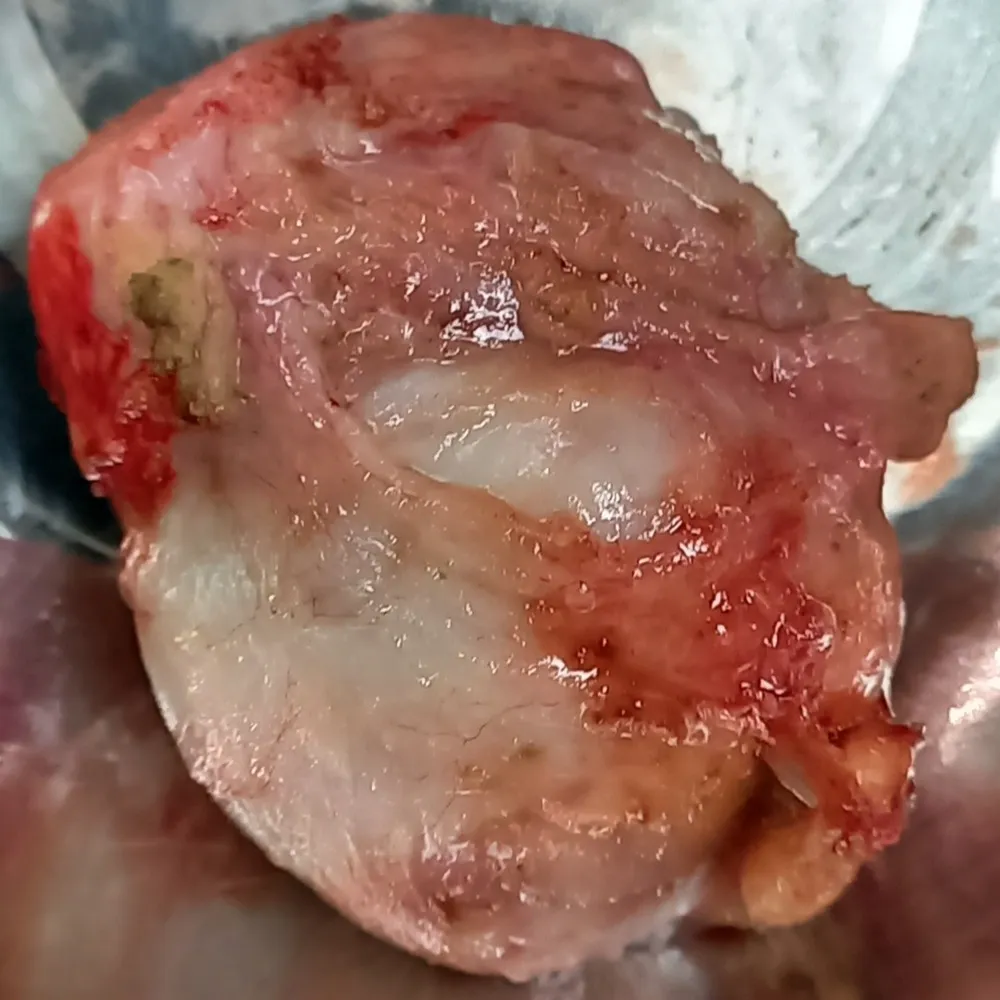
A 73-year-old male presented with severe obstructive urinary symptoms and a PSA level exceeding 100 ng/ml. Diagnostic evaluation revealed high-grade metastatic adenocarcinoma with a Gleason Score of 9 and significant spread to the lymph nodes and bones. The primary clinical challenge was relieving the acute urinary blockage while managing aggressive, high-volume systemic cancer.
⦿ Combined Channel TURP and Bilateral Orchidectomy
Dr. Swati Shah performed a strategic palliative intervention involving a Channel TURP and a Bilateral Orchidectomy to address both local symptoms and systemic progression. This combined approach utilized precise endoscopic techniques to clear the urethral passage and surgical hormonal therapy to rapidly reduce testosterone levels. The procedure prioritized immediate symptomatic relief and long-term quality of life.
• Procedure: Performed a minimally invasive Channel TURP and bilateral orchidectomy for comprehensive disease control.
• Anatomic Challenge: Successfully navigated significant prostate enlargement of 6.6 cm to restore the urinary channel.
• Patient Safety: Achieved complete relief of the obstructive component with minimal blood loss and trauma.
• Cancer Clearance: Effectively debulked 30% of the tumor burden to ensure immediate functional improvement.
⦿ Restored Function and Rapid Recovery
Following the procedure, the patient experienced an uneventful recovery and was hemodynamically stable within hours. Histopathology confirmed aggressive Acinar Adenocarcinoma with perineural invasion, yet the surgical goals were fully met with clear symptomatic improvement. The patient remained fully continent and successfully returned to his routine daily activities just a few days after the intervention.
In advanced metastatic cases, our focus shifts to preserving the patient's dignity and comfort through precise palliative intervention. By combining obstructive relief with hormonal control, we successfully restored this patient's quality of life and functional independence despite the aggressive nature of his cancer.
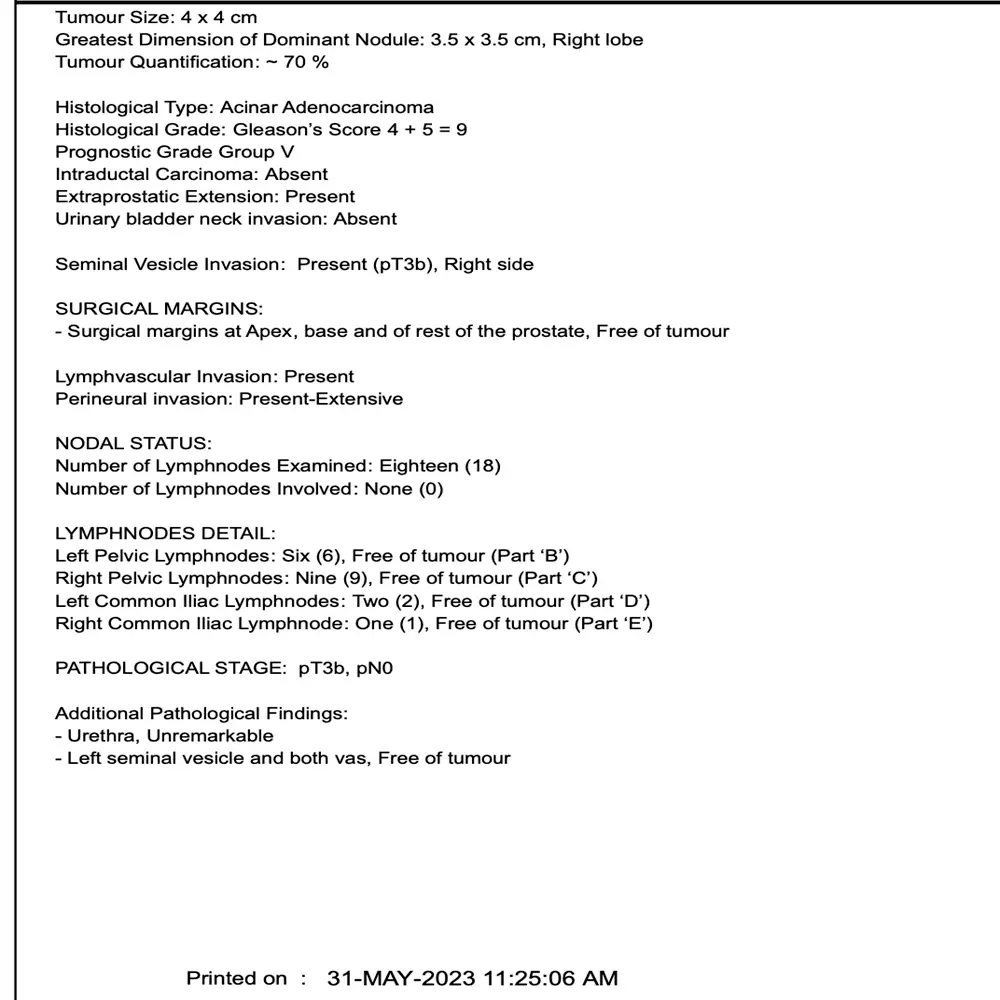
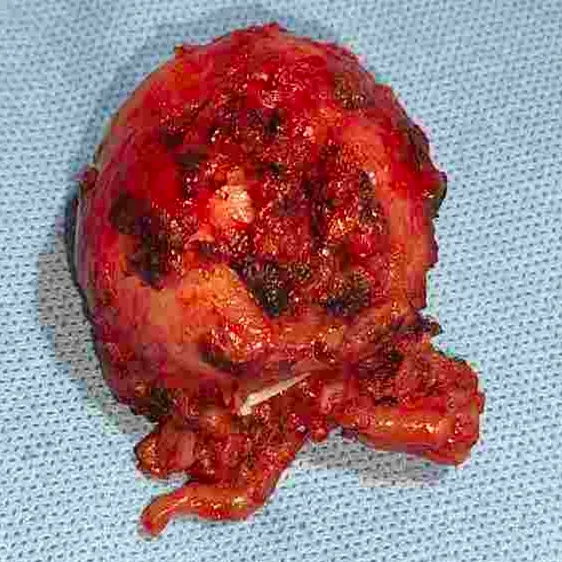
A 65-year-old male with diabetes and hypertension presented with urinary symptoms and was diagnosed with locally advanced prostate cancer. The case was highly complex due to a Gleason 9 score and significant tumor involvement covering 70% of the gland, requiring urgent, aggressive intervention to prevent further systemic spread.
⦿ Robotic Radical Prostatectomy with Extended Dissection
Dr. Swati Shah performed a precise Robotic Radical Prostatectomy using the Da Vinci Xi system to ensure maximum oncological clearance. This advanced procedure included a bilateral pelvic and common iliac lymph node dissection, utilizing high-definition 3D visualization to navigate the intricate surgical planes and restore pelvic floor integrity.
• Procedure: A minimally invasive 6-port robotic approach was utilized for complete prostate and seminal vesicle removal.
• Lymph Nodes: An extended dissection was performed, successfully examining 18 lymph nodes to ensure accurate staging.
• Safety: The robotic precision resulted in minimal blood loss and the maintenance of hemodynamic stability throughout.
• Cancer Clearance: Despite the aggressive pT3b staging, the surgery achieved completely negative margins for optimal outcomes.
⦿ Full Oncological Clearance and Rapid Recovery
Postoperative recovery was uneventful, with the patient achieving early ambulation and stable discharge within a few days. Final histopathology confirmed a pT3bN0 stage with all 18 lymph nodes returning negative for malignancy. Most significantly, the patient regained full urinary continence and returned to his routine activities shortly after the procedure.
This case highlights that high-grade Gleason 9 tumors can be successfully managed through robotic precision. By achieving negative margins and a thorough node dissection, we provided this patient with the best possible oncological foundation while prioritizing his long-term quality of life and functional recovery.
A 77-year-old male presented with lower urinary tract symptoms and a diagnosis of localized prostate cancer. The case was complicated by multiple comorbidities, including hypertension, chronic kidney disease, and hypothyroidism. These factors required a highly precise, minimally invasive approach to ensure patient safety while achieving complete cancer clearance.
⦿ Da Vinci Xi Robotic Radical Prostatectomy
Dr. Swati Shah performed a robotic radical prostatectomy using the advanced Da Vinci Xi robotic system via a six-port approach. The procedure included a meticulous bilateral pelvic lymph node dissection for staging and a posterior reconstruction using the Rocco stitch. This reconstruction was vital for facilitating the patient's early return to urinary continence.
• Procedure: A minimally invasive six-port robotic approach was utilized for high-definition, magnified surgical visualization.
• Complex Anatomy: Bilateral pelvic lymph node dissection was completed to ensure accurate oncological staging and clearance.
• Safety / Blood Loss: The robotic platform ensured exceptional precision, resulting in minimal blood loss and stable hemodynamics.
• Cancer Clearance: The prostate gland was successfully removed with adequate margins for optimal long-term oncological outcomes.
⦿ Rapid Functional Recovery and Continence
Following the procedure, the patient experienced an uneventful recovery and was walking shortly after the surgery. He remained hemodynamically stable throughout his hospital stay and was discharged in excellent condition. Most significantly, the patient achieved early urinary continence and returned to his routine daily activities within just a few days.
This case demonstrates that elderly patients with multiple comorbidities can safely achieve excellent outcomes through robotic intervention. By combining advanced technology with precise reconstructive techniques, we successfully balanced total cancer clearance with the preservation of the patient's long-term quality of life.
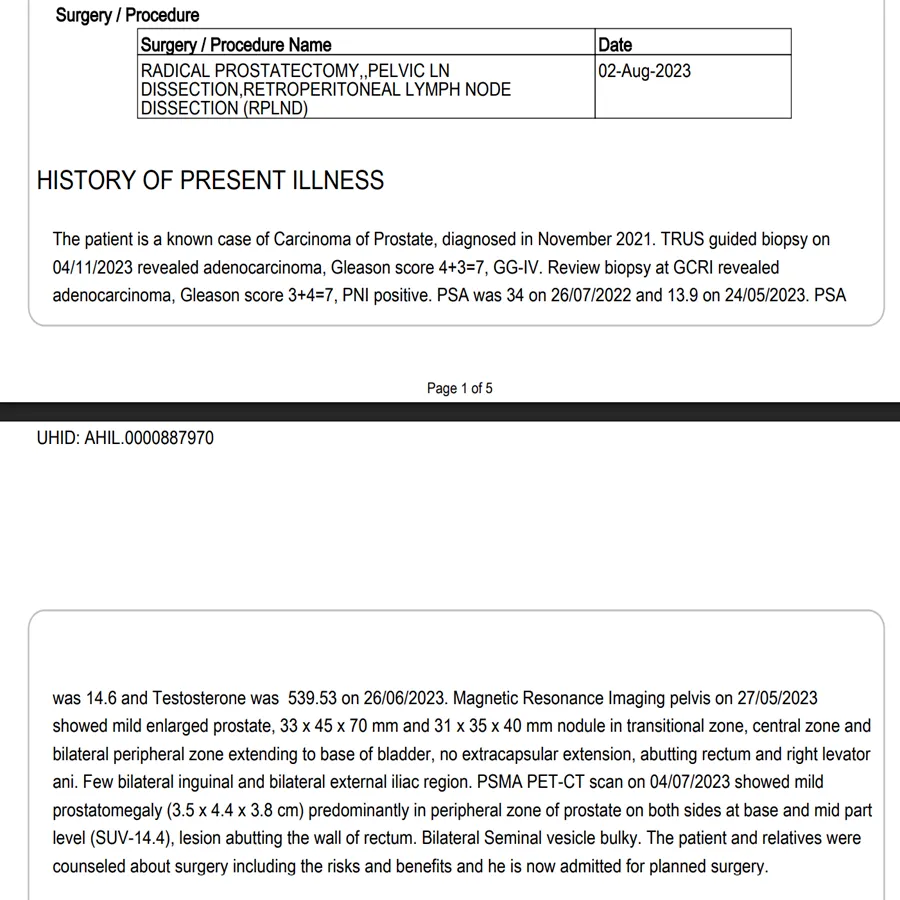
A 63-year-old male presented with a high-grade adenocarcinoma of the prostate, featuring a Gleason score of $4+3=7$ and elevated PSA levels. Imaging revealed significant local extension, with the tumor abutting the rectum and invading the seminal vesicles bilaterally.
⦿ Laparoscopic Radical Prostatectomy and RPLND
Dr. Swati Shah performed a complex laparoscopic radical prostatectomy combined with an extensive retroperitoneal and pelvic lymph node dissection. Utilizing a precise 6-port transperitoneal approach, she meticulously dissected the prostate while managing local invasion into the bladder neck.
• Procedure: A 6-port transperitoneal laparoscopic approach was used for radical prostate removal.
• Lymph Nodes: Comprehensive pelvic and retroperitoneal lymph node dissections were successfully completed.
• Safety / Blood Loss: The surgical team maintained excellent control, resulting in minimal blood loss.
• Reconstruction: Posterior reconstruction and vesicourethral anastomosis were performed using advanced suturing techniques.
⦿ Stable Recovery and Pathological Clarity
Postoperatively, the patient remained hemodynamically stable and was ambulatory before discharge. Histopathology confirmed a pathological stage of pT3bN1, identifying three positive right pelvic nodes and multifocal margin involvement. Despite the advanced stage, the patient was discharged in stable condition within four days.
By combining laparoscopic precision with extensive lymph node dissection, we addressed this high-volume disease with minimal morbidity. This aggressive surgical approach is critical for providing accurate staging and a clear therapeutic pathway for patients with locally advanced prostate cancer.
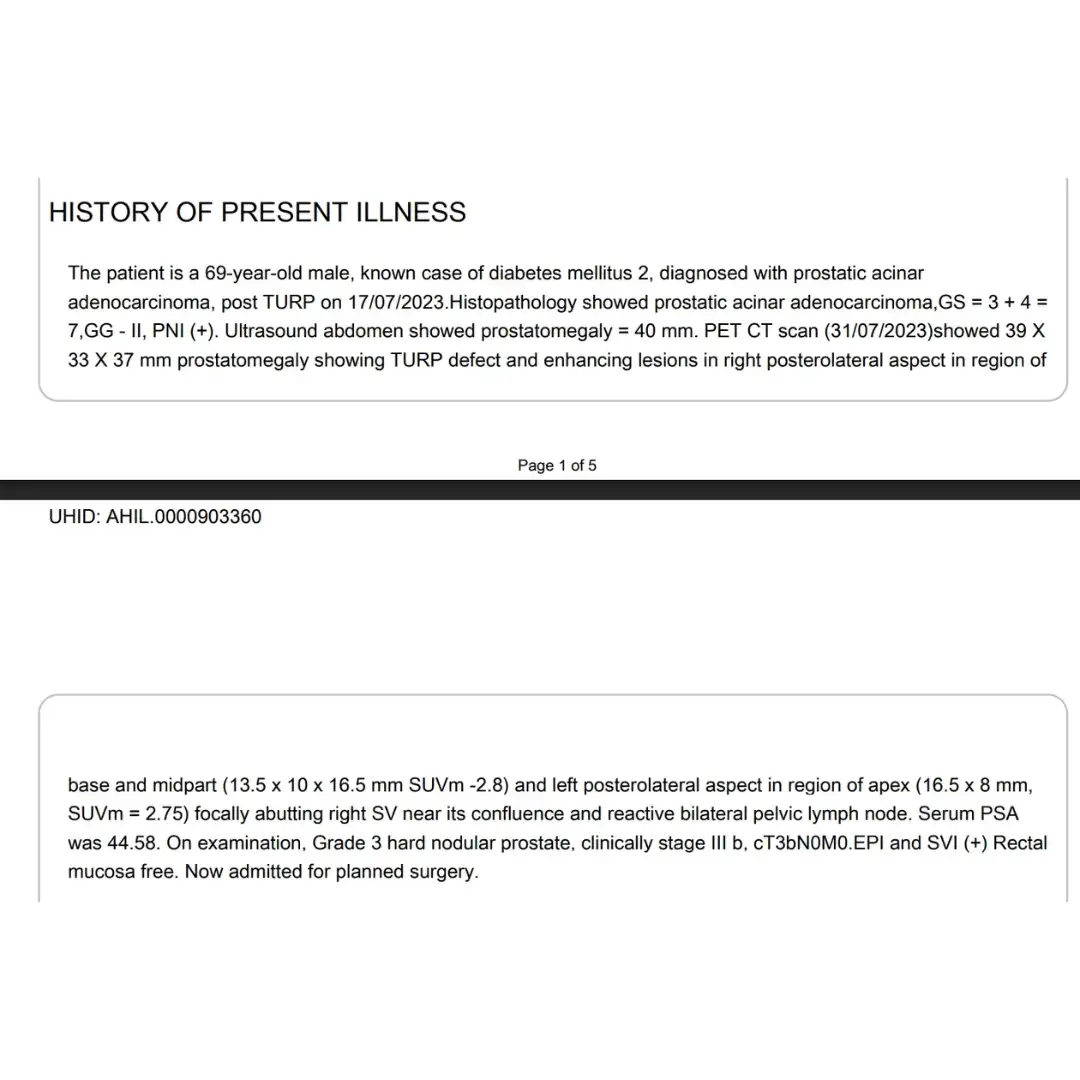
A 69-year-old male presented with high-grade prostatic acinar and ductal adenocarcinoma following a prior TURP procedure. The case was clinically significant due to an elevated PSA of 44.58 and PET CT evidence of seminal vesicle involvement. The tumor’s aggressive nature required urgent surgical intervention to prevent further local spread.
⦿ Robotic-Assisted Radical Prostatectomy
Dr. Swati Shah performed a robotic radical prostatectomy with bilateral pelvic lymph node dissection using the Da Vinci Xi system. This advanced approach allowed for meticulous dissection of the bladder neck and seminal vesicles despite extraprostatic extension. Precision reconstruction was achieved through a modified Rocco stitch and vesicourethral anastomosis.
• Procedure: A transperitoneal 6-port robotic approach was utilized for optimal visualization.
• Lymph Nodes: Extensive bilateral pelvic lymph node dissection removed eleven nodes for staging.
• Safety Protocol: The patient remained hemodynamically stable with minimal blood loss throughout surgery.
• Cancer Clearance: Radical excision targeted a high tumor volume involving 90% of the prostate.
⦿ Stable Recovery and Negative Nodal Metastasis
The patient achieved an excellent recovery, remaining ambulatory and hemodynamically stable by the time of discharge. Final histopathology confirmed pT3bN0 stage, with all eleven regional lymph nodes fortunately being free of tumor metastasis. Surgical wounds remained clean, and the patient was discharged with controlled pain levels and stable vitals.
By utilizing the Da Vinci Xi's precision, we successfully navigated extraprostatic extension to achieve a radical clearance. Despite the aggressive mixed-pattern pathology, the robotic approach ensured a stable recovery and confirmed that the cancer had not yet spread to the regional lymph nodes.
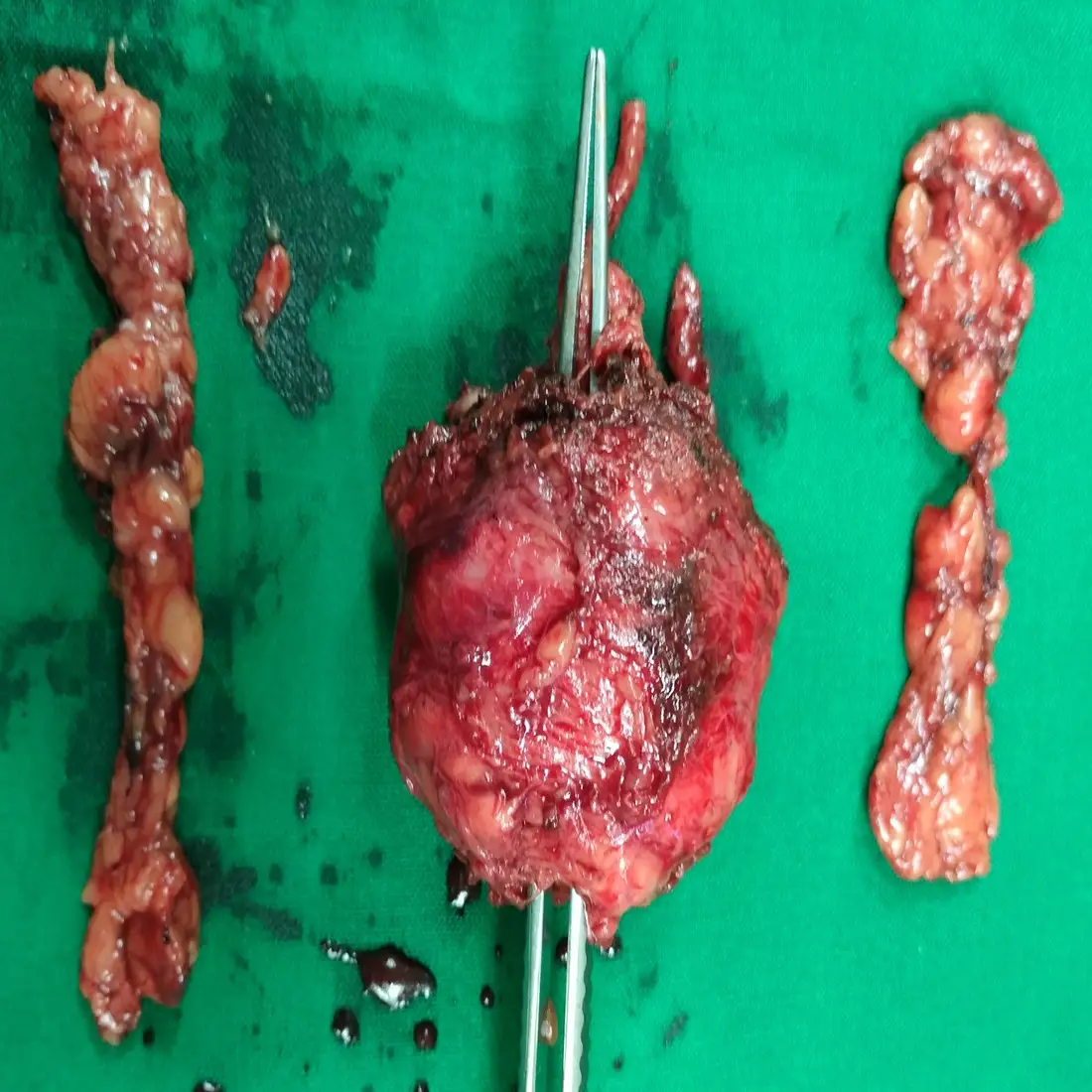
A 72-year-old male presented with a significantly elevated PSA exceeding 100 ng/ml and a large 86 cc prostate. Clinical imaging suggested a PIRADS 2 nodule, yet the rapidly rising markers indicated an aggressive, high-grade malignancy requiring immediate and definitive surgical intervention to control local spread.
⦿ Robotic-Assisted Radical Prostatectomy
Dr. Swati Shah performed a robotic-assisted radical prostatectomy combined with an extensive bilateral pelvic lymph node dissection. This advanced approach utilized robotic precision to navigate the complex pelvic anatomy, ensuring the thorough removal of the enlarged prostate and all suspicious regional lymphatic tissues.
• Procedure: A radical prostatectomy was executed using high-definition robotic visualization for anatomical accuracy.
• Lymph Nodes: Fourteen regional lymph nodes were meticulously dissected from the bilateral pelvic stations.
• Pathology: The analysis confirmed an Acinar Adenocarcinoma with a high-grade Gleason Score of $4+5=9$.
• Precision: Specialized techniques were employed to address nonfocal extraprostatic extension and seminal vesicle involvement.
⦿ Successful Clearance and Recovery
The patient tolerated the complex procedure well and remained hemodynamically stable throughout the immediate postoperative period. Final pathology confirmed the successful removal of the high-grade tumor, identifying specific nodal involvement which guided the subsequent oncological roadmap. The patient was safely discharged with a clear plan for long-term survival and functional monitoring.
In cases of high-grade Gleason 9 remains, the precision of the robotic platform is vital for managing extensive local disease. By performing a thorough pelvic lymphadenectomy, we provided the most accurate staging possible, ensuring this patient receives a tailored, aggressive follow-up strategy for the best oncological result.
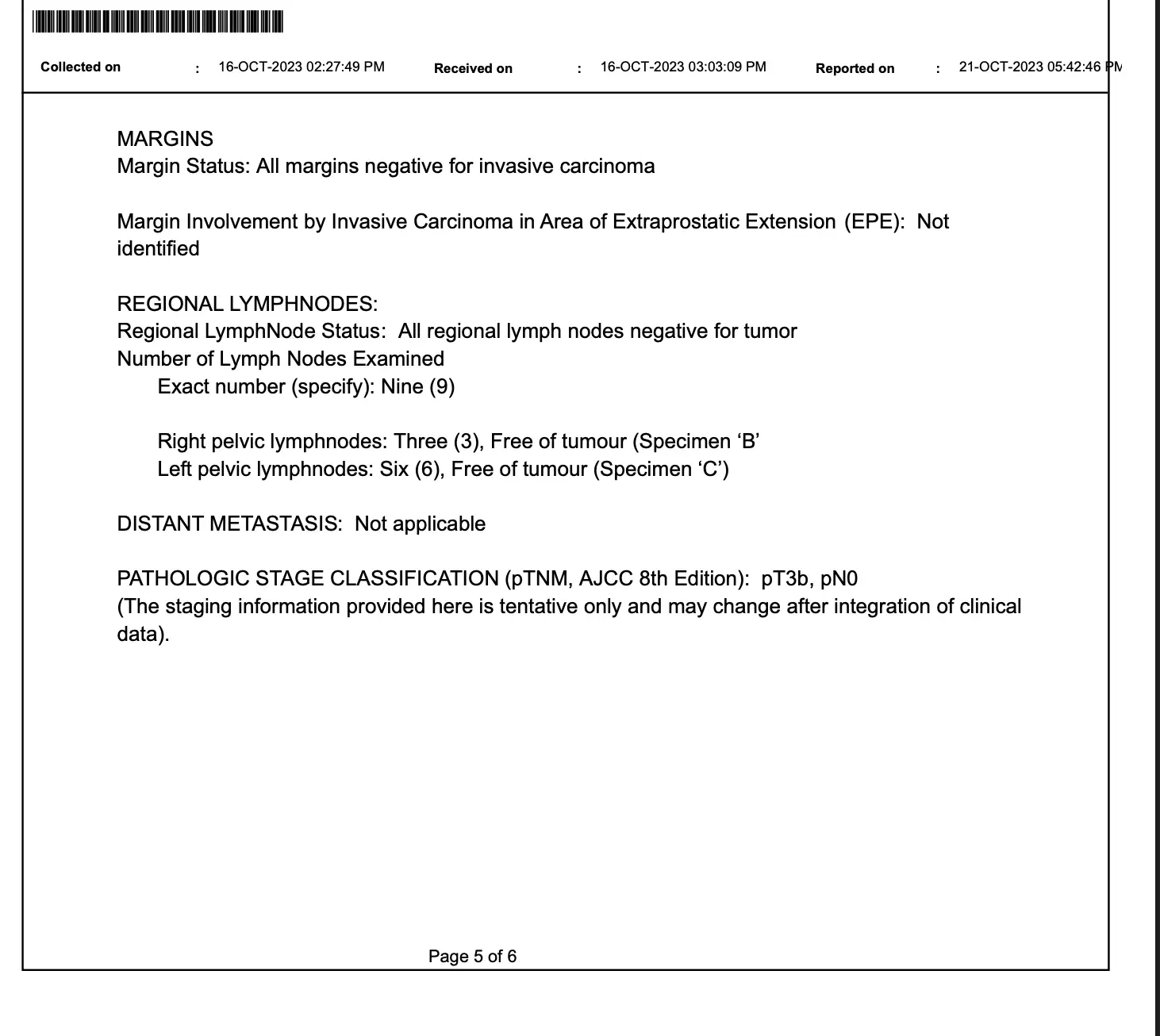
An 78-year-old male presented with increased urinary frequency and a significantly elevated PSA level of $21~ng/ml$. Clinical imaging and biopsies confirmed a high-grade, PIRADS 5 lesion with suspected extracapsular extension and bilateral lobe involvement. The aggressive nature of this Grade Group 4 cancer required an urgent, precise surgical intervention to prevent further systemic spread.
⦿ Robotic Radical Prostatectomy and Lymphadenectomy
Dr. Swati Shah performed a complex robotic-assisted radical prostatectomy using the advanced Da Vinci Xi system to ensure maximum precision. The procedure included a bilateral pelvic lymph node dissection and a meticulous bladder neck reconstruction to optimize functional recovery. This minimally invasive approach allowed for superior visualization of the extension into the neurovascular bundles.
• Procedure: Robotic radical prostatectomy with bilateral pelvic lymph node dissection and modified Rocco stitch.
• Lymph Nodes: Nine regional lymph nodes were successfully harvested and confirmed negative for tumor spread.
• Blood Loss: Exceptional surgical control resulted in a minimal blood loss of only 300 mL.
• Cancer Clearance: Pathological examination confirmed all surgical margins were negative for invasive carcinoma.
⦿ Full Pathological Clearance and Rapid Recovery
The patient’s postoperative recovery was uneventful, achieving hemodynamic stability and becoming ambulatory shortly after the procedure. Final histopathology confirmed a successful pT3bN0 staging with no lymph node involvement, ensuring the primary tumor was entirely removed. The patient was discharged on the third postoperative day with controlled pain and stable vitals.
By utilizing the Da Vinci Xi robotic system, we achieved complete oncological clearance despite the tumor's extracapsular spread. This precision allowed us to secure negative margins and preserve vital structures, providing the patient with an excellent long-term prognosis and functional recovery.
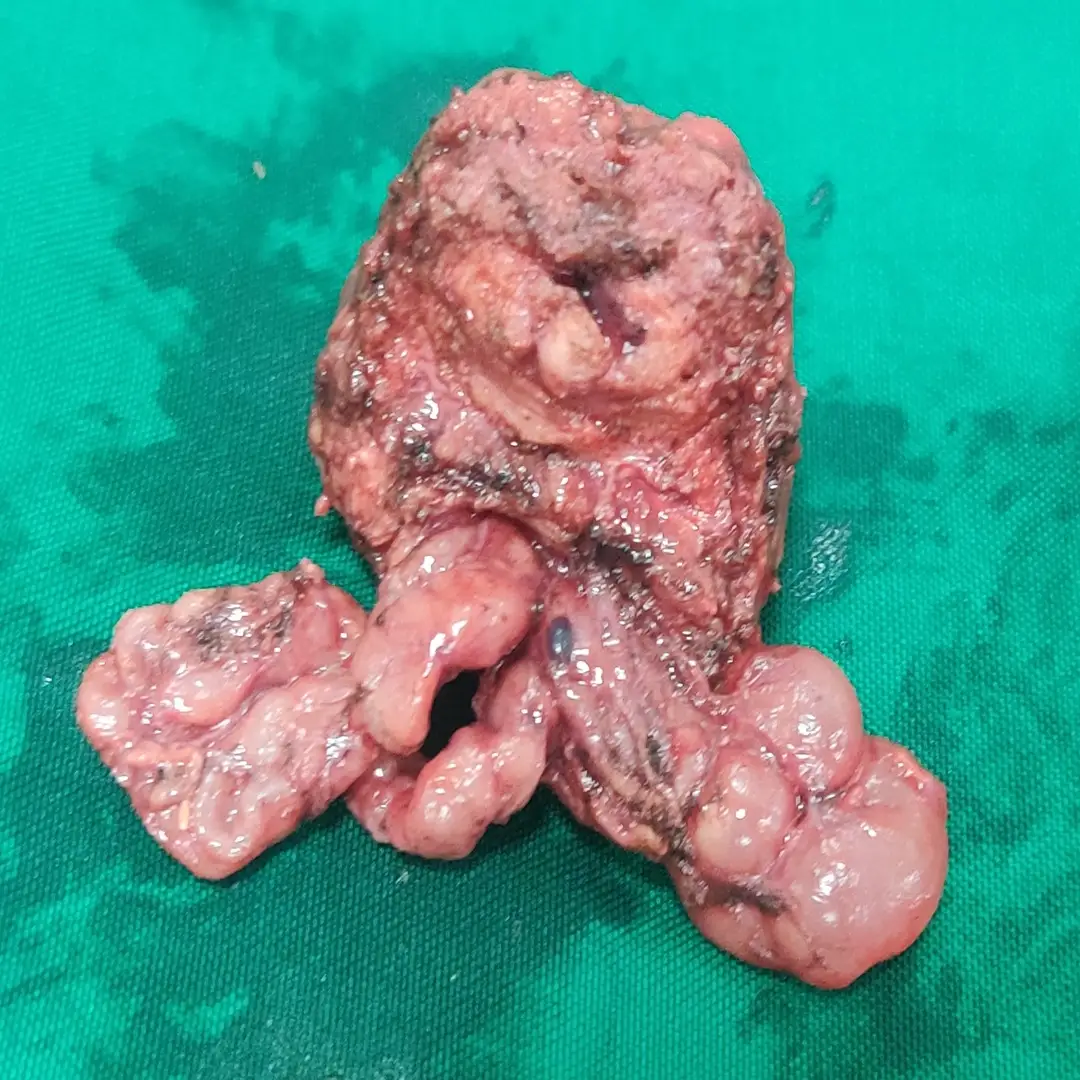
A 67-year-old male presented with urinary frequency and an elevated PSA of 9.63 ng/ml. Multiparametric MRI and TRUS-guided biopsy confirmed a PIRADS-4 lesion and high-grade Gleason 3+4 adenocarcinoma. The primary complexity involved managing the malignancy alongside newly detected triple-vessel coronary artery disease.
⦿ Robotic-Assisted Radical Prostatectomy and Reconstruction
Dr. Swati Shah performed a robotic radical prostatectomy utilizing the Da Vinci Xi system for superior anatomical visualization. The procedure included a meticulous bilateral pelvic lymph node dissection and nerve-sparing techniques to preserve functional outcomes. A specialized vesicourethral anastomosis and posterior reconstruction were completed to ensure structural integrity.
• Procedure: Robotic-assisted transperitoneal radical prostatectomy was executed with bilateral nerve bundle preservation.
• Lymph Node Management: A total of eighteen reactive pelvic lymph nodes were successfully harvested and analyzed.
• Safety & Blood Loss: Precision robotic dissection resulted in minimal blood loss of only 50 ml.
• Cancer Clearance: Pathological evaluation confirmed all surgical margins and seminal vesicles were free of tumor.
⦿ Complete Oncological Clearance and Rapid Functional Recovery
The patient achieved an uneventful postoperative recovery and was ambulatory with stable hemodynamics by the time of discharge. Final histopathology confirmed pT2N0 staging, indicating the cancer was organ-confined with zero lymph node spread. Functional recovery was prioritized through a successful bladder neck reconstruction, allowing for a stable transition to home care.
By integrating the Da Vinci Xi's precision with advanced reconstructive techniques, we achieved complete cancer removal while minimizing surgical trauma. This robotic approach allowed us to safely navigate the patient's cardiac complexities, ensuring a curative result with excellent functional preservation.
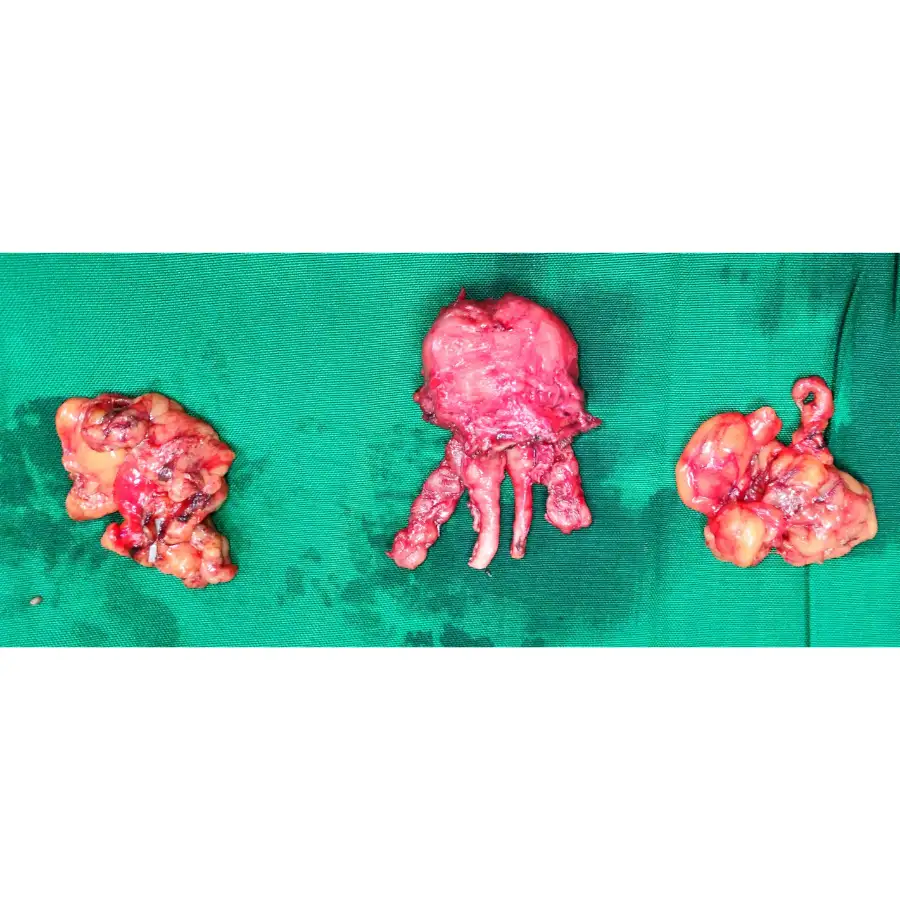
A 64-year-old male presented with a rapidly rising PSA of 13.8 and a PIRADS V lesion involving the right neurovascular bundle. Biopsy confirmed aggressive Gleason $4+3=7$ adenocarcinoma with 100% tumor volume in multiple cores, requiring urgent surgical intervention. The case was complicated by the patient’s history of coronary artery bypass surgery and graft occlusion.
⦿ Laparoscopic Radical Prostatectomy and Pelvic Lymphadenectomy
Dr. Swati Shah performed a meticulous diagnostic laparoscopy followed by a radical prostatectomy and bilateral pelvic lymph node dissection. Utilizing a standard 6-port transperitoneal approach, she executed precise bladder neck reconstruction and a modified Rocco stitch for posterior reconstruction. This advanced approach ensured maximum control while addressing suspicious bilateral iliac nodes.
• Procedure: A transperitoneal radical prostatectomy was completed using a specialized 6-port laparoscopic configuration.
• Lymph Node Dissection: Twenty-six regional lymph nodes were meticulously harvested from the bilateral pelvic regions.
• Safety & Blood Loss: The procedure was highly controlled with a minimal blood loss of only 300 mL.
• Cancer Clearance: Pathological analysis confirmed all surgical margins and seminal vesicles were completely free of tumor.
⦿ Pathological Clearance and Rapid Recovery
The patient's postoperative recovery was uneventful, allowing for discharge just two days following the complex surgery. Final histopathology confirmed a pathologic stage of pT3a, pN0, with zero involvement in all 26 examined lymph nodes. He was discharged in stable hemodynamic condition, ambulatory, and with well-controlled pain levels.
Dr. Swati Shah’s Insight:
"By utilizing advanced laparoscopic techniques, we achieved complete oncological clearance for this high-grade cancer while maintaining incredible precision near the neurovascular bundle. This approach allowed us to confirm N0 status through extensive node dissection, providing the patient with a clear path toward long-term survival."
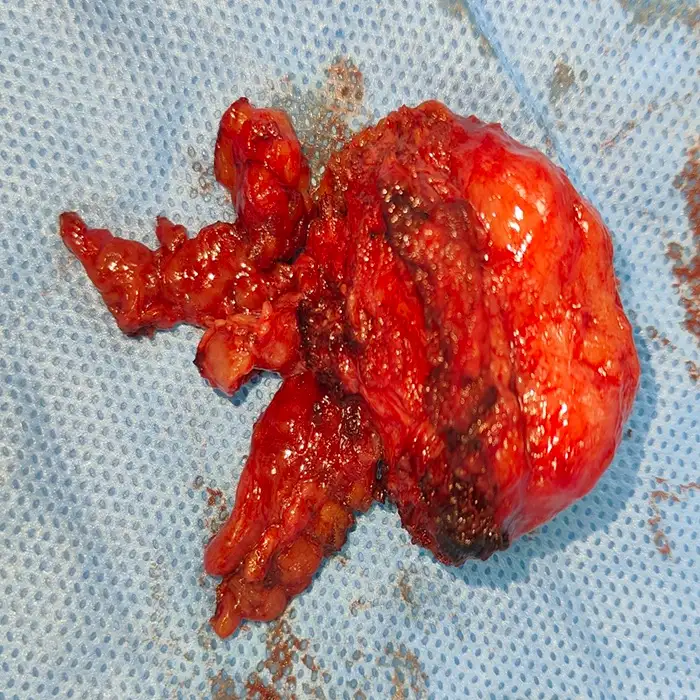
A 68-year-old male presented with cT3N+ locally advanced acinar adenocarcinoma following prior hormonal therapy and a previous TURP procedure. The primary complexity involved managing residual disease in both the prostate and lymph nodes despite a positive response to initial systemic treatments.
⦿ Robotic-Assisted Radical Prostatectomy and RPLND
Dr. Swati Shah performed a robotic radical prostatectomy combined with bilateral pelvic and retroperitoneal lymph node dissection. This complex approach utilized advanced robotic precision to navigate distorted anatomy from previous surgery, ensuring the meticulous clearance of all cancerous tissues and involved nodes.
• Procedure: Robotic-assisted radical prostatectomy was executed with precise seminal vesicle and prostate excision.
• Complex Anatomy: Retroperitoneal and bilateral pelvic lymph node dissections addressed extensive nodal involvement effectively.
• Safety & Blood Loss: Intraoperative blood loss was limited to 400ml, requiring no blood transfusions.
• Cancer Clearance: Complete tumor removal was achieved despite the challenges of post-TURP anatomical scarring.
⦿ Successful Clearance and Rapid Recovery
The patient demonstrated excellent recovery, achieving early ambulation and maintaining hemodynamic stability throughout his short hospital stay. Final pathology confirmed successful staging and removal of the adenocarcinoma with clear surgical margins. He was discharged in stable condition, ready for the next phase of his personalized oncologic care.
By combining robotic precision with aggressive lymph node clearance, we successfully addressed this advanced-stage disease. This multimodal approach, following initial hormonal therapy, allows us to reduce tumor burden significantly, providing the patient with the most robust foundation for long-term survival and cancer control.
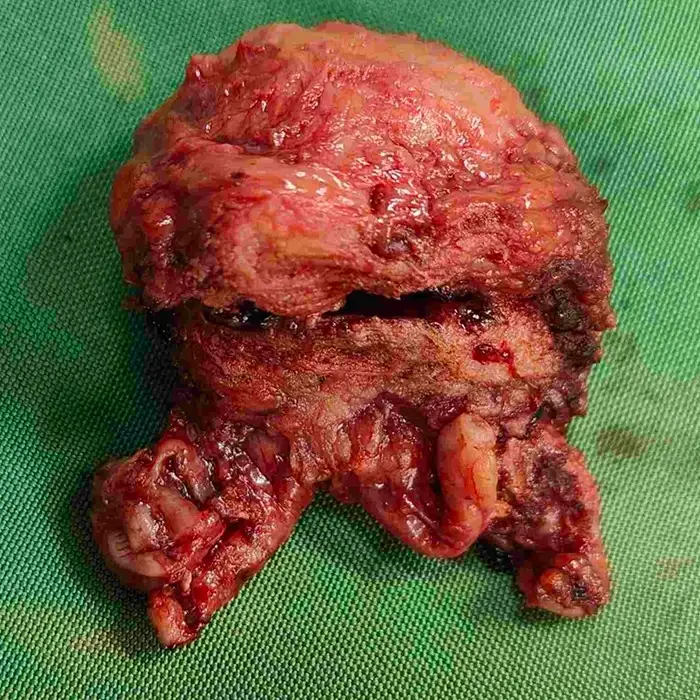
A 71-year-old male presented with high-grade acinar adenocarcinoma, identified following a prior prostate procedure. The diagnosis was particularly complex due to a Gleason Score of 9, indicating an aggressive malignancy with suspected involvement of the seminal vesicles requiring urgent and precise surgical intervention.
⦿ Robotic-Assisted Radical Prostatectomy and Node Dissection
Dr. Swati Shah performed a robotic radical prostatectomy along with bilateral pelvic lymph node dissection using an advanced multi-port minimally invasive approach. This sophisticated technique allowed for the complete excision of the diseased gland and surrounding tissues while meticulously reconstructing the patient's urinary continuity.
• Procedure: Utilization of multi-port robotic laparoscopy for total prostatectomy and meticulous anatomical reconstruction.
• Lymph Nodes: Extensive dissection and examination of 16 pelvic lymph nodes to ensure accurate staging.
• Safety: Exceptional intraoperative control resulting in minimal blood loss of only 100 ml.
• Cancer Clearance: Achievement of negative surgical margins despite the tumor involving 80% of the gland.
⦿ Successful Resection and Rapid Functional Recovery
The patient’s postoperative recovery was excellent, characterized by stable vital signs and early ambulation prior to discharge on day three. Final pathology confirmed a pT3bN0 stage with clear margins and zero nodal involvement across all 16 examined samples. He was discharged in stable condition, having tolerated the complex oncological procedure with high surgical resilience.
For high-risk cases like this, the precision of robotic intervention is vital to achieving negative margins. We focused on complete tumor clearance and lymph node mapping to provide this patient with the most robust foundation for long-term survival and disease control.
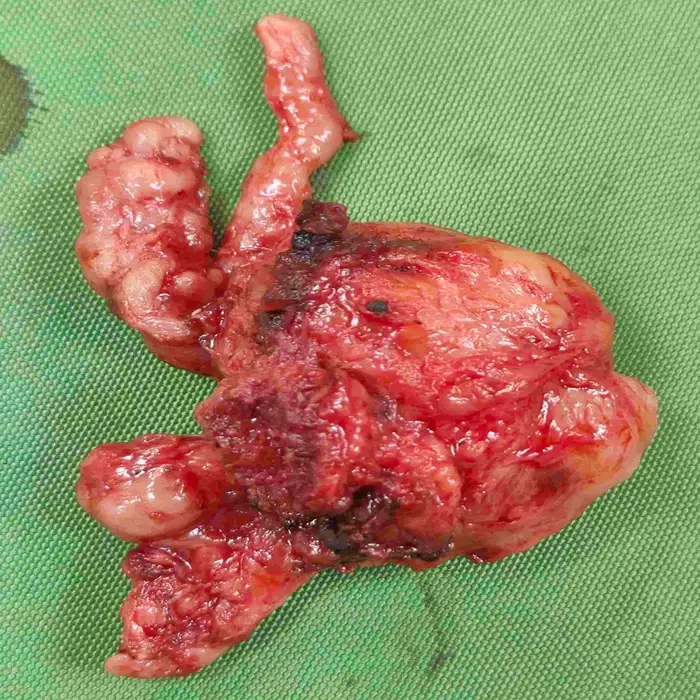
A 77-year-old male presented with persistent lower urinary tract symptoms and significantly reduced urine flow. Clinical evaluation confirmed localized acinar adenocarcinoma, requiring an urgent, definitive intervention despite the patient’s age and comorbidities. The primary objective was achieving total oncological clearance while minimizing surgical trauma for faster rehabilitation.
⦿ Da Vinci Xi Robotic Radical Prostatectomy
Dr. Swati Shah performed a robotic radical prostatectomy utilizing the advanced Da Vinci Xi system for unmatched visualization. The procedure involved meticulous diagnostic laparoscopy, adhesiolysis, and a comprehensive bilateral pelvic lymph node dissection. This minimally invasive approach ensured precise bladder neck reconstruction and urethral reconnection to preserve vital urinary function.
• Procedure: Advanced robotic-assisted radical prostatectomy with bilateral pelvic and retroperitoneal lymph node dissection.
• Anatomical Challenge: Safe release of abdominal adhesions was performed to navigate complex pelvic anatomy.
• Safety / Blood Loss: The robotic system ensured minimal blood loss and high precision during urethral reconnection.
• Cancer Clearance: Complete removal of the organ-confined tumor was achieved with high oncological accuracy.
⦿ Superior Recovery and Negative Margins
Postoperatively, the patient demonstrated exceptional resilience, remaining hemodynamically stable and walking independently by the time of discharge. Final histopathology confirmed pT2N0 disease with a Gleason score of 3+4 and zero lymph node involvement. Most importantly, the margins were negative, and the patient resumed routine daily activities shortly after catheter removal.
By leveraging robotic precision, we successfully treated this localized cancer while prioritizing the patient's quality of life. This case demonstrates that advanced age is not a barrier to achieving clear surgical margins and a rapid return to urinary continence through minimally invasive techniques.
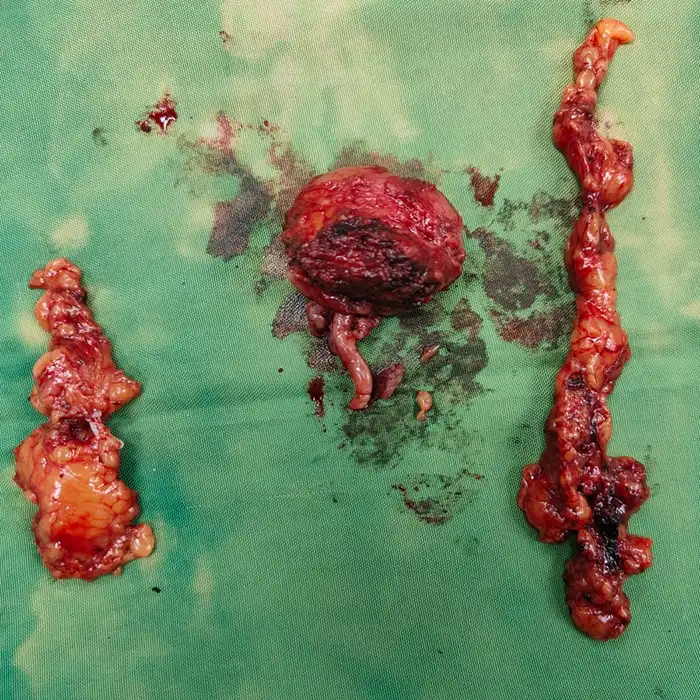
A 69-year-old male presented with urinary hesitancy and burning micturition, leading to a diagnosis of Gleason 8 prostate cancer. The high-grade nature of this acinar adenocarcinoma required urgent intervention to prevent potential systemic spread beyond the prostate gland.
⦿ Robotic-Assisted Radical Prostatectomy
Dr. Swati Shah performed a robotic radical prostatectomy combined with bilateral pelvic lymph node dissection and internal urethrotomy. This advanced approach utilized robotic precision to reconstruct the bladder neck and perform a meticulous urethral anastomosis, ensuring complete oncological clearance of the tumor.
• Procedure: Robotic-assisted excision of the prostate with integrated pelvic lymph node staging.
• Lymph Node Management: A total of 15 pelvic lymph nodes were successfully harvested and analyzed.
• Patient Safety: Minimal blood loss was achieved through the high-definition robotic visualization system.
• Cancer Clearance: Pathological examination confirmed negative margins with no evidence of extraprostatic extension.
⦿ Curative Success and Rapid Recovery
The patient achieved early ambulation and remained hemodynamically stable throughout the immediate postoperative period. Final histopathology confirmed organ-confined pT2N0 disease with zero node involvement, indicating a successful curative result. He was discharged in stable condition with clean surgical wounds and a clear protocol for functional recovery.
By utilizing robotic technology, we achieved complete cancer removal for this aggressive Gleason 8 tumor while ensuring the disease remained organ-confined. This precise intervention provides the patient with an excellent long-term prognosis and a faster return to his daily life.
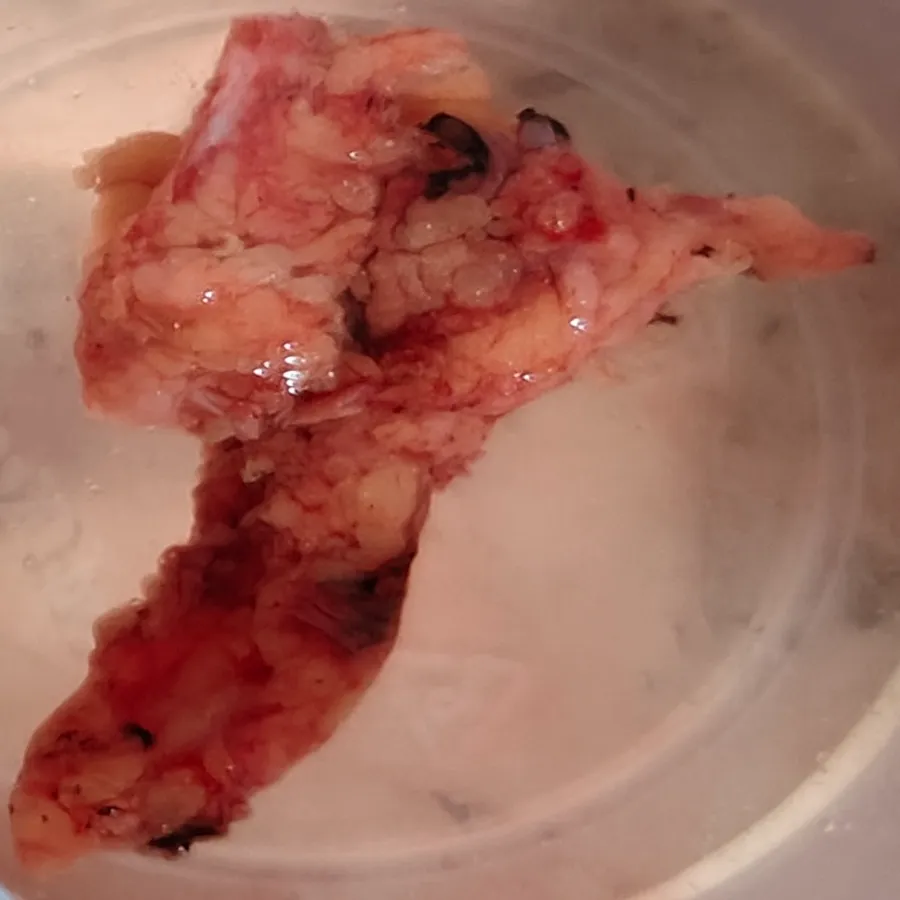
A 73-year-old male presented with a confirmed diagnosis of Acinar adenocarcinoma seeking definitive curative treatment. The primary clinical challenge involved managing a Gleason score 4+3 tumor while ensuring complete oncological clearance and preserving the patient’s postoperative quality of life through advanced surgical precision.
⦿ Da Vinci Xi Robotic Radical Prostatectomy
Dr. Swati Shah performed a robotic-assisted radical prostatectomy and bilateral pelvic lymph node dissection using the Da Vinci Xi system. This sophisticated approach allowed for meticulous dissection of the prostate gland, followed by a precision vesico-urethral reconstruction and a modified Rocco stitch to enhance early continence recovery.
• Procedure: Robotic transperitoneal radical prostatectomy was performed with high-definition 3D anatomical visualization.
• Lymph Nodes: Ten bilateral pelvic lymph nodes were successfully dissected for comprehensive staging and clearance.
• Safety: Minimal blood loss was achieved during the procedure with no intraoperative complications noted.
• Cancer Clearance: Precise dissection ensured negative surgical margins and complete removal of the prostatic tissue.
⦿ Complete Tumor Eradication and Rapid Recovery
The patient demonstrated an excellent recovery, remaining hemodynamically stable and ambulatory by the time of discharge. Final histopathology confirmed organ-confined pT2 pN0 disease with 0/10 nodes involved and entirely negative margins. The patient successfully resumed normal daily activities with stable vitals and a clean surgical wound during his initial follow-up.
By utilizing the Da Vinci Xi platform, we achieved complete cancer clearance while optimizing the patient’s functional recovery. This case demonstrates how robotic precision allows for meticulous lymph node staging and reconstruction, offering patients the best possible chance at long-term, disease-free survival.
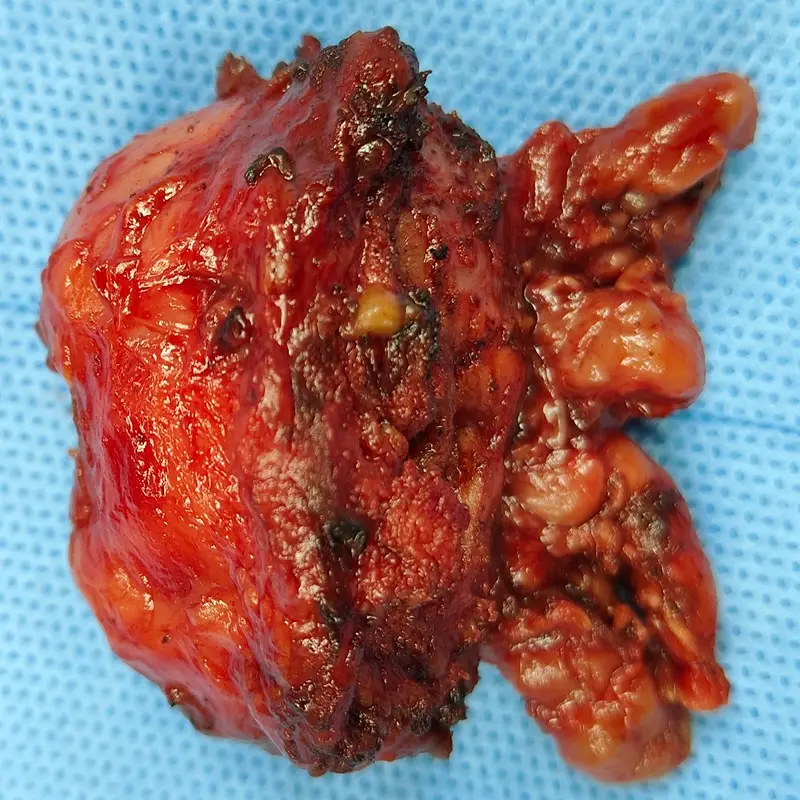
A 75-year-old male presented with urinary symptoms and elevated PSA levels, leading to a diagnosis of localized acinar adenocarcinoma. The Gleason Score of 7 (4+3) indicated an intermediate-grade, aggressive tumor involving 30% of the gland. Curative intervention was urgently required to prevent extraprostatic spread and ensure long-term survival.
⦿ Robotic-Assisted Radical Prostatectomy and Staging
Dr. Swati Shah performed a precision robotic radical prostatectomy with bilateral pelvic lymph node dissection to achieve complete oncological clearance. Utilizing the advanced robotic platform, the entire prostate and seminal vesicles were excised with high-magnification visualization. This approach ensured meticulous dissection of regional lymph nodes for accurate pathological staging and recurrence prevention.
• Procedure: Radical robotic-assisted excision of the prostate gland and both seminal vesicles was performed.
• Complex Anatomy: Bilateral pelvic lymph node dissection was completed, successfully harvesting seven nodes for staging.
• Safety & Blood Loss: Robotic precision ensured minimal blood loss and preserved the integrity of surrounding structures.
• Cancer Clearance: Complete resection was achieved with all surgical margins confirmed as clear of malignancy.
⦿ Complete Oncological Clearance and Rapid Recovery
The patient experienced an uneventful recovery, achieving hemodynamic stability and early mobilization within hours of the procedure. Final histopathology confirmed pT2N0 organ-confined disease with no evidence of seminal vesicle or lymphovascular invasion. With negative margins and zero node involvement, the patient was discharged with excellent functional outcomes and a strong prognosis.
By utilizing robotic precision, we achieved a complete cure for this patient through total tumor clearance and negative surgical margins. This case demonstrates how timely, advanced surgical intervention in organ-confined prostate cancer provides the most definitive pathway toward long-term, disease-free survival.
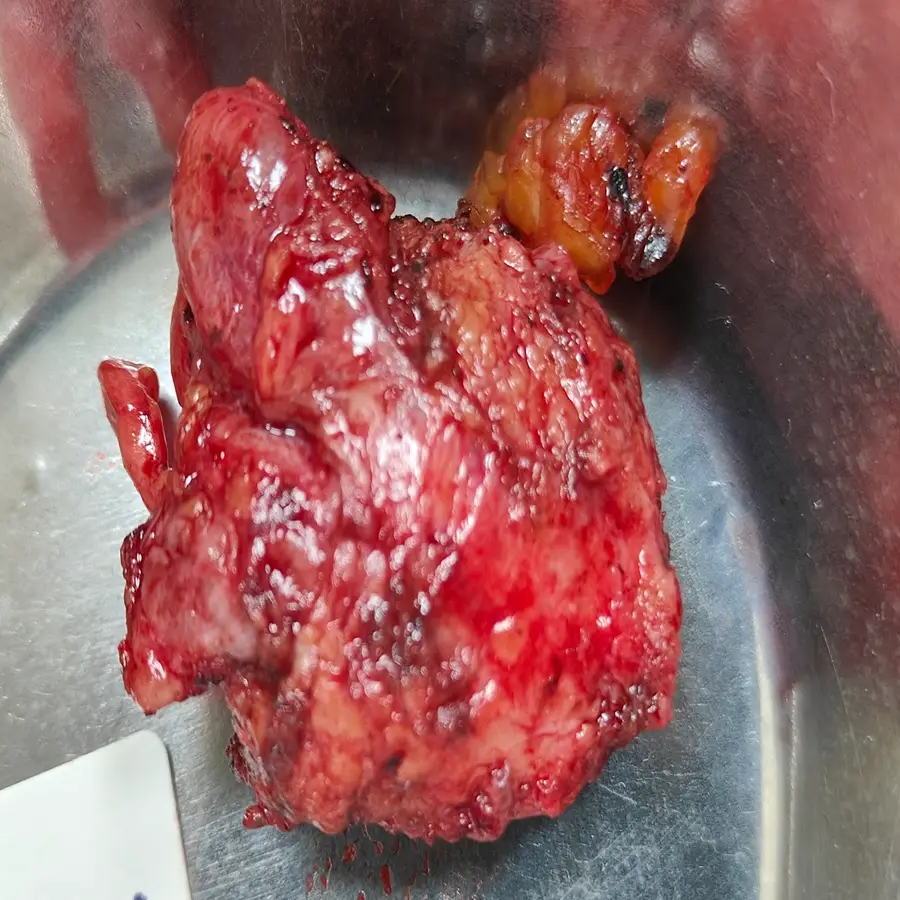
A 78-year-old male presented with urinary symptoms and a high-grade acinar adenocarcinoma, Gleason score 7. The diagnosis revealed a significant tumor burden involving 70% of the prostate, necessitating a complex surgical intervention to address bilateral seminal vesicle invasion and prevent further metastatic spread.
⦿ Advanced Laparoscopic Radical Prostatectomy
Dr. Swati Shah performed a high-precision laparoscopic radical prostatectomy combined with bilateral pelvic lymph node dissection. The procedure included retroperitoneal lymph node sampling and meticulous adhesiolysis to ensure complete oncologic clearance while utilizing advanced minimally invasive techniques to protect surrounding anatomical structures.
• Procedure: Performed a multi-port laparoscopic radical prostatectomy with en bloc seminal vesicle removal.
• Lymph Nodes: Successfully sampled 12 pelvic and retroperitoneal lymph nodes to ensure accurate staging.
• Safety & Blood Loss: Maintained exceptional surgical control with minimal blood loss of only 100 ml.
• Cancer Clearance: Achieved entirely negative surgical margins despite the presence of locally advanced pT3b disease.
⦿ Superior Oncologic Control and Rapid Recovery
The patient experienced an excellent postoperative recovery, remaining hemodynamically stable and ambulatory shortly after the procedure. Final histopathology confirmed a pT3bN0 stage with zero node involvement and clear margins, indicating a successful curative effort. He was discharged safely with a comprehensive plan for pelvic floor rehabilitation and long-term monitoring.
In cases of locally advanced pT3b disease, our primary goal is achieving negative margins through meticulous dissection. This minimally invasive approach allowed us to provide this elderly patient with a definitive cure while ensuring a fast, safe return to his daily life.
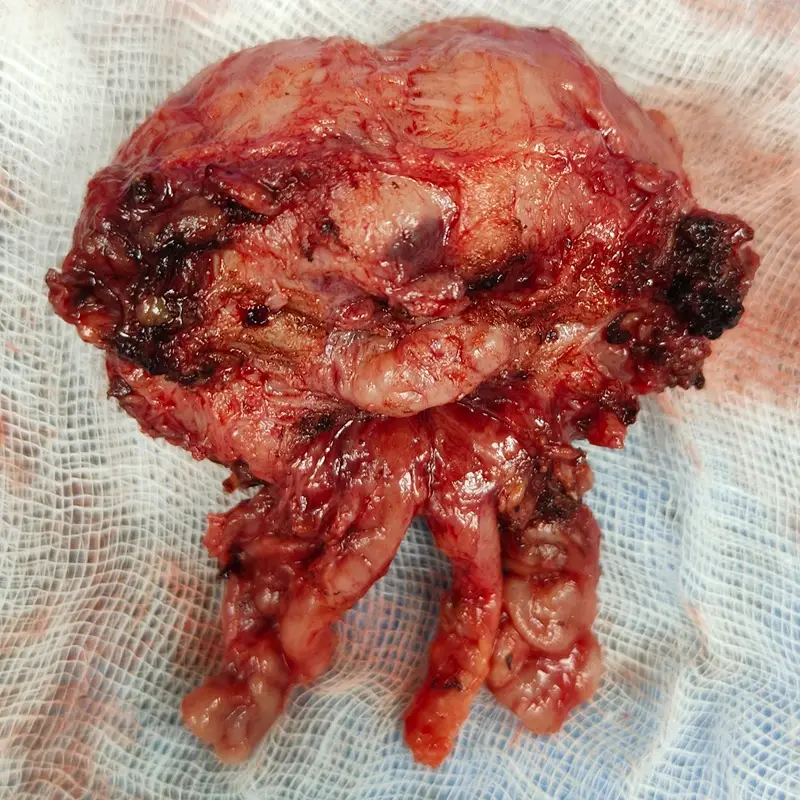
A 74-year-old male presented with rising PSA levels and a biopsy confirming intermediate-risk acinar adenocarcinoma. The primary clinical challenge involved achieving complete oncologic clearance for this Grade Group 2 cancer while minimizing surgical trauma in an elderly patient.
⦿ Robotic Radical Prostatectomy and Extended Node Sampling
Dr. Swati Shah performed a precise robotic radical prostatectomy combined with bilateral pelvic and retroperitoneal lymph node dissection. Utilizing the robotic system’s superior visualization, she meticulously excised the prostate and seminal vesicles through minimally invasive keyhole incisions to ensure curative intent.
• Procedure: A robotic radical prostatectomy was executed with concurrent pelvic and retroperitoneal node sampling.
• Lymph Nodes: Twelve total lymph nodes were harvested and examined to confirm zero nodal involvement.
• Safety: The procedure was completed with minimal blood loss of approximately 100 ml only.
• Cancer Clearance: Complete tumor removal was achieved with confirmed negative surgical margins and no extension.
⦿ Curative Precision and Rapid Recovery
The patient experienced an uneventful postoperative recovery, remaining hemodynamically stable and ambulatory by the time of discharge. Final pathology confirmed a stage pT2N0 diagnosis with 40% gland involvement and negative margins, indicating a successful organ-confined resection. He recovered well with standard catheter care, showing excellent functional stability and a high likelihood of long-term cancer control.
By leveraging robotic precision, we achieved complete tumor removal while preserving the patient’s overall stability. This organ-confined result with negative margins provides the best possible prognosis, ensuring that early-stage intervention translates into a durable and effective cure for my patients.
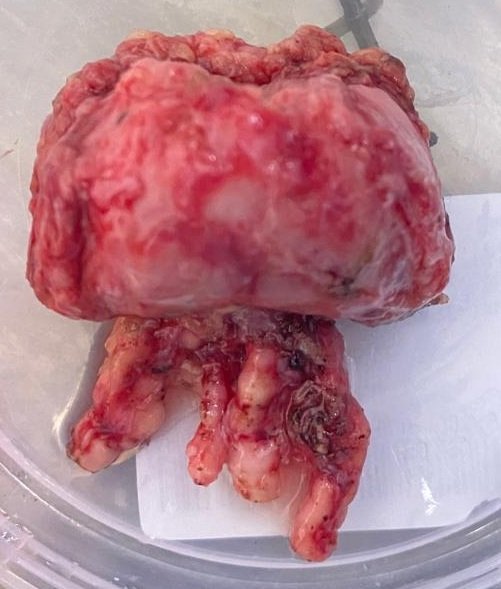
A 53-year-old male presented with urinary symptoms and a PSA of 6.19 ng/mL, leading to a diagnosis of acinar adenocarcinoma. His intermediate Gleason score of $3+4=7$ and history of prior TURP surgery increased the technical complexity of the case. Immediate surgical intervention was required to prevent the progression of this localized malignancy.
⦿ Robotic-Assisted Radical Prostatectomy
Dr. Swati Shah performed a precision-focused robotic radical prostatectomy and bilateral pelvic lymph node dissection to ensure definitive cancer clearance. The procedure utilized advanced robotic instrumentation to navigate the patient’s post-TURP anatomy with extreme care. This minimally invasive approach prioritized both oncological radicality and the preservation of vital functional structures.
• Procedure: Robotic-assisted radical prostatectomy was performed via a multi-port minimally invasive approach.
• Anatomical Preservation: Dr. Shah successfully preserved the bilateral neurovascular bundles despite previous surgical scarring.
• Safety Profile: The robotic system ensured high precision resulting in minimal blood loss of 100ml.
• Cancer Clearance: Complete excision of the prostate and seminal vesicles was achieved with negative margins.
⦿ Rapid Recovery and Precise Staging
The patient experienced an excellent postoperative recovery and was fully ambulatory by the time of discharge on day two. Final histopathology confirmed localized acinar adenocarcinoma with all harvested pelvic and retroperitoneal lymph nodes testing negative for metastasis. He maintained hemodynamic stability throughout his stay and transitioned smoothly to home care with minimal pain.
By utilizing robotic precision, we successfully navigated the challenges of the patient’s previous surgery to achieve a complete cure. This approach allows us to maintain excellent oncological control while significantly accelerating the patient's return to his daily life.
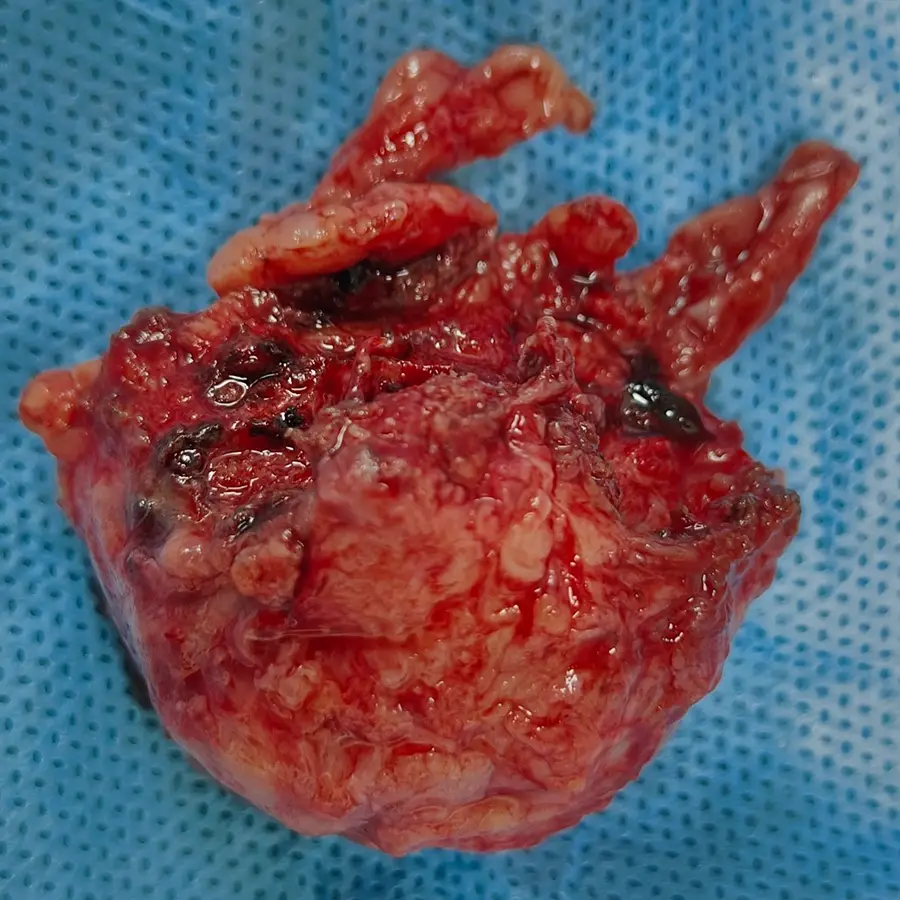
An 80-year-old gentleman presented with persistent irritative urinary symptoms and was diagnosed with cT3N0 Gleason 7 prostate cancer. Despite his advanced age, the patient was functionally independent, requiring an urgent, curative intervention to manage the moderately aggressive malignancy while preserving his current quality of life and independence.
⦿ Robotic Radical Prostatectomy and Lymphadenectomy
Dr. Swati Shah performed a complex robotic radical prostatectomy supported by bilateral pelvic and retroperitoneal lymph node dissection. The procedure utilized advanced robotic technology to ensure superior visualization and precise nerve preservation. A diagnostic laparoscopy and urethral stricture dilation were also integrated to address the patient's specific anatomical requirements.
• Procedure: A transperitoneal robotic approach was utilized for the prostatectomy and comprehensive node sampling.
• Complex Anatomy: Precise adhesiolysis and repair of an incidental left obturator hernia were successfully performed.
• Safety / Blood Loss: Intraoperative blood loss was limited to 100 ml, requiring no blood transfusion.
• Cancer Clearance: Complete resection of the prostate gland was achieved with precise oncological margins.
⦿ Stable Recovery and Excellent Functional Results
Following the procedure, the patient experienced an uneventful recovery and was ambulatory shortly after the surgery. He remained hemodynamically stable throughout his four-day hospital stay and was discharged with clean surgical wounds. Final pathology confirmed localized disease, providing the patient with excellent cancer control and a rapid return to his daily routine.
Chronological age alone should never be a barrier to curative cancer treatment. By utilizing the precision of robotic platforms, we successfully provided this patient with a minimally invasive solution that maximized his recovery speed and long-term survival while strictly minimizing surgical trauma.
Swasth Parivar: twice a month, practical advice on recovery, diet and warning signs. No advertising. Stop any time.
Your number is used for these updates and for the clinic to reach you. It is never sold or passed on. To stop, reply STOP on WhatsApp.