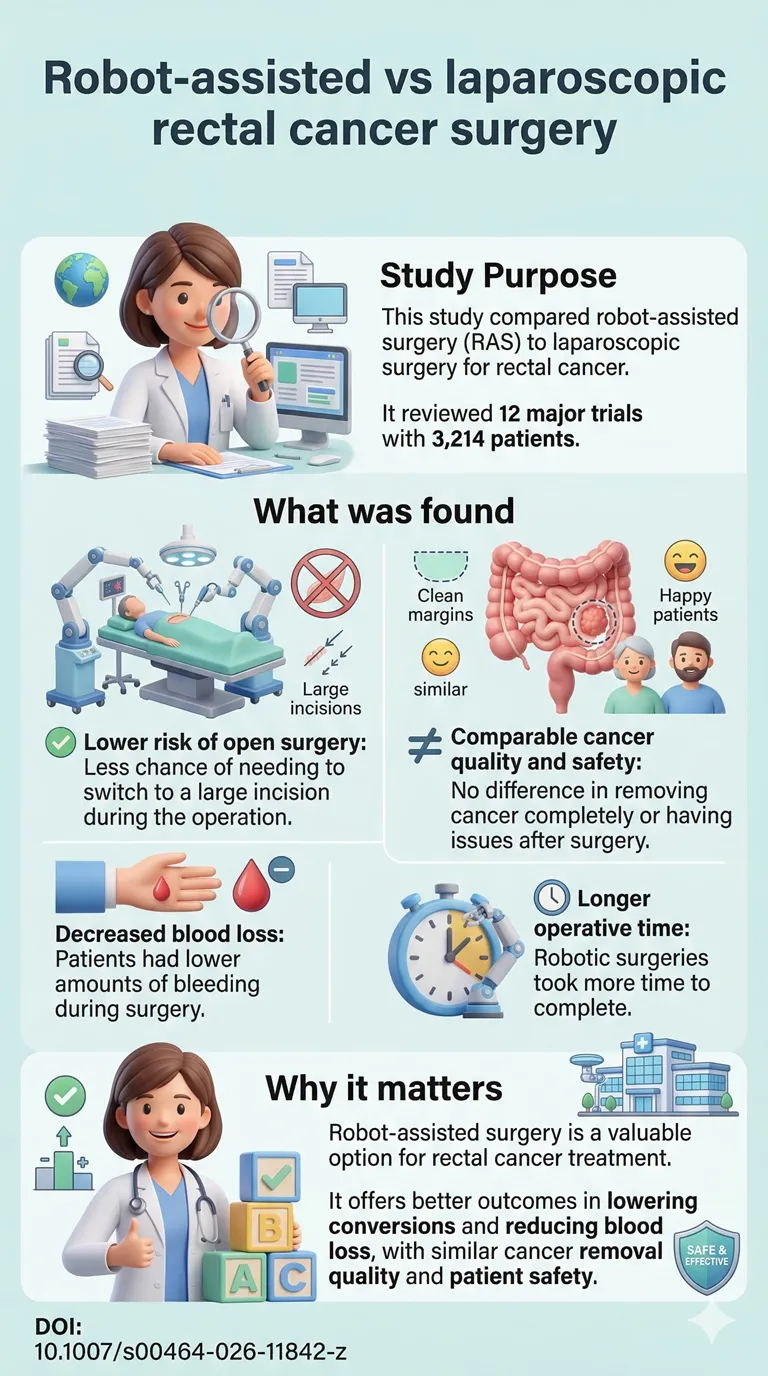
Robotic Surgery May Reduce the Need for Open Surgery in Rectal Cancer
Robotic Surgery May Reduce the Need for…
SF-203 (Second Floor), Olive Greens, Sarkhej - Gandhinagar
Hwy, Gota, Ahmedabad, Gujarat, India 382481
Plot No. 1 A, Apollo Hospital International Limited, GIDC Bhat, Industrial Estate, Gandhinagar, Gujarat 382428

Patient

Patient
hello my name is abhay jain n m very much thanks for dr swati shah for such a great work . I had robotic surgery done by dr swati shah.she is one of the best robotic surgeon in the world .

Patient
| The Myth | The Fact |
|---|---|
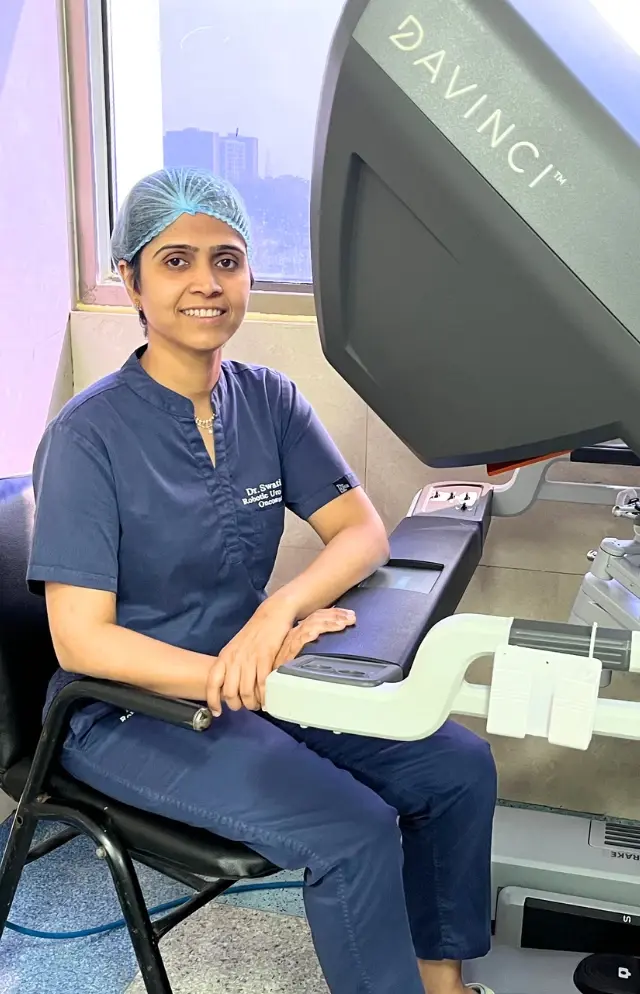
| "The robot performs the surgery automatically on its own." | Fact: The robotic system is 100% controlled by Dr. Swati Shah at all times. It is a highly advanced tool that perfectly translates her exact finger movements into micro-precise actions inside the body; it makes zero decisions on its own. |
| "Robotic surgery is too risky for older, weaker patients." | Fact: Because robotic surgery involves significantly less blood loss, less pain, and tiny incisions, it is actually much safer for elderly patients (even those in their 70s and 80s) compared to the heavy trauma of traditional open surgery. |
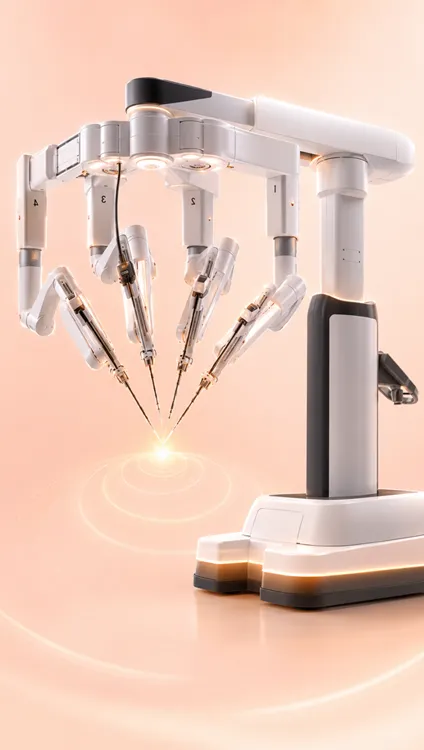
| "Laparoscopic surgery is the exact same thing as Robotic surgery." | Fact: Laparoscopy uses rigid, straight sticks and a flat 2D screen. Robotic surgery offers a 10x magnified 3D view and "wristed" instruments that bend in all directions, which is critical for operating safely in tight spaces like the deep pelvis. |
| "If the machine fails, the surgery cannot be completed." | Fact: Robotic systems have multiple built-in, fail-safe backups. In the incredibly rare event of a technical issue, an expert surgeon like Dr. Shah is fully trained to seamlessly transition and complete the surgery safely. |
| "Robotic surgery is a new, experimental treatment." | Fact: Robotic surgery is not experimental; it is the globally recognized "Gold Standard" for treating prostate and kidney cancers. It is proven to significantly improve cancer clearance and protect vital organs better than traditional methods. |


| Feature | Robotic Surgery | Laparoscopic Surgery | Traditional Open Surgery |
|---|---|---|---|
| Surgeon's Vision | 3D High-Definition (10x Magnification) | 2D Flat Screen (Standard Vision) | Naked Eye (Limited by lighting & angles) |
| Instrument Flexibility | 360-Degree Wristed Movement (Moves exactly like a human hand) | Rigid, straight sticks (No wrist movement) | Human hands (Limited by space inside the body) |
| Incision Size | 4–5 Tiny Keyholes (8mm each) | 4–5 Small Keyholes | One massive cut (6–12 inches) |
| Blood Loss | Minimal (Transfusions are extremely rare) | Low to Moderate | High (Transfusions frequently needed) |
| Hospital Stay | 2 to 4 Days | 3 to 5 Days | 7 to 10+ Days |
| Nerve & Function Sparing | Excellent (Highest rate of preserving continence, sexual function, and healthy kidney tissue) | Good (But difficult in tight pelvic spaces) | Moderate to Low (Higher risk of nerve damage) |


A 67-year-old male presented with urinary urgency and a significantly elevated PSA level of 144.92 ng/ml. Diagnostic imaging and biopsy confirmed an acinar adenocarcinoma, demanding an urgent and highly precise surgical intervention to prevent potential systemic spread while managing the high biochemical risk.
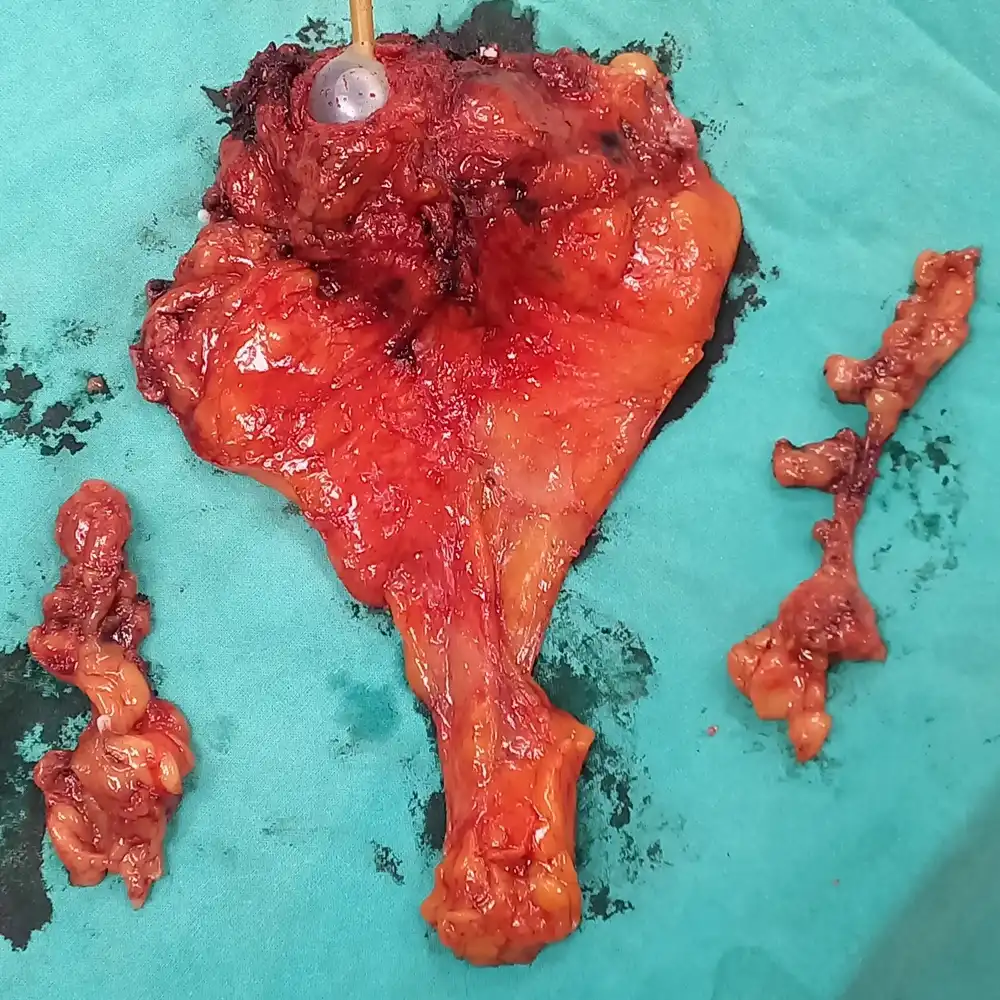
⦿ Robotic-Assisted Radical Prostatectomy and Lymphadenectomy
• Procedure: A minimally invasive radical prostatectomy was executed with unilateral neurovascular bundle preservation.
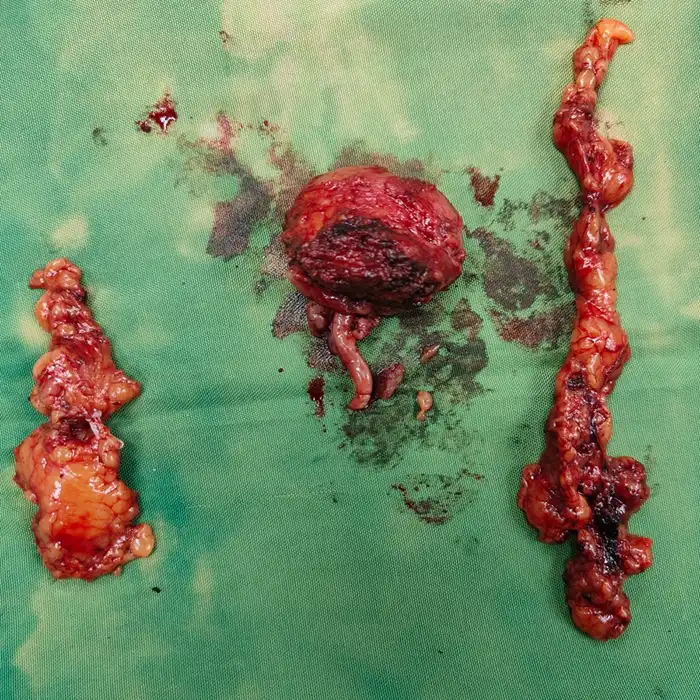
• Lymph Nodes: A total of 20 pelvic lymph nodes were successfully removed and staged.
• Safety: The surgery was completed with a very low blood loss of 150 ml.
• Cancer Clearance: Pathological examination confirmed negative surgical margins, indicating the complete removal of the tumor.
⦿ Full Oncological Clearance and Early Mobilization
The patient’s postoperative recovery was excellent, characterized by early mobilization and a stable discharge within a few days. Final histopathology confirmed a pT2N0 stage with zero lymph node involvement and no extraprostatic extension. Crucially, the patient achieved early urinary continence, returning to his routine daily activities without significant functional impairment or complications.
By utilizing robotic precision, we achieved complete cancer clearance despite the patient's high pre-operative PSA levels. This approach allowed for meticulous nerve preservation and reconstruction, which are vital for maintaining the patient's quality of life and ensuring a rapid return to normalcy.
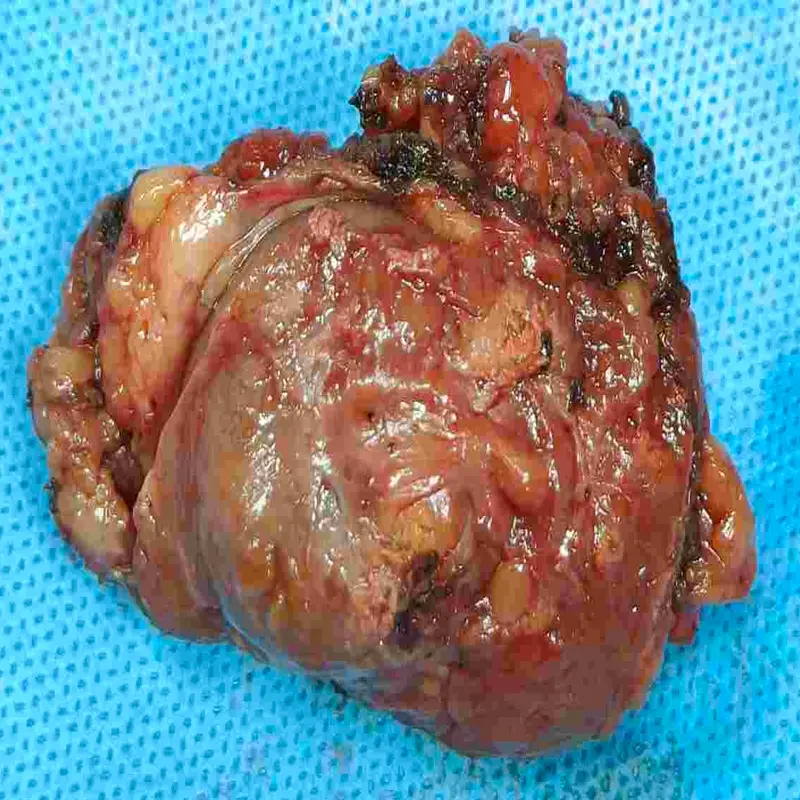
A 37-year-old male was incidentally found to have a right renal mass during an evaluation for peptic disease. Imaging revealed a suspicious 24 millimeter lesion located directly in the midpole of the right kidney. Surgical intervention was critically required to safely remove this tumor while maximizing the preservation of healthy kidney function.
⦿ Robotic Right Partial Nephrectomy
• Surgical Approach: A five-port trans-peritoneal method safely exposed the right midpole renal mass.
• Vascular Control: The renal vessels were precisely clamped to achieve a safe 37-minute warm ischemia time.
• Patient Safety: Complete hemostasis was carefully ensured, leading to a remarkably smooth procedure without postoperative complications.
• Tumor Clearance: Final pathology strictly confirmed a totally excised pT1a clear cell renal cell carcinoma with complete margin-free status.
⦿ Exceptional Recovery and Complete Cancer Clearance
The patient experienced an excellent postoperative recovery and was safely discharged in a hemodynamically stable, highly ambulatory condition. Final pathology results completely confirmed localized stage pT1a disease with absolutely free surgical margins and zero lymphovascular invasion. Ultimately, the patient retained exceptional residual kidney function and successfully returned to normal physical activities.
By utilizing an advanced robotic approach, I successfully excised this incidental renal mass while perfectly preserving the vital surrounding kidney tissue. This high degree of technical precision safely ensures excellent oncological clearance, providing the patient with the absolute best opportunity for a long-term, cancer-free future.
Robotic Surgery May Reduce the Need for…
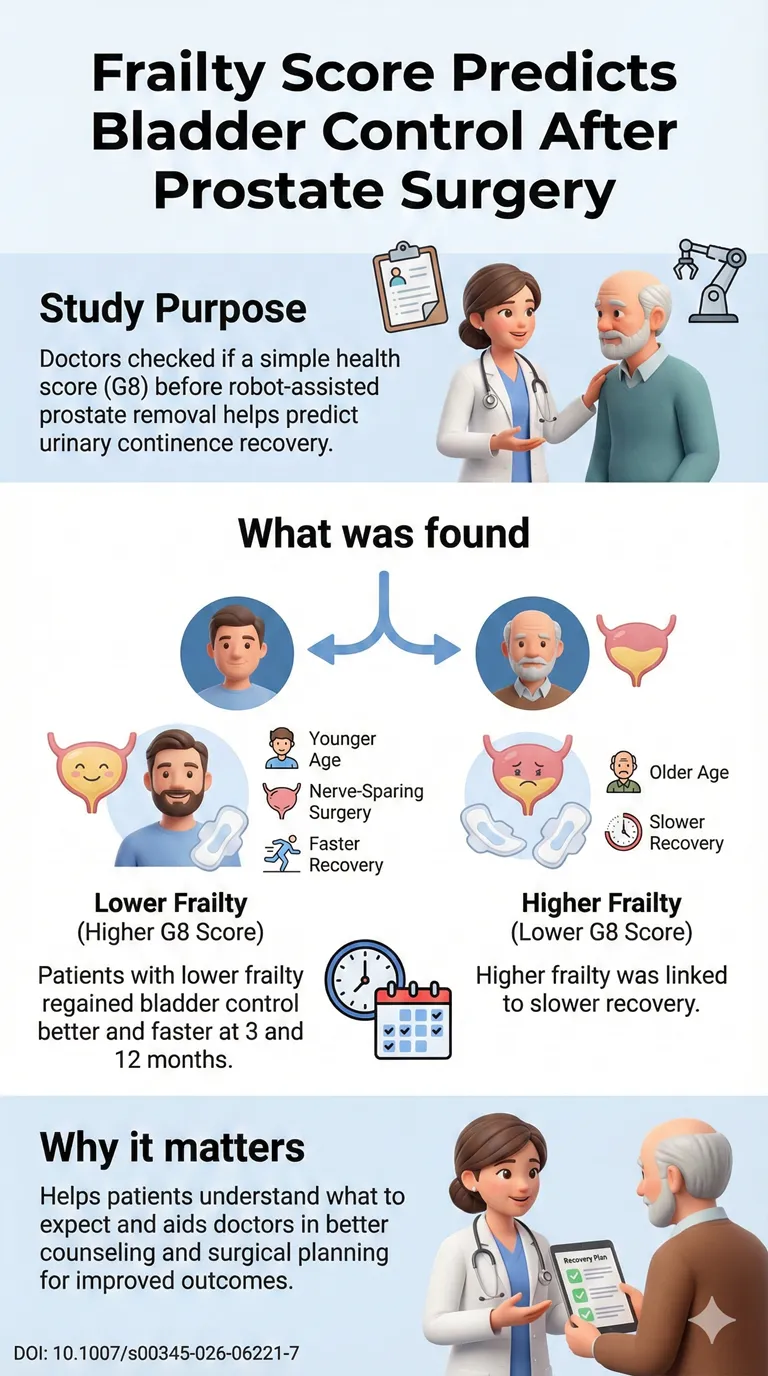
Frailty Score Can Predict Bladder Control After…
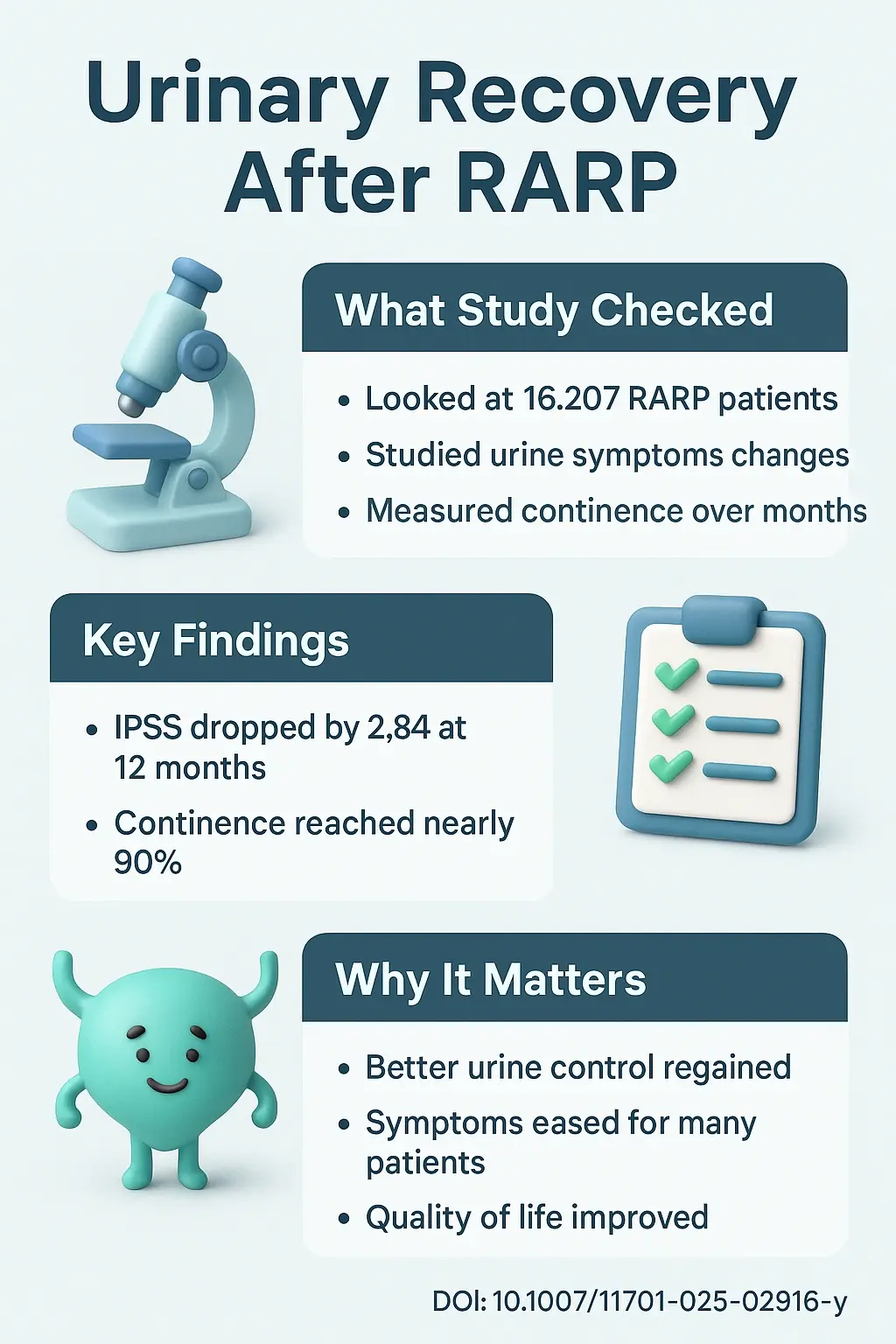
Most Men See Improved Urinary Symptoms After…
| Surgery Type | Typical Cost Range | Primary Benefit |
|---|---|---|
| Traditional | Lower | Basic access |
| Robotic | Higher | Precision & Speed |
If you have any kind Uro Cancer related medial emergency, visit Apollo Hospital. An expert doctor is always available & treatment will be provided at once.