SF-203 (Second Floor), Olive Greens, Sarkhej - Gandhinagar
Hwy, Gota, Ahmedabad, Gujarat, India 382481
Plot No. 1 A, Apollo Hospital International Limited, GIDC Bhat, Industrial Estate, Gandhinagar, Gujarat 382428

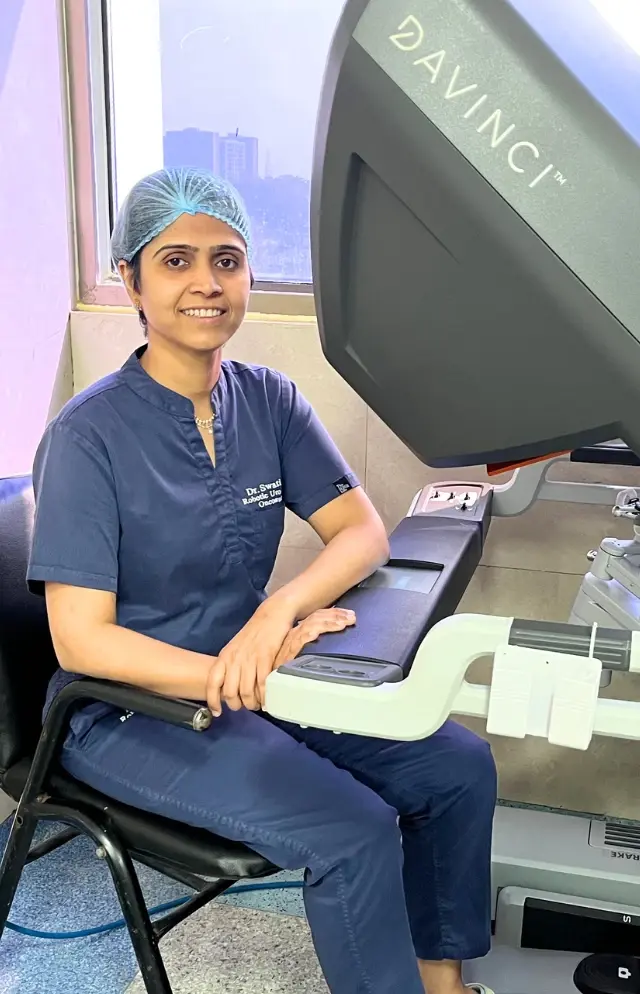
Dr. Swati H. Shah is a Uro & Gynec Surgical Oncologist in Ahmedabad with over 18 years of experience in retroperitoneal cancer surgery and more than 12 years of specialized experience in robotic cancer surgery. She manages complex retroperitoneal cancer resections, including sarcomas such as liposarcoma and leiomyosarcoma, lymph node masses from testicular, ovarian, other gynecological, or urological cancers, selected locally advanced or recurrent kidney, adrenal, and pancreatic cancers, and tumours involving major abdominal blood vessels.
As a leading robotic cancer surgeon, she has achieved a 5/5 patient review rate on Google through 3,000+ successful surgeries and care for 11,000+ patients. Dr. Shah plans Open, Laparoscopic, and Robotic approaches as appropriate, focusing on complete cancer clearance, organ preservation, nerve-sparing, and long-term quality-of-life protection whenever oncologically safe.
Dr Swati Shah, MS, DrNB (Surgical Oncology), Uro-Gynec Oncologist, performs retroperitoneal tumour resection for retroperitoneal sarcoma and other retroperitoneal tumours at Apollo Hospital, Bhat, Gandhinagar. Consultations: Shah’s Gastro, Cancer & Robotic Surgery Centre, Gota, Ahmedabad.
Recent cases from Dr Swati’s practice — the clinical case library, with case notes by organ.

Google Maps
Google Maps
It was nice experience with Dr. Swati Shah. She is good in her profession as onco surgeon well as she is so humble to give the relief to patient and patient’s family. We were scared before the operation but overall it was good and now the patient is also good.
Google Maps
| The Myth | The Fact |
|---|---|
| "If I have a retroperitoneal tumor, my entire affected organ must be removed." | Fact: With robotic precision, Dr. Shah specializes in organ-preserving retroperitoneal surgery. Whenever safely possible, she meticulously removes only the tumor while preserving healthy kidney tissue or surrounding pelvic organs and structures to protect your long-term health and quality of life. |
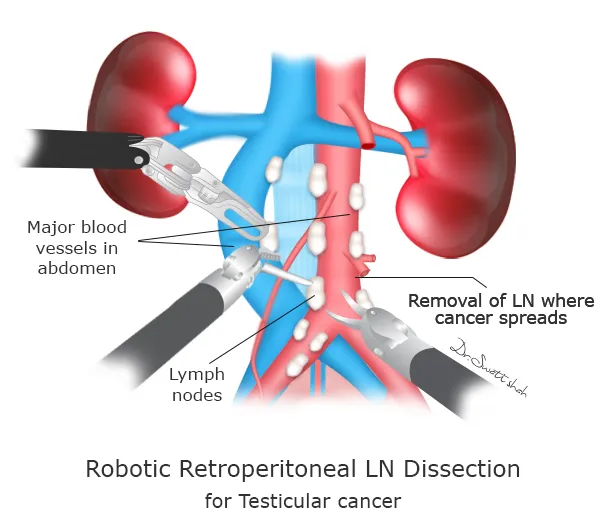
| "Retroperitoneal lymph node surgery will permanently destroy fertility or important pelvic function." | Fact: Dr. Shah is an expert in nerve-sparing robotic retroperitoneal surgery. By microscopically identifying and protecting the delicate retroperitoneal and pelvic nerves whenever oncologically safe, she maximizes the preservation of your natural fertility and long-term functional outcomes. |
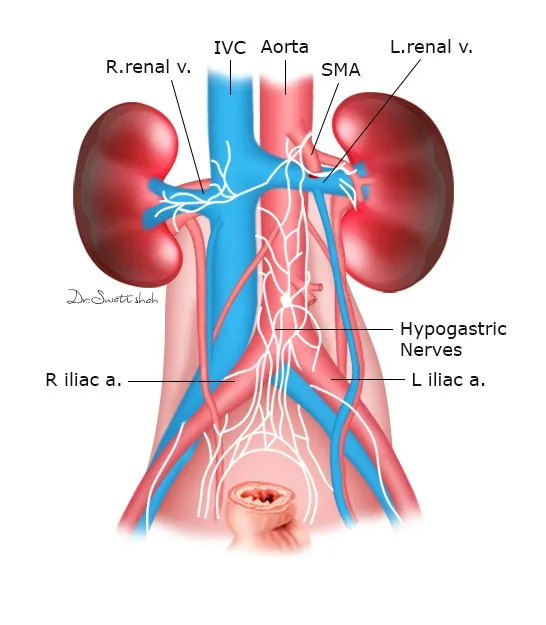
| "Operating near major blood vessels in the back of the abdomen is too dangerous for robotic surgery." | Fact: The exact opposite is true. The robotic system’s 10x 3D magnification and tremor-free wristed instruments allow Dr. Shah to safely and delicately peel tumors away from major blood vessels (like the aorta) with significantly less blood loss than traditional open surgery. |
| "Removing deep retroperitoneal tumors requires a massive, painful cut across my side or abdomen." | Fact: While traditional open surgery requires a large incision that cuts through heavy abdominal muscles, robotic surgery requires just a few tiny 8mm keyholes, drastically reducing trauma and visible scarring. |
| "Retroperitoneal cancer surgery requires weeks of painful bed rest." | Fact: Because the robotic approach avoids massive muscle cuts, patients experience drastically less pain. Most patients are comfortably walking within 24 hours and can return home in just 2 to 4 days. |
| Feature | Robotic Retroperitoneal Surgery (Dr. Swati Shah) | Laparoscopic Surgery | Traditional Open Surgery |
|---|---|---|---|
| Access & Maneuverability | Excellent: Wristed instruments safely navigate around the aorta, vena cava, and renal vessels. | Fair: Straight, rigid sticks make delicate dissection around major vessels very difficult. | Poor: Requires aggressive stretching of muscles and ribs to see deep into the back of the abdomen. |
| Organ & Function Preservation | Highest Rate: Micro-precision allows for superior kidney tissue saving (Partial Nephrectomy), nerve-sparing (RPLND), and better preservation of surrounding pelvic structures in selected gynecological retroperitoneal surgeries. | Moderate: Difficult to stitch the kidney quickly or peel nerves delicately. | Low to Moderate: Higher risk of removing the whole kidney or damaging fertility nerves. |
| Surgical Vision | 3D High-Definition (10x Magnification) | 2D Flat Screen | Naked Eye (Limited by deep cavities and blood pooling) |
| Incision Size | 4–5 Tiny Keyholes (8mm each) | 4–5 Small Keyholes | One massive cut (Often 8–12 inches across the side/abdomen) |
| Blood Loss | Minimal (Vessels are visualized and sealed instantly; transfusions are rare) | Low to Moderate | High (Significant bleeding is common; transfusions often needed) |
| Hospital Stay | 2 to 4 Days | 3 to 5 Days | 7 to 10+ Days |





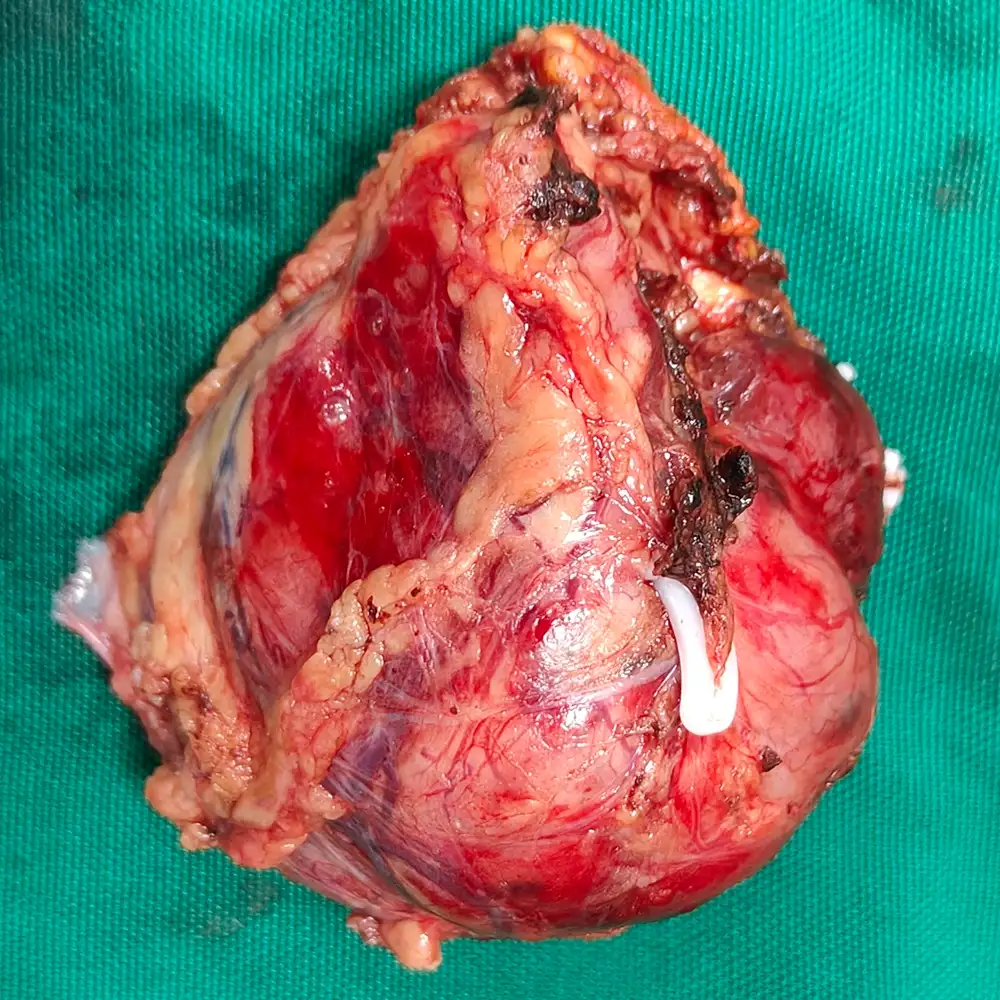
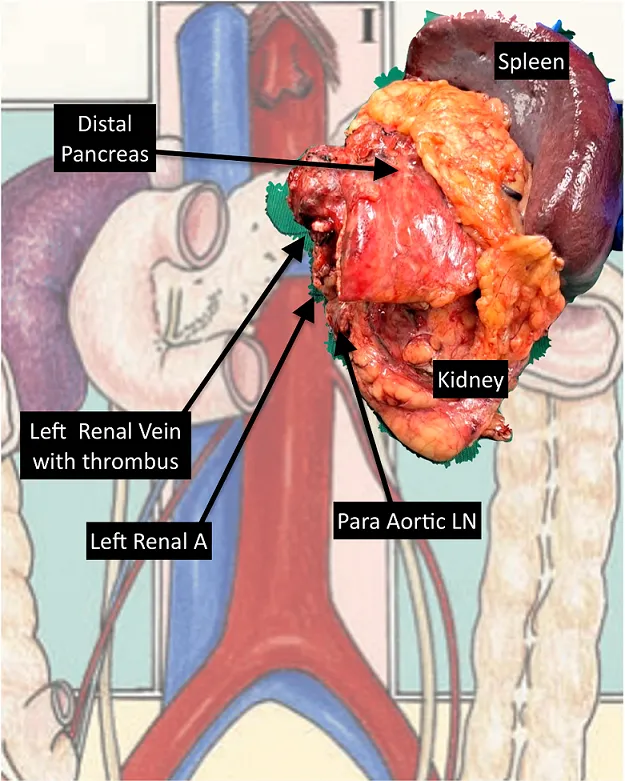
A 38-year-old female presented with a three-month history of irregular menses and elevated tumor markers, including CA 125 and CA 19-9. Advanced imaging revealed extensive, deep pelvic endometriosis causing severe tissue adherence across both ovaries, the fallopian tubes, and the uterine wall. Compounding this complexity was a highly vascular, 5 cm left suprarenal retroperitoneal mass closely abutting the upper pole of the left kidney and major renal vessels.
⦿ Multi-Compartment Laparoscopic Oncological Resection
Dr. Swati Shah performed a highly precise diagnostic laparoscopy and comprehensive abdominal exploration to navigate the extensive pelvic adhesions. She executed a meticulously controlled left retroperitoneal mass excision and left adrenalectomy, carefully preserving the adjacent left renal vasculature. Concurrently, a total abdominal hysterectomy, left salpingectomy with ovarian preservation, and right salpingo-oophorectomy were completed to entirely resect the complex adnexal masses.
• Procedure: Laparoscopic retroperitoneal tumor excision, left adrenalectomy, total abdominal hysterectomy, and selective adnexal resection.
• Complex Anatomy: Meticulous dissection of the renal hilum preserved critical left renal blood vessels.
• Safety & Blood Loss: Optimal surgical technique ensured an exceptionally low blood loss of only 50 ml.
• Completeness: Intraoperative frozen section biopsy confirmed negative findings for invasive malignancy during the procedure.
⦿ Complete Disease Resection and Rapid Recovery
Postoperatively, the patient experienced an uneventful recovery, remaining hemodynamically stable and fully ambulatory. Final histopathology confirmed benign endometriosis of the right adnexa, left hydrosalpinx, adenomyosis, and a benign solitary fibrous tumor-type lesion in the adrenal mass. The patient was successfully discharged home on a soft diet with excellent pain control and fully restored functional independence.
Postoperatively, the patient experienced an uneventful recovery, remaining hemodynamically stable and fully ambulatory. Final histopathology confirmed benign endometriosis of the right adnexa, left hydrosalpinx, adenomyosis, and a benign solitary fibrous tumor-type lesion in the adrenal mass. The patient was successfully discharged home on a soft diet with excellent pain control and fully restored functional independence.
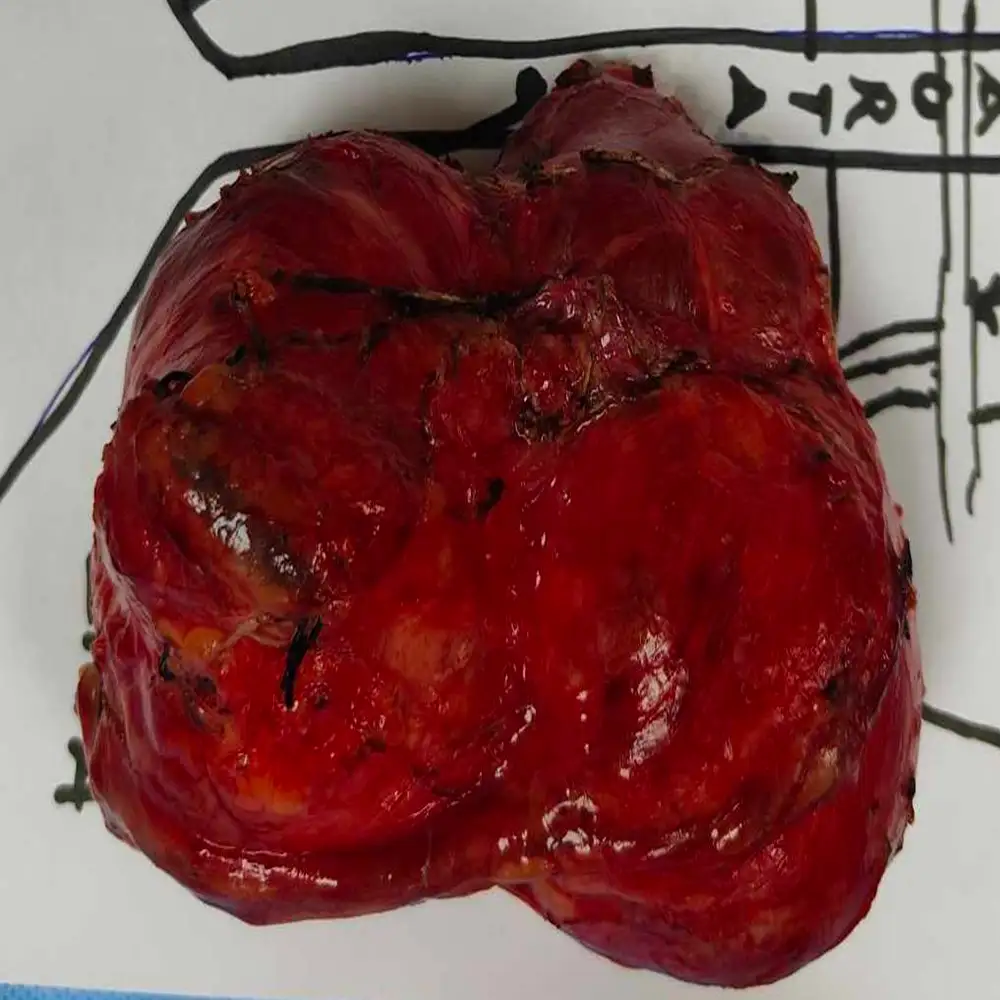
A 45-year-old male presented with a history of a left testicular mature teratoma and a persistent left flank ache. Diagnostic imaging revealed an extensive, multiloculated retroperitoneal cystic mass crossing the midline and intimately abutting the infrarenal aorta, left renal vein, and proximal common iliac artery. The primary challenge involved completely resecting this neoplastic lesion while protecting critical neighboring vasculature and adjacent abdominal organs.
⦿ Precision Retroperitoneal Mass Resection and Lymphadenectomy
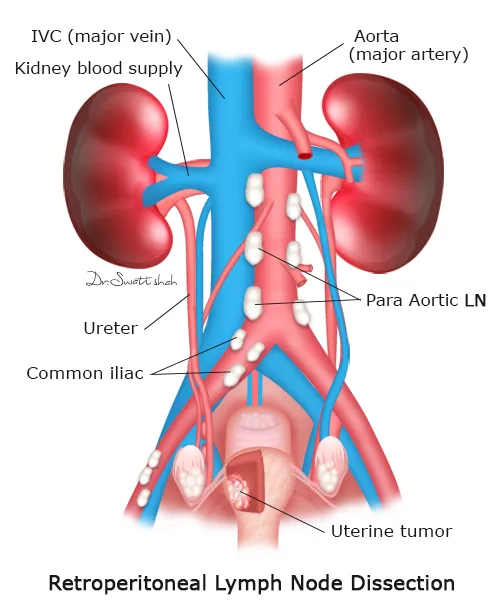
Dr. Swati Shah performed an extensive exploratory laparotomy to achieve complete retroperitoneal mass resection alongside a meticulous retroperitoneal lymph node dissection. Utilizing advanced, high-precision dissection techniques, the complex solid-cystic mass was carefully separated from the aorta, inferior mesenteric artery, and left ureter. The upper pole of the mass was successfully isolated from the renal vessels, and the left gonadal vessels were safely ligated and excised.
• Procedure: Dr. Shah executed a complete retroperitoneal mass resection with a comprehensive bilateral retroperitoneal lymph node dissection.
• Anatomical Challenge: The 14x10 cm mass was intricately dissected off the aorta, inferior mesenteric artery, and left psoas fascia.
• Safety & Blood Loss: Precision surgical planes were maintained throughout, resulting in a minimal blood loss of only 100 ml.
•
Cancer Clearance: The extensive retroperitoneal mass was successfully removed in its entirety along with adjacent remnant cord structures.
⦿ Complete Oncological Clearance and Rapid Recovery
The patient experienced a smooth and entirely uneventful postoperative recovery in the hospital ward. Final histopathology confirmed a completely resected mature cystic teratoma with zero evidence of immature components or other germ cell malignancies. Fourteen reactive lymph nodes were evaluated and found completely free of tumor spread. The patient was safely discharged in a stable, fully ambulatory condition with well-controlled pain levels.
Managing post-chemotherapy or residual retroperitoneal teratomas requires absolute anatomical precision due to their tendency to adhere tightly to major blood vessels. By employing meticulous sharp dissection, we achieved a complete R0 resection and a extensive lymphadenectomy while safeguarding the patient's major vasculature. This aggressive yet precise surgical approach ensures the lowest possible risk of recurrence and provides an excellent long-term oncological prognosis.
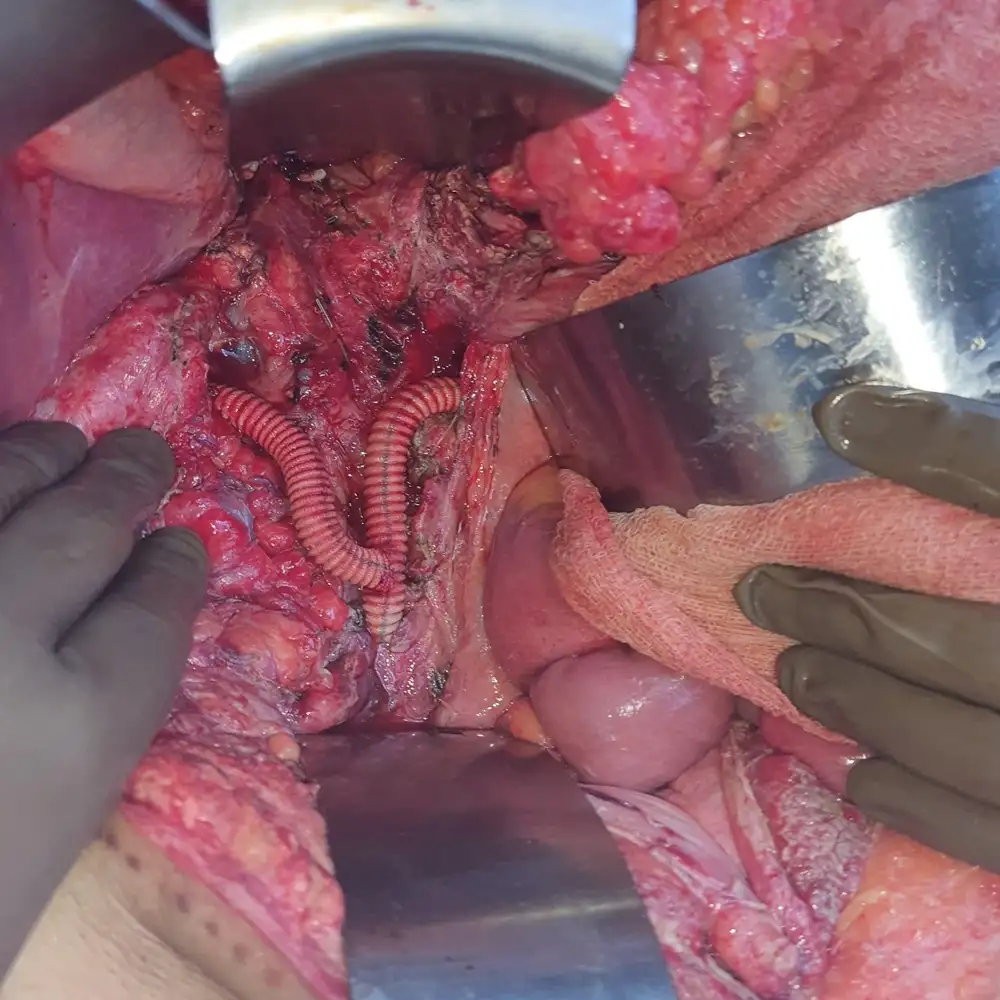
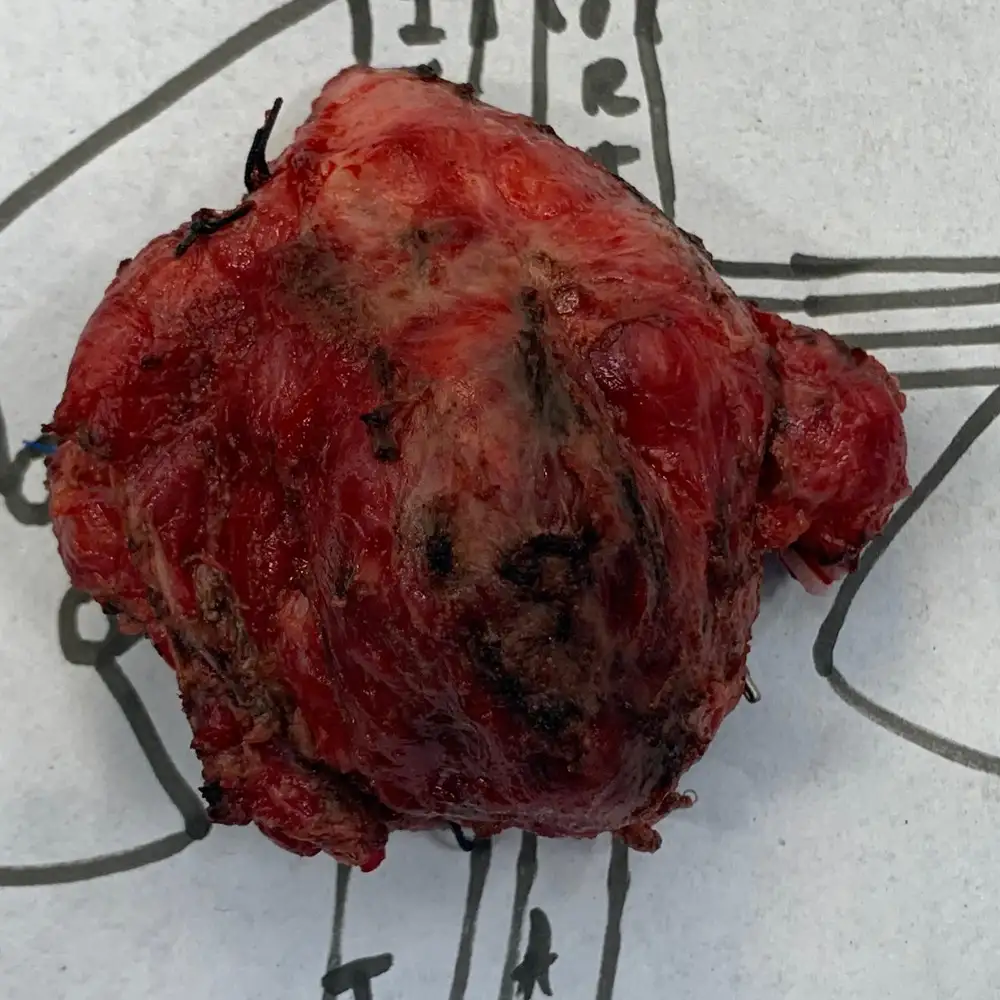
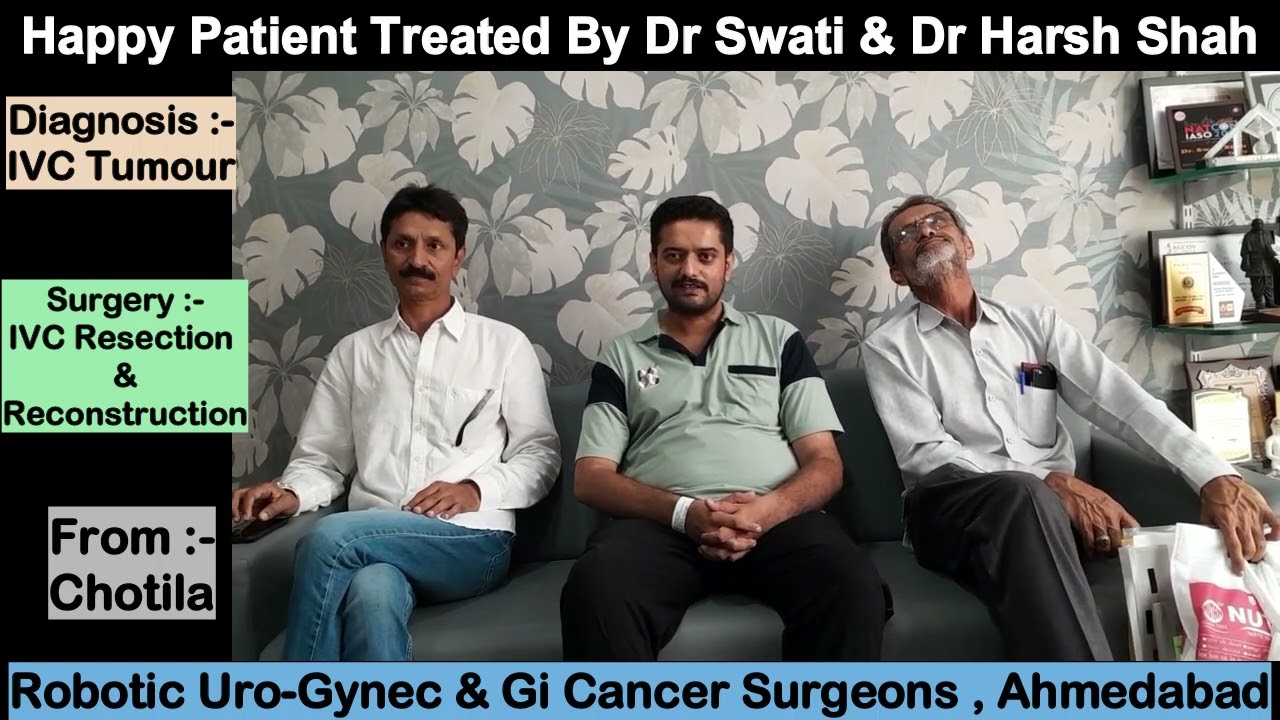
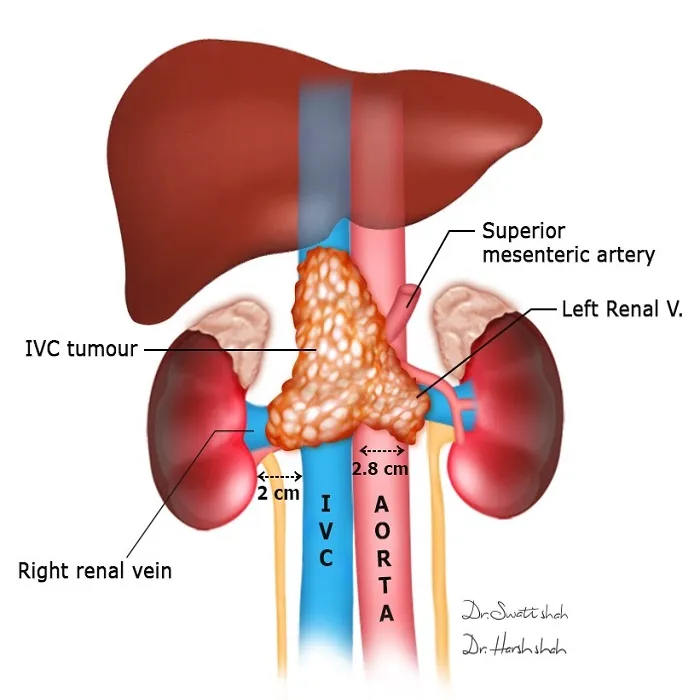
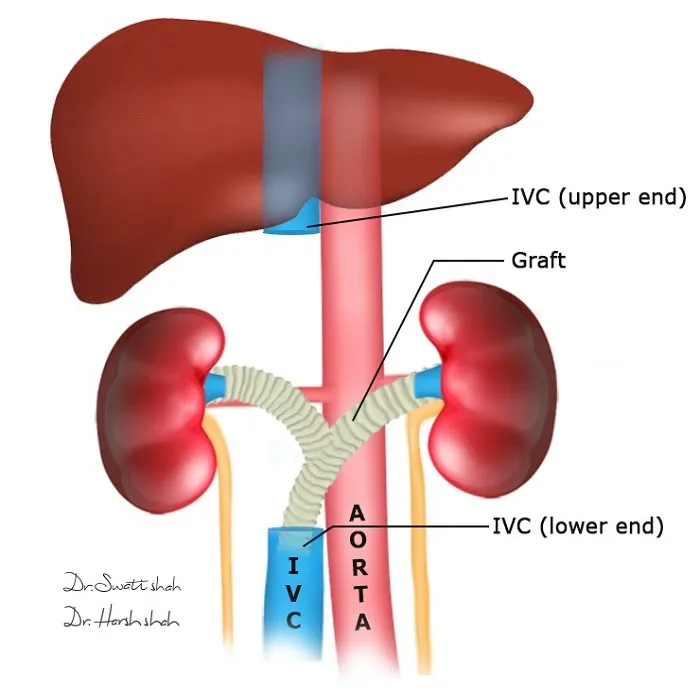
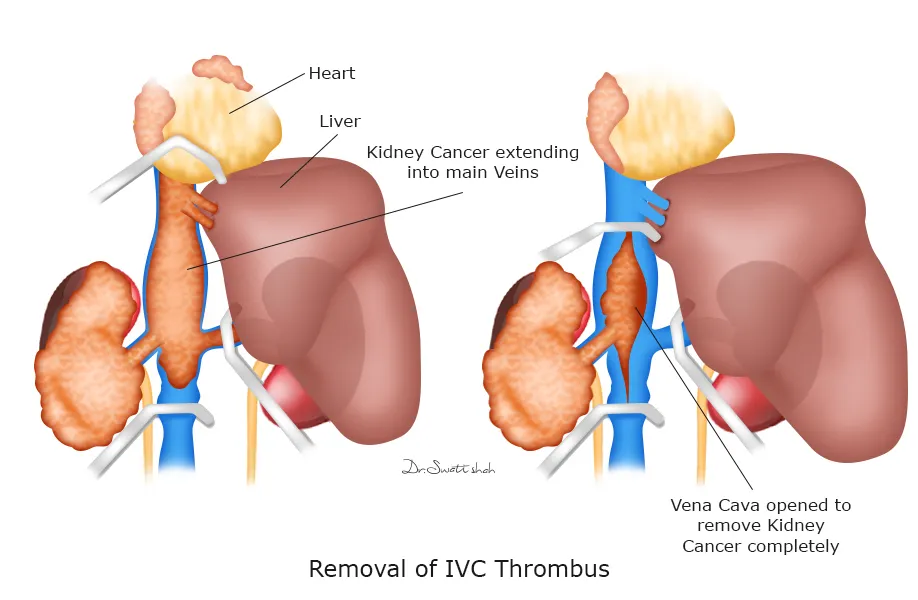
The patient is a 31-year-old male presenting with a high-grade de-differentiated liposarcoma localized in the upper abdominal retroperitoneum. This aggressive mass heavily compressed and narrowing the infrahepatic inferior vena cava (IVC) at the confluence of the renal veins. The primary complexity stemmed from the tumor abutting the pancreas and duodenum, alongside a history of Hodgkin’s lymphoma post-chemoradiotherapy.
⦿ Exploratory Laparotomy and Multivascular Reconstruction
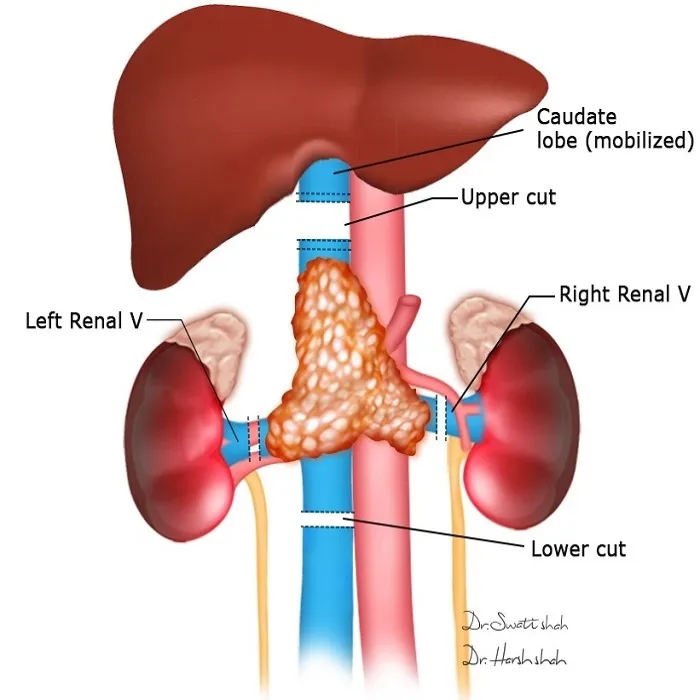
Dr. Swati Shah performed an exploratory laparotomy with perirenal IVC resection alongside comprehensive tumor excision. This intricate procedure demanded complex vascular reconstruction using 8 mm Dacron grafts to establish end-to-side anastomoses for both renal veins. The highly precise intervention successfully restored critical venous blood flow while achieving complete oncological clearance.
• Procedure: Executed a radical perirenal IVC resection and subsequent multi-vessel reconstruction using synthetic Dacron grafts.
• Anatomical Challenge: Managed dense retroperitoneal adhesions and mobilized a $6\times5$ cm hard mass involving the renal hilum.
• Safety Protocol: Monitored collateral circulation meticulously before clamping, keeping renal warm ischemia times under 40 minutes.
• Cancer Clearance: Achieved an R0 resection with both proximal and distal vascular margins confirmed free of tumor.
⦿ Complete Oncological Clearance and Stable Recovery
Postoperatively, the patient was closely monitored and treated with targeted antibiotics and analgesics. Final histopathology confirmed a FNCLCC Grade 3 de-differentiated liposarcoma with tumor-free surgical margins. The patient made a smooth, uneventful recovery and was discharged in an ambulatory, hemodynamically stable condition.
Treating retroperitoneal sarcomas that involve major abdominal vessels requires a coordinated oncological and vascular approach. By executing precise tumor margins and complex synthetic graft reconstructions, we successfully removed this aggressive high-grade cancer while fully preserving the patient's renal function and long-term vascular health.
| Option | Method | Primary Benefit |
|---|---|---|
| Surgery | Surgical removal | Best chance for cure |
| Radiation | Focused beams | Shrinks tumor size |
| Chemotherapy | Systemic drugs | Controls tumor growth |
| Cost Component | Typical Range (INR) |
|---|---|
| Surgery Fees | ₹1,00,000 - ₹2,50,000 |
| Hospitalization | ₹1,00,000 - ₹2,50,000 |
| Diagnostics/Other | ₹50,000 - ₹1,00,000 |
If you have any kind Uro Cancer related medical emergency, visit Apollo Hospital. An expert doctor is always available & treatment will be provided at once.
Swasth Parivar: twice a month, practical advice on recovery, diet and warning signs. No advertising. Stop any time.
Your number is used for these updates and for the clinic to reach you. It is never sold or passed on. To stop, reply STOP on WhatsApp.