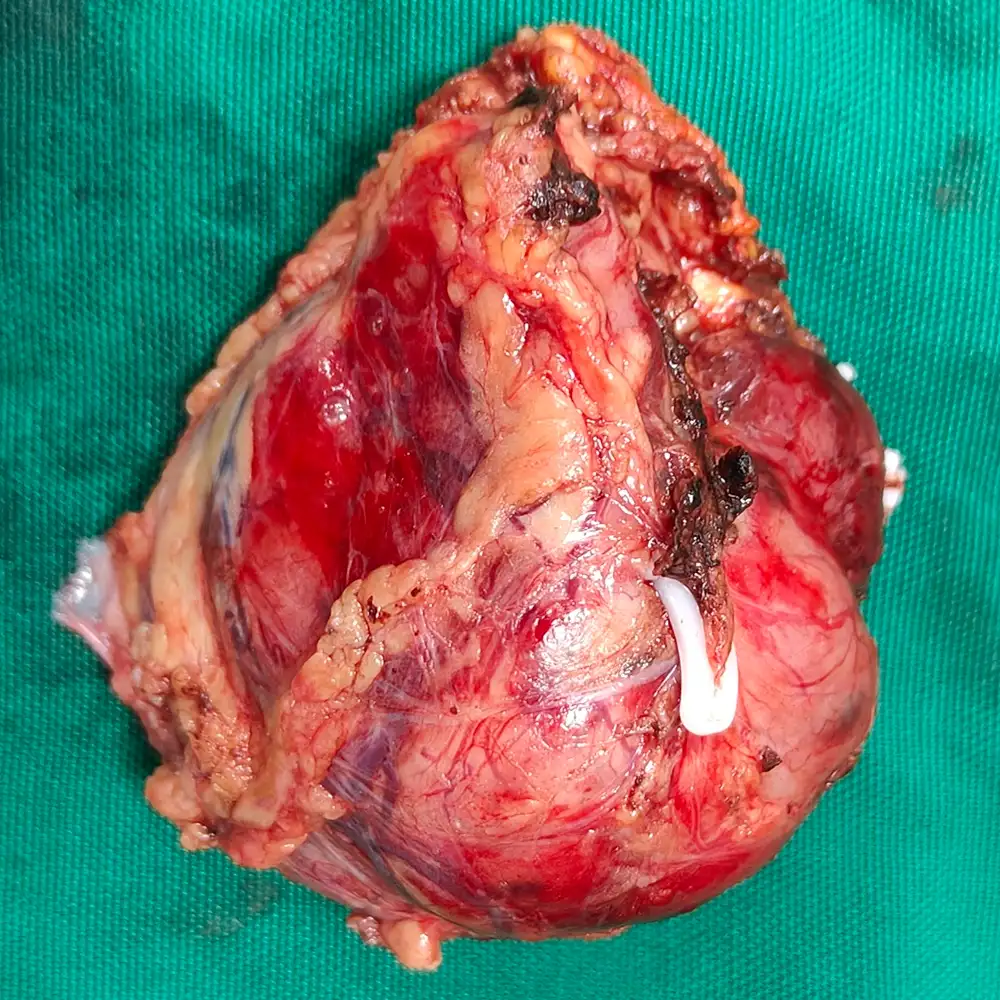
A 38-year-old female presented with a three-month history of irregular menses and elevated tumor markers, including CA 125 and CA 19-9. Advanced imaging revealed extensive, deep pelvic endometriosis causing severe tissue adherence across both ovaries, the fallopian tubes, and the uterine wall. Compounding this complexity was a highly vascular, 5 cm left suprarenal retroperitoneal mass closely abutting the upper pole of the left kidney and major renal vessels.
⦿ Multi-Compartment Laparoscopic Oncological Resection
• Procedure: Laparoscopic retroperitoneal tumor excision, left adrenalectomy, total abdominal hysterectomy, and selective adnexal resection.
• Complex Anatomy: Meticulous dissection of the renal hilum preserved critical left renal blood vessels.
• Safety & Blood Loss: Optimal surgical technique ensured an exceptionally low blood loss of only 50 ml.
• Completeness: Intraoperative frozen section biopsy confirmed negative findings for invasive malignancy during the procedure.
⦿ Complete Disease Resection and Rapid Recovery
Postoperatively, the patient experienced an uneventful recovery, remaining hemodynamically stable and fully ambulatory. Final histopathology confirmed benign endometriosis of the right adnexa, left hydrosalpinx, adenomyosis, and a benign solitary fibrous tumor-type lesion in the adrenal mass. The patient was successfully discharged home on a soft diet with excellent pain control and fully restored functional independence.
Navigating a dual-compartment challenge requires balancing aggressive oncological clearance with the preservation of critical organs. By utilizing minimally invasive techniques, we safely isolated the hypervascular retroperitoneal tumor from the renal vessels while simultaneously managing the extensive pelvic endometriosis to deliver an optimal outcome.
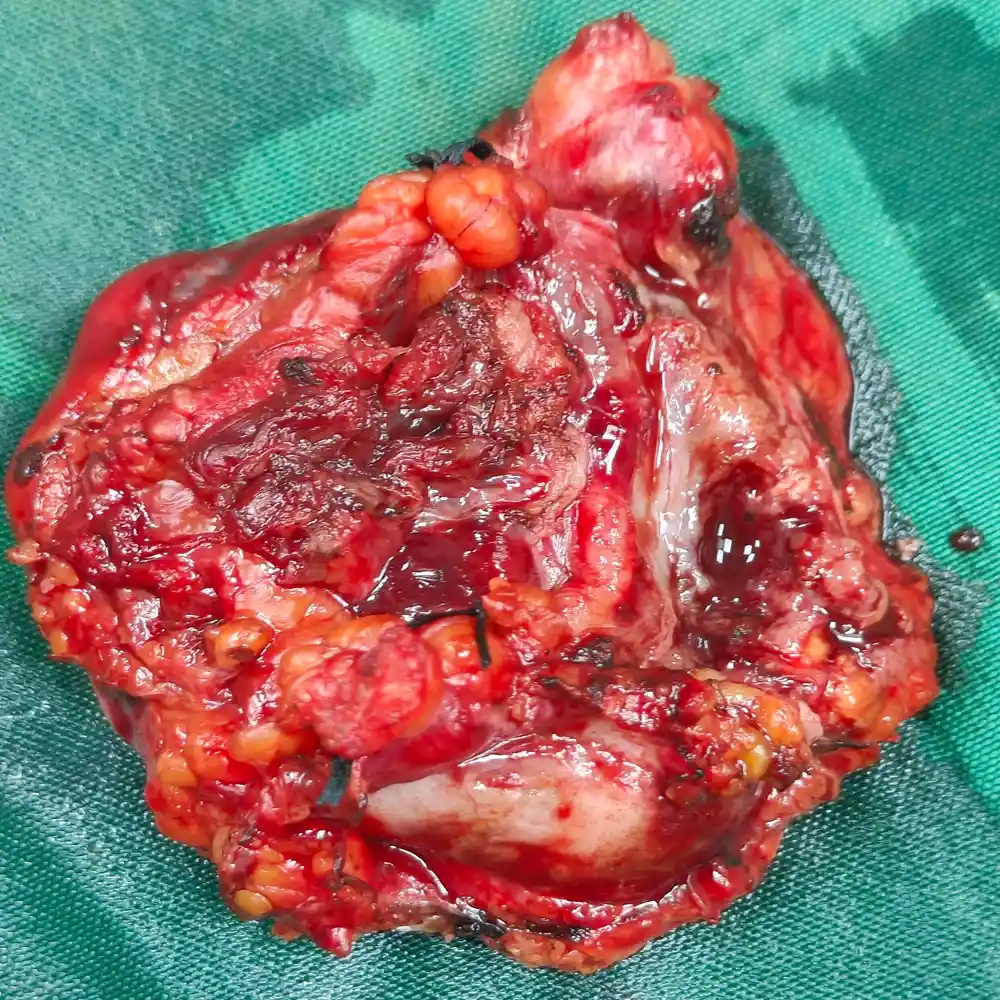
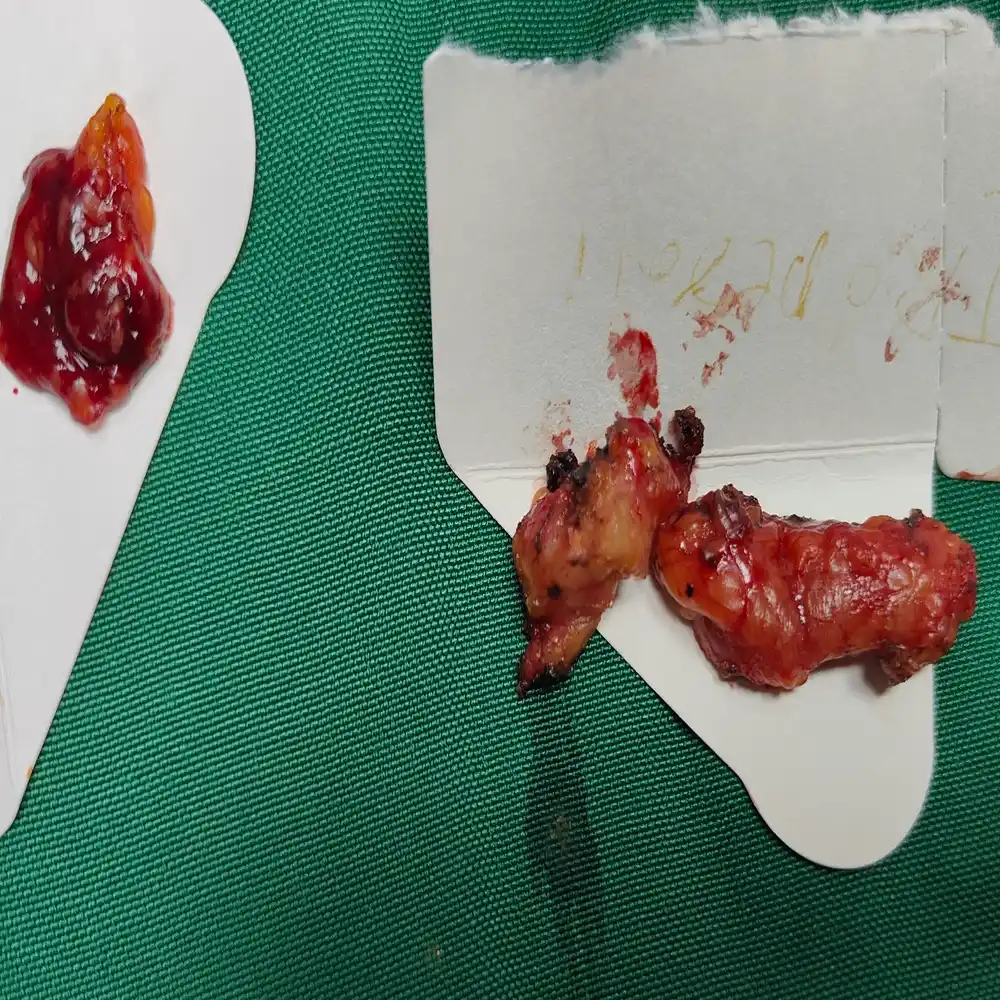
A 79-year-old female presented with an incidental finding of a large left-sided retroperitoneal mass. The complex tumor intimately involved the left ureter and sigmoid mesentery, causing significant upstream dilation and threatening vital abdominal structures. Prompt and aggressive intervention was required to prevent further organ compromise.
⦿ Advanced Retroperitoneal Mass Excision and Reconstruction
• Procedure: The surgical team meticulously executed a complex mass excision with intricate ureteric reconstruction.
• Anatomical Complexity: Complete retroperitoneal lymph node dissection was performed despite severe vascular and organ entanglement.
• Patient Safety: The rigorous operation concluded safely with a controlled minimal blood loss of exactly 300ml.
• Cancer Clearance: The complex tumor and compromised mesentery were successfully removed with adequate margins.
⦿ Uneventful Recovery and Restored Function
The patient experienced a completely uneventful postoperative recovery and maintained stable hemodynamics throughout her hospital stay. Detailed pathological assessment confirmed the successful removal of the massive retroperitoneal tumor along with the affected para-aortic lymph nodes. She regained full functional independence quickly and was safely discharged on a normal diet.
This highly complex retroperitoneal presentation required precise, multi-organ reconstruction to ensure comprehensive cancer clearance. By utilizing an advanced, meticulous surgical approach, we successfully preserved critical functions and provided the absolute best chance for long-term survival.
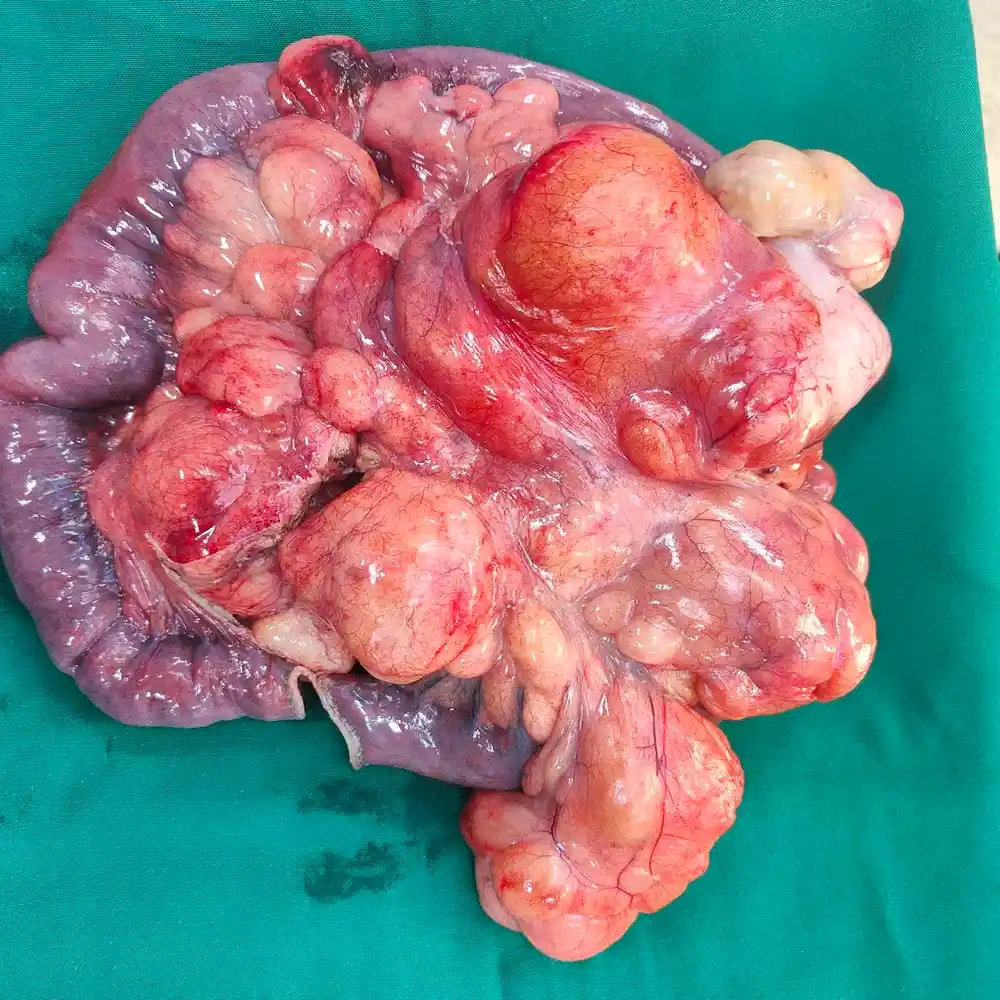
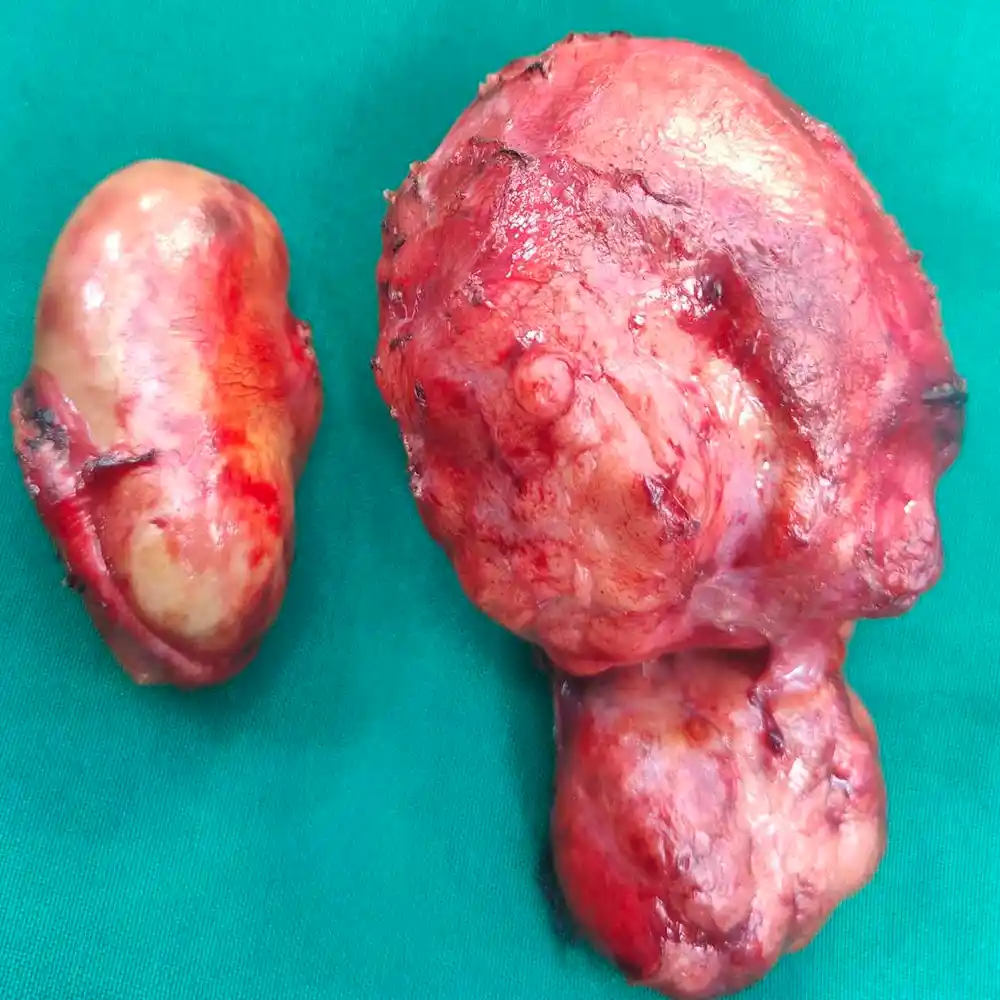
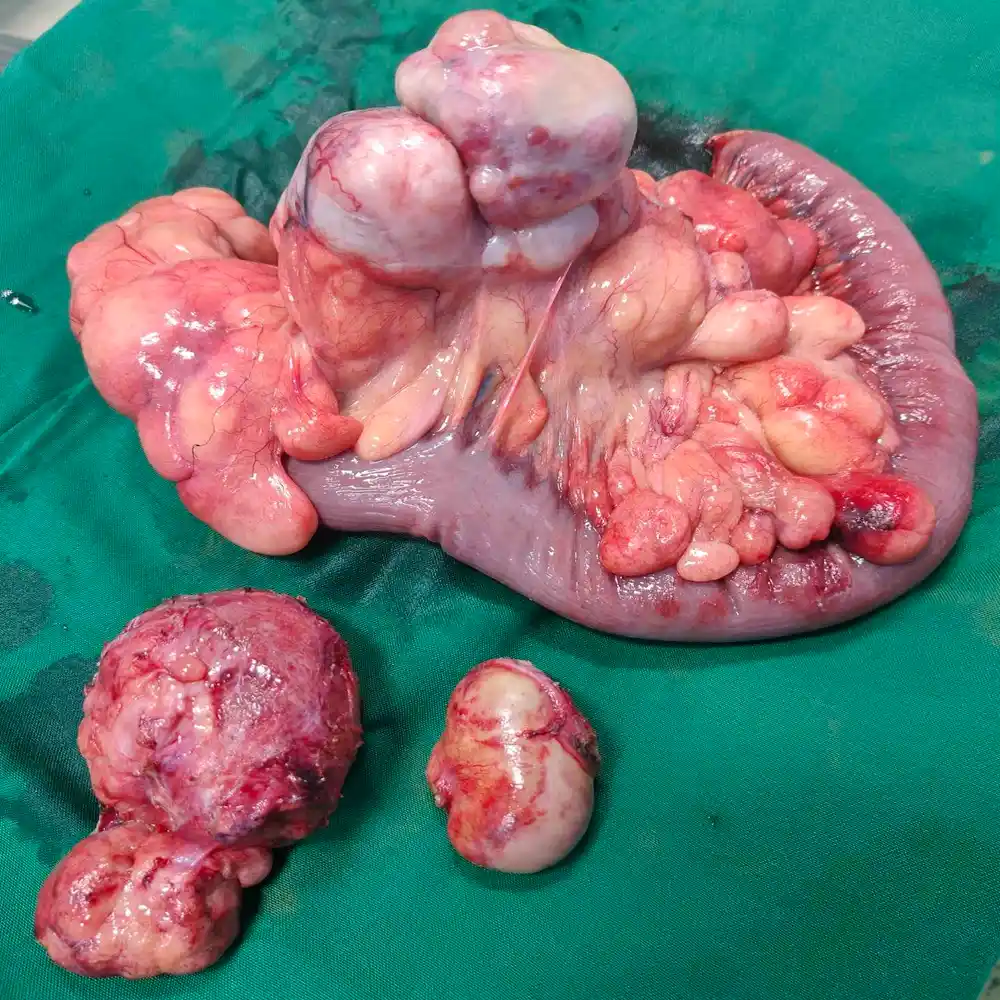
A 49-year-old male presented with significant abdominal pain caused by multiple large, dedifferentiated liposarcoma masses throughout his abdomen and pelvis. The tumors aggressively engulfed the intestinal vasculature, presenting a highly complex anatomical challenge that required careful, intricate dissection to safely remove the widespread neoplastic tissue.
⦿ Extensive Retroperitoneal Mass Resection
• Procedure Overview: The complex retroperitoneal mass resection successfully removed all large multicentric abdominal tumors.
• Complex Anatomy Navigated: Critical proximal jejunal vessels were carefully preserved while clearing a massive twelve-centimeter tumor.
• Patient Safety: The rigorous operation resulted in a highly controlled minimal blood loss of two hundred milliliters.
• Cancer Clearance: Final pathology confirmed completely negative surgical margins and no regional lymph node cancer spread.
⦿ Disease-Free Margins and Excellent Recovery
The patient experienced an exceptionally smooth postoperative recovery, tolerating an oral diet quickly and achieving stable hemodynamics. Comprehensive pathological staging confirmed an aggressive dedifferentiated liposarcoma, but fortunately revealed completely negative margins and tumor-free lymph nodes. He was safely discharged with restored bowel function and an excellent long-term oncological prognosis.
Navigating multiple massive tumors enveloping the bowel vasculature requires extreme meticulousness to balance complete cancer eradication with functional preservation. By executing a precise retroperitoneal clearance and seamless bowel reconstruction, we ensured this patient left with true surgical disease control.
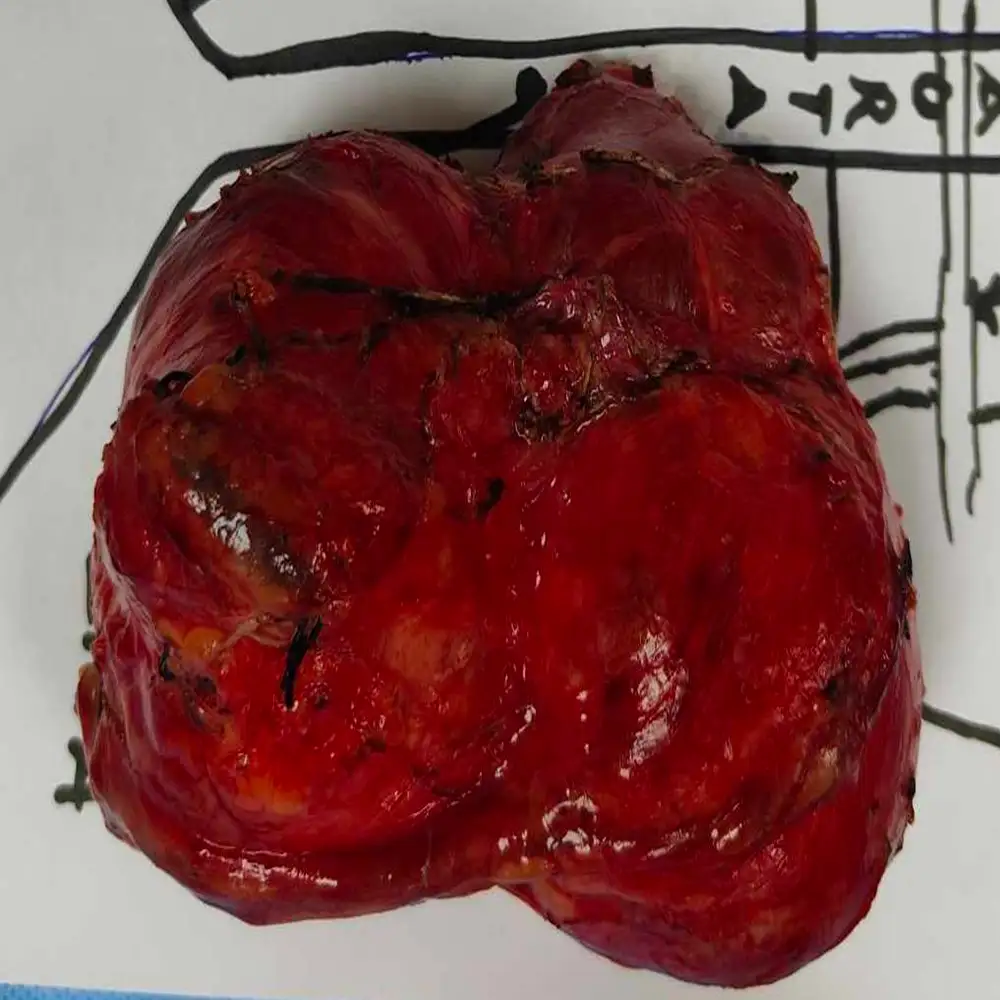
A 45-year-old male presented with a history of a left testicular mature teratoma and a persistent left flank ache. Diagnostic imaging revealed an extensive, multiloculated retroperitoneal cystic mass crossing the midline and intimately abutting the infrarenal aorta, left renal vein, and proximal common iliac artery. The primary challenge involved completely resecting this neoplastic lesion while protecting critical neighboring vasculature and adjacent abdominal organs.
⦿ Precision Retroperitoneal Mass Resection and Lymphadenectomy
• Procedure: Dr. Shah executed a complete retroperitoneal mass resection with a comprehensive bilateral retroperitoneal lymph node dissection.
• Anatomical Challenge: The 14x10 cm mass was intricately dissected off the aorta, inferior mesenteric artery, and left psoas fascia.
• Safety & Blood Loss: Precision surgical planes were maintained throughout, resulting in a minimal blood loss of only 100 ml.
• Cancer Clearance: The extensive retroperitoneal mass was successfully removed in its entirety along with adjacent remnant cord structures.
⦿ Complete Oncological Clearance and Rapid Recovery
The patient experienced a smooth and entirely uneventful postoperative recovery in the hospital ward. Final histopathology confirmed a completely resected mature cystic teratoma with zero evidence of immature components or other germ cell malignancies. Fourteen reactive lymph nodes were evaluated and found completely free of tumor spread. The patient was safely discharged in a stable, fully ambulatory condition with well-controlled pain levels.
Managing post-chemotherapy or residual retroperitoneal teratomas requires absolute anatomical precision due to their tendency to adhere tightly to major blood vessels. By employing meticulous sharp dissection, we achieved a complete R0 resection and a extensive lymphadenectomy while safeguarding the patient's major vasculature. This aggressive yet precise surgical approach ensures the lowest possible risk of recurrence and provides an excellent long-term oncological prognosis.
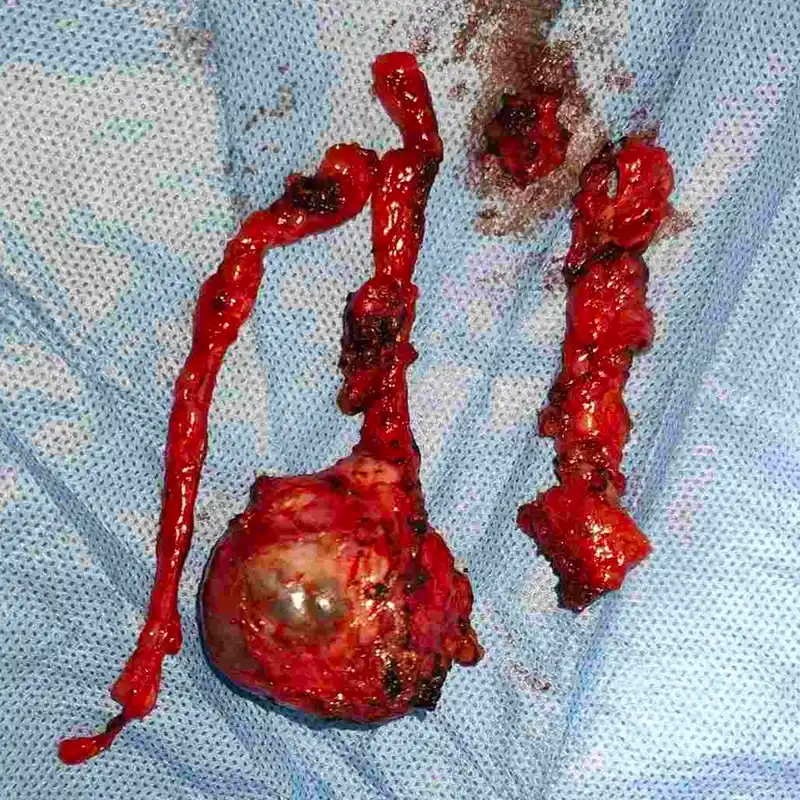
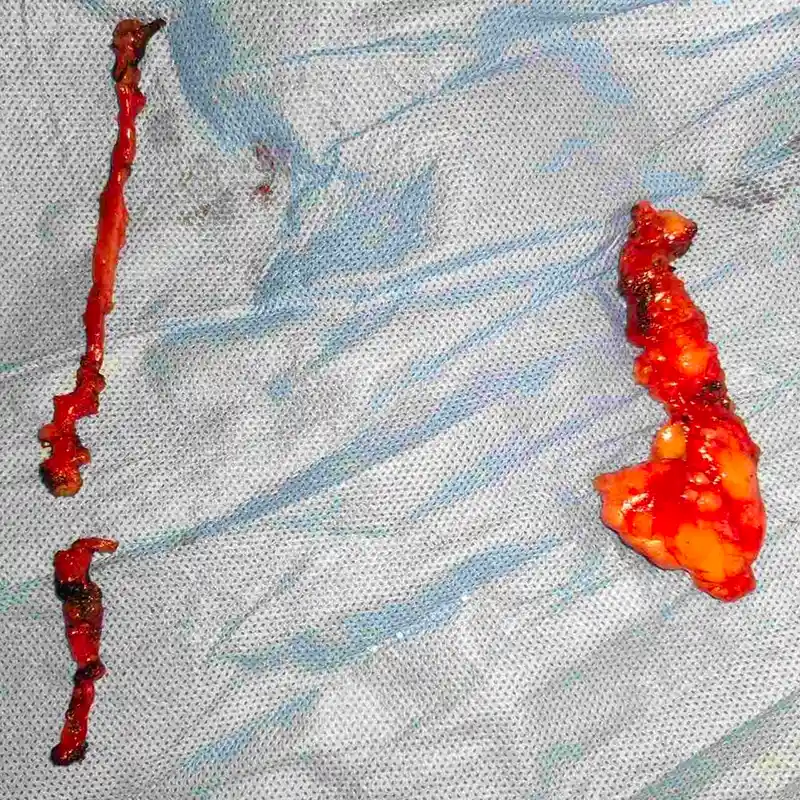
A twenty-seven-year-old male presented with a residual retroperitoneal mass following recurrent right testicular non-seminomatous germ cell tumor. The patient had already endured extensive medical treatments, including four cycles of EP and three cycles of TIP chemotherapy. The persistent retroperitoneal mass was complexly adherent to the aorta, demanding high surgical expertise.
⦿ Retroperitoneal Mass Resection with RPLND
• Procedure: Dr. Shah executed a full retroperitoneal lymph node dissection and complex aortic mass excision.
• Lymph Node Dissection: The comprehensive node clearance successfully yielded fourteen retroperitoneal lymph nodes and four iliac nodes.
• Safety & Blood Loss: The procedure was safely completed with a total estimated blood loss of 200 milliliters.
• Cancer Clearance: The final pathology confirmed successful removal of the metastatic mature teratoma without immature elements.
⦿ Successful Recovery and Pathological Clearance
The patient experienced an excellent immediate recovery, remaining hemodynamically stable before being discharged after five days. Final histopathology revealed one retroperitoneal lymph node containing metastatic mature teratoma, while all other tissues and iliac nodes were entirely free of tumor. He successfully resumed normal physical activities and a regular diet.
By meticulously resecting the chemo-resistant retroperitoneal mass directly from the aorta, we successfully halted further disease progression. Our comprehensive lymph node clearance provided this young patient with the absolute best chance for long-term survival and an excellent recovery.
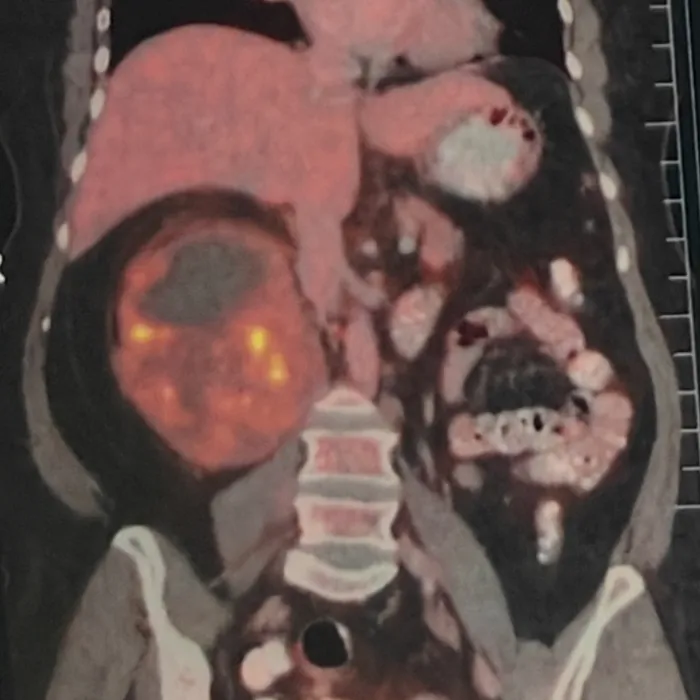
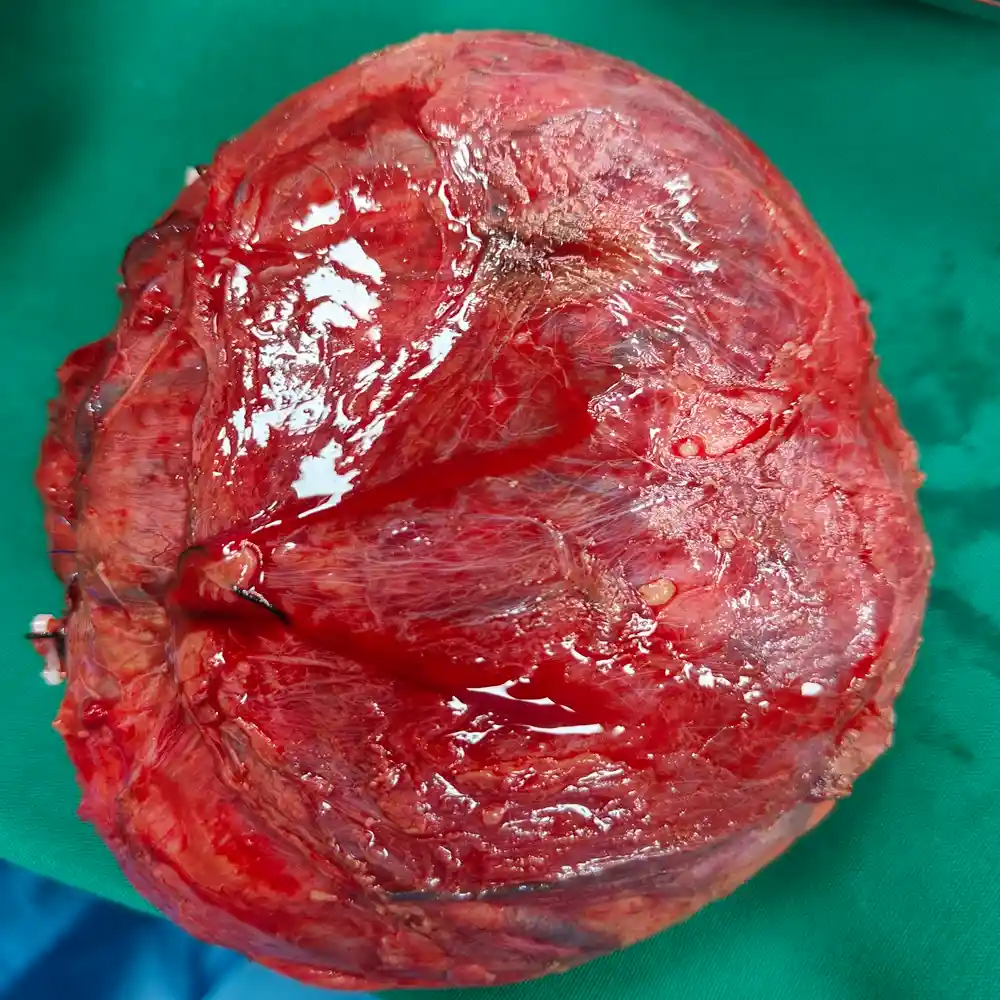
A 54-year-old female presented with severe abdominal pain and diarrhea caused by a massive retroperitoneal smooth muscle sarcoma. The 14-centimeter tumor posed a severe anatomical challenge, exhibiting internal necrosis while abutting the inferior vena cava and causing mass effect on the right kidney and duodenum.
⦿ Retroperitoneal Mass Resection with RPLND
• Procedure: An exploratory laparotomy facilitated the complete resection of the massive retroperitoneal tumor.
• Complex Anatomy: The intricate dissection effectively navigated around the inferior vena cava and right renal vessels.
• Hemorrhage Control: Careful ligation of the gonadal and lumbar feeding vessels ensured optimal patient safety.
• Cancer Clearance: The encapsulated specimen was delivered en bloc with absolutely no evident abdominal disease remaining.
⦿ Stable Post-Operative Recovery
The patient demonstrated an outstanding immediate recovery, being successfully extubated before transferring to the intensive care unit. Post-operative clinical evaluations confirmed completely stable hemodynamics, controlled blood sugar levels, and swift return to ambulatory function. Ultimately, she achieved a normal, safe discharge with a clean surgical wound and effectively controlled pain.
Navigating massive retroperitoneal sarcomas requires extreme surgical precision due to their proximity to critical vascular structures. By meticulously separating the tumor from the vena cava, we achieved complete clearance, providing this patient an exceptional chance for long-term survival.
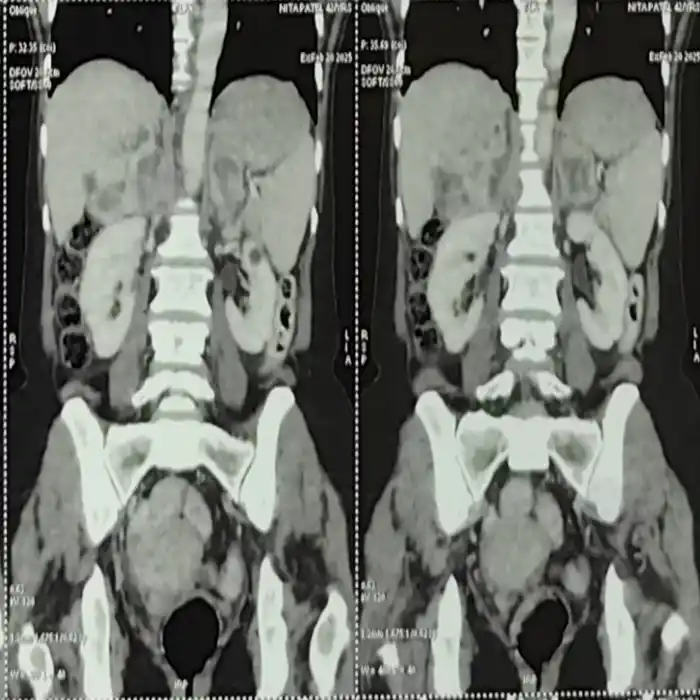
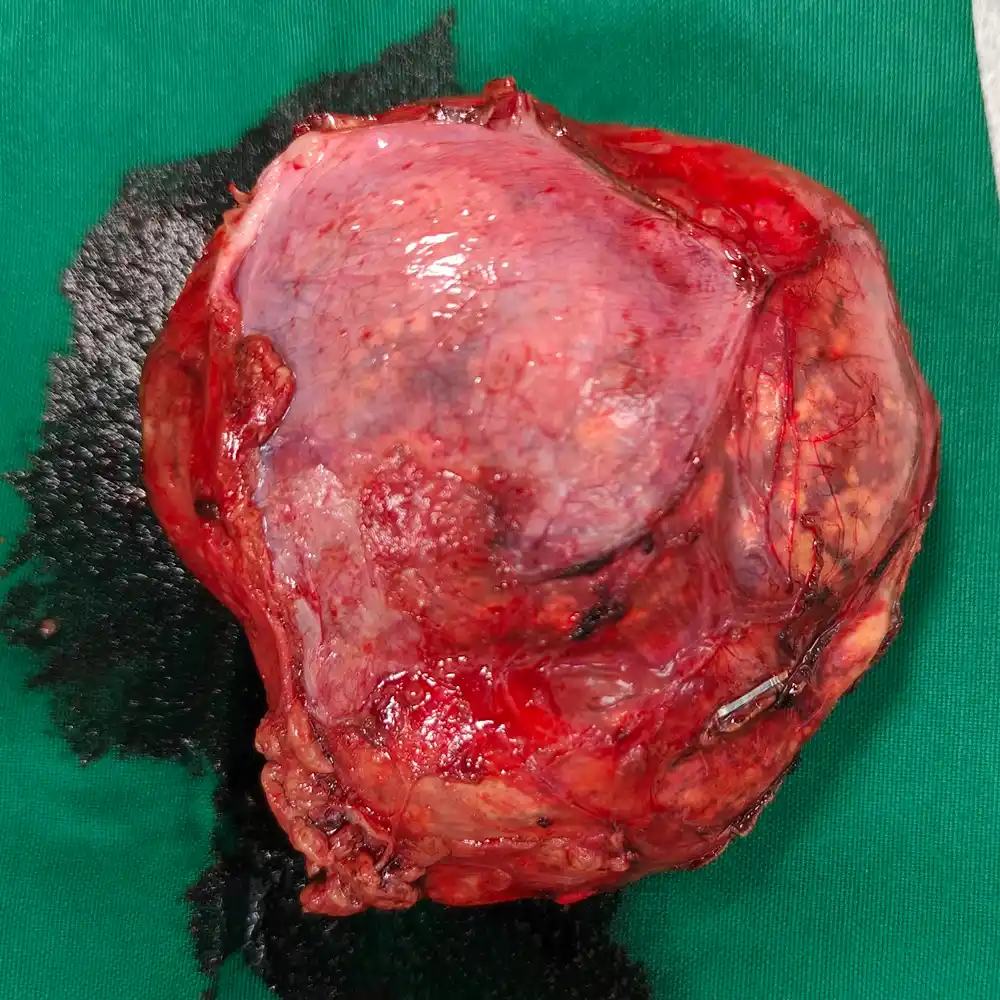
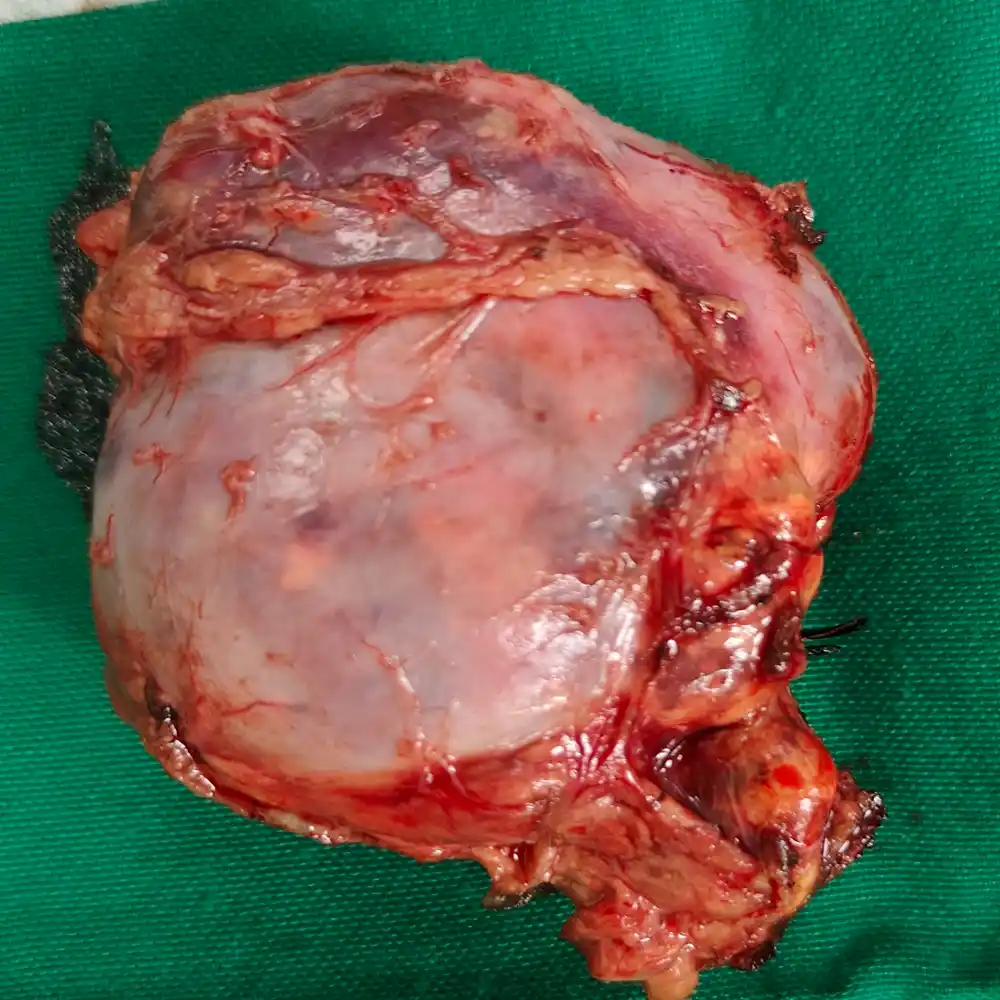
A 43-year-old female presented with debilitating sweating, giddiness, and vomiting caused by large, functioning bilateral adrenal masses. Diagnosed with bilateral pheochromocytomas, her case was exceptionally complex due to severe secondary hypertension and significant left ventricular dysfunction with a markedly reduced ejection fraction.
⦿ Precision Bilateral Adrenalectomy
• Procedure: Dr. Swati Shah successfully executed a bilateral adrenalectomy, completely resecting both tumors.
• Anatomical Complexity: Careful ligation of extensive collateral arteries ensured the safe mobilization of large masses.
• Patient Safety: Meticulous technique minimized operative morbidity, resulting in an exceptionally low blood loss of 100ml.
• Cancer Clearance: Final histopathology confirmed complete extirpation of the bilateral pheochromocytomas, establishing excellent disease control.
⦿ Stable Recovery And Complete Excision
Following the intensive procedure, the patient was successfully stabilized in the ICU and experienced an uneventful postoperative recovery. Final histopathology confirmed the complete removal of both complex adrenal pheochromocytomas alongside a benign left tubo-ovarian simple cyst. She was discharged with stable hemodynamics and well-controlled blood pressure, marking a successful outcome.
Operating on bilateral functioning pheochromocytomas in a patient with severe cardiac dysfunction requires extraordinary precision. By safely executing this bilateral adrenalectomy, we successfully eliminated the hormonal source, giving her the best chance at long-term survival.
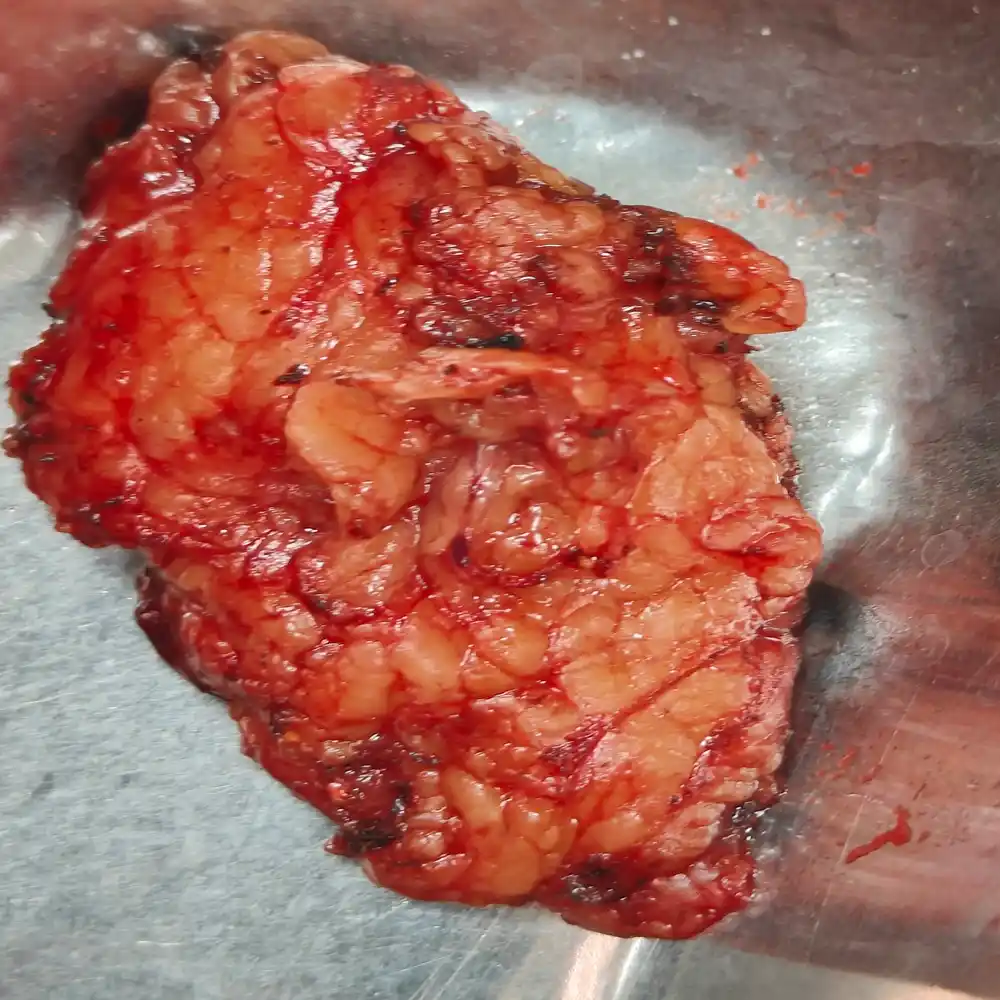
A forty-three-year-old male presented with a right adrenal aldosterone-secreting adenoma, an active tumor requiring prompt surgical intervention. This specific type of hyperactive glandular nodule demands meticulous management to rapidly normalize hormonal output and safely prevent any long-term metabolic or severe cardiovascular complications.
⦿ Robotic Right Adrenalectomy
• Procedure: A robotic right adrenalectomy was successfully performed with exceptional minimally invasive surgical precision.
• Vascular Control: The right adrenal vein was rapidly identified, securely ligated, and carefully transected.
• Safety Profile: Exceptional hemostasis was successfully confirmed throughout the entire procedure, ensuring virtually zero blood loss.
• Tumor Clearance: The entire gland containing the aldosterone-producing nodule was seamlessly extracted without any rupture.
⦿ Complete Excision and Rapid
Recovery The patient experienced an exceptionally smooth postoperative recovery, remaining perfectly hemodynamically stable and completely ambulatory shortly after the surgery. Final histopathology confirmed a benign aldosterone-producing adrenal adenoma with absolutely no concerning malignant features. He was safely discharged in excellent condition, ready to seamlessly resume his normal diet and healthy lifestyle.
By utilizing an advanced robotic approach for this functional adrenal tumor, we achieved flawless vascular control and perfectly precise tumor extraction. This minimally invasive technique dramatically accelerated our patient's recovery time while definitively resolving the underlying hormonal imbalance.
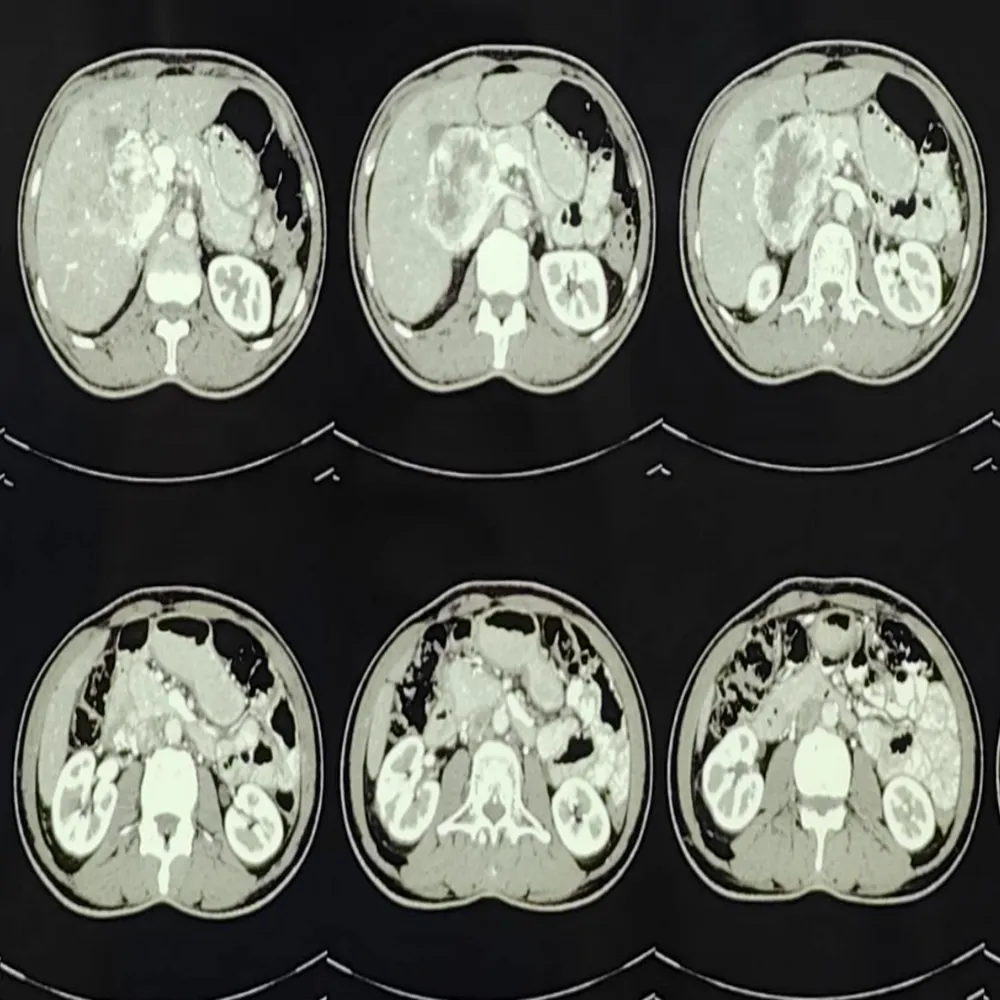
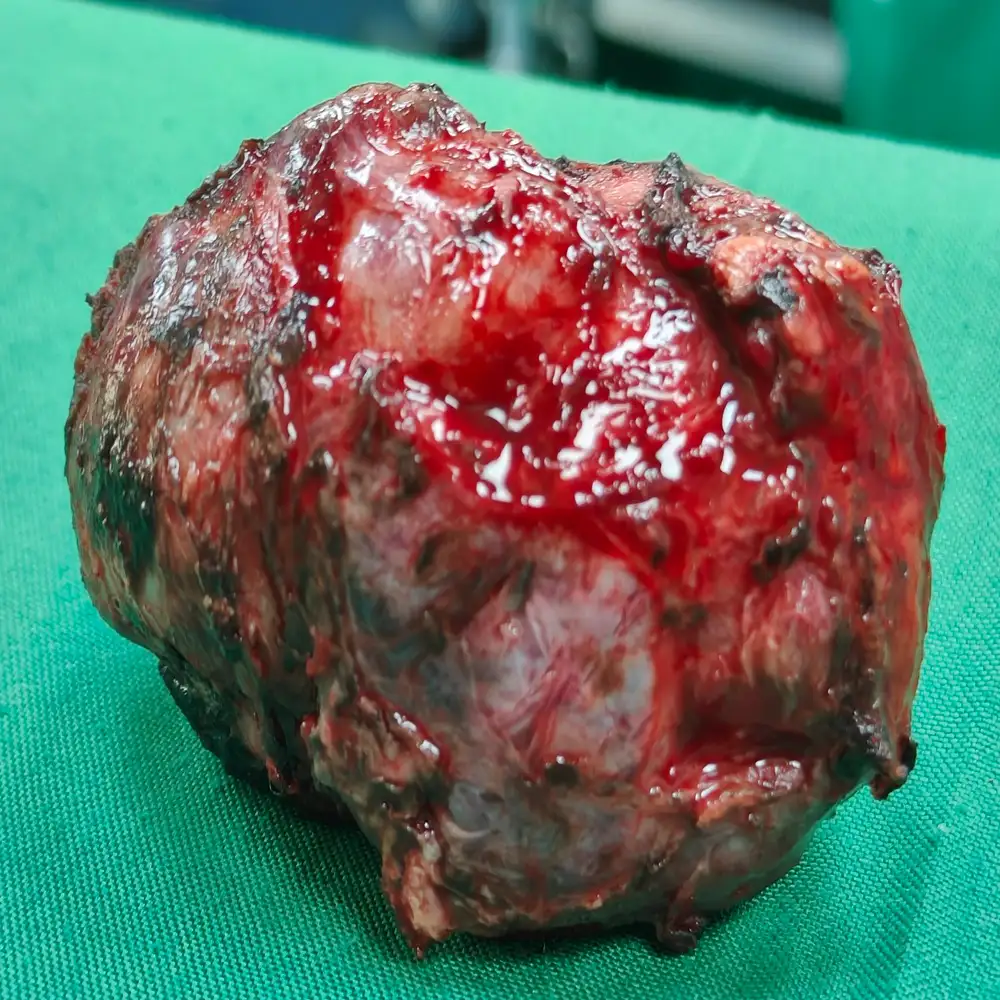
A 54-year-old male presented with significant weight loss, weakness, and highly elevated normetanephrine levels. Imaging revealed a large, highly vascular 7cm right retroperitoneal mass arising from the adrenal gland. The tumor dangerously compressed the inferior vena cava, right renal vein, and the pancreas head.
⦿ Advanced Retroperitoneal Mass Excision and Adrenalectomy
• Procedure: An advanced retroperitoneal mass excision and right adrenalectomy were meticulously and successfully performed.
• Complex Anatomy: The intricate tumor was successfully and safely separated from the vital inferior vena cava.
• Patient Safety: Excellent intraoperative hemodynamic stability was maintained with safely managed blood levels throughout surgery.
• Cancer Clearance: Pathological evaluation confirmed complete tumor excision with entirely free and negative surgical margins.
⦿ Complete Resection and Uneventful Recovery
The patient experienced an exceptionally smooth and uneventful postoperative recovery, becoming fully ambulatory very shortly after surgery. Final histopathology confirmed a completely excised retroperitoneal pheochromocytoma with entirely negative and safe surgical margins. He maintained excellent hemodynamic stability and was safely discharged home with normalized parameters and a highly optimistic prognosis.
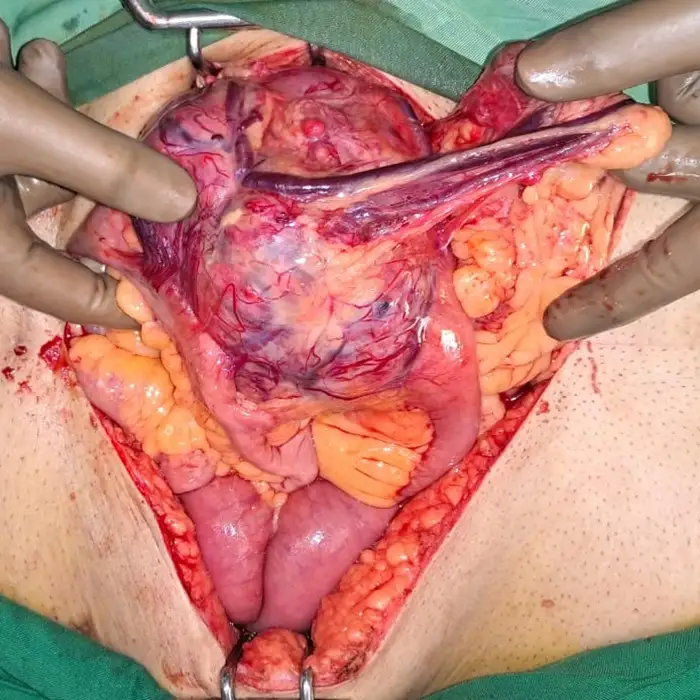
A 42-year-old male presented with persistent vomiting and right abdominal pain extending over two months. Diagnostic imaging revealed a suspicious exophytic renal lesion alongside a massive, highly aggressive metastatic mesenteric mass. This significant clinical complexity necessitated an urgent, multifaceted surgical approach to address the widely disseminated disease.
⦿ Comprehensive Cytoreductive Surgery
• Procedure: A radical multivisceral cytoreductive surgery and precise partial nephrectomy were executed flawlessly.
• Extensive Resection: The colossal mesenteric mass and numerous widely disseminated metastatic deposits were meticulously removed.
• Surgical Safety: Advanced techniques maintained optimal patient stability throughout the exceptionally demanding multiorgan procedure.
• Cancer Clearance: Complete visual tumor clearance (CC0) was achieved, with clear negative renal surgical margins.
⦿ Complete Cytoreduction and Guided Adjuvant Care
The patient maintained excellent hemodynamic stability following this exceptionally demanding multivisceral surgical intervention. Final histopathology confirmed a WHO Grade II clear cell renal cell carcinoma with completely clear parenchymal margins. Multiple resected deposits exhibited sarcomatoid differentiation, dictating a need for essential adjuvant therapies. He was successfully stabilized and transitioned for comprehensive oncological care.
Tackling this extensive metastatic disease required absolute surgical precision to achieve complete macroscopic cytoreduction. By aggressively removing the primary tumor and surrounding mesenteric burden, we have successfully optimized this patient's pathway for vital adjuvant therapies and long-term survival.
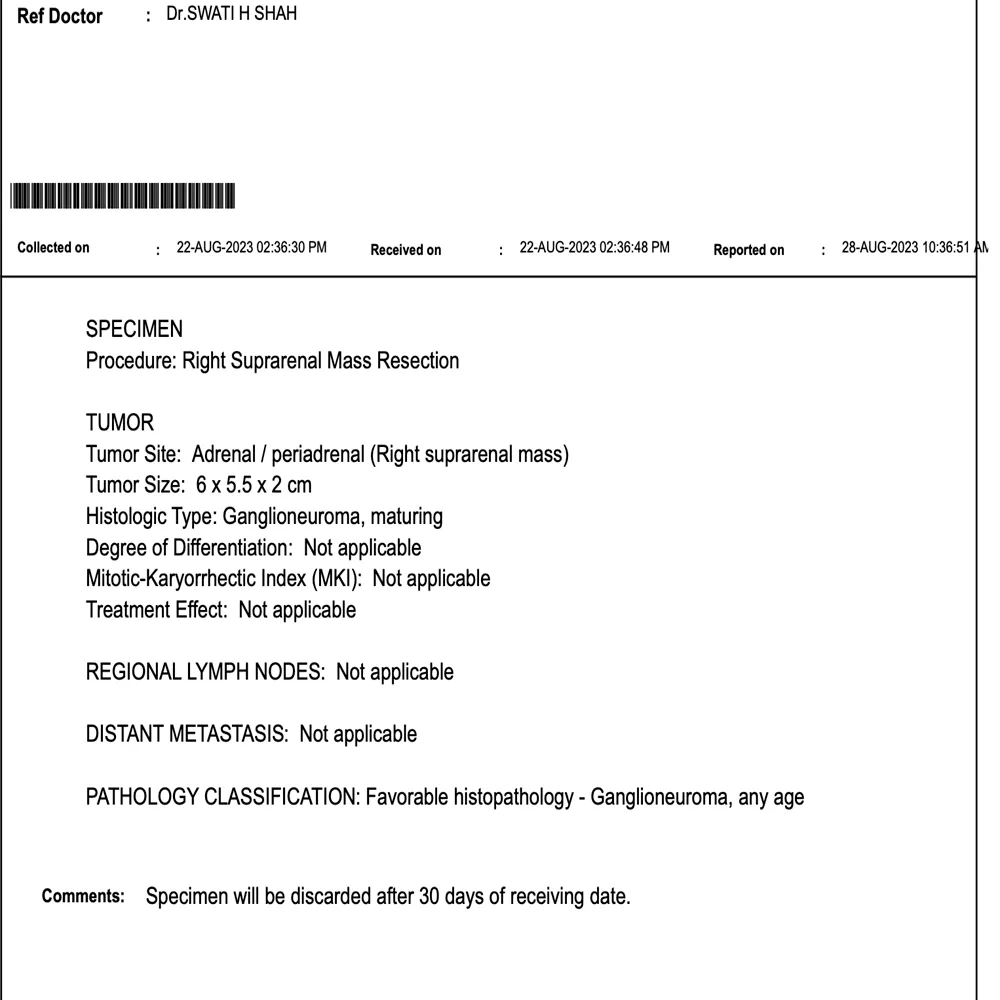
A ten-year-old female presented with abdominal pain and vomiting, leading to the diagnosis of a large right suprarenal mass. Imaging revealed a complex lesion tightly insinuating between the inferior vena cava, aorta, and lumbar vertebrae, requiring highly precise surgical intervention. PDF+ 4
⦿ Exploratory Laparotomy With Mass Resection
• Advanced Resection: An exploratory laparotomy successfully removed the large right suprarenal mass.
• Vascular Preservation: The mass was meticulously dissected free from the celiac axis and surrounding arteries.
• Organ Sparing: Complete hemostasis was achieved while successfully preserving the normal adrenal gland and kidney.
• Favorable Pathology: Histopathology confirmed a completely resected, maturing ganglioneuroma with highly favorable tissue characteristics.
⦿ Smooth Recovery And Favorable Prognosis
Following the procedure, the patient remained hemodynamically stable and was successfully ambulatory shortly after surgery. Final histopathology confirmed a maturing ganglioneuroma, which is a favorable and benign diagnosis. She achieved excellent functional recovery with well-controlled pain and was safely discharged on a soft diet.
Navigating a large tumor wedged between critical major blood vessels requires extreme surgical precision. By prioritizing meticulous dissection, we successfully cleared the mass while preserving vital organ function, ensuring this young patient has a healthy, normal future.
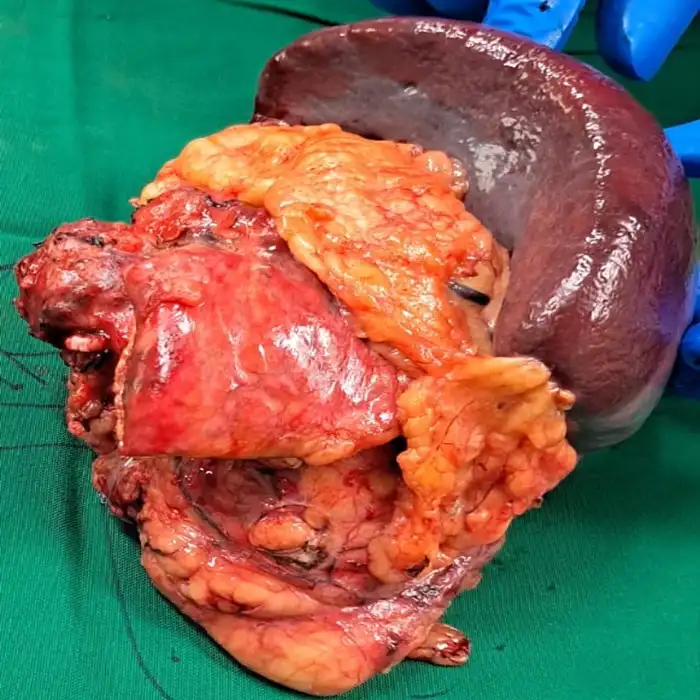
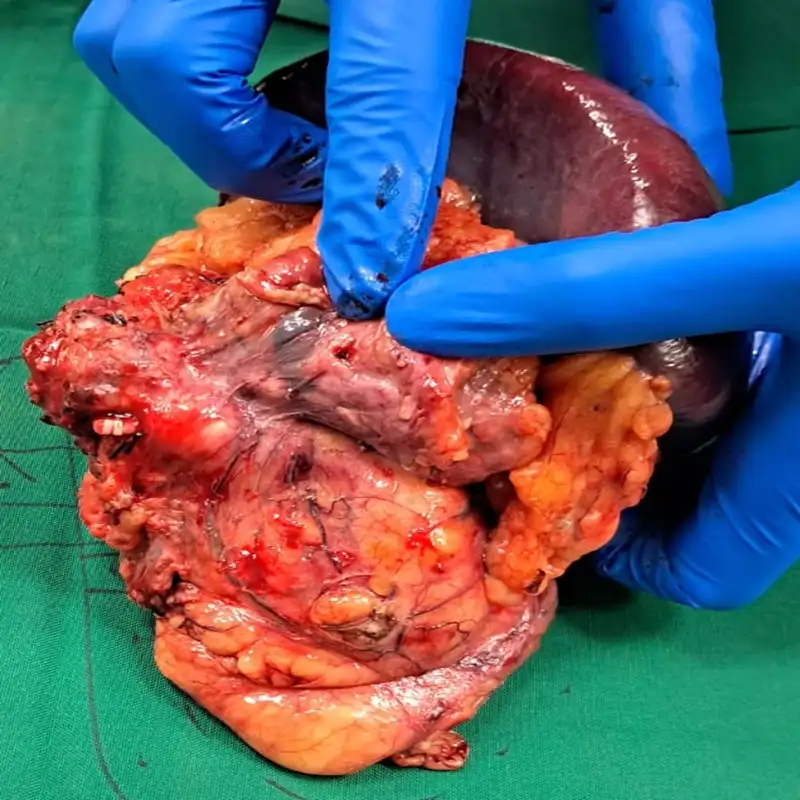
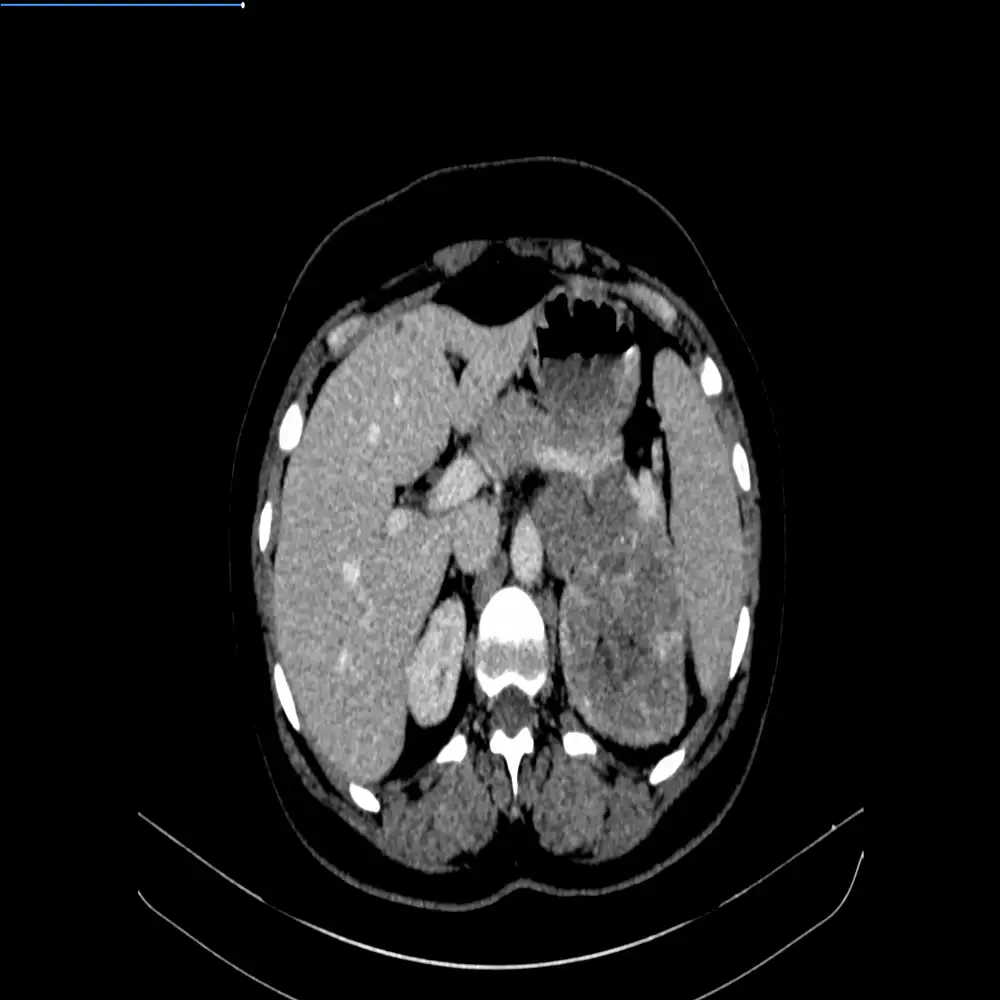
A 37-year-old female presented with left flank pain, hematuria, and weight loss, leading to the diagnosis of a recurrent malignant adrenocortical tumor. This aggressive mass was highly complex, extensively infiltrating the left kidney, pancreatic tail, and splenic vein while completely encasing the renal vessels.
⦿ Exploratory Laparotomy and Multivisceral Resection
• Procedure: An en bloc excision successfully removed the suprarenal mass alongside the affected adjacent organs.
• Lymph Nodes: An extensive regional dissection yielded eleven lymph nodes, all completely negative for tumor metastasis.
• Blood Loss: Meticulously controlled surgical techniques resulted in a minimal blood loss of precisely 200 ml.
• Cancer Clearance: Final histopathology confirmed that all vital surgical margins were completely free of the tumor.
⦿ Complete Surgical Clearance and Stable Recovery
The patient experienced an uneventful postoperative recovery and was ambulatory and hemodynamically stable prior to discharge. Final pathology results demonstrated complete removal of the primary mass with entirely negative surgical margins and zero nodal spread. This successful multivisceral resection ensures the best possible foundation for her continued long-term oncology care.
Managing this recurrent adrenocortical carcinoma required meticulous en bloc resection to safely navigate the extensively encased renal vasculature. By definitively securing clear margins across all involved organs, we have provided this patient with an excellent foundation for long-term survival.
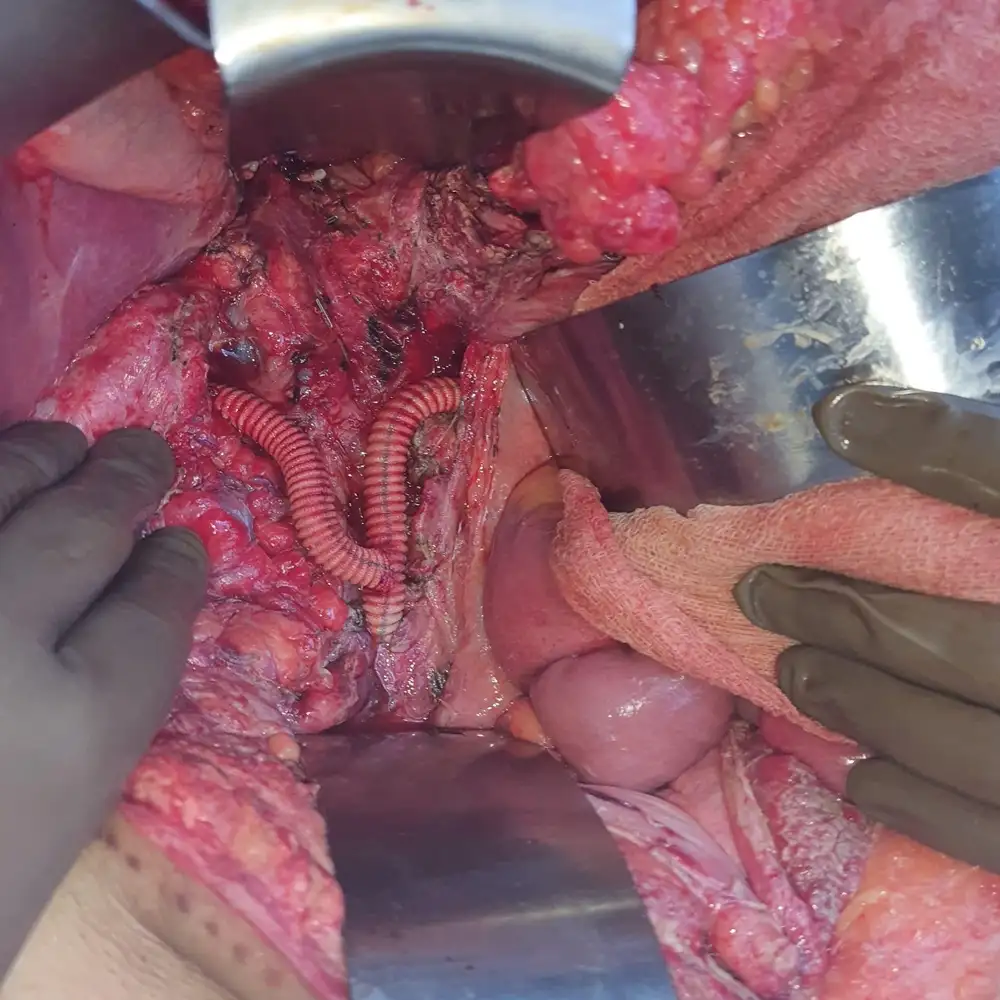
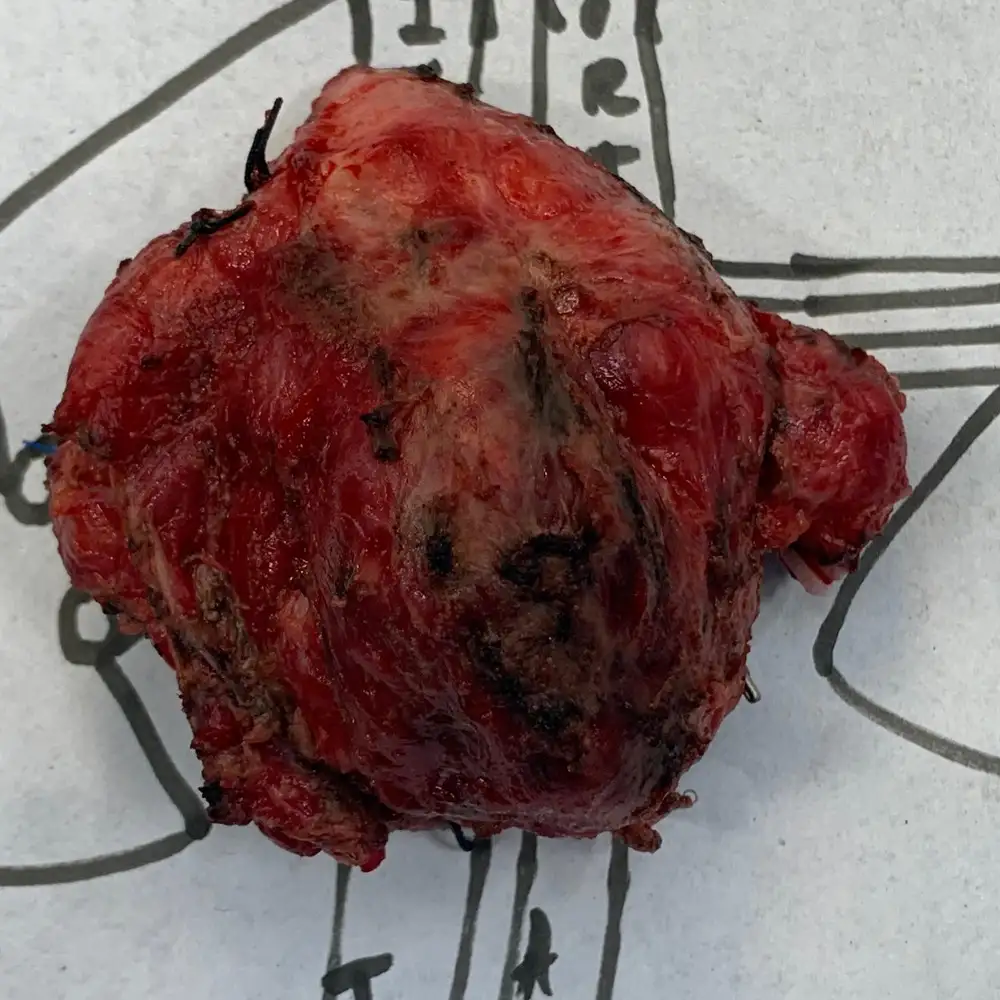
The patient is a 31-year-old male presenting with a high-grade de-differentiated liposarcoma localized in the upper abdominal retroperitoneum. This aggressive mass heavily compressed and narrowing the infrahepatic inferior vena cava (IVC) at the confluence of the renal veins. The primary complexity stemmed from the tumor abutting the pancreas and duodenum, alongside a history of Hodgkin’s lymphoma post-chemoradiotherapy.
⦿ Exploratory Laparotomy and Multivascular Reconstruction
• Procedure: Executed a radical perirenal IVC resection and subsequent multi-vessel reconstruction using synthetic Dacron grafts.
• Anatomical Challenge: Managed dense retroperitoneal adhesions and mobilized a $6\times5$ cm hard mass involving the renal hilum.
• Safety Protocol: Monitored collateral circulation meticulously before clamping, keeping renal warm ischemia times under 40 minutes.
• Cancer Clearance: Achieved an R0 resection with both proximal and distal vascular margins confirmed free of tumor.
⦿ Complete Oncological Clearance and Stable Recovery
Postoperatively, the patient was closely monitored and treated with targeted antibiotics and analgesics. Final histopathology confirmed a FNCLCC Grade 3 de-differentiated liposarcoma with tumor-free surgical margins. The patient made a smooth, uneventful recovery and was discharged in an ambulatory, hemodynamically stable condition.
Treating retroperitoneal sarcomas that involve major abdominal vessels requires a coordinated oncological and vascular approach. By executing precise tumor margins and complex synthetic graft reconstructions, we successfully removed this aggressive high-grade cancer while fully preserving the patient's renal function and long-term vascular health.
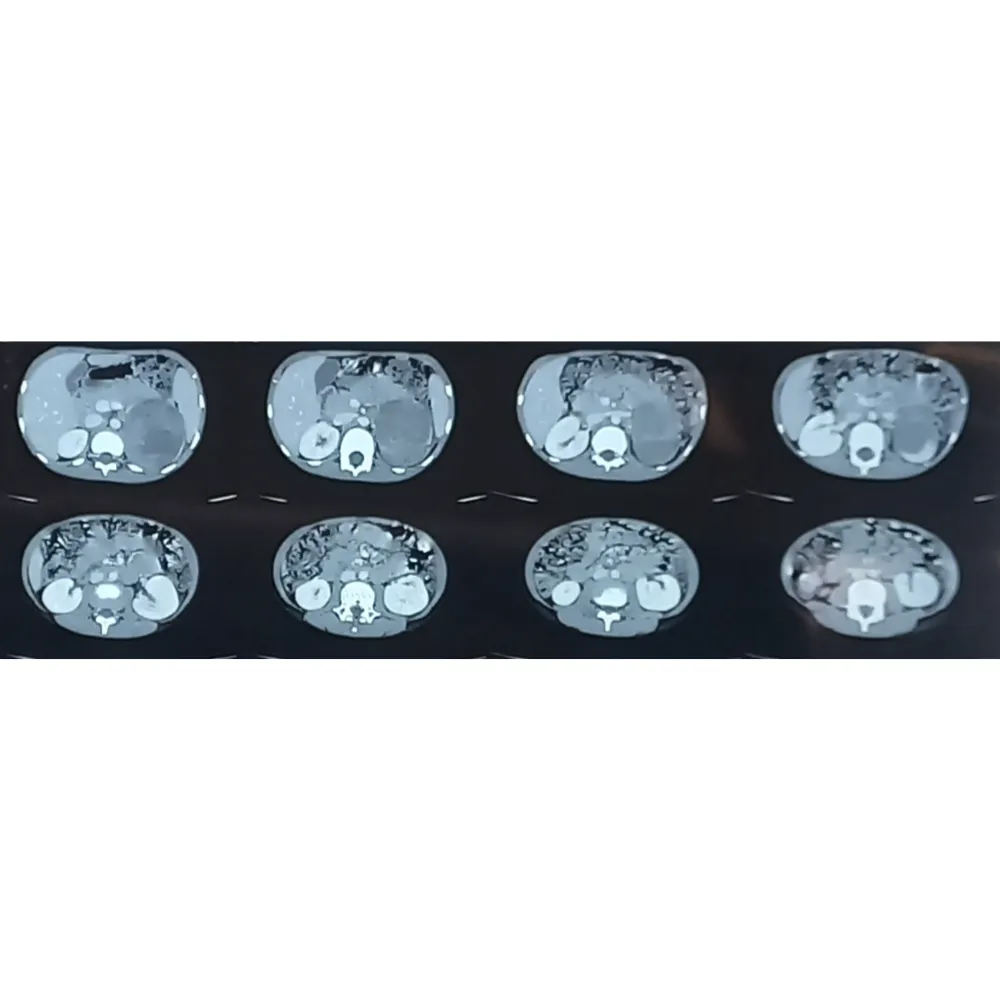
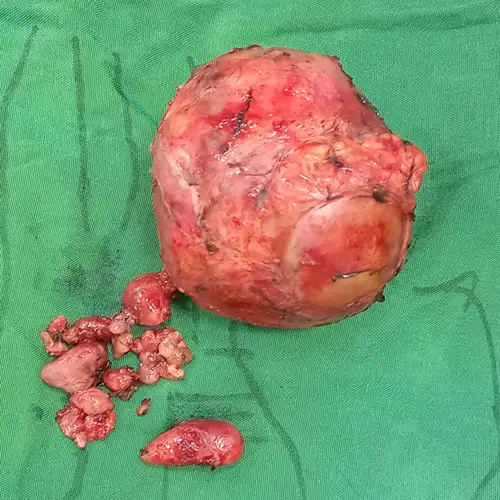
The patient, a seven-year-old male, presented with abdominal pain and swelling caused by a poorly differentiated left neuroblastoma. This highly aggressive and large suprarenal tumor abutted critical structures, including the left kidney, spleen, and pancreas, posing a severe anatomical challenge.
⦿ Open Left Adrenalectomy And RPLND
• Procedure: An open left adrenalectomy alongside retroperitoneal lymph node dissection was successfully executed.
• Complex Anatomy: The massive multilobulated tumor was expertly detached from the diaphragm and renal capsule.
• Patient Safety: Strict hemostasis was confirmed throughout the complex dissection to minimize intraoperative blood loss.
• Cancer Clearance: Complete removal of the primary suprarenal mass and enlarged aortocaval nodes was achieved.
⦿ Smooth Recovery And Disease Control
The pediatric patient experienced a remarkably smooth and uneventful postoperative recovery, becoming fully ambulatory shortly after the intervention. He was discharged with stable hemodynamics and a clean surgical wound, requiring only standard oral medications. This precise oncological resection provided excellent local disease control and functional preservation.
Successfully navigating the delicate retroperitoneal anatomy in a pediatric patient requires immense precision to ensure comprehensive cancer clearance. By meticulously resecting the aggressive neuroblastoma and involved nodes, we have given this young boy the strongest possible foundation for long-term survival.
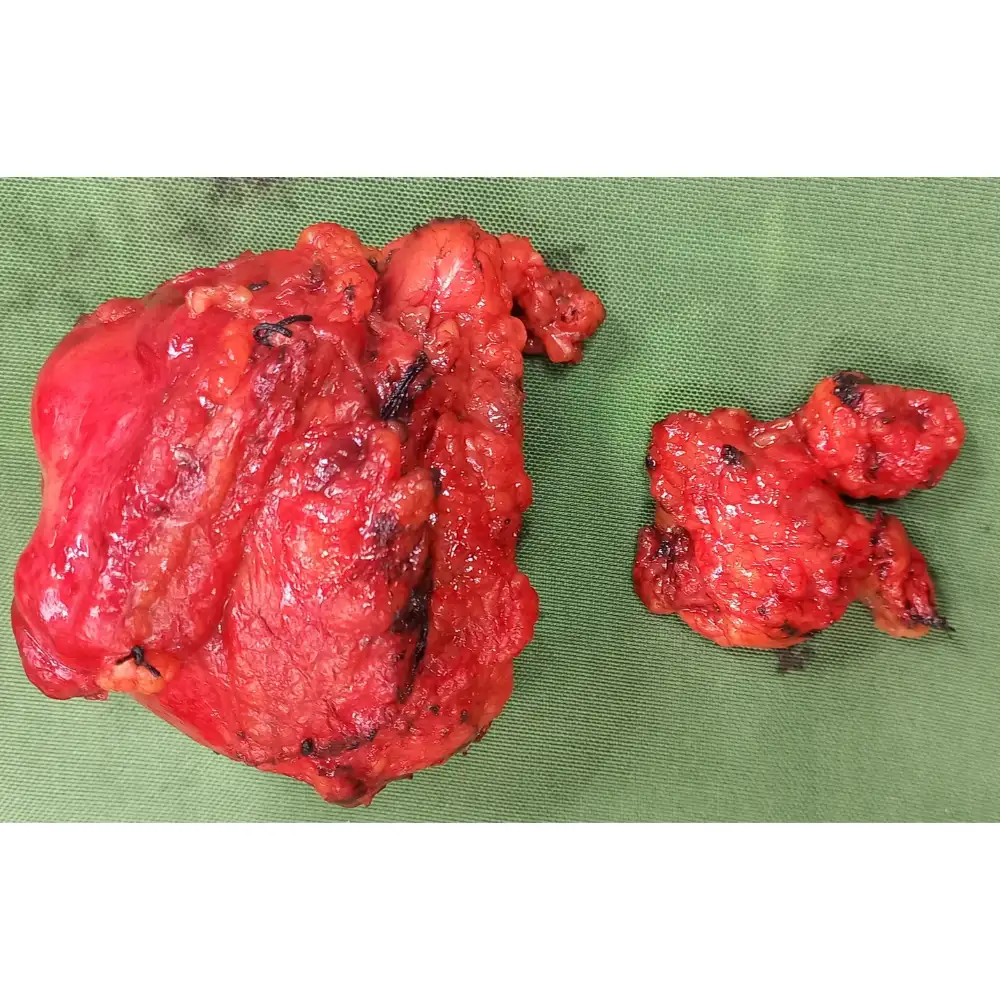
A forty-one-year-old male presented with a one-year history of severe abdominal pain and a massive retroperitoneal tumor. Following a previous left orchidectomy for a germ cell tumor , the patient developed a complicated, encasing teratoma requiring highly specialized surgical intervention.
⦿ Retroperitoneal Mass Excision and RPLND
• Procedure: A comprehensive retroperitoneal mass excision and complete lymph node dissection were successfully executed.
• Complex Anatomy: The intricate tumor was carefully detached from the inferior mesenteric artery and ureter.
• Blood Loss: Exceptional patient safety was maintained with minimal intraoperative blood loss of only 100ml.
• Cancer Clearance: Complete tumor removal was achieved, revealing regressed teratomatous tissue with absolutely no malignancy.
⦿ Uneventful Recovery and Benign Pathology
The patient experienced a remarkably uneventful postoperative recovery and achieved completely stable hemodynamics very quickly. Final histopathology confirmed a regressed germ cell tumor featuring mature teratoma, showing absolutely no evidence of high-grade malignancy. Following the comprehensive procedure, he was safely discharged ambulatory with a perfectly clean surgical wound.
Navigating a complex retroperitoneal mass encased around major vessels demands absolute surgical precision. By meticulously performing a complete dissection, we secured an excellent oncological outcome, giving this patient a definitive cure.
A 69-year-old male presented with a one-year history of abdominal pain, breathlessness, weakness, and loss of appetite. Imaging revealed a large solid mass located deep within the left retroperitoneum near critical blood vessels. The patient also had significant cardiac comorbidities, requiring highly precise surgical intervention.
⦿ Robotic Retroperitoneal Mass Excision
• Procedure: Dr. Swati Shah executed a trans-peritoneal robotic excision of the retroperitoneal mass.
• Complex Anatomy: The surgical team successfully preserved two left renal arteries and one renal vein.
• Blood Loss: The advanced robotic approach resulted in an exceptionally minimal blood loss of 100 ml.
• Tumor Clearance: Histopathology confirmed the complete excision of the nerve sheath tumor with entirely negative margins.
⦿ Successful Recovery and Tumor Clearance
The patient experienced an excellent and stable immediate postoperative recovery following the robotic procedure. Final histopathology revealed a low to intermediate grade nerve sheath tumor, importantly with all surgical margins negative for disease. The patient regained ambulatory function quickly and was discharged safely in a hemodynamically stable condition.
Navigating a large tumor nestled between the aorta and renal vessels requires extreme surgical precision. By utilizing the Da Vinci robotic system, I was able to safely extract the mass while preserving critical anatomy, ensuring the patient's rapid recovery.
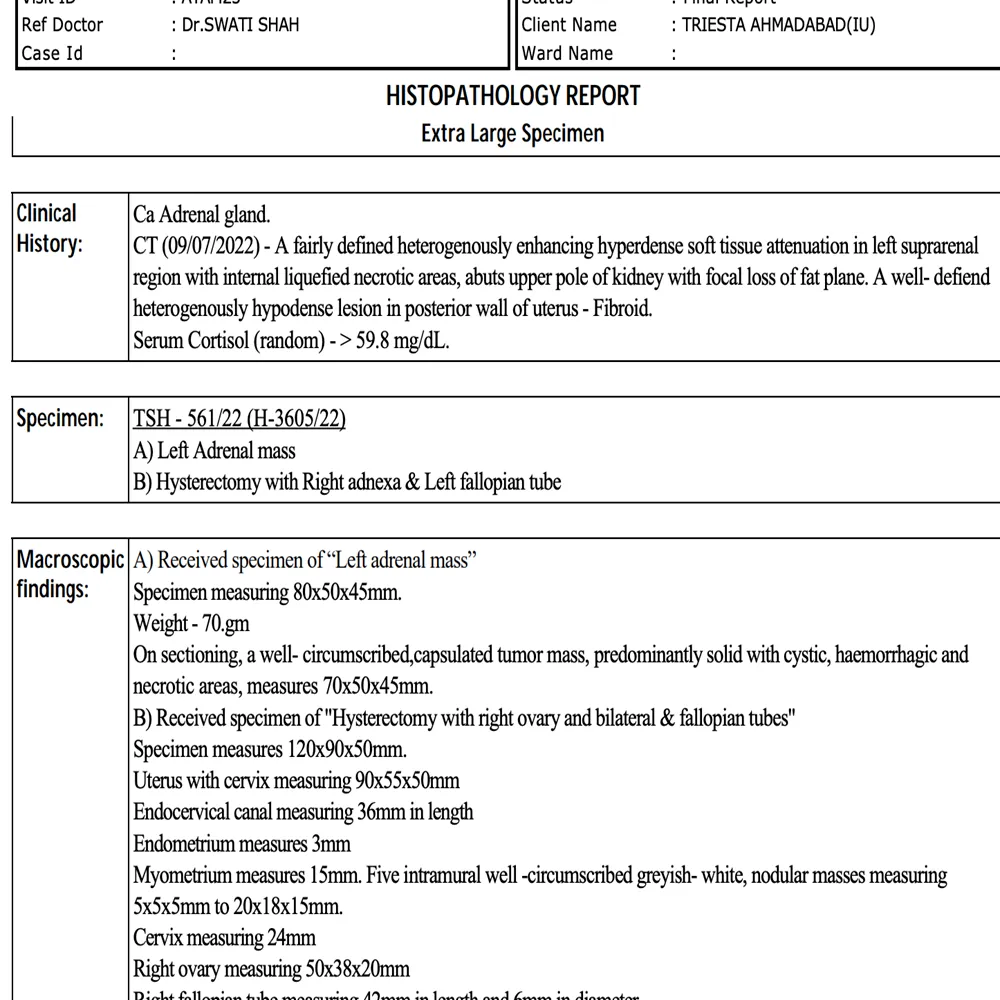
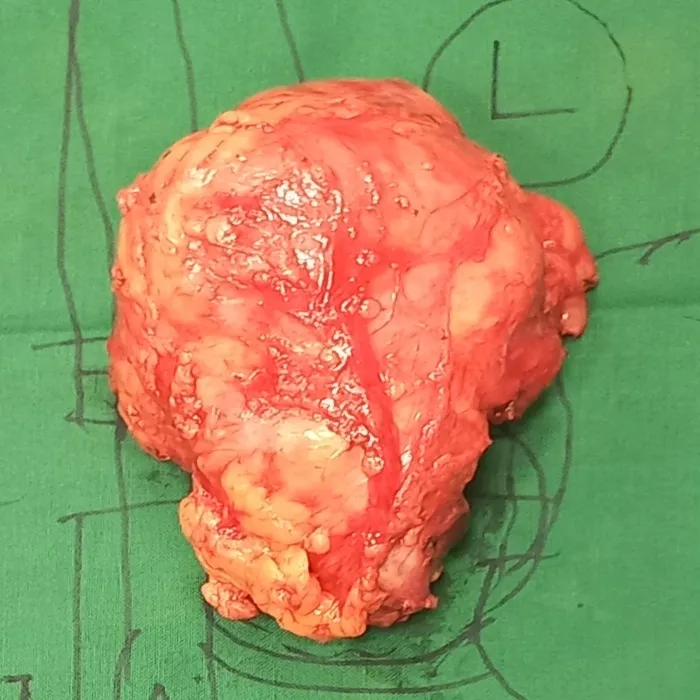
A 42-year-old female patient presented with an aggressive, highly functional 7cm left adrenal mass and severely elevated serum cortisol levels. The profound complexity involved an underlying high-grade adrenal cortical carcinoma invading the tumor capsule alongside symptomatic uterine fibroids requiring concurrent management.
⦿ Robotic Left Adrenalectomy and Total Hysterectomy
• Dual Procedure: A robotic left adrenalectomy and concurrent hysterectomy were executed with advanced minimally invasive precision.
• Complex Anatomy: The 7cm functional high-grade adrenal tumor was successfully navigated despite early capsular invasion.
• Surgical Safety: Robotic magnification ensured minimal blood loss and maximized hemodynamic stability throughout the dual operation.
• Cancer Clearance: Complete excision of the malignant mass was achieved with zero lymphovascular invasion identified.
⦿ Swift Recovery and Favorable Oncologic Clearance
The patient experienced a smooth, accelerated post-operative recovery, remaining hemodynamically stable and mobilizing very shortly after her robotic procedure. Final histopathology confirmed the complete removal of the 7cm high-grade adrenal cortical carcinoma with absolutely no lymphovascular spread. She was discharged in stable condition, poised for excellent long-term endocrine and functional restoration.
Tackling a highly functional, aggressive adrenal carcinoma alongside concurrent uterine pathology requires extraordinary surgical precision. By leveraging advanced robotic techniques, we safely eliminated the malignant threat and benign tumors in a single, minimally invasive setting, offering her a fantastic chance at long-term disease-free survival.
Swasth Parivar: twice a month, practical advice on recovery, diet and warning signs. No advertising. Stop any time.
Your number is used for these updates and for the clinic to reach you. It is never sold or passed on. To stop, reply STOP on WhatsApp.