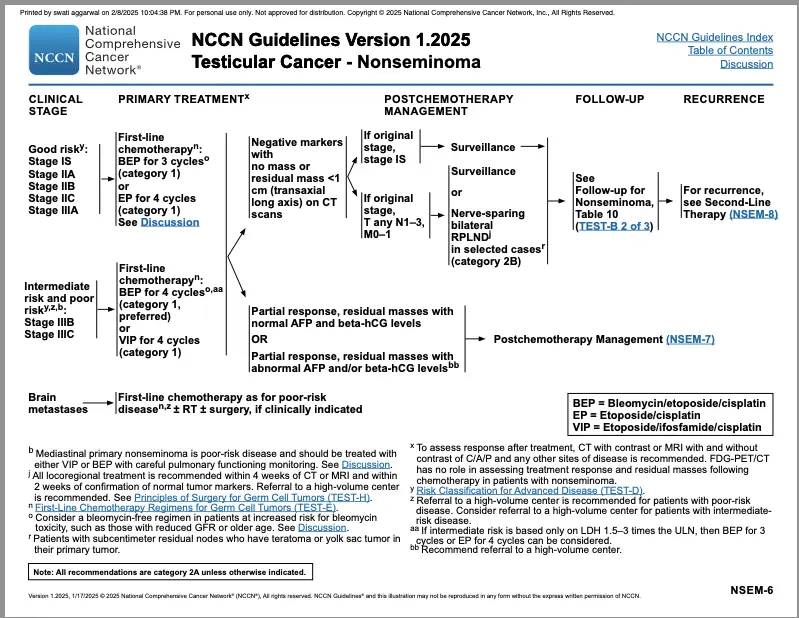
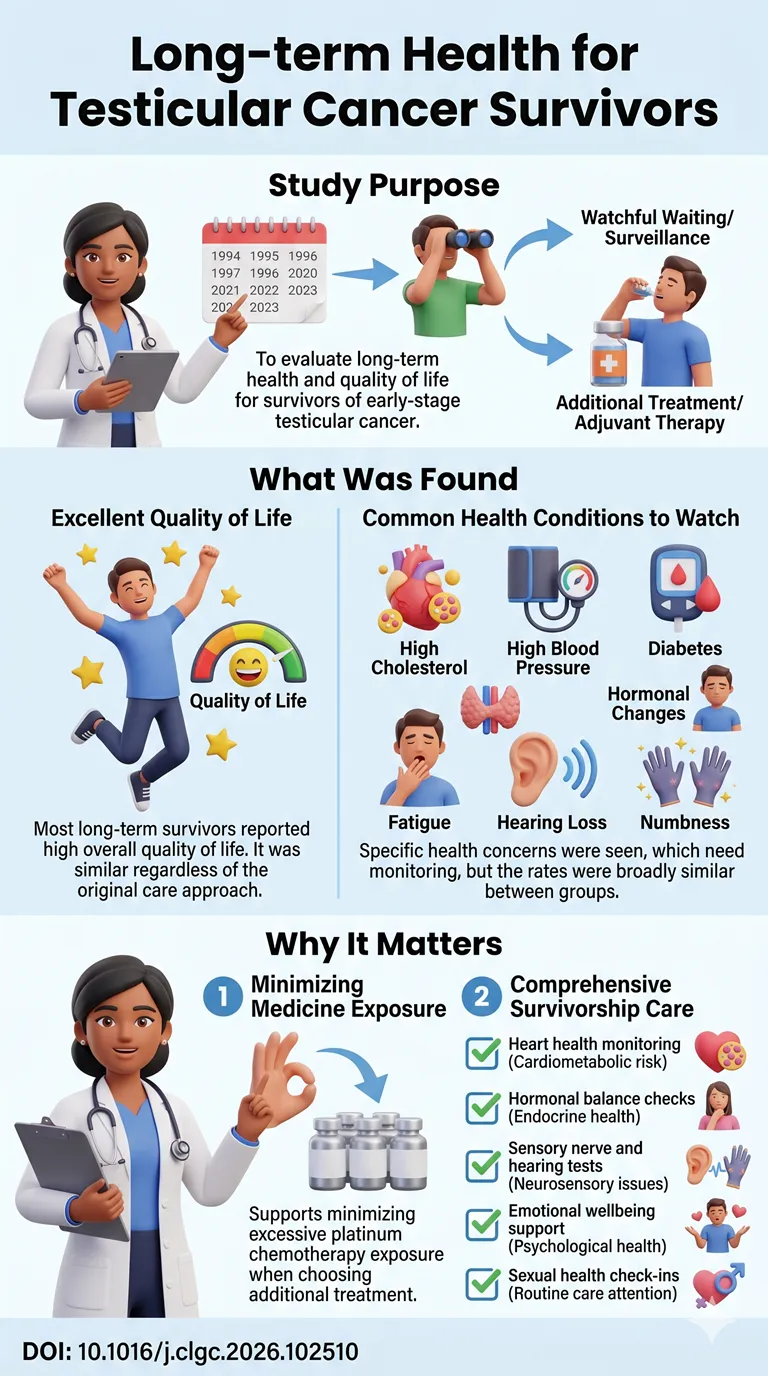
Life After Testicular Cancer: What Survivors Can Expect Long-Term
Life After Testicular Cancer: What Survivors Can…
SF-203 (Second Floor), Olive Greens, Sarkhej - Gandhinagar
Hwy, Gota, Ahmedabad, Gujarat, India 382481
Plot No. 1 A, Apollo Hospital International Limited, GIDC Bhat, Industrial Estate, Gandhinagar, Gujarat 382428
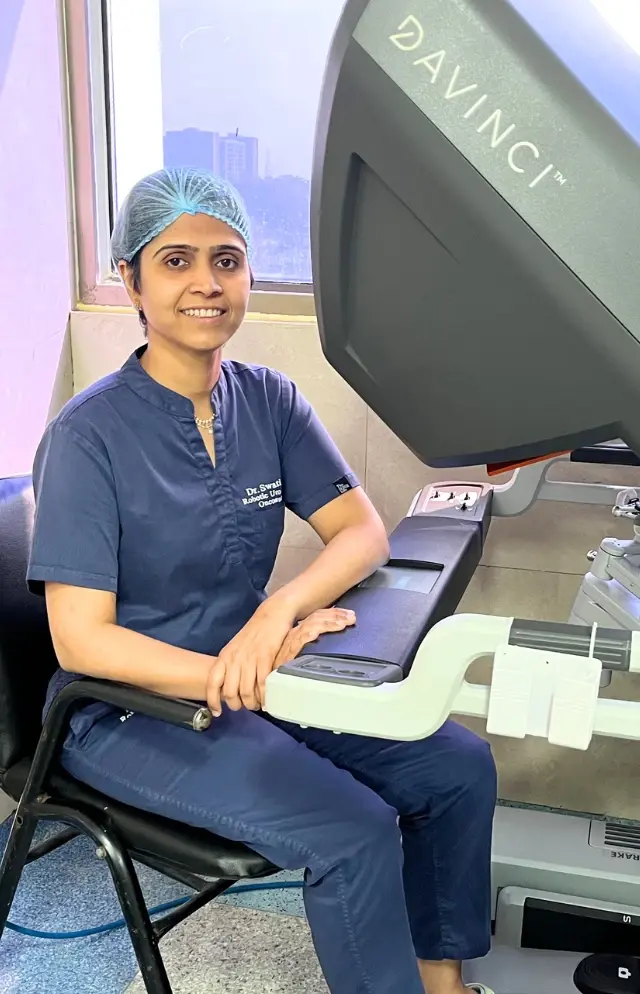
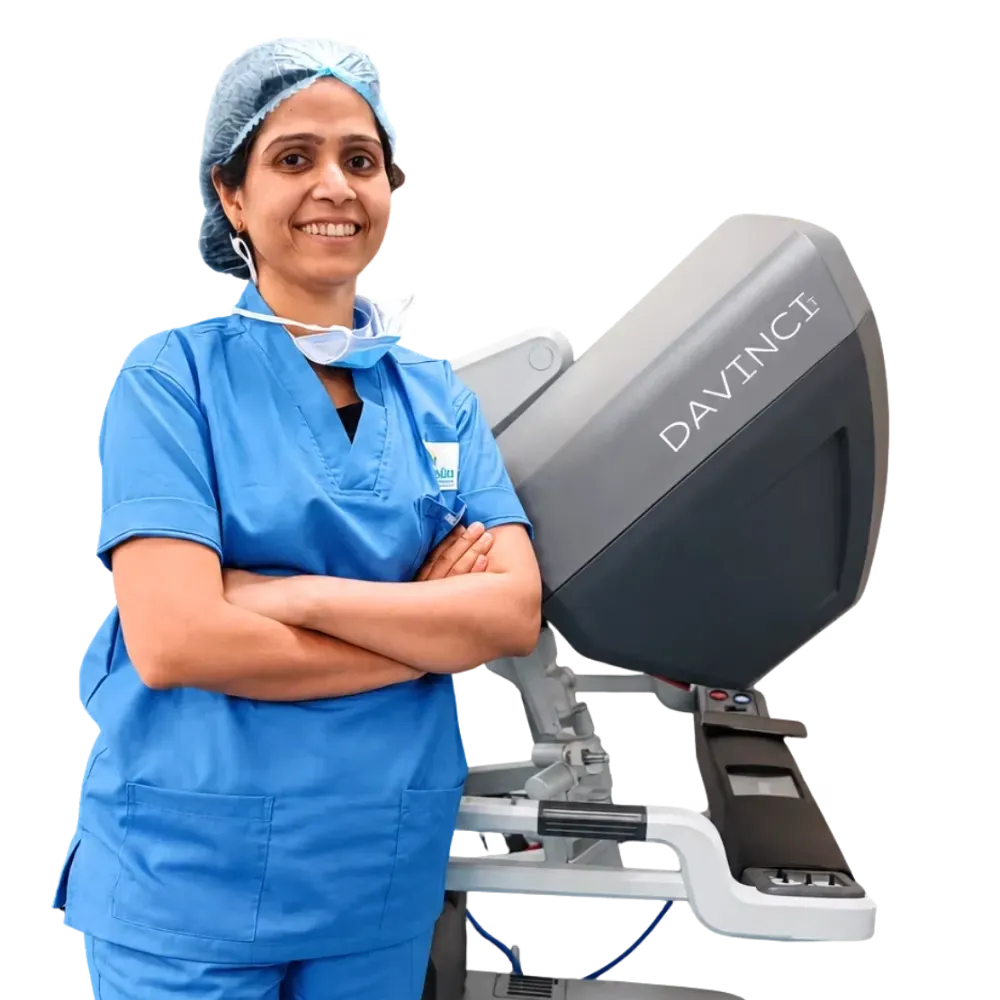
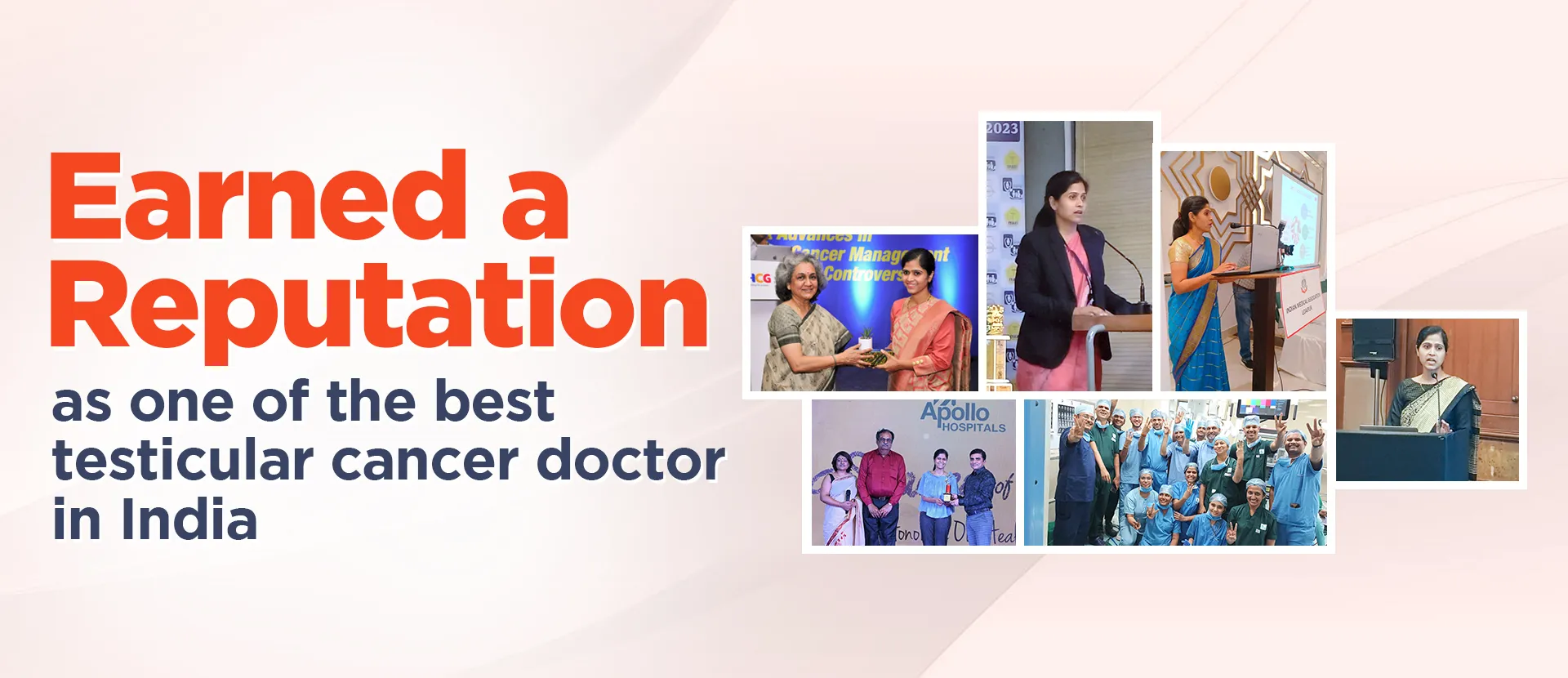
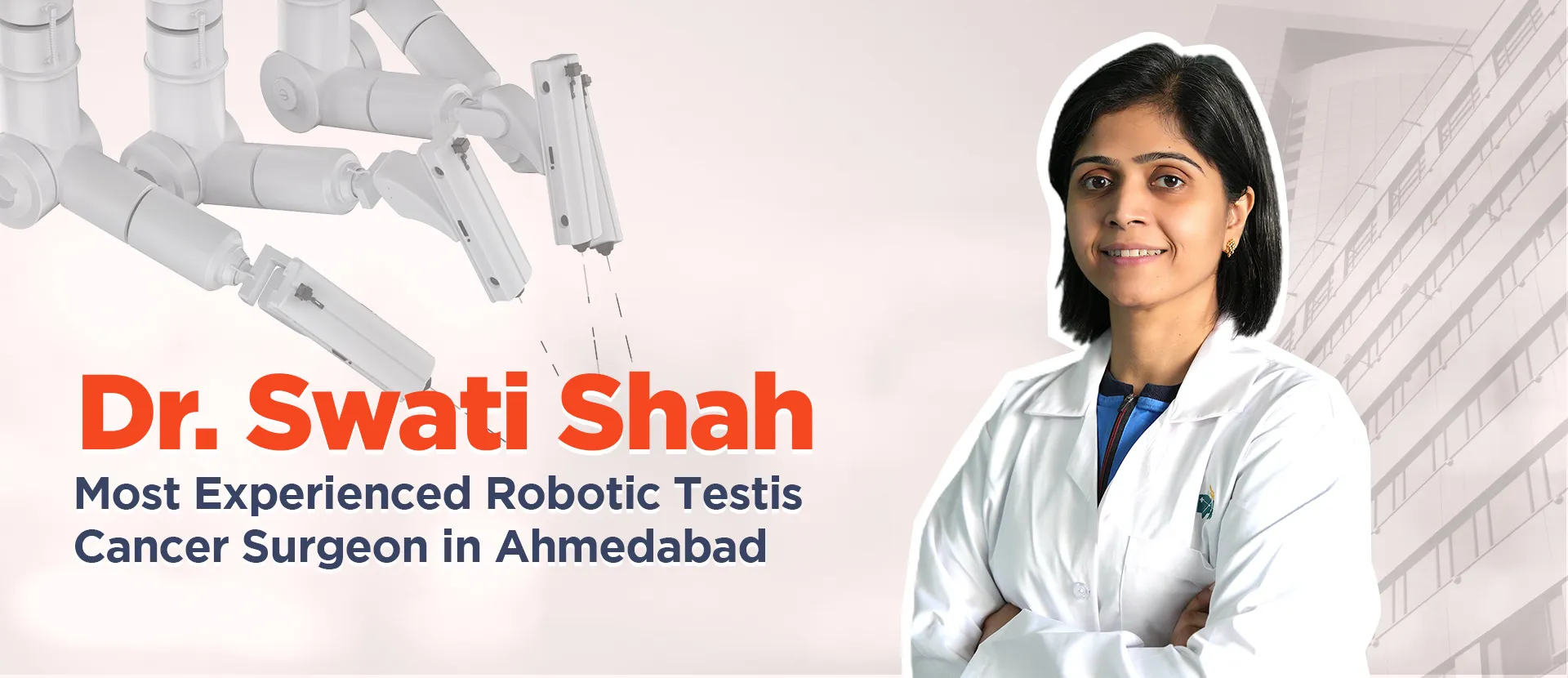
Dr. Swati H. Shah is a Uro Oncologist in Ahmedabad with over 18 years of experience as a testicular cancer surgeon and more than 12 years of experience in robotic cancer surgery. She specializes in advanced testicular cancer surgery, performing both radical orchiectomy and complex robotic RPLND for testicular tumours.
As a leading Uro-Oncologist, she has achieved a 5/5 patient review rate on Google through 3K+ successful surgeries and care for 11K+ happy patients. Dr. Shah specializes in three surgical types – Open, Laparoscopic, and Robotic – committed to providing good oncological outcomes, i.e., margin-free surgery, as well as better nerve-sparing and fertility outcomes.

Patient

Patient
We truly thankful to Dr Swati Shah mdm. She always support us. My mother had cancer she guided us for surgery . Surgery was done by her and now she feels good n healthy. Thanks a lot for my heart to Dr Swati Shah and her team. I heardly recommend Dr Swati mdm

Patient
| The Myth | The Fact |
|---|---|
| "Testicular cancer only affects older men." | Fact: Unlike most cancers, testicular cancer is actually most common in young men between the ages of 15 and 35. Any unusual lump, regardless of age, should be checked immediately. |
| "I have no pain in my testicle, so the lump is just a cyst." | Fact: Early-stage testicular cancer is usually completely painless. A hard, painless lump or a heavy feeling in the scrotum is the most common early sign and requires an urgent ultrasound check. |
| "If I have surgery, I will never be able to have children." | Fact: In most cases, only the affected testicle is removed, leaving the other healthy testicle fully capable of producing normal testosterone and sperm for natural fertility. |
| "Surgery for lymph nodes will permanently destroy my sexual function." | Fact: For advanced cases needing lymph node removal, Dr. Shah uses Robotic RPLND. This allows for "nerve-sparing" techniques that safely protect the delicate nerves responsible for normal ejaculation and sexual function. |
| "Testicular cancer is a death sentence." | Fact: Testicular cancer has one of the highest cure rates of all cancers (over 95%). If caught early and managed properly by an expert uro-oncologist, the chances of a complete, lifelong cure are excellent. |


| Feature | Robotic-Assisted RPLND (Dr. Swati Shah) | Traditional Open RPLND |
|---|---|---|
| Incision Size | 4–5 Tiny Keyholes (8mm each) | One massive cut (8–10 inches straight down the belly) |
| Surgical Vision | 3D High-Definition (15x Zoom) | Naked Eye (2D View) |
| Blood Loss | Minimal (Rarely needs a blood transfusion) | Moderate to High |
| Hospital Stay | 2–3 Days | 5–7 Days |
| Pain & Scarring | Very Low; Minimal Scars | High; Large Permanent Scar |
| Recovery Time | 2–3 Weeks | 6–8 Weeks |
| Nerve Saving (Precision) | Highly Precise (Safely protects nerves for normal ejaculation and sexual function) | Less Precise (Higher risk of nerve damage and loss of normal function) |


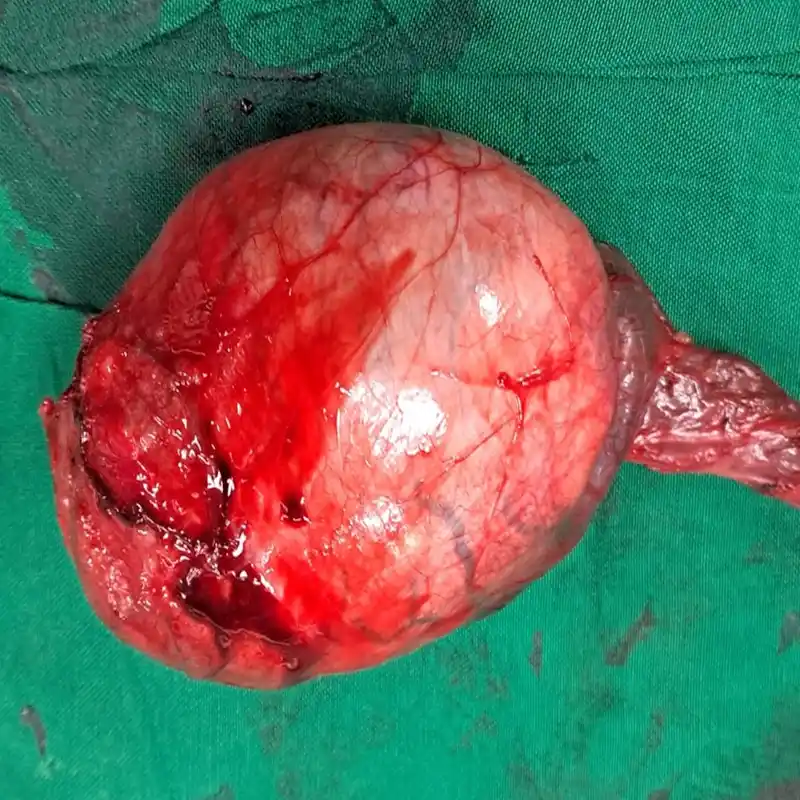
A 36-year-old male presented with a significant $7\times3$ cm hard, non-tender right testicular swelling persisting for one year. Diagnostic imaging revealed a large, complex lesion measuring $7.3\times6.3$ cm with elevated LDH and AFP markers. The case required urgent surgical intervention due to the tumor’s size and potential involvement of the scrotal wall.
⦿ Right High Inguinal Orchidectomy
• Procedure: A radical high inguinal orchidectomy was performed via an oblique incision.
• Complex Anatomy: The surgeon successfully isolated and ligated the spermatic cord at the deep ring.
• Safety / Blood Loss: The procedure was completed with minimal blood loss and no transfusions required.
• Cancer Clearance: Final pathology confirmed a pure classical seminoma with completely negative surgical margins.
⦿ Complete Oncological Remission
The patient experienced an excellent recovery and was ambulatory and hemodynamically stable shortly after the procedure. Histopathology confirmed a pT1b classical seminoma confined to the testis, with the spermatic cord and epididymis free of tumor. There was no evidence of lymphovascular invasion, and the patient was discharged in stable condition with a clear follow-up plan.
In cases of large testicular masses, a high inguinal approach is vital for achieving curative results. By performing deep ligation of the cord, we ensure complete oncological clearance. This precise surgical intervention effectively mitigated the risk of spread and secured an optimal functional outcome.
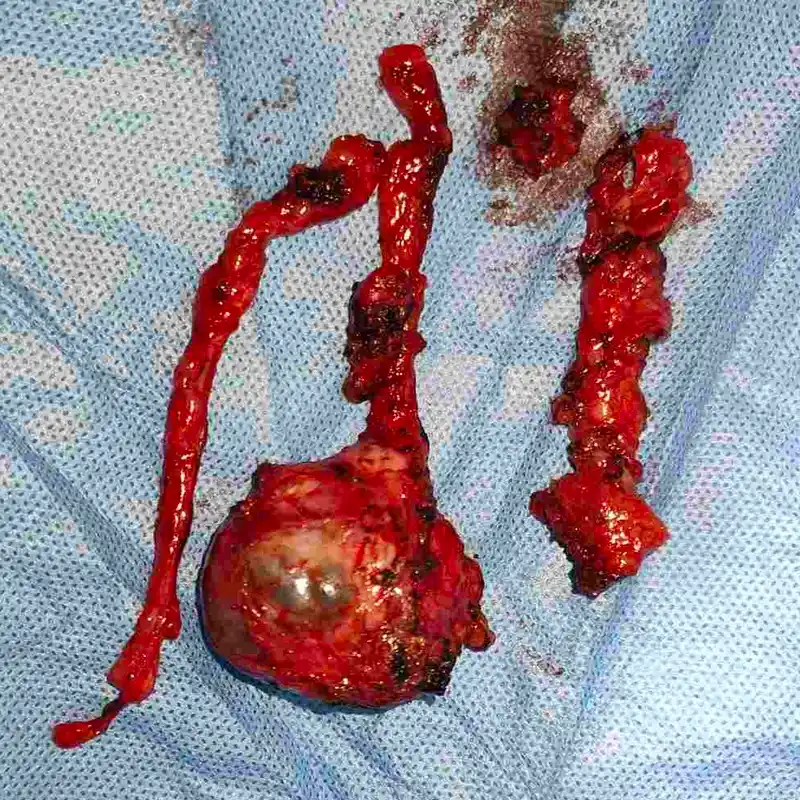
A 27-year-old male presented with residual retroperitoneal lymph node masses following multiple cycles of chemotherapy for recurrent non-seminomatous germ cell tumor of the right testis. The presence of a $3\times3$ cm solid-cystic mass adherent to the aorta required urgent surgical intervention to address potential chemo-resistant mature teratoma.
⦿ Robotic Retroperitoneal Lymph Node Dissection
• Procedure: A comprehensive full-template robotic retroperitoneal lymph node dissection was successfully executed.
• Complex Anatomy: Dr. Shah safely dissected the mass from the aorta and renal vasculature.
• Safety / Blood Loss: The surgery was completed with a minimal blood loss of only 200 ml.
• Cancer Clearance: Pathological analysis confirmed the removal of fourteen lymph nodes, including the mature teratoma.
⦿ Complete Resection and Rapid Recovery
The patient demonstrated excellent recovery, remaining hemodynamically stable and becoming ambulatory shortly after the procedure. Final histopathology confirmed a metastatic mature teratoma with post-therapy changes and negative margins in the surrounding iliac nodes and cord structures. He was discharged in stable condition with a clear plan for oncological follow-up.
For patients with residual masses following intensive chemotherapy, robotic RPLND offers the precision necessary to clear disease from major vessels. I focus on a full-template dissection to ensure we eliminate any teratoma components, providing the best path toward long-term survival.
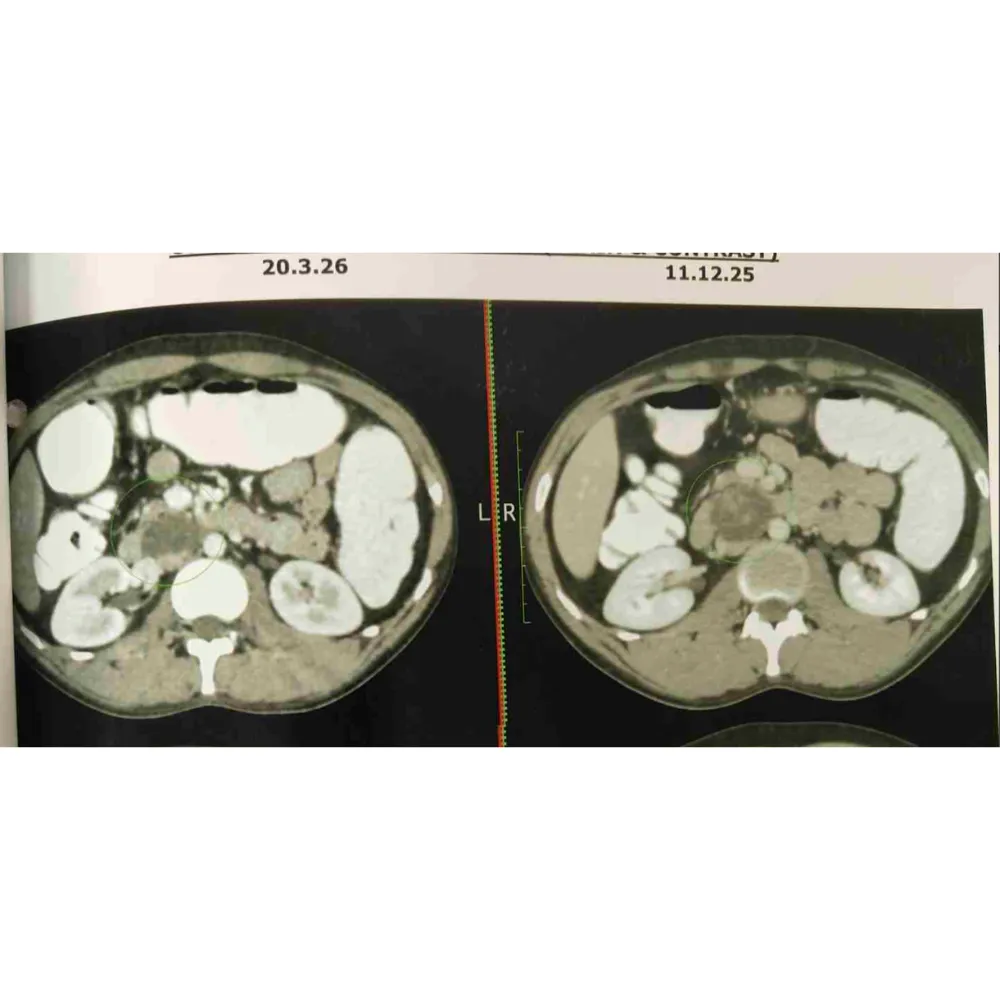
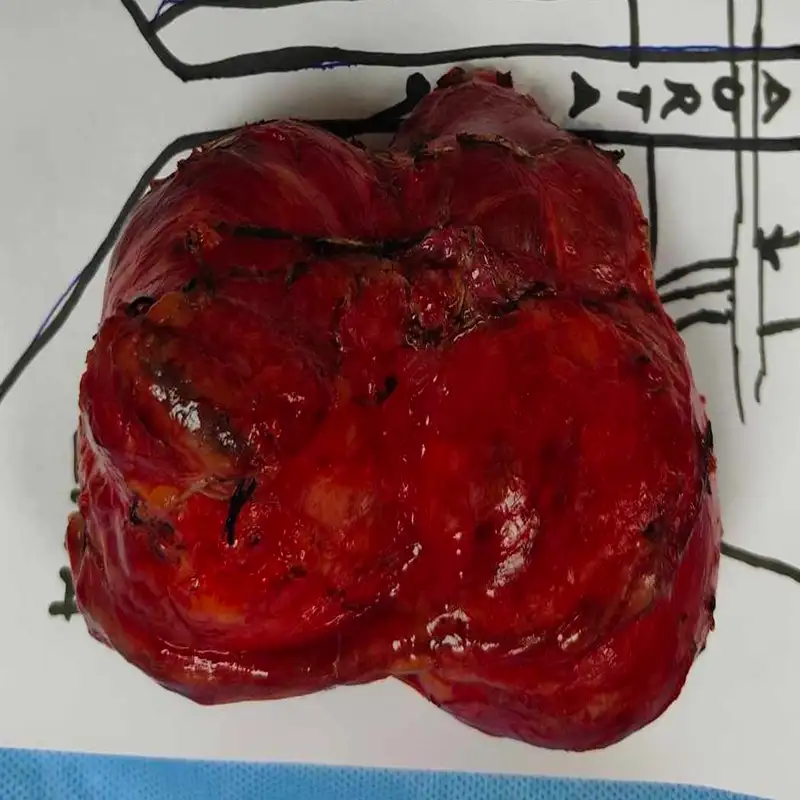
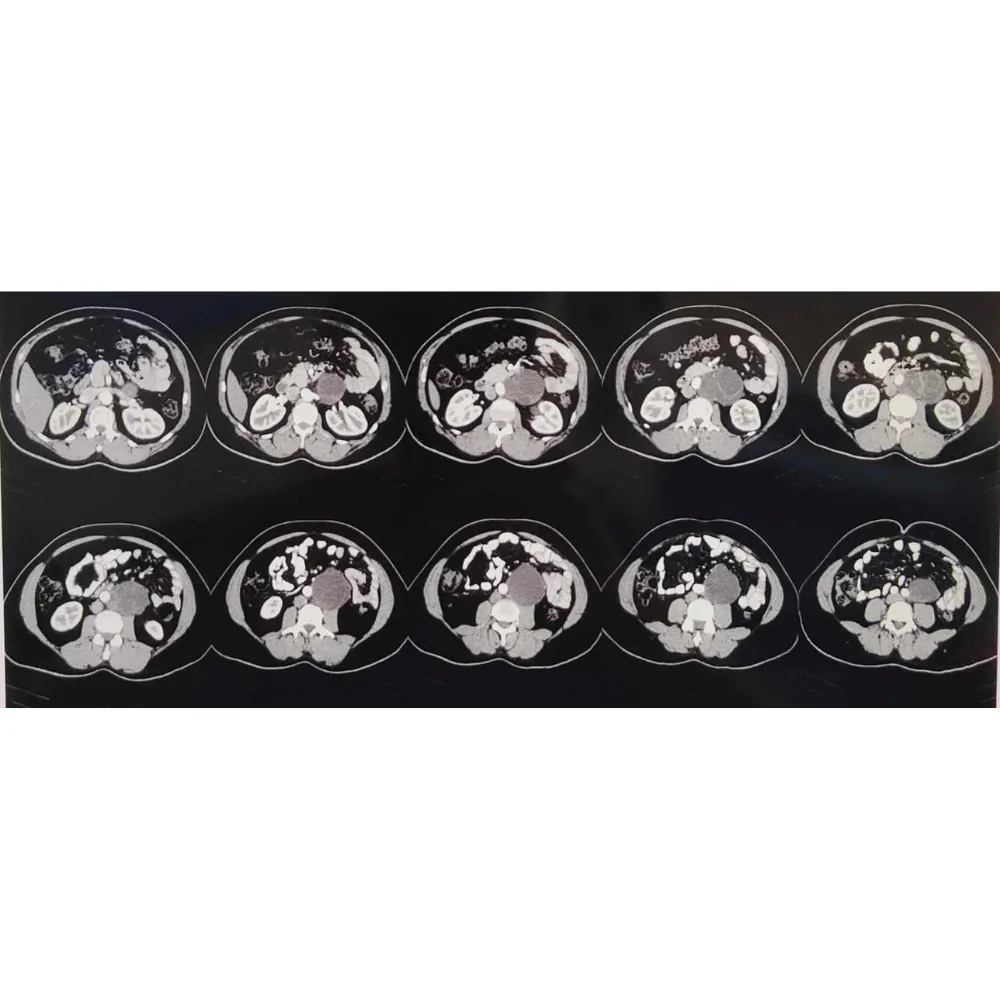
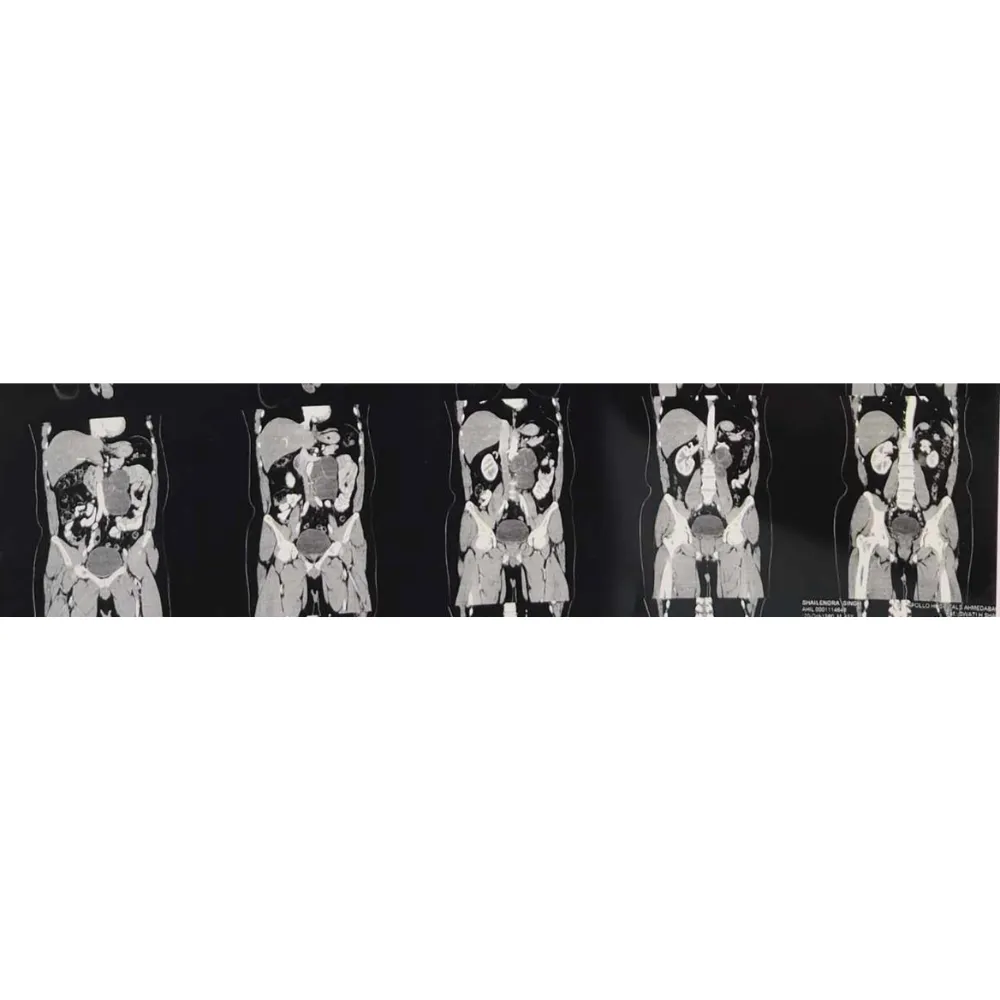
A 45-year-old male presented with persistent left flank pain following a previous high inguinal orchidectomy. Advanced imaging revealed a complex, 12.5 cm cystic mass in the para-aortic region, intricately abutting the renal vessels and aorta. The diagnosis of mature teratoma required urgent, high-precision surgical intervention to prevent further local invasion of vital abdominal structures.
⦿ Robotic Retroperitoneal Lymph Node Dissection (RPLND)
• Procedure: A comprehensive retroperitoneal lymph node dissection was executed with total mass excision.
• Complex Anatomy: The 14x10 cm mass was successfully separated from the aorta and renal vessels.
• Safety / Blood Loss: Exceptional surgical control resulted in a minimal blood loss of only 100 ml.
• Cancer Clearance: Complete resection was achieved, including the removal of fourteen reactive lymph nodes.
⦿ Complete Resection and Rapid Recovery
The patient’s postoperative recovery was uneventful, achieving hemodynamic stability and early mobilization by the fourth day. Final pathology confirmed a mature cystic teratoma with clear margins and no evidence of immature or malignant components. The patient was discharged in excellent condition with stable vitals and a transition to a soft, managed diet.
Treating large retroperitoneal teratomas requires absolute anatomical precision to protect the great vessels. By utilizing an advanced robotic approach, we achieved a complete oncological resection with minimal morbidity, ensuring the patient remains cancer-free while maintaining a high quality of life.
Life After Testicular Cancer: What Survivors Can…
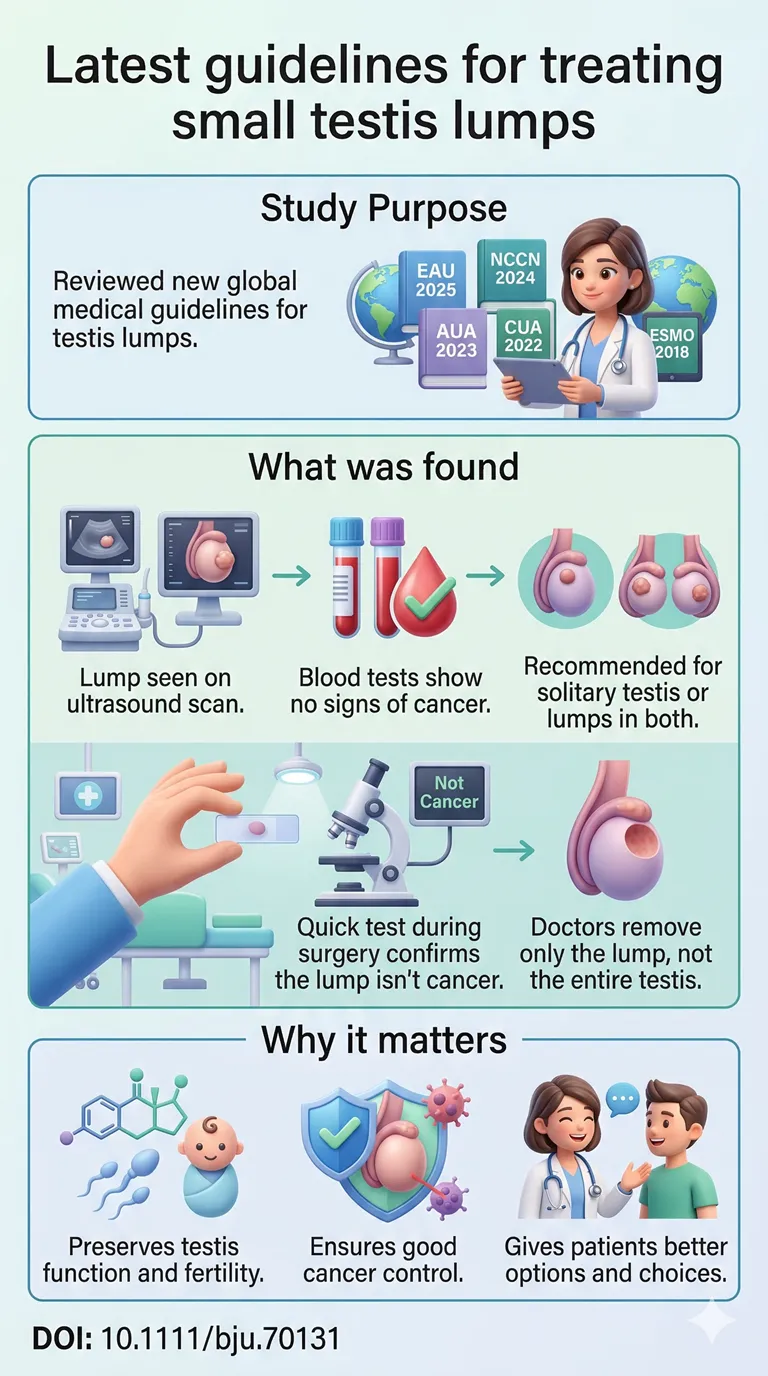
New Guidelines Support Testis-Sparing Surgery for Small…
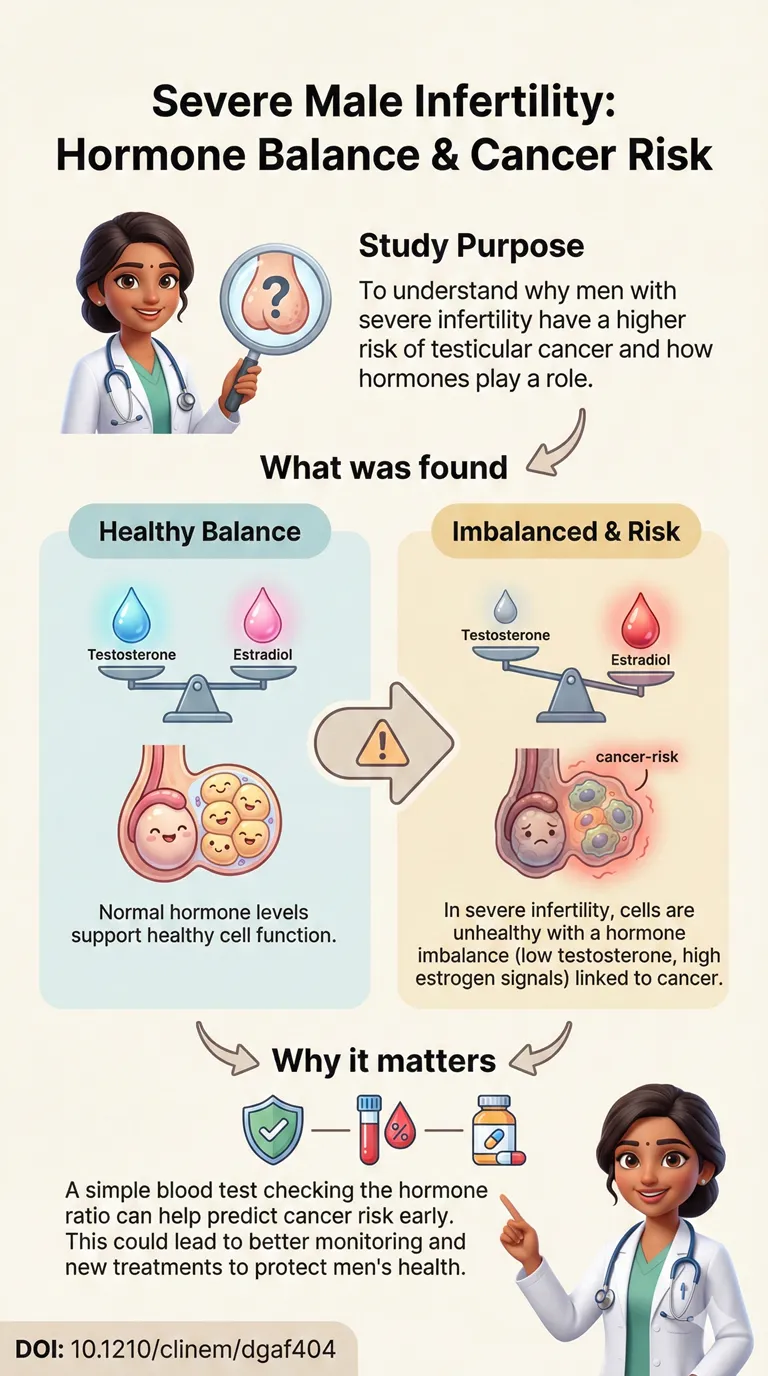
Hormone Balance and Cancer Risk in Men…
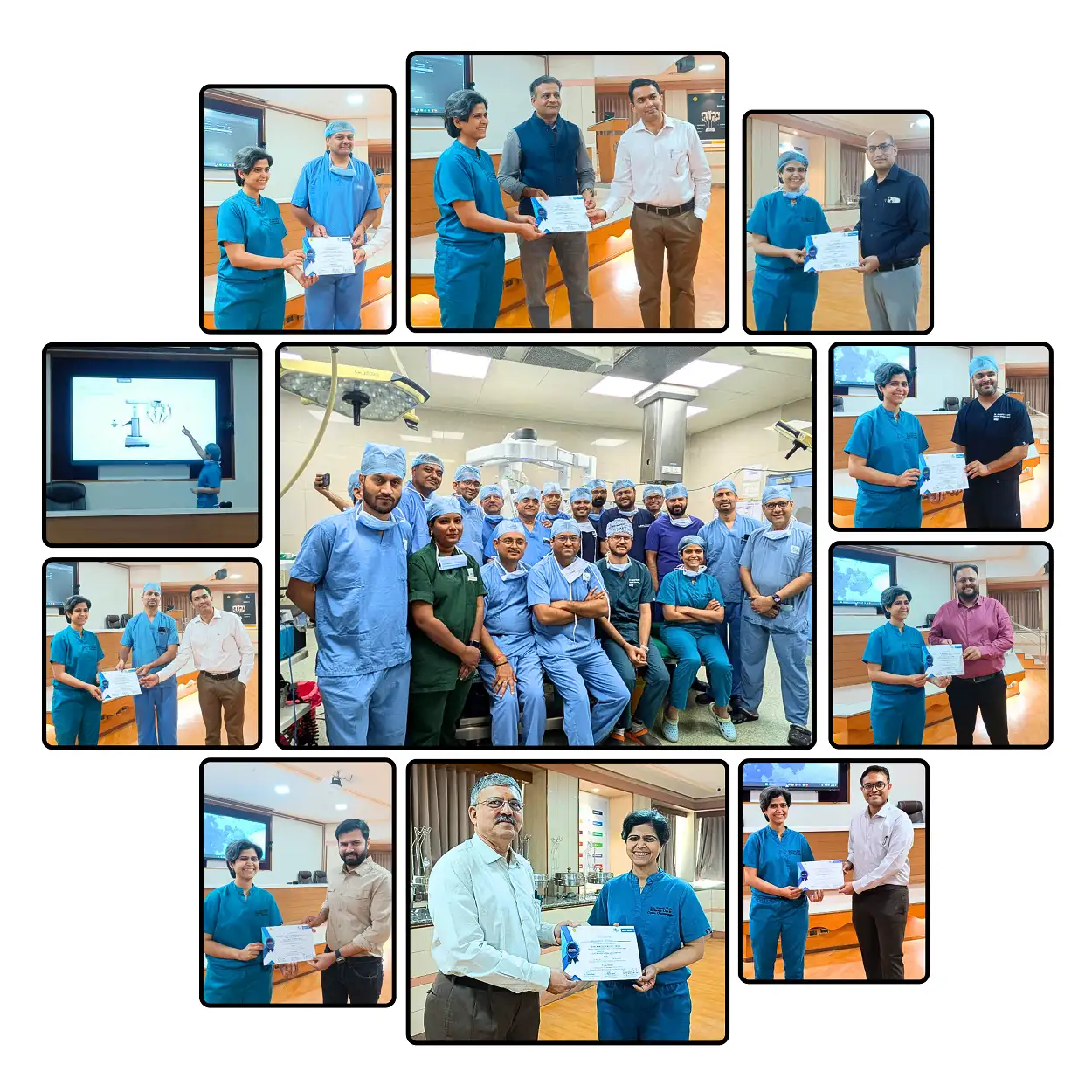
Dr. Swati Shah is a dedicated mentor who provides hands-on robotic surgery training to the next generation of urologists.
Her training programs combine in-depth medical theory with live practical sessions, allowing doctors to master the Da Vinci robotic system under her expert guidance.
By sharing her 12+ years of robotic expertise, she ensures that more surgeons can offer testicular cancer patients the benefits of high-precision, minimally invasive treatments.
| The Myth | The Fact |
|---|---|
| "The robot performs the surgery on its own." | Fact: The robotic system is 100% controlled by Dr. Swati Shah at all times. It is a high-tech tool that translates her exact hand movements into micro-precise actions inside the body; it cannot move or make decisions without her. |
| "If I have robotic lymph node surgery (RPLND), I will permanently lose my sexual function and ability to have children." | Fact: Modern robotic techniques allow for "Nerve-Sparing Surgery." Dr. Shah can precisely remove the cancerous nodes while safely protecting the delicate nerves that control normal ejaculation and fertility. |
| "Robotic lymph node removal requires a massive cut from my chest to my lower belly." | Fact: Robotic technology allows for "Keyhole" surgery. By using a few tiny cuts instead of a large open wound, patients experience much less pain, avoid a massive permanent scar, and recover weeks faster. |
| "My blood tests are normal after chemotherapy, so I definitely don't need robotic surgery." | Fact: Even if tumor markers normalize, chemotherapy can leave behind "residual masses" (dead tissue or hidden cancer cells) in the lymph nodes. Robotic surgery is often required to safely remove these masses to prevent a relapse and ensure a complete cure. |
| "Robotic surgery is experimental and risky for testicular cancer." | Fact: Robotic RPLND is a highly advanced, proven method for managing testicular cancer at top cancer centers worldwide. It significantly reduces the risk of major bleeding, infections, and complications compared to traditional open surgery. |
| Treatment | What it is | Primary Goal |
|---|---|---|
| Surgery | Removing the testicle | Eliminate the main tumor |
| Chemotherapy | Cancer-fighting medicines | Destroy remaining cancer cells |
| Radiation | High-energy rays | Target cancer in lymph nodes |
| Stage | Cancer Spread | Standard Treatment Focus |
|---|---|---|
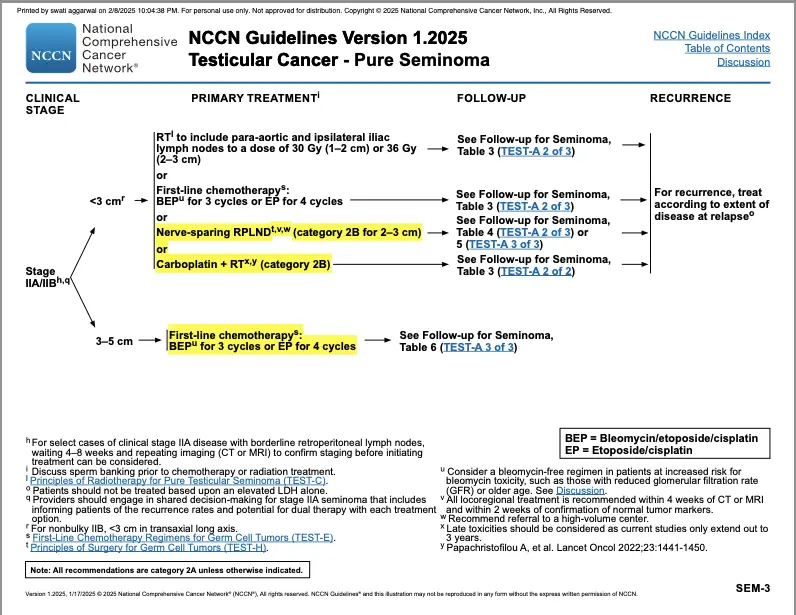
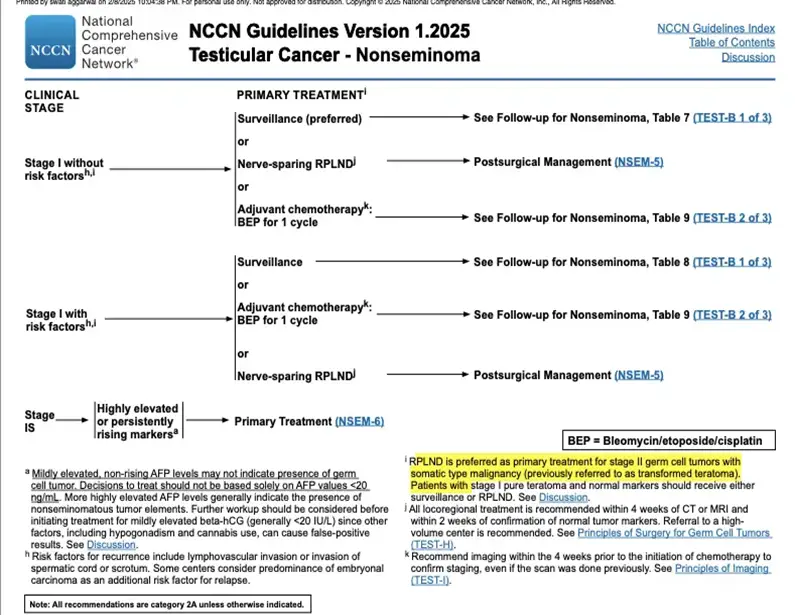
| Stage I | Confined to the testicle | Surgery, active monitoring |
| Stage II | Spread to local lymph nodes | Surgery, Chemotherapy or Radiation |
| Stage III | Spread to distant organs | Advanced Chemotherapy, Surgery |
| Surgery Type | Estimated Lump Sum Cost | Key Advantage |
|---|---|---|
| Radical Orchiectomy | ₹30,000 - ₹50,000 | Standard, effective removal |
| Laparoscopic Surgery | ₹50,000 - ₹80,000 | Minimally invasive approach |
| Robotic RPLND | ₹1,50,000+ | Maximum precision, fast recovery |
If you have any kind Uro Cancer related medial emergency, visit Apollo Hospital. An expert doctor is always available & treatment will be provided at once.