SF-203 (Second Floor), Olive Greens, Sarkhej - Gandhinagar
Hwy, Gota, Ahmedabad, Gujarat, India 382481
Plot No. 1 A, Apollo Hospital International Limited, GIDC Bhat, Industrial Estate, Gandhinagar, Gujarat 382428

Dr. Swati H. Shah is a Uro & Gynec Surgical Oncologist in Ahmedabad with over 18 years of experience as a pelvic cancer surgeon and more than 12 years of specialized experience in robotic cancer surgery. She specializes in advanced robotic uro-gynec pelvic oncology, performing highly complex, minimally invasive procedures for advanced or recurrent pelvic cancers involving the prostate, urinary bladder, cervix, uterus, ovary, soft tissue sarcoma, and pelvic bone tumours.
As a leading Uro-Oncologist and robotic cancer surgeon, she has achieved a 5/5 patient review rate on Google through 3K+ successful surgeries and care for 11K+ happy patients. Dr. Shah specializes in three surgical types – Open, Laparoscopic, and Robotic – committed to providing good oncological outcomes, i.e., margin-free surgery, as well as superior functional outcomes like nerve-sparing, urinary and pelvic function preservation, and sexual function protection wherever oncologically safe.

Google Maps
Google Maps
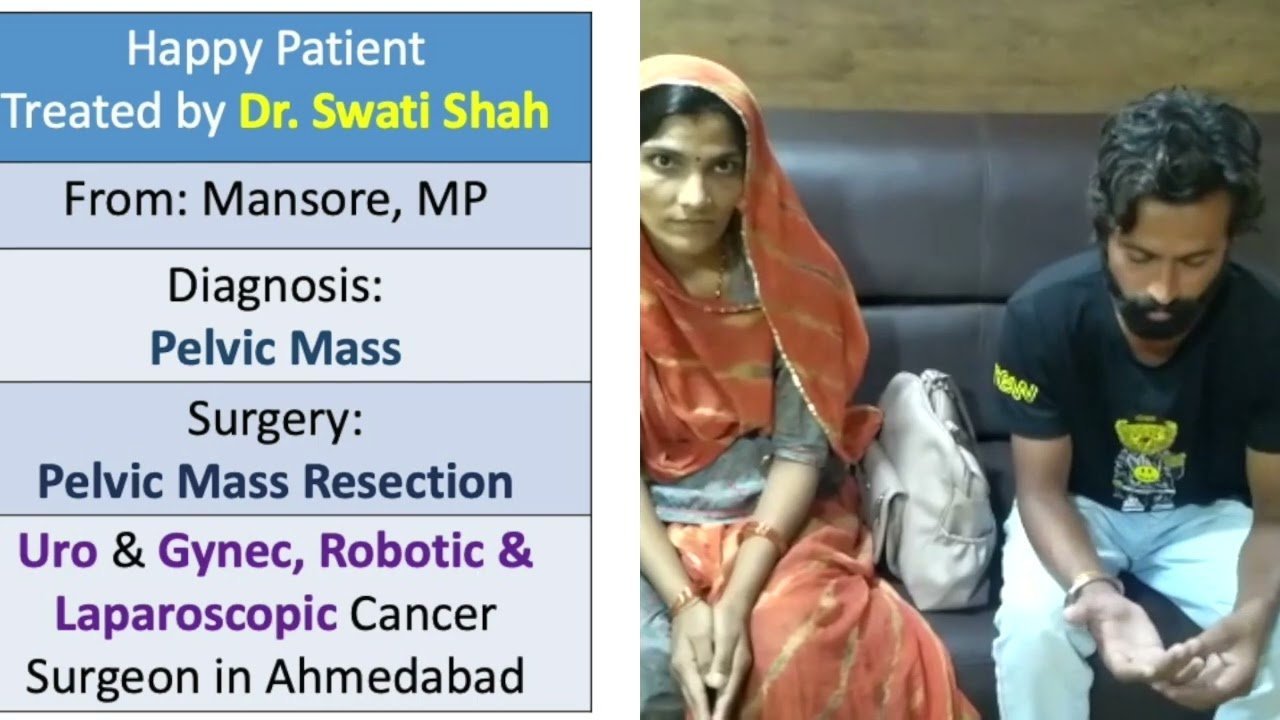
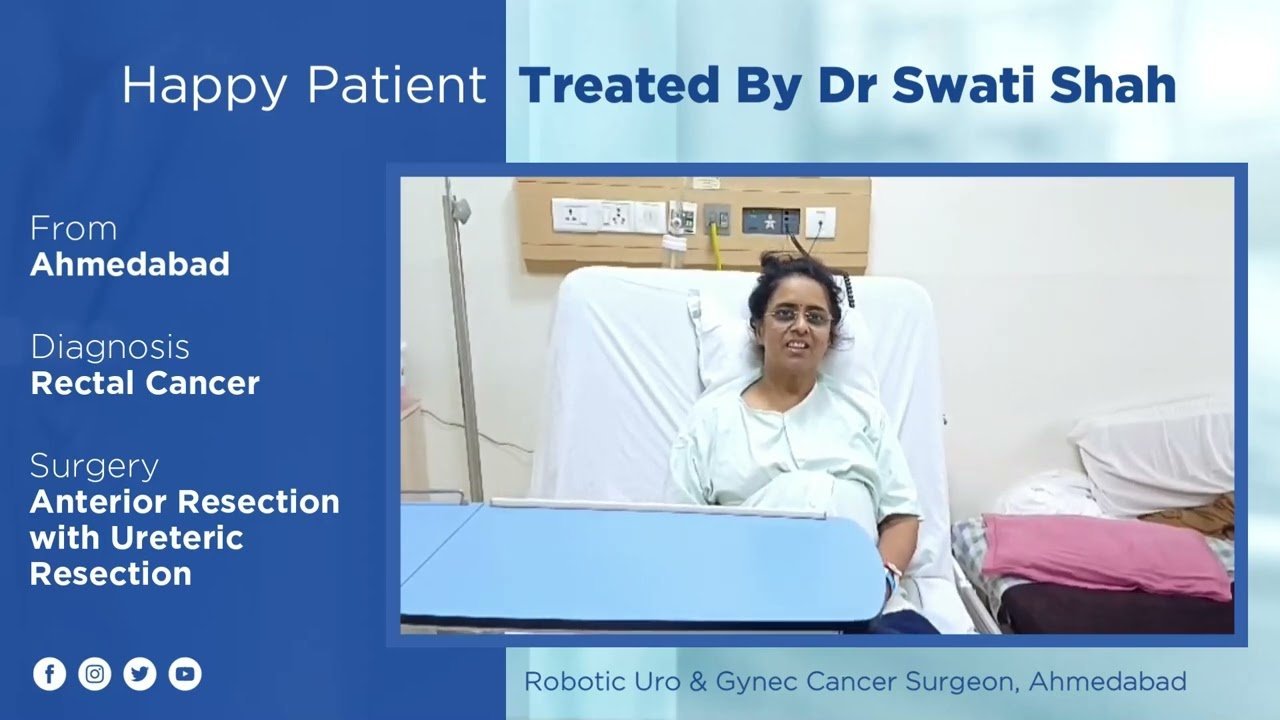
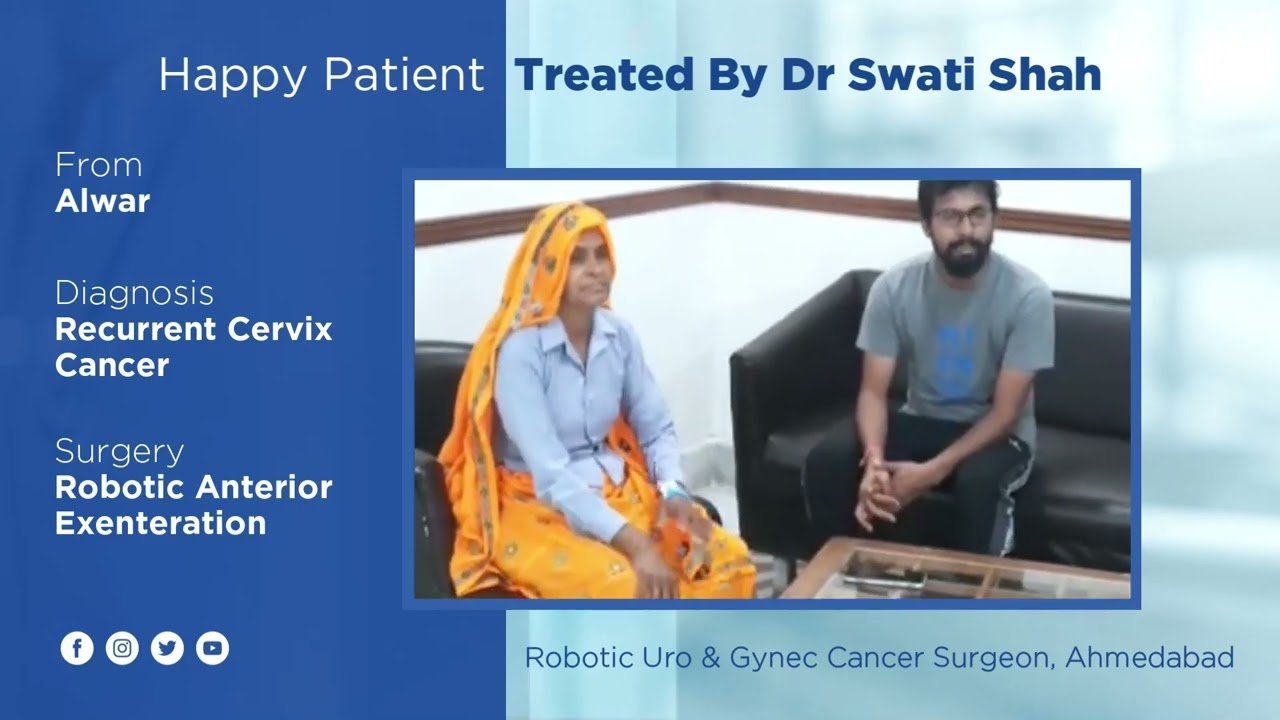
It was nice experience with Dr. Swati Shah. She is good in her profession as onco surgeon well as she is so humble to give the relief to patient and patient’s family. We were scared before the operation but overall it was good and now the patient is also good.
Google Maps



| The Myth | The Fact |
|---|---|
| "Pelvic surgery always causes permanent urine leakage (incontinence)." | Fact: With robotic precision, Dr. Shah uses "nerve-sparing" and "sphincter-preserving" techniques. By protecting the vital urinary muscles, the vast majority of patients regain excellent, rapid control of their urine. |
| "If I need major pelvic cancer surgery involving the bladder, I will have to wear a urine bag for life." | Fact: Dr. Shah specializes in advanced urinary reconstruction. Whenever safely possible, she creates a Neobladder (a new bladder made from your own tissue), allowing you to pass urine naturally without an external bag. |
| "Surgery for prostate or bladder cancer means a total loss of sexual function." | Fact: The advanced 3D robotic magnification allows Dr. Shah to microscopically separate the tumor from the delicate erectile nerves running alongside the prostate and bladder, maximizing the preservation of your sexual health. |
| "The pelvic space is too narrow, so open surgery is safer to see everything." | Fact: The exact opposite is true. The human hand and naked eye struggle in the deep, dark, bony pelvis. The robotic system's 3D zoom and wristed arms provide vastly superior vision and access in this tight space. |
| "Pelvic cancer surgery requires months of painful bed rest." | Fact: Because robotic surgery uses tiny 8mm keyhole incisions instead of a massive abdominal cut, most patients are comfortably walking within 24 hours and return home in just 2 to 4 days. |
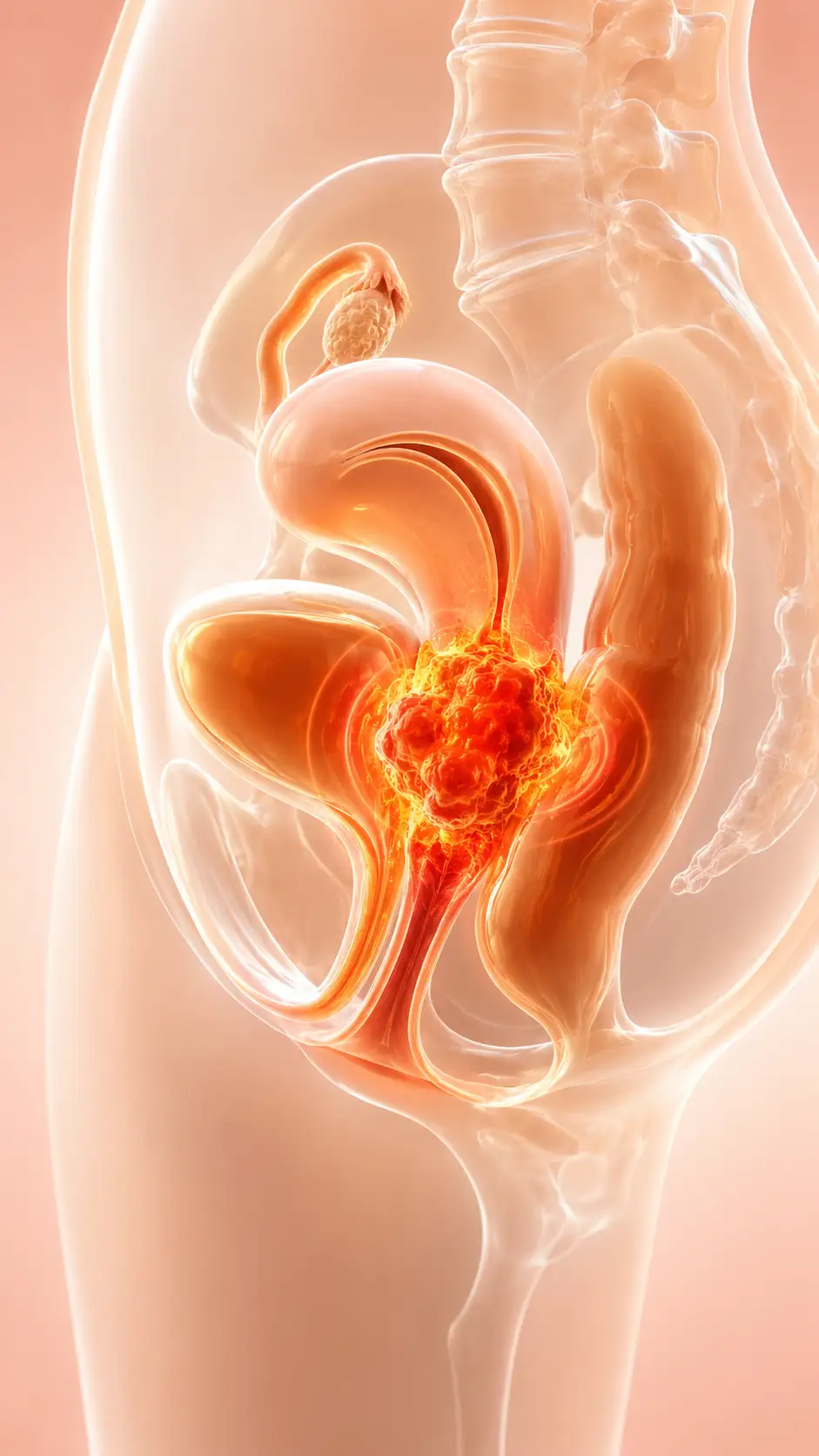
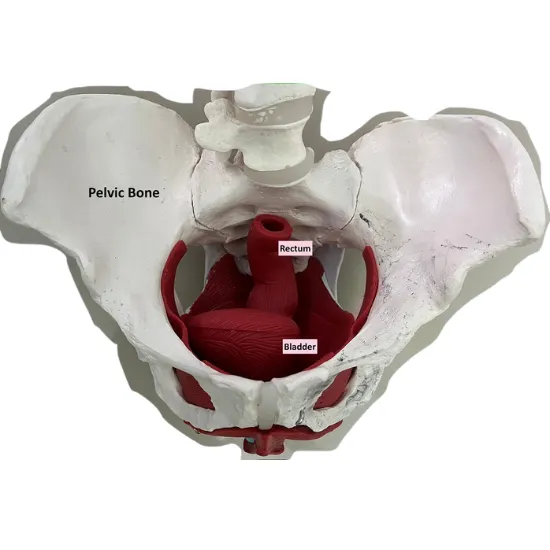
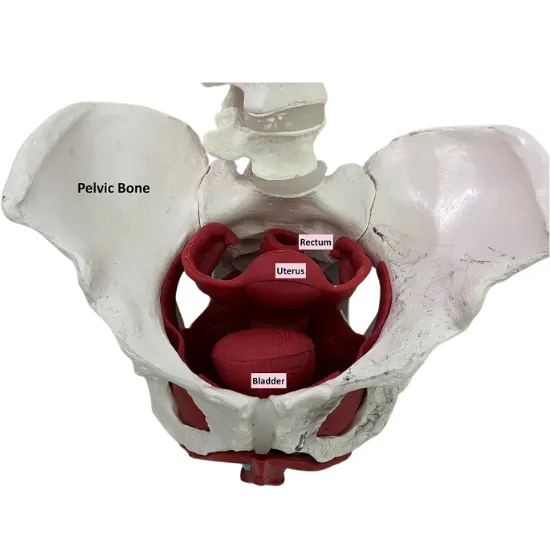
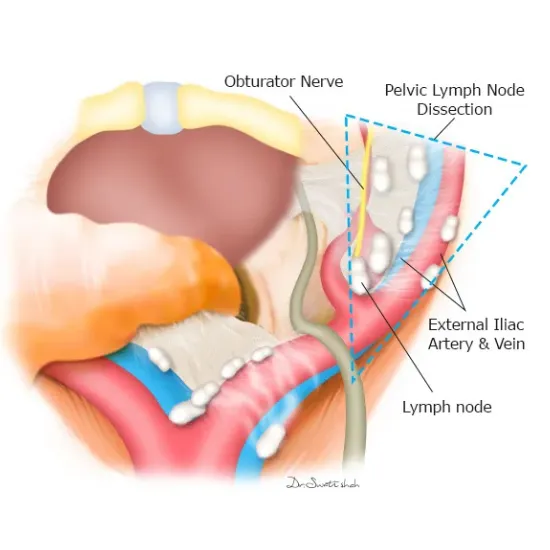
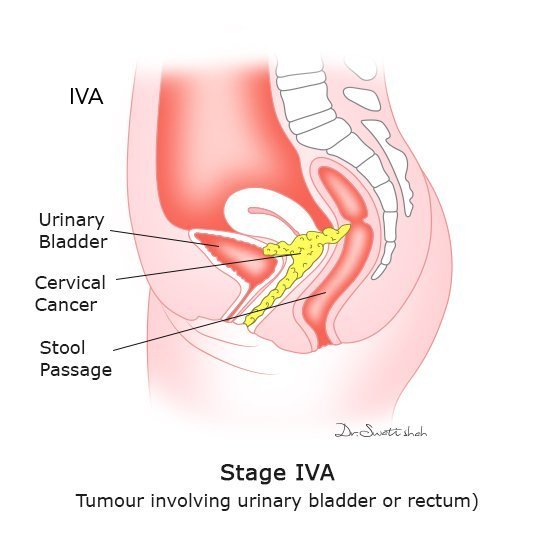
Dr Swati Shah operates on these cancers too. Read about it, and about when you need a gynae-oncologist rather than a gynecologist, on her gynae-oncologist in Ahmedabad page.
| Feature | Robotic Pelvic Surgery (Dr. Swati Shah) | Laparoscopic Surgery | Traditional Open Surgery |
|---|---|---|---|
| Access in the Deep Pelvis | Excellent: Wristed instruments easily navigate the tight, bony curves of the pelvis. | Poor: Straight, rigid sticks cannot bend around the pelvic bone. | Poor: The surgeon's hands block their own view in the narrow pelvic cavity. |
| Surgical Vision | 3D High-Definition (10x Magnification) | 2D Flat Screen | Naked Eye (Struggles in the deep, dark pelvis) |
| Continence & Nerve Preservation | Highest Rate: Micro-precision safely protects the urinary sphincter and sexual nerves. | Moderate: Difficult to maneuver delicately in tight spaces. | Low: Higher risk of accidental nerve trauma or severe bleeding. |
| Incision Size | 4–5 Tiny Keyholes (8mm each) | 4–5 Small Keyholes | One massive cut (From belly button to pubic bone) |
| Blood Loss in the Pelvis | Minimal (Pelvic veins are easily controlled; transfusions are rare) | Low to Moderate | High (Deep pelvic bleeding is common and hard to control) |
| Hospital Stay | 2 to 4 Days | 3 to 5 Days | 7 to 10+ Days |








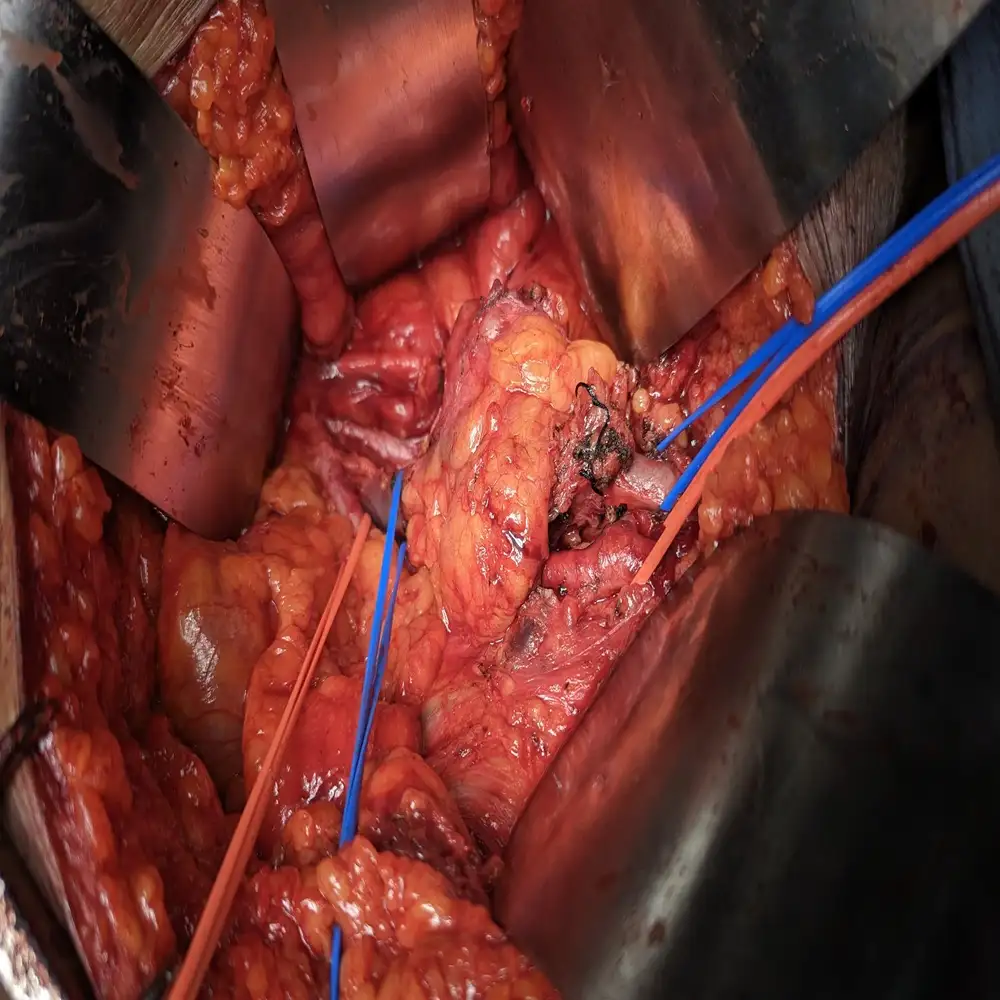
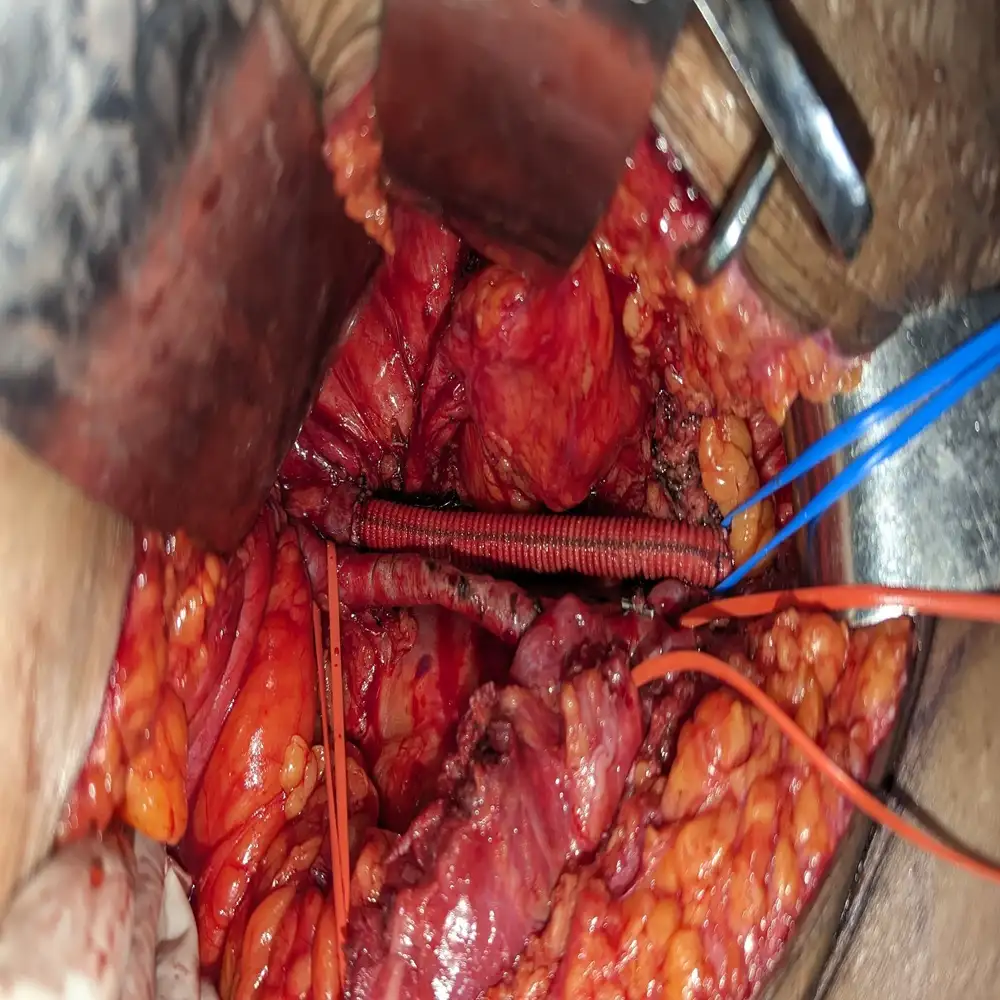
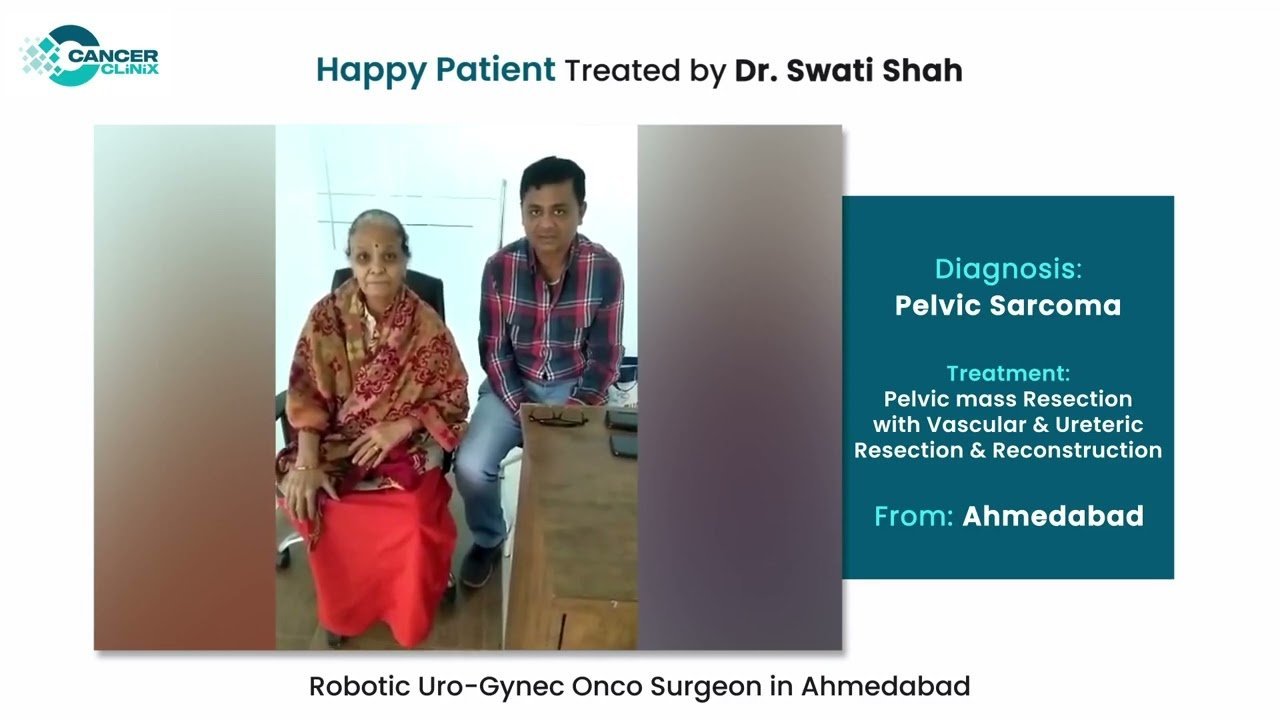
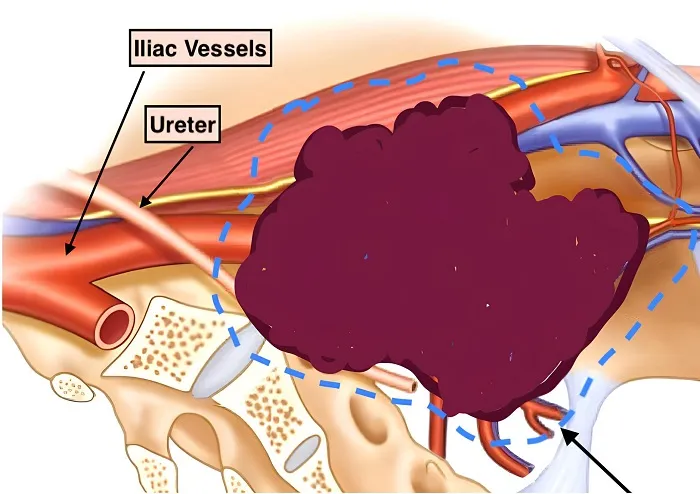
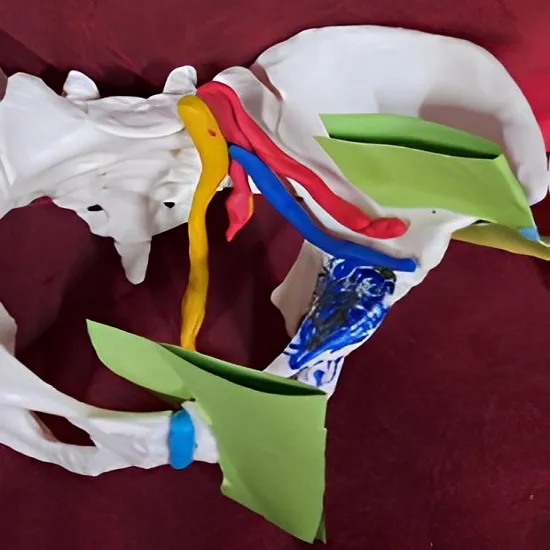
The patient was a 54-year-old postmenopausal female presenting with lower abdominal and back pain. Diagnostic imaging revealed a $49\times48\times43$ mm right adnexal mass severely compressing the lumen of the right external iliac vein. This highly vascular retroperitoneal tumor posed an imminent risk of complete venous occlusion and significant intraoperative hemorrhage.
⦿ High-Precision Tumor Excision and Major Vascular Reconstruction
Dr. Swati Shah performed a meticulously planned retroperitoneal resection of the right pelvic mass and involved external iliac vein. The precision of the dissection allowed for the safe isolation of the abutting external iliac artery and psoas muscle. Dr. Shah then successfully reconstructed the excised segment of the external iliac vein utilizing an advanced 7 mm Dacron graft.
• Procedure: Resection of pelvic sarcoma was coupled with complex vascular reconstruction and lymph node biopsy.
• Complex Anatomy: The tumor encased the external iliac vein and directly abutted the iliac artery.
• Safety / Blood Loss: Exceptional anatomical preservation minimized major vascular injury risks and ensured complete patient safety.
• Cancer Clearance: Intraoperative frozen section confirmed negative margins and a spindle cell neoplasm origin.
⦿ Complete Oncological Clearance and Stable Recovery
The patient's immediate postoperative recovery was stable and she was ambulatory prior to discharge. Final pathology confirmed a spindle cell neoplasm with excellent margin-free status and successful femoral lymph node removal. The Dacron graft maintained optimal lower limb venous patency with no immediate vascular complications. The patient returned home on a specialized diet with controlled pain management.
By combining advanced surgical oncology techniques with vascular reconstruction, we successfully achieved R0 resection of this aggressive retroperitoneal tumor. Utilizing a Dacron graft allowed us to safely sacrifice the involved vein to ensure complete clearance while preserving lower limb function.
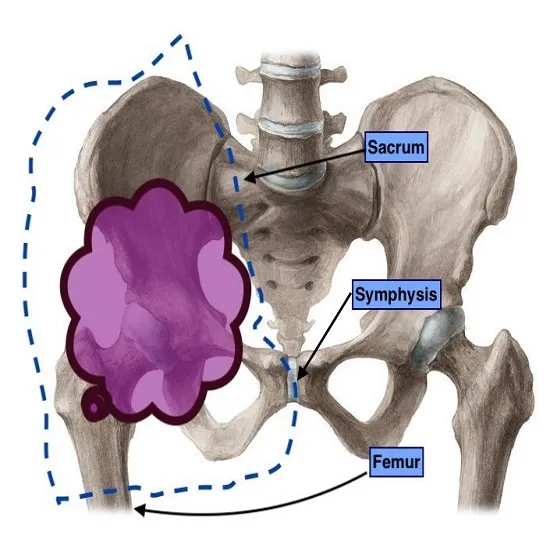
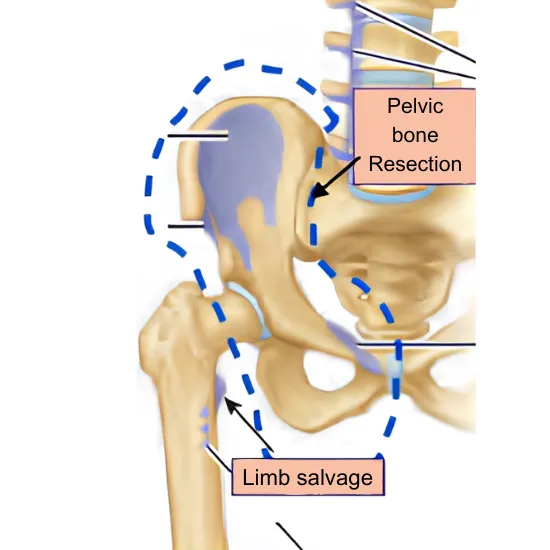
A 54-year-old female presented with persistent left leg pain and a massive, aggressive pelvic tumor. Imaging revealed a 170 mm extraperitoneal solid-cystic mass eroding the left acetabulum and ischium. The tumor significantly compressed vital pelvic organs, presenting an urgent structural and oncological crisis.
⦿ Internal Hemipelvectomy with Pseudo-Arthrodesis
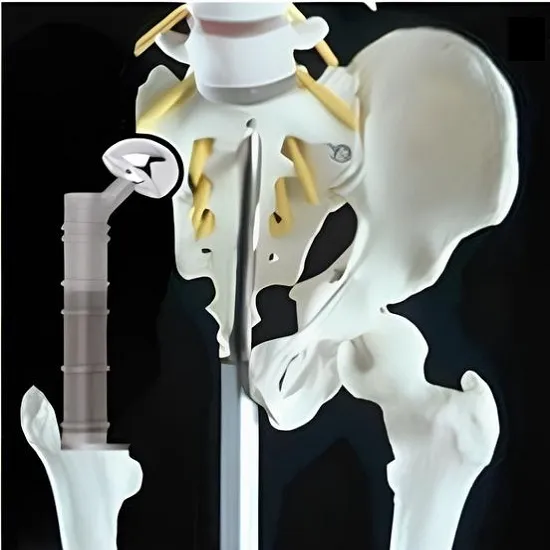
Dr. Swati Shah performed a highly complex internal hemipelvectomy type 2 and 3. The meticulous procedure involved wide tumor resection alongside an iliofemoral pseudo-arthrodesis reconstruction. Specialized techniques ensured precise margins while preserving adjacent neurovascular structures and pelvic stability.
• Procedure: Internal hemipelvectomy type 2 and 3 was executed with an iliofemoral pseudo-arthrodesis reconstruction.
• Complex Anatomy: The massive tumor was successfully isolated from compressed pelvic organs and major iliac vessels.
• Safety & Stability: Prolene mesh was expertly utilized to reconstruct the defect and secure pelvic infrastructure.
• Cancer Clearance: The extensive 190 mm pelvic mass was entirely excised with completely negative margins.
⦿ Complete Tumor Extirpation and Stable Recovery
The patient experienced a smooth, uneventful postoperative recovery and was discharged in stable condition four days following surgery. Final histopathology confirmed complete clearance with tumor-free soft tissue and bony margins. Lymph nodes were clear of malignancy, and pelvic structural integrity was successfully preserved for future rehabilitation.
Managing massive pelvic sarcomas with bone erosion requires aggressive clearance combined with precise reconstruction to preserve mobility. By utilizing a highly coordinated surgical approach, we achieved complete margin-free resection while successfully maintaining pelvic stability, giving the patient the strongest foundation for long-term recovery.
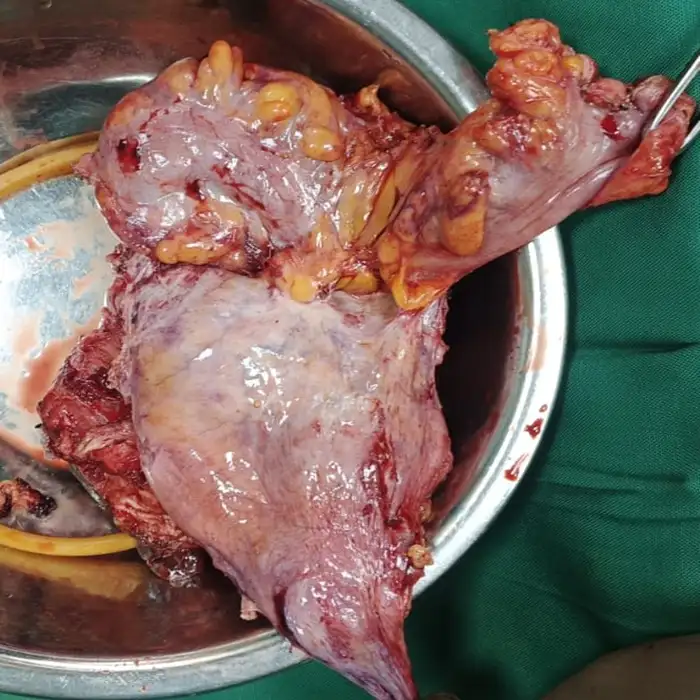
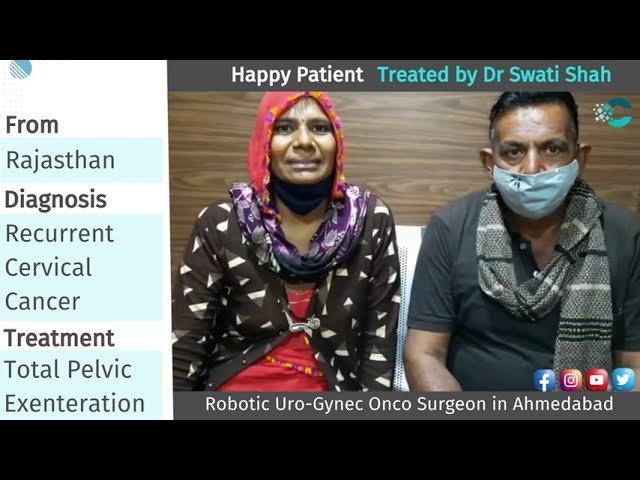
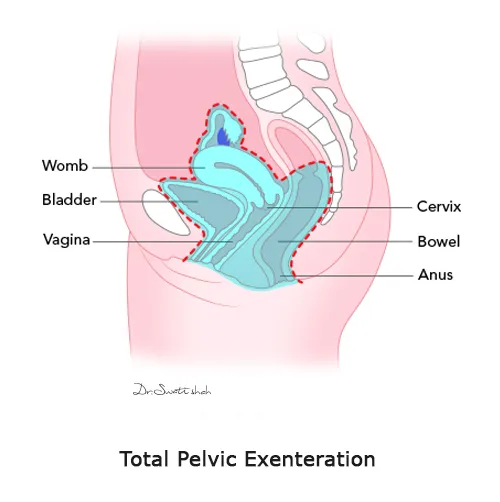
The patient is a 49-year-old female presenting with a local recurrence of mucinous adenocarcinoma of the cervix, complicated by a painful rectovaginal fistula. Having previously undergone a radical hysterectomy followed by intensive chemotherapy and radiation, her pelvic anatomy was highly compromised. The aggressive, moderately differentiated tumor had actively breached the colonic and bladder boundaries, demanding immediate multi-organ intervention.
⦿ Robotic Total Pelvic Exenteration
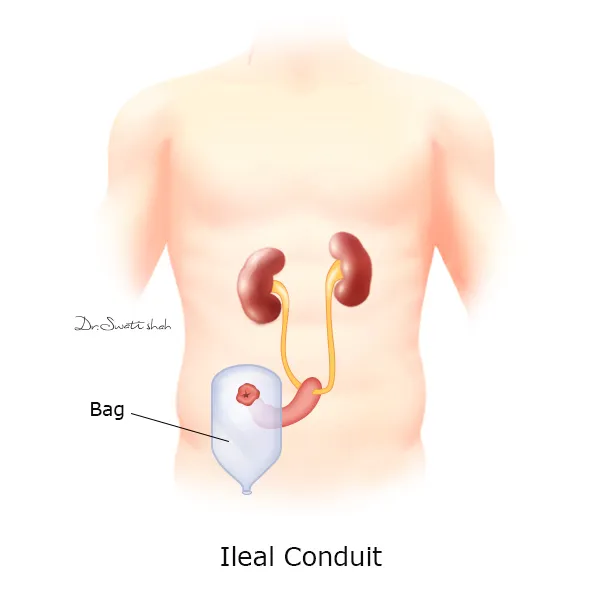
Dr. Swati Shah performed an advanced robotic total pelvic exenteration to aggressively remove the multi-organ disease. Utilizing the precise robotic system, she safely executed a concurrent cystectomy, vaginal vault resection, and colonic resection. To restore physiological function, Dr. Shah meticulously constructed an isolated ileal conduit for urinary diversion and an end colostomy for bowel continuity.
• Procedure: A minimally invasive robotic total pelvic exenteration was successfully completed through a multi-port approach.
• Anatomical Reconstructions: An ileal conduit was fashioned for urinary drainage alongside a functional end colostomy.
• Patient Safety: Precision dissection minimized surgical trauma despite extensive adhesions and significant multi-organ involvement.
• Cancer Clearance: Complete macroscopic clearance was achieved, ensuring the multi-organ specimen was safely extirpated.
⦿ Pathological Clearance and Stable Recovery
The patient experienced a smooth, uneventful postoperative recovery and was safely discharged in a hemodynamically stable condition. Final histopathology confirmed excellent oncological results, demonstrating completely negative surgical margins across all resected structures. Six retrieved mesenteric lymph nodes were entirely reactive and free of metastasis. The patient was fully ambulatory upon discharge, with well-controlled pain and successfully managed functional conduits.
Managing recurrent pelvic malignancies requires aggressive surgical clearance coupled with intricate reconstructive expertise. By leveraging robotic precision, we successfully resected the invaded organs with clear margins while performing complex urinary and fecal diversions. This comprehensive approach provides the patient with the absolute best chance for long-term survival and disease control.
| The Myth | The Fact |
|---|---|
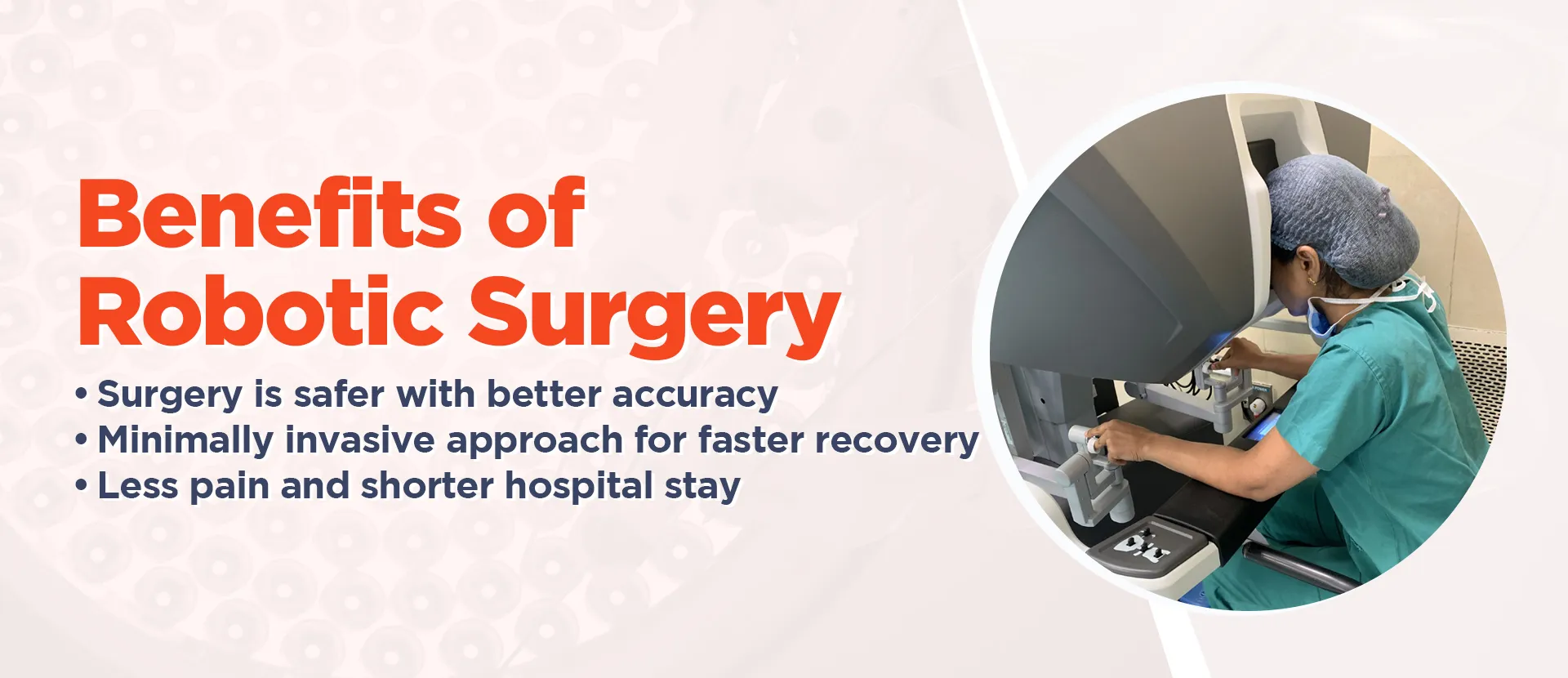
| “The robot performs the surgery on its own.” | Fact: The robotic system is 100% controlled by Dr. Swati Shah at all times. It is a high-tech surgical tool that translates her exact hand movements into micro-precise actions inside the body; it cannot move or make decisions without her. |
| “Robotic surgery cannot be used for advanced or recurrent pelvic cancers.” | Fact: In carefully selected cases, robotic surgery can be considered for complex pelvic cancers involving the uterus, ovary, cervix, bladder, prostate, or recurrent pelvic tumours, depending on tumour extent and multidisciplinary planning. |
| “Major pelvic cancer surgery always means permanent loss of normal bladder or pelvic function.” | Fact: Dr. Shah uses precise nerve-sparing, organ-preserving, and reconstructive techniques wherever oncologically safe to support urinary control, pelvic function, and long-term quality of life. |
| “Open surgery is always safer because the pelvis is too deep and narrow.” | Fact: The deep pelvis is a tight and challenging surgical space. Robotic 3D magnification and wristed instruments can provide better access, visibility, and precision during selected complex pelvic tumour surgeries. |
| “Robotic pelvic cancer surgery is experimental and risky.” | Fact: Robotic surgery is a globally recognised, advanced surgical approach used for selected pelvic cancer procedures. It supports precise tumour removal with smaller incisions, reduced surgical trauma, and smoother recovery in appropriate patients. |
| Surgical Approach | Cost Investment Factor | Patient Recovery Timeline |
|---|---|---|
| Open Surgery | Baseline standard cost | Traditional hospital stay |
| Laparoscopic | Moderate technology cost | Faster healing process |
| Robotic Surgery | Premium technology cost | Walk in 24 hours |
The latest surgical techniques for advanced or recurrent pelvic cancers involving the uterus, ovary, cervix, bladder, prostate, soft tissue sarcoma, and pelvic bone tumours utilize highly precise robotic surgery and carefully planned advanced pelvic procedures to achieve safe and effective outcomes. These minimally invasive procedures aim for margin-negative tumor removal while preserving critical pelvic structures wherever possible, supporting faster recovery and better functional outcomes.
| Cancer Type | Advanced Approach | Primary Benefit |
|---|---|---|
| Prostate Cancer | Nerve-preserving robotic surgery | No incontinence, walk in 24 hours |
| Urinary Bladder Cancer | Robotic tumor resection | Margin-negative, home in 2-3 days |
If you have any kind Uro Cancer related medical emergency, visit Apollo Hospital. An expert doctor is always available & treatment will be provided at once.
Swasth Parivar: twice a month, practical advice on recovery, diet and warning signs. No advertising. Stop any time.
Your number is used for these updates and for the clinic to reach you. It is never sold or passed on. To stop, reply STOP on WhatsApp.