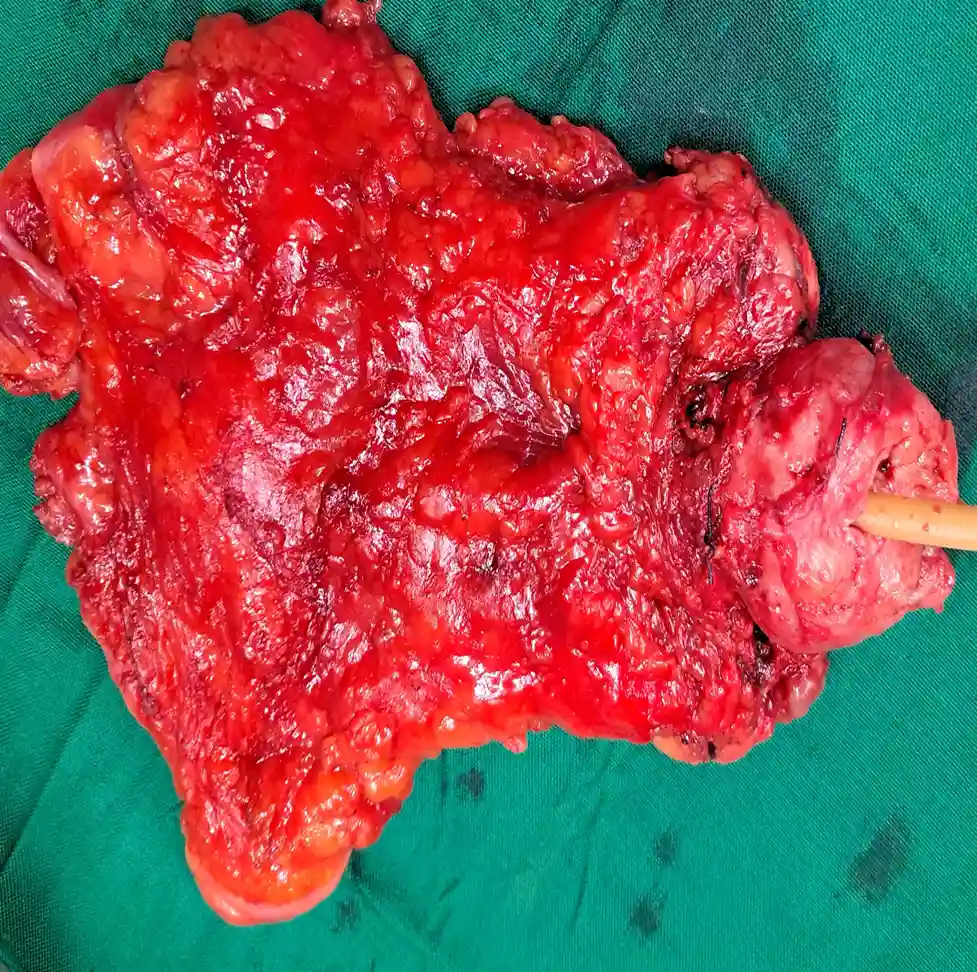
A 57-year-old male presented with a history of hematuria and a diagnosis of high-grade muscle-invasive urothelial carcinoma featuring glandular and squamoid differentiation. This aggressive cancer required urgent intervention following a previous transurethral resection to prevent further progression and ensure complete oncological clearance.
⦿ Laparoscopic Radical Cystoprostatectomy with Neobladder
• Procedure: A complex laparoscopic radical cystoprostatectomy with neobladder reconstruction was successfully executed.
• Lymph Nodes: Thirteen bilateral pelvic lymph nodes were meticulously dissected and evaluated.
• Blood Loss: The advanced minimally invasive surgical approach resulted in minimal intraoperative blood loss.
• Cancer Clearance: Final pathology confirmed no residual invasive tumor and entirely tumor-free surgical margins.
⦿ Cancer-Free Survival And Restored Functionality
The patient experienced an excellent recovery, remaining hemodynamically stable and completely ambulatory shortly after the surgical intervention. Histopathology reports officially confirmed that the lymph nodes and all surgical margins were completely free of any cancerous cells. Ultimately, the successful neobladder reconstruction allowed him to regain functionality and return home safely.
By utilizing a meticulous laparoscopic approach for this aggressive urothelial carcinoma, we achieved total oncological clearance without compromising the patient's quality of life. Constructing the neobladder successfully provided this patient with the absolute best chance for long-term survival and renewed functional independence.
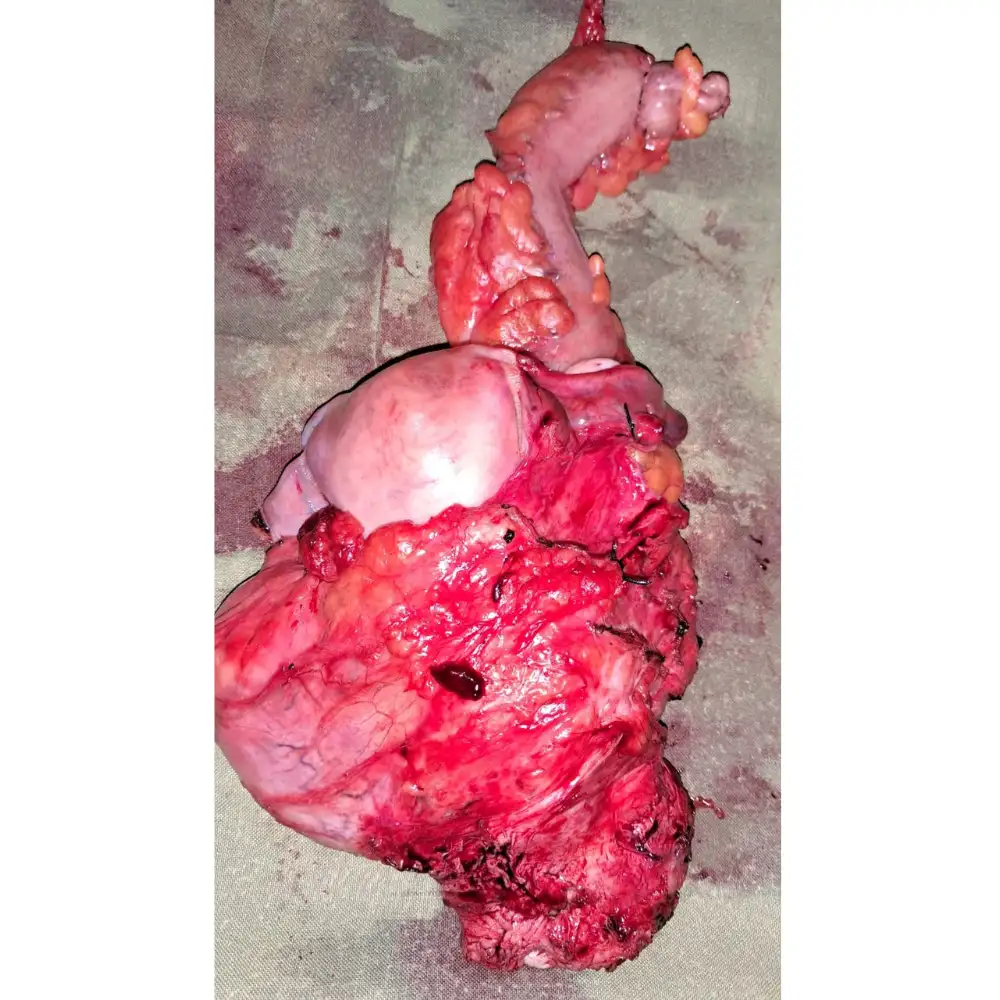
A fifty-four-year-old female patient presented with a highly aggressive, recurrent squamous cell carcinoma of the cervix. This recurrent vault lesion developed after undergoing primary biopsy followed by extensive chemotherapy and radiation therapy. The tumor severely involved the submucosal tissue and neighboring urinary structures, necessitating urgent and decisive surgical intervention.
⦿ Advanced Total Pelvic Exenteration
• Procedure: Dr. Shah expertly completed a total pelvic exenteration for the recurrent vault lesion.
• Extensive Dissection: Ten regional lymph nodes were meticulously dissected and found entirely free of tumor.
• Advanced Precision: The difficult pelvic anatomy was navigated safely with minimal blood loss during reconstruction.
• Oncological Clearance: All surgical cut margins across the operative field remained completely free of tumor.
⦿ Comprehensive Cancer Control
The patient experienced a highly stable postoperative recovery, regaining functional mobility shortly after the extensive surgery. Final pathology confirmed a successful oncological outcome, revealing completely tumor-free margins and zero spread across ten dissected lymph nodes. She ultimately achieved a safe discharge with effectively stabilized urinary and bowel functions.
Successfully treating post-radiation recurrent cervical cancer requires aggressive precision to ensure maximum clearance. By utilizing an advanced exenteration approach, we effectively achieved tumor-free margins and node negativity, granting this patient a tremendous opportunity for long-term survival.
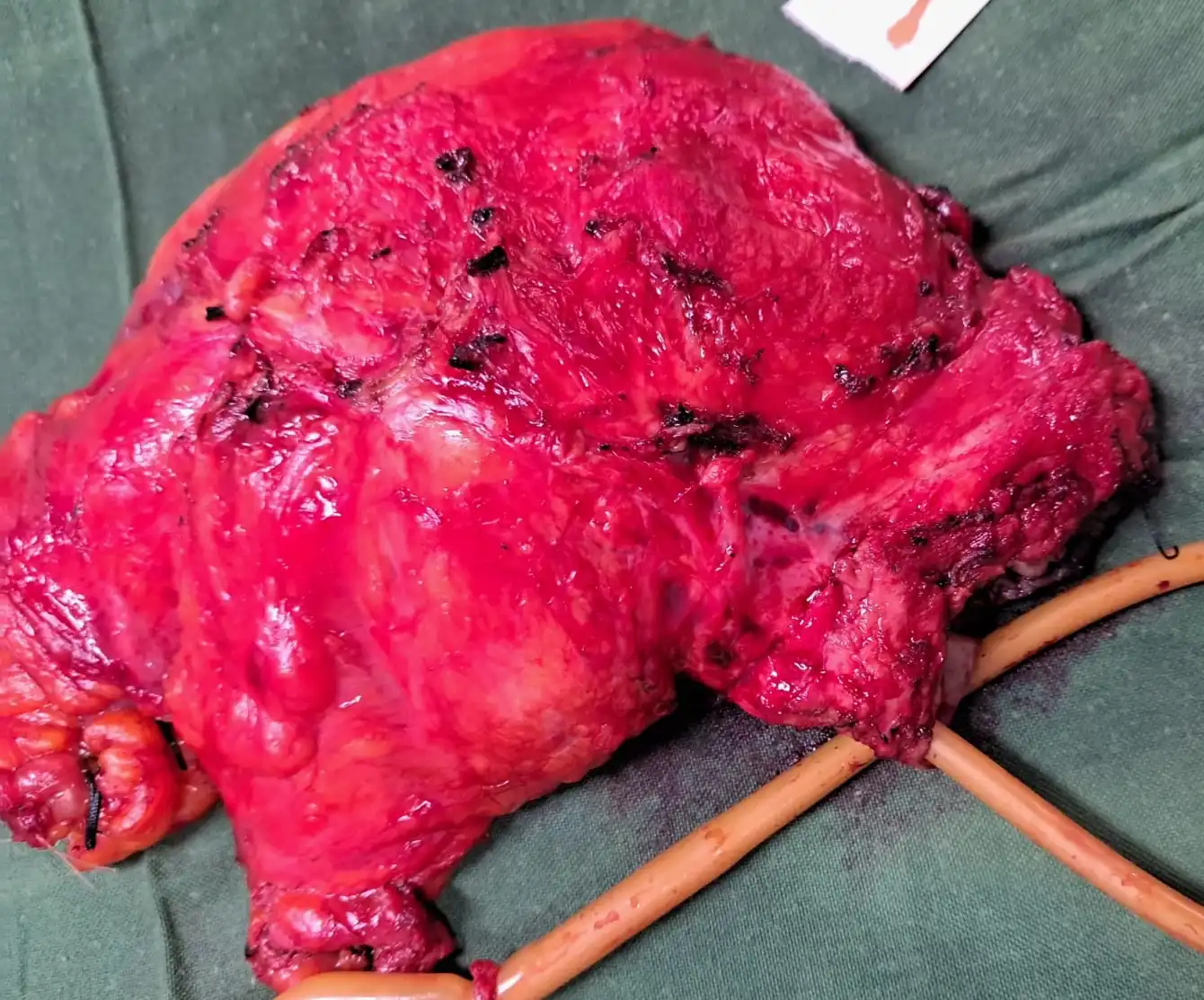
A 44-year-old female patient presented with an aggressive Stage IV cervical squamous cell carcinoma after previously receiving radiation therapy in 2022. The disease had extensively involved the cervix and vagina, extending posterolaterally into the rectal wall, making it a highly complex surgical challenge.
⦿ Total Pelvic Exenteration
• Procedure: A total pelvic exenteration was successfully executed to remove the advanced malignancy.
• Lymph Nodes: Multiple lymph nodes were carefully dissected, and all three evaluated nodes were negative.
• Organ Preservation: The right and left ureters, urinary bladder, and sigmoid colon were successfully preserved.
• Cancer Clearance: All soft tissue, vaginal, anal, urethral, and colonic surgical margins were completely clear.
⦿ Complete Surgical Excision and Pathological Clearance
Comprehensive histopathology confirmed a highly successful surgical stage of ypT3a and ypN0. Pathology evaluation rigorously verified that all three dissected lymph nodes were entirely free of tumour metastasis. Furthermore, analysis confirmed that every single surgical margin, including all cut ends, was completely negative. This complete oncological clearance optimized the patient's chances for long-term survival.
Navigating a post-radiation, Stage IV cervical malignancy demands the highest level of surgical precision. By performing a meticulous total pelvic exenteration, I was able to achieve completely negative margins. This aggressive yet targeted approach gives our patient the greatest possible opportunity for a definitive cure.
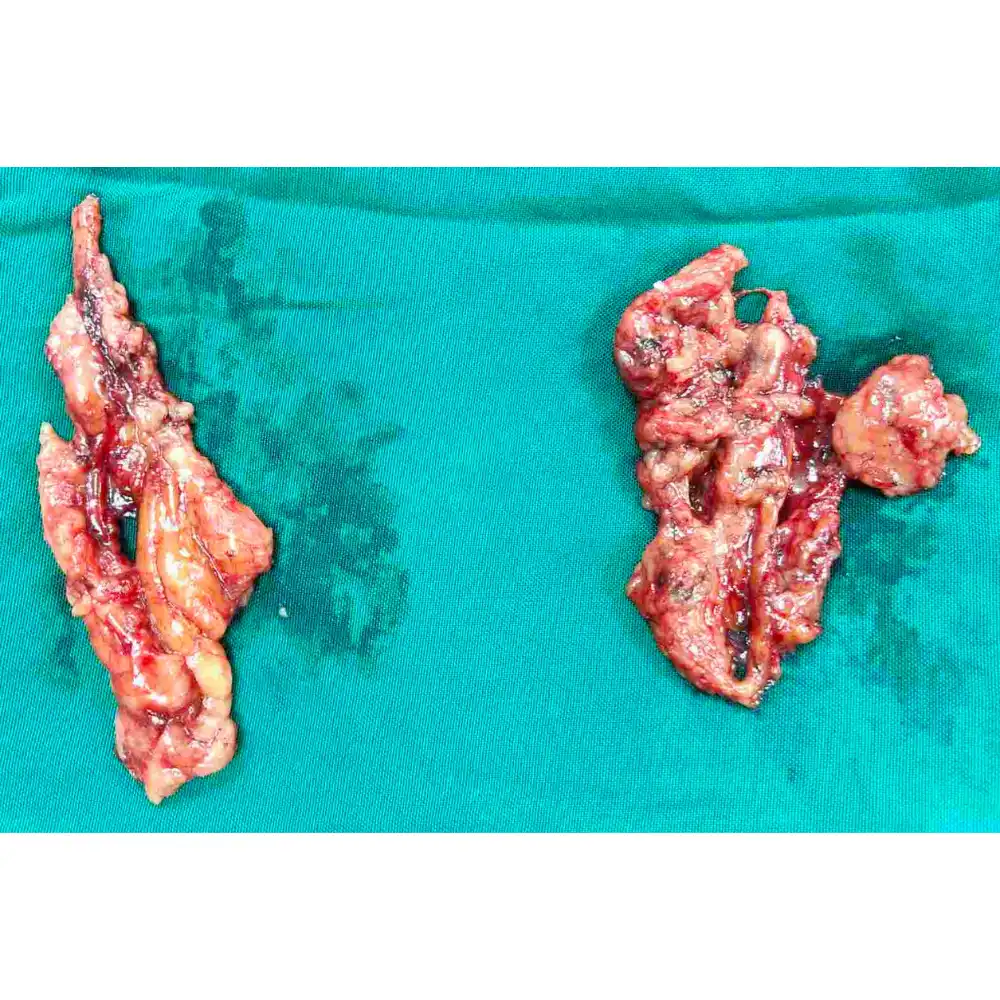
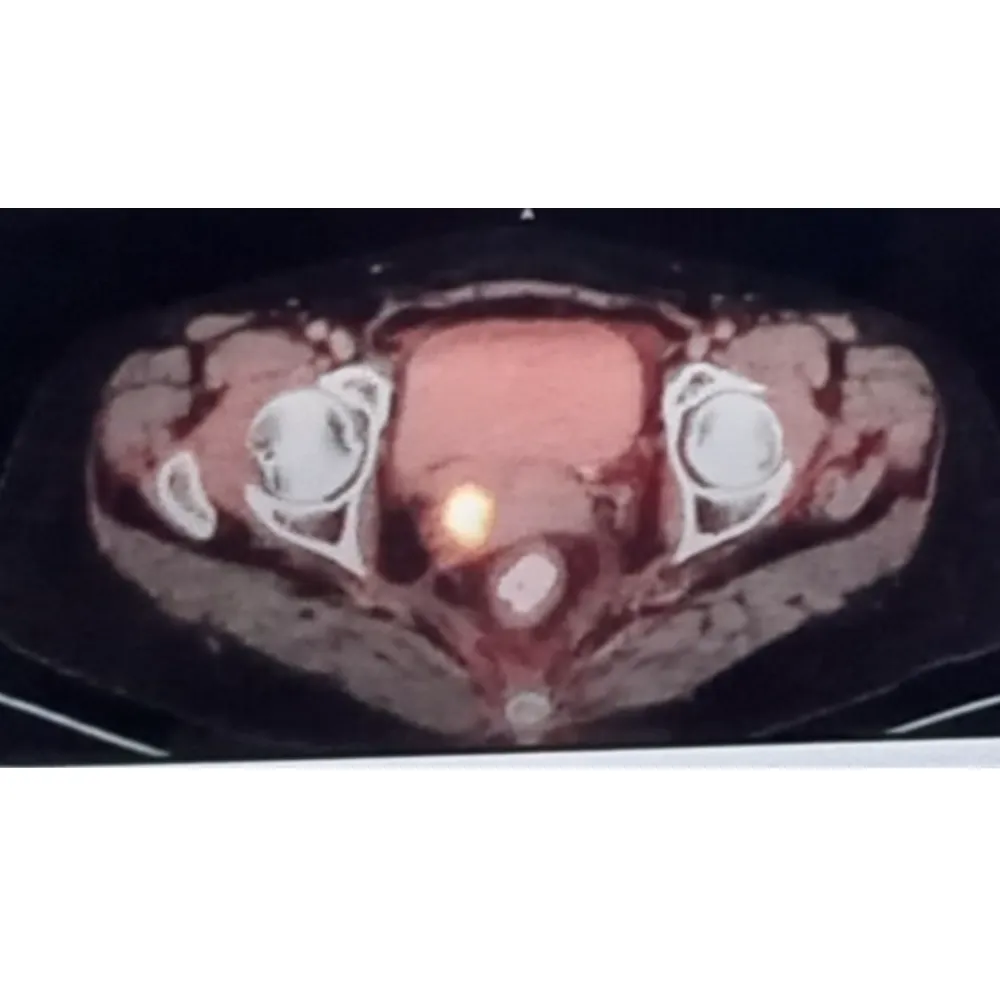
A 65-year-old male presented with muscle-invasive bladder cancer following a prior transurethral resection. Positron emission tomography revealed irregular mural thickening and increased metabolic uptake at the right vesicoureteral junction, indicating persistent high-grade disease. This necessitated prompt, definitive surgical intervention to prevent further spread.
⦿ Robotic Radical Cystoprostatectomy And Urinary Diversion
• Procedure: A robotic radical cystoprostatectomy and ileal conduit were successfully completed without structural complications.
• Extensive Lymph Node Clearance: Twenty-five bilateral pelvic lymph nodes were meticulously excised and yielded zero metastases.
• Minimal Blood Loss: The advanced surgical technique resulted in a remarkably low blood loss of 200 milliliters.
• Surgical Oncology Margins: Final histopathology confirmed completely negative margins across the ureters, vas, and prostatic tissues.
⦿ Complete Cancer Resection And Stable Recovery
The patient progressed well postoperatively, transitioning successfully to a normal diet after resolving a brief bowel delay. Histopathology reports verified a high-grade tumor strictly confined to the deep muscularis, with all retrieved lymph nodes testing completely negative. He was ultimately discharged in a hemodynamically stable, ambulatory condition with a functioning urinary stoma.
By utilizing the robotic platform for this complex radical cystoprostatectomy, I achieved superior anatomical visualization and precise tumor excision. This minimally invasive technique not only secured completely negative margins but also allowed for a steady, confident functional recovery.
A sixty-year-old male presented with hematuria for four days, severe generalized weakness, and occasional back pain spanning several months. Imaging revealed a massive, malignant urinary bladder mass with widespread pelvic extension, accompanied by multiple distant metastases in the lymph nodes and lungs.
⦿ Transurethral Resection and Biopsy
• Procedure: An advanced cystoscopy with transurethral resection and biopsy was flawlessly executed to evaluate the malignancy.
• Complex Anatomy: The intricate resection navigated challenging bladder topography while confirming the left ureteric orifice was obscured.
• Surgical Safety: Complete hemostasis was swiftly achieved during the intervention, ensuring virtually zero blood loss for the patient.
• Diagnostic Completeness: High-quality malignant tissue samples were successfully extracted for critical histopathological analysis to guide future treatments.
⦿ Stable Postoperative Recovery
Following the procedure, the patient experienced a remarkably smooth and completely uneventful postoperative recovery phase. He rapidly regained functional independence and was safely ambulatory shortly after the minimally invasive surgical intervention. The patient was discharged with stable hemodynamics and excellent pain control, ready for subsequent oncological management.
By utilizing a highly precise endoscopic approach, we secured vital diagnostic tissue safely despite the extensive metastatic spread. This immediate, targeted intervention allows us to rapidly initiate comprehensive, life-prolonging therapies tailored to his specific aggressive cancer.
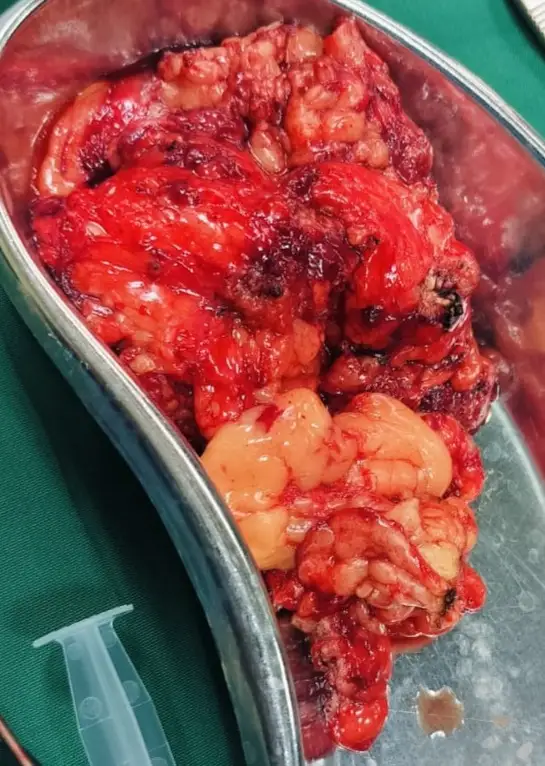
A 50-year-old female presented with residual moderately differentiated squamous cell carcinoma of the cervix following previous chemoradiation. The resilient tumor had invaded the right parametrium and severely compressed the right ureter, causing significant hydroureteronephrosis that demanded complex surgical intervention.
⦿ Robotic Anterior Exenteration
• Procedure: A robotic anterior exenteration with an ileal conduit was successfully completed.
• Complex Anatomy: The team meticulously dissected the heavily irradiated cervical mass from the levator ani muscle.
• Blood Loss: Exceptional hemostatic control resulted in a remarkably minimal blood loss of merely 100 mL.
• Cancer Clearance: Frozen section biopsies confirmed the resected soft tissue margins were completely free of tumor.
⦿ Successful Recovery and Tumor Clearance
The patient experienced an entirely uneventful postoperative recovery and began ambulating shortly after the procedure. Final histopathology confirmed a viable squamous cell carcinoma with clear vaginal cuff and radial margins. She was safely discharged from the hospital with perfectly stable hemodynamics and effectively controlled pain.
Operating on residual post-radiation cervical cancer presents immense anatomical challenges, but our robotic approach provided the necessary precision. By achieving clear margins during this complex exenteration, we have given the patient a strong opportunity for long-term health.
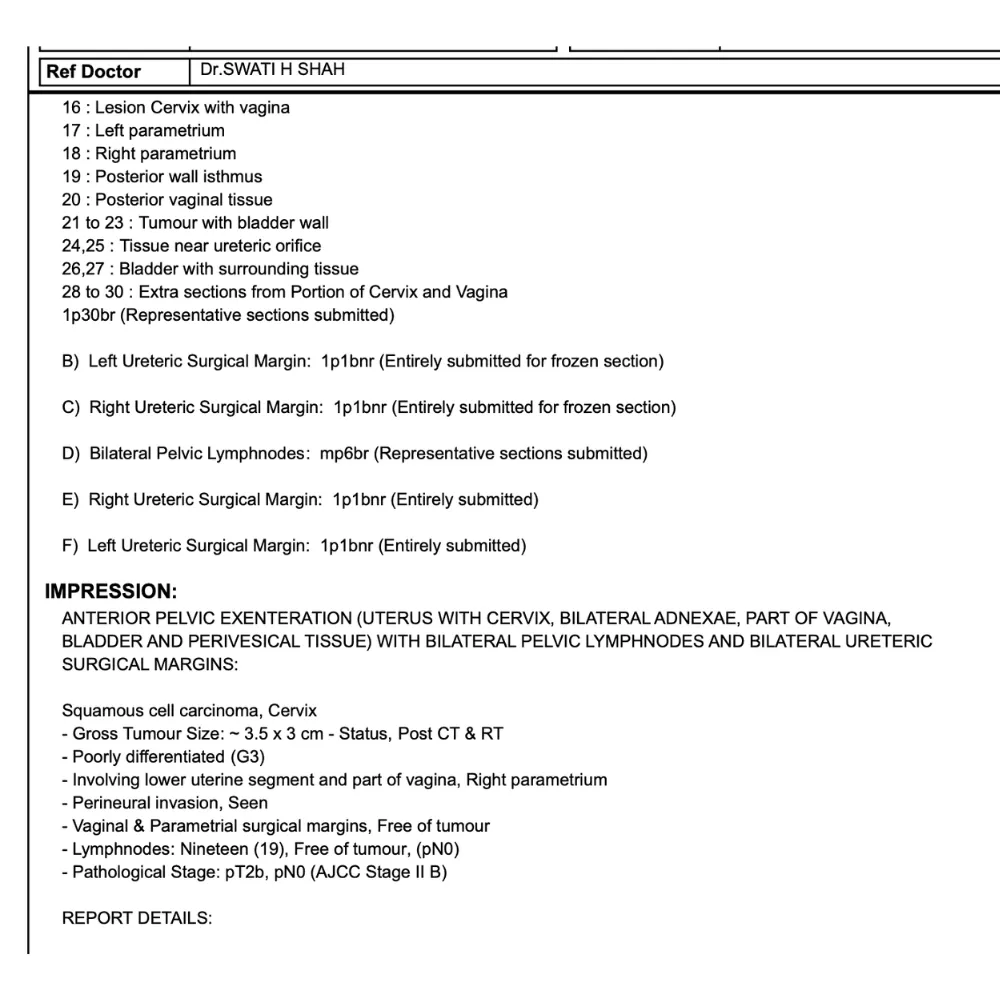
A 45-year-old female presented with persistent vaginal bleeding and was diagnosed with residual stage-IIb cervical carcinoma after failing prior extensive chemo-radiation therapy. The aggressive tumor heavily infiltrated the bladder trigone and upper vagina, presenting a formidable surgical challenge requiring intricate multidisciplinary clearance.
⦿ Robotic Anterior Pelvic Exenteration With Ileal Conduit
• Procedure: Robotic anterior pelvic exenteration was flawlessly executed alongside meticulous ileal conduit urinary diversion.
• Lymph Nodes: Extensive bilateral pelvic lymph node dissection successfully evaluated nineteen distinct regional lymph nodes.
• Blood Loss: Advanced minimally invasive robotic techniques ensured exceptional patient safety with minimal operative blood loss.
• Cancer Clearance: Final pathology confirmed definitively clear surgical margins and zero malignant spread across all nodes.
⦿ Complete Clearance and Swift Recovery
The patient experienced an accelerated postoperative recovery, walking shortly after the extensive procedure with perfectly stable vital signs. Final pathology conclusively demonstrated a poorly differentiated carcinoma with entirely tumor-free vaginal, parametrial, and ureteric surgical margins. She regained exceptional functional stability and was successfully discharged in a healthy, hemodynamically optimized condition.
Tackling residual pelvic malignancies following prior radiation demands extraordinary surgical exactness. By leveraging the unparalleled precision of robotic exenteration, we achieved complete oncological clearance while preserving functional independence, securing her best chance for long-term survival.
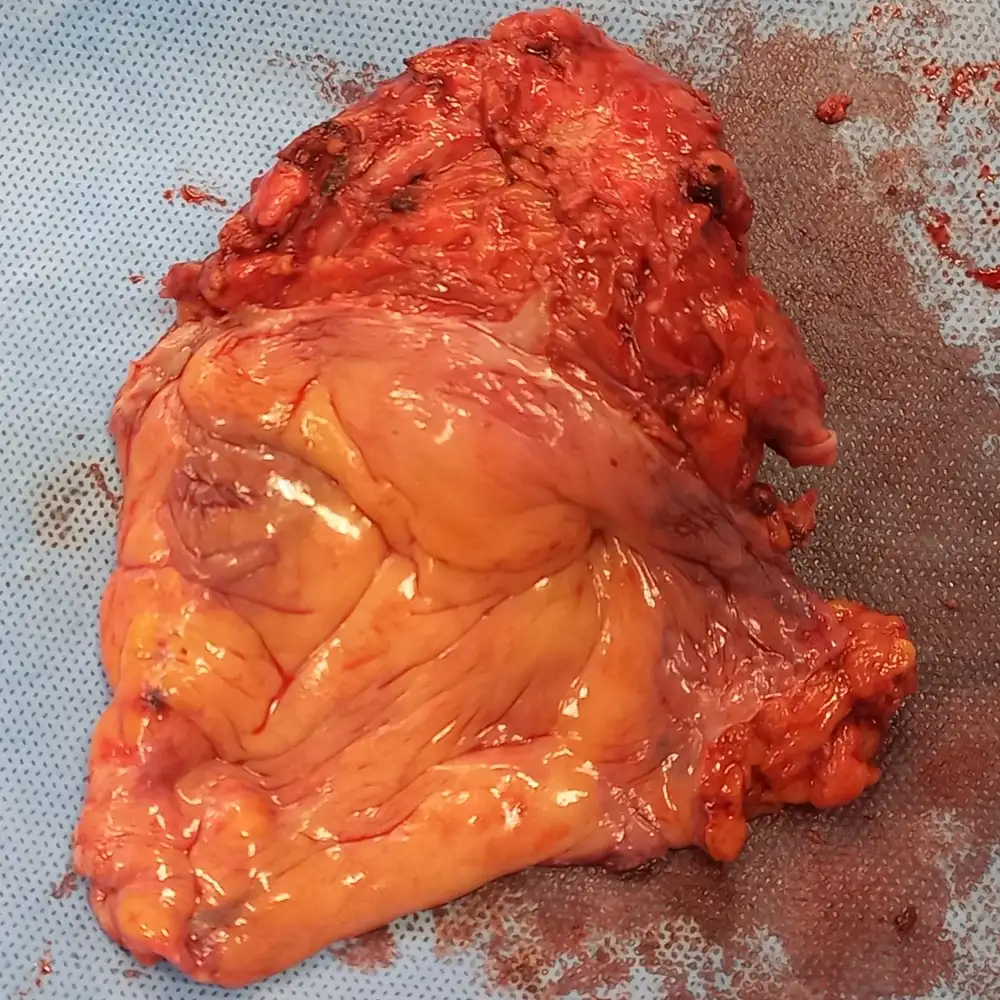
A 52-year-old male presented with high-grade invasive urothelial carcinoma of the bladder following extensive prior chemotherapy and radiation therapy. This complex clinical scenario required highly meticulous surgical intervention because the residual aggressive tumor had microscopically invaded the surrounding perivesical soft tissue.
⦿ Robotic Radical Cystectomy With Ileal Conduit
• Procedure: Dr. Swati Shah successfully executed a complex robotic radical cystectomy with an ileal conduit.
• Lymph Node Clearance: The comprehensive bilateral pelvic dissection yielded ten lymph nodes that were completely cancer-free.
• Patient Safety: This sophisticated robotic approach inherently minimized surgical trauma and effectively preserved optimal patient safety.
• Cancer Clearance: Thorough pathological evaluation confirmed complete tumor excision with all surgical margins completely negative.
⦿ Complete Cancer Resection And Stable Recovery
The patient experienced an exceptionally smooth immediate postoperative recovery and achieved excellent hemodynamic stability. The final histopathology clearly confirmed complete cancer clearance, demonstrating entirely negative surgical margins and absolutely zero tumor spread across all ten examined pelvic lymph nodes. Ultimately, the patient achieved optimal functional outcomes and secured a very stable hospital discharge.
Operating within a highly irradiated surgical field presents unique challenges, but advanced robotic precision allowed us to safely navigate this complexity. By securing completely negative margins, I am confident we gave this patient the best possible chance for long-term survival.
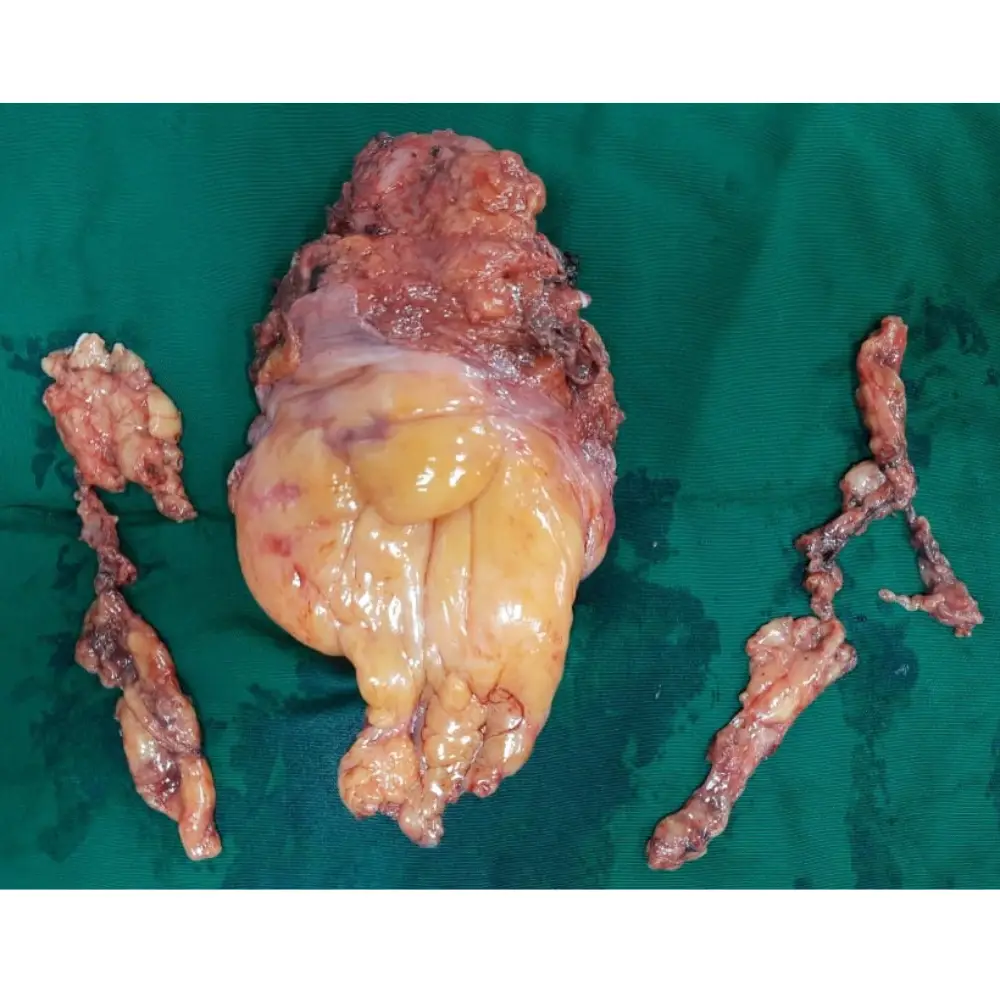
A 68-year-old male patient presented with complaints of recurrent haematuria over a two-month period. Subsequent evaluations and a prior transurethral resection confirmed a diagnosis of muscle-invasive, high-grade papillary urothelial carcinoma. This aggressive malignancy required a highly complex and immediate surgical intervention.
⦿ Robotic Radical Cystoprostatectomy
• Procedure: A robotic radical cystoprostatectomy with an ileal conduit was successfully completed.
• Comprehensive Lymph Node Dissection: Twenty-seven pelvic lymph nodes were meticulously examined and showed zero metastatic involvement.
• Safety and Blood Loss: The advanced robotic platform ensured minimal surgical blood loss, requiring zero blood transfusions.
• Cancer Clearance: Final histopathology confirmed that all surgical margins were completely free of tumor infiltration.
⦿ Successful Recovery And Pathological Clearance
Following the complex procedure, the patient was hemodynamically stable, successfully ambulated on the ward, and demonstrated excellently controlled pain levels. The comprehensive final pathology report definitively confirmed clear surgical margins and absolutely zero regional lymph node spread. Ultimately, he was discharged in a highly stable condition with a functional ileal conduit.
Utilizing the robotic platform for this muscle-invasive cancer allowed us to achieve meticulous oncological clearance. This advanced approach enabled a precise reconstruction, granting the patient the greatest opportunity for a smooth recovery and excellent long-term survival.
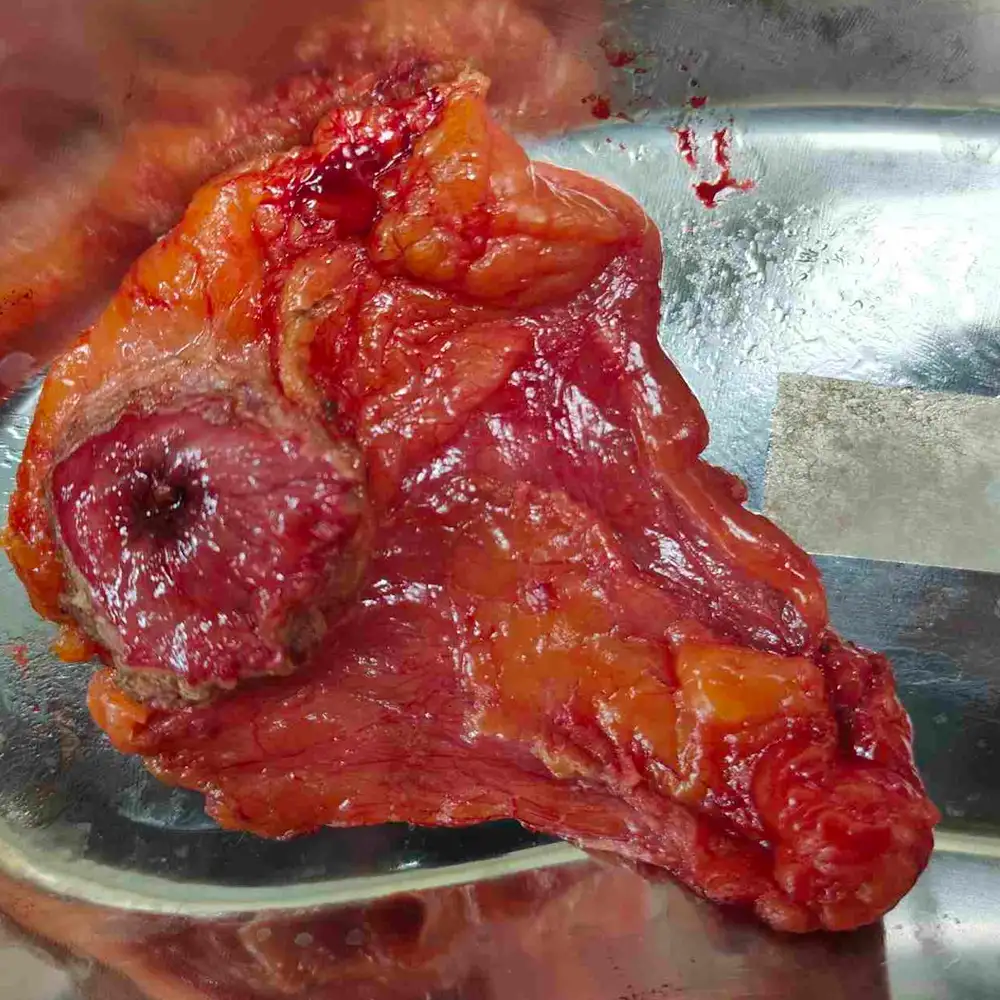
A fifty-eight-year-old male initially presented with a challenging one-year history of hematuria and acute urinary retention. Following a transurethral resection, histopathology confirmed a diagnosis of muscle-invasive adenocarcinoma of the urinary bladder. Because the tumor actively encased the left vesicoureteric junction, the patient urgently required a complex and highly precise surgical intervention.
⦿ Robotic Radical Cystoprostatectomy and Reconstructive Diversion
• Procedure: Dr. Swati Shah expertly completed a robotic cystoprostatectomy combined with an ileal conduit urostomy.
• Lymph Nodes Clearance: The surgical team meticulously dissected and removed bilateral pelvic lymph nodes for comprehensive oncological staging.
• Blood Loss Optimization: The minimally invasive robotic approach resulted in a remarkably low blood loss of 100 ML.
• Cancer Clearance: The final pathology reports confirmed that all surgical margins were completely free of invasive tumor.
⦿ Successful Oncological Clearance and Stable Recovery
The patient experienced a highly stable postoperative recovery and was successfully discharged in an entirely ambulatory condition. Final pathology confirmed a complete surgical excision, with all vital margins remaining definitively free of the invasive micropapillary urothelial carcinoma. He demonstrated excellent pain control and safely returned home with a fully functional urinary stoma.
By utilizing advanced robotic techniques for this invasive adenocarcinoma, I was able to achieve exceptional surgical precision and total margin clearance. This minimally invasive approach ultimately provided the patient with a swift recovery and the absolute best chance for long-term survival.
A 55-year-old male presented with lower urinary tract symptoms, straining, and a diagnosis of urachal carcinoma. This moderately differentiated adenocarcinoma formed a bladder mass that required prompt, precise surgical intervention to prevent further invasion.
⦿ Advanced Surgical Resection
• Procedure: A precise partial cystectomy and retroperitoneal lymph node dissection were successfully executed.
• Lymph Nodes: Fifteen regional lymph nodes were meticulously examined and found entirely negative for metastasis.
• Patient Safety: Hemostasis was effectively achieved, leading to a stable and safe postoperative hemodynamic condition.
• Cancer Clearance: All circumferential and base margins were confirmed completely negative for invasive tumor cells.
⦿ Complete Oncological Clearance
The patient maintained stable hemodynamics and recovered exceptionally well following the procedure. Final histopathology confirmed complete tumor removal with all surgical margins free of invasive cancer. Furthermore, all fifteen evaluated lymph nodes were negative, allowing the patient to be discharged with a highly favorable prognosis.
By performing a precise partial cystectomy and comprehensive retroperitoneal node dissection, we secured clear surgical margins. This meticulous approach successfully eliminated the localized adenocarcinoma, offering the patient an excellent chance for long-term survival.
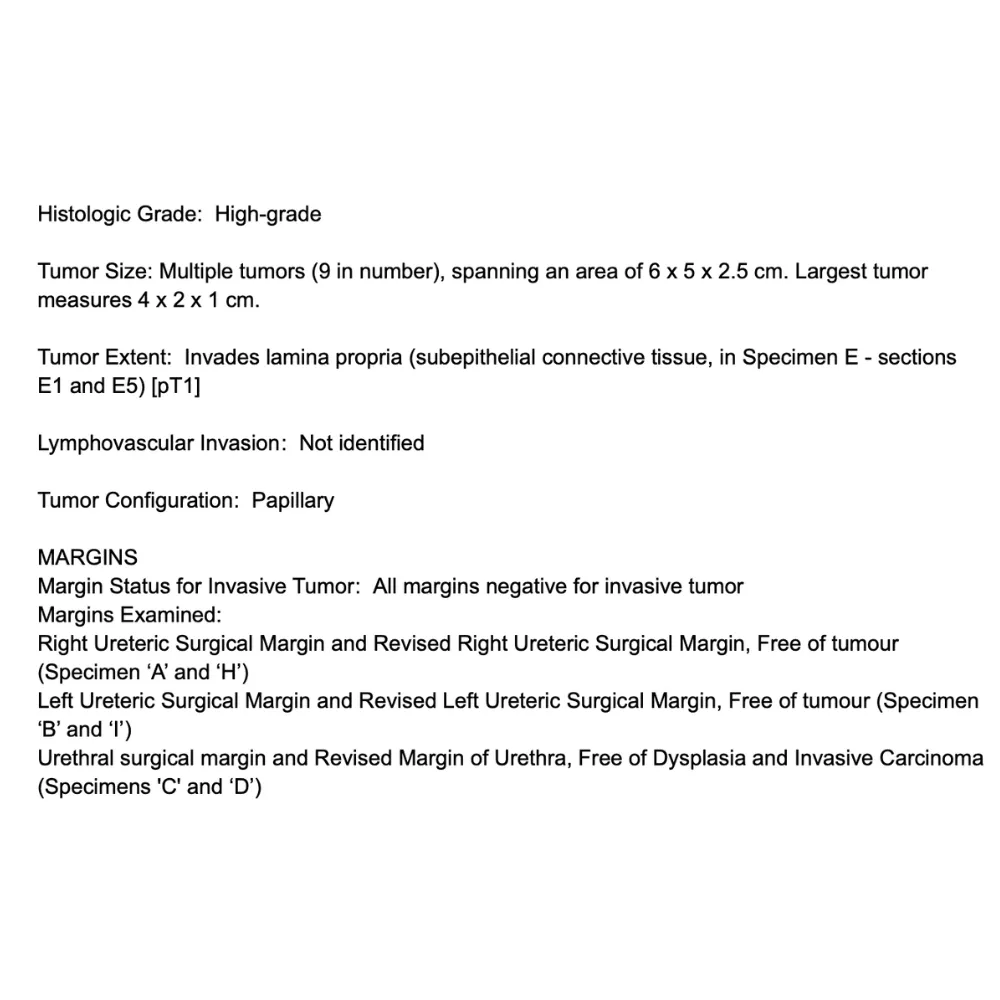
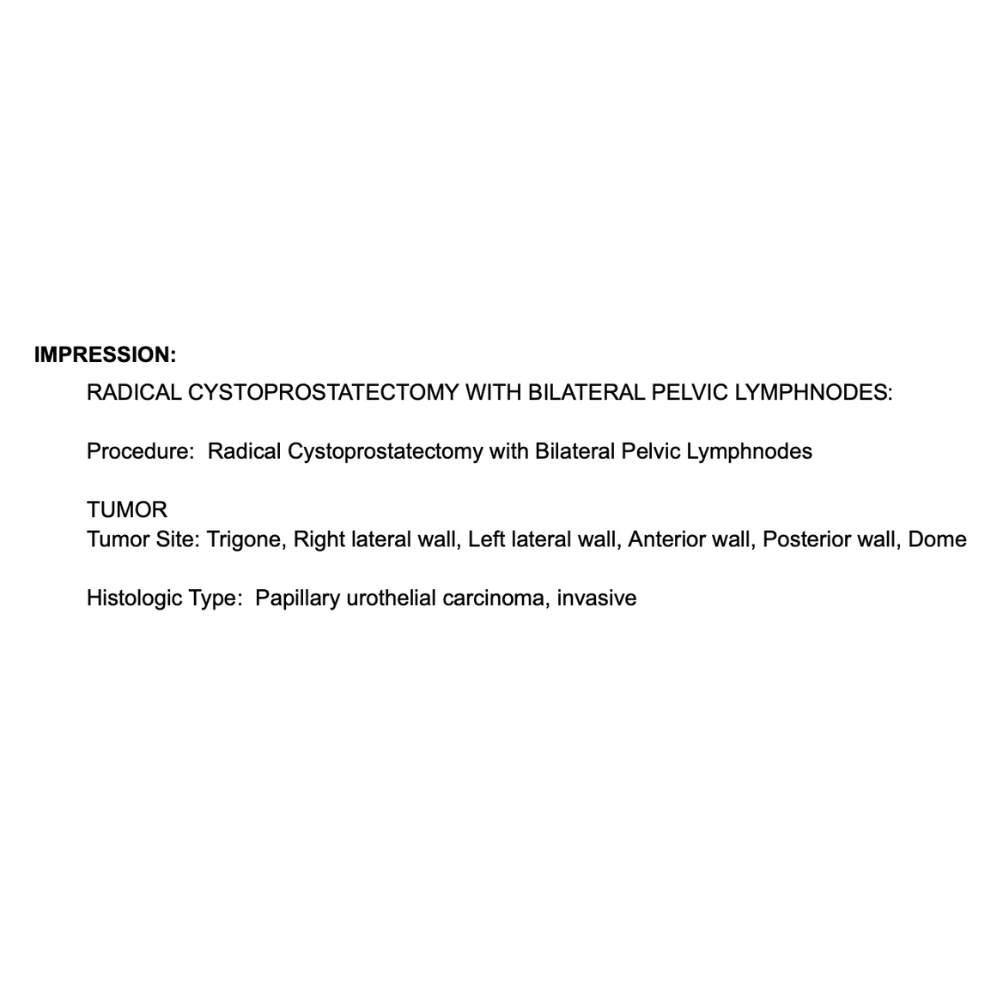
A 70-year-old male presented with significant hematuria and urinary difficulty, revealing a highly aggressive, multifocal high-grade papillary urothelial carcinoma. Scans and initial biopsies confirmed the presence of over nine tumors occupying nearly all walls of the bladder, necessitating urgent and comprehensive surgical intervention.
⦿ Robotic Radical Cystoprostatectomy with Neobladder
• Procedure: Robotic radical cystoprostatectomy with neobladder reconstruction was successfully executed to restore natural urinary continuity.
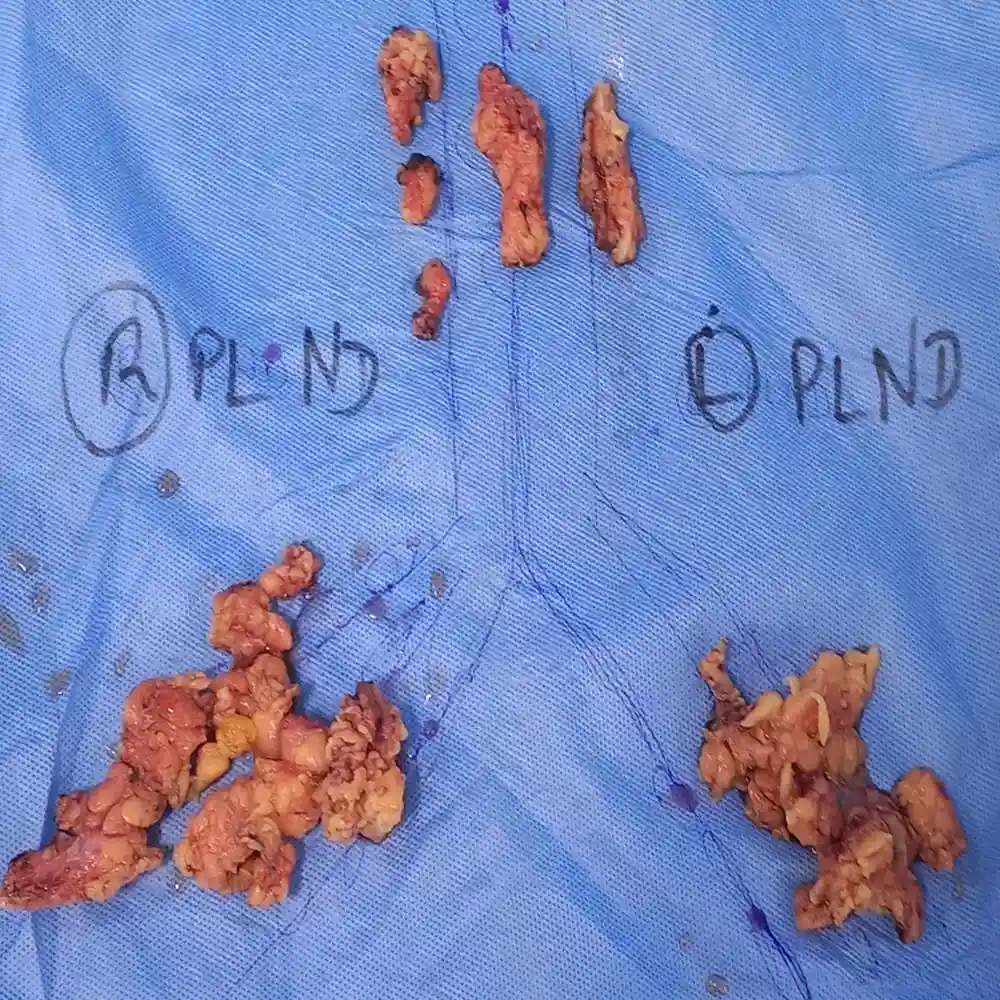
• Pelvic Lymph Nodes: Bilateral pelvic lymph node dissection yielded a total of twelve nodes for comprehensive oncological staging.
• Patient Safety: Advanced surgical visualization ensured meticulous hemostasis with a notably minimal blood loss of 200 milliliters.
• Cancer Clearance: Final pathology successfully confirmed complete tumor excision with all surgical margins free of invasive carcinoma.
⦿ Complete Oncological Clearance And Restored Function
Following a closely monitored hospital recovery phase, the patient stabilized hemodynamically and steadily regained independent bowel and ambulatory functions. Final histopathology delivered an excellent prognosis, confirming zero tumor spread to the twelve excised lymph nodes and perfectly clear surgical margins. The patient was safely discharged with a functional neobladder, securing long-term oncological control and an improved quality of life.
Managing a multifocal tumor of this magnitude requires absolute surgical precision to ensure total cancer clearance. By leveraging robotic technology for the cystoprostatectomy and neobladder reconstruction, we provided this patient with optimal oncological safety while successfully preserving essential anatomical function.
A 55-year-old male presented with a history of dysuria and hematuria, leading to a diagnosis of high-grade urothelial carcinoma of the urinary bladder. The patient required complex surgical intervention following neoadjuvant chemotherapy to address this highly aggressive cancer and ensure complete disease control.
⦿ Radical Cystectomy With Ileal Conduit
• Procedure: A precise radical cystectomy incorporating Bricker's technique for ureteral implantation was successfully executed.
• Extensive Lymph Node Clearance: Bilateral pelvic and retroperitoneal lymph node dissections were comprehensively performed.
• Controlled Blood Loss: The complex procedure was completed safely with an estimated blood loss of 600 milliliters.
• Complete Cancer Clearance: All revised ureteral and urethral surgical margins were confirmed to be entirely negative.
⦿ Successful Recovery And Disease Clearance
The patient experienced an uneventful postoperative recovery and became successfully ambulatory shortly after the extensive procedure. Intraoperative frozen sections definitively confirmed that all final surgical margins were completely free of tumor. He was discharged with perfectly stable hemodynamics, marking a highly successful clinical and functional result.
This complex post-chemotherapy case required absolute surgical precision to achieve completely negative margins and comprehensive lymph node clearance. Our meticulous approach successfully removed the aggressive malignancy while providing excellent functional recovery for the patient.
An adult female patient presented with recurrent cervical squamous cell carcinoma following prior chemotherapy and radiation treatments. This complex recurrence aggressively involved the anterior cervix and extended into the vaginal wall and urinary bladder. The heavily radiated tissue posed a high-risk surgical challenge.
⦿ Robotic Anterior Exenteration With Ileal Conduit
• Procedure: Dr. Shah executed a precise robotic anterior exenteration alongside an ileal conduit urinary diversion.
• Advanced Dissection: The large tumor extending to the bladder mucosa was safely mobilized and successfully extracted.
• Surgical Safety: Advanced robotic visualization maintained hemodynamic stability and ensured minimal blood loss despite irradiated tissues.
• Cancer Clearance: Final pathology confirmed all surgical margins were completely negative for invasive squamous cell carcinoma.
⦿ Disease Clearance and Stable Recovery
The patient experienced a highly stable postoperative recovery and quickly mobilized after her complex surgery. Crucially, the comprehensive final pathology report confirmed completely clear urethral, vaginal, and bilateral ureteric margins. The functional ileal conduit safely restored urinary transit, allowing for a confident hospital discharge and optimal oncological control.
Managing post-radiation cervical cancer recurrences requires meticulous robotic precision to achieve negative margins while navigating scarred, delicate anatomy. By performing an en bloc anterior exenteration, we provided the highest chance for a definitive cure and functional recovery.
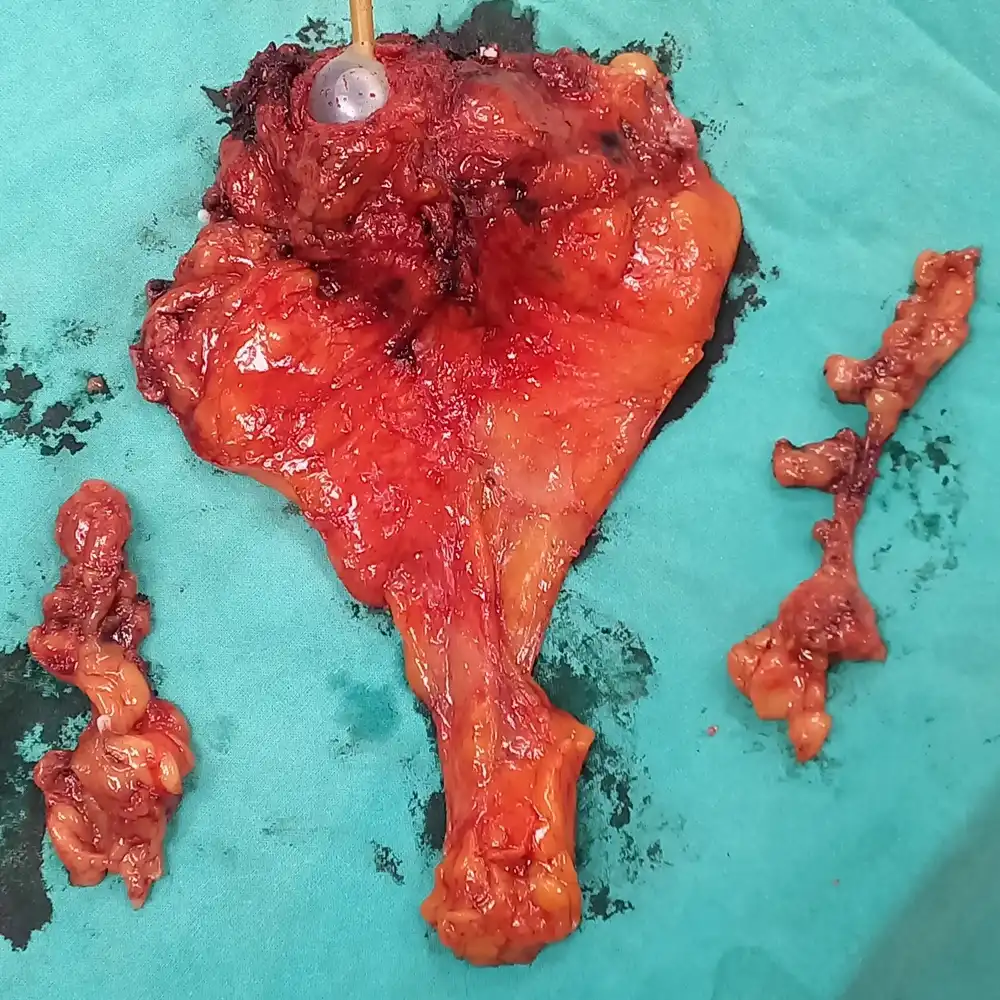
A 52-year-old female presented with high-grade muscle-invasive urothelial carcinoma of the urinary bladder after completing neoadjuvant chemotherapy. Positron emission tomography revealed an aggressive, avid lesion penetrating the bladder wall and abutting the pelvic bowel. This highly complex malignancy demanded an immediate, extensive, and precise surgical intervention.
⦿ Robotic Radical Cystectomy with Hysterectomy and Neobladder
• Procedure: We utilized a highly advanced transperitoneal robotic approach for complete bladder and uterine excision.
• Extensive Lymph Node Dissection: Meticulous bilateral pelvic lymph node dissection was performed to ensure a comprehensive oncological staging.
• Minimal Blood Loss: Operative precision resulted in an exceptionally low total blood loss of just 100 milliliters.
• Complete Cancer Clearance: Real-time intraoperative frozen section analysis successfully confirmed tumor-free ureteral and urethral surgical margins.
⦿ Excellent Recovery and Restored Function
The patient experienced an exceptionally smooth and uneventful postoperative recovery, becoming completely ambulatory shortly after the extensive surgery. Comprehensive pathological evaluations successfully confirmed entirely clear surgical margins alongside the meticulous creation of a functional orthotopic neobladder. She was safely discharged home with highly stable hemodynamics and an excellent functional prognosis.
Utilizing advanced robotic techniques allowed me to achieve precise oncological clearance while meticulously reconstructing a functional neobladder. This highly complex, minimally invasive approach provides our patients with excellent survival outcomes and greatly preserves their overall quality of life.
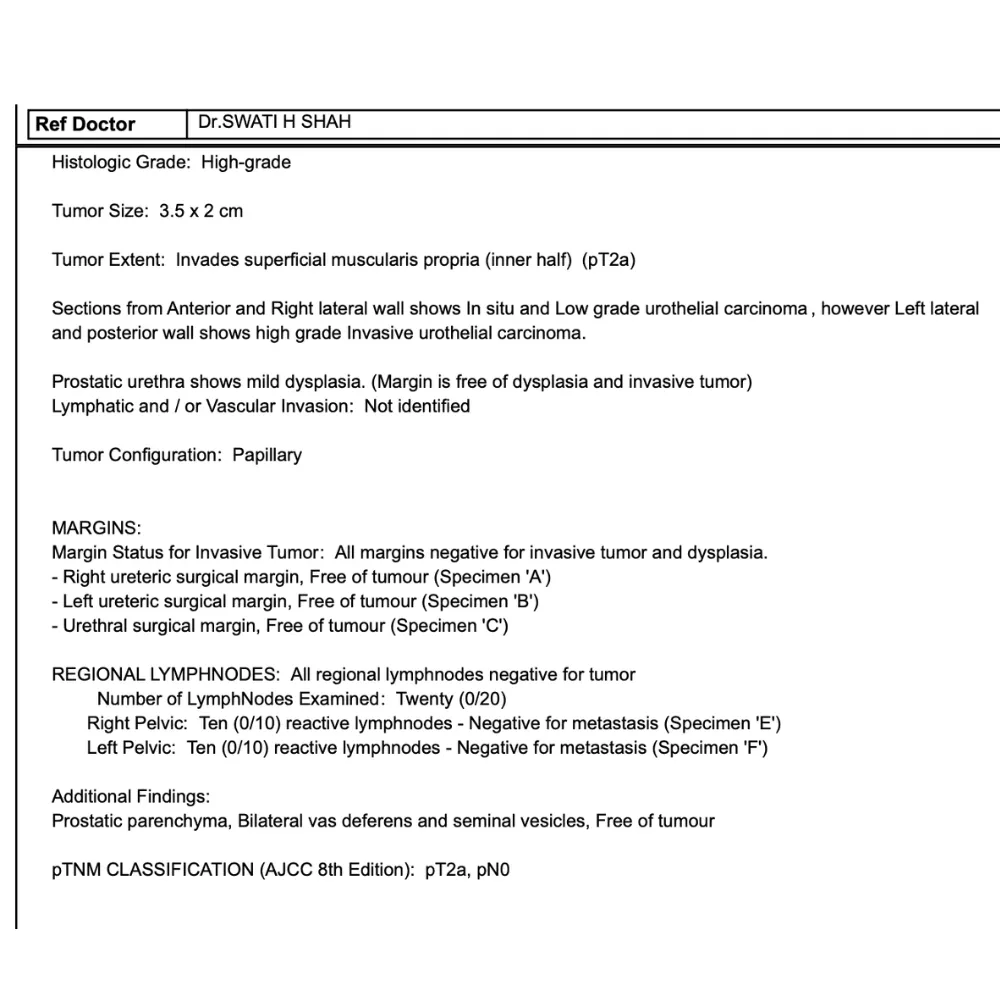
A 60-year-old male presented with a complex recurrence of high-grade urothelial carcinoma following a previous tumor resection. Advanced imaging revealed a persistent invasive lesion involving the bladder wall, left ureter, and prostate base, necessitating definitive and aggressive surgical intervention.
⦿ Advanced Robotic Extirpation and Reconstruction
• Robotic Extirpation: The da Vinci Xi robot facilitated a meticulous radical cystoprostatectomy with clear anatomical visualization.
• Comprehensive Nodal Dissection: Twenty bilateral pelvic lymph nodes were accurately removed and tested completely negative for metastasis.
• Hemodynamic Stability: The minimally invasive robotic approach ensured minimal blood loss, requiring zero blood transfusions intraoperatively.
• Complete Cancer Clearance: All bilateral ureteric, urethral, and surrounding surgical margins achieved a definitive tumor-free status.
⦿ Rapid Recovery and Excellent Oncological Control
Following the surgery, the patient experienced a rapid, uneventful recovery and became ambulatory shortly after. Final histopathology confirmed localized disease with entirely negative margins and zero lymph node spread, indicating successful extirpation. He was discharged with stable hemodynamics, an efficiently functioning stoma, and excellent prospects for long-term health.
By utilizing advanced robotic technology for this recurrent carcinoma, we achieved unparalleled precision in removing the malignancy while preserving vital structures. This comprehensive approach granted the patient complete surgical clearance and an accelerated, comfortable return to daily life.
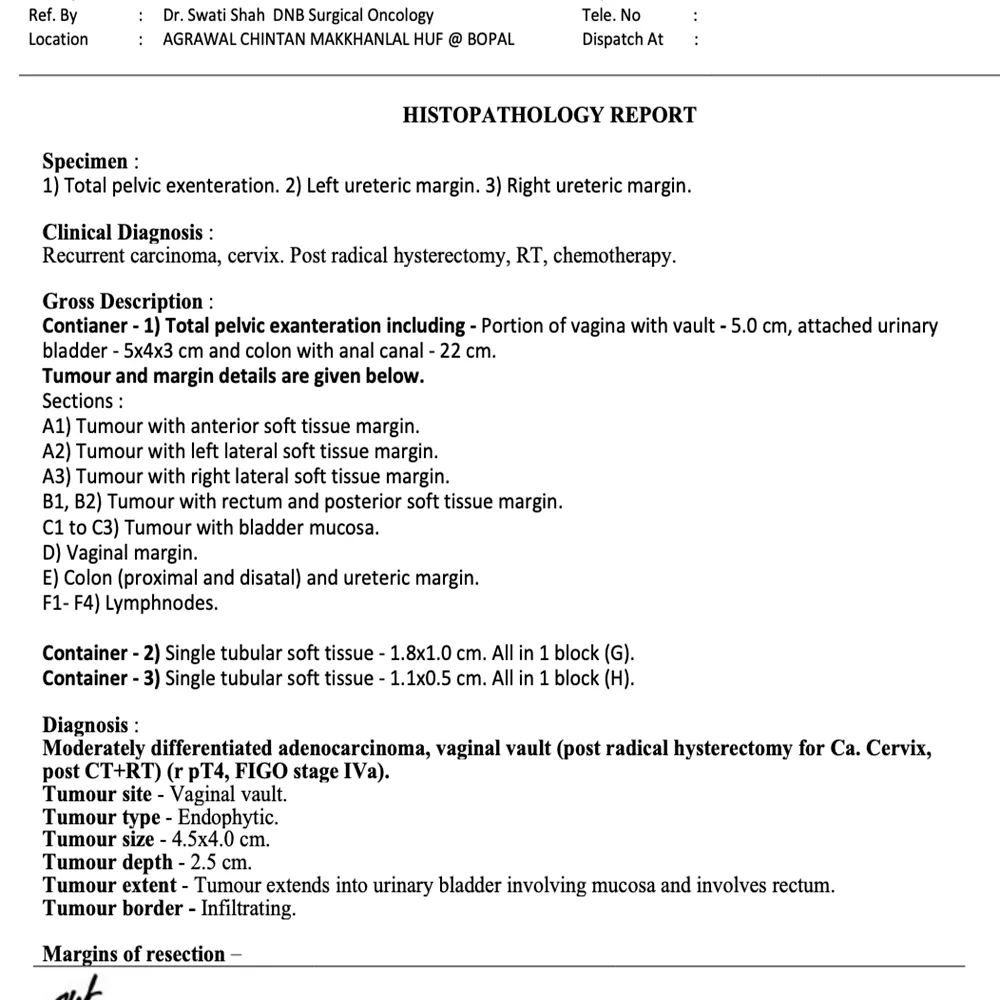
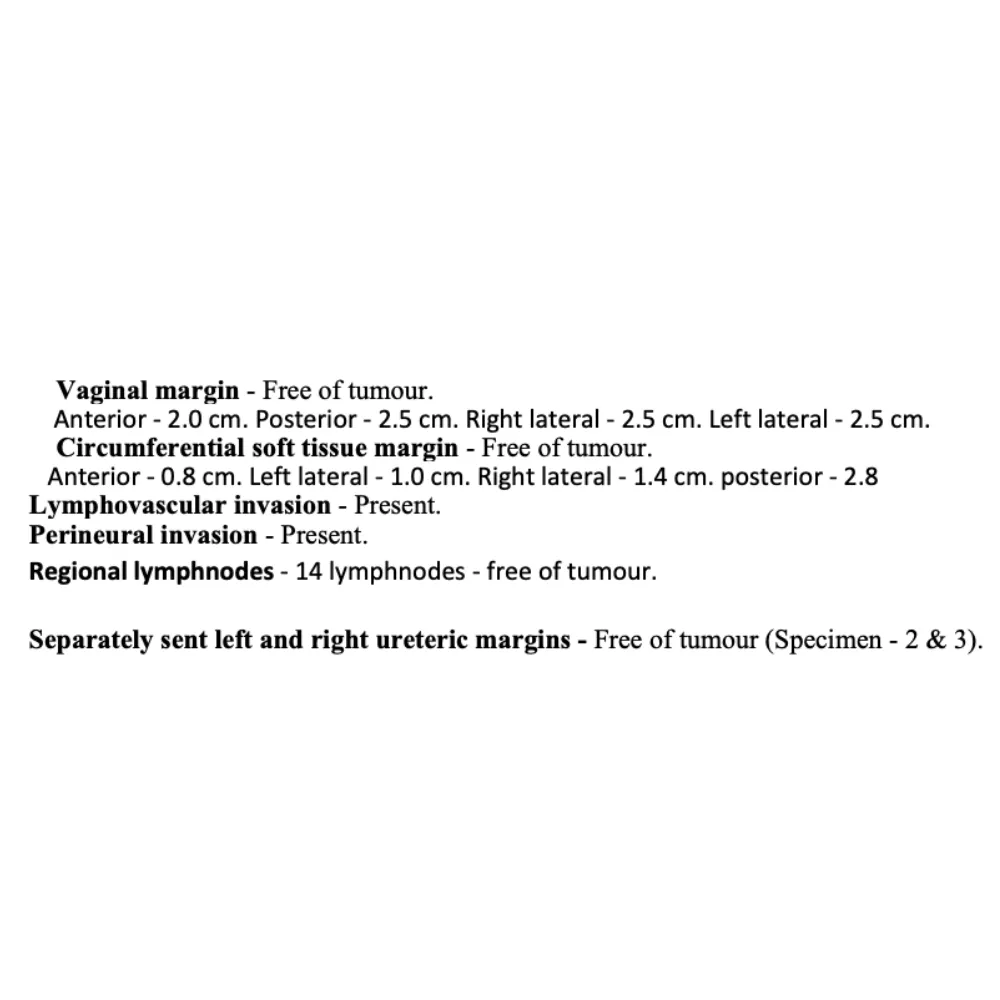
A 41-year-old female presented with recurrent, high-grade cervical adenocarcinoma aggressively infiltrating her urinary bladder and rectum. Having previously endured a radical hysterectomy, comprehensive radiation, and intensive chemotherapy, her remaining therapeutic options were exceptionally limited. Urgent, highly complex surgical intervention was paramount to halt disease progression.
⦿ Total Pelvic Exenteration With Ileal Conduit
• Surgical Procedure: A comprehensive total pelvic exenteration with an ileal conduit was executed flawlessly under general anesthesia.
• Extensive Lymphadenectomy: An extensive regional dissection successfully yielded fourteen separate lymph nodes for critical pathological evaluation.
• Anatomical Preservation: Meticulous surgical dissection safely isolated the right and left ureters without compromising crucial surrounding structures.
• Oncological Clearance: Complete oncological clearance was successfully achieved with completely negative margins across all resected soft tissues.
⦿ Complete Disease Clearance And Stable Recovery
The patient experienced an exceptionally smooth postoperative recovery and was safely discharged in a remarkably stable condition. Final histopathology successfully confirmed completely negative circumferential resection margins, alongside absolutely tumor-free bilateral ureteric edges. Furthermore, all fourteen harvested regional lymph nodes were thoroughly benign, granting excellent local disease control.
Tackling severe pelvic recurrences in heavily irradiated tissues demands uncompromising surgical precision. By achieving entirely negative resection margins during this comprehensive exenteration, we successfully removed the invasive disease. This aggressive, calculated approach affords her the absolute best chance at long-term disease control.
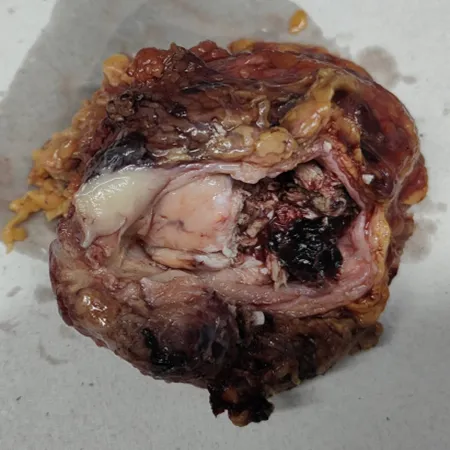
A thirty-year-old male patient presented with squamous cell carcinoma of the urinary bladder after completing six cycles of neoadjuvant chemotherapy. Surgical exploration revealed a right lateral wall lesion with serosal thickening and enlarged bilateral pelvic lymph nodes, demanding immediate, aggressive surgical intervention to halt disease progression.
⦿ Robotic Radical Cystoprostatectomy With Neobladder
• Procedure: Advanced robotic radical cystectomy and neobladder creation using Studer's technique were successfully completed.
• Complex Anatomy: Bilateral pelvic lymph node dissection managed the enlarged nodes found during the operation.
• Patient Safety: The entire extensive robotic reconstruction was completed safely requiring absolutely no blood transfusions.
• Cancer Clearance: Frozen sections confirmed that bilateral ureteral and urethral margins were completely negative for malignancy.
⦿ Complete Cancer Resection And Reconstruction
The patient remained highly stable throughout the complex reconstruction, requiring no blood transfusions. Intraoperative frozen sections confirmed completely clear ureteral and urethral margins, ensuring total malignant tumor removal. The newly constructed orthotopic neobladder offers an excellent functional outcome, giving the patient an optimal path toward regaining natural urinary continence and long-term recovery.
Operating on a thirty-year-old with squamous cell carcinoma demands aggressive yet precise surgical techniques. Utilizing the Da Vinci Xi robot allowed me to meticulously remove the tumor and construct a neobladder, maximizing his chance for a cancer-free, functional future.
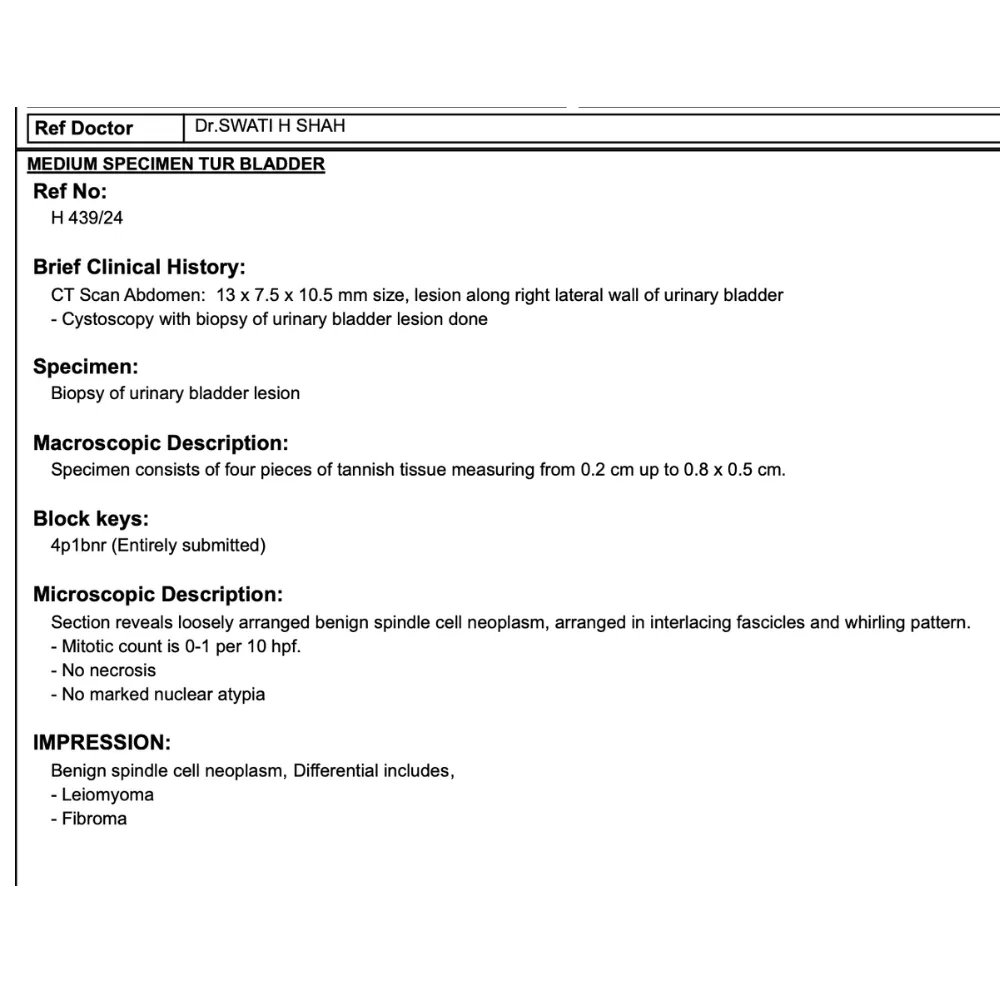
A 63-year-old male presented with a suspicious $13\times7.5\times10.5$ mm lesion along the right lateral wall of the urinary bladder. The case presented a unique diagnostic challenge due to concurrent prostatomegaly and the need to quickly rule out aggressive malignancy.
⦿ Advanced Transurethral Resection
• Procedure: Complete transurethral resection of the bladder tumor was seamlessly and meticulously performed.
• Anatomical Navigation: The resectoscope smoothly bypassed bilateral enlarged prostate lobes to reach the target.
• Patient Safety: Excellent hemostasis was achieved, resulting in minimal blood loss and highly stable hemodynamics.
• Tumor Clearance: The encapsulated submucosal mass was entirely resected and thoroughly submitted for histopathological evaluation.
⦿ Uneventful Recovery and Benign Pathology
The patient experienced an entirely uneventful postoperative recovery and was discharged with perfectly stable hemodynamics. Final pathology remarkably confirmed a completely benign spindle cell neoplasm with absolutely no necrosis or marked atypia. He was successfully discharged in ambulatory condition, demonstrating excellent and reassuring early functional restoration.
By utilizing highly advanced transurethral techniques, we successfully excised this challenging submucosal mass entirely without utilizing open incisions. I am exceptionally pleased that the pathology confirmed a benign neoplasm, ensuring excellent long-term health.
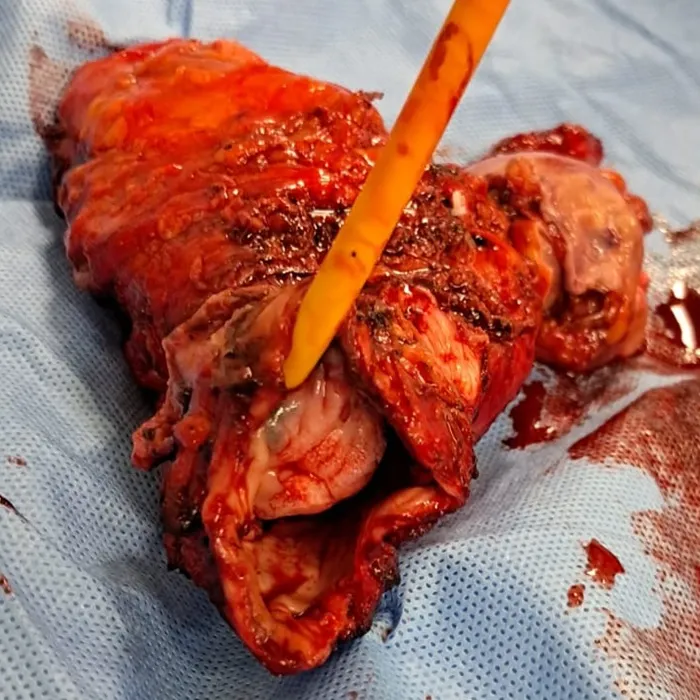
The female patient presented with recurrent sigmoid colon cancer complicated by enterovesicle and vesicovaginal fistulas. This condition was highly complex due to prior surgical interventions, multiple lines of chemotherapy, and radiation therapy. Furthermore, dense pelvic adhesions and a large bladder growth severely complicated the anatomical landscape.
⦿ Total Pelvic Exenteration with Ileal Conduit
• Procedure: Dr. Shah expertly completed a Total Pelvic Exenteration and fashioned an ileal conduit.
• Complex Anatomy: The team safely navigated dense bowel adhesions and severe post-radiation pelvic tissue changes.
• Surgical Safety: Complete hemostasis was rigorously maintained throughout the complex dissection of pararectal and paravesical spaces.
• Cancer Clearance: The extensive pelvic mass was entirely excised while securing adequate surgical margins for clearance.
⦿ Successful Reconstruction and Pathological Clearance
The patient emerged from this extensive surgery hemodynamically stable, with absolute hemostasis confirmed. The comprehensive exenteration successfully achieved adequate surgical margins around the excised bladder and rectal stump. Following meticulous abdominal closure and pelvic drain placement, she began a steady postoperative recovery. The carefully constructed ileal conduit successfully restored stable, functional urinary diversion.
Tackling recurrent colon cancer with extensive fistulas requires absolute surgical precision and a multidisciplinary approach. By executing a meticulous exenteration, we successfully navigated severe radiation changes to offer this patient the best possible chance at long-term survival.
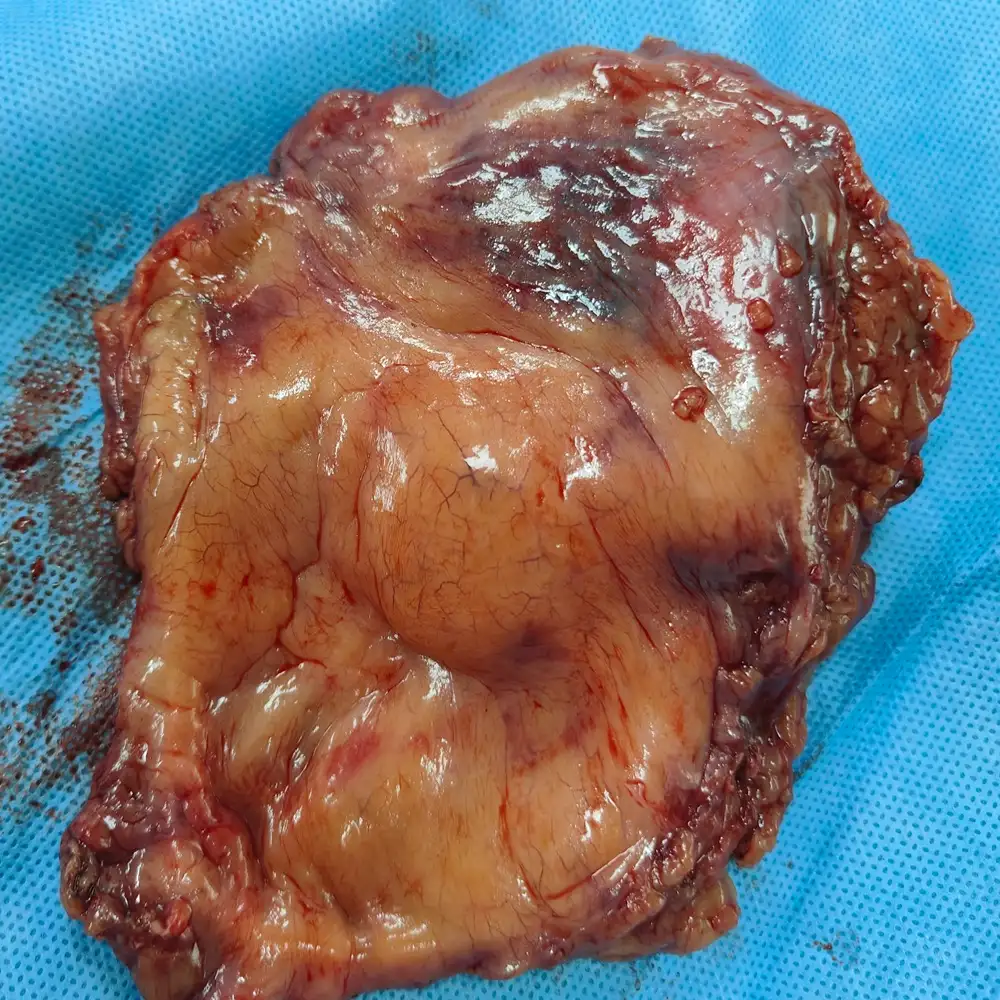
A 60-year-old male presented with a one-year history of hematuria, ultimately diagnosed with high-grade invasive urothelial carcinoma of the urinary bladder. The aggressive tumor invaded the superficial muscularis propria, demanding immediate and precise surgical intervention to prevent further spread.
⦿ Robotic Radical Cysto-Prostatectomy
• Procedure: A precise robotic transperitoneal approach was utilized to skillfully reconstruct a highly functional neobladder.
• Lymph Nodes: The bilateral pelvic dissection successfully retrieved exactly twenty regional lymph nodes for careful evaluation.
• Surgical Safety: The intricate robotic operation maintained excellent hemostasis, requiring absolutely zero blood transfusions to succeed.
• Cancer Clearance: Final pathology confirmed that all surgical margins were completely free of invasive tumors.
⦿ Cancer-Free Margins and Stable Recovery
The patient experienced a smooth, ambulatory recovery and was discharged in a hemodynamically stable condition. Histopathology results confirmed a complete oncological clearance, revealing negative surgical margins and absolutely zero metastasis across all twenty examined lymph nodes. This highly successful functional reconstruction provides an excellent foundation for long-term health and restored urinary function.
By utilizing advanced robotics for this radical cysto-prostatectomy, we successfully secured complete oncological clearance with negative margins. This meticulous approach provided our patient with the absolute best opportunity for a lasting cure and preserved quality of life.
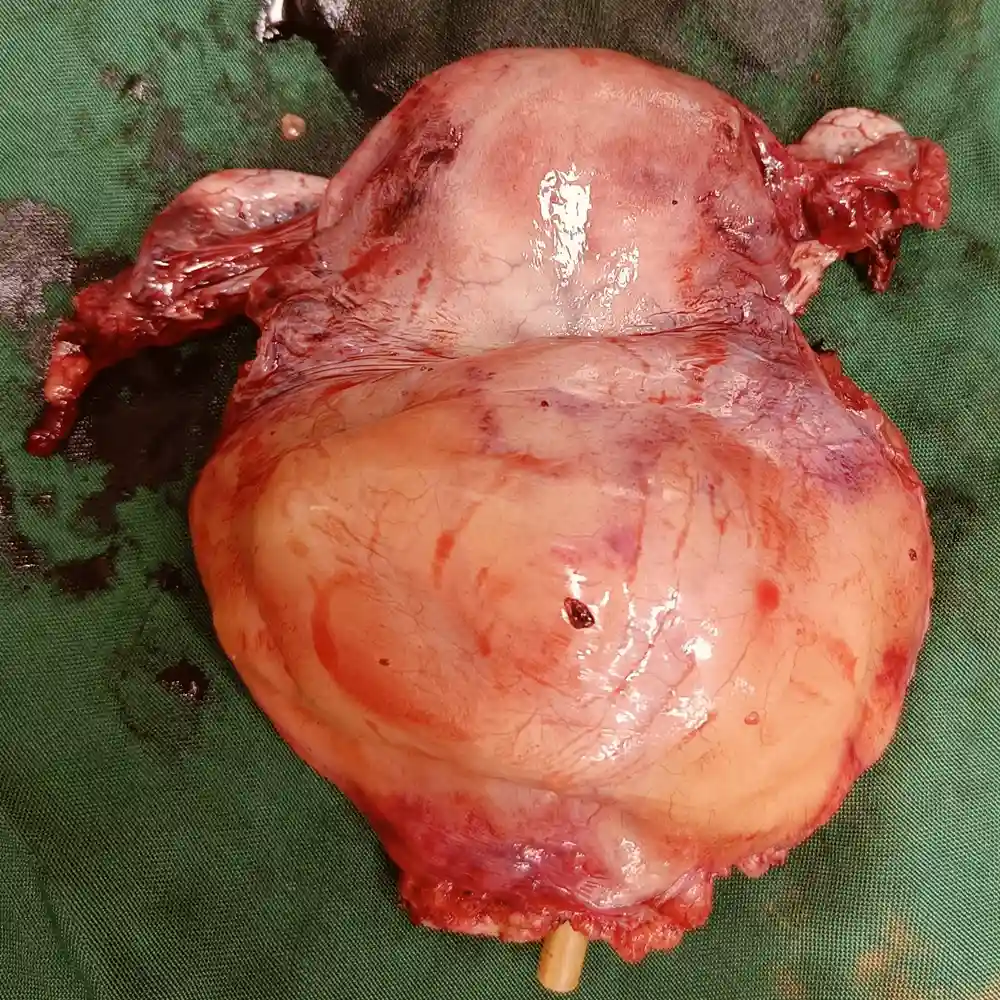
A 51-year-old female presented with a complex, recurrent squamous cell carcinoma of the cervix following previous definitive chemoradiotherapy. This aggressive tumor heavily infiltrated the anterior cervical wall, extending extensively into the upper vagina and directly invading the urinary bladder mucosa.
⦿ Robotic Anterior Exenteration With Ileal Conduit
• Procedure: Advanced robotic anterior pelvic exenteration coupled with a precise ileal conduit urinary diversion.
• Complex Anatomy: The intricate bladder and vaginal tumor involvement was meticulously navigated to ensure complete resection.
• Safety & Blood Loss: The advanced minimally invasive robotic approach ensured exceptional patient safety with minimal blood loss.
• Cancer Clearance: Final histopathology confirmed thoroughly negative surgical margins, indicating complete removal of the invasive carcinoma.
⦿ Complete Surgical Clearance And Uncomplicated Recovery
The patient experienced an excellently uneventful postoperative recovery, quickly becoming fully ambulatory with highly stable hemodynamics. Comprehensive final pathology results conclusively demonstrated completely negative margins across all surgically resected urethral, ureteric, and vaginal tissues. Ultimately, she was safely discharged with effectively controlled pain and a seamlessly matured urinary ileal conduit.
By utilizing an advanced robotic approach for this complex post-radiation recurrence, we successfully achieved comprehensive tumor clearance while minimizing physical trauma. This meticulous exenteration offers the patient her absolute best chance at long-term, cancer-free survival alongside an optimized functional recovery.
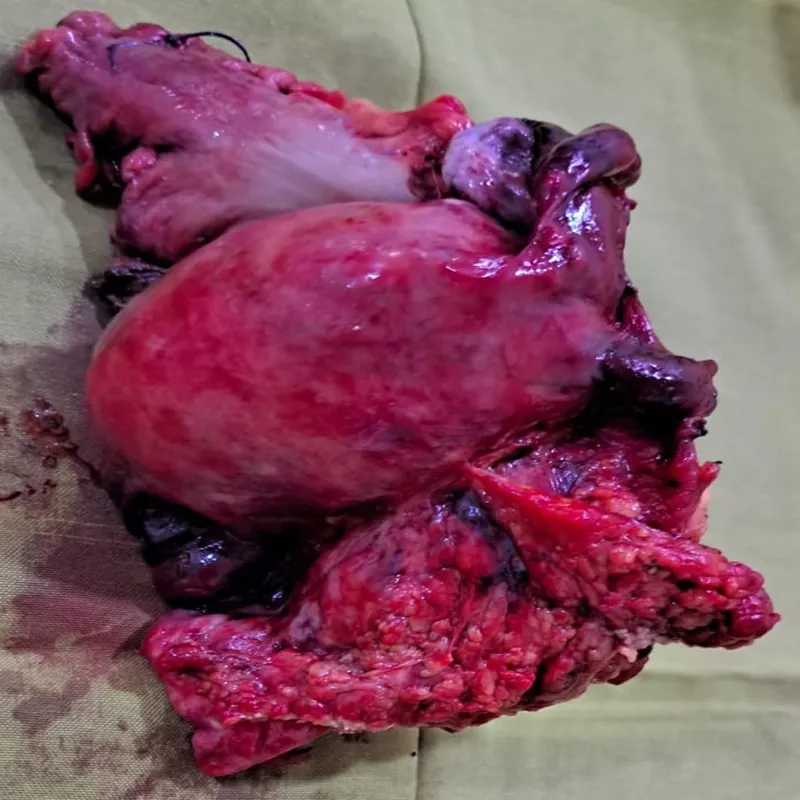
A female patient presented with recurrent cervical cancer complicated by a vesicovaginal fistula following prior chemoradiation therapy. The aggressive malignancy formed a large mass involving the bladder, rectum, and adhered small bowel, presenting a highly complex and urgent anatomical challenge.
⦿ Total Pelvic Exenteration
• Procedure: A supra levator total pelvic exenteration was meticulously executed to remove the extensive malignancy.
• Complex Anatomy: The intricate resection navigated post-radiation changes and safely detached the severely dilated bilateral ureters.
• Safety / Blood Loss: Exceptional hemostasis was consistently ensured throughout the dissection of major vessels and pelvic structures.
• Cancer Clearance / Completeness: The comprehensive excision successfully achieved complete removal of the diseased mass with adequate margins.
⦿ Restored Stability and Clear Margins
The patient emerged hemodynamically stable following the extensive surgical intervention and comprehensive, multi-organ pelvic reconstruction. Intraoperative procedures confirmed adequate surgical margins alongside the successful clearance of the massive recurrent tumor. Functionally, the newly formed ileal conduit and ostomies effectively restored essential excretory pathways, successfully securing a safe and stable discharge.
Navigating this severe, post-radiation recurrence required meticulous precision to achieve a complete exenteration. By meticulously clearing the malignancy and reconstructing the urinary and bowel pathways, we offered this patient a profound chance at long-term survival.
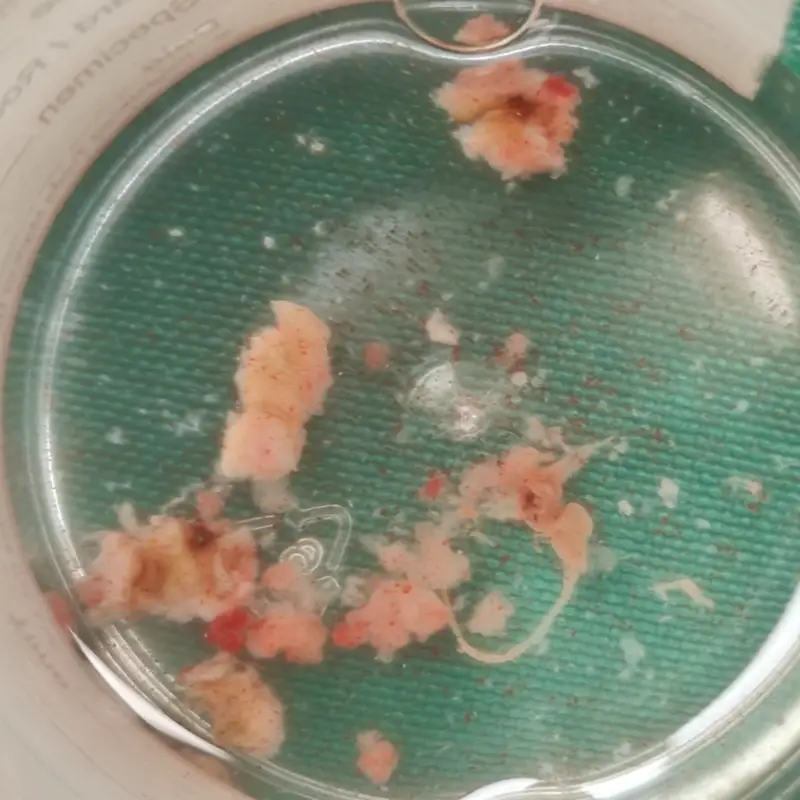
A 64-year-old female with a history of metastatic cervical cancer presented with a sudden onset of hematuria. Diagnostic imaging identified a 1 cm polypoidal lesion on the left bladder wall, raising concerns for a secondary malignancy. Given her previous chemotherapy and radiation treatments, prompt surgical intervention was essential to differentiate between radiation-induced changes and new-onset cancer.
⦿ Minimally Invasive TURBT
• Procedure: Conducted a precise transurethral resection of the bladder tumor through a minimally invasive endoscopic route.
• Complex Anatomy: Targeted a 1 cm lesion on the left bladder wall, avoiding the ureteric opening.
• Safety / Blood Loss: Achieved complete tumor removal with minimal blood loss, ensuring high intraoperative patient safety.
• Cancer Clearance: Secured comprehensive resection with deep muscle biopsies to confirm the absence of invasive disease.
⦿ Complete Tumor Clearance and Rapid Discharge
The patient recovered exceptionally well, remaining hemodynamically stable throughout the immediate postoperative period. Histopathology confirmed a low-grade, non-invasive papillary urothelial carcinoma with no evidence of muscle invasion, signifying an early-stage diagnosis. With her pain well-controlled, she was successfully discharged within 24 hours of the procedure to continue her recovery at home.
Early evaluation of hematuria is critical, especially for patients with a history of pelvic malignancies. By utilizing minimally invasive endoscopic surgery, we provided a definitive cure while preserving the bladder. This precision-focused approach ensures our patients maintain their quality of life without undergoing major invasive surgery.

A 69-year-old male presented with intermittent, visible blood in his urine, a classic warning sign of underlying bladder pathology. Diagnostic imaging identified a 2 cm mass located on the right lateral wall, necessitating a precise intervention to both treat the lesion and obtain a definitive tissue diagnosis for staging.
⦿ Transurethral Resection of Bladder Tumor (TURBT)
• Procedure: Performed a complete endoscopic resection of the 2 cm right lateral bladder wall tumor.
• Staging Accuracy: Captured a targeted deep muscle biopsy to accurately determine the depth of tumor invasion.
• Safety / Blood Loss: Achieved successful intraoperative hemostasis, ensuring the patient remained hemodynamically stable throughout the procedure.
• Functional Preservation: Integrated a Double J stent placement to safeguard kidney function and maintain smooth urinary flow.
⦿ Rapid Recovery and Early Ambulation
The patient’s recovery was immediate and uneventful, with pain levels expertly managed through minimally invasive protocols. He was fully ambulatory and ready for discharge within just 24 hours of the procedure, returning home in stable condition. This proactive surgical intervention provided both a functional cure for the hematuria and a critical pathological roadmap for his future surveillance.
Visible blood in urine is a signal that demands immediate action. Through this minimally invasive endoscopic approach, we were able to completely remove the tumor and provide accurate staging, allowing this patient to return to his daily life almost immediately while securing a clear path for long-term monitoring.
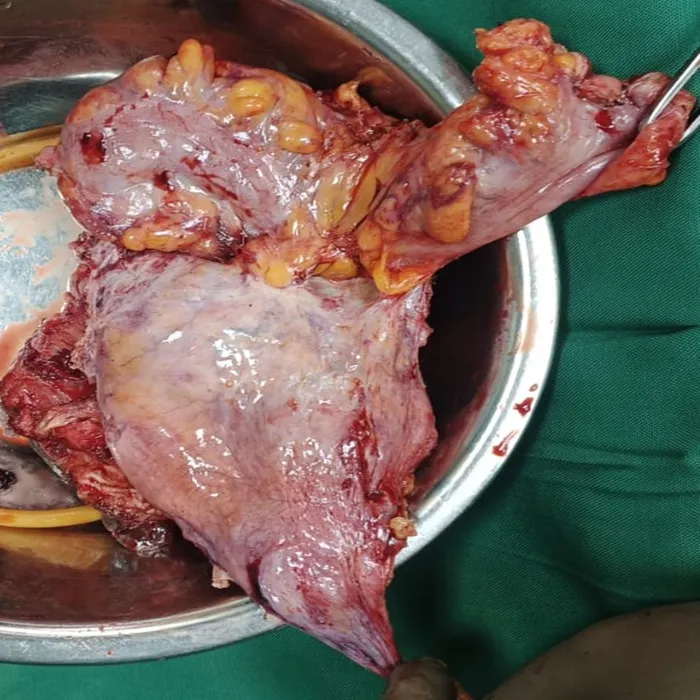
A 49-year-old female presented with recurrent cervical cancer following prior chemoradiation, complicated by a distressing rectovaginal fistula. The malignancy had invaded the bladder and rectum, causing severe functional impairment and quality-of-life issues, necessitating an aggressive multiorgan salvage surgery to achieve complete cancer clearance.
⦿ Robotic Total Pelvic Exenteration and Reconstruction
• Procedure: A total pelvic exenteration was performed, including bladder, rectum, and vaginal vault removal.
• Complex Anatomy: Dr. Shah successfully managed a rectovaginal fistula and ureteral involvement through expert adhesiolysis.
• Safety: Despite the procedure's radical nature, the patient remained hemodynamically stable throughout the extensive reconstruction.
• Cancer Clearance: We achieved an R0 resection with negative margins and zero lymph node metastasis.
⦿ Complete Oncologic Clearance and Functional Restoration
The patient experienced a stable recovery and was mobilized gradually following this life-saving multiorgan intervention. Final pathology confirmed moderately differentiated mucinous adenocarcinoma with all surgical margins free of tumor and no spread in the examined lymph nodes. She was discharged in stable condition, having achieved a potential cure and relief from her debilitating fistula symptoms.
In cases of localized pelvic recurrence where other treatments have failed, total pelvic exenteration remains the only curative path. This successful outcome demonstrates how robotic precision and meticulous planning can overcome complex clinical challenges to provide patients with a meaningful chance at survival.
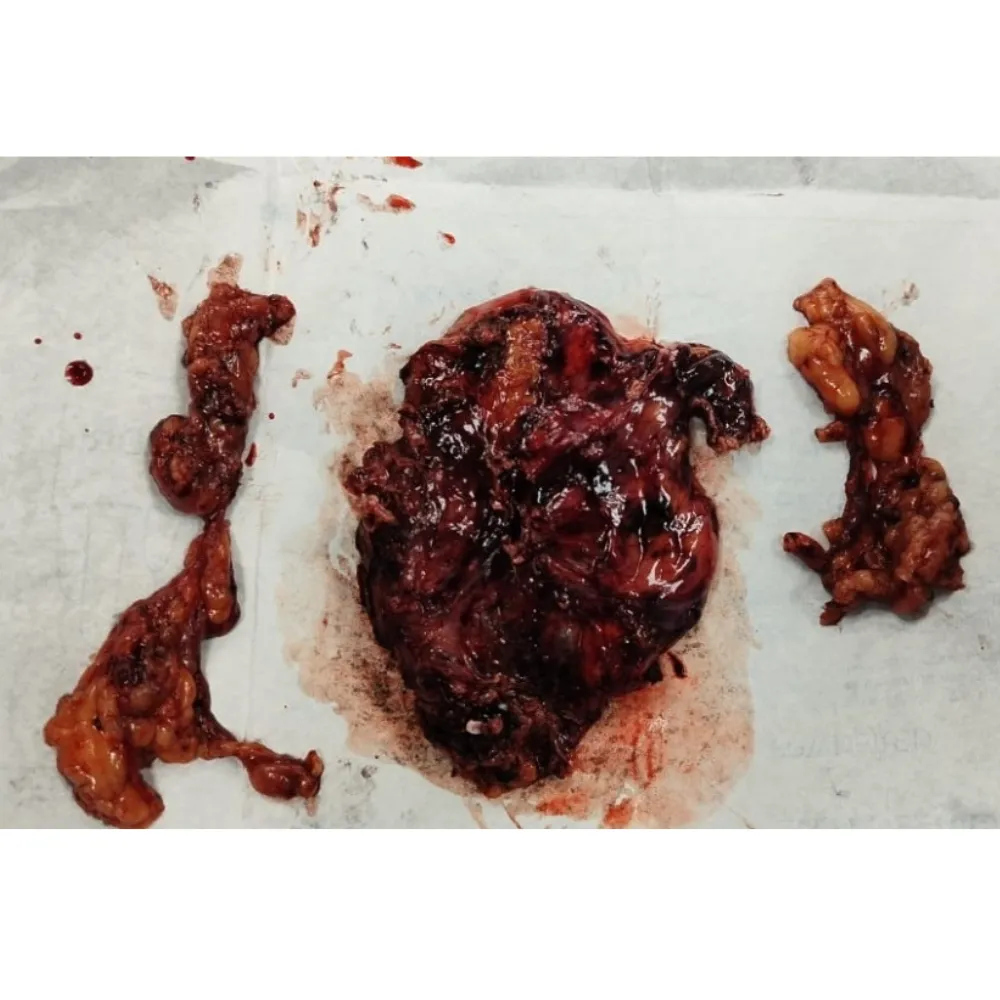
A 32-year-old female presented with a three-month history of painless hematuria, leading to the diagnosis of a high-grade invasive urothelial carcinoma on the left bladder wall. Imaging and biopsy confirmed that the $3.5 \times 2.5 \times 1.5$ cm tumor had invaded the muscularis propria, categorized as Stage cT2. Given her young age, the clinical priority was to achieve complete cancer eradication while performing a complex internal reconstruction to maintain her long-term quality of life and urinary function.
⦿ Robotic Radical Cystectomy with Studer’s Neobladder
• Procedure: A robotic radical cystectomy was performed with a Studer-type orthotopic ileal neobladder reconstruction.
• Complex Anatomy: Dr. Shah successfully preserved the reproductive organs while clearing 28 pelvic and retroperitoneal lymph nodes.
• Safety / Blood Loss: The robotic platform ensured minimal blood loss and high-definition visualization during the complex reconstructive phase.
• Cancer Clearance: Final pathology confirmed a pT2aN0 status with negative surgical margins and zero nodal involvement ($0/28$).
⦿ Complete Oncological Cure and Functional Restoration
The patient’s postoperative recovery was uneventful, with her remaining hemodynamically stable and achieving early mobilization following the robotic intervention. Final histopathology validated the success of the surgery, showing the tumor was limited to the inner muscle layer with no spread to the 28 examined lymph nodes. She was discharged in stable condition with a functional neobladder, providing her with the best possible prognosis for a cancer-free life and an active, normal lifestyle.
In young patients with muscle-invasive bladder cancer, our goal is to provide a definitive cure while preserving as much normalcy as possible. By utilizing robotic precision for both the radical cystectomy and the neobladder reconstruction, we achieved complete cancer clearance ($pT2aN0$) and restored natural urinary function, ensuring an excellent long-term quality of life.
Swasth Parivar: twice a month, practical advice on recovery, diet and warning signs. No advertising. Stop any time.
Your number is used for these updates and for the clinic to reach you. It is never sold or passed on. To stop, reply STOP on WhatsApp.