A 30-year-old male presented with persistent left waist pain lasting six months, leading to a diagnosis of left ilium chondrosarcoma. The complex bone tumor involved the acetabulum and ischium, requiring highly specialized intervention. This aggressive localization necessitated an intricate surgical approach to ensure complete oncological clearance while preserving critical structures.
⦿ Left Internal Hemipelvectomy
• Procedure: Left internal hemipelvectomy with en bloc resection and specialized meshplasty reconstruction was successfully executed.
• Complex Anatomy: The precise surgical margins navigating the superior iliac and posterior ischial bones were meticulously managed.
• Patient Safety: Hemodynamic stability was maintained throughout the procedure with careful preservation of essential pelvic structures.
• Complete Clearance: Histopathology confirmed entirely negative surgical margins, establishing an absolutely complete removal of the chondrosarcoma.
⦿ Margin-Free Clearance and Recovery
The patient experienced a smooth and stable immediate postoperative recovery, successfully discharging from the hospital within a week. Final histopathology results decisively confirmed a Grade 1 chondrosarcoma with completely free bony and soft tissue surgical margins. He successfully regained vital functional independence shortly after the procedure, demonstrating excellent pain control and a highly favorable prognosis.
By utilizing advanced surgical planning and customized jigs for this hemipelvectomy, we achieved precise margin-free resection of a challenging pelvic tumor. This meticulous approach successfully preserved function and offers the patient an excellent chance at a complete, long-term cure.
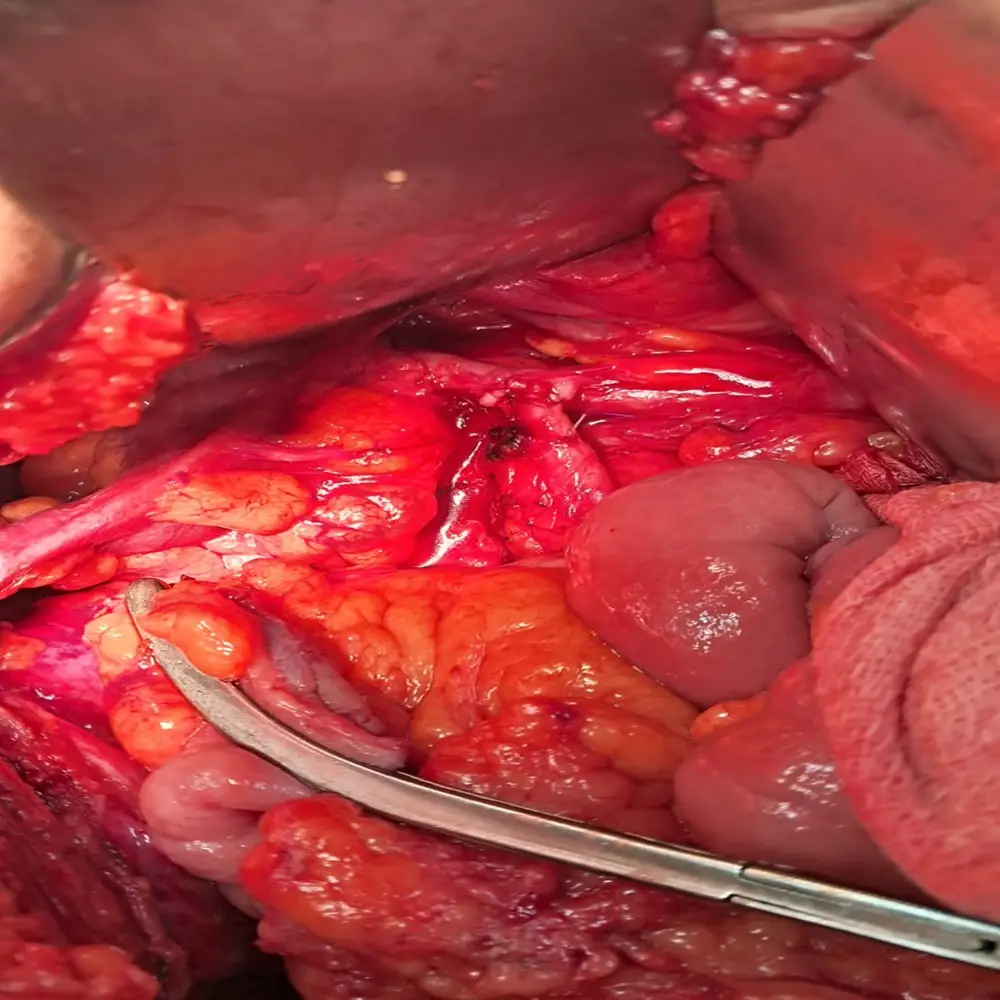
A 56-year-old female presented with abdominal pain, occasional vomiting, and a diagnosis of sigmoid colon carcinoma. Her condition was exceptionally complex due to a past ureterosigmoidostomy for ectopia vesicae, creating severe anatomical challenges and strictures.
⦿ Left Internal Hemipelvectomy
• Procedure: Left internal hemipelvectomy with en bloc resection and specialized meshplasty reconstruction was successfully executed.
• Complex Anatomy: The precise surgical margins navigating the superior iliac and posterior ischial bones were meticulously managed.
• Patient Safety: Hemodynamic stability was maintained throughout the procedure with careful preservation of essential pelvic structures.
• Complete Clearance: Histopathology confirmed entirely negative surgical margins, establishing an absolutely complete removal of the chondrosarcoma.
⦿ Margin-Free Clearance and Recovery
The patient experienced a smooth and stable immediate postoperative recovery, successfully discharging from the hospital within a week. Final histopathology results decisively confirmed a Grade 1 chondrosarcoma with completely free bony and soft tissue surgical margins. He successfully regained vital functional independence shortly after the procedure, demonstrating excellent pain control and a highly favorable prognosis.
By utilizing advanced surgical planning and customized jigs for this hemipelvectomy, we achieved precise margin-free resection of a challenging pelvic tumor. This meticulous approach successfully preserved function and offers the patient an excellent chance at a complete, long-term cure.
A 60-year-old female presented with severe urinary retention and a palpable, complex pelvic mass extending into the presacral space. Diagnosed with a highly aggressive recurrence of rectal adenocarcinoma, the tumor had critically invaded the perineum, vagina, and surrounding pelvic musculature.
⦿ Exploratory Laparotomy and Pelvic Exenteration
• Procedure: A total pelvic exenteration with sacrectomy and an ileal conduit was meticulously executed.
• Complex Anatomy: The advanced tumor was safely dissected from the deeply adherent perineum and presacral space.
• Surgical Safety: Rigorous intraoperative management ensured patient stability, leading directly to a completely uneventful recovery phase.
• Cancer Clearance: Radical tumor resection successfully achieved entirely negative surgical margins and an uninvolved sacral bone.
⦿ Successful Extirpation and Smooth Recovery
The patient experienced an uneventful post-operative recovery phase and was safely discharged home. Final histopathology confirmed the moderately differentiated adenocarcinoma was entirely removed, revealing uninvolved surgical margins, bladder, and sacral bone. She successfully navigated this extensive operation and was promptly referred for essential follow-up medical oncology management.
Managing such an aggressive, deeply adherent pelvic recurrence demands the utmost surgical precision. By performing a meticulous exenteration, we successfully achieved clear surgical margins and provided the patient with the strongest possible foundation for continued survival.
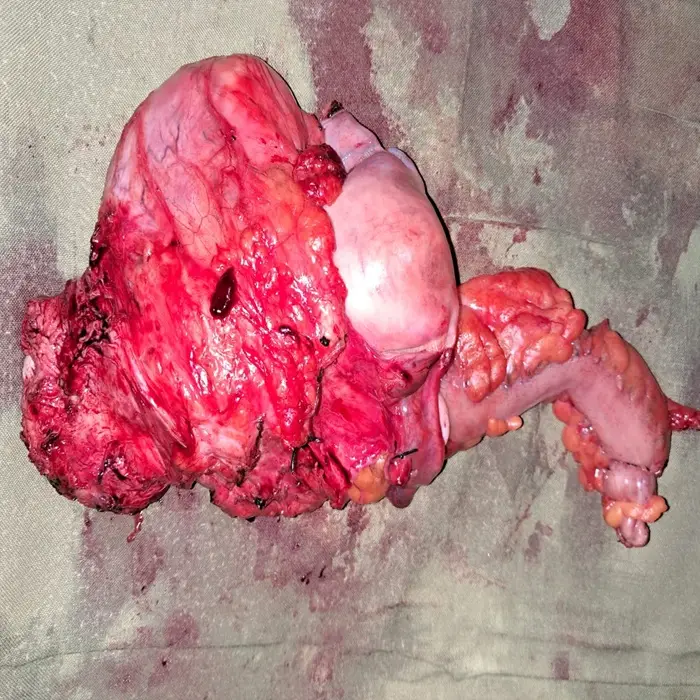
A 54-year-old female presented with recurrent cervical cancer, urinary incontinence, and severe vaginal bleeding following prior definitive chemoradiation in 2018. Advanced imaging revealed a large vault recurrence complicated by a potential vesicoanal fistula involving the urinary bladder and distal right ureter. This extensive, aggressive pelvic involvement required urgent, highly specialized surgical intervention.
⦿ Left Internal Hemipelvectomy
• Procedure: Left internal hemipelvectomy with en bloc resection and specialized meshplasty reconstruction was successfully executed.
• Complex Anatomy: The precise surgical margins navigating the superior iliac and posterior ischial bones were meticulously managed.
• Patient Safety: Hemodynamic stability was maintained throughout the procedure with careful preservation of essential pelvic structures.
• Complete Clearance: Histopathology confirmed entirely negative surgical margins, establishing an absolutely complete removal of the chondrosarcoma.
⦿ Margin-Free Clearance and Recovery
The patient experienced a smooth and stable immediate postoperative recovery, successfully discharging from the hospital within a week. Final histopathology results decisively confirmed a Grade 1 chondrosarcoma with completely free bony and soft tissue surgical margins. He successfully regained vital functional independence shortly after the procedure, demonstrating excellent pain control and a highly favorable prognosis.
By utilizing advanced surgical planning and customized jigs for this hemipelvectomy, we achieved precise margin-free resection of a challenging pelvic tumor. This meticulous approach successfully preserved function and offers the patient an excellent chance at a complete, long-term cure.
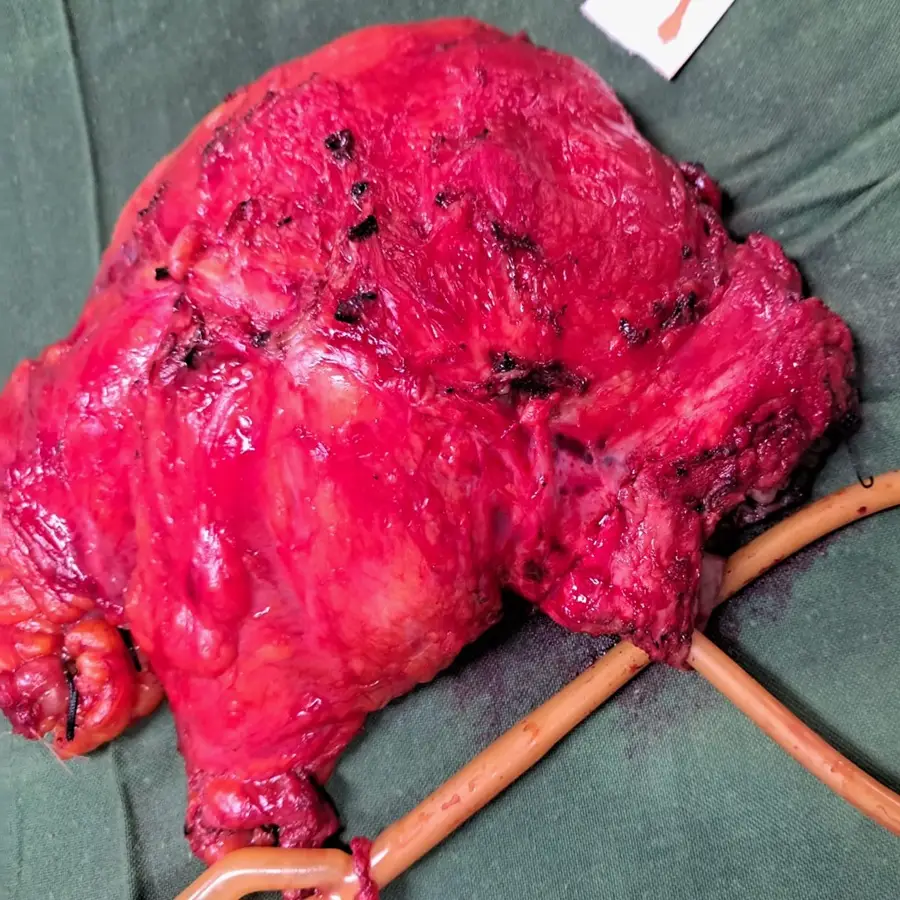
A 44-year-old female patient presented with an advanced Stage IV cervical squamous cell carcinoma after previously receiving radiation therapy in 2022. The aggressive tumor had infiltrated the cervical wall and extended posterolaterally into the rectal wall, necessitating immediate and highly complex surgical intervention.
⦿ Left Internal Hemipelvectomy
• Procedure: Left internal hemipelvectomy with en bloc resection and specialized meshplasty reconstruction was successfully executed.
• Complex Anatomy: The precise surgical margins navigating the superior iliac and posterior ischial bones were meticulously managed.
• Patient Safety: Hemodynamic stability was maintained throughout the procedure with careful preservation of essential pelvic structures.
• Complete Clearance: Histopathology confirmed entirely negative surgical margins, establishing an absolutely complete removal of the chondrosarcoma.
⦿ Margin-Free Clearance and Recovery
The patient experienced a smooth and stable immediate postoperative recovery, successfully discharging from the hospital within a week. Final histopathology results decisively confirmed a Grade 1 chondrosarcoma with completely free bony and soft tissue surgical margins. He successfully regained vital functional independence shortly after the procedure, demonstrating excellent pain control and a highly favorable prognosis.
By utilizing advanced surgical planning and customized jigs for this hemipelvectomy, we achieved precise margin-free resection of a challenging pelvic tumor. This meticulous approach successfully preserved function and offers the patient an excellent chance at a complete, long-term cure.
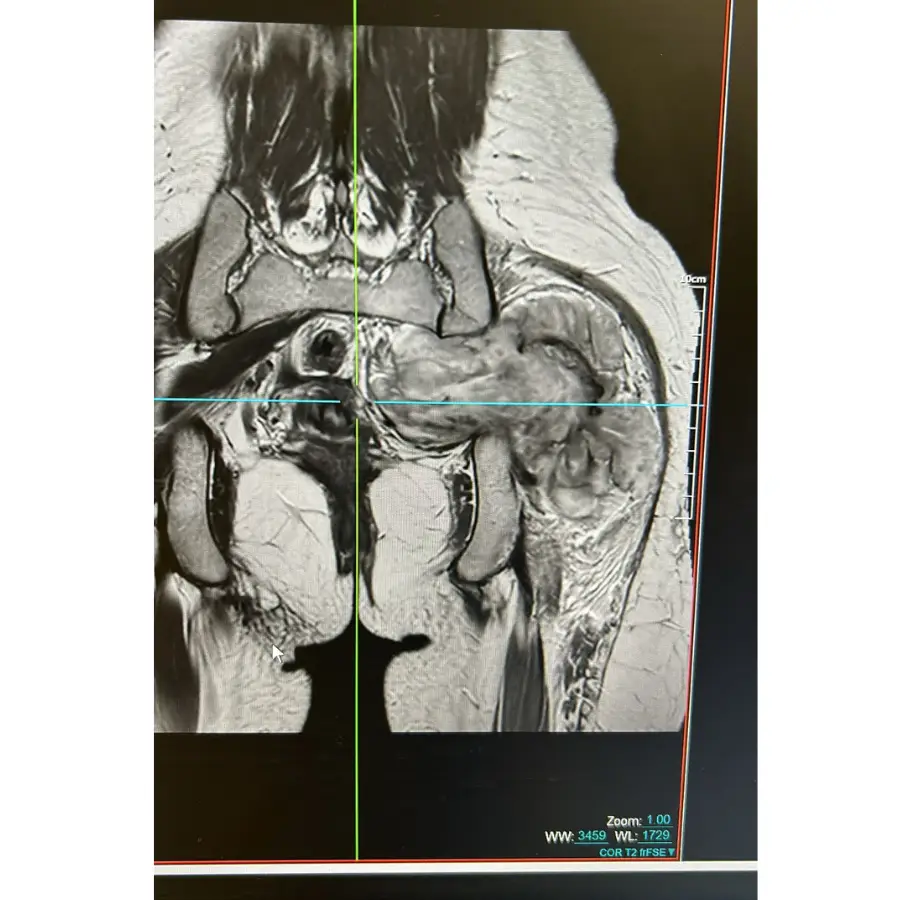
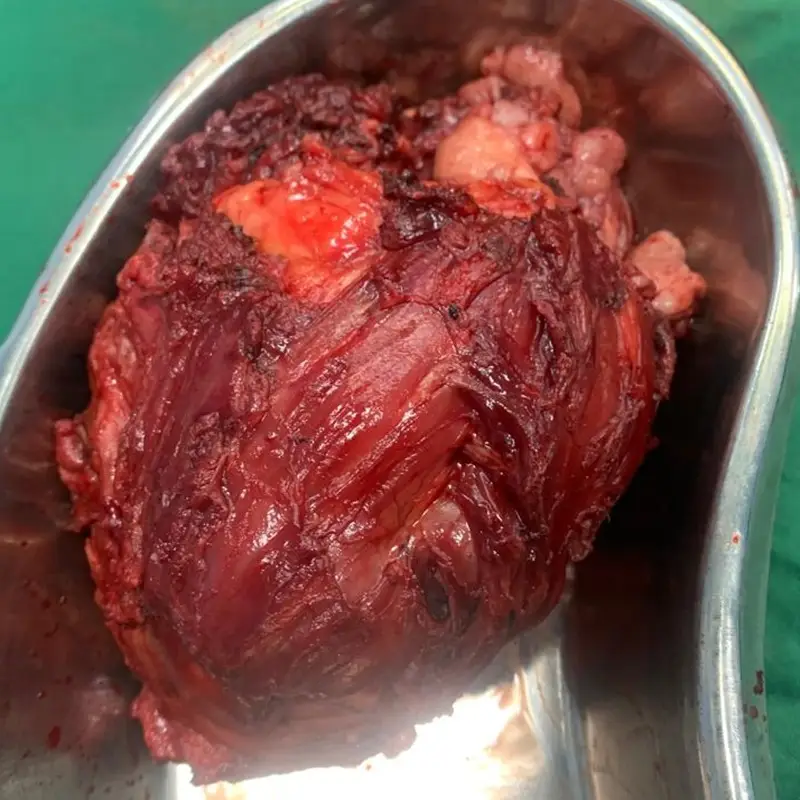
A 24-year-old female presented with left gluteal swelling and limb numbness caused by a large synovial sarcoma. The complex, dumbbell-shaped tumor displaced major internal vessels and adhered tightly to the sciatic nerve despite prior chemotherapy. This aggressive anatomy demanded highly specialized surgical intervention.
⦿ Resection of Left Pelvic Sarcoma
• Procedure: Advanced resection of the left pelvic sarcoma was combined with a reconstructive muscle transfer.
• Complex Anatomy: The massive tumor was carefully separated from the internal iliac vessels and sciatic nerve.
• Blood Loss: This highly complex surgical resection was safely managed with tightly controlled surgical blood loss.
• Cancer Clearance: Final histopathology confirmed that all revised surgical margins were completely free of the tumor.
⦿ Tumor-Free Survival and Stable Recovery
The patient experienced an uneventful postoperative recovery and was successfully discharged with completely stable hemodynamics. Final histopathology results confirmed that all surgical margins were entirely free of the sarcoma. She quickly regained ambulatory function and is currently recovering safely at home with an optimized diet.
Navigating this massive, dumbbell-shaped pelvic sarcoma required extreme precision to protect the sciatic nerve while ensuring clear margins. By utilizing advanced reconstructive techniques, we successfully achieved complete cancer clearance and provided her with an excellent foundation for long-term recovery.
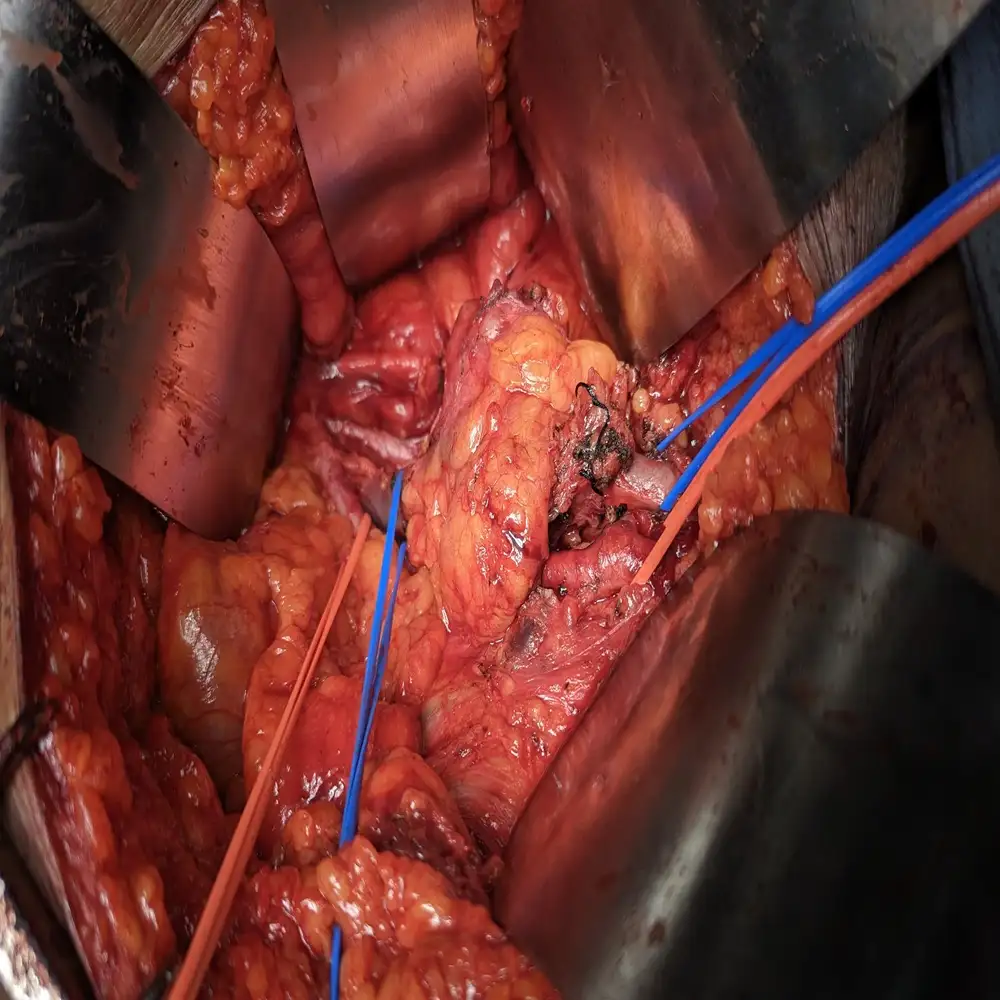
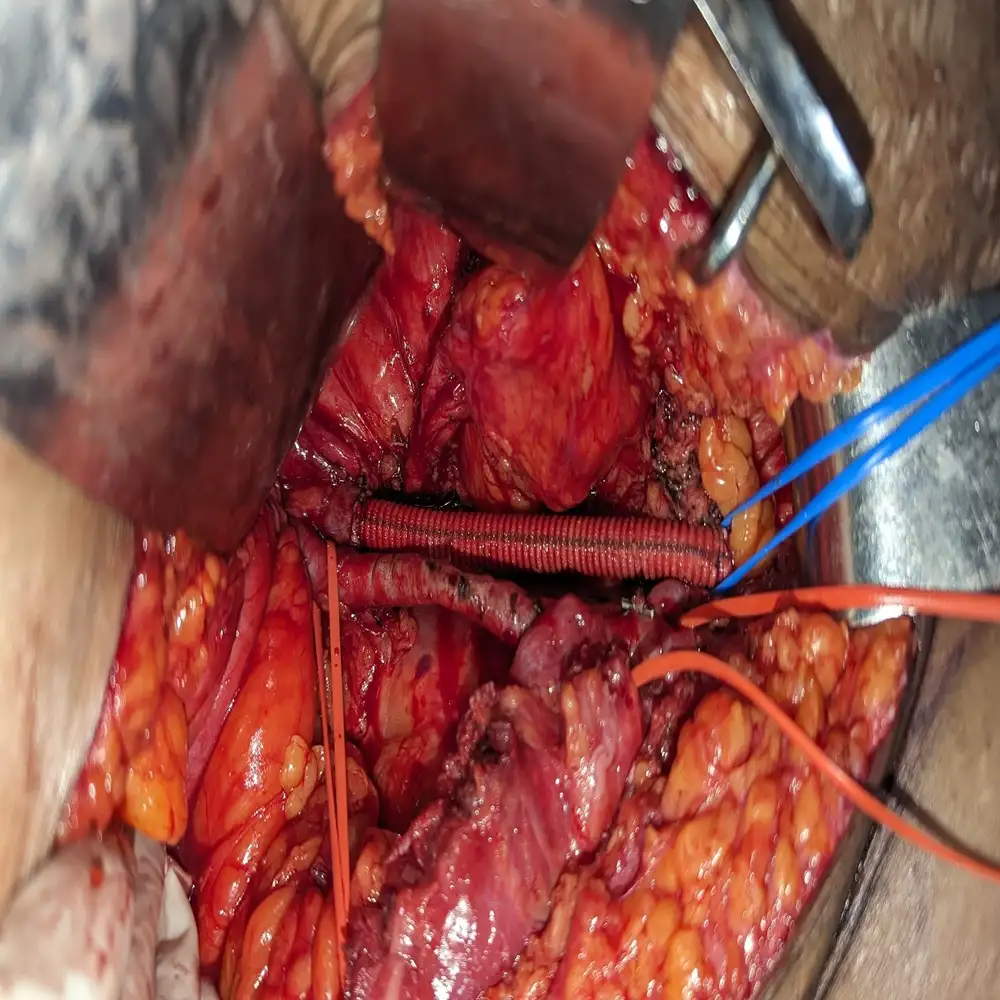
The patient was a 54-year-old postmenopausal female presenting with lower abdominal and back pain. Diagnostic imaging revealed a $49\times48\times43$ mm right adnexal mass severely compressing the lumen of the right external iliac vein. This highly vascular retroperitoneal tumor posed an imminent risk of complete venous occlusion and significant intraoperative hemorrhage.
⦿ High-Precision Tumor Excision and Major Vascular Reconstruction
• Procedure: Resection of pelvic sarcoma was coupled with complex vascular reconstruction and lymph node biopsy.
• Complex Anatomy: The tumor encased the external iliac vein and directly abutted the iliac artery.
• Safety / Blood Loss: Exceptional anatomical preservation minimized major vascular injury risks and ensured complete patient safety.
• Cancer Clearance: Intraoperative frozen section confirmed negative margins and a spindle cell neoplasm origin.
⦿ Complete Oncological Clearance and Stable Recovery
The patient's immediate postoperative recovery was stable and she was ambulatory prior to discharge. Final pathology confirmed a spindle cell neoplasm with excellent margin-free status and successful femoral lymph node removal. The Dacron graft maintained optimal lower limb venous patency with no immediate vascular complications. The patient returned home on a specialized diet with controlled pain management.
By combining advanced surgical oncology techniques with vascular reconstruction, we successfully achieved R0 resection of this aggressive retroperitoneal tumor. Utilizing a Dacron graft allowed us to safely sacrifice the involved vein to ensure complete clearance while preserving lower limb function.
A 54-year-old female presented with persistent left leg pain and a massive, aggressive pelvic tumor. Imaging revealed a 170 mm extraperitoneal solid-cystic mass eroding the left acetabulum and ischium. The tumor significantly compressed vital pelvic organs, presenting an urgent structural and oncological crisis.
⦿ High-Precision Tumor Excision and Major Vascular Reconstruction
• Procedure: Resection of pelvic sarcoma was coupled with complex vascular reconstruction and lymph node biopsy.
• Complex Anatomy: The tumor encased the external iliac vein and directly abutted the iliac artery.
• Safety / Blood Loss: Exceptional anatomical preservation minimized major vascular injury risks and ensured complete patient safety.
• Cancer Clearance: Intraoperative frozen section confirmed negative margins and a spindle cell neoplasm origin.
⦿ Complete Oncological Clearance and Stable Recovery
The patient's immediate postoperative recovery was stable and she was ambulatory prior to discharge. Final pathology confirmed a spindle cell neoplasm with excellent margin-free status and successful femoral lymph node removal. The Dacron graft maintained optimal lower limb venous patency with no immediate vascular complications. The patient returned home on a specialized diet with controlled pain management.
By combining advanced surgical oncology techniques with vascular reconstruction, we successfully achieved R0 resection of this aggressive retroperitoneal tumor. Utilizing a Dacron graft allowed us to safely sacrifice the involved vein to ensure complete clearance while preserving lower limb function.
A 64-year-old female patient presented with severe lower abdominal pain and a palpable pelvic mass. Investigations revealed a complex, recurrent pelvic sarcoma involving the left ureter and adjacent external iliac vessels. The aggressive nature of this tumor required an urgent, highly specialized surgical approach.
⦿ Resection of Pelvic Sarcoma with Vascular Resection and Reconstruction
• Procedure: An extensive resection of the pelvic mass with vascular and ureteral reconstruction was performed.
• Complex Anatomy: The surgeon safely navigated and resected the involved external iliac artery and vein.
• Patient Safety: Despite the massive 85x50x30 mm tumor size, the postoperative recovery phase remained completely uneventful.
• Cancer Clearance: Final pathology confirmed a grade-2 leiomyosarcoma with completely free and negative surgical margins.
⦿ Complete Tumor Excision and Uneventful Recovery
The patient experienced a remarkably stable and completely uneventful postoperative recovery phase following the complex vascular reconstruction. Final histopathology revealed a grade-2 pelvic leiomyosarcoma, confirming that all surgical margins were completely free of tumor cells. She was safely discharged with intact functional outcomes and referred for standard adjuvant radiation therapy.
By precisely executing a combined resection and vascular reconstruction, we successfully achieved negative surgical margins for this aggressive pelvic sarcoma. Our meticulous surgical approach provided the patient with the absolute best chance for long-term survival and a swift, stable recovery.
A 51-year-old female presented with severe pain and a hard, recurrent vulvar mass extending deeply into adjacent tissues and the external sphincter. Previously treated for malignant chondroid syringoma, her latest recurrence posed a highly complex surgical challenge due to extensive pelvic involvement.
⦿ Radical Exenteration and Flap Reconstruction
• Procedure: An extensive posterior pelvic exenteration with perineal resection was successfully and precisely completed.
• Complex Anatomy: The aggressive tumor invasively involved the vaginal wall, ischiorectal fossa, and obturator internus.
• Reconstruction: An advanced ALT pedicle flap ensured complete, stable, and highly functional structural pelvic restoration.
• Cancer Clearance: The final histopathology successfully confirmed a soft tissue margin clearance of exactly 5mm.
⦿ Successful Recovery and Clear Margins
The patient experienced a remarkably uneventful postoperative recovery phase and was successfully discharged safely shortly after surgery. Final histopathology confirmed that the soft tissue, proximal, and distal rectosigmoid margins were completely free of carcinoma. Furthermore, critical adjacent pelvic organs remained thoroughly uninvolved, offering an excellent functional foundation.
Managing such an aggressively recurrent tumor required meticulous anatomical planning and uncompromising surgical precision. By performing a comprehensive exenteration combined with advanced flap reconstruction, we provided this patient the best chance for long-term survival.
A 29-year-old female presented with severe right flank pain radiating to the thigh and urinary frequency for one month. Imaging revealed a massive pelvic lesion displacing the uterus, rectum, and common iliac vessels. This extensive compression necessitated a highly precise surgical intervention.
⦿ Resection of Pelvic Sarcoma
• Procedure: A complex surgical resection of a massive pelvic sarcoma was successfully executed.
• Lymph Nodes: All resected pelvic lymph nodes were evaluated and completely free of malignancy.
• Safety: The operation involved meticulous dissection around major iliac vessels to prevent massive hemorrhage.
• Cancer Clearance: The final histopathology confirmed that all surgical margins were completely negative for tumour.
⦿ Complete Excision and Functional Preservation
The patient experienced a remarkably uneventful postoperative recovery phase and remained hemodynamically stable throughout. Final histopathology reports confirmed the complete tumor excision with negative margins and zero lymph node involvement. She was safely discharged in a stable condition with an excellent functional preservation of her pelvic organs.
Navigating this massive pelvic mass required an uncompromising dedication to surgical precision and vascular safety. By achieving completely negative margins, we have given her the absolute best chance at long-term survival.
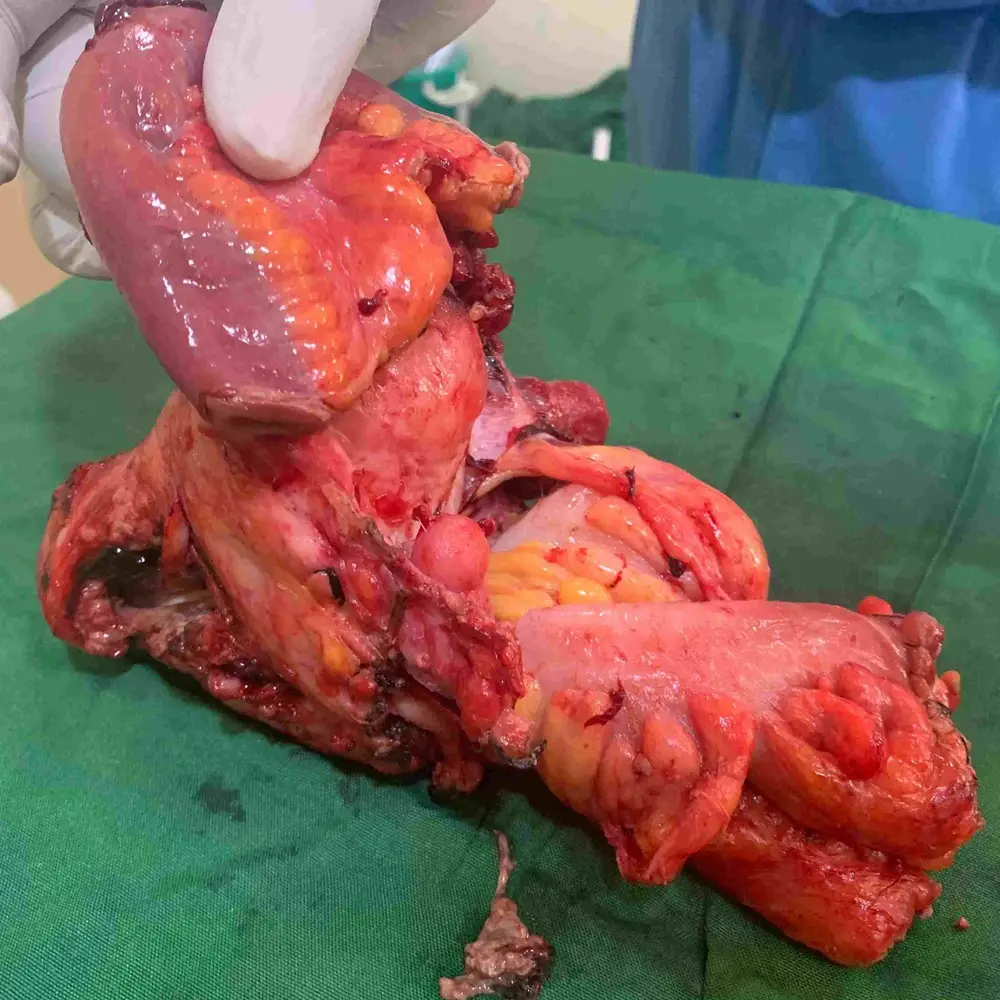
A 43-year-old female patient presented with an aggressively recurrent stage IVA cervical cancer, having previously undergone a hysterectomy and extensive chemoradiation therapies. The disease formed a massive eight-centimeter tumor aggressively involving her bladder, rectum, and small bowel, creating an extremely complex frozen pelvis scenario.
⦿ Total Pelvic Exenteration With Reconstruction
• Procedure: A total pelvic exenteration completely removed the vaginal vault mass, bladder, and rectum.
• Complex Anatomy: The intricate resection safely navigated a frozen pelvis and carefully detached the adherent ureters.
• Patient Safety: Despite the massive resection scale, blood loss was meticulously controlled to eight hundred milliliters.
• Surgical Completeness: The comprehensive excision successfully cleared the extensive pelvic mass with highly adequate surgical margins.
⦿ Stable Post-Operative Recovery Following Extensive Resection
The patient remained hemodynamically stable throughout the demanding eight-hour procedure and immediately began her post-operative recovery. All involved structures, including the complex vaginal vault mass and affected small bowel, were successfully extracted for final pathological evaluation. She will gradually adapt to her newly matured ileal conduit and permanent colostomy.
Managing this severely recurrent disease required absolute precision and an exceptionally aggressive, comprehensive surgical approach. By performing a total pelvic exenteration, we provided this patient with the best possible chance for long-term survival and meaningful disease control.
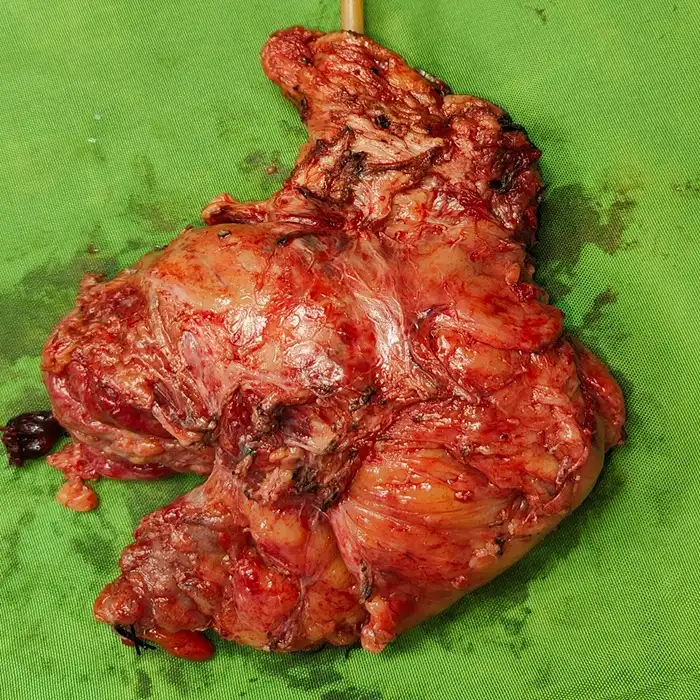
A 60-year-old female presented with aggressive recurrent carcinoma of the cervix following a previous radical hysterectomy, subsequent chemoradiation, and immunotherapy. The complex recurrence extensively involved the vaginal vault, urinary bladder, and urethra, presenting alongside dense post-radiation pelvic fibrosis and severe adhesions.
⦿ Total Pelvic Exenteration With Complex Diversion
• Procedure: Dr. Swati Shah meticulously performed a total pelvic exenteration with an ileal conduit and colostomy.
• Complex Anatomy: Severe pelvic adhesions and post-radiation fibrosis required highly skilled anatomical dissection and adhesiolysis.
• Safety Profile: The extensive pelvic resection was safely completed with an estimated blood loss of one thousand milliliters.
• Cancer Clearance: Frozen section analysis confirmed that all evaluated circumferential margins were completely free of tumor.
⦿ Complete Clearance and Favorable Functional Recovery
The patient experienced a remarkably uneventful postoperative recovery and was effectively managed with comprehensive supportive care. Crucially, the intraoperative pathology analysis confirmed negative circumferential margins, successfully indicating an excellent surgical clearance of the complex malignancy. She was ultimately discharged in a hemodynamically stable, ambulatory condition while successfully adapting to her new functional reconstructive diversions.
Tackling recurrent cervical cancer in a previously irradiated pelvis presents severe anatomical challenges. By performing a meticulous total pelvic exenteration, we achieved margin-free tumor clearance, offering the patient an excellent chance at long-term survival.
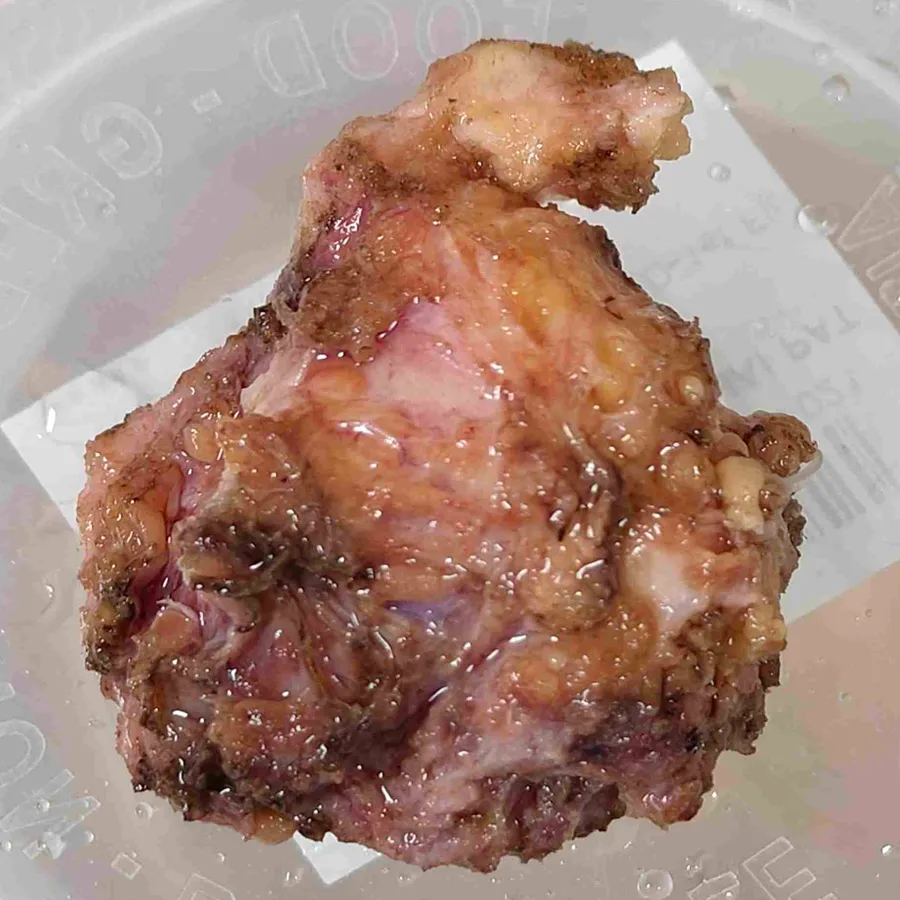
A forty-four-year-old female presented with recurrent cervical carcinoma and severe abdominal pain. Her case was highly complex due to prior neoadjuvant chemotherapy and a previous radical nephrectomy. Advanced imaging revealed a metabolically active malignant nodule requiring urgent and meticulous surgical intervention.
⦿ Advanced Pelvic Exenteration
• Procedure: A meticulous total pelvic exenteration was successfully executed for the recurrent cervical carcinoma.
• Complex Anatomy: The team expertly excised a challenging 4x4 cm mass located anterior to the coccyx.
• Safety & Blood Loss: Meticulous surgical technique resulted in an impressively low total blood loss of 5 ml.
• Cancer Clearance: Histopathology results confirmed the complete removal of the adenocarcinoma with free circumferential surgical margins.
⦿ Uneventful Recovery and Free Margins
The patient's postoperative recovery following this extensive procedure was entirely uneventful. Final histopathology evaluation conclusively confirmed a moderately differentiated adenocarcinoma with completely free circumferential margins. She maintained highly stable hemodynamics throughout her hospital course. Ultimately, she was safely discharged on a normal diet with strictly controlled pain management.
Performing a total pelvic exenteration in a previously operated field requires immense precision to ensure complete margin clearance. By carefully navigating the complex anatomy, we secured negative margins, offering her an excellent chance for long-term survival.
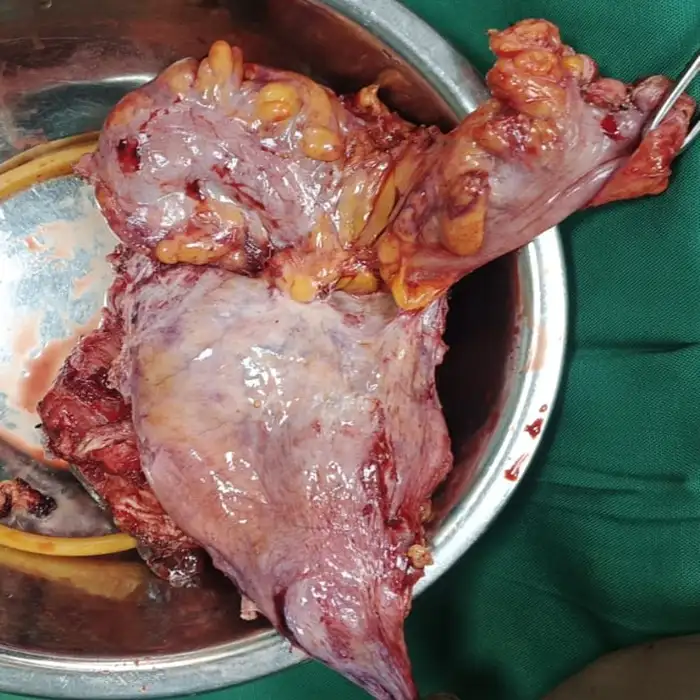
The patient is a 49-year-old female presenting with a local recurrence of mucinous adenocarcinoma of the cervix, complicated by a painful rectovaginal fistula. Having previously undergone a radical hysterectomy followed by intensive chemotherapy and radiation, her pelvic anatomy was highly compromised. The aggressive, moderately differentiated tumor had actively breached the colonic and bladder boundaries, demanding immediate multi-organ intervention.
⦿ Robotic Total Pelvic Exenteration
• Procedure: A minimally invasive robotic total pelvic exenteration was successfully completed through a multi-port approach.
• Anatomical Reconstructions: An ileal conduit was fashioned for urinary drainage alongside a functional end colostomy.
• Patient Safety: Precision dissection minimized surgical trauma despite extensive adhesions and significant multi-organ involvement.
• Cancer Clearance: Complete macroscopic clearance was achieved, ensuring the multi-organ specimen was safely extirpated.
⦿ Pathological Clearance and Stable Recovery
The patient experienced a smooth, uneventful postoperative recovery and was safely discharged in a hemodynamically stable condition. Final histopathology confirmed excellent oncological results, demonstrating completely negative surgical margins across all resected structures. Six retrieved mesenteric lymph nodes were entirely reactive and free of metastasis. The patient was fully ambulatory upon discharge, with well-controlled pain and successfully managed functional conduits.
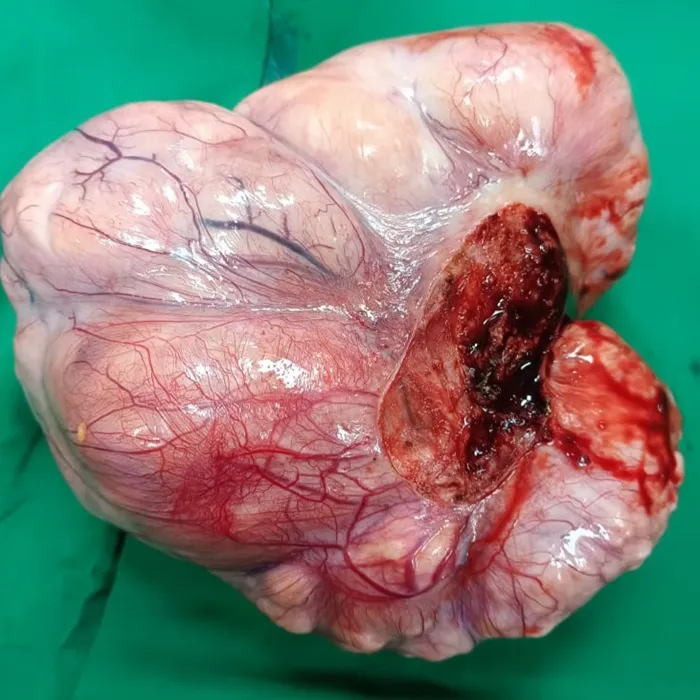
A 44-year-old female patient presented with an incidentally detected, massive pelvic mass extending into the mid-abdomen. The significant structural complexity involved a large, firm, and whorled lesion measuring approximately 18x18x15 cm. The considerable size required immediate and precise surgical intervention to prevent further complications.
⦿ Advanced Exploratory Laparotomy and Resection
• Procedure Details: Exploratory laparotomy with adhesiolysis and extensive resection of the pelvic mass was successfully completed.
• Complex Anatomy: The surgical team skillfully navigated the massive 18x18x15 cm tumor originating from the uterus.
• Patient Safety: Strict hemostasis was confirmed throughout the procedure, ensuring an exceptionally low intraoperative blood loss.
• Pathological Clearance: The frozen section confirmed complete removal of a benign spindle cell lesion, indicating leiomyoma.
⦿ Rapid Recovery and Excellent Prognosis
The patient experienced an entirely uneventful postoperative recovery and achieved stable hemodynamics rapidly. She became fully ambulatory with controlled pain levels and a remarkably clean surgical wound. Final pathology definitively diagnosed the mass as a completely excised benign leiomyoma with no malignant spread. Consequently, she was safely discharged with an excellent long-term functional prognosis.
Navigating such a massive and anatomically challenging pelvic tumor required extreme operative precision and careful adhesiolysis. By meticulously preserving the surrounding vital structures, we ensured the patient could enjoy a completely benign diagnosis and a swift, pain-free return to her normal life.
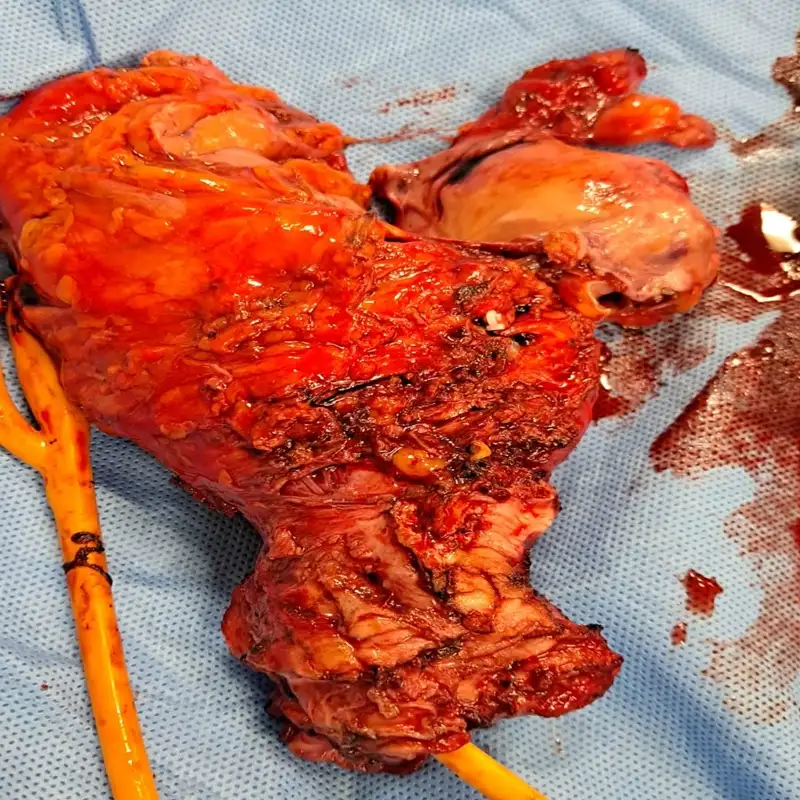
The female patient presented with recurrent sigmoid colon cancer complicated by enterovesicle and vesicovaginal fistulas following a previous Hartman’s procedure, chemotherapy, and radiation therapy. The pelvic region exhibited dense adhesions and a massive growth involving the bladder and vaginal vault, making this an extremely urgent and highly complex case.
⦿ Total Pelvic Exenteration With Ileal Conduit
• Procedure: Dr. Swati Shah successfully performed a total pelvic exenteration with an ileal conduit creation.
• Complex Anatomy: The surgical team safely navigated dense post-radiation adhesions and a severely involved vaginal vault.
• Patient Safety: Excellent hemostasis was ensured throughout the complex procedure, maintaining absolute patient safety and stability.
• Cancer Clearance: The extensive pelvic mass was completely excised, successfully securing adequate and clean surgical margins.
⦿ Successful Reconstruction And Stable Recovery
The patient achieved a remarkably stable immediate postoperative recovery following the extensive and secure abdominal wall closure. Surgical pathology confirmed the successful removal of the pelvic exenteration specimen with adequately revised and clear margins from the posterior bladder wall. Ultimately, bowel continuity was successfully established, providing the patient with excellent functional outcomes and a safe discharge.
This particular case presented significant challenges due to previous radiation therapy and recurrent fistulas. However, by employing meticulous surgical precision, we achieved complete tumor clearance and restored essential function, giving our patient an excellent chance at long-term survival.
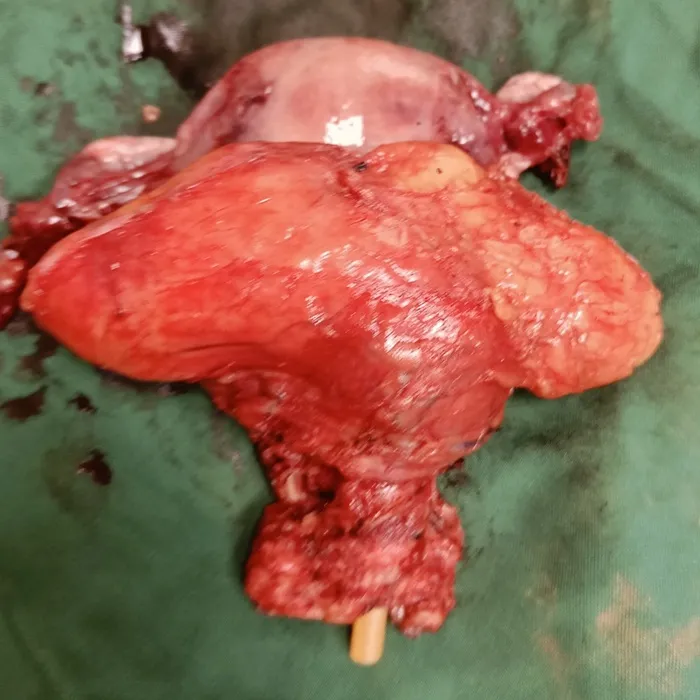
A 51-year-old female presented with severe lower abdominal pain and a complex recurrence of cervical cancer after completing previous chemoradiotherapy. Imaging and evaluations revealed an aggressive lesion extending into the upper vagina and invading the posterior wall of the urinary bladder.
⦿ Robotic Anterior Exenteration with Ileal Conduit
• Procedure: Robotic anterior exenteration with an ileal conduit was executed utilizing advanced minimally invasive technology.
• Complex Anatomy: The aggressive tumor involving the cervix, vagina, and bladder was meticulously isolated and excised.
• Blood Loss: Excellent hemostasis was maintained throughout the procedure with minimal blood loss of 300 milliliters.
• Cancer Clearance: The final histopathology confirmed completely negative margins across all resected urethral and vaginal borders.
⦿ Complete Resection and Smooth Recovery
The patient experienced an uneventful postoperative recovery and was successfully walking shortly after surgery. Final pathology confirmed complete margin-free resection of the residual squamous cell carcinoma, with surrounding parametrial tissues remaining entirely clear of disease. She was discharged with stable hemodynamics and a well-functioning urinary conduit.
Managing post-radiation recurrent cervical cancer requires immense surgical precision to achieve clear margins. Utilizing a robotic approach for this anterior exenteration allowed us to safely navigate irradiated tissues, offering the patient an excellent opportunity for long-term survival.
A 56-year-old male presented with advanced left ureteric squamous cell carcinoma, complicated by a rectovesical fistula and a non-functional kidney. The aggressive disease required urgent, highly complex intervention following neoadjuvant chemotherapy. The invasive pelvic mass involved vital organs, demanding meticulous surgical planning.
⦿ Multi-Organ Excision and Reconstruction
• Procedure Techniques: A complex multi-visceral resection including an ileal conduit and loop ileostomy was successfully executed.
• Extensive Lymphadenectomy: Comprehensive left pelvic and paraaortic lymph node dissections were meticulously performed for accurate staging.
• Patient Safety: Carefully controlled dissections maintained the patient's hemodynamic stability throughout the notably extensive surgical operation.
• Cancer Clearance: Comprehensive histopathology reports confirmed that all vital surgical resection margins were free of tumors.
⦿ Successful Recovery and Pathology
The patient experienced a remarkably uneventful postoperative recovery and was safely discharged with stable hemodynamics shortly after the surgery. The final histopathology evaluation definitively confirmed that all critical surgical resection margins were completely free of invasive cancer. The patient established a secure functional baseline through the successful urinary and bowel diversions.
Tackling this invasive multi-organ pelvic malignancy required an aggressive, precisely coordinated surgical approach to secure negative margins. By executing extensive resections and intricate reconstructions, we provided the best chance for long-term survival.
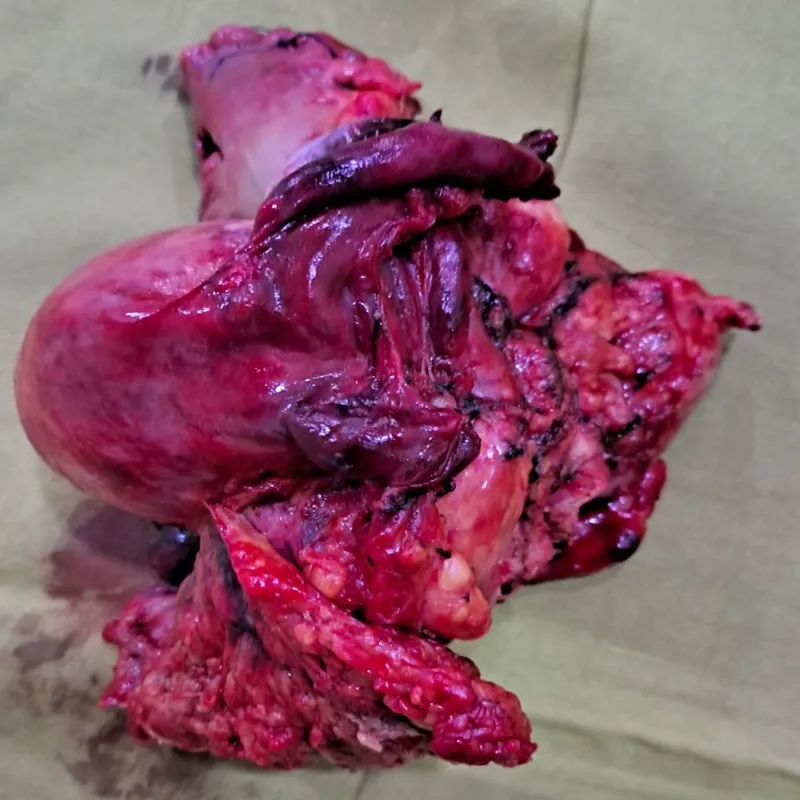
The female patient presented with a highly complex case of recurrent cervical cancer complicated by a vesicovaginal fistula following previous chemoradiation therapy. The extensive tumor involved the uterus, parametrial tissues, posterior bladder wall, and rectum, making the pelvic anatomy exceptionally challenging due to post-radiation changes.
⦿ Total Pelvic Exenteration
• Procedure: A meticulous supra levator total pelvic exenteration achieved clearance of the massive pelvic tumor.
• Complex Anatomy: Dissection skillfully navigated post-radiation pelvic changes and successfully isolated adhered small bowel loops.
• Safety & Reconstruction: Excellent hemostasis was ensured while expertly implanting dilated ureters using the Wallace technique.
• Cancer Clearance: The procedure meticulously cleared the massive malignancy involving the rectum and mesorectal fascia.
⦿ Restored Stability and Complete Clearance
Following the highly demanding surgical intervention, complete hemostasis was verified and the abdomen was securely closed. The extensive pelvic malignancy was successfully excised, providing the highest possible level of localized disease control. Ostomy bags were properly applied, establishing a stable foundation for the patient's ongoing recovery and rehabilitation.
Navigating such extensive post-radiation changes demands absolute surgical precision to achieve optimal tumor clearance. By meticulously performing this exenteration, we completely excised the invasive recurrence, giving our patient a stable outcome and the strongest chance for long-term survival.
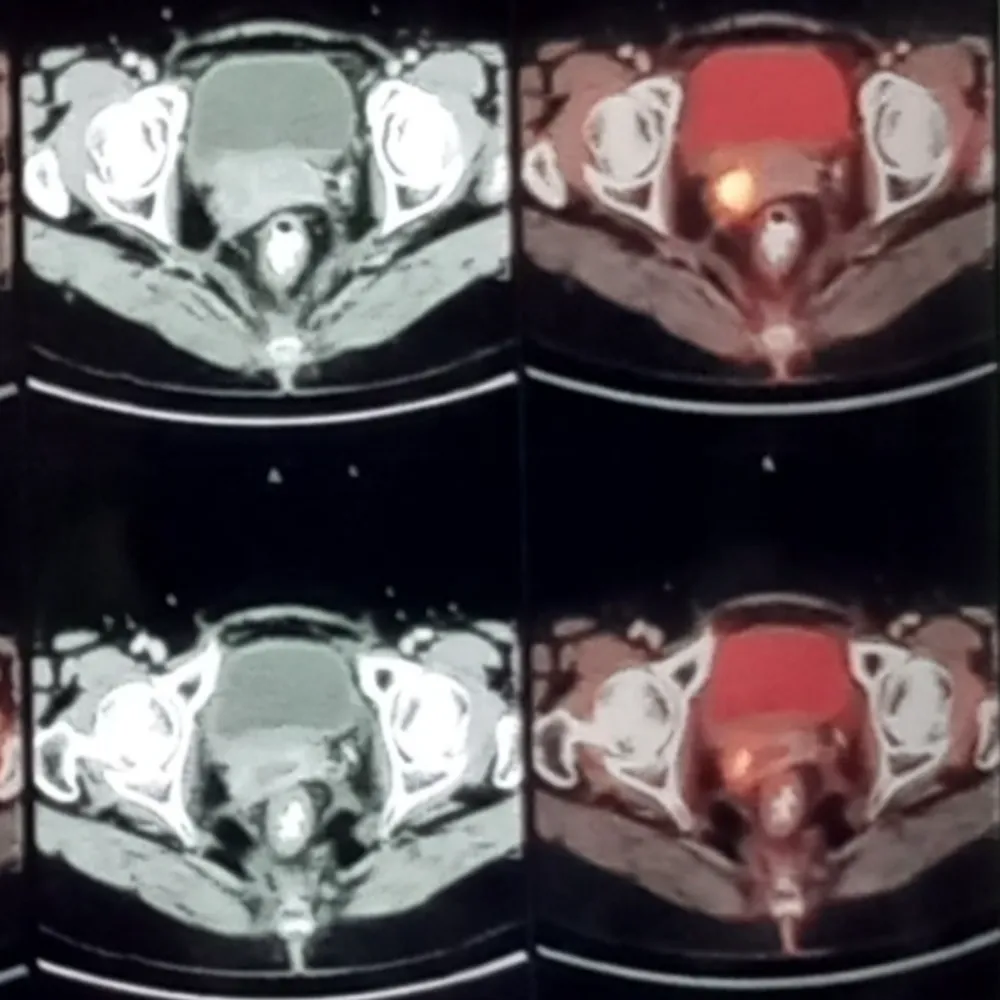
A 50-year-old female presented with residual, moderately differentiated squamous cell carcinoma of the cervix following extensive chemoradiation therapy. Imaging revealed a complex lesion infiltrating the right parametrium and compressing the ureter, resulting in severe right-sided hydroureteronephrosis.
⦿ Robotic Anterior Exenteration
• Robotic Exenteration: A robotic supralevator anterior exenteration was successfully executed alongside an ileal conduit.
• Complex Anatomy: The surgical team meticulously separated the challenging tumor from the involved urinary bladder.
• Patient Safety: The advanced robotic approach ensured exceptional surgical safety with minimal blood loss of 100 mL.
• Cancer Clearance: Final histopathology confirmed disease-free surgical margins and unaffected adnexae, ensuring comprehensive local tumor removal.
⦿ Complete Resection and Uncomplicated Recovery
The patient experienced an entirely uneventful postoperative recovery and was safely discharged with remarkably stable hemodynamics. Comprehensive histopathology reports confirmed clear surgical margins across the vaginal cuff and completely unaffected uterine structures. Ultimately, the patient regained independent mobility and successfully transitioned to a stable outpatient follow-up care plan.
By utilizing advanced robotic technology for this complex anterior exenteration, we successfully navigated challenging post-radiation pelvic anatomy. This precise approach allowed us to achieve clear surgical margins while significantly supporting an uneventful postoperative recovery and stable patient discharge.
A 41-year-old female presented with recurrent cervical cancer at the vaginal vault following previous surgery, chemotherapy, and radiation. The highly aggressive malignancy severely infiltrated her urinary bladder and rectum, causing obstructive nephropathy and encasing the distal ureter.
⦿ Total Pelvic Exenteration
• Procedure: A total pelvic exenteration with ileal conduit and end colostomy was successfully performed.
• Complex Anatomy: Fourteen regional lymph nodes were safely dissected and evaluated during the extensive procedure.
• Patient Safety: The highly invasive surgery was executed meticulously to ensure a completely uneventful recovery phase.
• Cancer Clearance: Final pathology confirmed all circumferential soft tissue and ureteric resection margins were entirely tumor-free.
⦿ Successful Resection and Recovery
The patient experienced a remarkably uneventful postoperative recovery phase and was discharged in stable condition. Final histopathology revealed a moderately differentiated adenocarcinoma with all resected surgical margins remaining completely free of tumor invasion. Following this extensive clearance, she successfully transitioned to managing her functional stomas.
Managing recurrent cervical cancer with severe multiorgan infiltration demands uncompromising surgical precision and aggressive intervention. By executing a comprehensive pelvic exenteration with clear margins, we offered the patient the most optimal chance for definitive local disease control.
A fifty-year-old female presented with heavily pre-treated recurrent cervical carcinoma, initially diagnosed in 2017. The aggressive pelvic mass invaded the vaginal vault and bladder trigone, presenting dense adhesions to the rectal serosa. This complex recurrence demanded an immediate, extensive multi-organ resection for definitive clearance.
⦿ Total Pelvic Exenteration
• Procedure: The complex pelvic exenteration included a functional ileal conduit and diversion sigmoid colostomy creation.
• Complex Anatomy: The intricate pelvic mass dissection safely navigated the bladder trigone and vesicoureteric junction.
• Patient Safety: The surgical team meticulously maintained hemostasis, limiting total blood loss to 500 ml.
• Cancer Clearance: Intraoperative frozen sections confirmed completely free margins following the extensive perineal and pelvic excision.
⦿ Successful Reconstruction And Complete Clearance
The patient tolerated the extensive multi-organ resection extremely well, maintaining excellent stability following the necessary blood transfusions. Crucially, the intraoperative frozen sections immediately confirmed completely tumor-free margins, verifying a highly successful and comprehensive cancer clearance. Furthermore, the meticulous creation of the ileal conduit and colostomy established a secure, functional waste diversion system.
Managing this heavily pre-treated recurrent cervical cancer required a highly aggressive, precision-driven surgical approach. By executing a total pelvic exenteration with complex diversions, we achieved complete tumor clearance and provided the patient with her best chance at long-term survival.
An 80-year-old female presented with severe lower abdominal pain and a rapidly growing 12-centimeter pelvic mass. Given her extensive surgical history, including prior colon cancer and endometrial sarcoma, the tumor presented a highly complex challenge with severe pelvic adhesions.
⦿ Precision Robotic-Assisted Pelvic Mass Excision
• Procedure: We successfully executed an advanced pelvic mass excision with extensive omental and peritoneal biopsies.
• Complex Anatomy: The intricate dissection separated the massive tumor from the highly vascular internal iliac artery.
• Patient Safety: Meticulous hemostasis was rigorously maintained throughout the complex procedure to ensure minimal blood loss.
• Cancer Clearance: Frozen sections confirmed a spindle cell tumor, while peritoneal fluid cytology remained completely negative.
⦿ A Rapid and Stable Recovery
The patient experienced an exceptional immediate post-operative recovery, remaining hemodynamically stable and rapidly regaining ambulatory function. Final cytological analysis confirmed that the peritoneal fluid was completely negative for any malignant cells. She was safely discharged with a clean surgical wound and successfully returned to her normal diet.
Navigating such extensive surgical adhesions in an octogenarian requires the utmost surgical precision and care. By utilizing advanced targeted techniques, we successfully removed the large spindle cell tumor, offering her tremendous relief and a rapid return to daily life.
A fifty-three-year-old female presented with recurrent cervical carcinoma following prior chemotherapy and radiation. The aggressive tumor encased the right lower ureter, causing significant hydroureteronephrosis. This complex recurrence demanded highly urgent, precise surgical intervention to prevent further complications.
⦿ Complex Radical Hysterectomy And Ureteric Reconstruction
• Procedure: A highly complex radical hysterectomy with precise ureteric resection and reconstruction was flawlessly executed.
• Anatomical Challenge: The aggressive tumor encasing the right lower ureter was meticulously dissected and completely removed.
• Patient Safety: The extensive procedure concluded smoothly with an exceptionally low blood loss of 100 ml.
• Cancer Clearance: Final pathology confirmed negative surgical margins and a regional lymph node free of metastasis.
⦿ Disease-Free Margins And Stable Post-Operative Recovery
Following the complex surgery, the patient experienced an incredibly smooth and highly stable postoperative recovery. She was fully ambulatory and maintained perfect hemodynamic stability throughout her entire hospital stay. Final pathology confirmed successful tumor removal with absolutely clear surgical margins. She was safely discharged with a fully functional, reconstructed urinary tract.
Successfully managing a post-radiation recurrence encasing the ureter requires immense surgical precision and a multidisciplinary approach. By meticulously removing the disease and reconstructing the urinary tract, we provided her with the absolute best chance at long-term, cancer-free survival.
A 45-year-old female presented with a persistent, poorly differentiated squamous cell carcinoma of the cervix after undergoing extensive concurrent chemoradiation therapy. This aggressive residual stage-IIb tumor deeply infiltrated the bladder trigone and bilateral parametrial tissues, presenting a profound anatomical challenge that necessitated immediate, highly specialized surgical intervention.
⦿ Robotic Anterior Pelvic Exenteration
• Procedure: Dr. Shah successfully executed a total abdominal radical hysterectomy alongside a total vaginectomy and cystectomy.
• Lymph Node Dissection: Nineteen bilateral pelvic lymph nodes were successfully removed and evaluated for accurate oncological staging.
• Patient Safety: Operative blood loss was remarkably restricted to one hundred milliliters without requiring any transfusions.
• Cancer Clearance: The final pathology confirmed clear vaginal, parametrial, and ureteric margins with zero nodal spread.
⦿ Comprehensive Cancer Clearance and Rapid Recovery
The patient experienced an exceptionally smooth, hemodynamically stable postoperative recovery and quickly regained her ambulatory function. Crucially, the final histopathology results confirmed entirely tumor-free surgical margins across all removed tissues, alongside absolutely zero lymph node involvement. Thanks to the precise robotic approach, she was comfortably and safely discharged just five days following the complex procedure.
Operating on heavily irradiated pelvic tissues requires unparalleled surgical precision to prevent severe complications. By utilizing this advanced robotic platform, we safely achieved complete oncological clearance and negative margins, giving our patient the best possible chance for long-term survival.
A female patient presented with recurrent squamous cell carcinoma of the cervix following previous chemotherapy and radiation treatments. The aggressive, poorly differentiated tumor was large and complex, extending towards the anterior vaginal wall, urethral mucosa, and the base of the urinary bladder.
⦿ Robotic Anterior Pelvic Exenteration
• Procedure: Dr. Shah successfully completed a robotic anterior pelvic exenteration with precise en bloc resection.
• Complex Anatomy: The 4.5 cm tumor required precise dissection near the bladder base and urethra.
• Organ Preservation: Both the left and right parametrium, along with bilateral ovaries, remained completely tumor-free.
• Cancer Clearance: All urethral, vaginal, and bilateral ureteric surgical margins were successfully completely negative for carcinoma.
⦿ Complete Resection and Margin-Free Status
The final histopathology confirmed a complete resection of the stage IVa recurrent cervical carcinoma. Extensive pathological evaluation revealed that the urethral, vaginal, and bilateral ureteric surgical margins were completely negative for invasive cancer. This definitive margin-free status ensures the best possible foundation for the patient's continued oncological surveillance and long-term recovery.
Tackling a recurrent grade 3 carcinoma in a previously irradiated pelvis is incredibly challenging due to distorted anatomy. Our robotic anterior pelvic exenteration allowed us to achieve clear surgical margins, offering this patient a crucial pathway to sustained oncological control.
A 51-year-old female presented with distressing perineal discharge caused by a complex recto-perineal fistula. Having previously undergone extensive treatments for recurrent cervical carcinoma, including an anterior pelvic exenteration, her heavily irradiated tissues created a highly challenging anatomical environment for successful surgical repair.
⦿ Perineal Wound Exploration With Gracilis Flap Reconstruction
• Procedure: A complex perineal wound exploration and left gracilis muscle flap reconstruction was performed.
• Complex Anatomy: The surgical team expertly navigated previously irradiated tissues to isolate the complex rectal defect.
• Patient Safety: Hemostasis was efficiently achieved, ensuring minimal blood loss and maintaining stable hemodynamics throughout.
• Surgical Completeness: The defect was completely patched using a healthy, vascularized muscle flap with successful closure.
⦿ Successful Defect Closure And Rapid Recovery
Postoperative recovery was remarkably uneventful, allowing the patient to become ambulatory shortly after surgery. The complex fistula was effectively closed, successfully restoring the structural integrity of the affected rectal wall. She maintained well-controlled pain levels and highly stable hemodynamics throughout her care. The patient was safely discharged with an excellent functional outcome.
A 41-year-old female presented with severe vaginal bleeding and blood clots due to a massive, highly aggressive recurrent cervical carcinoma. This complex tumor heavily infiltrated the vaginal vault, rectum, and urinary bladder, creating an urgent surgical challenge following previous exhaustive chemotherapy and radiation treatments.
⦿ Advanced Total Pelvic Exenteration
• Procedure Details: A total pelvic exenteration with perineal resection and mesh reconstruction was successfully executed.
• Complex Anatomy: The massive tumor extensively involved the urinary bladder, bilateral ureters, urethra, vagina, and rectum.
• Organ Resection: The intricate surgery safely achieved complete en bloc removal of the involved pelvic organs.
• Cancer Clearance: Final pathology confirmed the proximal colon, distal perianal, and vaginal margins were completely uninvolved.
⦿ Successful Recovery and Ongoing Management
The patient experienced an entirely uneventful post-operative recovery phase despite the immense surgical complexity. Final histopathology revealed poorly differentiated squamous cell carcinoma with several uninvolved margins, clarifying her ongoing treatment pathway. She achieved a stable condition and was successfully discharged with urgent referrals for medical oncology management.
In managing this highly complex, extensive recurrence, I prioritized meticulous surgical precision to safely resect the involved anatomy. Our comprehensive exenteration approach provided the most definitive local control possible, offering her the strongest foundation for ongoing systemic therapies.
A 43-year-old female presented with urinary blood clots after prior chemoradiation for vault carcinoma. Imaging revealed a large, necrotic recurrent mass deeply invading her urinary bladder and rectum. This aggressive local invasion and complex pelvic involvement necessitated highly specialized surgical intervention.
⦿ Total Pelvic Exenteration
• Procedure: A meticulous total pelvic exenteration with multiple vital reconstructions was successfully executed.
• Complex Anatomy: The aggressive tumor involving the mesorectal fascia and bladder wall was carefully navigated.
• Patient Safety: The patient experienced an entirely uneventful recovery phase following the extensive resection.
• Cancer Clearance: Final histopathology confirmed that all surgical margins were completely free of invasive carcinoma.
⦿ Successful Resection and Recovery
The patient had an uneventful postoperative recovery and was safely discharged from the hospital. Final histopathology revealed a moderately differentiated adenocarcinoma but confirmed that the vaginal, colonic, and urethral margins were completely tumor-free. She achieved excellent immediate surgical outcomes and was referred for subsequent medical management.
Performing a total pelvic exenteration for this recurrent vault carcinoma required extreme anatomical precision. By successfully securing entirely negative surgical margins, we offered her the absolute best foundation for continued oncological care.
Swasth Parivar: twice a month, practical advice on recovery, diet and warning signs. No advertising. Stop any time.
Your number is used for these updates and for the clinic to reach you. It is never sold or passed on. To stop, reply STOP on WhatsApp.