Home > Blog > Cancer > Cancer Diagnosis > Diagnosis English > Urinalysis
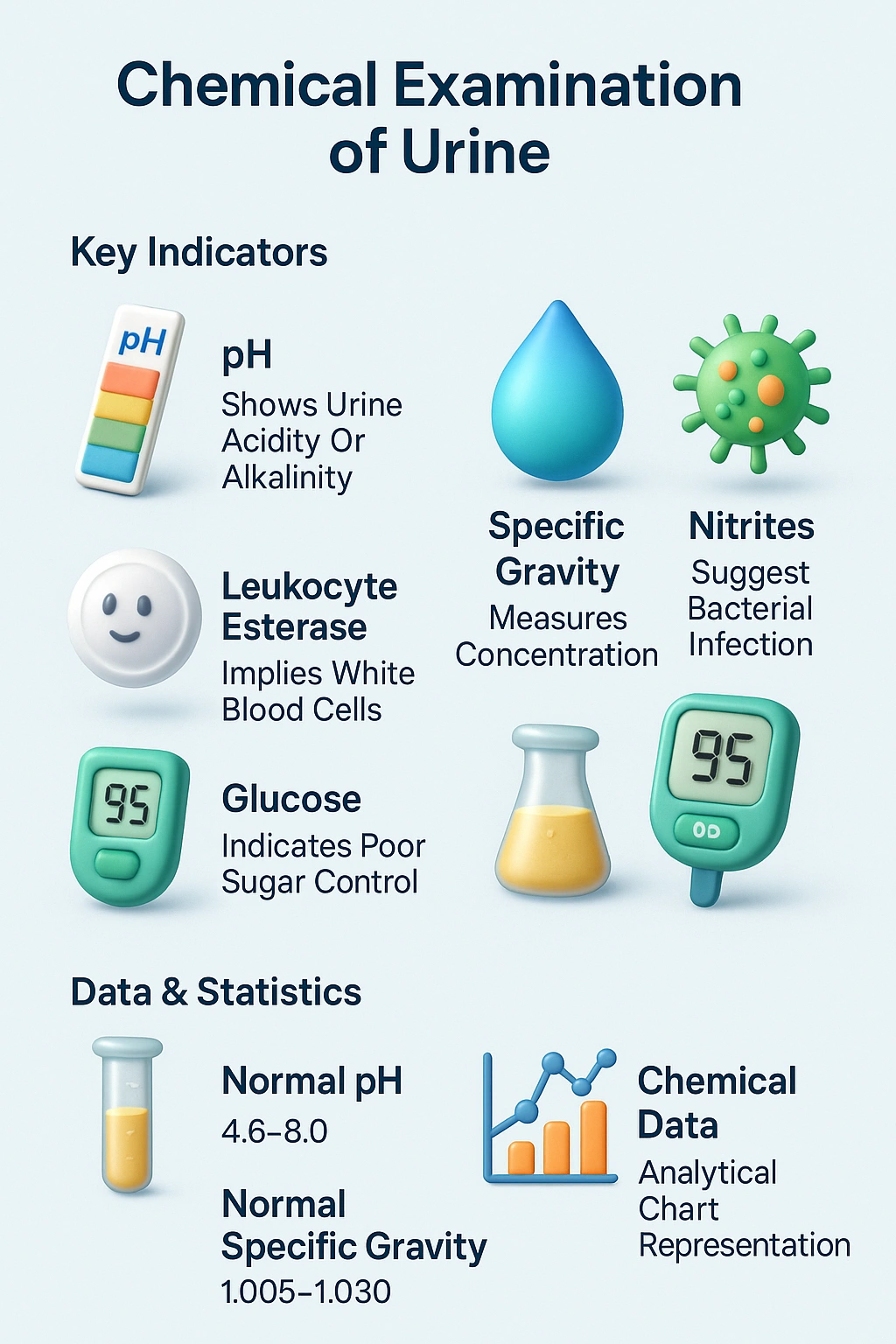
Next, a chemical analysis is performed, often using a urinalysis strip test. This is a plastic strip with chemical pads that change color when dipped into urine. This quick test measures various substances, including:
⦿ pH: How acidic or alkaline your urine is.
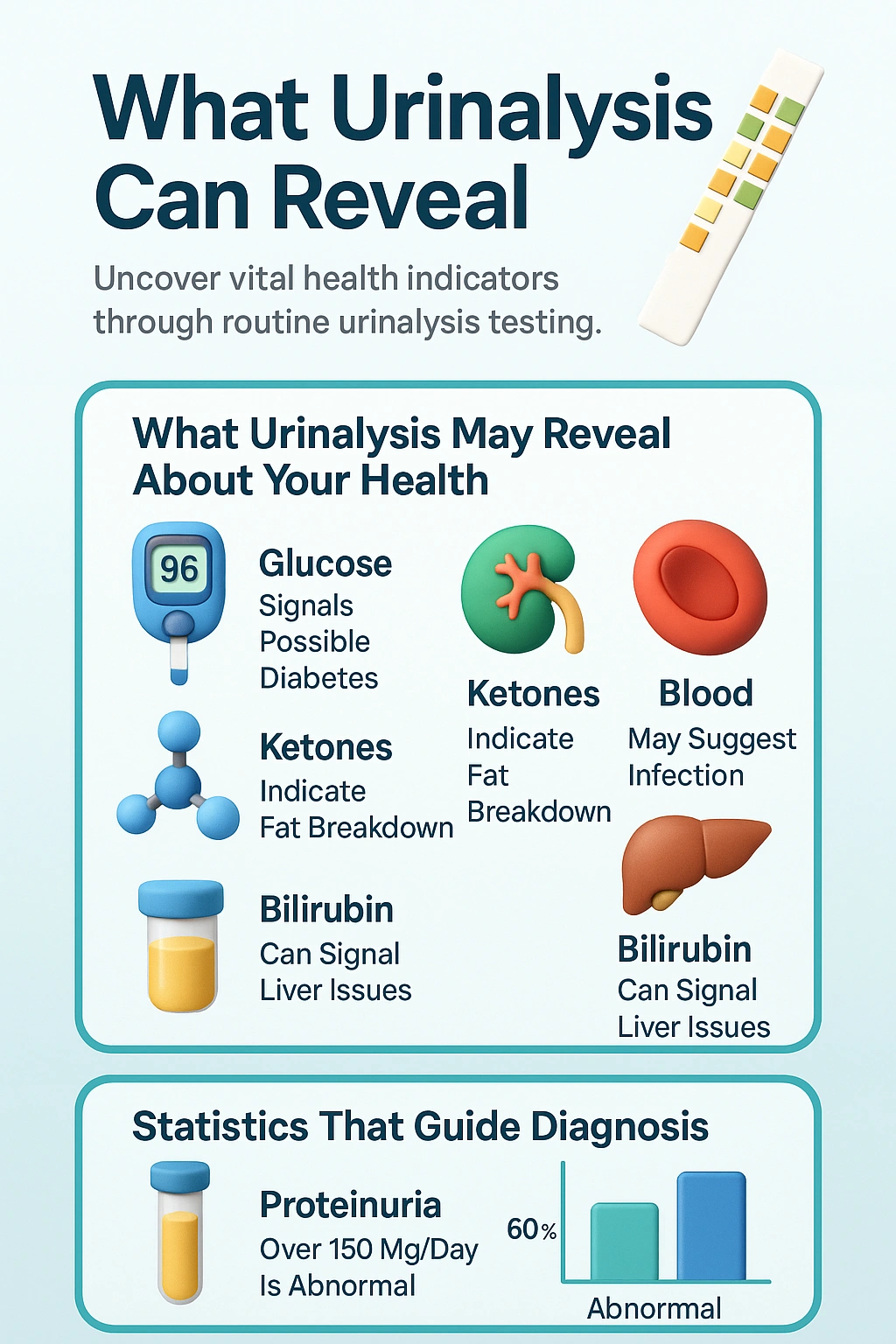
⦿ Protein: High levels could indicate kidney problems.
⦿ Glucose (Sugar): A sign of diabetes.
⦿ Ketones: Substances made when the body breaks down fat for energy.
⦿ Bilirubin: A sign of liver issues.
⦿ Specific Gravity: This checks the concentration of your urine. The urinalysis specific gravity tells the doctor how well your kidneys are balancing water in your body.
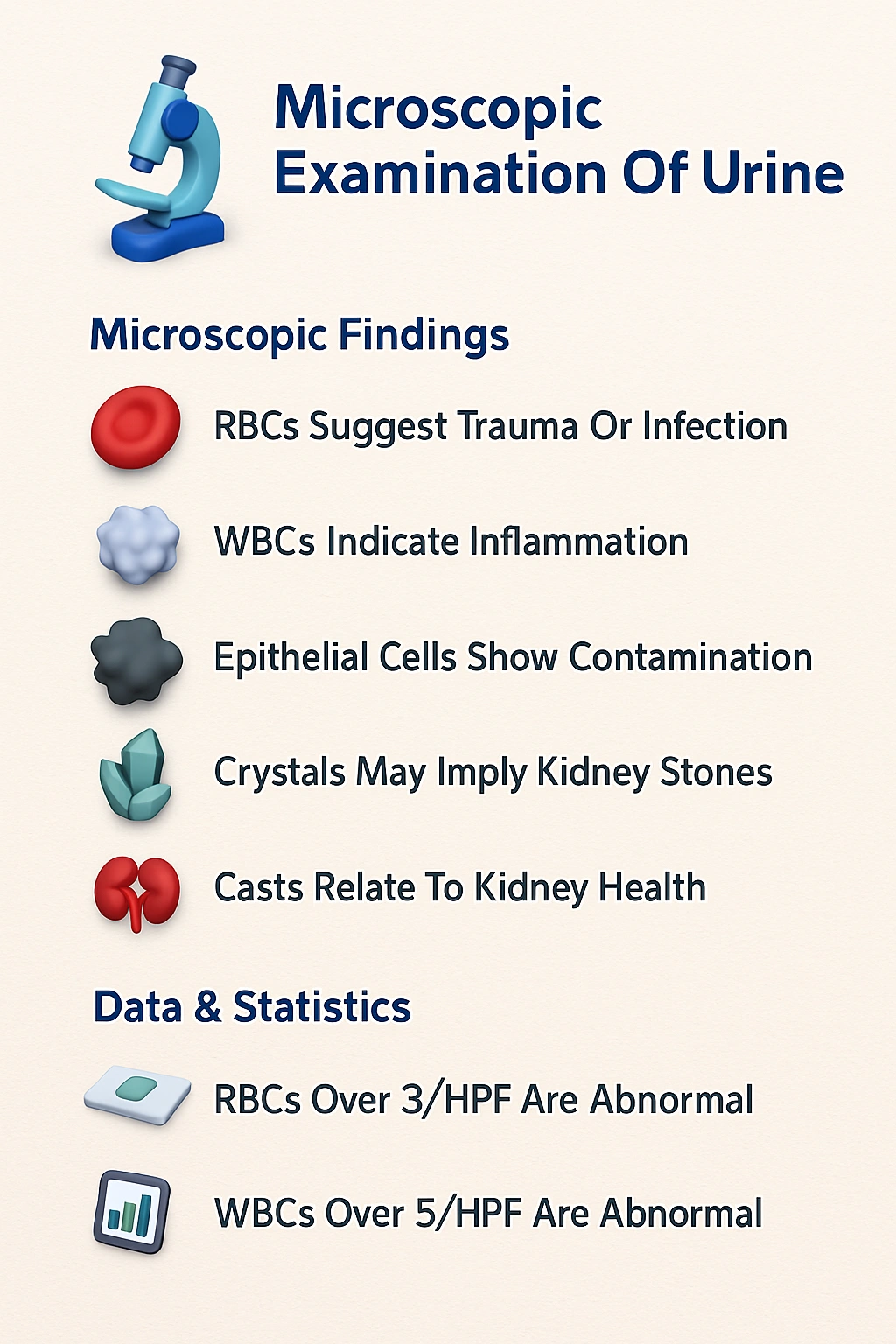
In this part, a small drop of urine is examined urinalysis under microscope. The technician looks for things that shouldn’t be there in large numbers, such as:
⦿ Red Blood Cells (RBCs): Can be a sign of kidney disease, bladder infection, or stones.
⦿ White Blood Cells (WBCs) or Pus Cells: Usually indicate an infection. The urinalysis pus cells normal range is typically very low (0-5 per HPF).
⦿ Bacteria: The presence of urinalysis bacteria is a strong indicator of a UTI.
⦿ Epithelial Cells: These are cells from the lining of your urinary tract. The urinalysis epithelial cells normal range is also low; high numbers can suggest inflammation.
⦿ Crystals: Can be a sign of kidney stones.
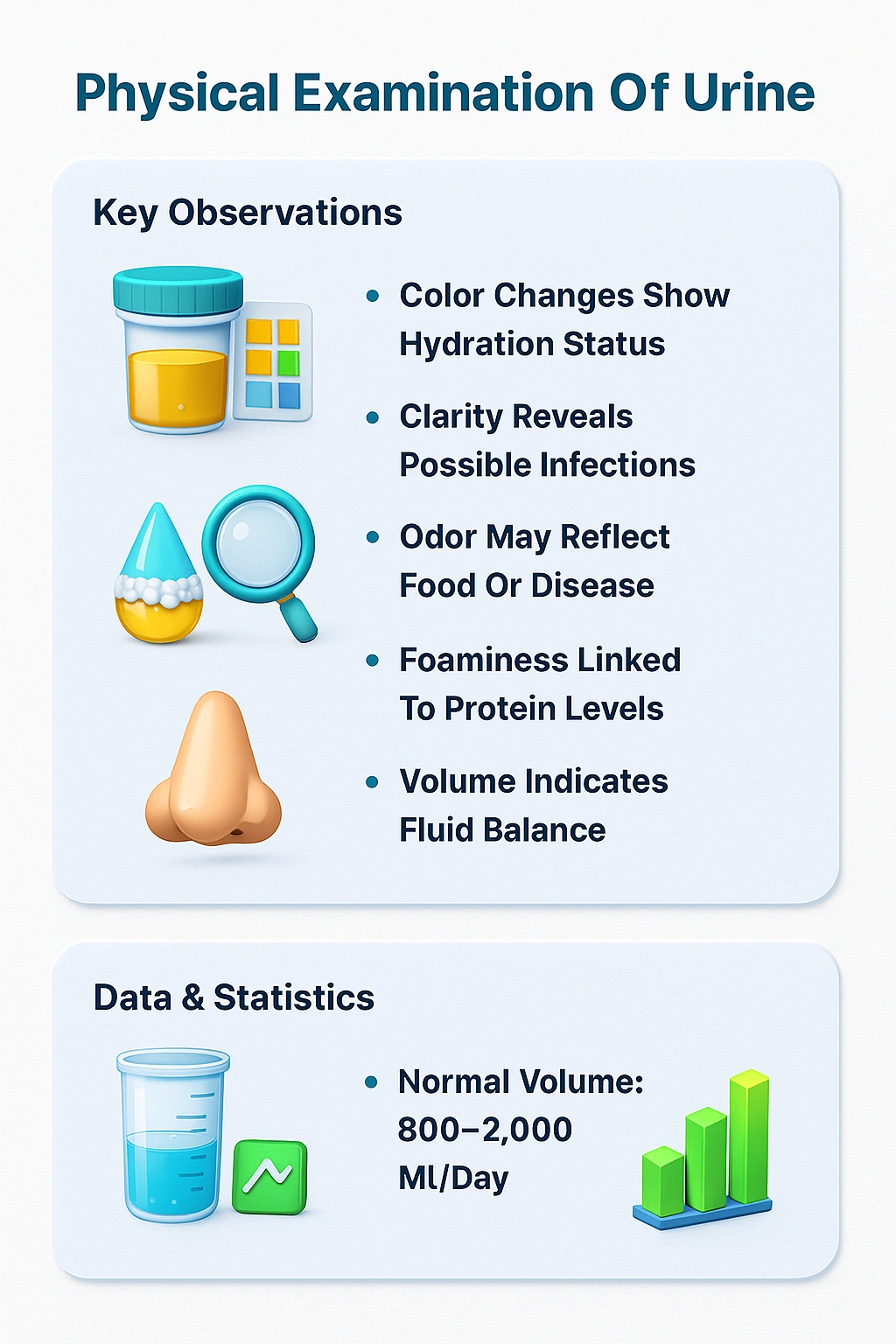
| Urine Color | What It Might Mean | What to Do |
|---|---|---|
| Pale Straw / Transparent Yellow | You are well-hydrated and healthy. | Keep up your healthy water intake. |
| Dark Yellow / Amber | You are likely dehydrated. | Drink more water throughout the day. |
| Orange | Could be dehydration or a sign of liver/bile duct issues. Can also be caused by certain medications. | Increase water intake. If it persists, see a doctor. |
| Pink or Red | Could be caused by certain foods (like beetroot) or medications. It can also indicate urinalysis blood (hematuria) due to infection, kidney stones, or other serious issues. | If you haven't eaten red-colored foods, consult a doctor immediately. |
| Cloudy or Murky | Often a sign of a urinary tract infection (UTI) or kidney stones. | See a doctor for a proper diagnosis and treatment. |
| Component | Normal Range | What an Abnormal Result May Indicate |
|---|---|---|
| Specific Gravity | 1.005 to 1.030 | urinalysis high specific gravity may mean dehydration; urinalysis specific gravity low could indicate over-hydration or kidney issues. |
| pH | 4.5 to 8.0 | High pH (alkaline) might suggest a UTI or kidney stones. Low pH (acidic) can be linked to conditions like ketoacidosis. |
| Protein | None or Trace | The presence of protein (proteinuria) is a key marker for kidney disease. |
| Glucose (Sugar) | None | Glucose in urine is a classic sign of uncontrolled diabetes. |
| Ketones | None | Ketones may be present in uncontrolled diabetes, during fasting, or on a very low-carb diet. |
| White Blood Cells (Pus Cells) | 0–5 per HPF | Higher numbers indicate inflammation or a urinary tract infection (UTI). |
| Red Blood Cells | 0–4 per HPF | The presence of blood (hematuria) can be due to infection, stones, or kidney disease. |
To get an accurate result, it’s important to provide a “clean-catch” sample. This prevents bacteria from your skin from contaminating the sample.
⦿ Wash your hands thoroughly.
⦿ Clean your genital area with a sterile wipe provided by the lab. Men should wipe the tip of the penis; women should wipe from front to back.
⦿ Start urinating into the toilet for a few seconds.
⦿ Then, place the collection cup under the urine stream and collect a sample (about 30-60 ml).
⦿ Finish urinating in the toilet.
⦿ Secure the lid on the cup and give it to the lab technician.
| Abnormal Finding in Urinalysis | Possible Cause | Likely Next Step(s) |
|---|---|---|
| High White Blood Cells & Bacteria | Urinary Tract Infection (UTI) | Urine culture to identify the bacteria and determine the best antibiotic. |
| High Protein (Proteinuria) | Kidney disease, high blood pressure, diabetes | Repeat urinalysis, blood tests to check kidney function (creatinine), 24-hour urine collection for protein, blood pressure check. |
| Blood (Hematuria) | Kidney stones, infection, bladder/kidney disease | Microscopic exam to confirm, imaging (ultrasound or CT scan), referral to a urologist; possibly a cystoscopy. |
| High Glucose (Glucosuria) | Diabetes mellitus | Blood tests (fasting blood sugar, HbA1c) to confirm diabetes diagnosis and manage blood sugar levels. |
| Crystals | Risk of kidney stones | Increase water intake, dietary changes, imaging tests to check for existing stones. |

Dr. Swati Shah is a renowned Robotic Uro and Gynecological Cancer Surgeon from Ahmedabad. She has 18 years of experience in pelvic oncosurgery and 14+ years of experience in robotic surgery. She treats cancers of kidney, bladder, prostate, uterus, ovaries and other pelvic organs.
Swasth Parivar: twice a month, practical advice on recovery, diet and warning signs. No advertising. Stop any time.
Your number is used for these updates and for the clinic to reach you. It is never sold or passed on. To stop, reply STOP on WhatsApp.