Shah’s Gastro, Cancer & Robotic Surgery Centre
Tapping Book on WhatsApp will likely open the WhatsApp app on your phone.
Last updated: 21-Oct-2026
Assessment, surgery and follow-up for cancer of the penis · Gota OPD, Gota, Ahmedabad · Apollo Hospital, Bhat, Gandhinagar
IN SHORT
Two decisions carry this disease. How much of the penis can safely be kept, and what is done about the groin glands.
The tumour decides how much is removed. A clear edge is now measured in millimetres, so many men keep a working penis.
The groin is where the outcome is settled. A groin that feels normal can still hold disease, and waiting is not a safe plan.
Both groins are examined by the surgeon herself at the first visit. That examination is written down, and a scan does not replace it.
Where glands are large or fixed on both sides, medicine comes first. Surgery follows in the men whose disease answers it.
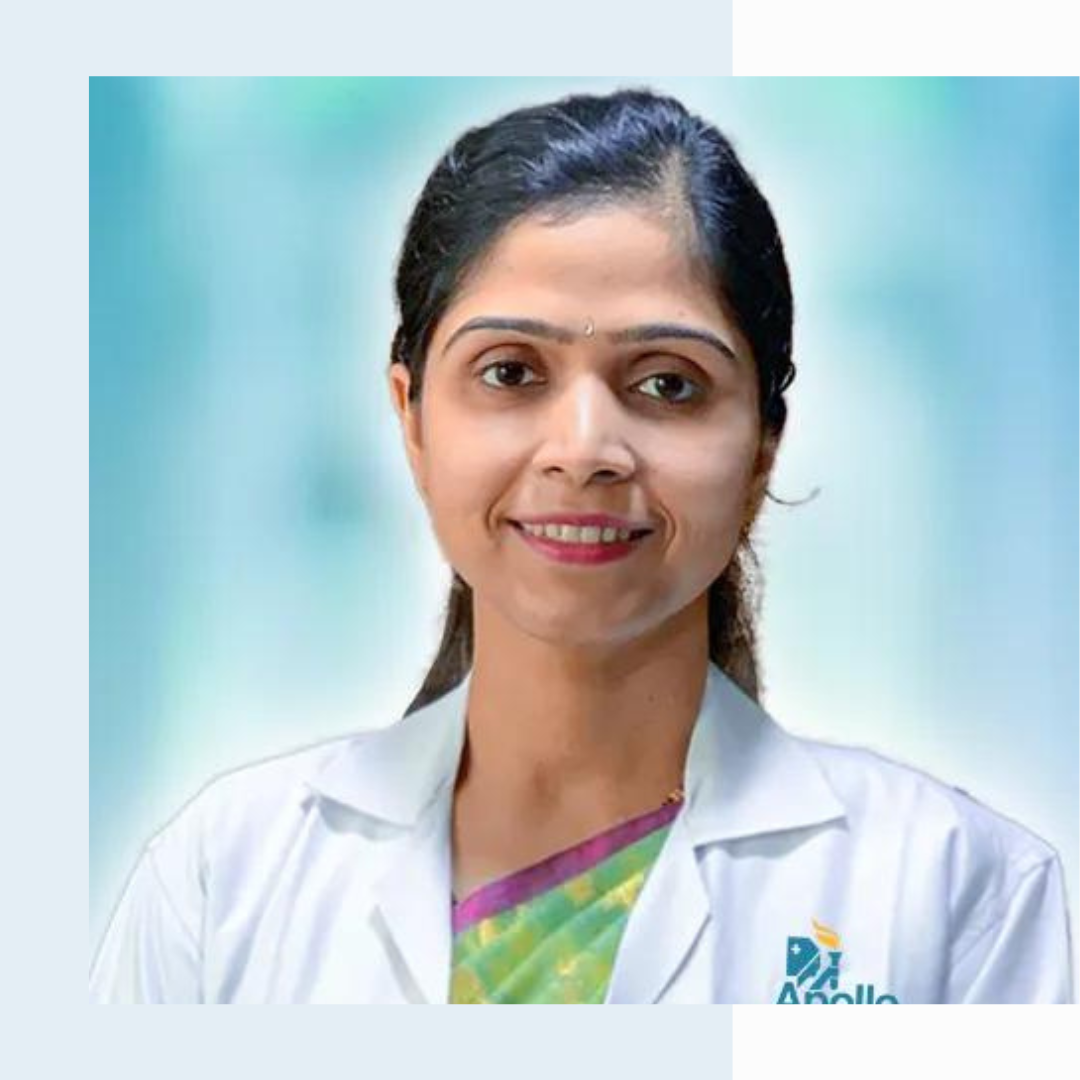
Dr Swati Shah
MS, DrNB (Surgical Oncology)
Penile Cancer Surgeon
Apollo Hospital, Bhat, Gandhinagar · Gota OPD, Gota, Ahmedabad · 18 years of experience
★★★★★ 4.99 from 84 Google reviews (Gota clinic) · 5.0 from 37 (Apollo, Bhat)
Who writes this page. Dr Swati Shah holds MS, DrNB (Surgical Oncology). She studied medicine and trained in general surgery at Maulana Azad Medical College, Delhi. She trained in surgical oncology at Rajiv Gandhi Cancer Institute and Research Centre, Delhi. She has 18 years of experience in cancer surgery, and has worked on the robotic console since 2013. Consultation, assessment, surgery and follow-up run as one pathway.
Every man with this cancer is discussed at a tumour board before treatment starts. The board has a cancer surgeon, a medical oncologist, a radiation oncologist, a radiologist and a pathologist. Where the glands are involved, the order of treatment is settled there. It is not one surgeon’s call.
This page is about how the decisions are made and who makes them. The operations themselves — what a glansectomy removes, what a partial removal leaves, and how the groin operation is done — are set out on penile cancer surgery and the groin node decision.
The first visit answers three questions. What is this lesion, how deep has it gone, and what is happening in both groins.
The visit starts with an examination, not with scans. The foreskin is drawn fully back, every time. A lesion that nobody has been able to see is often sitting underneath it, and a man may arrive with lumps in the groin and nothing obvious on the penis. Where the foreskin cannot be drawn back, it has to be freed before anything can be judged at all.
Then both groins are felt by Dr Swati Shah herself. What she finds is written into the record: the size of any gland, how many, which side, whether it moves, and whether the skin over it is involved. A scan is useful, and it does not replace that examination.
| At the first visit | Why it is done then |
|---|---|
| The foreskin drawn fully back, and freed first where it will not move. | The lesion and its true extent cannot be judged through a tight foreskin. |
| A punch or small cut biopsy of the lesion. | It settles the type, the grade and how deep the tumour has gone. |
| Both groins examined by the operating surgeon, and the findings written down. | This is what decides whether the glands need an operation at all. |
| A needle sample from any gland that can be felt. | A positive result moves a man straight to the definitive groin plan. |
| An ultrasound of both groins, and a scan of the abdomen and pelvis where the disease is deeper. | It maps glands that cannot be felt and checks further up. |
| Sugar control, weight, nutrition and smoking. | Groin wounds heal badly in a man whose diabetes is not controlled. |
A date is not given on a scan alone. The biopsy report has to name four findings, because those four decide the groin.
If the report you are carrying does not mention spread into small vessels, ask about it before any plan is fixed. It is one of the findings the groin decision rests on. A scan of the chest is added when glands are already known to be involved, and a PET scan is kept for a man with proven gland disease and a question higher up. It is not a first staging test.
The aim is the smallest operation that clears the cancer. A clear edge is measured in millimetres now, not centimetres.
That change matters more than any other in this disease. The old habit of removing two centimetres beyond the tumour is gone. Where the lesion allows it, the disease is taken with a narrow clear edge, and the edge is checked on frozen section during the operation rather than a week later. So men who would once have lost the penis often keep a working one.
This is a range of operations, not one. Disease held in the foreskin may need only a circumcision. A surface lesion on the head may be resurfaced. Disease in the head is usually treated by removing the head and rebuilding it with a skin graft. Where that cannot reach a clear edge, part of the shaft is removed, and the stump must be long enough to pass urine standing.
| Decision | When it is the right one | What it means for you |
|---|---|---|
| Keep the penis, remove the lesion with a narrow clear edge. | Disease that is confined, with an edge that can be proved clear. | Length is kept. Sensation at the tip changes. Urine is passed standing. |
| Remove the head and rebuild it with a graft. | Disease confined to the head of the penis. | Full length of the shaft, a rebuilt tip, and intercourse is possible for most men. |
| Remove part of the shaft. | A clear edge cannot be reached while keeping the head. | A shorter penis. Urine is passed standing. Appearance is permanently changed. |
| Remove the whole penis and make a new opening behind the scrotum. | The tumour reaches the base, or a stump would serve no purpose. | Urine is passed sitting, for life. Penetrative intercourse is not possible. |
| Treat only the symptoms of the lesion. | A man too unwell for an operation, with widespread disease. | Bleeding, smell and hygiene are controlled, with early support for comfort. |
The glands in the groin matter more to the outcome than the lesion itself. That is why a normal-feeling groin is still staged.
A man with no lump he can feel may still have disease in the glands. Tissue is the only thing that shows it. So where the biopsy shows an invasive, higher-grade tumour, or spread into small vessels or nerves, the groin is staged with an operation and not watched. Only a surface, low-grade lesion is followed with three-monthly examination alone.
Sentinel node biopsy is the test the guideline prefers. It needs three things together, and that combination cannot be relied on here.
This is said openly rather than implied. A sentinel node biopsy needs a radiotracer, a same-day nuclear scan to map where it drains, and a trained team with a probe in theatre. At Apollo Hospital, Bhat, Gandhinagar that combination is not dependably available. Availability is therefore checked when the case is listed, not on the morning of surgery. Where it cannot be confirmed, the groin gets a modified clearance instead — a smaller dissection than the full one, with the saphenous vein preserved where that is safe. What is never done is to watch an at-risk groin because the tracer was unavailable. That single substitution is deliberate, and it is the safer choice in this setting.
Large, fixed glands on both sides are the common presentation here. In that situation medicine comes first, not surgery.
European guidance is built on small tumours and groins that feel normal. That is not what walks into the clinic in Ahmedabad. Men often arrive with bulky glands on both sides, and an operation that cannot clear them leaves disease behind and a long wound to heal. So the sequence changes. A combination of three chemotherapy drugs is given, the disease is formally assessed again, and surgery follows in the men whose disease has answered it. A man whose disease has not answered does badly after a heroic dissection, which is why the reassessment is done properly rather than assumed.
Two things are said at consent. This sequence rests on smaller studies and on agreement between specialists, not on a large completed trial; the trial designed to answer it has not reported. And radiotherapy, usually with medicine alongside, is considered where disease has spread outside a gland or could not be fully removed. It adds to the risk of leg swelling, so that conversation happens before it starts.
Risks are named here in words. Your own figures are given in person before consent, for your disease and your fitness.
| What | What it means |
|---|---|
| The appearance changes permanently. Certain after any removal of the penis. | It cannot be restored. Rebuilding is technically possible in India and almost never funded, so it is not offered as an expectation. |
| The urinary stream changes permanently. Certain. | It may spray or deviate. After total removal, urine is passed sitting through a new opening, for life. |
| Sexual function changes permanently. Certain. | After a partial removal intercourse may still be possible, with altered sensation. After total removal it is not. |
| Leg swelling after a groin clearance is a lifelong risk. Certain as an obligation. | Skin care, leg elevation and compression are lifelong. Once swelling starts it is managed, not reversed. |
| Wound breakdown or skin-edge loss in the groin. | The commonest problem after this surgery. It can mean dressings for weeks, and sometimes a flap. |
| Fluid collecting in the groin. | Drained or aspirated, with compression. The drain is kept in longer rather than removed early. |
| Infection, bleeding needing a transfusion, or a clot in the leg or lung. | The general risks of a long operation, higher with diabetes, obesity or a low immune state. |
| Narrowing of the urinary opening. | Shows as straining or spraying. It is calibrated and treated properly rather than dilated again and again. |
| A graft that does not take, and numbness of the upper thigh. | The graft is reviewed early and heals from the base. Thigh numbness is common and usually permanent. |
| Risk to life. | Real in this operation, and higher with bulky fixed glands, diabetes, poor nutrition or a low immune state. Your own figure is given in person. |
Follow-up here is treatment, not paperwork. Examination of the groins by a clinician is the main test, and scans are an adjunct.
| When | What is done |
|---|---|
| Two weeks after surgery. | Wound and new-opening review, the histology discussed, medical oncology booked where glands were involved. |
| Every three months, first two years. | Examination of the penis or stump and of both groins, leg measurement, and a check on how you are managing. |
| Every six months, years three to five. | The same, with an ultrasound of the groin and a needle sample for anything doubtful. |
| After five years. | Yearly review. A man who had gland disease is not simply discharged without a discussion. |
| Scans. | Six-monthly scans of the abdomen and pelvis for two years where glands were involved. Not routine otherwise. |
| At home. | You and your partner are taught to feel both groins monthly and to report any new lump the same week. |
The reviews below are Google reviews of this surgeon from families treated for other urological cancers. No two men have the same disease or the same plan.
★★★★★
“My father had a mass in his kidney and we were very worried. Dr. Swati Shah did his operation and treated him very well. She explained everything nicely and supported us during this time. Now my father is feeling better and recovering slowly. Thank you Dr. Swati Shah for your care and support. Highly recommended her as kidney cancer surgeon in Ahmedabad”
— J J, Google review
★★★★★
“We are very thankful to Dr. Swati Shah for her excellent treatment and care for urinary bladder cancer. She explained the condition and treatment options clearly and made us feel confident throughout the treatment journey. Her expertise, dedication, and compassionate approach are truly appreciated. We are very happy with the care and support received. Highly recommended for anyone looking for an experienced cancer surgeon.”
— A K, Google review
★★★★★
“We are very thankful to Dr. Swati Shah for successfully operating on our relative for kidney cancer. From the first consultation to the surgery and follow-up, she was very supportive, caring, and explained everything clearly. Her expertise and confidence gave our family great reassurance during a difficult time. We are happy with the treatment and recovery. Highly recommended Dr. Swati Shah for her dedication and excellent care.”
— Naween Soni, Google review
These are shown exactly as Google holds them. No review about cancer of the penis is published, because men with this disease rarely write one.
The cost depends on which operation is done and how long the groin wound needs. A written estimate is given before admission.
Apollo Hospital, Bhat, Gandhinagar works with the major insurers and with cashless cover, and its office handles the pre-authorisation. Three things move the estimate: whether one groin or both are operated on, whether a flap is needed for skin cover, and how long the stay runs. Groin care after discharge is the part families underestimate, so it is discussed at the first visit. Please bring every scan, the biopsy slides and blocks if you hold them, your medicine list and your insurance card.
Usually not. Where the tumour allows it, the lesion and a clear edge are removed and the shaft is kept. The tumour decides, not tradition. The report, the examination and a frozen-section check during surgery settle how much has to go.
Because a normal-feeling groin can still hold disease that only tissue can show. Where the biopsy shows an invasive, higher-grade tumour, or spread into small vessels or nerves, the groin is staged surgically. Watching it is not a safe option in that situation.
It is the staging test the guideline prefers, and it needs a radiotracer, a same-day nuclear scan and a trained probe team together. That combination cannot be relied on at Apollo Hospital, Bhat, Gandhinagar. Availability is confirmed when the case is listed. Where it cannot be confirmed, a modified groin clearance is done instead of watching.
Often yes, but not first. Fixed or bulky glands on both sides are usually treated with chemotherapy first, then assessed again. Men whose disease answers the medicine go on to surgery. A heroic dissection in a man whose disease has not answered does harm.
After a glansectomy or a partial removal, usually yes, though the stream may spray or sit lower. After a total removal a new opening is made behind the scrotum, and urine is passed sitting, for life. That is a certainty and it is said before consent, not after.
A tumour board, before any treatment starts. A cancer surgeon, a medical oncologist, a radiation oncologist, a radiologist and a pathologist sit on it. The order of treatment in a man with groin disease is a board decision, never one surgeon's call.
Volume and outcome figures are not published on this site. They are held in the surgical registry and used for consent, audit and papers. Your own figures are given to you in person, for your disease and your fitness, before you sign a consent form.
Shah’s Gastro, Cancer & Robotic Surgery Centre
Dr Swati Shah — MS, DrNB (Surgical Oncology) · Penile Cancer Surgeon
Consultation: Gota OPD, Gota, Ahmedabad. Surgery: Apollo Hospital, Bhat, Gandhinagar.
Gota OPD — Gota, Ahmedabad, Gujarat. Directions
Apollo Hospital, Bhat, Gandhinagar — Apollo Hospital International Limited, Plot No. 1 A, GIDC Bhat Industrial Estate, Bhat, Gandhinagar, Gujarat 382428. Directions
Call: +91-63590-11009 · WhatsApp: +91-63590-11009
Men travel to Ahmedabad for this surgery from across Gujarat, southern Rajasthan and western Madhya Pradesh.
Been told a lesion on the penis is cancer? The biopsy report, the slides and any groin scan can be sent ahead, so the consultation starts with them already read. The plan is decided at the consultation, after examination, and at the tumour board. Call +91-63590-11009 · Bring the reports to the visit
Tapping Book on WhatsApp will likely open the WhatsApp app on your phone.
Swasth Parivar: every week, practical advice on recovery, diet and warning signs. No advertising. Stop any time.
Your number is used for these updates and for the clinic to reach you. It is never sold or passed on. To stop, reply STOP on WhatsApp.