Last updated: 16-Oct-2026
Tapping Book on WhatsApp will likely open the WhatsApp app on your phone.
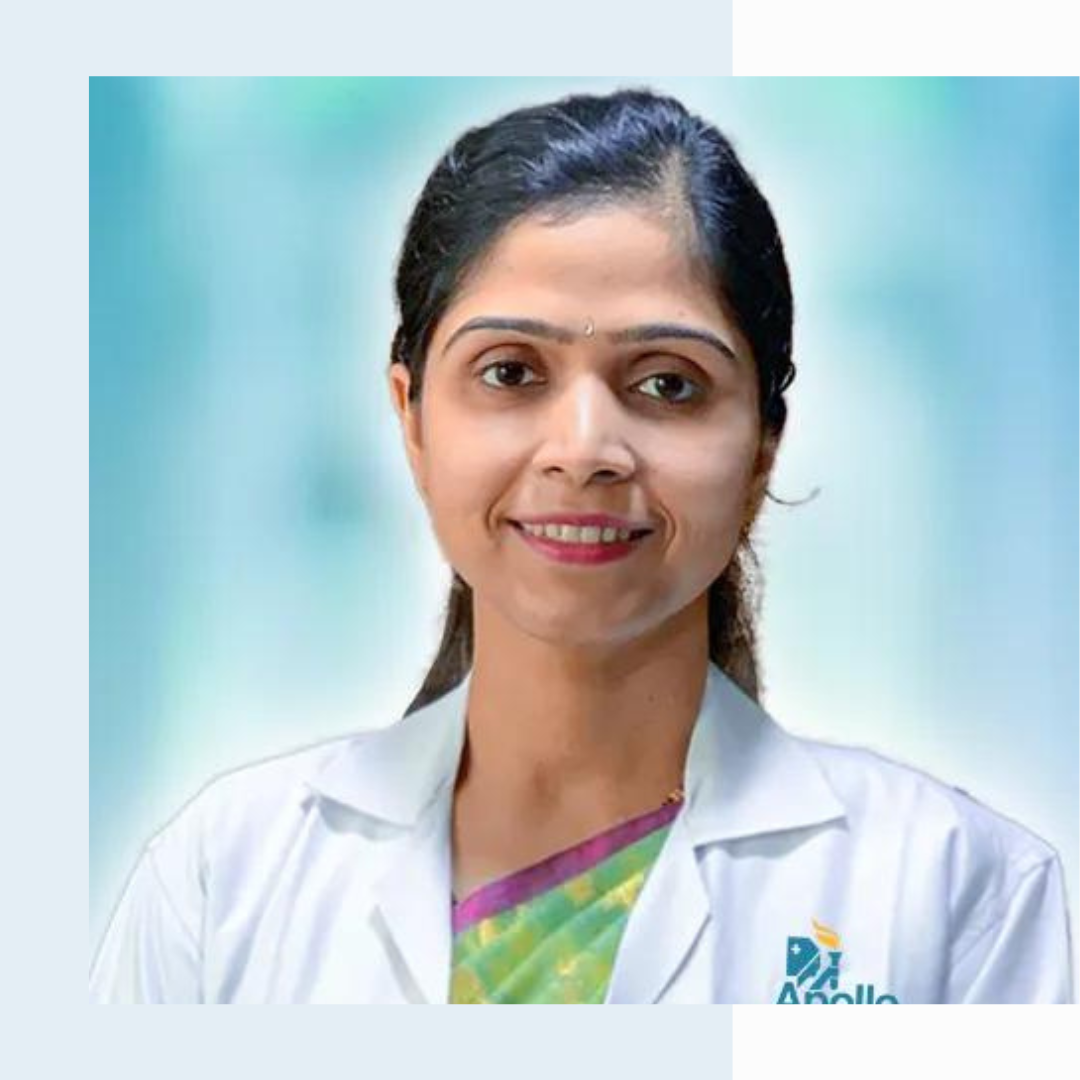
Dr Swati Shah
MS, DrNB (Surgical Oncology)
Kidney Cancer Surgeon
Apollo Hospital, Bhat, Gandhinagar · Gota OPD, Ahmedabad · 18 years of experience
★★★★★ 4.99 from 85 Google reviews (Gota clinic) · 5.0 from 28 (Apollo, Bhat)
IN SHORT
Most kidney cancers follow a standard plan. A single kidney, tumours on both sides, weak kidneys, a family syndrome or spread can change it.
In every special situation, the aim is to keep as much healthy kidney as the cancer allows. Lost kidney function does not come back.
These cases are discussed by a team before a date is fixed. Kidney, heart, blood vessel and gene specialists may all have a say.
This page is one part of a larger guide. For how kidney cancer is treated, when the kidney can be saved and how the operation is planned, start with our kidney cancer surgery guide.
For most people with kidney cancer, the plan follows the size and stage of the tumour. Some people need a different route. Each of the situations below is discussed at a team meeting before treatment.
| Situation | What changes |
|---|---|
| Only one working kidney. | Saving kidney tissue comes first. Partial removal, or ablation in some cases. |
| Tumours in both kidneys, or several in one. | Each tumour is planned on its own. A family syndrome is looked for. |
| Kidneys that already work poorly. | A kidney physician joins before surgery. Partial removal is strongly preferred. |
| A family link to kidney cancer. | Genetic counselling and testing. Relatives may be checked too. |
| An older or unwell person with a small tumour. | Watching with scans, or ablation, may replace surgery. |
| A tumour clot high in the main body vein. | Heart and blood vessel surgeons plan the operation with us. |
| Spread found at diagnosis or years later. | Medicines lead. Surgery helps selected people. |
With one kidney, every part of it counts. So the tumour is removed and the rest of the kidney is kept, wherever that is safe. This is called partial nephrectomy.
When surgery would cost too much function, ablation is an option. It destroys the tumour with heat or freezing, through a needle. A biopsy is done first, as a separate step. Ablation is avoided for tumours larger than 3 to 4 cm, or close to the kidney’s root, when other choices exist.
Tumours in both kidneys, or several tumours in one kidney, need a plan for each one. They also raise the question of an inherited cause.
With a single kidney, common anti-inflammatory painkillers are avoided around surgery. They are a frequent cause of a kidney test rising when it need not.
After surgery on a single kidney, passing very little or no urine is an emergency. So is a sharp rise in the creatinine test. A Doppler scan and a CT are done at once, because the kidney’s blood vessels may be blocked.
One creatinine test is not a full check of the kidneys. Before planning, the team measures creatinine, eGFR and protein in the urine. Where the loss of kidney tissue is a real question, a split-function scan shows how much work each kidney does.
If kidney function is already low, a kidney physician sees you before surgery. Keeping part of the kidney is then strongly preferred.
Removing a whole kidney is a permanent loss of kidney reserve. The kidney that remains needs checking and protecting for the rest of your life.
Some kidney cancers come from a gene change passed down in families. Doctors know these as VHL, HLRCC, BHD, hereditary papillary kidney cancer and SDH-deficient kidney cancer. Recognising them changes the plan for you and for your relatives.
| Pointer | Why it matters |
|---|---|
| Kidney cancer found before the age of 46. | An early age points to an inherited cause. |
| Tumours in both kidneys, or several in one kidney. | Inherited types often make more than one tumour. |
| A parent, brother, sister or child with kidney cancer. | Close relatives may share the gene change. |
| Other features of a known syndrome. | Some syndromes also affect other organs. |
When an inherited syndrome causes several tumours, keeping kidney tissue over many years becomes the main goal. Ablation is one of the options used for this.
For a tumour of 4 cm or less, surgery is not the only answer for someone frail or seriously unwell. A biopsy can help before such a person is committed to an operation.
Kidney cancer can grow into the kidney vein as a clot of tumour. It may extend up the main body vein, the IVC. The top of the clot is measured on MRI or CT before surgery.
When the clot reaches behind the liver or up to the heart, heart and blood vessel surgeons join the plan. Blood salvage and a heart-lung machine are arranged in advance. This is never an unplanned operation. Leg swelling, chest pain or sudden breathlessness with a known clot needs the same day.
Kidney cancer can spread to bone, lungs, liver, brain, thyroid or pancreas. Sometimes this appears many years after the first treatment. That is why follow-up scans continue.
Often, yes. Partial removal or ablation aims to keep your kidney working. The choice is made after scans and kidney function tests.
A genetics referral is advised if you were diagnosed before 46, have tumours in both kidneys, or a close relative had kidney cancer.
Not always. Watching with regular scans, or ablation, are accepted choices for small tumours in frail people.
Yes. It can appear in another organ years later. Follow-up scans look for it, and a few deposits can sometimes be removed.
When the tumour clot in the vein reaches behind the liver or the heart, the operation is planned with heart and vessel surgeons.
How the operation is chosen is on the partial or whole kidney removal page. What a vein clot and the risk groups mean is on the kidney cancer stages page. For questions, call +91-63590-11009.
Shah’s Gastro, Cancer & Robotic Surgery Centre
Dr Swati Shah — MS, DrNB (Surgical Oncology) · Kidney Cancer Surgeon
Consultation: Gota OPD, Gota, Ahmedabad. Surgery: Apollo Hospital, Bhat, Gandhinagar.
Gota OPD — Gota, Ahmedabad, Gujarat
Apollo Hospital, Bhat, Gandhinagar — Apollo Hospital International Limited, Plot No. 1 A, GIDC Bhat Industrial Estate, Bhat, Gandhinagar, Gujarat
Call: +91-63590-11009 · WhatsApp: +91-63590-11009
Only one kidney, tumours on both sides, or kidney cancer in the family? Please bring the CT report and kidney function tests to the visit. The plan is decided at the consultation, after examination. Call +91-63590-11009 Send your reports before the visit
Tapping Book on WhatsApp will likely open the WhatsApp app on your phone.
Swasth Parivar: every week, practical advice on recovery, diet and warning signs. No advertising. Stop any time.
Your number is used for these updates and for the clinic to reach you. It is never sold or passed on. To stop, reply STOP on WhatsApp.