Have you been diagnosed with low-grade bladder cancer? One of the first questions you may have is: Is low-grade bladder cancer dangerous, and can it be treated without removing the bladder?
In many patients, low-grade bladder cancer is a non-muscle-invasive tumour that can be treated by removing the visible tumour through the urinary passage. However, the appropriate treatment depends on the tumour’s stage, size, number, recurrence history and other findings in the biopsy report.
Dr. Swati H. Shah, uro-oncologist and robotic cancer surgeon in Ahmedabad, has been treating bladder cancer since 2008, including transurethral resection of bladder tumour (TURBT) and surgical management of bladder tumours.
The first step is to understand exactly what the pathology report means and whether the tumour is confined to the inner layers of the bladder or has invaded deeper tissue.
Low-grade bladder cancer is a type of bladder cancer in which the tumour cells appear less abnormal under the microscope than high-grade cancer cells.
Many low-grade bladder tumours are papillary urothelial carcinomas. These may grow into the bladder cavity as small, finger-like or frond-like projections.
Most low-grade papillary tumours are diagnosed as non-muscle-invasive bladder cancer. This means that the tumour has not invaded the bladder’s muscle layer.
Grade describes how abnormal the cancer cells look, whereas stage describes how far the tumour has grown. Both details are important.
A report mentioning low-grade urothelial carcinoma should therefore be interpreted alongside the pathological stage, cystoscopy findings and relevant imaging.
Low-grade bladder cancer generally has a lower risk of progressing to muscle-invasive disease than high-grade bladder cancer. Many patients can be managed with endoscopic surgery and regular surveillance.
However, low-grade does not mean harmless. Low-grade bladder tumours can:
The risk is not the same for every patient. A single, small, low-grade tumour has a different risk profile from multiple tumours or a tumour that has repeatedly returned.
The treatment plan should therefore be based on the complete diagnosis rather than the word “low-grade” alone.
If your report says low-grade papillary urothelial carcinoma, the next step is to establish the tumour’s stage and risk category.
If the report is incomplete or the stage is uncertain, your uro-oncologist may recommend further evaluation or another procedure.
TURBT stands for transurethral resection of bladder tumour. It is performed by passing an endoscopic instrument through the urinary passage into the bladder.
The surgeon removes the visible tumour tissue and sends it for histopathological examination.
For many patients with low-risk, non-muscle-invasive bladder cancer, TURBT is the principal initial treatment.
The aim is to remove the visible tumour, obtain adequate tissue for diagnosis and determine whether any additional treatment is required.
The need for further procedures depends on factors such as completeness of resection, pathological findings and the tumour’s risk category.
Not every patient with low-grade bladder cancer needs a prolonged course of chemotherapy or immunotherapy.
Depending on the tumour’s risk category and clinical circumstances, the treating team may consider a single immediate dose of intravesical chemotherapy after TURBT. This is a medicine placed directly into the bladder, not the same as chemotherapy given through a vein.
Additional intravesical treatment may be considered for selected patients with intermediate-risk disease or other relevant features.
The choice depends on the tumour’s size, number, recurrence history, risk of progression and the patient’s clinical condition. Intravesical treatment is not suitable in every circumstance.
Most patients with low-risk, low-grade non-muscle-invasive bladder cancer do not require radical cystectomy.
Treatment often begins with TURBT, followed by surveillance and additional treatment when indicated.
Bladder removal may be discussed in unusual or selected circumstances when the overall clinical picture is more concerning than the grade alone suggests. Such decisions require individual assessment.
If you have been advised to undergo bladder removal despite a report describing low-grade disease, ask your uro-oncologist to explain the stage, recurrence history and specific reasons for recommending that operation.
Yes. Recurrence is one of the important features of non-muscle-invasive bladder cancer.
Even when a low-grade tumour has been completely removed, another tumour may develop later. This does not automatically mean that the cancer has become more aggressive.
If a tumour returns, the next treatment depends on:
A small, low-grade recurrence may be managed differently from multiple, frequent or higher-risk recurrences. Repeated recurrence should prompt a fresh assessment of the patient’s risk category and treatment strategy.
Follow-up is essential because bladder cancer can recur even after apparently successful treatment.
Cystoscopy allows the doctor to inspect the inside of the bladder for new or recurrent tumours.
For patients with low-risk non-muscle-invasive bladder cancer, a commonly recommended approach is:
The exact schedule may differ for patients with intermediate-risk features, recurrent tumours or other concerning findings. The duration of follow-up should be individualised.
Do not stop surveillance simply because you feel well or your urine appears normal.
Feature | Low-grade bladder cancer | High-grade bladder cancer |
Appearance under microscope | Cells look less abnormal | Cells look more abnormal |
Risk of progression | Generally lower | Generally higher |
Recurrence | Can occur | Can occur |
Initial treatment | Often TURBT for non-muscle-invasive disease | Depends on stage and risk; may require additional treatment |
Bladder removal | Usually not needed for low-risk disease | May be considered for selected high-risk cases |
Follow-up | Necessary | Necessary, often more intensive |
These are general differences. Stage, tumour number, size, recurrence history and other pathological findings can substantially affect management.
Consider specialist review if:
Bring your cystoscopy findings, TURBT operative notes, histopathology report, relevant imaging and previous treatment records.
Reviewing these documents together helps determine whether the disease is low-risk, intermediate-risk or requires a different treatment approach.
Dr. Swati H. Shah is a uro-oncologist and surgical oncologist in Ahmedabad with experience in bladder cancer surgery since 2008.
Her bladder cancer practice includes TURBT, repeat tumour assessment, radical cystectomy, robotic radical cystectomy and urinary reconstruction for appropriately selected patients.
The appropriate treatment for low-grade bladder cancer is not necessarily the most extensive operation. It is the treatment that matches the tumour’s risk and stage, removes the disease appropriately and provides a safe follow-up plan.
For many patients, this means endoscopic treatment and surveillance rather than bladder removal.
For a personalised assessment, arrange a consultation with your reports and previous treatment details.
Many low-grade, non-muscle-invasive bladder tumours can be treated successfully with TURBT. However, recurrence can occur, so ongoing surveillance is important.
Low-grade papillary tumours generally have a lower risk of progression than high-grade tumours. The actual risk depends on stage, size, number, recurrence history and other findings.
For many patients with low-risk disease, TURBT is the main initial treatment. Some patients need intravesical treatment, repeat procedures or additional evaluation depending on their findings.
Not always. Some patients may benefit from a single immediate intravesical chemotherapy dose after TURBT, while others may need additional bladder-directed treatment according to their risk category.
The first surveillance cystoscopy is commonly performed about three months after TURBT. Subsequent intervals depend on the patient’s risk group and findings during follow-up.
A future tumour may have different pathological characteristics from the original tumour. If recurrence occurs, the new tumour should be assessed and graded independently.
A second opinion can be useful if the pathology or stage is unclear, tumours repeatedly recur, or you have been advised to undergo a major operation and want to understand the reasons.
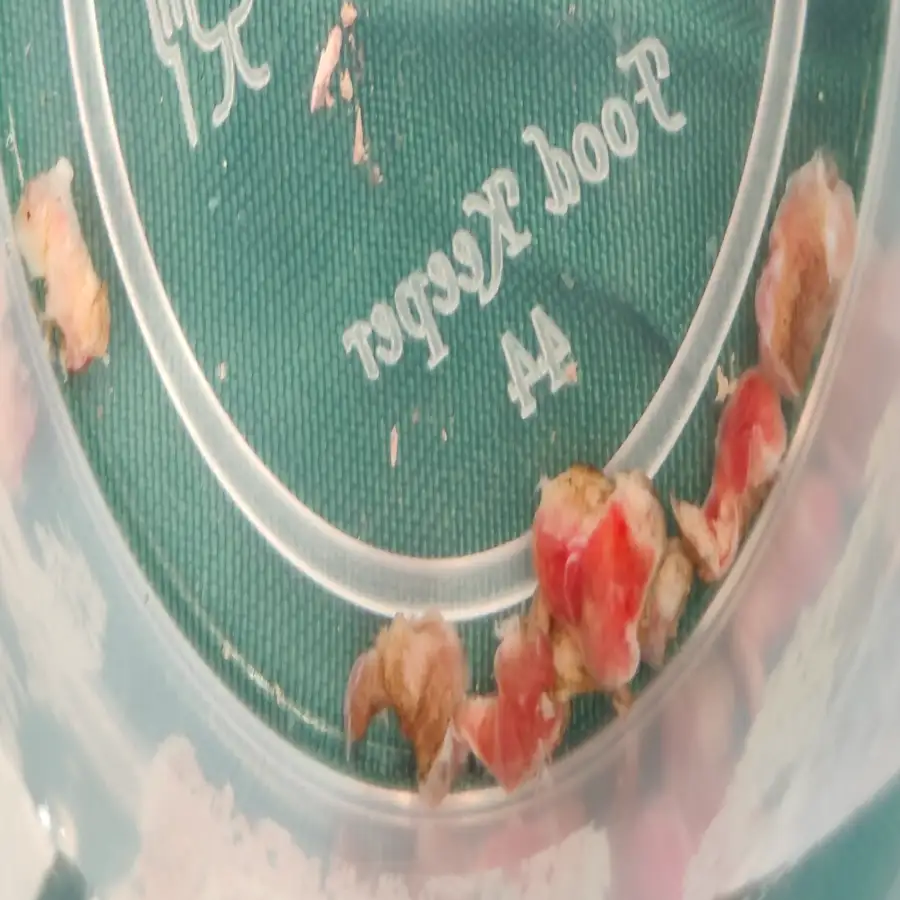
A 69-year-old male presented with intermittent, visible blood in his urine, a classic warning sign of underlying bladder pathology. Diagnostic imaging identified a 2 cm mass located on the right lateral wall, necessitating a precise intervention to both treat the lesion and obtain a definitive tissue diagnosis for staging.
⦿ Transurethral Resection of Bladder Tumor (TURBT)
• Procedure: Performed a complete endoscopic resection of the 2 cm right lateral bladder wall tumor.
• Staging Accuracy: Captured a targeted deep muscle biopsy to accurately determine the depth of tumor invasion.
• Safety / Blood Loss: Achieved successful intraoperative hemostasis, ensuring the patient remained hemodynamically stable throughout the procedure.
• Functional Preservation: Integrated a Double J stent placement to safeguard kidney function and maintain smooth urinary flow.
⦿ Rapid Recovery and Early Ambulation
The patient’s recovery was immediate and uneventful, with pain levels expertly managed through minimally invasive protocols. He was fully ambulatory and ready for discharge within just 24 hours of the procedure, returning home in stable condition. This proactive surgical intervention provided both a functional cure for the hematuria and a critical pathological roadmap for his future surveillance.
Visible blood in urine is a signal that demands immediate action. Through this minimally invasive endoscopic approach, we were able to completely remove the tumor and provide accurate staging, allowing this patient to return to his daily life almost immediately while securing a clear path for long-term monitoring.
This video features a patient testimonial and educational insight from Dr. Swati Shah, a renowned Robotic Uro-Oncologist and Gynecologic Cancer Surgeon. The primary focus of the video is on “Robotic Cystectomy with Neobladder,” a highly advanced surgical procedure used to treat urinary bladder cancer. When a patient’s urinary bladder is entirely removed due to cancer (a procedure called a cystectomy), a major concern is how they will pass urine afterward. The video addresses this critical question by explaining the concept of a “neobladder”—a new bladder surgically created from the patient’s own intestine, allowing them to urinate naturally without the need for an external stoma bag.
The video features a heartwarming and positive patient testimonial dedicated to Dr. Swati Shah, a highly regarded Robotic Uro-Oncologist and Gynecological Cancer Surgeon. It highlights the successful treatment of an elderly patient, who traveled from Kotvada village in the Bhavnagar district of Gujarat to seek specialized medical care. He recently underwent a complex Radical Cystectomy—a major surgical procedure to remove the urinary bladder—for the treatment of urinary bladder cancer under the expert supervision of Dr. Shah at Apollo Hospital. In the brief clip, the patient’s nephew shares their medical journey, explaining that they discovered Dr. Swati Shah’s profile online while searching for the best possible urological cancer treatment.
This video features a heartfelt patient testimonial detailing a successful bladder cancer surgery performed by Dr. Swati Shah, a highly skilled Robotic Uro-Oncologist. In the clip, a patient shares their personal recovery journey following a complex Robotic Radical Cystectomy, a major procedure where a new urinary bladder, known as a neobladder, was surgically created using advanced robotic technology. The patient explains that they underwent this operation two months prior. Although they initially felt anxious and fearful about the potential complications of such a significant medical procedure, the modern robotic approach and Dr. Shah’s expertise made the experience remarkably smooth.
Medical disclaimer: This page provides general educational information and does not replace individual medical advice. Treatment decisions should be based on the complete clinical assessment, pathology, imaging and applicable clinical guidelines.
Swasth Parivar: every week, practical advice on recovery, diet and warning signs. No advertising. Stop any time.
Your number is used for these updates and for the clinic to reach you. It is never sold or passed on. To stop, reply STOP on WhatsApp.