Radical cystectomy is an operation to remove the urinary bladder, usually for muscle-invasive bladder cancer and selected very high-risk or treatment-resistant non-muscle-invasive bladder cancers. The aim is to remove the cancer completely when this is achievable and appropriate.
Because the bladder stores urine, the operation also includes creating a new way for urine to leave the body. This is called urinary diversion. The choice of diversion is discussed before surgery and depends on the cancer, anatomy, kidney function, general health and the patient’s preferences.
Radical cystectomy may be recommended for muscle-invasive bladder cancer that has not spread to distant organs, often as part of a treatment plan that includes systemic therapy before surgery when appropriate.
It may also be discussed for selected high-risk non-muscle-invasive cancers, such as disease that is very high risk, persists or recurs despite appropriate bladder-directed treatment, or has features that make progression a major concern.
The decision is individualised. The treating team considers tumour stage and grade, biopsy findings, imaging, previous treatments, fitness for major surgery, expected quality of life and the patient’s goals. Radical cystectomy is not necessary for every bladder cancer.
The exact operation depends on the patient’s sex, tumour location and extent, and the planned surgical approach. In men, radical cystectomy commonly includes removal of the bladder and prostate with the seminal vesicles. In women, the operation may involve the bladder and nearby reproductive or pelvic structures depending on tumour involvement and the planned oncological procedure; organ-preserving approaches may be possible in selected cases.
The surgeon aims to achieve clear surgical margins while planning the operation around the cancer’s location and extent. The structures removed should be explained before surgery, including whether any adjacent organs may need to be removed if they are involved.
Pelvic lymph-node dissection is commonly performed with radical cystectomy. The lymph nodes are examined for cancer spread, which helps establish the final pathological stage and guide decisions about additional treatment.
The extent of lymph-node dissection is determined by the surgical plan and relevant clinical guidance. The potential benefits and risks, including lymphatic fluid collection and other complications, should be discussed with the surgical team.
After bladder removal, urine needs a new route. The two commonly discussed options are an ileal conduit and an orthotopic neobladder. They are not suitable for every patient, and neither is automatically the best option for everyone.
An ileal conduit uses a short segment of intestine to carry urine to a stoma on the abdomen, where urine collects in an external pouch. An orthotopic neobladder is made from intestine and connected to the urethra in selected patients, allowing urination through the natural passage. A neobladder may require timed voiding and, for some patients, catheterisation.
The choice depends on tumour location and urethral involvement, kidney and bowel function, previous treatments, ability to manage the diversion, general fitness and personal preferences. The dedicated page on neobladder versus ileal conduit explains these options in more detail.
Radical cystectomy can be performed using open or minimally invasive techniques, including robotic-assisted surgery where appropriate and available. The safest suitable approach depends on the cancer, previous surgery or radiotherapy, anatomy, the planned urinary reconstruction and the experience of the surgical team.
Robotic surgery is not automatically suitable for every patient and does not change the need for sound cancer principles, appropriate lymph-node surgery and a well-planned urinary diversion. Patients should ask about the surgeon’s experience with the proposed procedure and reconstruction.
Preoperative assessment usually includes review of biopsy and imaging, blood tests, kidney function, assessment of fitness for anaesthesia, medication review and discussion of any systemic treatment that may be recommended before surgery.
Nutrition, physical conditioning, smoking cessation where relevant, management of other medical conditions and planning for recovery can be important. Patients should understand the expected hospital stay, possible need for rehabilitation or home support, and how the urinary diversion will be managed.
Ask the team whether additional treatment is recommended before surgery, what organs may be removed, which diversion options are suitable, and what support will be available for stoma care or neobladder training.
Radical cystectomy is major surgery. Recovery varies depending on the surgical approach, urinary diversion, overall health and whether complications occur. The hospital team monitors pain control, bowel function, mobility, fluid balance, kidney function and the new urinary route.
Patients gradually increase walking and activity according to the care plan. Some need support from a stoma nurse, physiotherapist, dietitian or other team members. Recovery at home includes wound care if applicable, learning diversion care, maintaining appropriate nutrition and attending follow-up appointments.
Longer-term follow-up may include review of the final pathology, kidney function, urinary diversion, vitamin or nutritional issues related to the bowel segment used, and surveillance for recurrence. The specific schedule is individualised.
Potential complications include bleeding, infection, blood clots, bowel complications, delayed return of bowel function, urine leakage, narrowing or blockage of the urinary drainage pathway, kidney problems, lymphatic fluid collection and complications related to the stoma or neobladder. Sexual function, fertility and body image may also be affected depending on the operation and individual circumstances.
Major complications are possible, and no approach can guarantee an uncomplicated recovery or cure. The surgical team should explain the risks that apply to the individual patient and how complications are monitored and managed.
The final pathology report describes the tumour type, depth of invasion, lymph-node findings and surgical margins, along with other relevant features. These findings help determine the final stage and whether additional treatment should be discussed.
Ask your treating team to explain the result in plain language and how it changes the follow-up plan. The treatment plan may differ depending on whether the cancer was confined to the bladder, involved lymph nodes or extended beyond the bladder.
Dr. Swati H. Shah is a uro- and gynaecologic oncosurgeon practising at Apollo Hospital, Ahmedabad, and Shah’s Cancer & Robotic Surgery Centre, Gota. Her bladder cancer practice includes radical cystectomy, pelvic lymph-node dissection, urinary diversion planning and complex pelvic cancer surgery, including selected robotic procedures.
Every case requires an individual assessment of the cancer stage, previous treatment, general health and the patient’s priorities. A consultation can help clarify whether radical cystectomy is appropriate, what the operation may involve and which urinary diversion options should be considered.
No. TURBT removes visible tumour through the urethra and is used for diagnosis and treatment of many early bladder cancers. Radical cystectomy removes the bladder and is a much larger operation used for selected higher-risk disease.
Not necessarily. Some patients may be suitable for an orthotopic neobladder, while others may be best served by an ileal conduit. The choice depends on cancer and patient factors.
Yes. It requires careful preoperative assessment, hospital recovery and ongoing follow-up.
Some patients are advised to receive systemic treatment before surgery, and additional treatment may be considered after surgery depending on eligibility and pathology. Not every patient needs the same treatment.
Robotic-assisted surgery may be an option for selected patients, depending on the case and the team’s expertise.
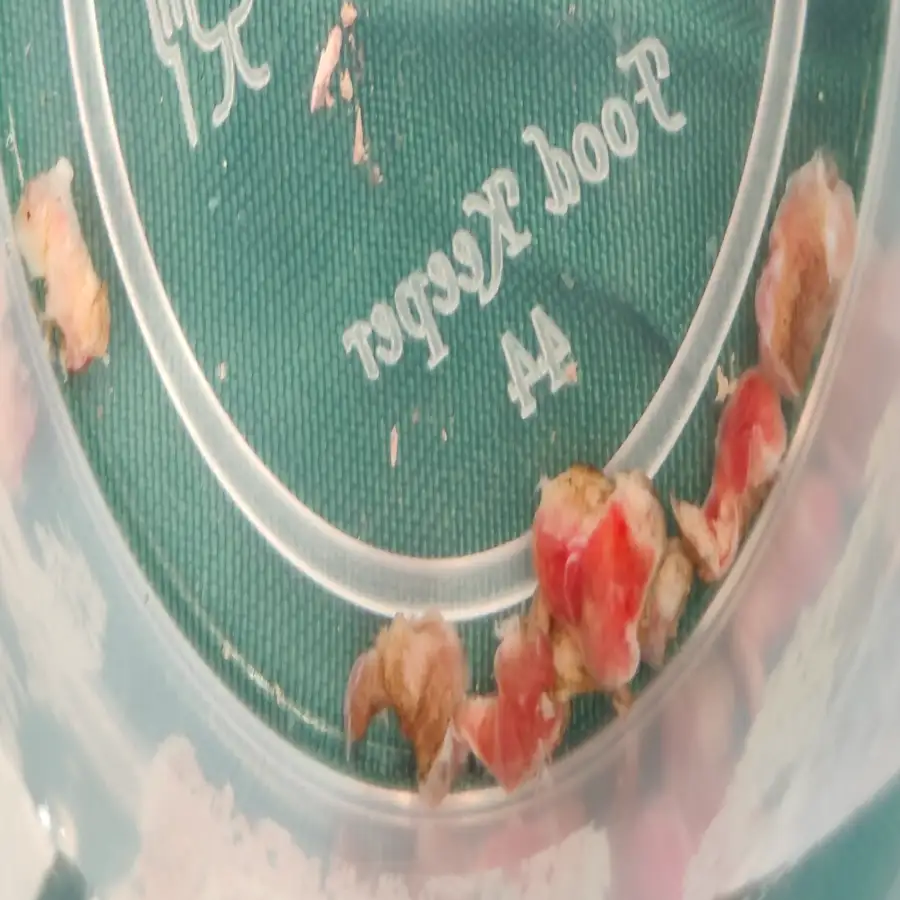
A 69-year-old male presented with intermittent, visible blood in his urine, a classic warning sign of underlying bladder pathology. Diagnostic imaging identified a 2 cm mass located on the right lateral wall, necessitating a precise intervention to both treat the lesion and obtain a definitive tissue diagnosis for staging.
⦿ Transurethral Resection of Bladder Tumor (TURBT)
• Procedure: Performed a complete endoscopic resection of the 2 cm right lateral bladder wall tumor.
• Staging Accuracy: Captured a targeted deep muscle biopsy to accurately determine the depth of tumor invasion.
• Safety / Blood Loss: Achieved successful intraoperative hemostasis, ensuring the patient remained hemodynamically stable throughout the procedure.
• Functional Preservation: Integrated a Double J stent placement to safeguard kidney function and maintain smooth urinary flow.
⦿ Rapid Recovery and Early Ambulation
The patient’s recovery was immediate and uneventful, with pain levels expertly managed through minimally invasive protocols. He was fully ambulatory and ready for discharge within just 24 hours of the procedure, returning home in stable condition. This proactive surgical intervention provided both a functional cure for the hematuria and a critical pathological roadmap for his future surveillance.
Visible blood in urine is a signal that demands immediate action. Through this minimally invasive endoscopic approach, we were able to completely remove the tumor and provide accurate staging, allowing this patient to return to his daily life almost immediately while securing a clear path for long-term monitoring.
This video features a patient testimonial and educational insight from Dr. Swati Shah, a renowned Robotic Uro-Oncologist and Gynecologic Cancer Surgeon. The primary focus of the video is on “Robotic Cystectomy with Neobladder,” a highly advanced surgical procedure used to treat urinary bladder cancer. When a patient’s urinary bladder is entirely removed due to cancer (a procedure called a cystectomy), a major concern is how they will pass urine afterward. The video addresses this critical question by explaining the concept of a “neobladder”—a new bladder surgically created from the patient’s own intestine, allowing them to urinate naturally without the need for an external stoma bag.
The video features a heartwarming and positive patient testimonial dedicated to Dr. Swati Shah, a highly regarded Robotic Uro-Oncologist and Gynecological Cancer Surgeon. It highlights the successful treatment of an elderly patient, who traveled from Kotvada village in the Bhavnagar district of Gujarat to seek specialized medical care. He recently underwent a complex Radical Cystectomy—a major surgical procedure to remove the urinary bladder—for the treatment of urinary bladder cancer under the expert supervision of Dr. Shah at Apollo Hospital. In the brief clip, the patient’s nephew shares their medical journey, explaining that they discovered Dr. Swati Shah’s profile online while searching for the best possible urological cancer treatment.
This video features a heartfelt patient testimonial detailing a successful bladder cancer surgery performed by Dr. Swati Shah, a highly skilled Robotic Uro-Oncologist. In the clip, a patient shares their personal recovery journey following a complex Robotic Radical Cystectomy, a major procedure where a new urinary bladder, known as a neobladder, was surgically created using advanced robotic technology. The patient explains that they underwent this operation two months prior. Although they initially felt anxious and fearful about the potential complications of such a significant medical procedure, the modern robotic approach and Dr. Shah’s expertise made the experience remarkably smooth.
In this case, laparoscopic surgery was performed for bladder cancer, with careful dissection and safe removal of the tumour specimen. Minimally invasive techniques may offer advantages such as smaller incisions, less postoperative pain, reduced blood loss and earlier mobilization, although the benefits and suitability depend on the type, stage and location of the cancer and the patient’s overall condition.
The tumour specimen was removed safely, and the patient had a smooth postoperative recovery and was discharged on the fifth day.
The smaller scars are one visible benefit of minimally invasive surgery, but the primary goal remains complete and safe cancer treatment. The choice between laparoscopic, robotic, open or other approaches should always be individualized based on the cancer and the patient.
The goal of radical cystectomy is to achieve complete removal of the cancer with adequate surgical margins while addressing possible spread to regional lymph nodes. Careful dissection and attention to anatomical planes are essential to ensure a thorough and safe oncological procedure.
Robotic surgery can provide a magnified 3D view, precise instrument control and enhanced dexterity, which can be particularly useful during complex pelvic cancer surgery. However, the choice of surgical approach depends on the cancer stage, anatomy, patient’s overall condition and the expertise of the surgical team.
The surgical specimen is carefully examined by the pathology team to assess the tumour, lymph nodes and surgical margins. Clear margins are an important component of complete cancer surgery.
This page provides general educational information and does not replace an individual medical consultation. The recommended operation and urinary diversion depend on clinical findings, patient fitness and shared decision-making with the treating team.
Swasth Parivar: every week, practical advice on recovery, diet and warning signs. No advertising. Stop any time.
Your number is used for these updates and for the clinic to reach you. It is never sold or passed on. To stop, reply STOP on WhatsApp.