WhatsApp

Testicular Cancer Surgery in Ahmedabad by Uro Oncologist

Dr-Swati-Shah-Providing-Testicular-Cancer-Surgery-in-Ahmedabad

Shah’s Gastro, Cancer & Robotic Surgery Centre

SF-203 (Second Floor), Olive Greens, Sarkhej - Gandhinagar
Hwy, Gota, Ahmedabad, Gujarat, India 382481

Apollo Hospital International Limited

Plot No. 1 A, Apollo Hospital International Limited, GIDC Bhat, Industrial Estate, Gandhinagar, Gujarat 382428

Dr-Swati-Shah-Providing-Testicular-Cancer-Surgery-in-Ahmedabad
Best testicular cancer treatment in Ahmedabad

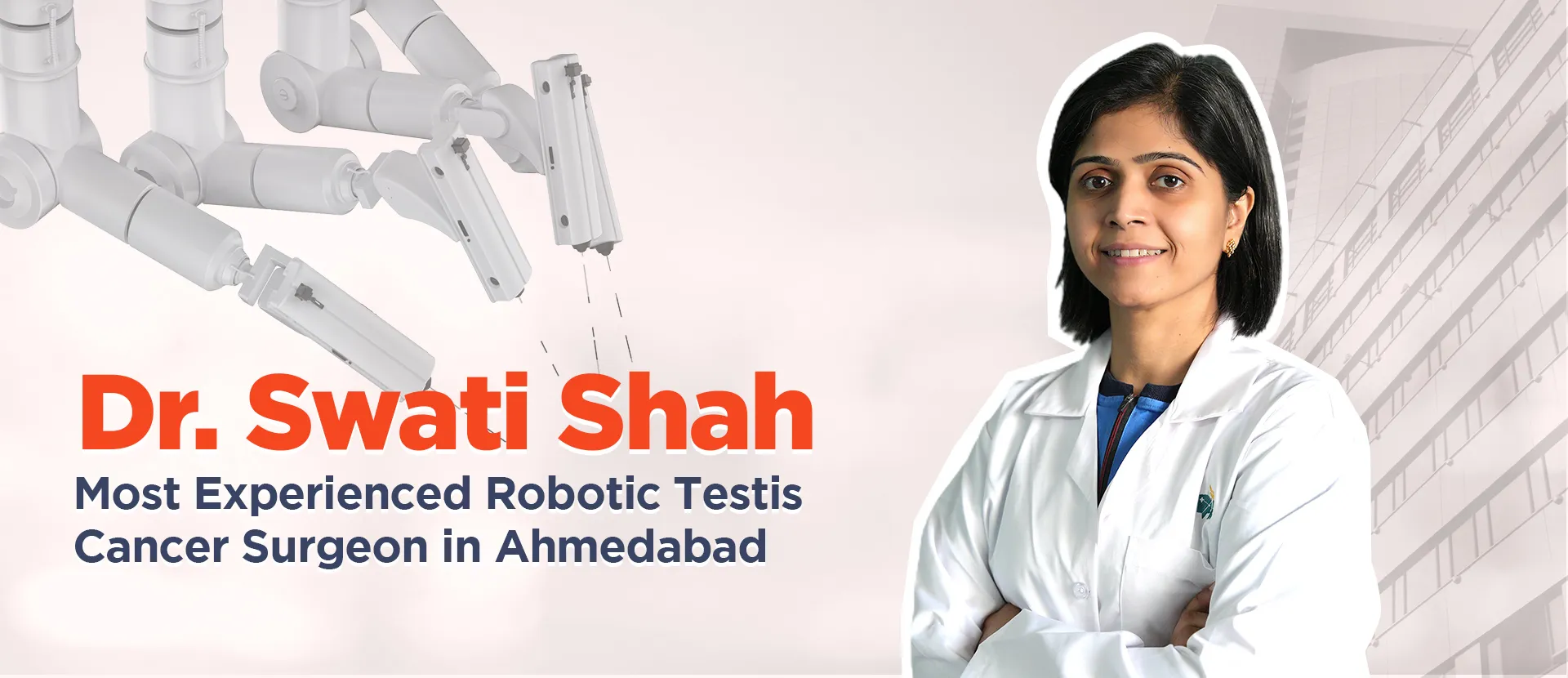
Dr. Swati H. Shah is a uro- and gynaecologic oncosurgeon in Ahmedabad, with more than 18 years of experience in cancer surgery and over 12 years of experience in robotic cancer surgery. Her surgical interests include testicular cancer surgery, retroperitoneal lymph node dissection (RPLND), robotic RPLND and complex retroperitoneal tumour resection.

She has managed more than 50 testicular cancer cases, with a particular interest in retroperitoneal lymph node masses, including selected residual masses after chemotherapy. She operates open, laparoscopic and robotic procedures, chosen according to the clinical need.

Dr Swati Shah, MS, DrNB (Surgical Oncology), performs high inguinal orchidectomy and retroperitoneal lymph node dissection for testicular cancer at Apollo Hospital, Bhat, Gandhinagar. Consultations: Shah’s Gastro, Cancer & Robotic Surgery Centre, Gota, Ahmedabad.

Part of Dr Swati Shah's uro-oncology service. This page covers testicular cancer surgery. Dr Swati Shah is a uro-oncologist: she operates on cancers of the kidney, bladder, prostate, testis and penis, and does not treat stones or other non-cancer urology. See every urological cancer she treats: Uro-oncologist in Ahmedabad.

Testicular cancer surgery: what can be evaluated?

Treatment depends on the type of germ cell tumour, tumour markers, imaging, stage, previous treatment and overall health. Not every patient needs every procedure; some need surveillance or chemotherapy rather than further surgery.

ProcedureWhat it means
High inguinal orchidectomyRemoval of the affected testis and spermatic cord through the groin.
Retroperitoneal lymph node dissection (RPLND)Removal of selected lymph nodes or tumour masses from the back of the abdomen.
Robotic RPLNDA minimally invasive approach for patients whose tumour anatomy and previous treatment make it suitable.
Surgery for residual masses after chemotherapyAssessment and removal of selected persistent retroperitoneal masses when indicated.
Recurrent or complex retroperitoneal diseaseIndividual evaluation, including masses close to major abdominal blood vessels.
Second-opinion assessmentReview of pathology, markers, scans and previous treatment to clarify the role and timing of surgery.

Why the first surgery matters

The standard operation for a suspected testicular cancer is high inguinal orchidectomy. A scrotal incision or an unplanned procedure can compromise later treatment.

  1. The testis and cord are removed through the groin.
  2. A pathologist examines the tissue to establish the tumour type.
  3. Final histopathology, tumour markers and staging then decide on surveillance, chemotherapy or further surgery.

RPLND for testicular cancer

Retroperitoneal lymph nodes lie deep in the abdomen, near the aorta, inferior vena cava, renal vessels, ureters and autonomic nerves. RPLND may be considered in:

  • Selected patients with non-seminomatous germ cell tumours.
  • Selected cases where surgery is part of the initial treatment plan.
  • Persistent retroperitoneal masses after chemotherapy.
  • Residual masses that may contain mature teratoma or viable tumour.
  • Selected recurrent or complex retroperitoneal disease.

RPLND is not required for every patient with testicular cancer.

Robotic RPLND: is it suitable for every patient?

No. Tumour size, location, relationship to major vessels, previous chemotherapy, fibrosis and calcification influence the choice. Open, laparoscopic and robotic surgery each have a role in selected cases; the aim is appropriate cancer clearance with careful protection of important structures.

Nerve-sparing and long-term function

Sympathetic nerves in the retroperitoneum contribute to ejaculation. Where oncologically appropriate, nerve-sparing techniques may help preserve it, but this cannot be guaranteed. Discuss fertility and sperm banking before treatment whenever possible.

Residual retroperitoneal mass after chemotherapy

A residual mass on a scan does not automatically mean the cancer is progressing, and it should not be assumed harmless. Depending on tumour type and findings, it may contain:

Possible contentWhy it matters
Mature teratomaCan keep growing and is not controlled by chemotherapy.
Viable cancerNeeds further treatment.
Scar or necrotic tissueUsually needs follow-up rather than treatment.

Tumour markers, imaging, the pattern of disease and the response to chemotherapy decide whether surgery is needed. Large, calcified masses close to the aorta, vena cava, renal vessels or ureters can be technically demanding to remove.

How surgery is planned

  • Correct interpretation of histopathology and tumour markers.
  • Review of imaging and the relationship of disease to major vessels and nerves.
  • The role and timing of surgery in relation to chemotherapy.
  • Choice of open, laparoscopic or robotic surgery.
  • Fertility, ejaculation, recovery and long-term follow-up.
  • Coordination with medical oncology and other specialists.
Robotic Testicular Cancer Surgeon in Ahmedabad

Dr.Swati Shah

Robotic Testicular Cancer Surgeon in Ahmedabad
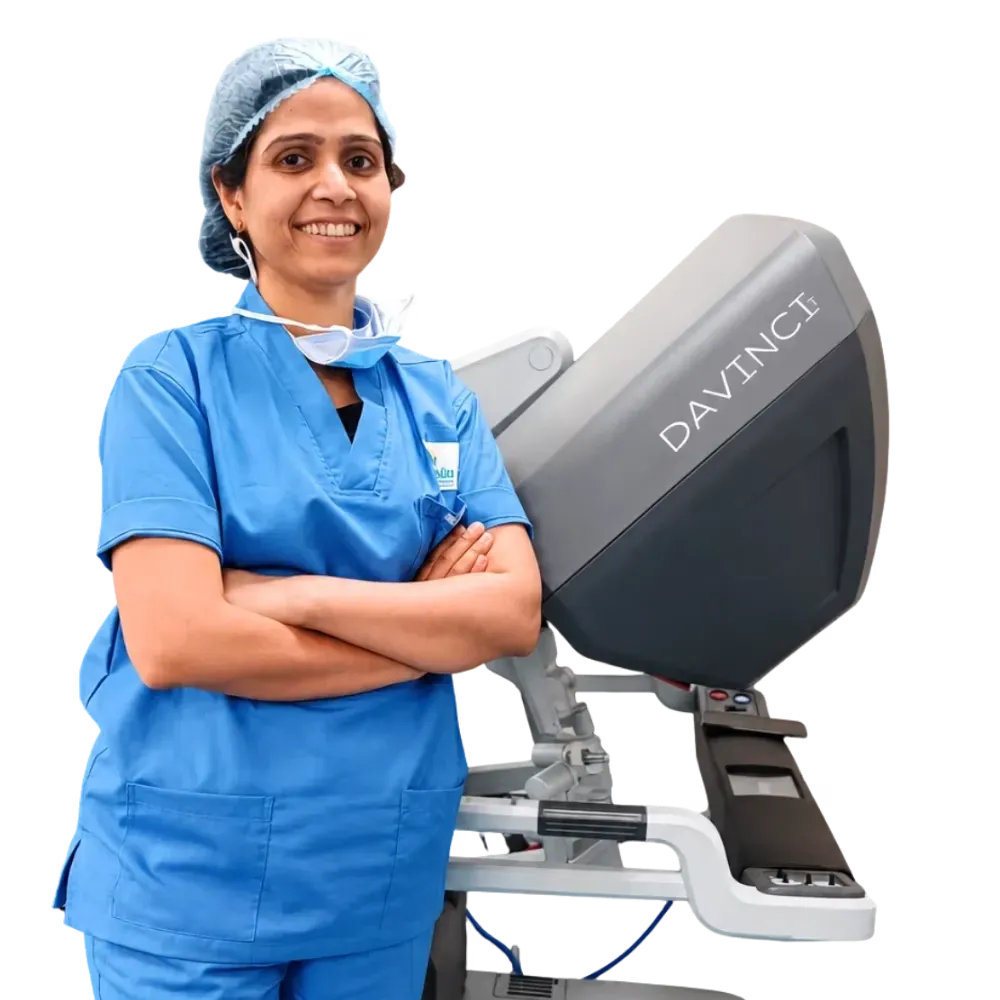
Dr. Swati Shah is a testicular cancer surgeon in Ahmedabad with expertise in advanced testicular cancer surgery and complex robotic retroperitoneal lymph node dissection (RPLND). Her surgical planning focuses on accurate tumour and lymph node removal while using nerve-sparing techniques, where appropriate, to help protect long-term sexual function and fertility.

Google Reviews

Our Happy Patients!

My name is Bharat. I have testis cancer. I have a lot of money and I am going to have an operation but I am very happy with the support of Dr. Swati Shah. I am very happy with the support of Dr. Swati Shah. I am very happy with the support of Dr. Swati Shah. Thank you very much.
Google Reviews of Dr Swati Shah

Bharat Sindhav

Patient

hello my name is abhay jain n m very much thanks for dr swati shah for such a great work . I had robotic surgery done by dr swati shah.she is one of the best surgeon in the world .
Google Reviews of Dr Swati Shah

Abhay Jain

Patient

We truly thankful to Dr Swati Shah mdm. She always support us. My mother had cancer she guided us for surgery . Surgery was done by her and now she feels good n healthy. Thanks a lot for my heart to Dr Swati Shah and her team. I heardly recommend Dr Swati mdm

Google Reviews of Dr Swati Shah

Hemlata Dungariya

Patient

Video Testimonials

Success Stories

Learning Point

What is Testicular Cancer? Guidance from a Uro Oncologist

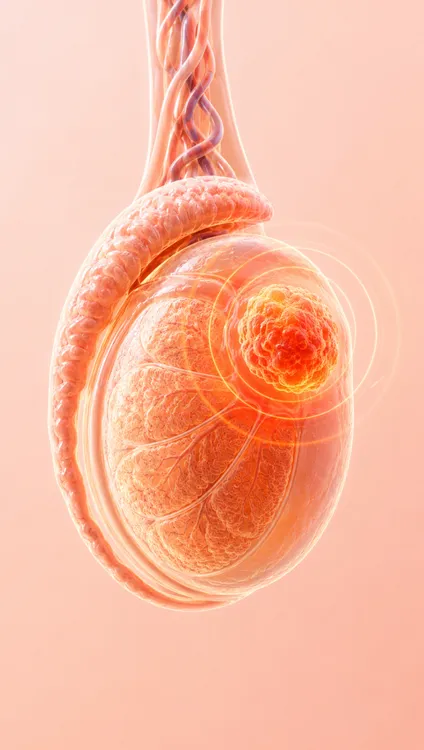
Testicular cancer is a disease where abnormal cells grow out of control in the testicles, the two small male reproductive organs located inside the scrotum.
 
While some tumors grow slowly, others can spread quickly to the lymph nodes in the abdomen if not treated. A painless lump, swelling, or a feeling of heaviness in the scrotum is often the first warning sign. Seeing an expert early is the best way to achieve a complete cure, as it is one of the most highly treatable and curable cancers today.

Myths vs. Facts

Wrong beliefs about testicular cancer often cause young men to delay life-saving treatments due to embarrassment or fear. Many worry that getting treated means completely losing their fertility or facing highly invasive, painful surgery. To help you make confident health choices, Dr. Swati Shah clears up these common fears with real medical facts.
The Myth The Fact
"Testicular cancer only affects older men." Fact: Unlike most cancers, testicular cancer is actually most common in young men between the ages of 15 and 35. Any unusual lump, regardless of age, should be checked immediately.
"I have no pain in my testicle, so the lump is just a cyst." Fact: Early-stage testicular cancer is usually completely painless. A hard, painless lump or a heavy feeling in the scrotum is the most common early sign and requires an urgent ultrasound check.
"If I have surgery, I will never be able to have children." Fact: In most cases, only the affected testicle is removed, leaving the other healthy testicle fully capable of producing normal testosterone and sperm for natural fertility.
"Surgery for lymph nodes will permanently destroy my sexual function." Fact: For advanced cases needing lymph node removal, Dr. Shah uses Robotic RPLND. This allows for "nerve-sparing" techniques that safely protect the delicate nerves responsible for normal ejaculation and sexual function.
"Testicular cancer is a death sentence." Fact: Testicular cancer has one of the highest cure rates of all cancers (over 95%). If caught early and managed properly by an expert uro-oncologist, the chances of a complete, lifelong cure are excellent.

Educational Bytes

How is testicular cancer diagnosed and treated by a Uro Oncologist?

Diagnostic Approach

Testicular cancer diagnosis usually begins with a simple, painless scrotal ultrasound to assess the lump. Blood tests for tumour markers such as AFP and hCG, along with a CT scan of the abdomen, help doctors understand whether the cancer may have spread to lymph nodes.

Treatment Decision Factors

The best treatment for testicular cancer depends on the tumour type, such as seminoma or non-seminoma, and the exact stage. Dr. Swati Shah plans surgery with the goal of achieving cancer control while protecting long-term fertility and sexual health wherever medically possible.

Treatment Options

A Multi-Disciplinary Team (MDT) reviews your reports to recommend the best path. This always begins with removing the testicle (Orchiectomy) and may include chemotherapy or Robotic Surgery (RPLND) to clear affected lymph nodes.

Who is a candidate?

Removing the primary tumor (Radical Orchiectomy) is required for all patients. Patients whose cancer has spread to the back of the abdomen may also be excellent candidates for minimally invasive robotic lymph node surgery.

RPLND Surgery

This advanced procedure (Robotic Retroperitoneal Lymph Node Dissection) removes cancerous lymph nodes deep in the abdomen. Dr. Shah uses specialized robotic tools for precise cancer clearance while protecting the crucial nerves needed for your daily life.

Outcomes and Recovery

Patients achieve incredibly high survival and cure rates. Thanks to tiny incisions used during robotic lymph node surgery, patients experience a very early recovery, less pain, and a much faster return to their normal active routines.

Which surgeries are used for testicular cancer?

Testicular Tumour
Testicular Tumour

What surgery is done for testicular cancer?

High-Inguinal-Orchidectomy
Partial-orchidectomy

Which technology supports precise testicular cancer surgery?

Comparison

How does robotic RPLND compare with open surgery for testicular cancer, according to a Uro Oncologist?

This table explains how modern robotic-assisted RPLND differs from traditional open RPLND in incision size, hospital stay, recovery, and nerve-sparing precision. For suitable patients, Dr. Swati Shah may recommend the robotic approach to support smaller cuts, less pain, and faster return to routine activity.
Feature Robotic-Assisted RPLND (Dr. Swati Shah) Traditional Open RPLND
Incision Size 4–5 Tiny Keyholes (8mm each) One massive cut (8–10 inches straight down the belly)
Surgical Vision 3D High-Definition (15x Zoom) Naked Eye (2D View)
Blood Loss Minimal (Rarely needs a blood transfusion) Moderate to High
Hospital Stay 2–3 Days 5–7 Days
Pain & Scarring Very Low; Minimal Scars High; Large Permanent Scar
Recovery Time 2–3 Weeks 6–8 Weeks
Nerve Saving (Precision) Highly Precise (Safely protects nerves for normal ejaculation and sexual function) Less Precise (Higher risk of nerve damage and loss of normal function)
Call For Appointment Today Dr Swati Shah A Testis Cancer Uro Surgeon In Ahmedabad
For any advanced testicular cancer treatment, robotic surgery, or complex uro oncology care, expert care is available at Shah’s Gastro, Cancer & Robotic Surgery Centre and Apollo Hospital. Contact us below to book your appointment.

Shah’s Gastro, Cancer & Robotic Surgery Centre

Apollo Hospital International Limited

Call For Appointment Today Dr Swati Shah A Testis Cancer Uro Surgeon In Ahmedabad

Trusted Name

Why Choose Dr. Swati Shah as Your Uro Oncologist?

Choosing the right testicular cancer surgeon in Ahmedabad is the most important step toward a fast recovery and a cancer-free future. By using the latest robotic surgery, Dr. Swati Shah offers highly precise treatment that safely removes the cancer, protects your long-term fertility, and preserves your overall quality of life.
Choosing the right testicular cancer surgeon in Ahmedabad is the most important step toward a fast recovery and a cancer-free future.
 
By using the latest robotic surgery, Dr. Swati Shah offers highly precise treatment that safely removes the cancer, protects your long-term fertility, and preserves your overall quality of life.
Proven Expertise

Proven Expertise

Advanced Procedures

Advanced Procedures

Excellent Outcomes of Dr Swati Shah - Robotic Prostate Cancer Surgery

Excellent Outcomes

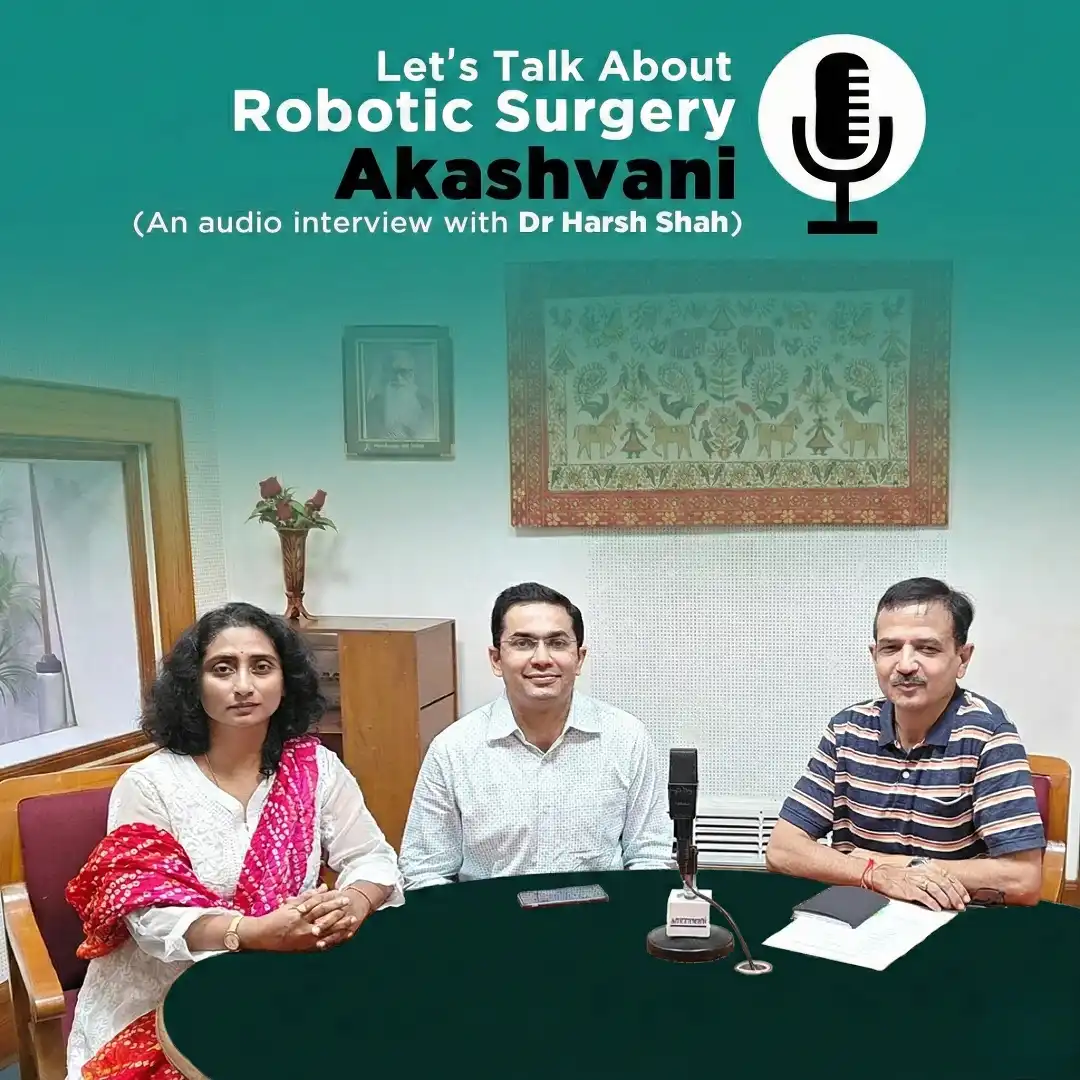
Dr Harsh Shah On Akashvani Topic Robotic Surgery

Proven Expertise

Case Reports

What do real testicular cancer surgical journeys with a Uro Oncologist look like?

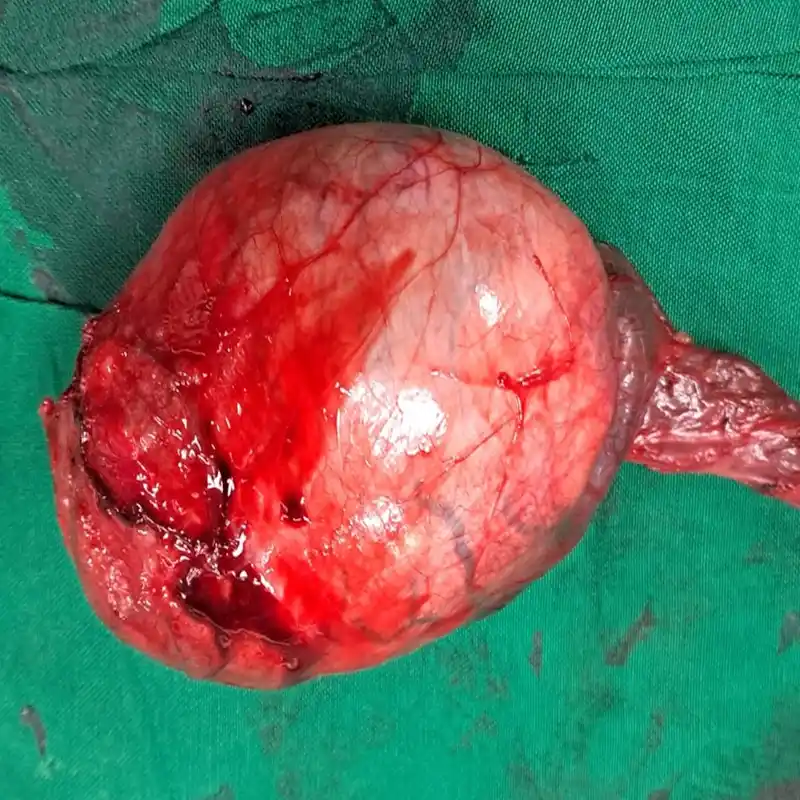
Right High Inguinal Orchidectomy for Classical Testicular Seminoma

Right High Inguinal Orchidectomy For Classical Testicular Seminoma

A 36-year-old male presented with a significant $7\times3$ cm hard, non-tender right testicular swelling persisting for one year. Diagnostic imaging revealed a large, complex lesion measuring $7.3\times6.3$ cm with elevated LDH and AFP markers. The case required urgent surgical intervention due to the tumor’s size and potential involvement of the scrotal wall.

Robotic RPLND for Residual Metastatic Mature Teratoma

Robotic Rplnd For Residual Metastatic Mature Teratoma
Robotic RPLND for Residual Metastatic Mature Teratoma1

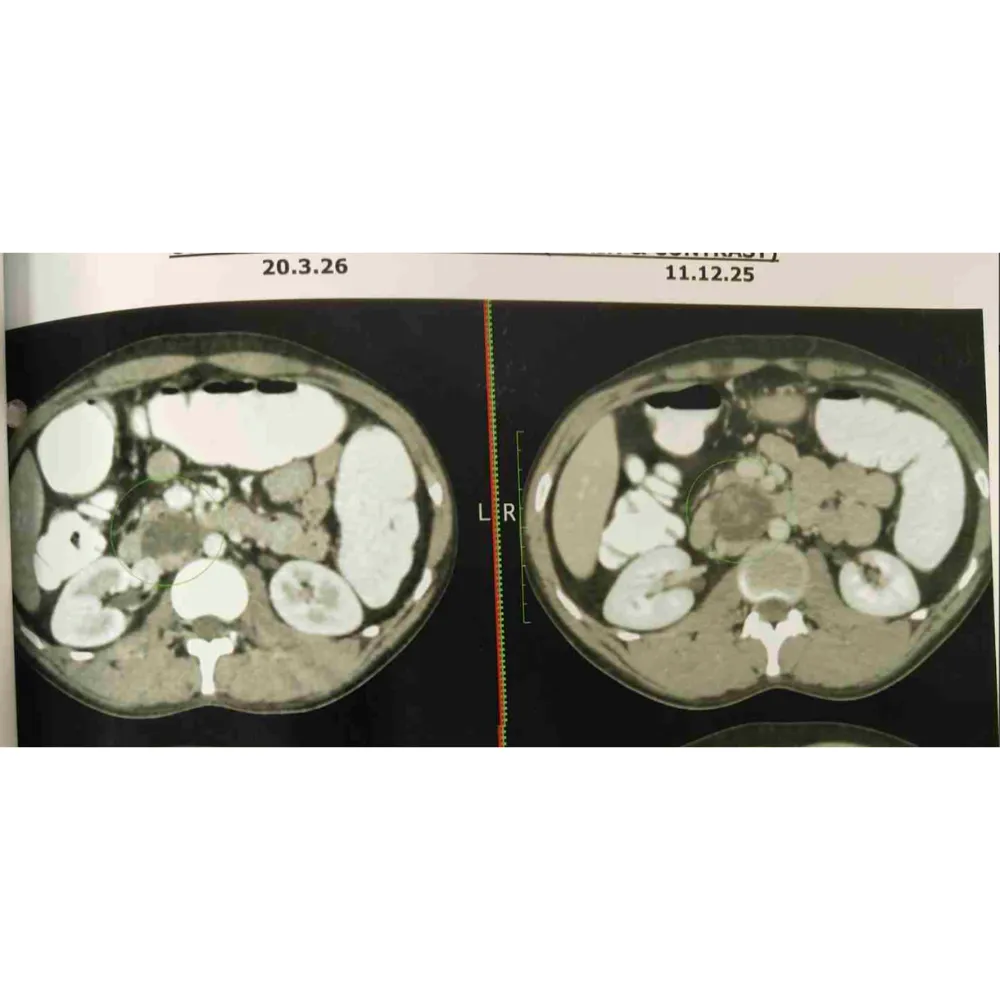
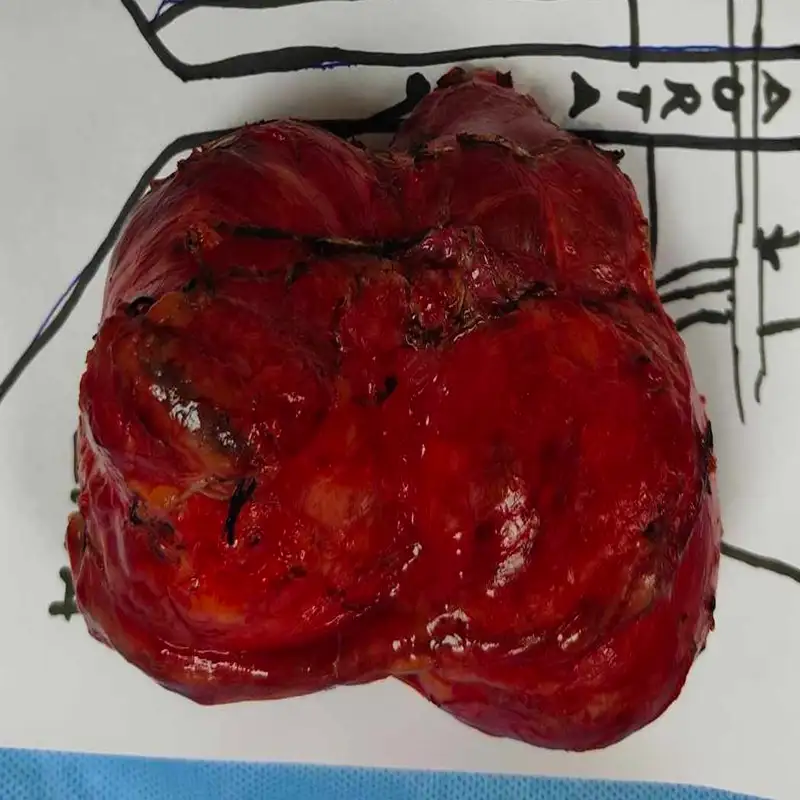
A 27-year-old male presented with residual retroperitoneal lymph node masses following multiple cycles of chemotherapy for recurrent non-seminomatous germ cell tumor of the right testis. The presence of a $3\times3$ cm solid-cystic mass adherent to the aorta required urgent surgical intervention to address potential chemo-resistant mature teratoma.

Advanced Robotic Retroperitoneal Lymph Node Dissection for Complex Mature Teratoma

Advanced Robotic Retroperitoneal Lymph Node Dissection For Complex Mature Teratoma
Advanced Robotic Retroperitoneal Lymph Node Dissection for Complex Mature Teratoma1
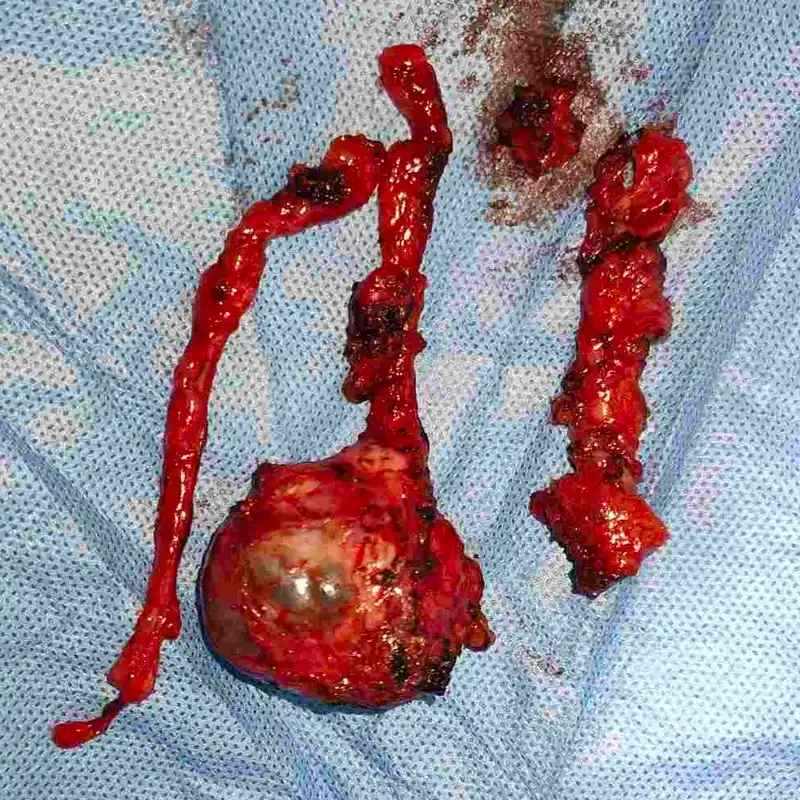
Advanced Robotic Retroperitoneal Lymph Node Dissection for Complex Mature Teratoma2

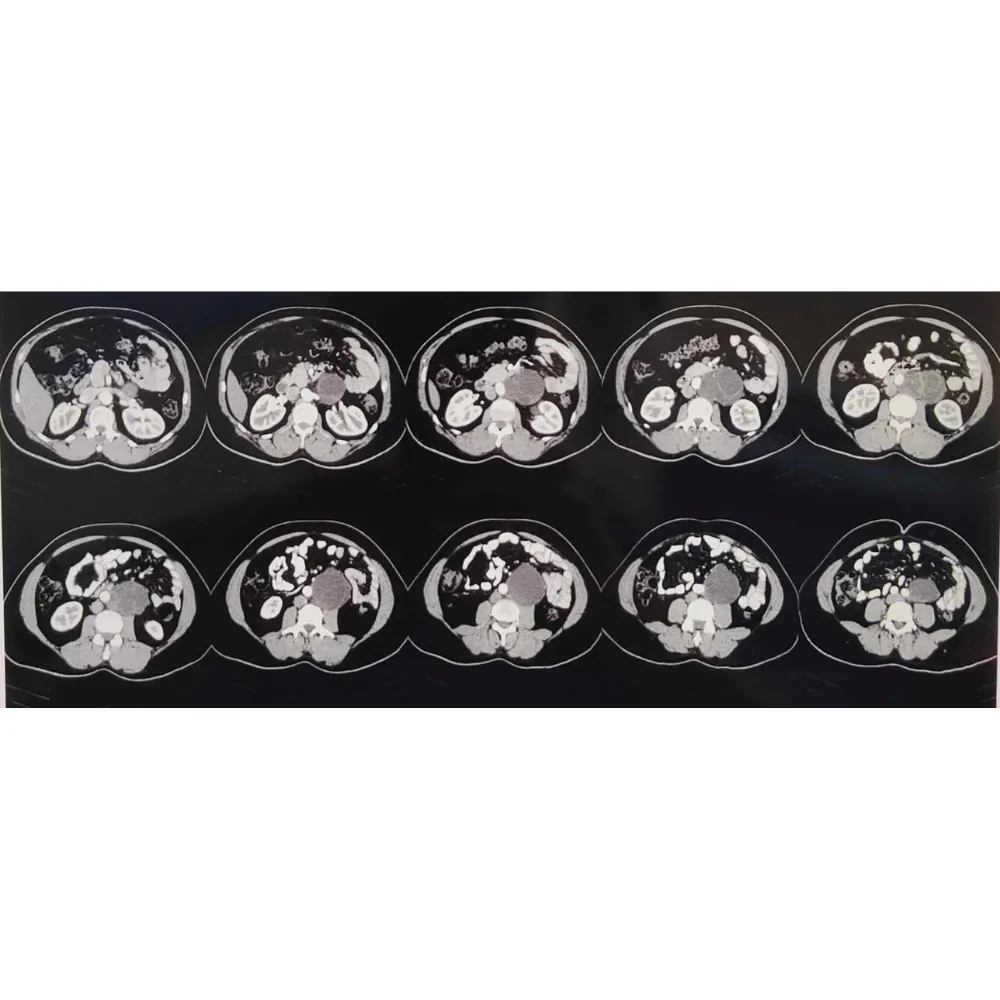
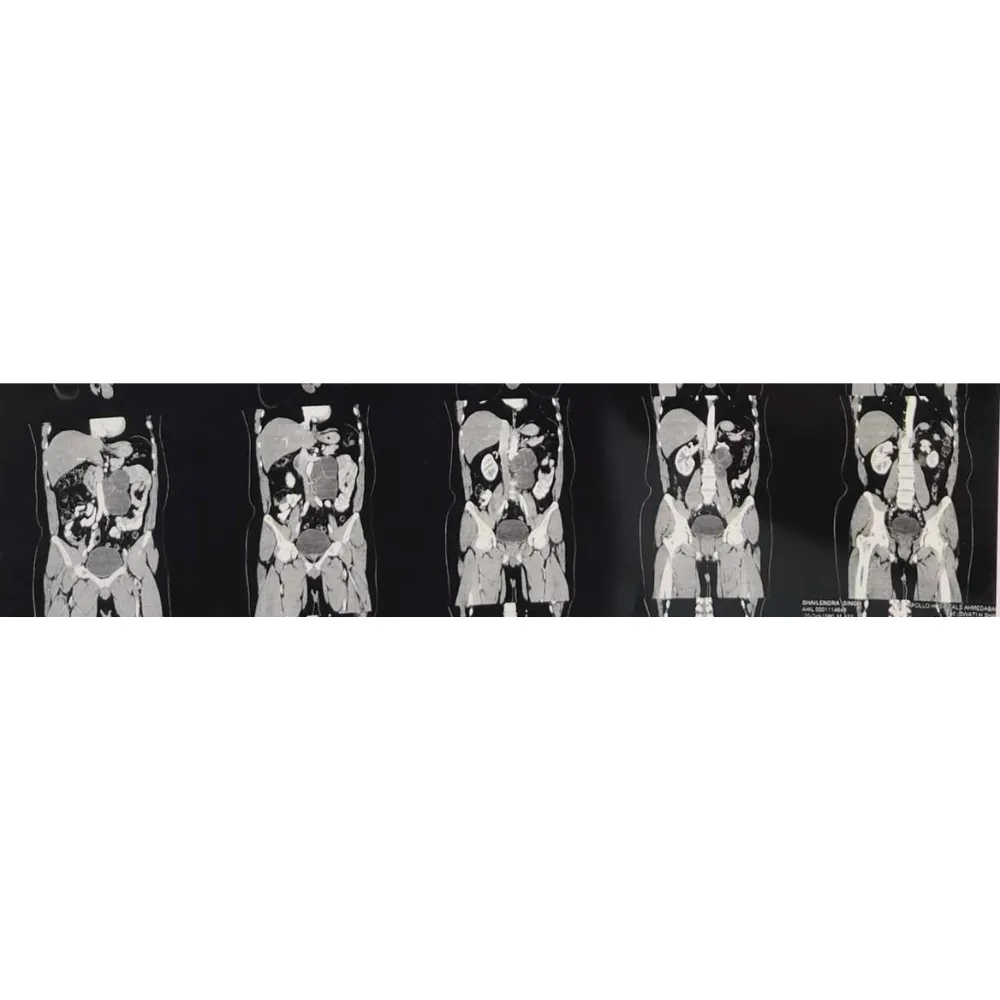
A 45-year-old male presented with persistent left flank pain following a previous high inguinal orchidectomy. Advanced imaging revealed a complex, 12.5 cm cystic mass in the para-aortic region, intricately abutting the renal vessels and aorta. The diagnosis of mature teratoma required urgent, high-precision surgical intervention to prevent further local invasion of vital abdominal structures.

Patient Feedback After Surgery

Which advanced robotic procedures are used for testicular cancer?

The Technology

How is robotic testicular cancer surgery performed by a Uro Oncologist?

Trusted Treatment

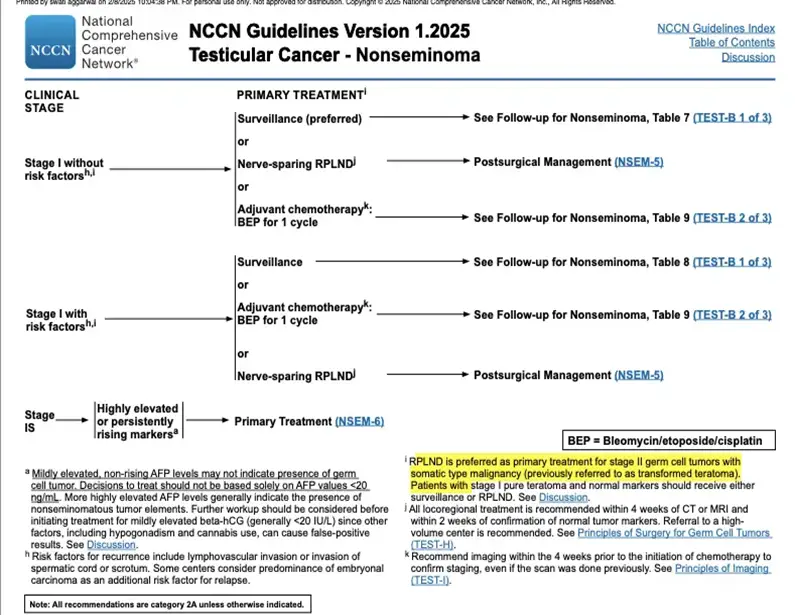
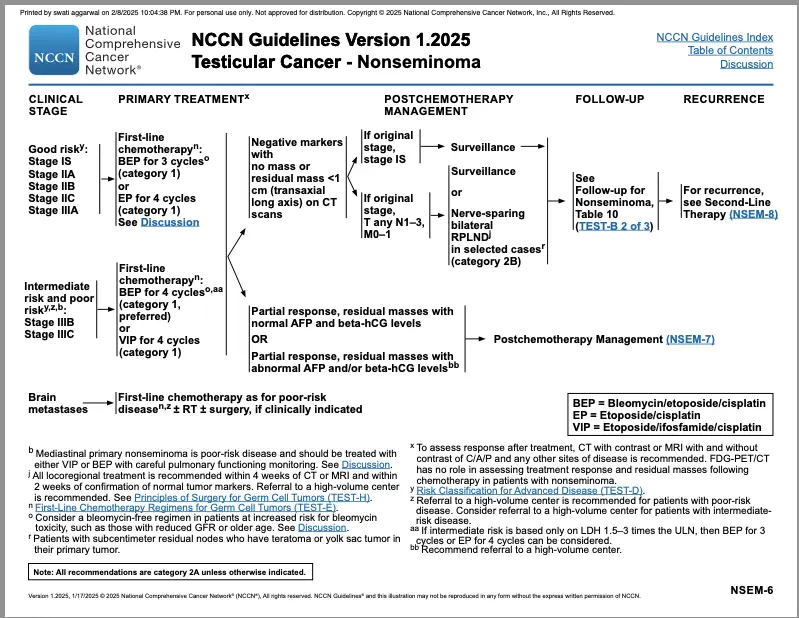
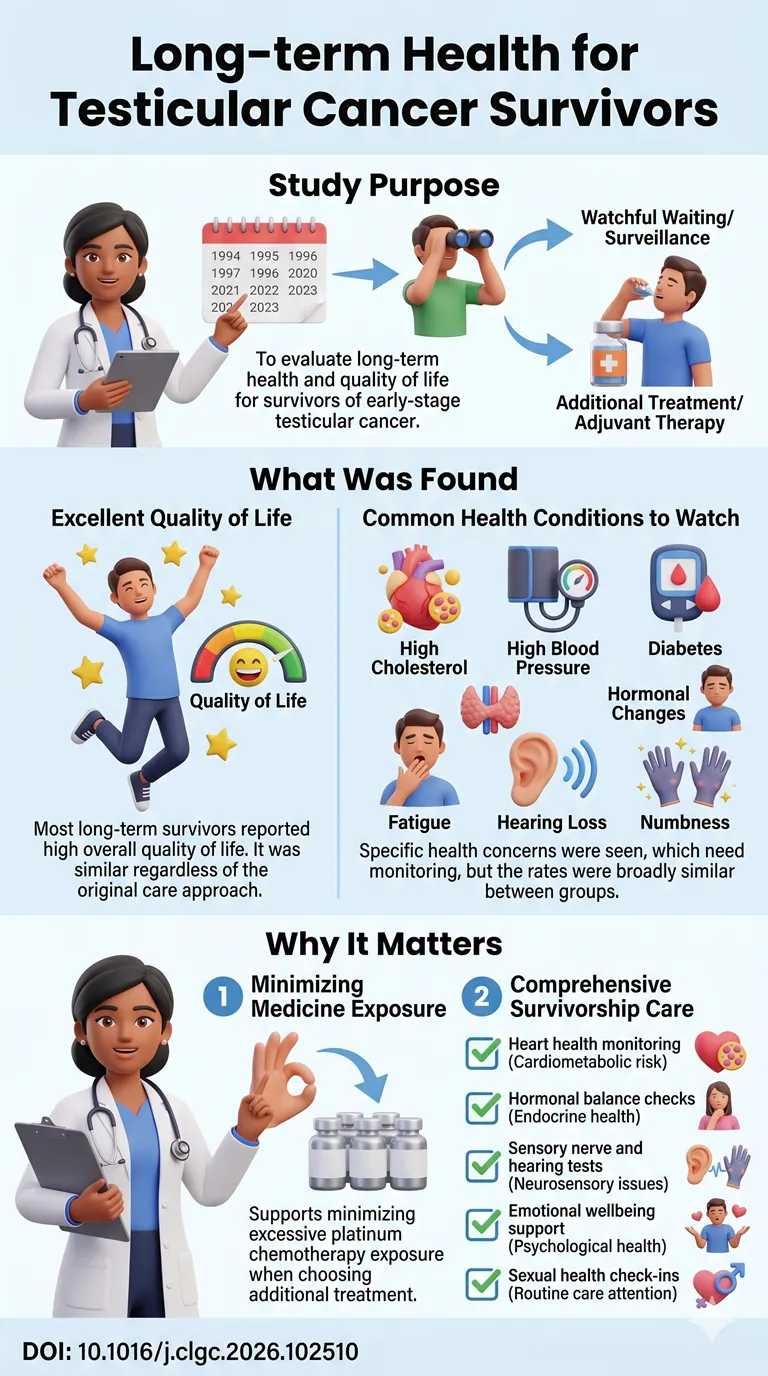
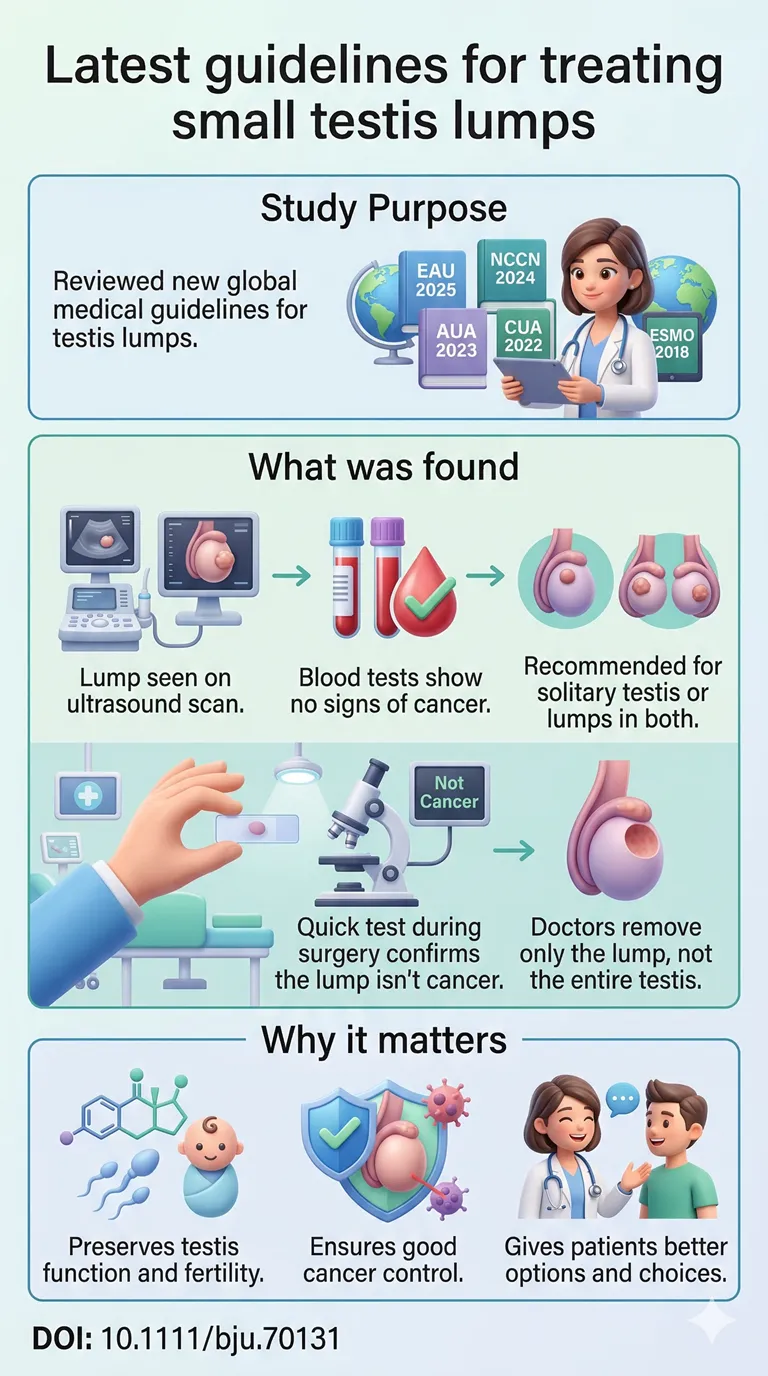
Which guidelines inform testicular cancer treatment by a Uro Oncologist?

International Standards of Care

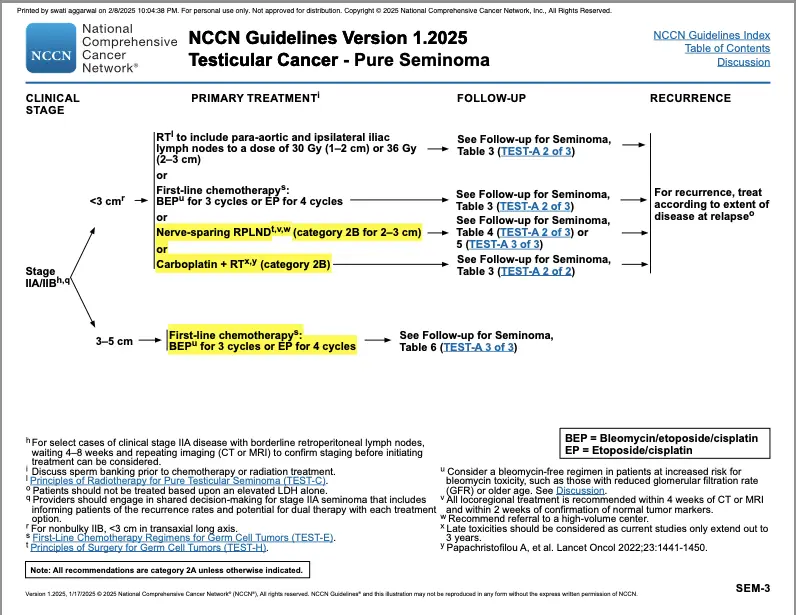
Dr. Swati Shah plans testicular cancer surgery with reference to current international treatment guidance from respected medical boards. This helps patients understand how evidence-based recommendations support safer, more appropriate, and scientifically grounded treatment decisions for their specific tumour type and stage.
Tap to read >>

Commitment to Modern Medical Advancements

To ensure you receive the safest and most effective care, Dr. Swati Shah actively participates in continuous medical education. By staying updated with the newest real-time breakthroughs in robotic surgery and testicular tumor management, she turns the latest global research into a personalized treatment plan designed for your fast recovery.

Robotic Surgery Training

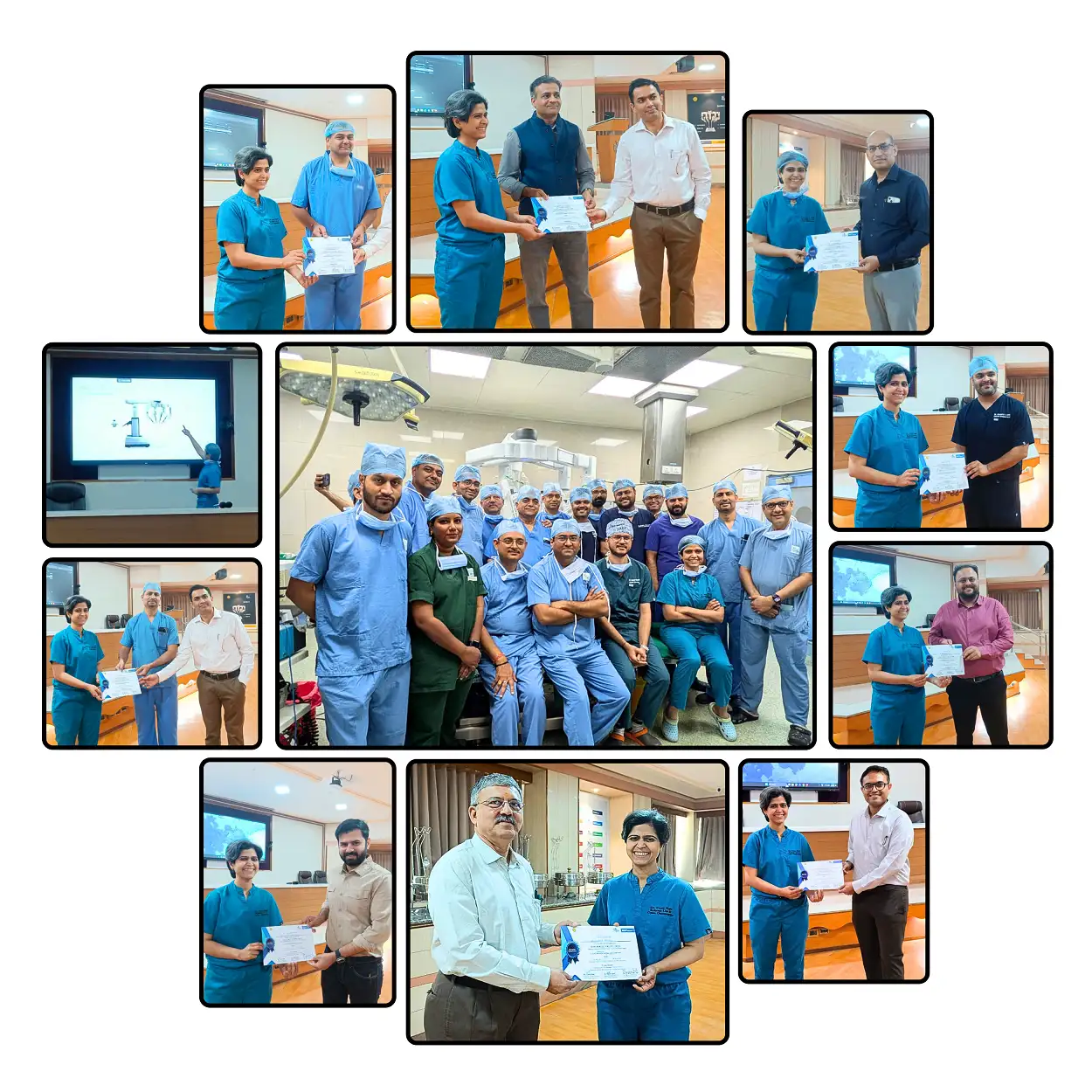
How does Uro Oncologist Dr. Swati Shah train urologists in robotic surgery?

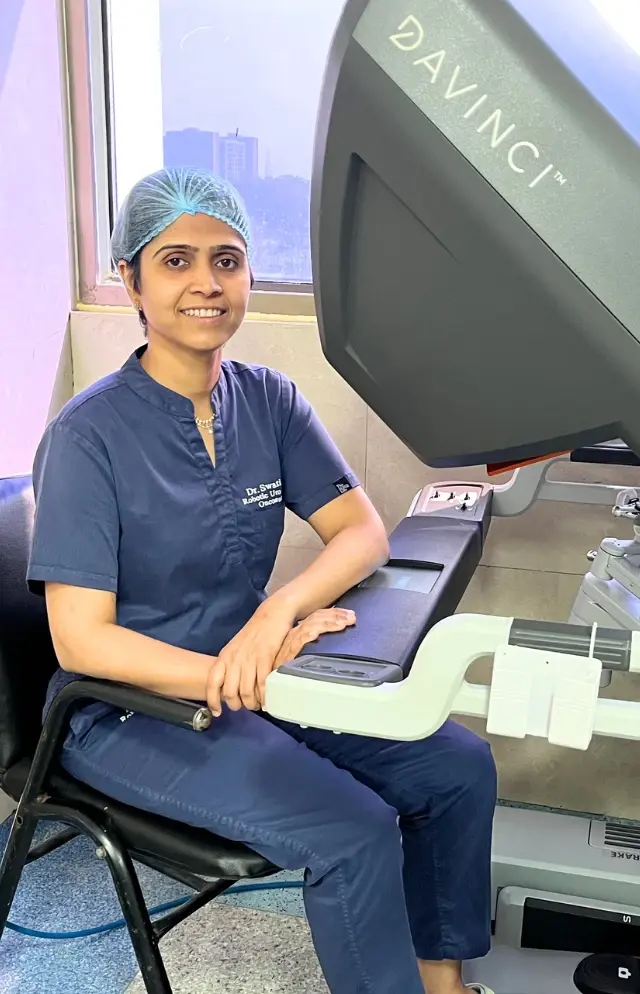
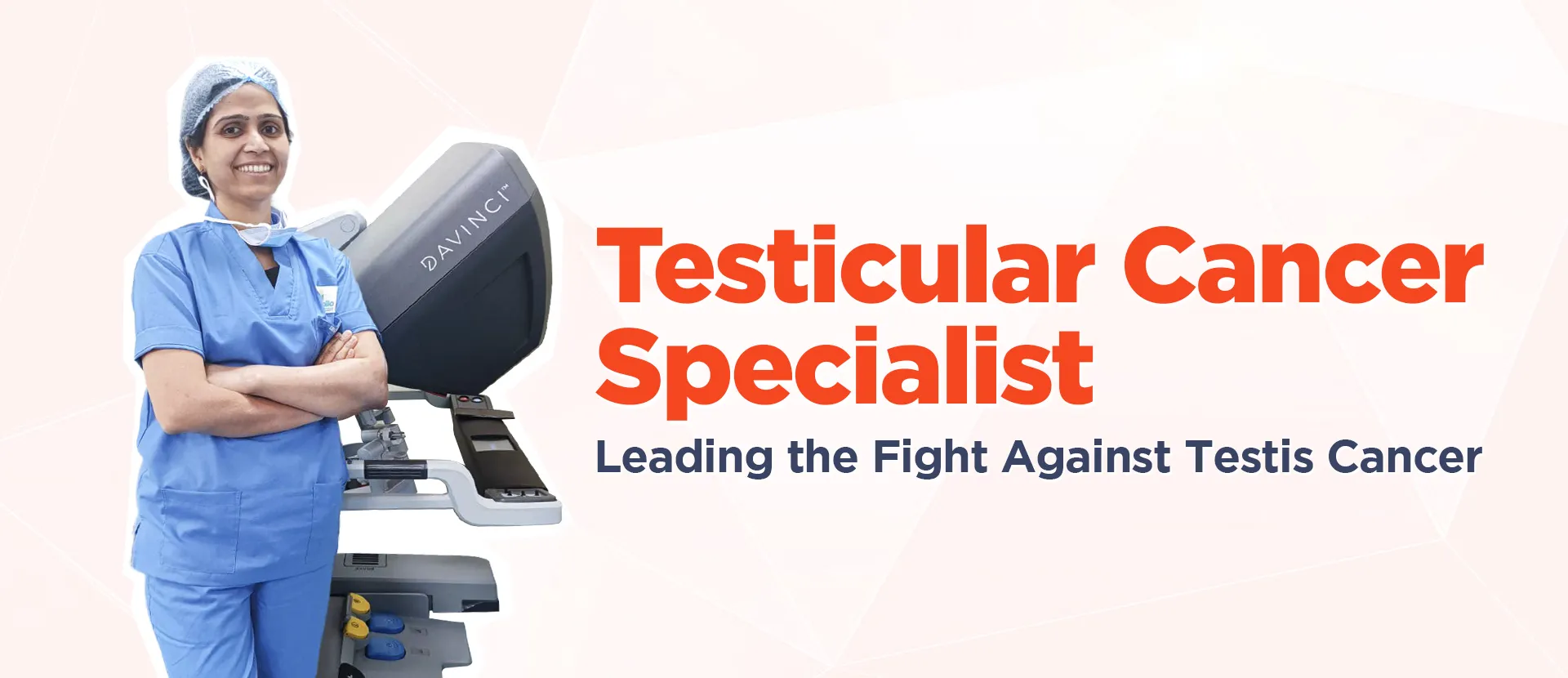
Dr. Swati Shah is a dedicated mentor who provides hands-on robotic surgery training to the next generation of urologists. Her training programs combine in-depth medical theory with live practical sessions, allowing doctors to master the Da Vinci robotic system under her expert guidance. By sharing her 12+ years of robotic expertise, she ensures that more surgeons can offer testicular cancer patients the benefits of high-precision, minimally invasive treatments.

Dr. Swati Shah is a dedicated mentor who provides hands-on robotic surgery training to the next generation of urologists.

Her training programs combine in-depth medical theory with live practical sessions, allowing doctors to master the Da Vinci robotic system under her expert guidance.

By sharing her 12+ years of robotic expertise, she ensures that more surgeons can offer testicular cancer patients the benefits of high-precision, minimally invasive treatments.

Dr Swati Shah - Providing Training of Robotic Surgery to Urologists in Ahmedabad, India

Robot-assisted surgery

What is Robotic Surgery?

Robotic surgery is a highly advanced, minimally invasive method where Dr. Swati Shah performs complex abdominal operations (like removing lymph nodes) using a sophisticated robotic system.
 
Instead of making a massive traditional cut down the belly, the surgeon uses tiny “keyhole” openings. Sitting at a specialized console, she controls high-tech robotic arms that act as an extension of her own hands.
 
This offers a level of precision, stability, and flexibility that is much better than traditional human movement, ensuring a highly safe testicular cancer operation.

How does robotic surgery benefit testicular cancer treatment?

Myths vs. Facts: The Truth About Robotic Testicular Cancer Surgery

The Myth The Fact
"The robot performs the surgery on its own." Fact: The robotic system is 100% controlled by Dr. Swati Shah at all times. It is a high-tech tool that translates her exact hand movements into micro-precise actions inside the body; it cannot move or make decisions without her.
"If I have robotic lymph node surgery (RPLND), I will permanently lose my sexual function and ability to have children." Fact: Modern robotic techniques allow for "Nerve-Sparing Surgery." Dr. Shah can precisely remove the cancerous nodes while safely protecting the delicate nerves that control normal ejaculation and fertility.
"Robotic lymph node removal requires a massive cut from my chest to my lower belly." Fact: Robotic technology allows for "Keyhole" surgery. By using a few tiny cuts instead of a large open wound, patients experience much less pain, avoid a massive permanent scar, and recover weeks faster.
"My blood tests are normal after chemotherapy, so I definitely don't need robotic surgery." Fact: Even if tumor markers normalize, chemotherapy can leave behind "residual masses" (dead tissue or hidden cancer cells) in the lymph nodes. Robotic surgery is often required to safely remove these masses to prevent a relapse and ensure a complete cure.
"Robotic surgery is experimental and risky for testicular cancer." Fact: Robotic RPLND is a highly advanced, proven method for managing testicular cancer at top cancer centers worldwide. It significantly reduces the risk of major bleeding, infections, and complications compared to traditional open surgery.

Frequently asked questions

Symptoms of early testicular cancer?

The most common early sign is a painless lump or swelling in either testicle. You may also notice a feeling of heaviness in the scrotum or a dull ache in your lower belly. Prompt evaluation of these changes is vital for early, highly successful treatment.

What are the standard treatment options for testicular cancer?

The primary step is usually the surgical removal of the affected testicle. Depending on the spread, specialists may add other therapies to ensure complete recovery.

Affordable chemotherapy options for testicular cancer in India?

Comprehensive cancer care requires a tailored approach combining both surgery and effective medical treatments. Dr. Swati Shah collaborates with leading medical oncologists atShah’s Cancer & Robotic Surgery Centre to guide patients. We focus on providing highly successful, affordable, and personalized treatment plans for your specific needs.

Explain the different stages of testicular cancer and their treatments?

Testicular cancer treatments depend directly on how far the disease has spread from the original site. A multidisciplinary approach ensures the most effective therapy for your exact stage.

Latest targeted drug therapies available for testicular cancer in India?

While traditional treatments remain highly effective, advanced cases may benefit from newer, personalized medicine approaches. Dr. Swati Shah works within a multidisciplinary team at Apollo Hospital International Limited to determine if targeted therapies or advanced robotic surgeries are right for your specific cancer profile.

How much does testicular cancer surgery cost in India?

The exact cost of testicular cancer surgery depends on the advanced surgical approach required to safely remove the tumor. At Shah’s Gastro, Cancer & Robotic Surgery Centre, we offer transparent, lump-sum packages to ensure you receive highly effective care without hidden fees.

Health insurance plans covering testicular cancer treatment in India?

Most major health insurance policies in India cover essential cancer treatments, including diagnostics, surgery, and therapies. To help ease your financial burden, cashless treatment is available at Apollo Hospital International Limited. Our dedicated administrative team will assist you in processing your insurance claims smoothly.

Who performs testicular cancer surgery in Ahmedabad?

Dr. Swati H. Shah is a uro- and gynaecologic oncosurgeon in Ahmedabad whose surgical interests include testicular cancer surgery, RPLND, robotic RPLND and complex retroperitoneal tumour surgery.

What is the standard first operation for suspected testicular cancer?

The standard initial operation is generally high inguinal orchidectomy, in which the affected testis and spermatic cord are removed through the groin. The final diagnosis and further treatment plan depend on histopathology and staging.

What is RPLND in testicular cancer?

RPLND stands for retroperitoneal lymph node dissection. It removes selected lymph nodes or residual tumour tissue from the back of the abdomen, in specific clinical situations rather than for every patient.

Is robotic RPLND better than open surgery?

No single approach is best for every patient. Robotic, laparoscopic or open surgery may be considered according to the size and location of the mass, previous treatment, vascular involvement and the surgeon's assessment.

Does a residual mass after chemotherapy always need surgery?

No. The decision depends on tumour type, size and location of the mass, tumour markers, imaging and response to treatment. Some residual masses need removal, while others are managed differently.

Can testicular cancer recur after initial treatment?

Recurrence is possible, which is why follow-up matters. New symptoms, abnormal tumour markers or suspicious imaging should be reviewed by the treating team. Some selected recurrences need surgery alongside other treatment.

Can I have children after testicular cancer surgery?

Many men keep fertility after removal of one testis if the other works normally, but the cancer itself, chemotherapy or other treatment can affect it. Sperm banking should be discussed before treatment when future parenthood is important.

Can RPLND affect ejaculation?

Yes, because of the location of the nerves involved. Nerve-sparing surgery may help preserve ejaculation in selected cases, but it is not always possible and cannot be guaranteed. Discuss the individual risks before surgery.

Can a testicular prosthesis be considered after orchidectomy?

A prosthesis may be an option to restore the appearance of the scrotum, before surgery or later. It does not produce sperm or testosterone. Timing, suitability and possible complications should be discussed with the surgeon.

Will I need chemotherapy after surgery?

Not everyone does. It depends on tumour type, stage, tumour markers, imaging and final pathology. Some patients are suited to surveillance, others need additional treatment. Follow-up is important either way.

What should I bring for a second opinion?

Bring the histopathology report, tumour-marker results (AFP, beta-hCG and LDH), ultrasound and CT/MRI/PET-CT reports and images, chemotherapy details, previous operative notes and recent follow-up results.

Second Opinion

When should you get a second opinion from a Uro Oncologist for testicular cancer care?

Why does a second opinion matter in testicular cancer?

A second opinion can help patients confirm the diagnosis, understand available treatment choices, and feel more confident before starting care. For young men with testicular cancer, this may be especially important when decisions involve orchiectomy, chemotherapy, or complex abdominal lymph node surgery. A review by Dr. Swati Shah, an experienced testicular cancer surgeon and Uro Oncologist, helps assess whether the treatment plan is appropriate for the cancer type, stage, and long-term function goals.

Expert Review by Dr. Swati Shah
Dr. Swati Shah offers comprehensive second opinions to help you:

How should you prepare for a second opinion consultation?

You can consult Dr. Swati Shah for a second opinion by bringing your existing medical reports, including:

Get in touch

We provide a 24*7 emergency care.

If you have any kind Uro Cancer related medical emergency, visit Apollo Hospital. An expert doctor is always available & treatment will be provided at once.

5/5 - (25 reviews)

Get health updates from Dr Swati Shah on WhatsApp

Swasth Parivar: twice a month, practical advice on recovery, diet and warning signs. No advertising. Stop any time.

Your number is used for these updates and for the clinic to reach you. It is never sold or passed on. To stop, reply STOP on WhatsApp.

dr swati shah - uro & gynec cancer surgeon
Privacy Overview

This website uses cookies so that we can provide you with the best user experience possible. Cookie information is stored in your browser and performs functions such as recognising you when you return to our website and helping our team to understand which sections of the website you find most interesting and useful.