Shah’s Gastro, Cancer & Robotic Surgery Centre
Tapping Book on WhatsApp will likely open the WhatsApp app on your phone.
Last updated: 02-Nov-2026
Assessment, surgery and follow-up for renal cell carcinoma · Gota OPD, Gota, Ahmedabad · Apollo Hospital, Bhat, Gandhinagar
IN SHORT
Most kidney cancers are found by chance on a scan done for something else. A lump in the kidney is checked with a proper multi-phase CT before anyone plans an operation.
For a small tumour the aim is to take out the tumour and keep the kidney. Removing the whole kidney is kept for tumours that cannot be removed safely in any other way.
A tumour that has spread is treated with medicine first. The choice of medicine depends on a risk score, and on what the family can sustain.
The kidney that is left behind matters as much as the tumour. Its strength is measured before surgery, not guessed.
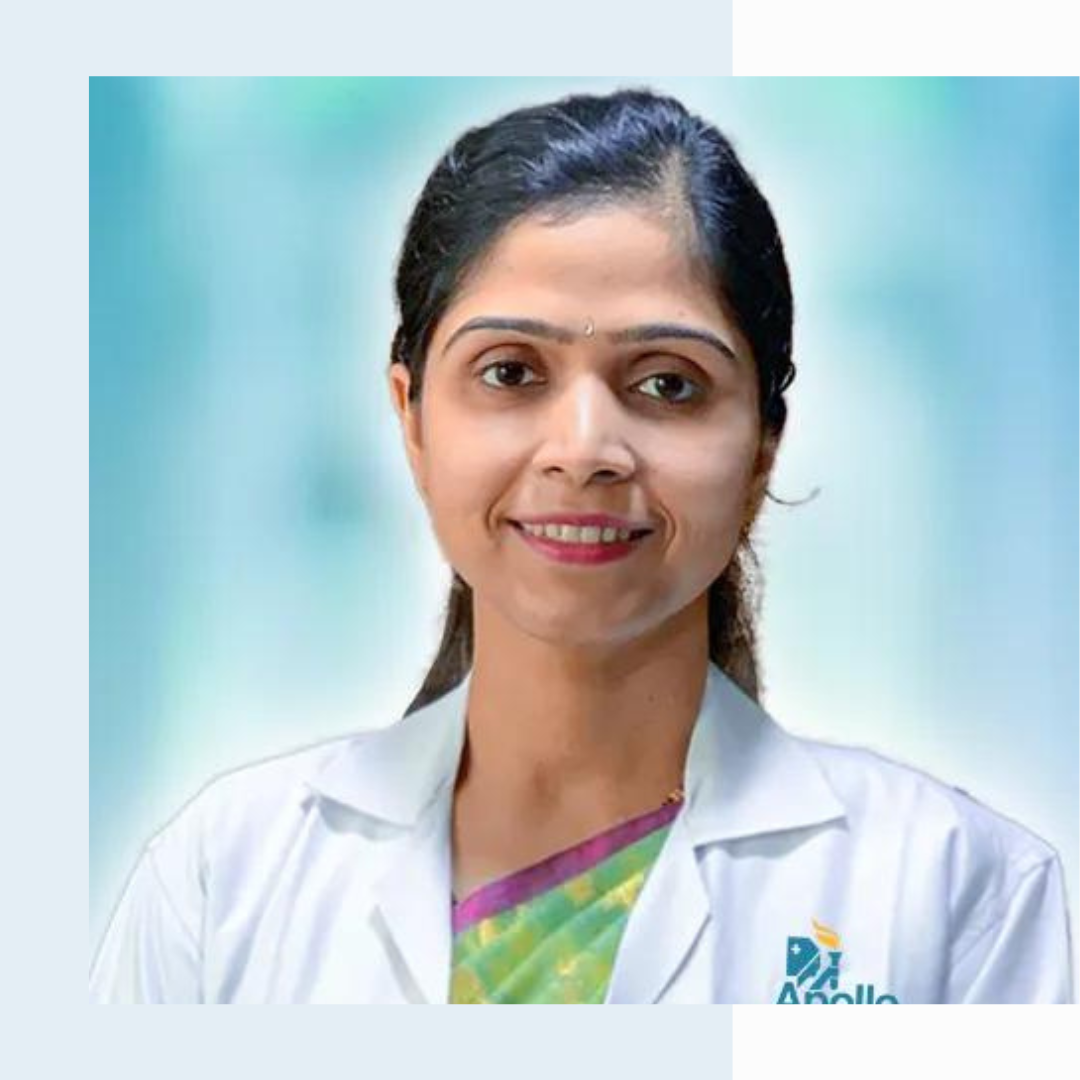
Dr Swati Shah
MS, DrNB (Surgical Oncology)
Kidney Cancer Surgeon
Apollo Hospital, Bhat, Gandhinagar · Gota OPD, Gota, Ahmedabad · 18 years of experience
★★★★★ 4.99 from 84 Google reviews (Gota clinic) · 5.0 from 37 (Apollo, Bhat)
Who writes this page. Dr Swati Shah holds MS, DrNB (Surgical Oncology). She studied medicine and trained in general surgery at Maulana Azad Medical College, Delhi, and trained in surgical oncology at Rajiv Gandhi Cancer Institute and Research Centre, Delhi. She has 18 years of experience in cancer surgery and has worked on the robotic console since 2013. Consultation, assessment, surgery and follow-up run as one pathway.
Every kidney tumour larger than a small one, every case with a clot in the large vein, and every case that has spread, is discussed at a tumour board first. The board has a cancer surgeon, a medical oncologist, a radiation oncologist, a radiologist and a pathologist. The order of treatment is settled there. It is not one surgeon’s call.
This page is about how the decisions are made. The choice between removing part of the kidney or all of it, and what each does to kidney strength, is set out on partial or radical nephrectomy and kidney function.
Most tumours are found by chance, on an ultrasound or a CT done for another reason. They rarely hurt in the early stage.
The old picture of a kidney cancer, with a lump in the flank, pain and blood in the urine together, is now uncommon. By then the tumour is large. Today most people are told about a shadow on a scan done for stones, a liver check or a fever.
The first visit answers three questions. Is the lump a cancer, how far has it gone, and how strong is the other kidney.
The key scan is a CT with contrast taken in several phases, including one before the dye is given. Without that first picture, nobody can tell whether the lump takes up dye. A single-phase scan can mistake a bleed into a cyst, or a fatty growth, for cancer.
| At the first visit | Why it is done then |
|---|---|
| CT of the belly in several phases, with and without dye. | It shows if the lump takes up dye, where it sits, and whether a clot has entered the kidney vein or the large vein beneath the heart. |
| CT of the chest. | The lung is the commonest place for spread. A plain chest X-ray misses small deposits. |
| Kidney function by blood test, and a split-function scan when the other kidney is in doubt. | One creatinine value is not a kidney assessment. The scan shows how much each kidney does, so the surgeon knows how much can be spared. |
| Blood count, liver tests, calcium and general fitness. | These feed the risk score used if the cancer has spread, and they decide how much surgery the body can take. |
| A needle biopsy, only when the answer would change the plan. | It helps before heat treatment, before medicines for spread, or in an older person where surgery is in doubt. It is not needed for a lump that is plainly cancer and fit for surgery. |
| An MRI, when the level of a clot is unclear. | The top of a clot decides which surgical team must be in the room. |
The stage is a map, not a verdict. It decides the operation, and it gives a fair idea of what to expect.
| Stage | What it looks like | What is usually advised |
|---|---|---|
| Stage I. | A tumour inside the kidney, up to the size of a lime. | Take out the tumour and keep the kidney. Watching or heat treatment for the smallest, in the frail. |
| Stage II. | A larger tumour, still inside the kidney. | Removal of the kidney, or of the tumour alone where the position allows. |
| Stage III. | Growth into the fat around the kidney, the kidney vein or the large vein, or into a nearby gland. | Removal of the kidney, with the clot if present. Added medicine after surgery is discussed in some. |
| Stage IV. | Growth into a neighbouring organ, or spread to a distant one. | Medicine first. Surgery on the kidney or the deposit only in selected people. |
The grade, meaning how aggressive the cells look under the microscope, matters as well. An aggressive look calls for more caution at any size.
Taking out only the tumour is the standard for a small kidney cancer. Every avoidable removal of a whole kidney is a step towards kidney disease later.
The tumour is cut out with a thin rim of normal kidney. The kidney is repaired with stitches in layers, and the blood supply is shut off for as short a time as possible. A very thin clear edge is enough for safety. Taking more kidney for reassurance only weakens the kidney.
Not every small kidney tumour needs the knife at once. The right choice depends on size, age, other illness and the other kidney.
| Choice | Who it suits | What to know |
|---|---|---|
| Partial nephrectomy. | Most people with a small or medium tumour whose position allows it. | The standard choice. It keeps the most kidney strength. A short stay and a quick return to work are usual. |
| Active surveillance. | The smallest tumours, or people for whom an operation carries too much risk. | Repeat scans at fixed intervals. The plan changes if the tumour grows quickly, crosses a size limit, or you wish it. |
| Heat or cold treatment through a needle. | Older or unfit people with a small tumour, a single kidney, or tumours in both kidneys. | A biopsy comes first, as a separate step. It is not used for tumours near the centre of the kidney or for larger ones. |
| Radical nephrectomy. | Large tumours, tumours that sit where a partial operation is unsafe, and those with a clot in the vein. | The whole kidney is removed. The adrenal gland and the lymph glands are taken only when they look involved on the scan or at surgery. |
Some kidney cancers grow up the kidney vein into the great vein of the body. This is never an operation planned on the day.
The top of the clot is mapped on a scan and given a level. A low clot is handled by the urology team. A clot that reaches the liver or the heart needs cardiac and vascular surgeons, blood-saving equipment and a heart-lung machine on standby. Those arrangements are made before a date is fixed.
Medicine comes first for spread. A risk score is worked out before the first dose, because it guides the choice.
The score uses six simple items. They are how well the person is, how soon medicine is needed, and four blood counts. It sorts people into favourable, intermediate and poor risk.
One immunotherapy drug has been shown to help people after surgery for a high-risk clear cell cancer. It is costly, and it is rarely covered by insurance.
It is given every three weeks for about a year. Other medicines tried after surgery did not help. The benefit is real but modest, and side effects can need admission. The family hears the cost and the gain together.
Risks are named here in words. Your own figures are given in person before consent, for your disease and your fitness.
| What | What it means |
|---|---|
| After a full removal, one kidney does the work of two. Certain. | Most people live well on one kidney, but the reserve is less, and the other kidney must be protected for life. |
| Bleeding during or after the operation. | Watched for in the first days. Some need blood, and a few need a second procedure to stop it. |
| A urine leak after a partial operation. | Seen in the drain fluid. It usually settles with a tube placed for a while. Few need more. |
| A temporary rise in creatinine. | Common after a partial operation, as the kidney is stunned. It usually recovers, and is checked early. |
| A clot in a leg vein or the lung. | Prevented with blood thinners, early walking and stockings. Treated promptly if it occurs. |
| Risk to life. | Real in a major operation, and higher with a large clot, weak kidneys or poor nutrition. Your own figure is given in person. |
Kidney cancer can return late, even after many years. Regular scans and kidney tests are part of treatment, not an extra.
| Who | What is done |
|---|---|
| Low-risk tumour after surgery. | A visit with kidney function and a scan at set intervals in the first years, spaced out later. The chest is imaged along with the belly. |
| Higher-risk tumour after surgery. | Closer scans in the first two to three years, as most returns occur then. Follow-up goes on for longer than for low-risk disease. |
| On surveillance or after heat treatment. | Scans at the first few months, then at fixed intervals. A growth rate or size limit triggers a change of plan. |
| On medicine for spread. | Scans every few months and blood pressure, thyroid, liver and kidney tests as the medicine requires. Side effects are managed early. |
| At home. | Keep the blood pressure and sugar under control, avoid unprescribed painkillers, drink water, and stop tobacco. Report blood in the urine on the same day. |
The reviews below are Google reviews of this surgeon from families treated for kidney cancer. No two people have the same disease or the same plan.
★★★★★
“We are very thankful to Dr. Swati Shah for successfully operating on our relative for kidney cancer. From the first consultation to the surgery and follow-up, she was very supportive, caring, and explained everything clearly. Her expertise and confidence gave our family great reassurance during a difficult time. We are happy with the treatment and recovery. Highly recommended Dr. Swati Shah for her dedication and excellent care.”
— Naween. Soni, Google review
★★★★★
“Dr. Swati Shah is an exceptional Robotic Uro-Oncosurgeon. My experience with the robotic partial nephrectomy was excellent. She explained the condition and procedure clearly, and the surgery was performed with great precision. Highly recommended for anyone seeking advanced robotic kidney surgery.”
— Hitesh Shrimali, Google review
★★★★★
“My relative recently underwent robotic surgery for kidney cancer under the care of Dr. Swati Shah, and the experience was exceptional. Dr. Swati’s precision, confidence, and calm approach made a huge difference. She explained everything clearly, guided us at every step, and handled the surgery with outstanding skill. The robotic technique meant smaller cuts, less pain, and a much faster recovery than we expected. We are truly grateful to Dr. Swati Shah for her expertise in robotic kidney cancer surgery and highly recommend her for kidney cancer treatment.”
— Paresh Undhad, Google review
These are shown exactly as Google holds them. They describe one family’s experience, and no two people have the same disease or plan.
The cost depends on the treatment, the route and the length of stay. A written estimate is given before admission.
Apollo Hospital, Bhat, Gandhinagar works with the major insurers and with cashless cover, and its office handles the pre-authorisation. Immunotherapy for spread, or after surgery, is usually outside what insurance pays, and we raise this at the first visit. Please bring every scan with its films, any biopsy report, recent kidney tests, your medicine list and your insurance card.
Not always. A bleed into a cyst, a fatty growth or an infection can look similar on a single scan. A multi-phase CT with a picture before the dye separates them. A needle biopsy is added only when it would change the plan.
Not for most small and medium tumours. The tumour is cut out and the kidney kept, wherever it can be done safely. Full removal is kept for large tumours, awkward positions and tumours with a clot in the vein.
Most people do. The reserve is lower. Blood pressure, sugar and painkiller use need care for life, and kidney tests are repeated at each follow-up.
It shows how much work each kidney does. If the other kidney is weak, or you have only one, it tells the surgeon how much kidney must be saved.
For the smallest tumours, and for people at high operative risk, yes, with scans at fixed intervals. The plan changes if the tumour grows quickly, crosses a size limit, or you prefer an operation.
No. Keyhole with the robot and open surgery both remove the tumour in the same way. The route is chosen for your scan, your body and safety.
They are the guideline standard for spread, but they are costly. A tablet-only course is an accepted route, especially at favourable risk. We set the benefit and the cost side by side and the family decides.
Heavy blood or clots in the urine, or being unable to pass urine. Fever with a leaking wound. A swollen painful leg, sudden breathlessness, or new back pain. Do not wait.
Shah’s Gastro, Cancer & Robotic Surgery Centre
Dr Swati Shah — MS, DrNB (Surgical Oncology) · Kidney Cancer Surgeon
Consultation: Gota OPD, Gota, Ahmedabad. Surgery: Apollo Hospital, Bhat, Gandhinagar.
Gota OPD — Gota, Ahmedabad, Gujarat. Directions
Apollo Hospital, Bhat, Gandhinagar — Apollo Hospital International Limited, Plot No. 1 A, GIDC Bhat Industrial Estate, Bhat, Gandhinagar, Gujarat 382428. Directions
Call: +91-63590-11009 · WhatsApp: +91-63590-11009
People travel to Ahmedabad for this surgery from across Gujarat, southern Rajasthan and western Madhya Pradesh.
Found a lump in the kidney on a scan? Send the scan films and report ahead, with your latest kidney function test. The consultation then starts with them already read. The plan is made after examination, and at the tumour board. Call +91-63590-11009 · Bring the reports to the visit
Tapping Book on WhatsApp will likely open the WhatsApp app on your phone.
Swasth Parivar: every week, practical advice on recovery, diet and warning signs. No advertising. Stop any time.
Your number is used for these updates and for the clinic to reach you. It is never sold or passed on. To stop, reply STOP on WhatsApp.