WhatsApp

Mass Left After Testis Cancer Chemo? Is Surgery Needed?

Last updated: 21-Nov-2026

Tapping Book on WhatsApp will likely open the WhatsApp app on your phone.

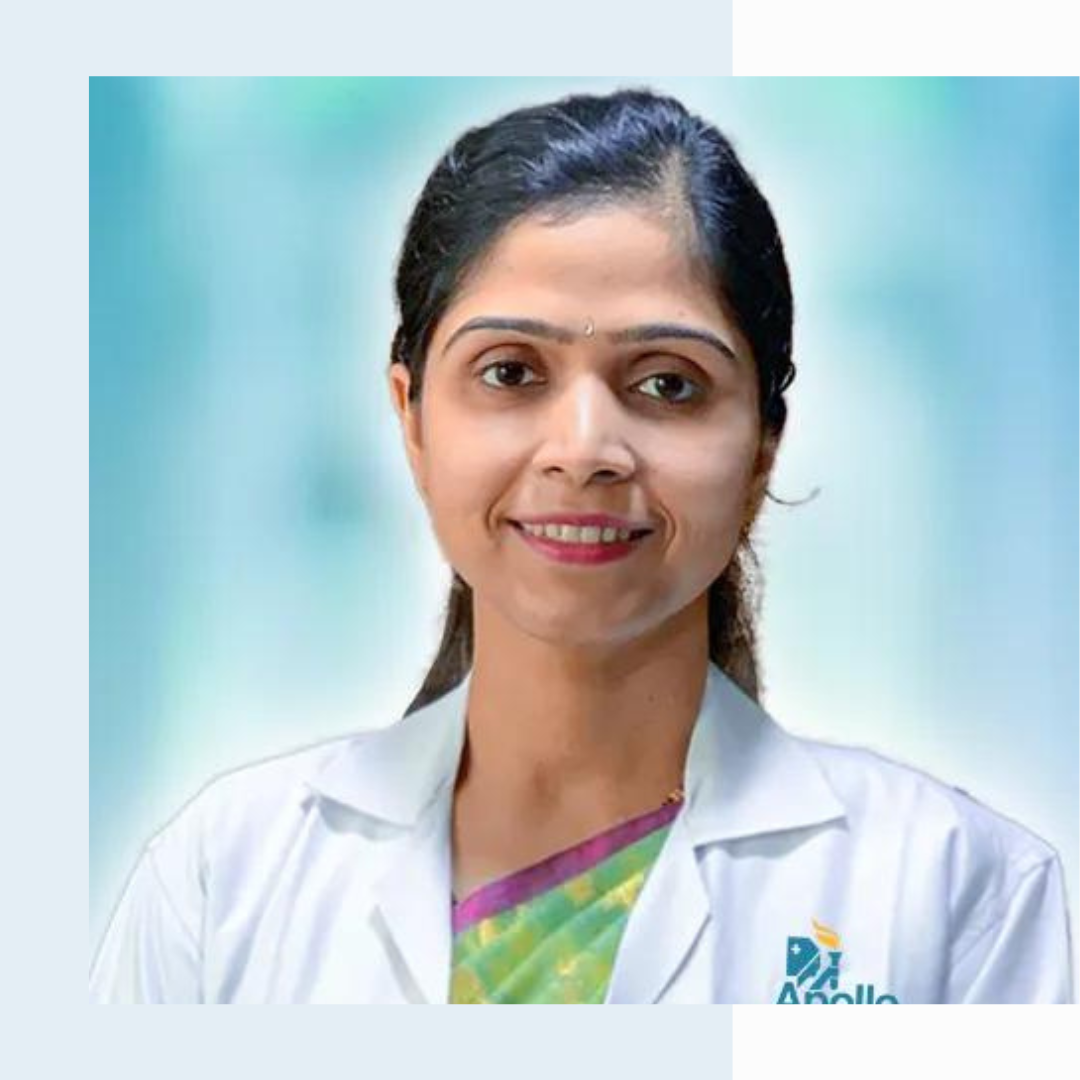
Dr Swati Shah, urology cancer surgeon, Ahmedabad

Dr Swati Shah
MS, DrNB (Surgical Oncology)
Urology Cancer Surgeon
Apollo Hospital, Bhat, Gandhinagar · Gota OPD, Ahmedabad · 18 years of experience

IN SHORT

After chemotherapy for a non-seminoma testicular cancer, a leftover lump behind the belly is usually removed once the blood markers are normal. The operation is called post-chemotherapy RPLND.

A scan cannot say what the lump is. It may be dead scar, a slow tumour called teratoma, or live cancer. Only the report after surgery tells which.

It is a big operation, and it should be done by a team used to it, with a vascular surgeon on call.

Our main page on testicular cancer treatment in Ahmedabad covers every stage. This post answers one question: what to do about a lump that remains after chemotherapy.

Why does a lump stay after chemotherapy?

Chemotherapy kills most cancer cells, but the lymph nodes it shrinks do not always vanish. What is left may or may not hold living tumour.

  • Testicular cancer first spreads to the lymph nodes behind the belly, beside the large blood vessels.
  • After chemotherapy these nodes shrink, and the blood markers (AFP, hCG and LDH) fall to normal.
  • A node or lump larger than about 1 cm on the CT scan may still remain.
  • Our post on treatment of spread testicular cancer explains the chemotherapy step that comes before this one.

The scan shows size and shape. It cannot show what the cells inside are.

What could the leftover lump be?

There are three possibilities, and they need very different care. This is why the lump is usually removed, not just watched.

What the removed lump can show, and what follows
Report findingWhat it meansWhat usually follows
Dead scar tissue (necrosis or fibrosis)Chemotherapy did its work, no living cancer is leftCheck-ups and scans on a schedule
TeratomaA slow tumour that chemotherapy cannot kill. It can grow and press on organs, and a few turn into cancerComplete removal is the treatment. Then follow-up
Live cancerSome cancer cells survived chemotherapyFurther chemotherapy is often advised after surgery
  • Removing the whole lump answers the question and treats it in one step.
  • A needle biopsy is not reliable for this, because it can miss the live part.
  • Leaving a teratoma in place is risky, since it does not respond to more chemotherapy.

When is the operation advised?

The usual case is a non-seminoma with normal markers and a lump above 1 cm after chemotherapy. If the markers are still high, surgery is not the first step.

  • Markers that keep rising mean live cancer is likely, so a different chemotherapy plan is discussed first.
  • In seminoma, leftover lumps are usually watched with a PET scan, because scar tissue makes surgery harder.
  • Lumps under 1 cm are often watched with repeat scans.
  • The decision is made by looking at your scans, markers and chemotherapy record together.

How is the surgery done?

The surgeon removes the whole leftover lump and the lymph nodes around it, taking care of the large blood vessels and the kidney tubes.

  • It is most often open surgery through a long cut in the belly, because the scar tissue after chemotherapy can stick to vessels.
  • The surgeon works beside the aorta and the large vein, and may need to repair or replace a piece of vessel.
  • Sometimes part of a kidney, or a piece of bowel, has to come out. This happens if the lump is stuck to it.
  • Tell the anaesthetist that you had bleomycin. It can make the lungs sensitive to high oxygen levels.
  • Where the lump allows, the nerves that control ejaculation are kept. This is harder after chemotherapy than before it.

A vascular surgeon and an intensive care bed are arranged beforehand for these operations.

What are the risks?

This is a major operation near large vessels. Most problems are managed, but you should know them in advance.

  • Bleeding and the need for a blood transfusion.
  • Injury to a vessel, kidney or bowel that needs repair at the same time.
  • A milky fluid leak from the lymph channels, which is called a chyle leak. It is treated with a special diet.
  • Lung problems after the anaesthetic, especially after bleomycin.
  • Dry ejaculation, where the semen does not come out. This is more likely when the nerves cannot be spared.
  • A slow bowel for a few days, wound infection and a clot in the leg.

If you wish to have children, speak about sperm storage and nerve care before surgery. Many men bank sperm before chemotherapy.

What is recovery like?

Expect several days in hospital and a few weeks of rest at home. Walking starts the day after surgery.

  • You get pain relief through the back or by drip, and a drain tube for some days.
  • Eating restarts when the bowel wakes up.
  • Avoid heavy lifting for about six weeks.
  • Blood markers and a CT scan are repeated on a fixed schedule. Our post on the follow-up schedule for testicular cancer shows what each visit checks.
  • The report may take about a week and decides if any more treatment is needed.

Frequently asked questions

Do I need surgery if my scan shows a small lump after chemotherapy?

Often yes, if the lump is above 1 cm in a non-seminoma and the markers are normal. A smaller lump may be watched. Your surgeon decides after reading your scans and reports.

Can the lump just be watched?

Sometimes, but a scan cannot tell scar from teratoma or live cancer. Watching risks leaving a tumour that does not respond to chemotherapy.

Is this the same as the first RPLND?

No. It is done after chemotherapy, when scar tissue makes it harder. Our post on when RPLND is needed in testicular cancer covers the operation done without chemotherapy first.

Will I be able to father a child later?

Many men can, especially if sperm was stored before chemotherapy. Dry ejaculation can occur after this surgery, and sperm can still be collected by other means.

Will I need more chemotherapy after the operation?

Only if the report shows live cancer. Scar tissue or teratoma usually needs no more chemotherapy.

Where can I be seen in Ahmedabad?

Dr Swati Shah sees patients at the Gota clinic in Ahmedabad and plans surgery at Apollo Hospital, Bhat, Gandhinagar.

Where to see Dr Swati Shah

Clinic, Gota, Ahmedabad

Shah’s Gastro, Cancer & Robotic Surgery Centre
SF-203, 2nd Floor, Olive Greens, Gota, S G Highway, Ahmedabad, Gujarat 382481

+91-63590-11009 · Open in Google Maps

Apollo Hospital, Bhat

Apollo Hospital, Bhat, Gandhinagar
Apollo Hospital International Limited, Plot No. 1 A, GIDC Bhat Industrial Estate, Bhat, Gandhinagar, Gujarat 382428

+91-63555-64601 · Open in Google Maps

Consultations at the clinic at Gota, Ahmedabad. Surgery at Apollo Hospital, Bhat, Gandhinagar.

Back to the main guide: Testicular cancer treatment in Ahmedabad.

Read this page in: ગુજરાતી हिन्दी

Finished chemotherapy for testicular cancer, and the scan still shows a lump in the belly? That is a worry, but it is a common finding and it has a clear way forward. Dr Swati Shah is a urology cancer surgeon who can tell you whether surgery to remove it is needed. Bring your scans, blood test reports and chemotherapy record. Call For Appointment Book on WhatsApp Tapping Book on WhatsApp will likely open the WhatsApp app on your phone.

Tapping Book on WhatsApp will likely open the WhatsApp app on your phone.

Get health updates from Dr Swati Shah on WhatsApp

Swasth Parivar: every week, practical advice on recovery, diet and warning signs. No advertising. Stop any time.

Your number is used for these updates and for the clinic to reach you. It is never sold or passed on. To stop, reply STOP on WhatsApp.

dr swati shah - uro & gynec cancer surgeon
Privacy Overview

This website uses cookies so that we can provide you with the best user experience possible. Cookie information is stored in your browser and performs functions such as recognising you when you return to our website and helping our team to understand which sections of the website you find most interesting and useful.