WhatsApp

Adrenal Lump on a Scan? What Happens Next

Shah’s Gastro, Cancer & Robotic Surgery Centre

Tapping Book on WhatsApp will likely open the WhatsApp app on your phone.

Last updated: 04-Nov-2026

Hormone tests, scan reading, the decision to operate and follow-up for an adrenal tumour · Gota OPD, Gota, Ahmedabad · Apollo Hospital, Bhat, Gandhinagar

IN SHORT

An adrenal gland is a small gland that sits on top of each kidney. Most lumps found there are harmless, and most were found by chance on a scan done for something else.

Two questions decide what happens next. Does the lump make too much hormone, and does it look like a cancer on the scan?

A small, silent, plain-looking lump is usually only watched. A hormone-making lump, or one that looks suspicious or is large, is usually removed by operation.
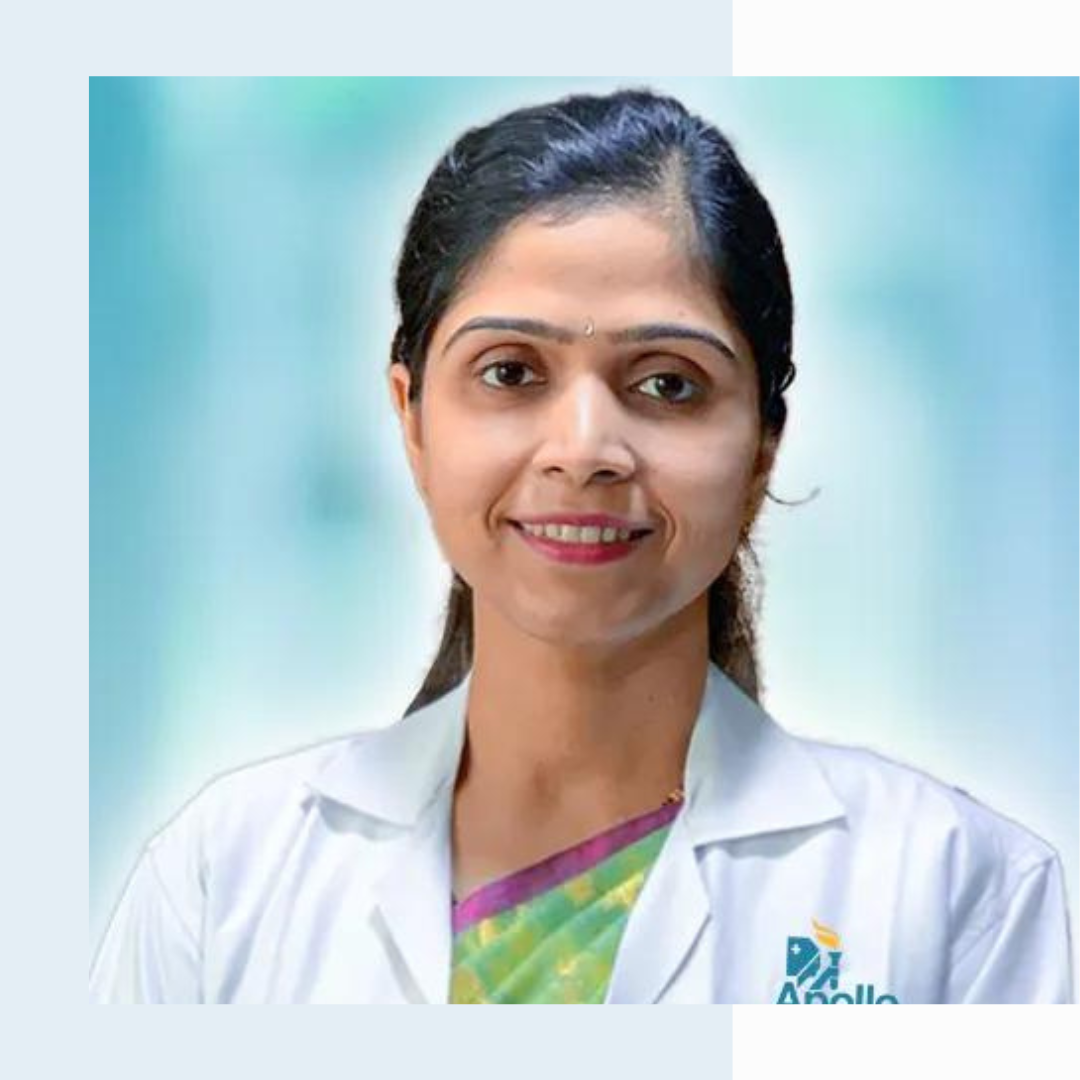
Dr Swati Shah, cancer surgeon, Ahmedabad

Dr Swati Shah
MS, DrNB (Surgical Oncology)
Kidney Cancer Surgeon
Apollo Hospital, Bhat, Gandhinagar · Gota OPD, Gota, Ahmedabad · 18 years of experience
★★★★★ 4.99 from 84 Google reviews (Gota clinic) · 5.0 from 37 (Apollo, Bhat)

Who writes this page. Dr Swati Shah holds MS, DrNB (Surgical Oncology). She studied medicine and trained in general surgery at Maulana Azad Medical College, Delhi, and trained in surgical oncology at Rajiv Gandhi Cancer Institute and Research Centre, Delhi. She has 18 years of experience in cancer surgery and has worked on the robotic console since 2013. Tests, decision, operation and follow-up run as one pathway under her care.

An adrenal tumour that makes hormone or looks suspicious is discussed with an endocrinologist, a radiologist and, when needed, an anaesthetist who plans for blood pressure swings. The order of steps is settled before any date is fixed.

This page explains how the decisions are made. The operation and the recovery are set out on adrenal tumour surgery (adrenalectomy).

Why a lump is found, and what it can be

Most adrenal lumps are found when a scan is done for another reason. Only a small share are cancers.

The adrenal gland has two layers. The outer layer makes cortisol and aldosterone. The inner core makes adrenaline-like hormones. A lump in either layer can be harmless, can over-produce a hormone, or, rarely, can be a cancer.

  • A silent, harmless lump is the most common finding. It makes no excess hormone and does not grow much.
  • A cortisol-making lump can cause weight gain around the trunk, purple stretch marks, weak muscles, high sugar and high blood pressure.
  • An aldosterone-making lump causes high blood pressure that is hard to control, often with a low blood potassium.
  • A lump of the core, called a phaeochromocytoma, sends out bursts of adrenaline. Attacks of headache, sweating and a racing heart are the clue.
  • An adrenal cancer is rare. It tends to be large, grows over months, and may make hormones too.

A cancer from another organ, such as lung, kidney or breast, can also settle in the adrenal gland. In a person with a past cancer, a new adrenal lump is looked at with that in mind.

Tests that decide the plan

Every adrenal lump gets two checks: a hormone check, and a careful reading of what it looks like on the scan.

The tests, and what each one settles
TestWhat it settles
CT scan of the adrenal, plain and with dye.Fat-rich lumps are almost always harmless. The size, the edge and how quickly dye washes out help to separate a harmless lump from a worrying one.
Overnight dexamethasone test.Checks whether the lump makes cortisol when it should be switched off. It is needed even when there are no symptoms.
Plasma or urine metanephrines.Looks for a phaeochromocytoma. It must be ruled out before any operation or biopsy.
Aldosterone and renin, with potassium.Done when blood pressure is high or potassium is low.
MRI or PET scan.Used when the CT is unclear, or when a spread from another cancer is suspected.
Repeat scan after some months.For a small, silent lump, growth over time is part of the answer.

A biopsy is not routine. It is kept for a lump where the answer will change the plan, and only after a phaeochromocytoma has been excluded.

Watch or operate

Size, hormone activity and appearance together decide it. No single number settles the question.

What usually points each way
Usually watchedUsually operated on
Small, with a harmless look on CT.Large, or growing across repeat scans.
No excess hormone on testing.Makes cortisol, aldosterone or adrenaline-like hormone.
Stable on a repeat scan.Irregular edge, mixed density or a slow dye wash-out.
A person whose health makes surgery risky.A single spread from another cancer, in a fit person.

A borderline lump is one of the harder calls. We lay out both paths, with what each costs, and decide together after the tests.

Getting ready for an operation

The preparation is as important as the operation. A hormone-making lump needs a prepared body before surgery.

  • Phaeochromocytoma. Tablets that relax blood vessels are started about two weeks before surgery, with plenty of fluid and salt. This protects against sudden blood pressure surges on the table.
  • Cortisol-making lump. The other adrenal gland goes quiet after long exposure to extra cortisol. Steroid cover is given during and after the operation, and slowly reduced.
  • Aldosterone-making lump. Blood pressure and potassium are brought under control first. After surgery, potassium and blood pressure medicines are reduced stepwise.
  • Silent lump or suspected cancer. Fitness tests, and a check of the great vessels on the scan.

The operation

Most adrenal lumps are removed through keyhole surgery. A large or clearly cancerous one is removed by open surgery.

The operation removes the whole adrenal gland on that side, with the fat around it. The other gland carries on alone.

  • Keyhole or robot-assisted route. It suits most lumps that are not very large. The robot helps with the deep, narrow space beside the great vessels.
  • Open route. A suspected adrenal cancer is removed through an open incision, so that the lump is taken whole with nearby glands, without being broken.
  • Both glands. If both are diseased, a part of one gland may be saved, so that steroid tablets are not needed for life.
  • Nearby organs. If a cancer sticks to the kidney or the spleen, they are taken with it.

Risks and what to report

Risks are named here in words. Your own figures are given in person before consent, for your disease and your fitness.

What is certain, and what is a risk
WhatWhat it means
The removed gland does not grow back. Certain.The other gland usually does the work. After a cortisol-making lump, steroid tablets are needed for months.
Swings in blood pressure.Mainly in phaeochromocytoma. The team plans for it, and it settles after the lump is out.
Bleeding.The gland has a rich blood supply. Most bleeding is controlled at the time. A few people need a blood transfusion.
Injury to the spleen, pancreas, bowel or kidney.Rare, because they lie close. Repaired during the operation when it happens.
A leg-vein or lung clot.Prevented with thinners and early walking. Treated at once if it occurs.
Risk to life.Real in any major operation, and higher in a very large tumour or with heart disease. Your own figure is given in person.
  1. Dizziness, fainting, vomiting or severe weakness after surgery. It can mean the steroid dose is too low. Come the same day.
  2. Fever, or a wound that leaks or swells. Checked the same day, not at the next visit.
  3. One leg swollen and warm, or sudden breathlessness. Treated as a clot until a scan says otherwise.
  4. Severe belly pain or black stool. Needs same-day review.

Follow-up after treatment

What is checked afterwards depends on what the lump was. A cancer needs the longest watch.

What follow-up looks like
AfterWhat is done
Watching a silent lump.A repeat scan and hormone check at set intervals. Follow-up ends once it is stable.
Removal of a cortisol-making lump.Steroid tablets, slowly reduced, with a morning cortisol test to see when the other gland has woken.
Removal of an aldosterone-making lump.Blood pressure and potassium checks, with medicines reduced.
Phaeochromocytoma.Yearly hormone tests for years. A genetic cause is looked for, because it can run in families.
Adrenal cancer.Scans of the chest and abdomen at set intervals, with hormone tests.

The reviews below are Google reviews of this surgeon from families treated for kidney and retroperitoneal tumours. No two people have the same disease or the same plan.

What patients and families have said

★★★★★

“I am very thankful to Dr. Swati Shah for performing surgery for a retroperitoneal mass. She is a highly skilled and experienced surgeon who explained the treatment clearly and guided us throughout the process. We received excellent care and support from her and the hospital staff. I highly recommend Dr. Swati Shah for her expertise, professionalism, and compassionate approach to patient care. My husband is now doing good. I am highly thankful to ma’am .Excellent support and guidance during whole process of treatment .”

— Shailendra Singh, Google review

★★★★★

“My father had a mass in his kidney and we were very worried. Dr. Swati Shah did his operation and treated him very well. She explained everything nicely and supported us during this time. Now my father is feeling better and recovering slowly. Thank you Dr. Swati Shah for your care and support. Highly recommended her as kidney cancer surgeon in Ahmedabad”

— J J, Google review

★★★★★

“We are very thankful to Dr. Swati Shah for successfully operating on our relative for kidney cancer. From the first consultation to the surgery and follow-up, she was very supportive, caring, and explained everything clearly. Her expertise and confidence gave our family great reassurance during a difficult time. We are happy with the treatment and recovery. Highly recommended Dr. Swati Shah for her dedication and excellent care.”

— Naween. Soni, Google review

These are shown exactly as Google holds them. They describe one family’s experience, and no two people have the same disease or plan.

Cost, insurance and admission

The cost depends on the route, the preparation needed and the length of stay. A written estimate is given before admission.

Apollo Hospital, Bhat, Gandhinagar works with the major insurers and with cashless cover, and its office handles the pre-authorisation. Please bring every scan with its films, any hormone report, your blood pressure record, your medicine list and your insurance card.

Frequently asked questions

Is an adrenal lump found by chance usually a cancer?

No. Most are harmless. A hormone check and a careful reading of the scan separate the harmless ones from the few that need an operation.

Why are hormone tests needed if I feel well?

A lump can make cortisol or adrenaline-like hormone without clear symptoms. Missing this can make the operation unsafe, so the tests are done before any decision.

Can the lump simply be watched?

Yes, when it is small, makes no excess hormone and looks harmless on CT. A repeat scan after some months shows whether it has changed.

Why is a biopsy usually avoided?

A biopsy of an unrecognised phaeochromocytoma can set off a dangerous surge in blood pressure. It is done only when the answer will change the plan.

Will I need steroid tablets after the operation?

Only if the lump was making cortisol. The other gland needs time to wake, so tablets are given and slowly reduced.

Can the operation be done by keyhole or robot?

Most often, yes. A large lump or a suspected cancer is removed by open surgery, so that it is taken whole.

Can I live with one adrenal gland?

Yes. The other gland takes over in most people.

Which symptoms need a call on the same day?

Fainting or severe weakness, fever, a leaking wound, a swollen leg or sudden breathlessness.

Where Dr Swati Shah sees and operates

Shah’s Gastro, Cancer & Robotic Surgery Centre

Dr Swati Shah — MS, DrNB (Surgical Oncology) · Kidney Cancer Surgeon

Consultation: Gota OPD, Gota, Ahmedabad. Surgery: Apollo Hospital, Bhat, Gandhinagar.

Gota OPD — Gota, Ahmedabad, Gujarat. Directions

Apollo Hospital, Bhat, Gandhinagar — Apollo Hospital International Limited, Plot No. 1 A, GIDC Bhat Industrial Estate, Bhat, Gandhinagar, Gujarat 382428. Directions

Call: +91-63590-11009 · WhatsApp: +91-63590-11009

People travel to Ahmedabad for this surgery from across Gujarat, southern Rajasthan and western Madhya Pradesh.

Found an adrenal lump on a scan? Send the CT or MRI films and any blood or urine hormone results before you come. The consultation then starts with them already read. The plan is made after examination, and after the tests below. Call +91-63590-11009 · Bring the reports to the visit

Tapping Book on WhatsApp will likely open the WhatsApp app on your phone.

Get health updates from Dr Swati Shah on WhatsApp

Swasth Parivar: every week, practical advice on recovery, diet and warning signs. No advertising. Stop any time.

Your number is used for these updates and for the clinic to reach you. It is never sold or passed on. To stop, reply STOP on WhatsApp.

dr swati shah - uro & gynec cancer surgeon
Privacy Overview

This website uses cookies so that we can provide you with the best user experience possible. Cookie information is stored in your browser and performs functions such as recognising you when you return to our website and helping our team to understand which sections of the website you find most interesting and useful.