Last updated: 16-Oct-2026
Tapping Book on WhatsApp will likely open the WhatsApp app on your phone.
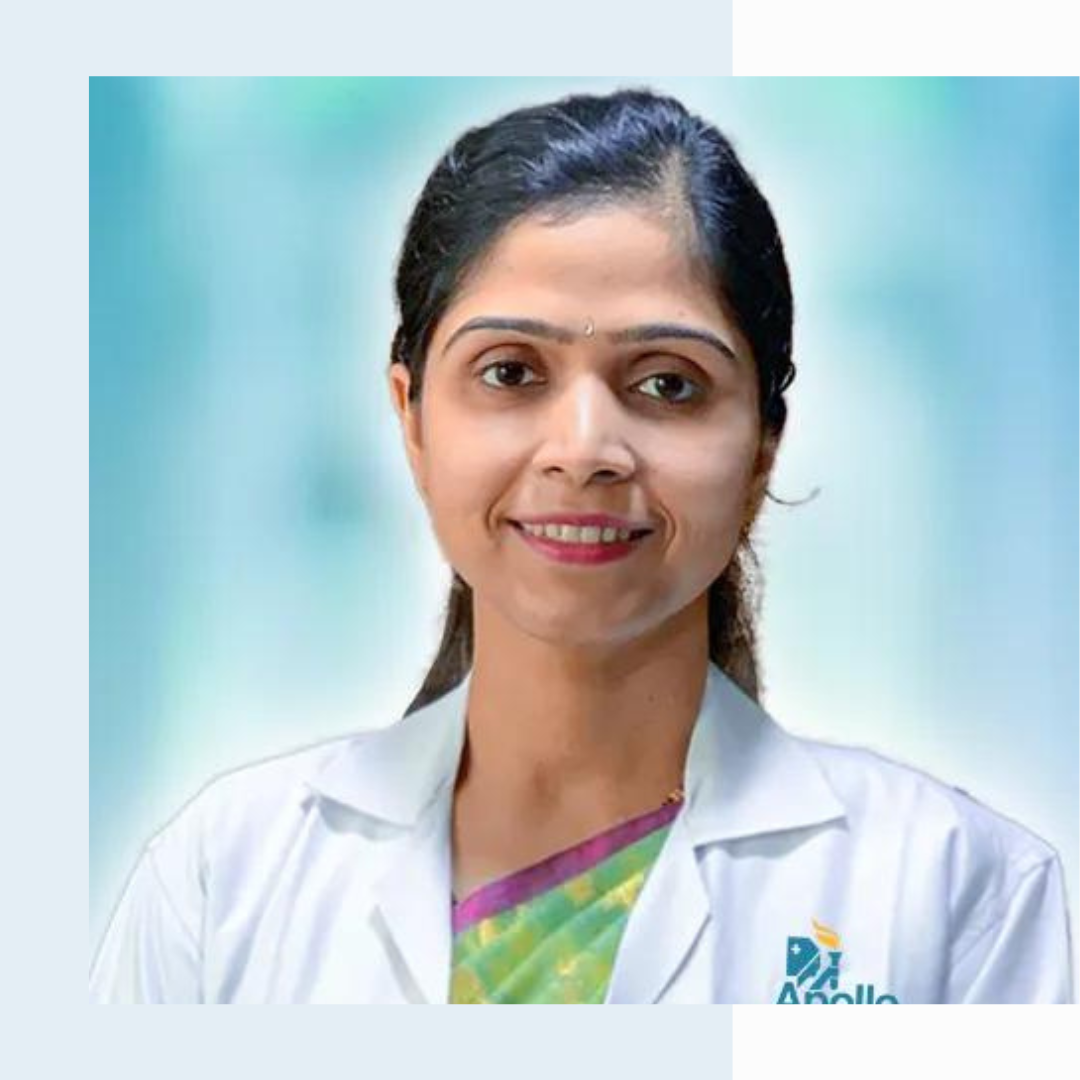
Dr Swati Shah
MS, DrNB (Surgical Oncology)
Kidney Cancer Surgeon
Apollo Hospital, Bhat, Gandhinagar · Gota OPD, Ahmedabad · 18 years of experience
★★★★★ 4.99 from 84 Google reviews (Gota clinic) · 5.0 from 35 (Apollo, Bhat)
IN SHORT
Most people sit out of bed on the day of surgery, take soft food by day two or three, and go home once set checks are met.
The main problems after kidney surgery are bleeding, a urine leak after partial removal, infection and blood clots. Each one has a planned first response.
Losing a kidney, or part of one, is permanent. Kidney blood tests, blood pressure control and avoiding kidney-harming medicines continue for life.
This page is one part of a larger guide. For how kidney cancer is treated, when the kidney can be saved and how the operation is planned, start with our kidney cancer surgery guide.
Recovery starts at the clinic visit, well before admission. You are asked to walk every day and practise deep breathing with a small breathing device. Protein supplements are started if needed. Smoking stops from that visit. A carbohydrate drink is given the evening before surgery and again 2 to 3 hours before anaesthesia. Solid food stops 6 hours before, and clear fluids 2 hours before. A bowel wash is not routinely needed. Blood is kept ready for a large tumour or a clot in a vein.
Painkillers called NSAIDs are avoided around partial kidney removal and in anyone with one kidney. They commonly cause an avoidable rise in creatinine.
The plan follows enhanced recovery. Each day has targets. Moving early, eating early and pain relief with few opioids help you go home sooner and safer.
| Day | What happens |
|---|---|
| Day of surgery. | Sitting out of bed about 2 hours after recovery. Small sips of water. Pain relief without NSAIDs after partial removal or with one kidney. Urine measured every hour. Chest physiotherapy. |
| Day 1. | Liquid diet. Walking three times. Blood tests for creatinine and haemoglobin. The urine catheter comes out, or stays to day 2 if the urine system was opened. |
| Days 2 and 3. | Soft diet. Drip fluids reduced. Pain tablets by mouth. Creatinine checked again. Walking beyond the bedside. |
| Days 4 to 7. | Normal diet. Drains removed when the output allows. Discharge checks. A kidney specialist visit is arranged if kidney function has dropped a lot. |
A rise in creatinine after partial removal is usually caused by fluid balance or medicines, not by the operation itself. A blocked urine flow and a urine leak are still checked for before that is accepted.
Every complication has a known first step. Bleeding is often stopped through a needle, not a second operation. A urine leak is usually managed with the drain and a stent.
| What is noticed | What it may be | What is done |
|---|---|---|
| Falling blood count, fast pulse or fullness in the side in the first 48 hours. | Bleeding, or a weak bulge in a kidney artery (pseudoaneurysm). | A CT angiogram, then blocking the bleeding vessel through a needle (embolisation). This often saves the kidney. |
| Clear, watery fluid in the drain after partial removal. | Urine leak from the kidney’s collecting system. | The drain fluid is tested for creatinine. The drain stays. A CT urogram, and a thin tube (stent) in the ureter if needed. |
| Creatinine keeps rising. | Fluids, medicines, a blocked flow or loss of kidney tissue. | NSAIDs and kidney-harming drugs are stopped. Fluids are reviewed. An ultrasound, and a kidney specialist if it does not settle. |
| Breathlessness after an upper-pole operation. | Air around the lung (pneumothorax). | A chest X-ray, and a chest drain if it causes symptoms. |
| Fever, fast pulse or a swollen belly on days 3 to 7. | A fluid collection, abscess or bowel injury. | A contrast CT scan, cultures, and the surgeon is told at once. |
| Milky fluid in the drain. | Chyle leak, a leak of lymph fluid. | A low-fat diet, the drain stays, and sometimes an injection to slow the flow. |
| Leg swelling, chest pain or low oxygen. | A blood clot in the leg or lung. | A Doppler or CT scan, then blood-thinning treatment. |
Some risks are rarer, but each is explained before you sign. They include a wound infection and injury to the bowel, spleen, liver or pancreas. A hernia can form at the scar later. Heart problems and anaesthesia problems can happen. A keyhole or robotic operation may need to change to open surgery. A stay in intensive care may be needed, and it is routine when a tumour clot is removed from the main body vein. During a partial removal, the plan may change to removing the whole kidney. Consent for that change is taken in advance, every time. Sometimes the edge of the removed tissue shows cancer, and more treatment is needed. There is a small risk of death. It is higher when a tumour clot reaches behind the liver or towards the heart.
Written advice goes home with you. It covers avoiding kidney-harming medicines, drinking enough water, and keeping blood pressure and diabetes under control.
Call +91-63590-11009 if any of these appear. Do not wait for the next visit.
Some people are offered pembrolizumab, an immunotherapy, after the operation. It can cause immune side effects. These include diarrhoea or colitis, liver inflammation, rash, and thyroid or hormone problems. Diarrhoea on this drug is not treated as a simple stomach upset. It is reported to the cancer medicine team the same day. You are reviewed every 3 weeks with thyroid and liver tests. Tablets used when the cancer has spread can cause sore red hands and feet, raised blood pressure, protein in the urine and a slow thyroid. These are managed by pausing the tablet and then lowering the dose, rather than stopping it for good.
After the whole kidney is removed, about half of your kidney reserve is lost for good. The other kidney takes over much of the work, but never all of it. Some people develop chronic kidney disease later, and a small number eventually need dialysis. The first review is 4 to 6 weeks after surgery. Creatinine and eGFR are recorded then as your new baseline. Kidney blood tests continue at 3 months, at 12 months and every year after that, for life.
Most people go home between day 4 and day 7. The day depends on meeting the discharge checks, such as no fever, eating and steady creatinine.
Take only what is prescribed. Avoid NSAID painkillers bought over the counter, especially after partial kidney removal or if you have one kidney.
Urine escapes from where the kidney was stitched. It shows as clear fluid in the drain. It is usually managed with the drain and sometimes a stent.
Yes, if removing only the tumour is unsafe or a clear edge cannot be reached. Consent for this change is taken before every partial removal.
Yes. Creatinine and eGFR are checked at 4 to 6 weeks, 3 months and 12 months, then every year for life.
How the operation is chosen is on the partial or whole kidney removal page. Who is offered medicine after surgery is on the kidney cancer stages page. The kidney cancer surgery page covers the full treatment. For questions, call +91-63590-11009.
For the full picture of kidney cancer treatment, from tests to surgery, see the kidney cancer surgery guide.
Shah’s Gastro, Cancer & Robotic Surgery Centre
Dr Swati Shah — MS, DrNB (Surgical Oncology) · Kidney Cancer Surgeon
Consultation: Gota OPD, Gota, Ahmedabad. Surgery: Apollo Hospital, Bhat, Gandhinagar.
Gota OPD — Gota, Ahmedabad, Gujarat
Apollo Hospital, Bhat, Gandhinagar — Apollo Hospital International Limited, Plot No. 1 A, GIDC Bhat Industrial Estate, Bhat, Gandhinagar, Gujarat
Call: +91-63590-11009 · WhatsApp: +91-63590-11009
Recovering from kidney surgery and something does not feel right? Call or send a WhatsApp message. Fever, new pain, blood in the urine or less urine should be reported the same day. Call +91-63590-11009 Message about your recovery
Tapping Book on WhatsApp will likely open the WhatsApp app on your phone.
Swasth Parivar: every week, practical advice on recovery, diet and warning signs. No advertising. Stop any time.
Your number is used for these updates and for the clinic to reach you. It is never sold or passed on. To stop, reply STOP on WhatsApp.