WhatsApp

Will Kidney Cancer Come Back? Outlook and Follow-Up

Last updated: 16-Oct-2026

Tapping Book on WhatsApp will likely open the WhatsApp app on your phone.

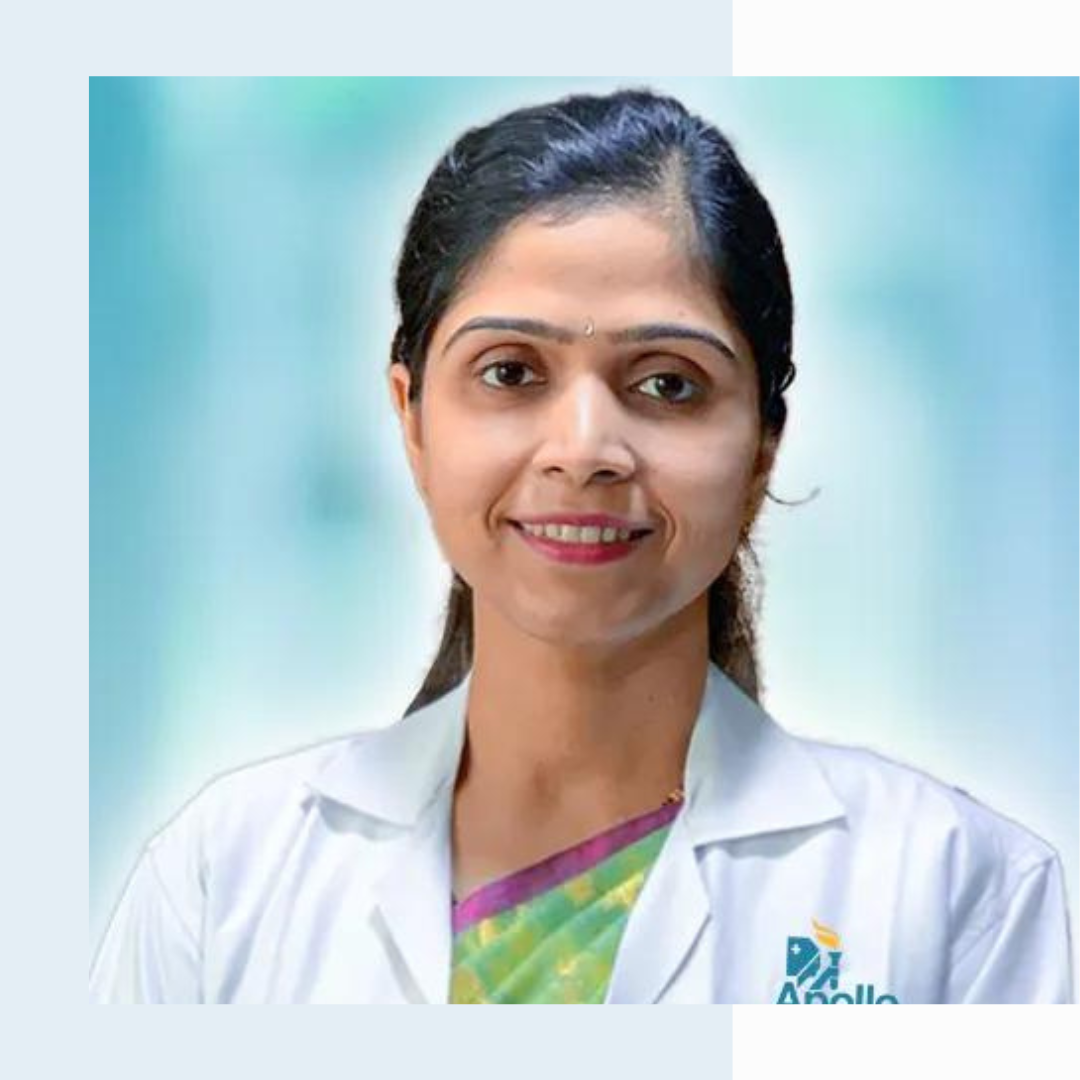
Dr Swati Shah, kidney cancer surgeon, Ahmedabad

Dr Swati Shah
MS, DrNB (Surgical Oncology)
Kidney Cancer Surgeon
Apollo Hospital, Bhat, Gandhinagar · Gota OPD, Ahmedabad · 18 years of experience
★★★★★ 4.99 from 84 Google reviews (Gota clinic) · 5.0 from 35 (Apollo, Bhat)

IN SHORT

The outlook depends mainly on the stage, the grade and the type of cancer. A tumour still inside the kidney usually does well after removal.

Follow-up has two parts that run side by side. Scans look for the cancer, and blood tests protect your kidney function.

Kidney cancer can return late, sometimes after more than ten years. That is why follow-up does not simply stop at five years.

This page is one part of a larger guide. For how kidney cancer is treated, when the kidney can be saved and how the operation is planned, start with our kidney cancer surgery guide.

The outlook for each stage group, in plain words

Doctors describe the outlook with figures from large groups of patients. Those figures are averages, not a forecast for you. Dr Swati Shah explains what your own stage and report mean at the review.

Kidney cancer outlook by stage group, in plain words
Stage groupOutlook in plain wordsWhat usually follows
Stage I. Inside the kidney, up to 7 cm.Very good. Most people have no further trouble from the cancer after it is removed or treated.Scans on a lighter schedule, and kidney checks for life.
Stage II. Larger than 7 cm, still inside the kidney.Good for most people after the kidney is removed.Scans more often in the first years.
Stage III. Reached the fat, a large vein or nearby nodes.A real chance of return. It is watched closely.Frequent scans. Medicine after surgery is discussed for clear cell cancer.
Stage IV. Spread beyond the kidney.Usually controlled with medicines for a time, rather than removed.Medicines chosen by risk group. Surgery for selected people.

Even with spread, the picture is not the same for everyone. In a fit person with a few deposits, often in the lung, removing them can give long periods without disease.

What else changes your outlook

Two people with the same stage can do differently. The histology report adds features that change the risk of return. Your risk is then judged with a validated score, such as Leibovich or UISS. It is more accurate than the stage alone. Details are on the kidney cancer stages page.

  1. Grade. A higher grade means a more aggressive cancer.
  2. Sarcomatoid or rhabdoid change. A major warning sign.
  3. Dead areas in the tumour (necrosis). Another sign of more aggressive disease.
  4. Type. Clear cell, papillary and chromophobe behave differently.
  5. The cut edge. Cancer at the edge of the removed tissue puts you in the high-risk group.

How often you will have scans

Your risk group sets the scan schedule. Each scan is a CT of the chest and abdomen, unless your doctor advises otherwise.

Follow-up scans after kidney cancer treatment
GroupWho is in itScan schedule
Low risk.Small tumour (pT1a), low grade, no nodes.At 12 and 24 months, then every 2 years up to 5 years. Clinic visits every 6 months for 2 years, then yearly.
Intermediate risk.pT1b to pT2, or a higher grade.Every 6 months for 2 to 3 years, then yearly up to 5 years, then planned for you.
High risk.pT3 to T4, nodes, sarcomatoid or rhabdoid change, or a cancer-positive edge.Every 3 to 6 months for 3 years, then every 6 months up to 5 years, then yearly. Longer follow-up is often advised.
After ablation.Tumour treated by heat or freezing.Contrast CT or MRI at 1, 3, 6 and 12 months, then yearly.
Active surveillance.A small tumour being watched.At 3 to 6 months, then every 6 months, then yearly if stable.

After ablation, any new enhancement in the treated area is taken as a return until proven otherwise. On active surveillance, treatment starts if the tumour grows more than 5 mm in a year or crosses 4 cm.

Your kidney function, for life

Kidney blood tests continue even after cancer follow-up ends. Creatinine, eGFR and urine protein are checked at 3 months, at 12 months, then every year.

This second schedule is the one people tend to drop. After the whole kidney is removed, about half of your kidney reserve is lost for good. The other kidney takes over much of the work, but never all of it. Some people develop chronic kidney disease over the years. A small number eventually need dialysis. This is why removing only the tumour is preferred when it is safe. Blood pressure and sugar are checked at every visit. A kidney specialist is involved if kidney function falls below a set level or protein appears in the urine.

  1. Avoid NSAID painkillers bought over the counter.
  2. Have contrast scans only after medical advice.
  3. Avoid unregulated herbal or ayurvedic medicines.
  4. Drink enough water, and keep blood pressure and diabetes tightly controlled.

Living well in the years after

Stopping smoking, keeping a healthy weight and controlling blood pressure matter at every visit. Some people need a genetics referral. That applies if you were under 46 at diagnosis, have tumours in both kidneys or several tumours, have a parent, brother, sister or child with kidney cancer, or show signs of a family syndrome. When a gene change is found, testing of family members should be completed, not just offered.

If the cancer comes back or spreads

A return is not the end of treatment. Medicines are the main tool, and if one stops working, a different class is used. Deposits in the bone are treated with bone-strengthening medicine, with calcium and vitamin D. Radiotherapy helps pain or a weak bone, and a bone at risk is fixed before it breaks. Deposits in the brain are treated with focused radiation. A few deposits in a fit person may be removed by surgery. Supportive care, also called palliative care, starts early, at the diagnosis of spread, not at the last stage. New back pain in anyone with kidney cancer needs a scan before more walking.

Questions for your follow-up visits

  1. Which risk group am I in, and which scan schedule follows?
  2. What do my grade and type mean for my outlook?
  3. What is my kidney function now, compared with my baseline?
  4. Do I need a genetics referral?
  5. Which symptoms should make me call before my next scan?

Frequently asked questions

Is the cancer gone after surgery?

For many people with cancer inside the kidney, removal is the main and often the only treatment. Scans still follow, because it can return, sometimes late.

How long does follow-up last?

Scans usually run for at least 5 years, and longer for higher risk. Kidney blood tests continue every year for life.

Can I live normally with one kidney?

Daily life usually carries on. The remaining kidney takes over much of the work, though never all of it. It needs yearly checks and protection from harmful medicines.

Will I need dialysis?

A small number of people need dialysis years later. Yearly kidney tests, blood pressure control and avoiding harmful medicines are how this is watched for.

What if the cancer has spread?

Medicines are the main treatment, chosen by risk group. Removing a few deposits can give long periods without disease in fit people.

Related pages

Stages, grade and risk groups are explained on the kidney cancer stages page. Why saving the kidney matters is on the partial or whole kidney removal page. The kidney cancer surgery page covers the full treatment. For questions, call +91-63590-11009.

Shah’s Gastro, Cancer & Robotic Surgery Centre

Dr Swati Shah — MS, DrNB (Surgical Oncology) · Kidney Cancer Surgeon

Consultation: Gota OPD, Gota, Ahmedabad. Surgery: Apollo Hospital, Bhat, Gandhinagar.

Gota OPD — Gota, Ahmedabad, Gujarat

Apollo Hospital, Bhat, Gandhinagar — Apollo Hospital International Limited, Plot No. 1 A, GIDC Bhat Industrial Estate, Bhat, Gandhinagar, Gujarat

Call: +91-63590-11009 · WhatsApp: +91-63590-11009

Finished kidney cancer treatment and unsure how often you need scans? Bring your histology report to the consultation. Your follow-up plan is set at the review, after the report is read. Call +91-63590-11009 Bring your report to the visit

Tapping Book on WhatsApp will likely open the WhatsApp app on your phone.

Get health updates from Dr Swati Shah on WhatsApp

Swasth Parivar: every week, practical advice on recovery, diet and warning signs. No advertising. Stop any time.

Your number is used for these updates and for the clinic to reach you. It is never sold or passed on. To stop, reply STOP on WhatsApp.

dr swati shah - uro & gynec cancer surgeon
Privacy Overview

This website uses cookies so that we can provide you with the best user experience possible. Cookie information is stored in your browser and performs functions such as recognising you when you return to our website and helping our team to understand which sections of the website you find most interesting and useful.