Last updated: 23-Nov-2026
Tapping Book on WhatsApp will likely open the WhatsApp app on your phone.
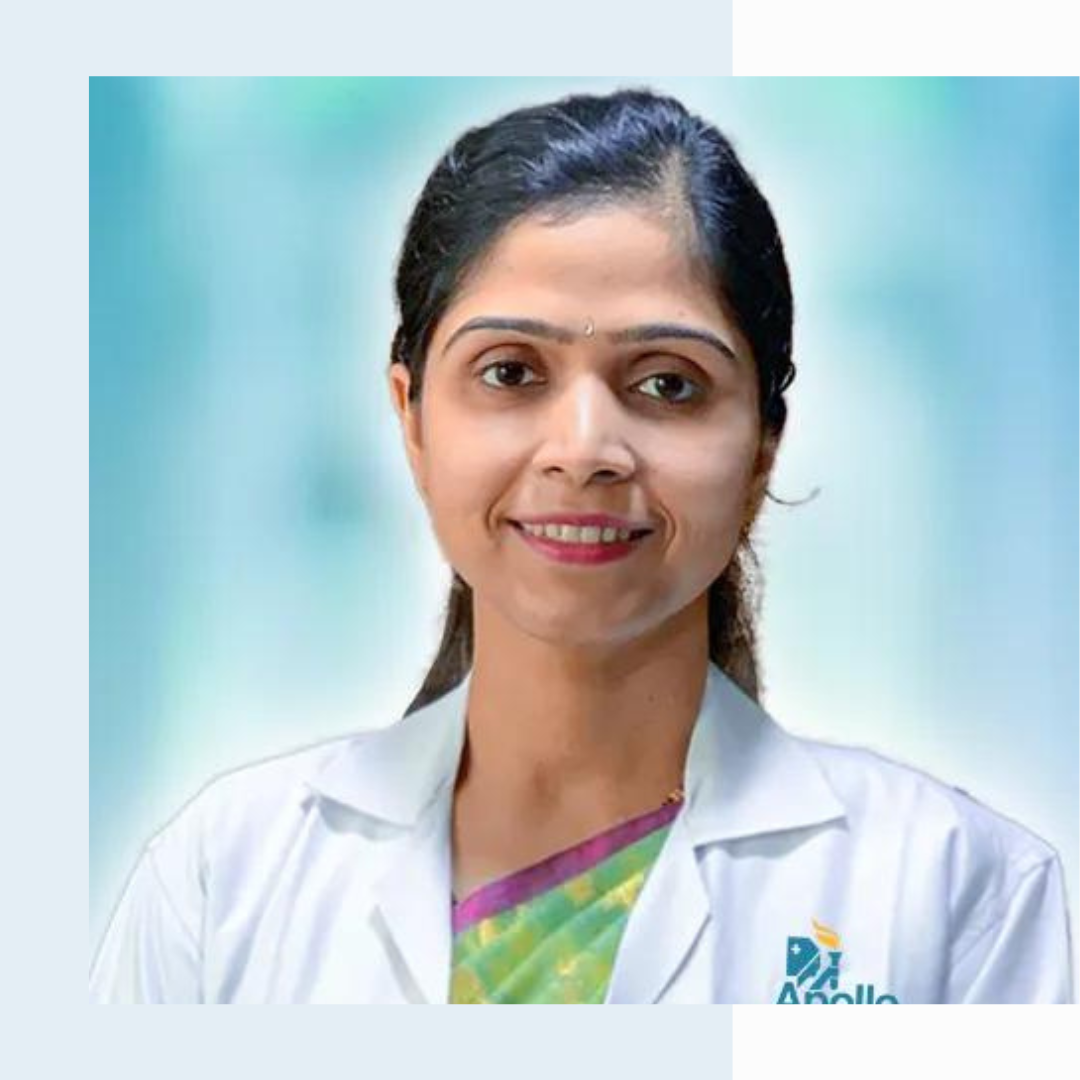
Dr Swati Shah
MS, DrNB (Surgical Oncology)
Urology Cancer Surgeon
Apollo Hospital, Bhat, Gandhinagar · Gota OPD, Ahmedabad · 18 years of experience
IN SHORT
Your outlook depends mainly on how deep the cancer has grown and how it looks under the microscope. Early, shallow growths do well for most people.
Many shallow bladder cancers come back in the bladder. That is why regular camera checks matter as much as the first operation.
Quitting tobacco is the single habit that most changes what happens next.
This post is about the road after diagnosis. For the full range of treatment, see our guide to bladder cancer treatment in Ahmedabad.
Four findings in your tissue report shape the outlook. They are the depth, the grade, the number of growths and any flat, high-grade patch.
Your report puts you in a risk group, and the plan follows from it. Our page on what Ta, T1 or T2 means in a bladder cancer report explains the terms.
Yes, and it is common. A shallow growth that returns is not a sign that treatment failed. It is the usual nature of this cancer, which is why checks are planned for years.
Shallow cancers that return are managed the same way as before. A return does not by itself mean the bladder must be removed.
Cancer in the bladder muscle is more serious, and treatment is firmer. Many people are still treated with the aim of keeping the cancer away for good.
No online page can give you a personal forecast. Your outlook is read from your own reports by the team treating you.
Checks are most frequent in the first two years, then spread out. The exact gap depends on your risk group.
| Situation | Usual check | Rhythm |
|---|---|---|
| Low risk shallow growth | Camera test | Early, then at long gaps if clear |
| Intermediate or high risk shallow growth | Camera test and urine cytology | Every few months at first, then less often |
| After bladder removal | Scans, blood tests, vitamin B12 | Regular visits for years, then yearly |
| After radiation with chemotherapy | Camera test, urine cytology, scans | Close at first, then spaced out |
| Kidneys and their tubes | Scan with dye | Yearly in higher risk groups |
After a TURBT, most people return to usual life within a few days to weeks. After bladder removal, life changes more, and it takes planning and time.
For problems that can follow treatment, see recovery and complications after bladder removal.
You cannot control the type of cancer you have. You can control tobacco, water intake and whether you keep every check.
Call the clinic the same day if you notice any of the signs below.
No. Many people stay clear. But shallow growths return often enough that planned checks continue for years, and they should not be skipped.
Not in most shallow cancers, which are treated through the urine passage. Removal is advised mainly when the cancer is in the muscle, or when a high-risk growth keeps returning despite treatment.
Most people settle into a steady routine after a few months. Work, travel and family life continue, with some changes that your team will explain beforehand.
Yes. Tobacco is the clearest known link to this cancer. People who stop reduce the chance of new growths.
No. A clear test is good news, but the check is repeated at planned gaps. The gaps grow longer if you stay clear.
Dr Swati Shah sees patients at the Gota clinic in Ahmedabad and plans surgery at Apollo Hospital, Bhat, Gandhinagar.
Selected videos, reviews and anonymised case summaries from Dr Swati Shah’s bladder cancer practice, shared for patient education. Every patient’s plan is individual, and a past case does not predict an individual result.
In this case, laparoscopic surgery was performed for bladder cancer, with careful dissection and safe removal of the tumour specimen. Minimally invasive techniques may offer smaller incisions, less postoperative pain and earlier mobilisation, although suitability depends on the cancer type, stage, location and the patient’s general health.
Treatment of urinary bladder cancer. An educational video on how treatment options are matched to stage and grade.
What is bladder cancer? An educational video that explains the condition in simple terms.
A patient shares his story after treatment for bladder cancer (in Hindi).
A patient shares his experience after radical cystectomy with neobladder reconstruction.
A patient shares his recovery after radical cystectomy with neobladder.
“My relative underwent robotic surgery for bladder cancer with new bladder (neobladder) reconstruction by Dr. Swati. The surgery and recovery were smooth. She is very supportive.”
Google review, name withheld
“Dr. Swati’s approach to urinary bladder cancer treatment is thorough, evidence-based, and very patient-centric. She explains every step clearly. She did bladder removal and my father is fine now.”
Google review, name withheld
“I was operated and the surgery was done with great care. She explained everything clearly, guided us through each step, and gave full confidence throughout the treatment.”
Google review, name withheld
Reviews are shortened for length. Each is published in full on the Google reviews page.
Read Google ReviewsA 32-year-old woman had three months of painless haematuria. A 3.5 cm high-grade tumour invaded the muscle layer (cT2). Because of her age, the aim was complete cancer removal with internal reconstruction to preserve long-term urinary function.
A 68-year-old man had recurrent haematuria for two months. A prior TURBT confirmed muscle-invasive, high-grade papillary urothelial carcinoma, and robotic radical cystoprostatectomy with ileal conduit was planned.
Details are anonymised and shown for education only. A past case does not predict an individual result.
Watch More Case SummariesBrowse the Case LibraryConsultations at the clinic at Gota, Ahmedabad. Surgery at Apollo Hospital, Bhat, Gandhinagar.
Back to the main guide: Bladder cancer treatment in Ahmedabad.
Finished treatment and now wondering what the years ahead will look like? Or just told you have bladder cancer and afraid to ask? Dr Swati Shah, a urology cancer surgeon, answers these questions in plain words. Come with your reports and ask anything. Call For Appointment Book on WhatsApp Tapping Book on WhatsApp will likely open the WhatsApp app on your phone.
Tapping Book on WhatsApp will likely open the WhatsApp app on your phone.
Swasth Parivar: every week, practical advice on recovery, diet and warning signs. No advertising. Stop any time.
Your number is used for these updates and for the clinic to reach you. It is never sold or passed on. To stop, reply STOP on WhatsApp.