WhatsApp

Kidney Cancer Surgery in Ahmedabad by Uro Oncologist

Dr Swati Shah - Providing Kidney Cancer Surgery in Ahmedabad

Shah’s Gastro, Cancer & Robotic Surgery Centre

SF-203 (Second Floor), Olive Greens, Sarkhej - Gandhinagar
Hwy, Gota, Ahmedabad, Gujarat, India 382481

Apollo Hospital International Limited

Plot No. 1 A, Apollo Hospital International Limited, GIDC Bhat, Industrial Estate, Gandhinagar, Gujarat 382428

Dr Swati Shah - Providing Kidney Cancer Surgery in Ahmedabad
Best-robotic-Kidney-cancer-treatment-in-ahmedabad
Kidney cancer surgery helps remove kidney tumours safely while preserving healthy kidney function whenever possible. Dr. Swati H. Shah is a Uro Oncologist in Ahmedabad with over 18 years of experience as a kidney cancer surgeon and more than 12 years of experience in robotic cancer surgery, performing both partial and radical nephrectomy for kidney tumours.
 
As a leading Uro-Oncologist, she has achieved a 5/5 patient review rate on Google through 3K+ successful surgeries and care for 11K+ happy patients. Dr. Shah specializes in three surgical types – Open, Laparoscopic, and Robotic – committed to providing good oncological outcomes, i.e., margin-free surgery, as well as better healthy kidney functional outcomes.

Dr Swati Shah, MS, DrNB (Surgical Oncology), Uro-Gynec Oncologist, performs radical and partial nephrectomy for kidney cancer — open, laparoscopic and robotic — at Apollo Hospital, Bhat, Gandhinagar. Consultations at Shah’s Gastro, Cancer & Robotic Surgery Centre, Gota, Ahmedabad.

Where to get help

Dr Swati Shah, MS, DrNB (Surgical Oncology), performs kidney cancer surgery at Apollo Hospital, Bhat, Gandhinagar.

This page is for patients living near Ahmedabad. Coming in from another state is a bit different. You can read about kidney cancer surgery for patients from outside Gujarat on that page. Bring your reports. Second opinions are welcome.

More on kidney cancer

Call +91 63590 11009
Ask on WhatsApp

Last updated: 5 October 2026

Part of Dr Swati Shah's uro-oncology service. This page covers kidney cancer surgery. Dr Swati Shah is a uro-oncologist: she operates on cancers of the kidney, bladder, prostate, testis and penis, and does not treat stones or other non-cancer urology. See every urological cancer she treats: Uro-oncologist in Ahmedabad.

Robotic Kidney Cancer Surgeon in Ahmedabad, India

Dr. Swati Shah

Robotic Kidney Cancer Surgeon in Ahmedabad, India
Dr. Swati Shah has extensive experience specializing in robotic kidney cancer surgery, performing both partial and radical nephrectomy for kidney tumours. She ensures optimal oncological outcomes through margin-negative tumor removal, while maximizing the preservation of healthy kidney tissue for long-term renal function.

Dr Swati Shah's training and experience in kidney cancer surgery

Dr Swati Shah is a uro-oncologist in Ahmedabad with 18 years of experience. She has performed more than 100 robotic kidney operations and has operated at the robotic console since 2013. She trained in general surgery at Maulana Azad Medical College and for three years in surgical oncology (DrNB) at Rajiv Gandhi Cancer Institute, New Delhi, under a senior uro-oncologist.

Robotic kidney surgery since 2013

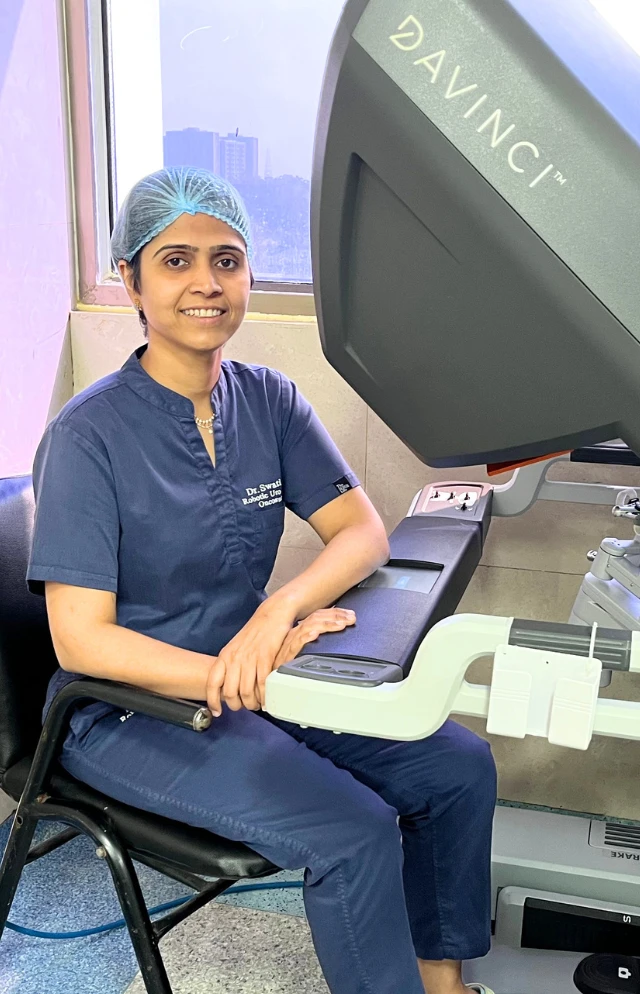
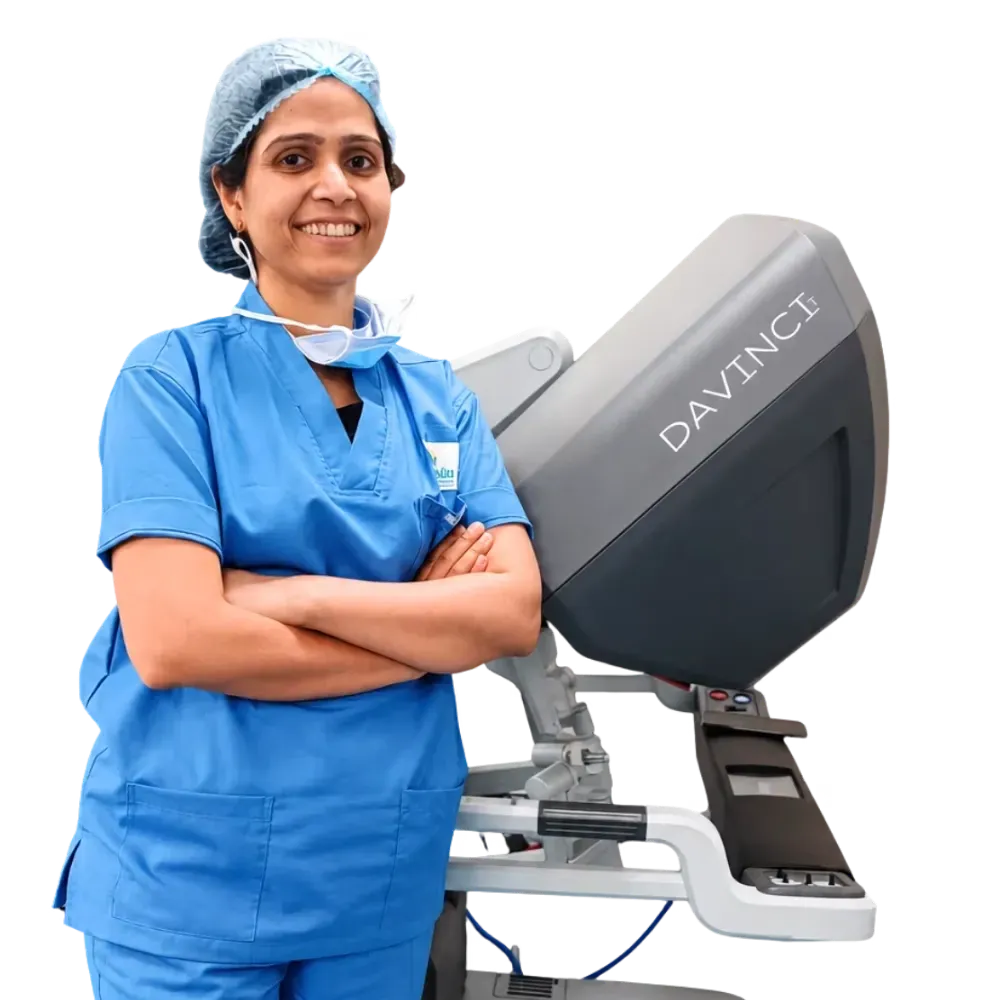
Dr Swati Shah began robotic surgery in 2013 on the da Vinci Si, and has used the da Vinci Xi since 2018. Her robotic kidney work counts more than 100 operations. Across all robotic cancer surgery for urological and gynaecological cancers, her experience is about 650 operations.

She operates on the kidney by robotic, laparoscopic or open surgery. The approach is chosen by the tumour's anatomy, its extent and the patient's health, not by the technology alone.

Where Dr Swati Shah trained

  • MS (General Surgery), Maulana Azad Medical College, New Delhi (2008 to 2011): kidney cancer cases, radical nephrectomy, laparoscopic nephrectomy and other kidney operations, along with bladder, testicular and penile cancer.
  • DrNB (Surgical Oncology), Rajiv Gandhi Cancer Institute, New Delhi (2013 to 2016): three years of training with wide exposure to uro-oncology, including large and advanced kidney tumours, partial and radical nephrectomy, tumours with enlarged retroperitoneal lymph nodes, renal vein and IVC tumour thrombus, recurrent kidney tumours, tumours involving nearby organs such as the colon, and metastatic kidney cancer.
  • Dedicated uro-oncology training under a senior uro-oncologist, covering open, laparoscopic and robotic surgery.

Kidney tumours she treats

  • Small renal masses
  • Localised kidney tumours
  • Complex renal masses
  • Large kidney tumours
  • Hilar and central tumours
  • Endophytic tumours (deep inside the kidney)
  • Tumours close to the main kidney vessels
  • Multifocal tumours
  • Tumours in both kidneys
  • Tumours in a single (solitary) kidney
  • Kidneys operated on before
  • Recurrent kidney tumours
  • Renal vein and IVC tumour thrombus
  • Locally advanced kidney cancer
  • Tumours involving nearby organs
  • Selected metastatic kidney cancer

Patients come to her mainly from Gujarat, Madhya Pradesh and Rajasthan, and some from Africa.

Last updated: 6 October 2026

Google Reviews

Our Happy Patients!

My relative recently underwent robotic surgery for kidney cancer under the care of Dr. Swati Shah, and the experience was exceptional. Dr. Swati’s precision, confidence, and calm approach made a huge difference. She explained everything clearly, guided us at every step, and handled the surgery with outstanding skill. The robotic technique meant smaller cuts, less pain, and a much faster recovery than we expected. We are truly grateful to Dr. Swati Shah for her expertise in robotic kidney cancer surgery and highly recommend her for kidney cancer treatment.
Google Reviews of Dr Swati Shah

Paresh Undhad

Patient

Really very happy to see fast recovery after surgery of kidney tumour and half kidney was removed and remaining saved successfully had done by Dr swati shah….feeling very good now. I am absolutely fine after next day of surgery ,food intake and everything started. Now I am discharged .Thank u so much ma’am. Dr swati shah is best uro (kidney) cancer surgeon in Ahmedabad. Thank you mam.
Google Reviews of Dr Swati Shah

Arun Gandhi

Patient

My husband had been operated by Dr Swati shah.she is very calm and polite in nature.she is best doctor in ahmedabad for kidney tumour.Thank u so much mam.
Google Reviews of Dr Swati Shah

Lalita Chhipa

Patient

Video Testimonials

Success Stories

Learning Point

What is Kidney Cancer? A Uro Oncologist Explains

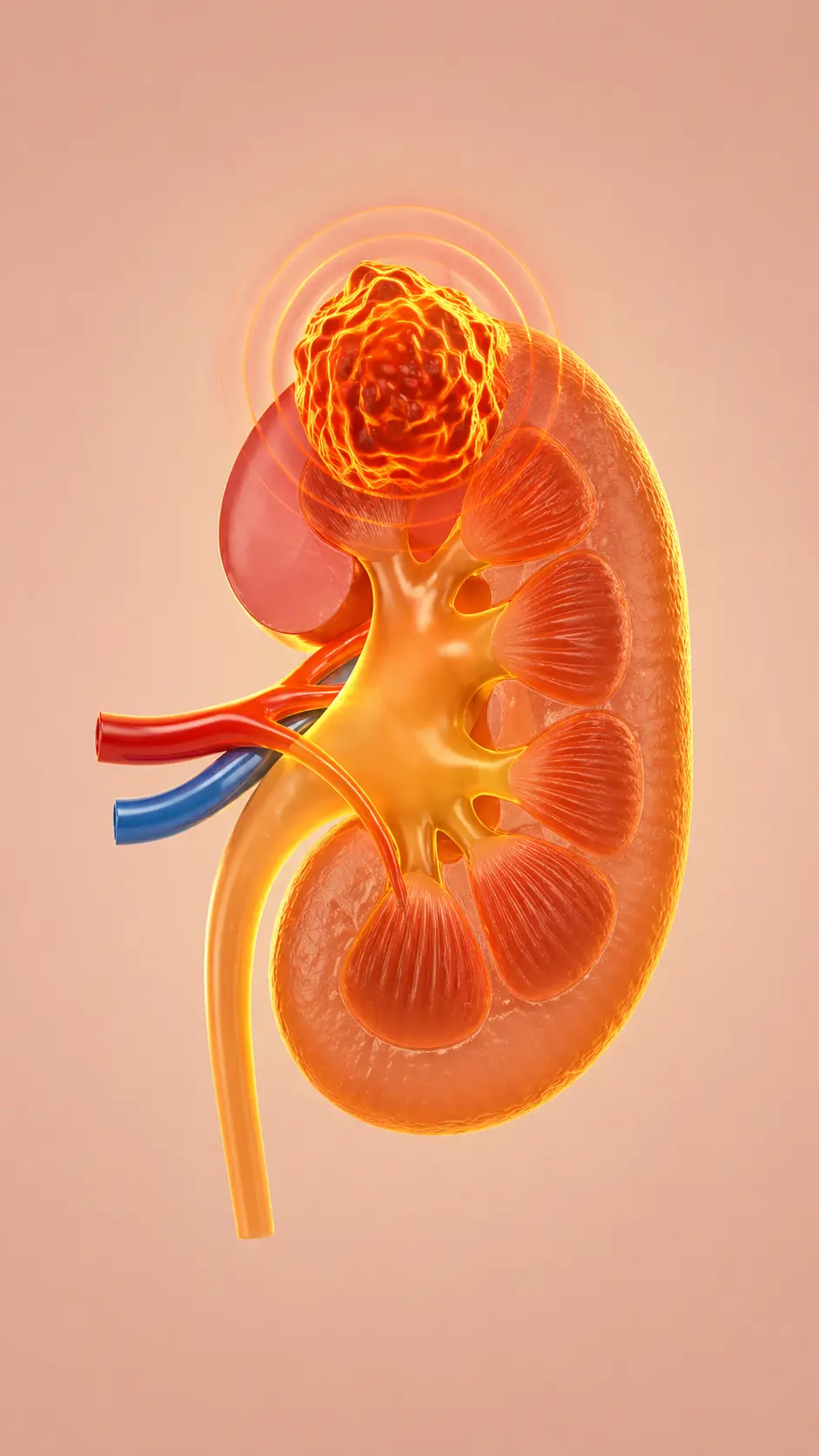
Kidney cancer is a disease where harmful cells grow out of control in the kidneys, two bean-shaped organs in your lower back that filter your blood.
 
While some tumors grow slowly, others can be fast-spreading and reach other body parts if not treated quickly. Because there are rarely any warning signs or pain in the early stages, routine check-ups are the best way to catch it early and achieve a complete cure through modern robotic surgery.

Myths vs. Facts

Wrong beliefs about kidney tumors often cause people to delay life-saving treatments. Many patients in Ahmedabad worry that getting treated means losing their entire kidney or facing a very painful recovery. To help you make confident health choices, Dr. Swati Shah clears up these common fears with real medical facts.
The Myth The Fact
"I have no back pain or blood in my urine, so my kidneys are fine." Early-stage kidney cancer is usually "silent" and shows no signs. By the time pain or visible blood appears, the tumor may have already grown. Routine ultrasound check-ups are the best way to catch it early.
"Kidney cancer only happens to very old people." While risk increases with age, it is increasingly common in adults in their 40s and 50s, especially those with high blood pressure, obesity, or a family history. Younger patients often benefit the most from early intervention.
"My ultrasound showed a kidney cyst, so it must be cancer." Simple water-filled cysts are very common and usually harmless. A cyst is a "finding," not a cancer diagnosis. Dr. Shah uses advanced imaging (CT scan or MRI) to confirm if a mass is actually a solid tumor needing treatment.
"If I have a tumor, the doctor must remove my entire kidney." With modern Robotic-Assisted Surgery, Dr. Shah can perform a "Partial Nephrectomy." This means she precisely removes only the tumor while saving the rest of your healthy kidney, protecting your long-term health.
"Kidney surgery means a massive cut and months of bed rest." Robotic technology allows for "Keyhole" surgery. By using tiny cuts instead of a large open wound, patients experience much less pain, less bleeding, and can usually return to their normal lives within a few weeks.
"Kidney cancer is always a death sentence." If caught early and treated with precision robotic surgery before it spreads, the long-term survival rate is extremely high. It is a highly curable disease when managed by an expert uro-oncologist.

Educational Bytes

How is kidney cancer diagnosed and treated by a Uro Oncologist?

How is kidney cancer diagnosed?

Diagnosis usually begins with an Ultrasound or CT Scan of the stomach area. If a suspicious mass is found, an MRI or specialized scan may be done to confirm the size and exact location of the tumor before deciding on surgery.

How is the right kidney cancer treatment chosen by a Uro Oncologist?

Dr. Swati Shah decides on the best treatment by looking at the size and stage of the tumor and your overall kidney health. The main goal is to safely remove the cancer while saving as much of your healthy kidney as possible.

What treatment options are available for kidney cancer?

A Multi-Disciplinary Team (MDT) of medical experts reviews your reports to suggest the best path, which is usually Robotic Surgery, or sometimes targeted therapy for advanced cases. This team approach ensures you get the safest and most effective treatment plan.

Who is a candidate?

Surgery is the best option for patients whose cancer is contained within the kidney or nearby tissues. It is the top choice for treating kidney tumors and provides the highest chance of a permanent cure.

What is robotic partial nephrectomy for kidney cancer?

This advanced procedure involves removing only the tumor while keeping the rest of the healthy kidney intact. Dr. Shah uses specialized robotic tools to ensure precise cancer removal while protecting your long-term kidney function.

What recovery and outcomes can patients expect?

Most patients achieve excellent cancer control and high survival rates after robotic kidney surgery. Thanks to small incisions, patients experience early recovery, can usually walk within 24 hours, and quickly return to their normal daily routines.

Types of Kidney Tumours

Kidney Tumour Surgery

Laparoscopic Surgery

Laparoscopic-Surgery

Robotic Surgery

Robotic-Surgery-For-Kidney-Cancer

Kidney preservation first, when it is safe: partial and radical nephrectomy

Cancer control comes first. When it is safe for the cancer and technically possible, Dr Swati Shah removes only the tumour and keeps the rest of the kidney (partial nephrectomy, also called nephron-sparing surgery). When the tumour is too large, too central or too advanced, she removes the whole kidney (radical nephrectomy).

How the choice is made

Partial nephrectomy is weighed against these points:

  • Tumour size and position
  • How much of it sits inside the kidney (endophytic or exophytic)
  • Central or hilar position
  • Closeness to the kidney's blood vessels
  • Closeness to the urine-collecting system
  • Anatomical complexity (nephrometry) where relevant
  • Kidney function before surgery
  • A single kidney, or tumours in both kidneys
  • More than one tumour in the kidney
  • Previous kidney surgery
  • The cancer's overall behaviour

Complex partial nephrectomy

Her experience includes partial nephrectomy for difficult tumours, which needs renal hilar dissection and vascular control, selective clamping or early unclamping where suitable (to keep warm ischaemia short), removal of the tumour with a clear margin, repair of the collecting system, and reconstruction of the kidney (renorrhaphy).

Video: robotic partial nephrectomy, from Dr Swati Shah's YouTube channel.

Radical nephrectomy

She performs radical nephrectomy by open, laparoscopic and robotic surgery, including extended radical nephrectomy, nephrectomy with lymph-node dissection, nephrectomy for large or recurrent tumours, nephrectomy with removal of tumour thrombus from the veins, and, in selected cases, nephrectomy with surgery on nearby organs.

Last updated: 6 October 2026

Comparison

Which is better for kidney cancer: robotic or laparoscopic surgery?

Robotic and laparoscopic kidney cancer surgeries are both minimally invasive, but robotic surgery can offer greater precision for complex tumours. This table compares their safety, recovery, surgical control, and kidney-saving benefits to help patients understand the difference clearly.
Feature Robotic-Assisted Surgery Laparoscopic Surgery
Incision Size 4–5 Tiny Keyholes (8mm each) Small keyhole incisions (similar size)
Surgical Vision 3D High-Definition (15x Magnification) Standard 2D Camera View
Instrument Dexterity Fully articulated wrists (360-degree rotation) Rigid, straight instruments with limited motion
Surgeon Control Seated console with tremor filtration for maximum precision Standing at the operating table (more physically demanding)
Kidney Saving (Precision) Highly Precise (Ideal for complex tumors while saving healthy kidney tissue) Good, but may be limited for highly complex or hard-to-reach tumors
Recovery Time Fastest (Usually walking within 24 hours) Fast (Comparable, but slightly longer depending on the case)
Cost May involve higher upfront costs due to advanced technology Generally lower cost
Call For Appointment Today Dr Swati Shah A Kidney Cancer Uro Surgeon In Ahmedabad
For any advanced kidney cancer treatment, robotic surgery, or complex uro oncology care, expert care is available at Shah’s Gastro, Cancer & Robotic Surgery Centre and Apollo Hospital. Contact us below to book your appointment.

Shah’s Gastro, Cancer & Robotic Surgery Centre

Apollo Hospital International Limited

Call For Appointment Today Dr Swati Shah A Kidney Cancer Uro Surgeon In Ahmedabad

Trusted Name

Why Choose Dr. Swati Shah as Your Uro Oncologist?

Choosing the right kidney cancer surgeon and Uro Oncologist in Ahmedabad is the most important step toward a fast recovery and a cancer-free future. By using the latest robotic kidney surgery, Dr. Swati Shah offers highly precise treatment that safely removes the tumor, saves your healthy kidney, and protects your quality of life.
Choosing the right kidney cancer surgeon and Uro Oncologist in Ahmedabad is the most important step toward a fast recovery and a cancer-free future.
 
By using the latest robotic kidney surgery, Dr. Swati Shah offers highly precise treatment that safely removes the tumor, saves your healthy kidney, and protects your quality of life.
Proven Expertise

Proven Expertise

Advanced Procedures

Advanced Procedures

Excellent Outcomes of Dr Swati Shah - Robotic Prostate Cancer Surgery

Excellent Outcomes

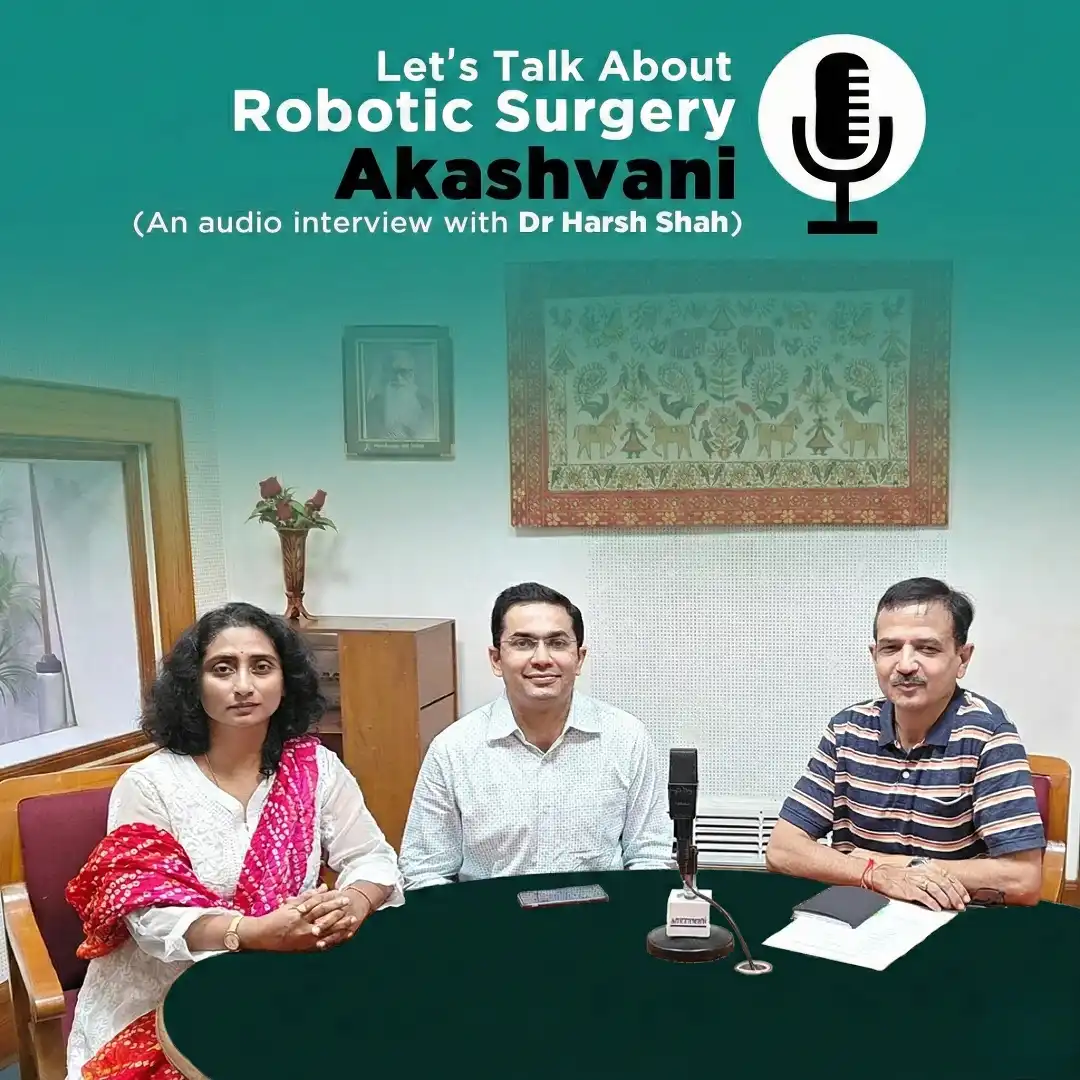
Dr Harsh Shah On Akashvani Topic Robotic Surgery

Proven Expertise

Case Reports

What kidney cancer cases and surgical journeys has Uro Oncologist Dr. Swati Shah managed?

Robotic Right Partial Nephrectomy and Bilateral Inguinal Hernia Repair for Complex Renal Mass

Robotic Right Partial Nephrectomy And Bilateral Inguinal Hernia Repair For Complex Renal Mass

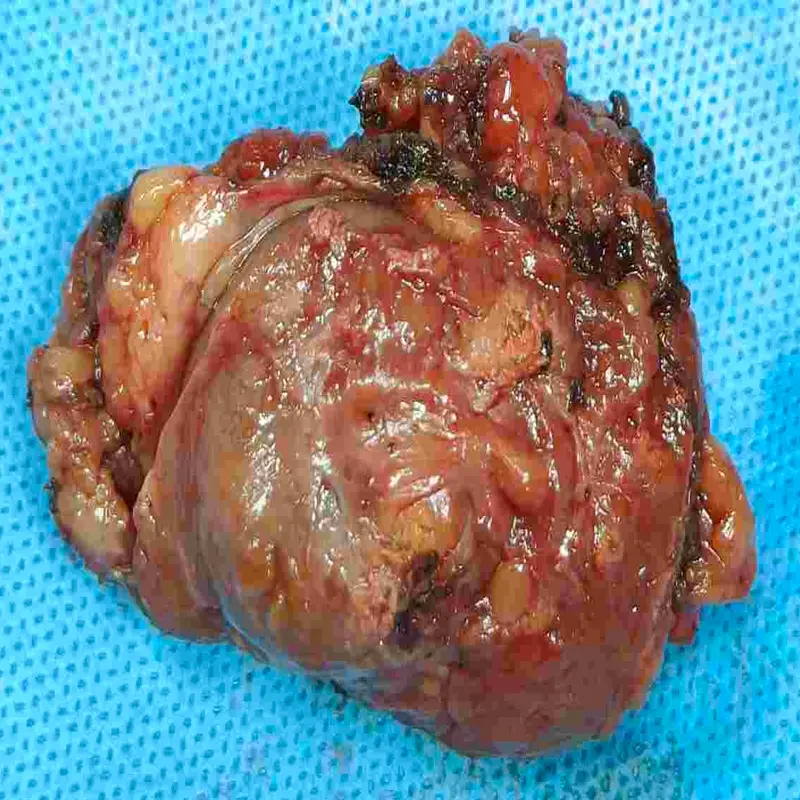
A 66-year-old male presented with a symptomatic 3.5 cm renal mass and bilateral inguinal hernias. Imaging suggested potential renal cell carcinoma, necessitating precise surgical intervention to preserve renal function while ensuring complete tumor eradication. The combined presentation required a sophisticated, multi-disciplinary approach to address both the oncological and abdominal concerns.

Laparoscopic Radical Nephrectomy and Lymph Node Dissection for High-Complexity Renal Cell Carcinoma

Laparoscopic Radical Nephrectomy And Lymph Node Dissection For High Complexity Renal Cell Carcinoma

A 64-year-old male presented with persistent pain and weight loss, leading to the diagnosis of a high-complexity left renal solid cystic mass. The lesion was identified as a potentially aggressive renal cell carcinoma, showing heterogeneous enhancement and requiring urgent surgical intervention to prevent further disease progression.

Advanced Radical Nephrectomy and IVC Thrombus Resection for Complex Renal Cell Carcinoma

Advanced Radical Nephrectomy And Ivc Thrombus Resection For Complex Renal Cell Carcinoma

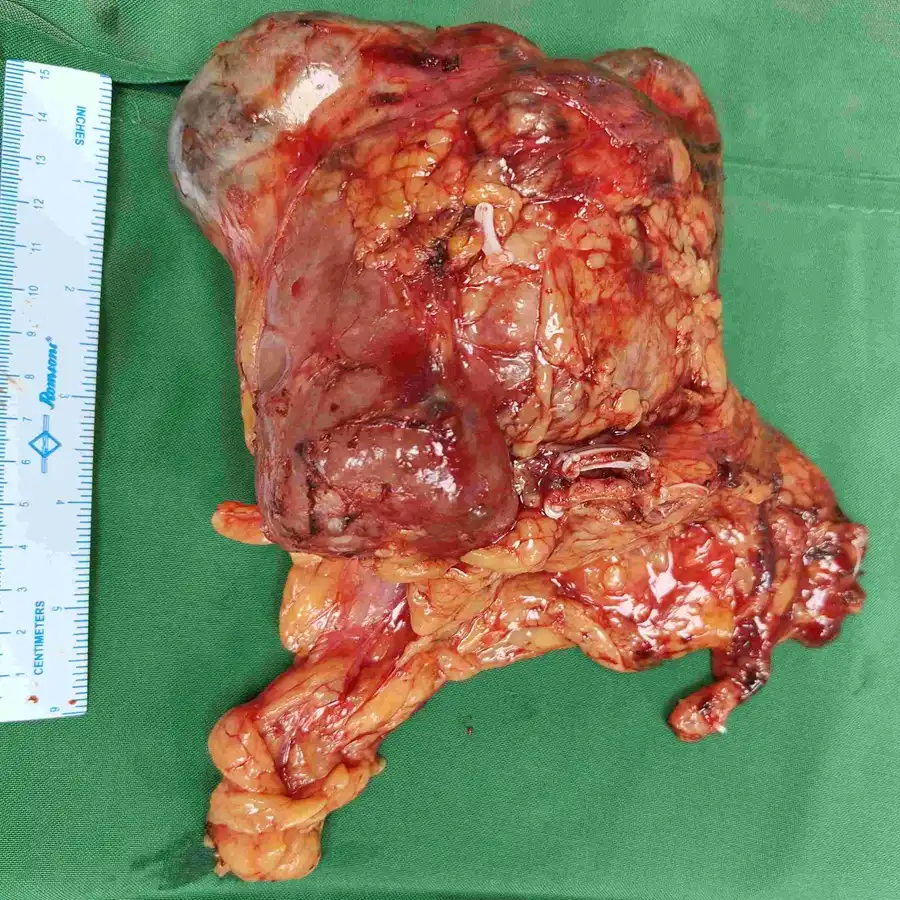
A 49-year-old male presented with a massive, non-functioning left renal mass measuring over fourteen centimeters. The cancer had aggressively invaded the left renal vein, forming a perilous thrombus extending directly into the inferior vena cava. This highly complex anatomy required immediate, meticulous surgical intervention.

Complex and advanced kidney cancer

Dr Swati Shah operates on kidney tumours that are difficult because of where they sit, how far they have spread, or previous surgery: tumours growing into the renal vein or the inferior vena cava (IVC), recurrent tumours, tumours involving nearby organs, and selected metastatic kidney cancers. Each of these is planned case by case, often with other specialists.

Renal vein and IVC tumour thrombus

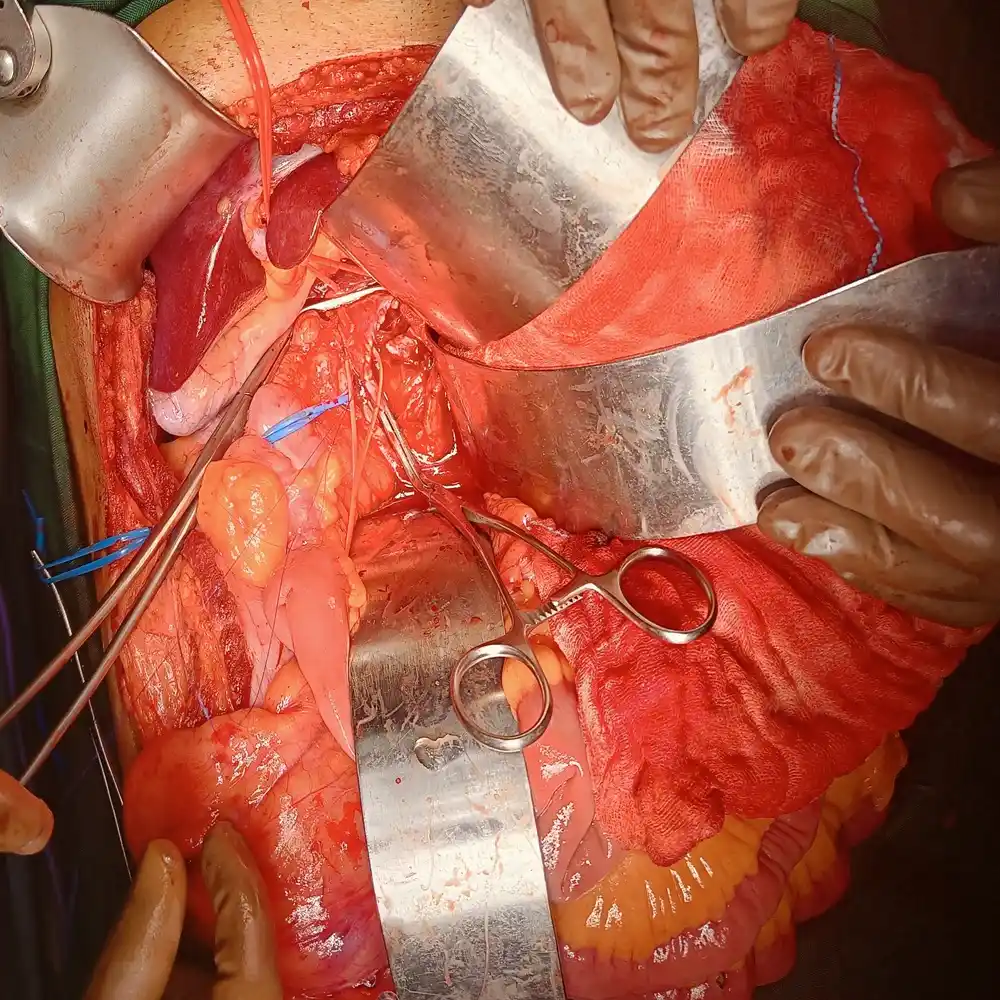
Some kidney cancers grow into the renal vein and on into the IVC, the large vein that returns blood to the heart. Dr Swati Shah personally performs different types of IVC thrombus surgery: renal vein thrombus, IVC thrombus including Level II and more extensive thrombus, and removal of the thrombus as part of radical nephrectomy. Her experience includes Level IV thrombus reaching towards the heart, managed together with a multidisciplinary team.

Locally advanced and recurrent kidney tumours

  • Tumours touching or involving major blood vessels
  • Tumours with enlarged retroperitoneal lymph nodes
  • Tumours involving nearby structures: in her cases these have included the colon, the pancreas and spleen region, the adrenal region, the diaphragm and major retroperitoneal vessels
  • Tumours that came back after earlier kidney surgery, where scarring and changed anatomy make the operation harder

Not every kidney cancer needs this kind of surgery. These are described case by case, from her own patients.

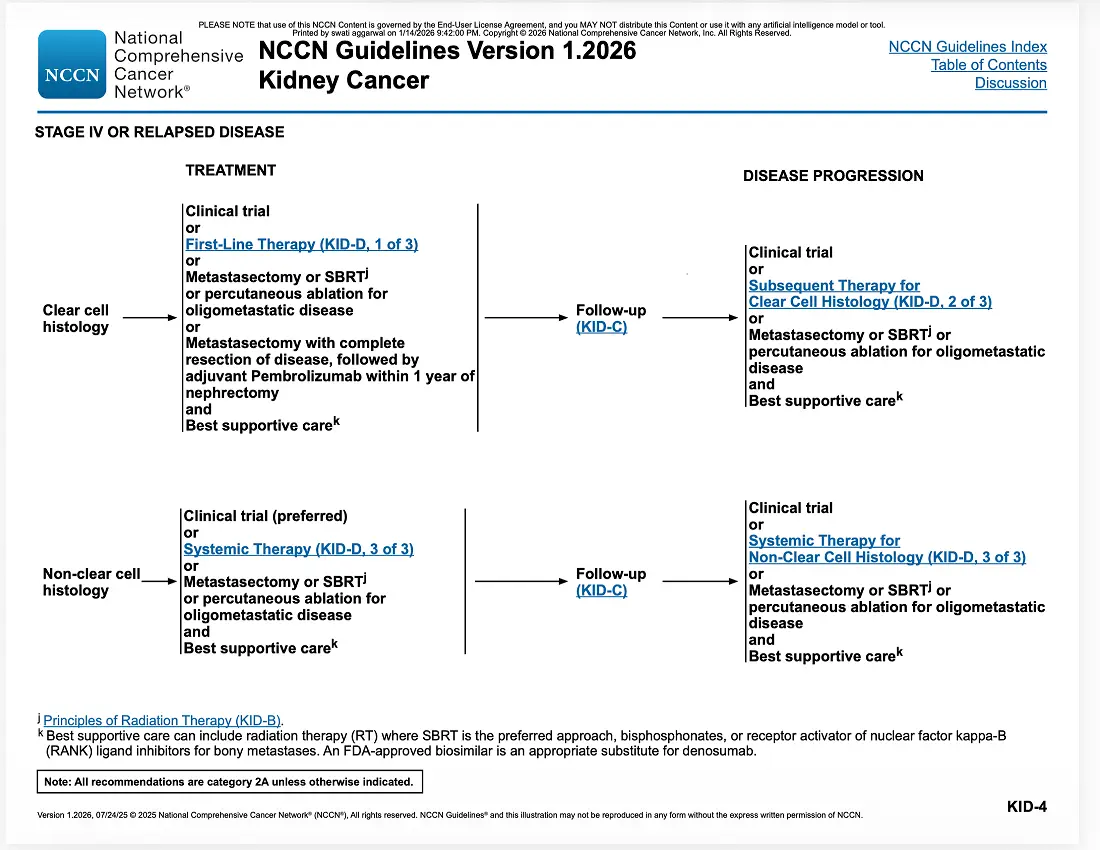
Metastatic kidney cancer

For selected patients whose kidney cancer has spread, surgery can be one part of a treatment plan made by a multidisciplinary team. It is not suitable for every patient with metastatic kidney cancer, and the decision is made individually.

See her kidney cases and patients' experience

Kidney cancer case libraryCase summaries

The case library covers robotic and complex partial nephrectomy, robotic, laparoscopic and extended radical nephrectomy, large and recurrent tumours, renal vein and IVC thrombus, and tumours involving nearby organs.

Last updated: 6 October 2026

Patient Feedback After Surgery

Which advanced robotic kidney cancer procedures are available?

The Technology

How is robotic kidney cancersurgery performed by a Uro Oncologist?

Trusted Treatment

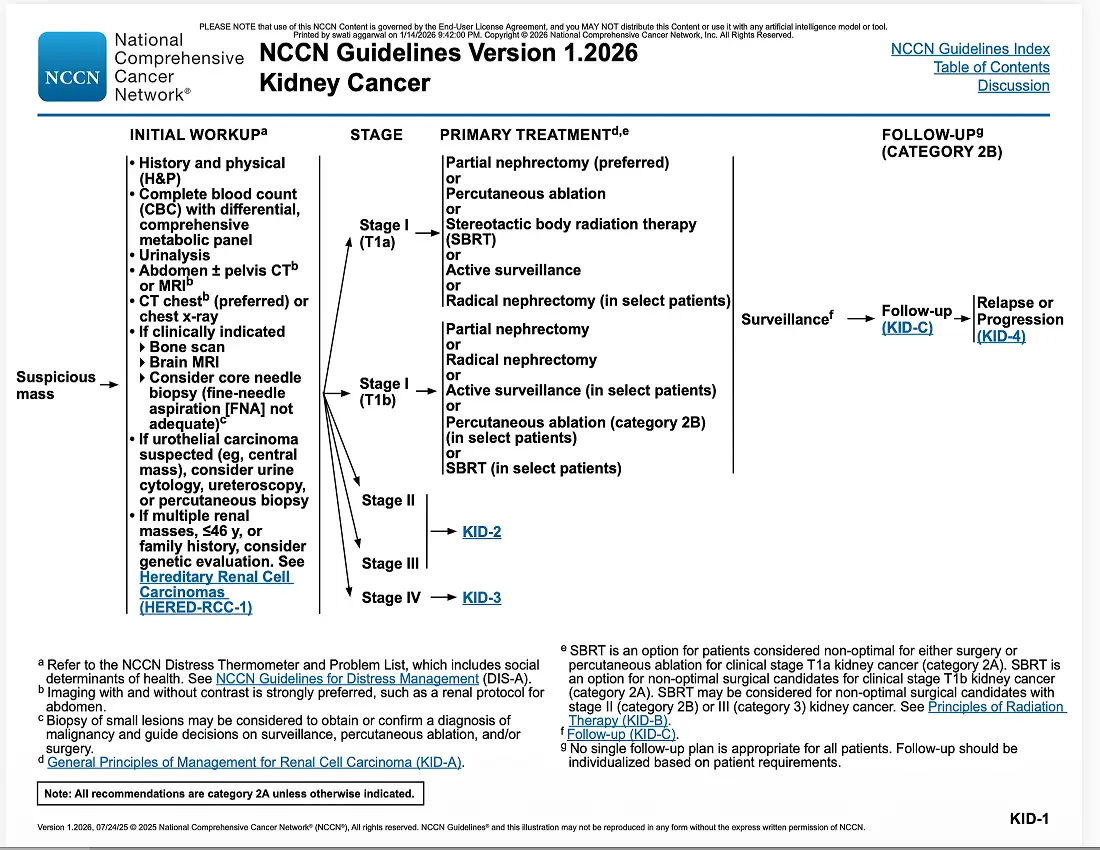
Which guidelines support kidney cancer treatment decisions by a Uro Oncologist?

Which international kidney cancer guidelines are followed?

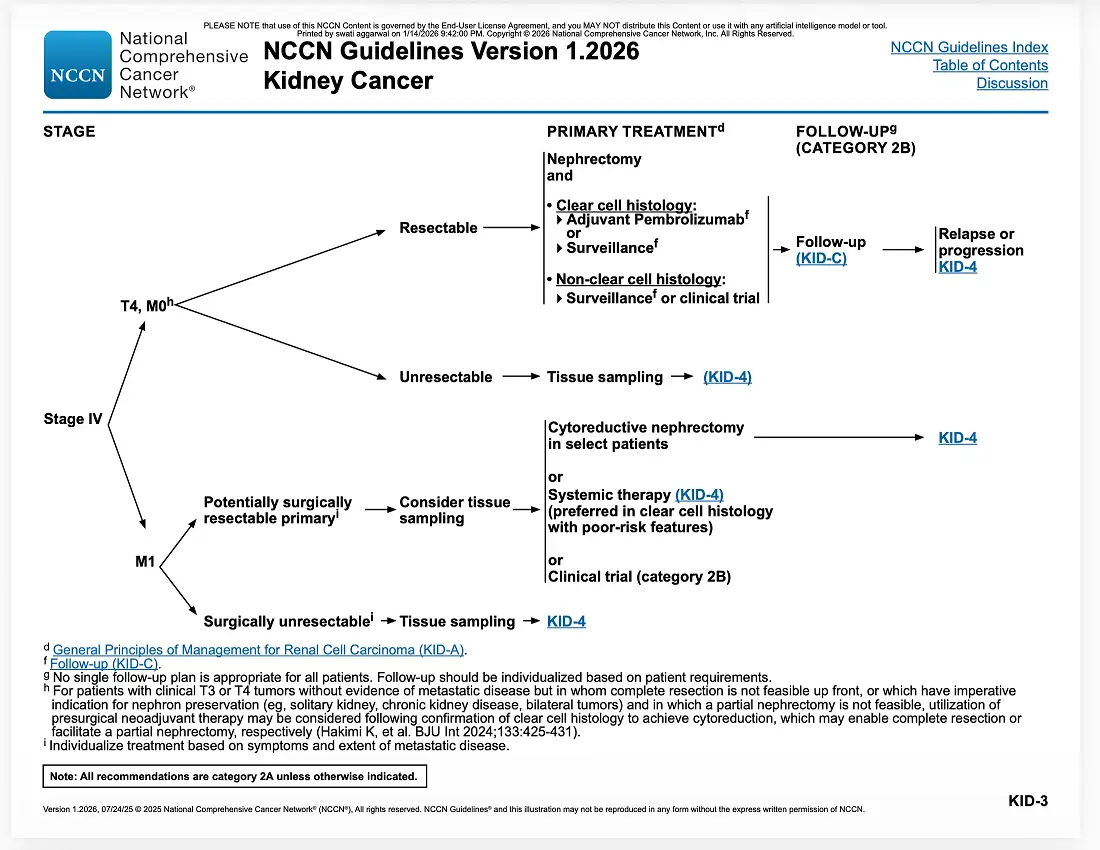
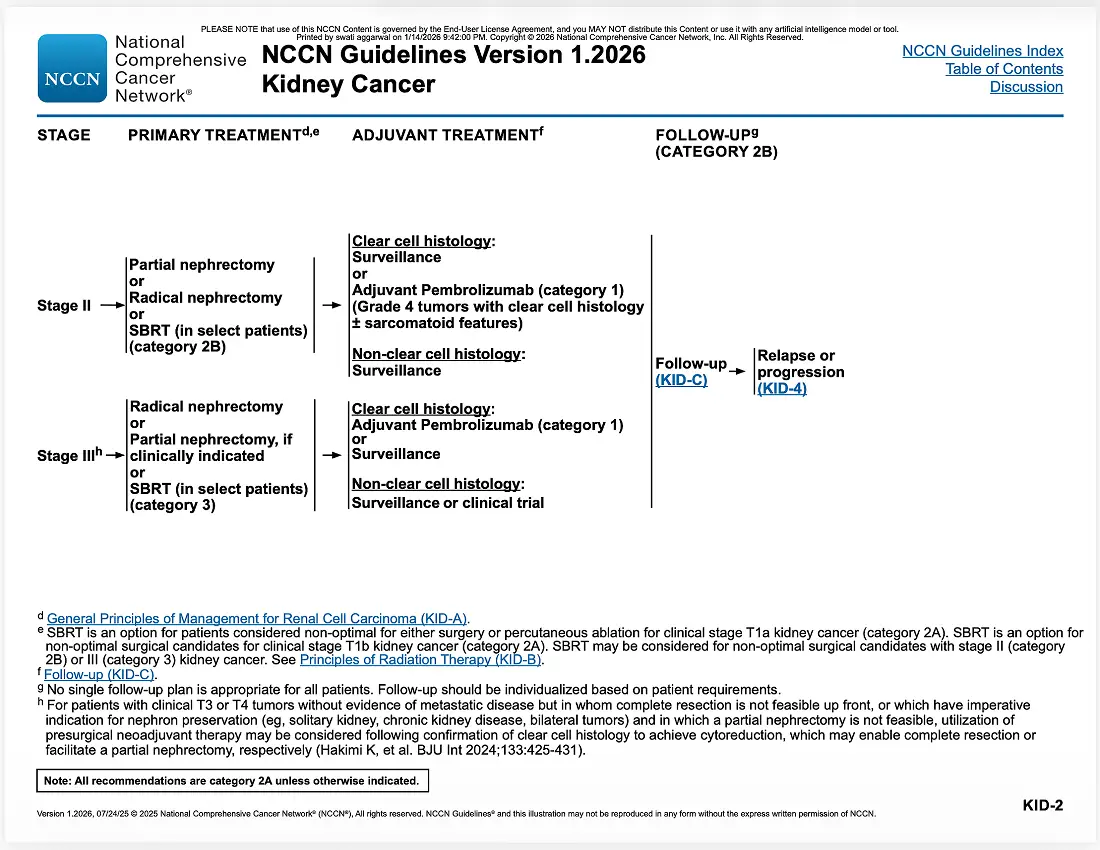
Dr. Swati Shah ensures that your surgery plan strictly matches the latest kidney cancer treatment guidelines from the world’s most respected medical boards. By following these high international standards, she provides patients with the safest, most effective, and scientifically proven treatments available globally.
Tap to read >>

How does Dr. Swati Shah stay updated with modern kidney cancer treatment?

To ensure you receive the safest and most effective care, Dr. Swati Shah actively participates in continuous medical education. By staying updated with the newest real-time breakthroughs in robotic surgery and kidney tumor management, she turns the latest global research into a personalized treatment plan designed for your fast recovery.

Robotic Surgery Training

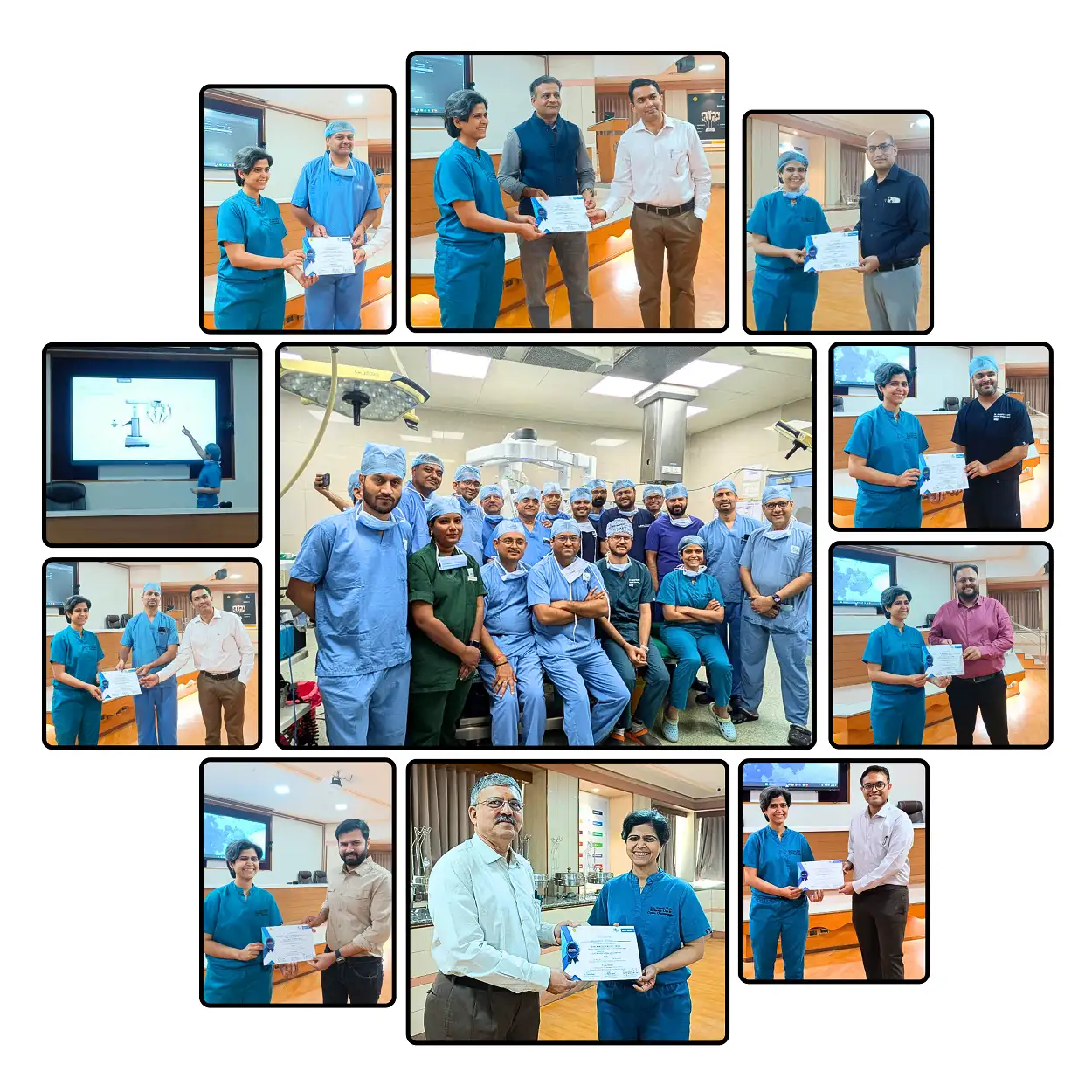
How does Uro Oncologist Dr. Swati Shah train urologists in robotic surgery?

Dr. Swati Shah is a dedicated mentor who provides hands-on robotic surgery training to the next generation of urologists. Her training programs combine in-depth medical theory with live practical sessions, allowing doctors to master the Da Vinci robotic system under her expert guidance. By sharing her 12+ years of robotic expertise, she ensures that more surgeons can offer kidney cancer patients the benefits of high-precision, minimally invasive treatments.
Dr. Swati Shah is a dedicated mentor who provides hands-on robotic surgery training to the next generation of urologists.
 
Her training programs combine in-depth medical theory with live practical sessions, allowing doctors to master the Da Vinci robotic system under her expert guidance.
 
By sharing her 12+ years of robotic expertise, she ensures that more surgeons can offer kidney cancer patients the benefits of high-precision, minimally invasive treatments.
Dr Swati Shah - Providing Training of Robotic Surgery to Urologists in Ahmedabad, India

Teaching, research and multidisciplinary kidney cancer care

Dr Swati Shah teaches kidney cancer surgery to other surgeons, presents her operating videos at surgical meetings, and started two national multidisciplinary meetings, PROM and POINT, where radiologists, pathologists and oncologists discuss kidney tumours together.

Teaching and meetings

  • Faculty at the IASO conference in Kolkata, 2019, on small renal masses.
  • Papers on robotic uro-oncology presented at USICON West Zone 2019.
  • A training workshop for urologists on robotic kidney surgery.
  • Kidney cancer surgery videos presented at surgical meetings in Bhopal, Ahmedabad, Gujarat, Rajasthan and Madhya Pradesh.
  • Webinars showing robotic partial nephrectomy, laparoscopic kidney surgery and radical nephrectomy for doctors in Ahmedabad, Rajkot, Jamnagar, Bhavnagar, Jaipur, Udaipur, Jodhpur, Indore, Ratlam and other cities.

PROM and POINT

PROM (Radiology and Oncology Meeting) brings radiologists and oncologists together to read kidney tumour scans: what the tumour is, where it lies, its relation to the vessels and the collecting system, and how to plan the operation. POINT (Pathology, Oncology, Immunology and Novel Therapeutics) brings pathologists and oncologists together on kidney tumour pathology, biology, immunology and new treatments. Both run in person and online, with doctors from across India.

Publication

Dr Swati Shah is an author of "Technique and Intraoperative Strategy for Circumferential Resection of Perirenal Inferior Vena Cava with Bilateral Renal Vein Reconstruction", Indian Journal of Vascular and Endovascular Surgery, 2025. The case was a retroperitoneal dedifferentiated liposarcoma (not a kidney cancer) involving the IVC around the kidneys and both renal veins. It needed removal of the tumour with the IVC in one piece and reconstruction of both renal veins with Y-shaped Dacron grafts to keep blood flowing to the kidneys, with uro-oncology, GI oncosurgery, vascular and anaesthesia teams working together.

Teamwork for complex cases

Complex kidney and retroperitoneal tumours may need planning with radiology, pathology, vascular surgery, gastrointestinal surgery, anaesthesia and medical oncology. The aim is the safest operation that still follows sound cancer principles: cancer control, kidney preservation where possible, and the right surgical approach for each patient.

Last updated: 6 October 2026

Robot-assisted surgery

What is Robotic Surgery?

Robotic surgery is a highly advanced, minimally invasive method where Dr. Swati Shah performs the operation using a sophisticated robotic system. Instead of making a large traditional cut, the surgeon uses tiny “keyhole” openings. Sitting at a specialized console, she controls high-tech robotic arms that act as an extension of her own hands. This offers a level of precision, stability, and flexibility that is much better than traditional human movement, ensuring a highly safe kidney cancer operation.

How does robotic surgery benefit kidney cancer treatment?

Myths vs. Facts: The Truth About Robotic Kidney Surgery

The Myth The Fact
"The robot performs the surgery on its own." The robotic system is 100% controlled by Dr. Swati Shah at all times. It is a high-tech tool that translates her exact hand movements into micro-precise actions inside the body; it cannot move or make decisions without her.
"Robotic surgery is only for young people." Age is not a barrier. Because robotic surgery involves much less blood loss and smaller incisions, it is actually safer for elderly patients (even those in their 70s and 80s) compared to traditional open kidney surgery.
"If I have surgery, I will lose my whole kidney and need dialysis." Modern robotic techniques allow for "Kidney-Sparing Surgery" (Partial Nephrectomy). In most cases, Dr. Shah can precisely remove just the tumor while saving your remaining healthy kidney, keeping your body functioning normally.
"I don't have back pain or blood in my urine, so I am cancer-free." Early-stage kidney cancer is completely "silent" and rarely shows any physical symptoms. Routine ultrasound check-ups or CT scans are the only way to catch it early when it is highly curable.
"Robotic surgery is experimental and risky." Robotic surgery is the global "Gold Standard" for kidney cancer. It is a proven, highly advanced technology that significantly reduces the risk of infection, bleeding, and complications compared to open surgery.

FAQs

Frequently Asked Questions

The exact duration of kidney cancer surgery depends on the tumor’s complexity and the specific method used. By utilizing advanced robotic surgery, the procedure is streamlined for precise, margin-negative removal, allowing most patients to start walking within 24 hours.
Yes, surgery is typically the most effective treatment for removing kidney tumors. Depending on the cancer stage, a surgeon may remove just the tumor or the entire kidney, utilizing robotic surgery for higher precision and a fast recovery.
While it is a major medical procedure, modern advancements have made kidney cancer surgery highly safe. Utilizing minimally invasive robotic techniques reduces trauma and bleeding, significantly lowering risks and allowing patients to safely return home in just 2 to 3 days.
The primary surgical methods include traditional open surgery, standard laparoscopy, and highly advanced robotic surgery. Robotic techniques are often preferred by specialists because they allow for precise, margin-negative tumor removal while maximizing the preservation of healthy kidney tissue.
Large multispeciality cancer hospitals such as Apollo Hospital International Limited, Bhat, Gandhinagar offer immunotherapy for kidney cancer through a multidisciplinary team, when your stage and reports call for it. There, Dr. Swati Shah coordinates advanced surgical treatments alongside medical therapies, with full support for cashless insurance.
Robotic surgery offers significant advantages for removing kidney tumors, providing highly precise, margin-negative results. While the procedure utilizes advanced technology, patients benefit immensely from a remarkably fast recovery and minimal surgical trauma.
Aspect Pros (Benefits) Cons (Drawbacks)
Recovery Time Walking in 24 hours May involve higher upfront costs
Precision Margin-negative tumor removal Requires a highly specialized surgeon
Surgical Trauma Tiny cuts, minimal bleeding Not suited for all advanced tumor stages
Results after kidney cancer surgery depend mainly on the stage and size of the tumour, whether it is still confined to the kidney, and your overall health. When an early-stage tumour is removed completely with clear margins, the long-term outlook is good. At Shah’s Gastro, Cancer & Robotic Surgery Centre, Dr. Swati Shah, a uro-oncologist with 18 years of experience, explains the expected outcome for your stage before surgery.
Recovery from minimally invasive robotic kidney surgery is remarkably fast. Because the procedure is gentle on the body, patients are typically able to start walking within 24 hours and can comfortably return home in just 2 to 3 days.
Different surgical approaches vary significantly in how they are performed and how quickly the patient recovers.
Surgery Type Technique Used Expected Recovery
Robotic Surgery Advanced robotic arms Fast (Walking in 24 hours)
Laparoscopic Standard camera tools Moderate recovery time
Open Surgery Traditional large cut Slower, longer hospital stay
Side effects vary by treatment but can include temporary fatigue or minor pain around the surgical site. However, modern nerve-preserving robotic surgeries drastically minimize complications, ensuring excellent post-operative function for a better quality of life.

Second Opinion

When should you get a second opinion from a Uro Oncologist for kidney cancer?

Why a Second Opinion Matters

A second opinion from a Uro Oncologist for kidney cancer helps confirm whether the safest and most effective treatment plan has been selected. A kidney cancer diagnosis can be overwhelming, and choosing between removing the whole kidney, removing only the tumour, or considering other therapies is a major decision that should be reviewed by a specialized uro oncologist or experienced kidney cancer surgeon.
 
Expert Review by Dr. Swati Shah Dr. Swati Shah offers comprehensive second opinions to help you:

How should you prepare for a kidney cancer second opinion consultation?

You can consult Dr. Swati Shah for a second opinion by bringing your existing medical reports, including:

Get in touch

We provide a 24*7 emergency care.

If you have any kind Uro Cancer related medical emergency, visit Apollo Hospital. An expert doctor is always available & treatment will be provided at once.

5/5 - (25 reviews)

Get health updates from Dr Swati Shah on WhatsApp

Swasth Parivar: twice a month, practical advice on recovery, diet and warning signs. No advertising. Stop any time.

Your number is used for these updates and for the clinic to reach you. It is never sold or passed on. To stop, reply STOP on WhatsApp.

dr swati shah - uro & gynec cancer surgeon

Privacy Overview

This website uses cookies so that we can provide you with the best user experience possible. Cookie information is stored in your browser and performs functions such as recognising you when you return to our website and helping our team to understand which sections of the website you find most interesting and useful.